
“The desert does not ask for your attention. It commands it. And in that silence, you find the answers you didn’t know you were seeking.”
We returned to Ankara from Tehran — a bit exhausted, a bit in awe — and stared at the next leg of our journey. Joona had been dreaming about Jordan for as long as he could remember. As a kid, he used to watch documentaries about Petra, imagining himself walking through the Siq and standing in front of the ancient Treasury. But now, with tension rising in the Middle East and wars raging next door, we hesitated. Was it really a good idea?
In the end, Joona’s dream won. We figured that with fewer tourists around, this might be the best (and most peaceful) time to visit. So we headed back to the airport to board the flight to Amman. What we didn’t expect was that on our very first evening in Amman, we’d find ourselves questioning everything — including whether we’d be able to stay in Jordan at all. But more on that in a bit…
Welcome to Jordan
Jordan is a country that feels like a crossroads of civilizations. From ancient Nabatean cities carved into stone to lunar-like deserts and mineral-rich seas, its landscapes are among the most dramatic in the Middle East. The culture is a blend of Bedouin hospitality, Levantine flavors, and deep-rooted tradition. Despite sharing borders with some of the most turbulent regions in the world, Jordan has long been considered a peaceful and stable destination — and we hoped it would stay that way.
Day 1: Arrival in Amman & Unexpected Missiles
We landed in Amman in early October — the perfect time to visit Jordan. The weather was warm but manageable, and we’d already bought the Jordan Pass online, which saved us a lot on entrance fees (especially for Petra).
From the airport, we boarded a bus but weren’t quite sure where to get off. We ended up jumping off somewhere near the city outskirts and calling an Uber to our hostel. Hungry and confused, we found a Lebanese grill, devoured some shawarma, and struggled to find another Uber.
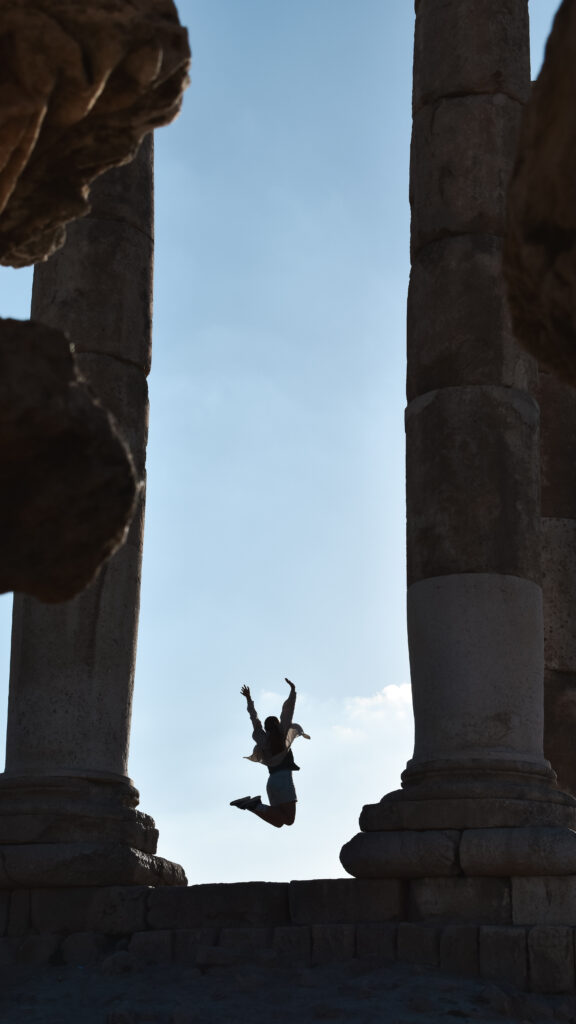
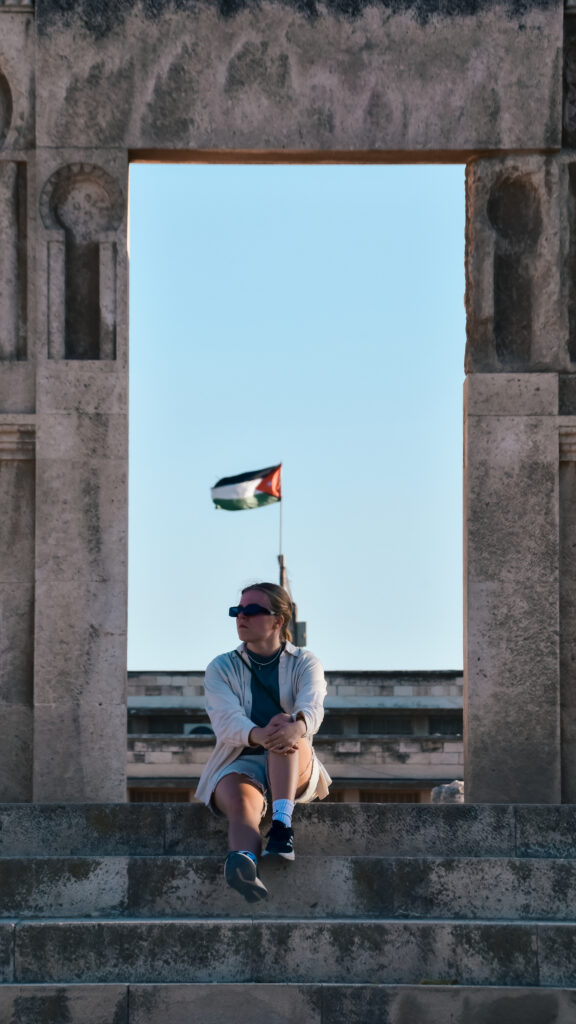
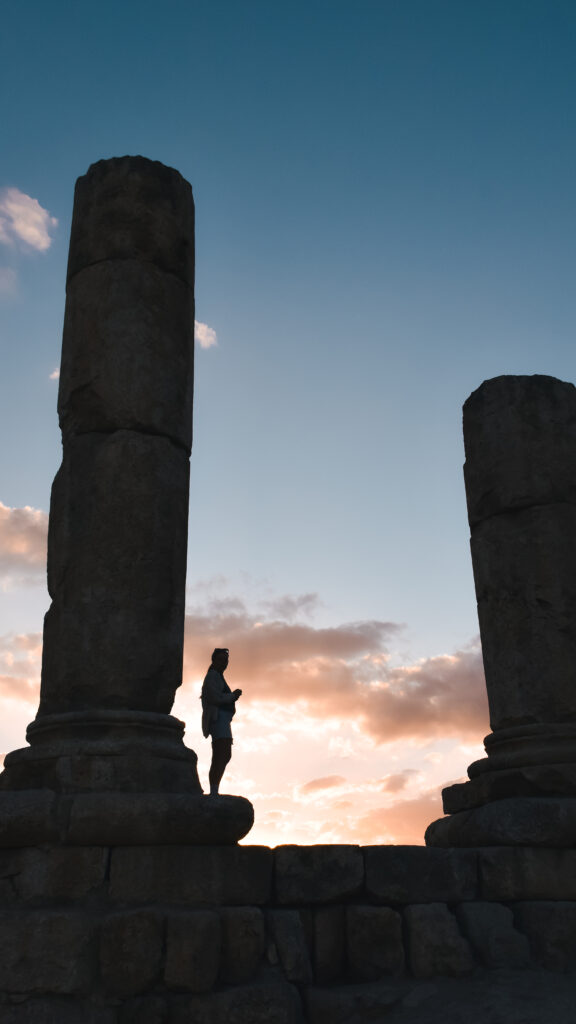
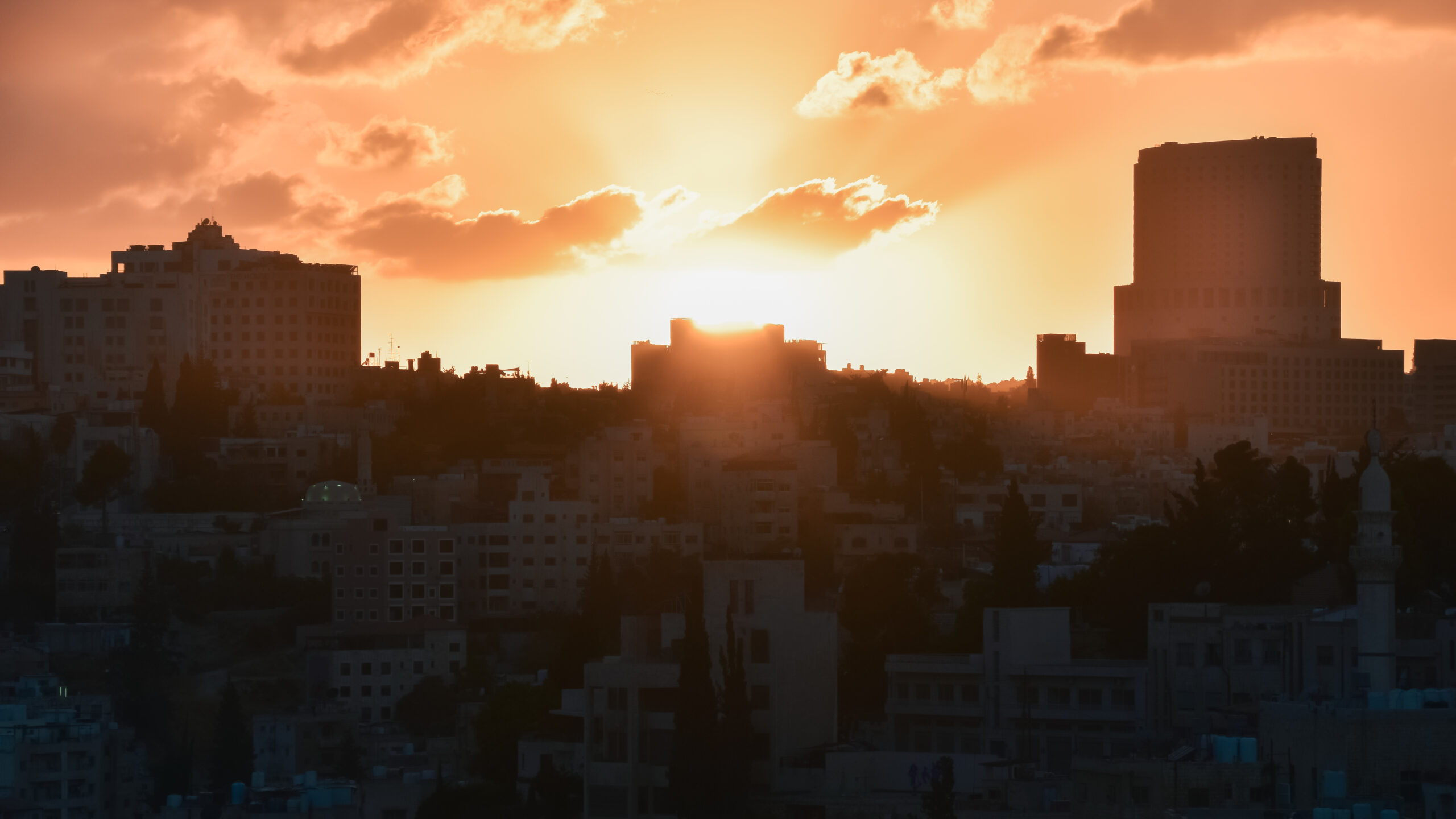
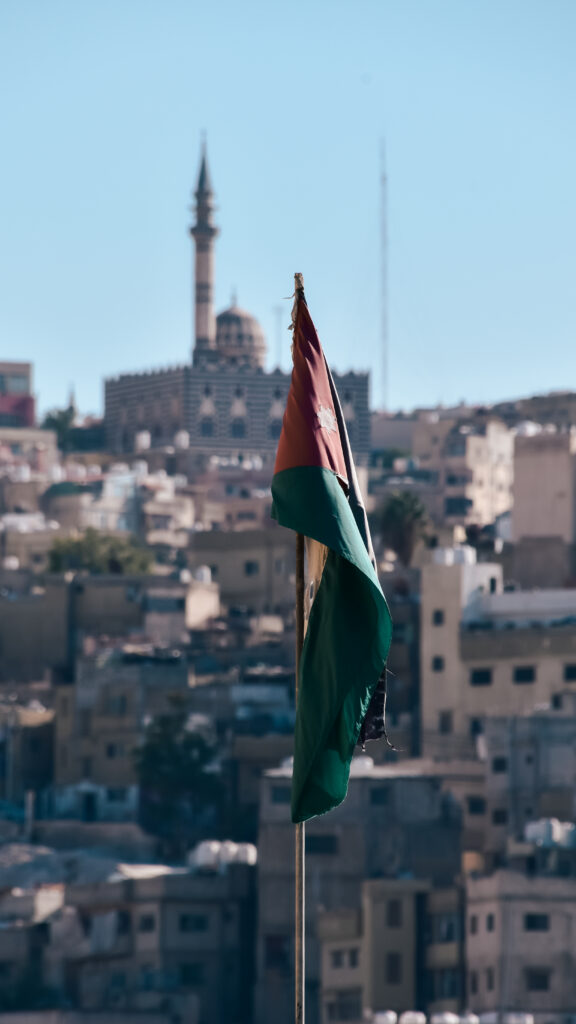
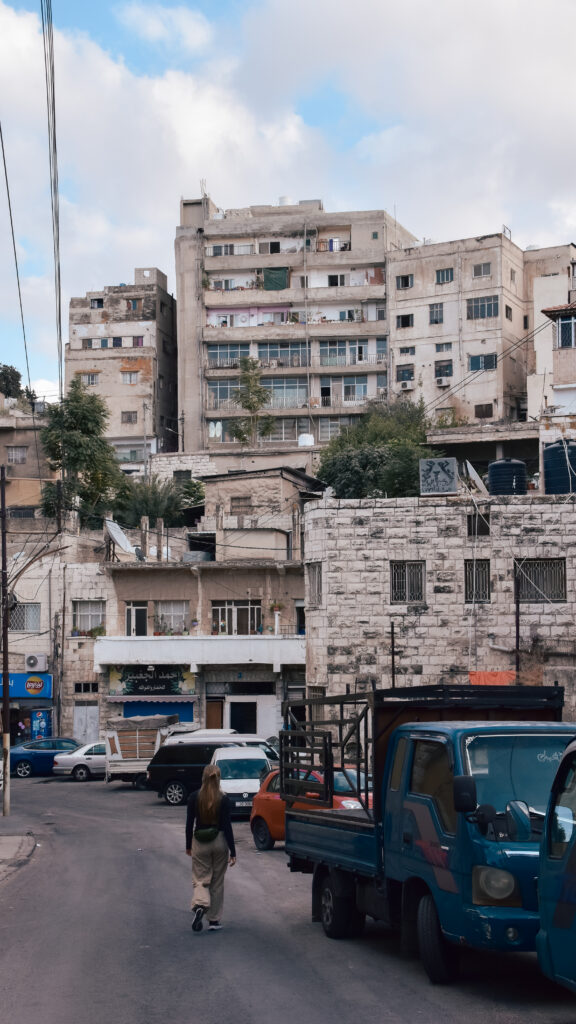
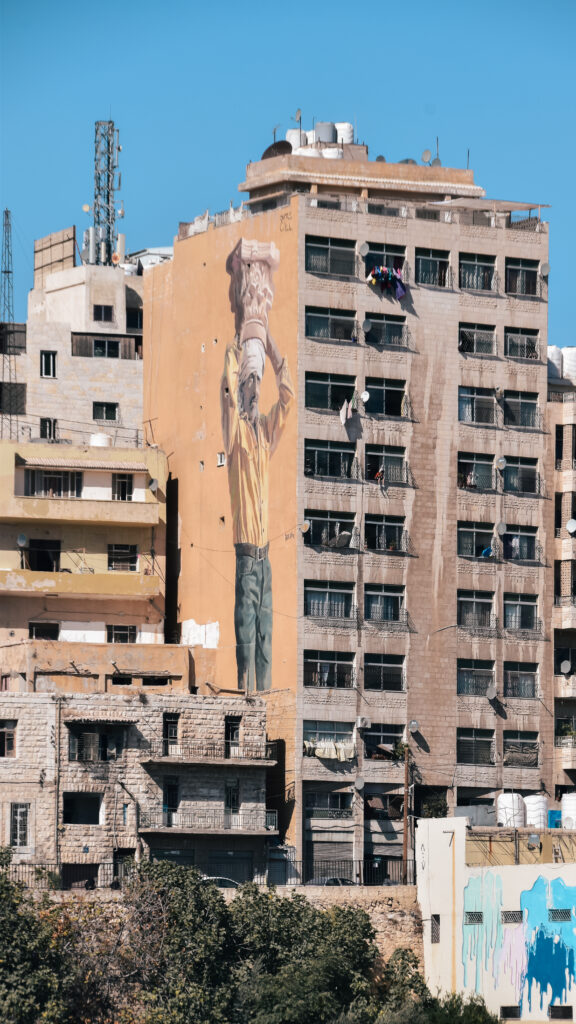
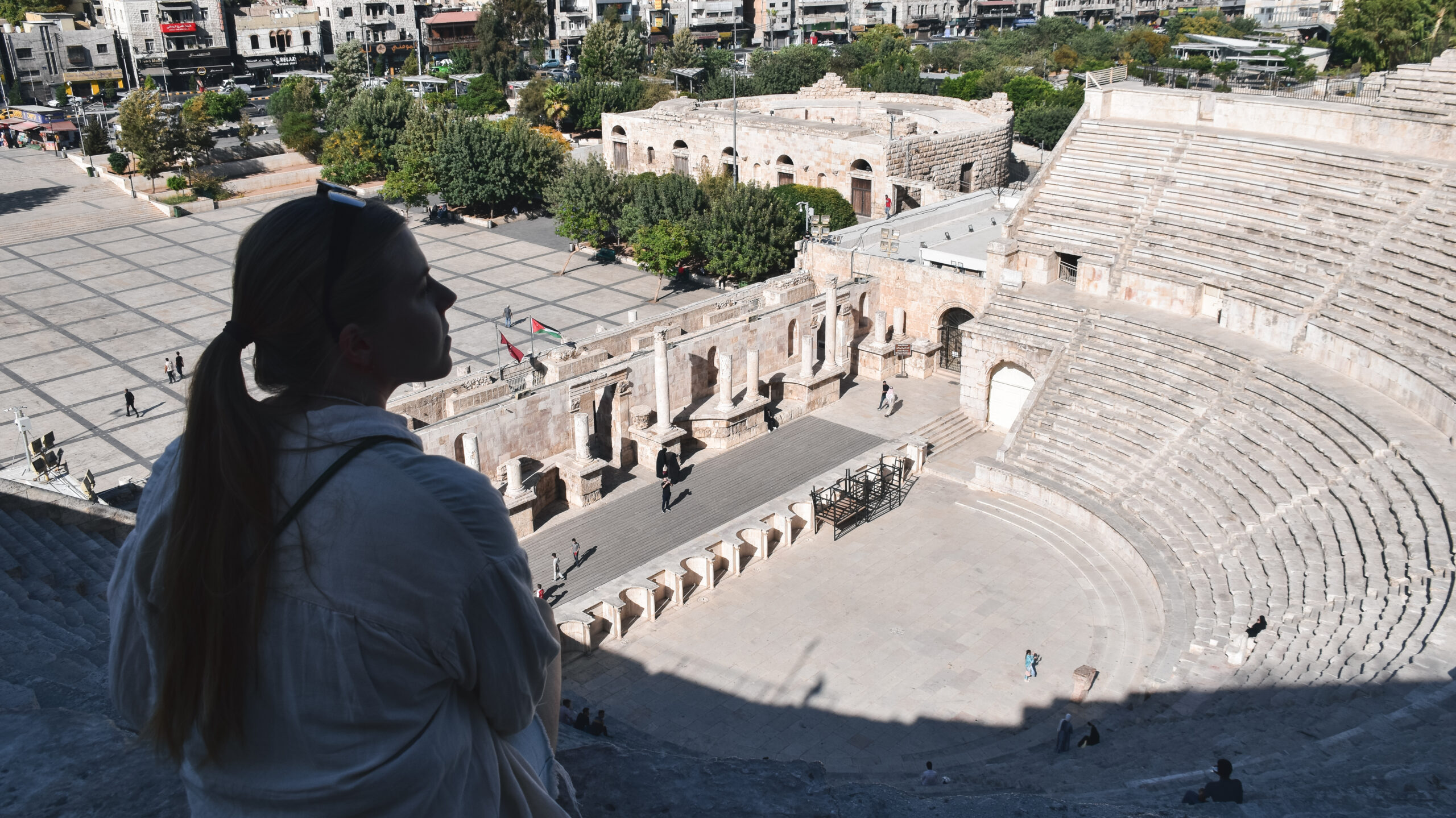
Amman itself is a chaotic mix of hills, buildings, and bustling streets. But it has a certain charm. At sunset, we climbed to the Citadel, where the call to prayer echoed from every direction — truly magical.
As we left the grocery store that evening, we noticed locals staring into the sky. We looked up and saw missiles. Real ones. Apparently, it was an Iranian retaliatory strike following the deaths of Hezbollah and Hamas leaders in Lebanon and Tehran. Explosions echoed faintly in the distance.
Immediately, our phones blew up. Emilia’s dad messaged: “Get the hell out of there.” Joona’s father called. We tried to remain calm. Jordan had strong western ties and was not directly involved in the conflicts. But hearing that the airspace was temporarily shut down didn’t ease our minds. The only way out seemed to be via Saudi Arabia — expensive visas and a long bus ride. So, we chose to stay. And wait.
Day 2: Exploring Amman & Awkward GuruWalk
We joined a free walking tour via GuruWalk with a lovely older gentleman. The tour was informative and a great intro to Amman. But at the end, when we tipped him — a modest amount in Jordanian dinars — he looked offended and insisted we give him euros as an addition. It was uncomfortable, especially since GuruWalks are marketed as free with voluntary tips. So our “free” tour ended up costing nearly 30€, a steep price for budget travelers like us.
Still, the geopolitical situation seemed to calm down a bit. News came that airspace would reopen. We decided to move forward with our plan.
Day 3: Rental Car Nightmares & Wadi Rum Magic
We picked up our rental car — a Suzuki Alto from a rental agency called Monte Carlo. Despite paying extra for full coverage at the time of booking the car through a broker called CarJet, the rental agency demanded a 2500€ deposit. Only after paying an additional 75€ could we reduce it to 100€. It felt like a scam, and we weren’t happy about it.
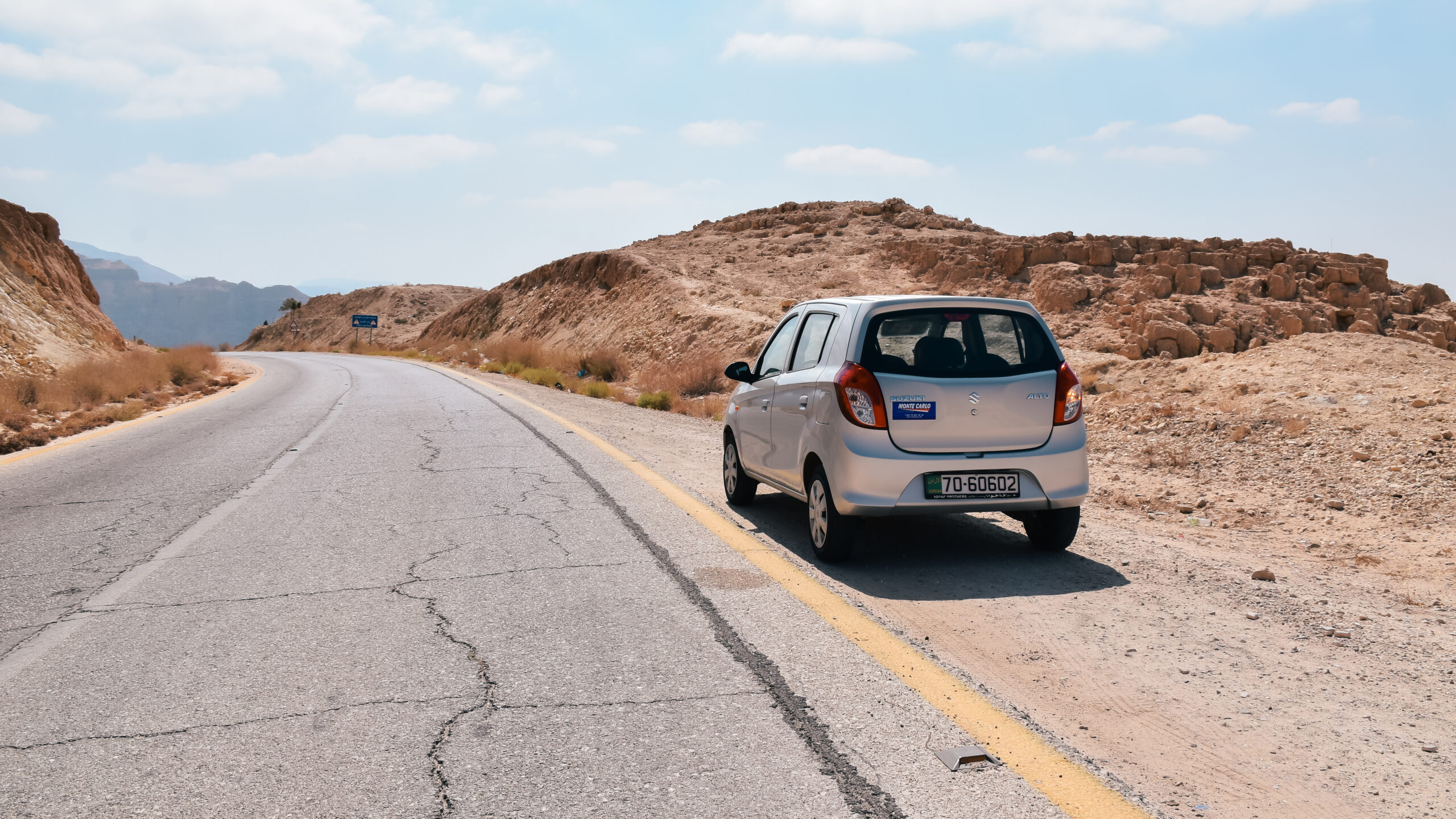
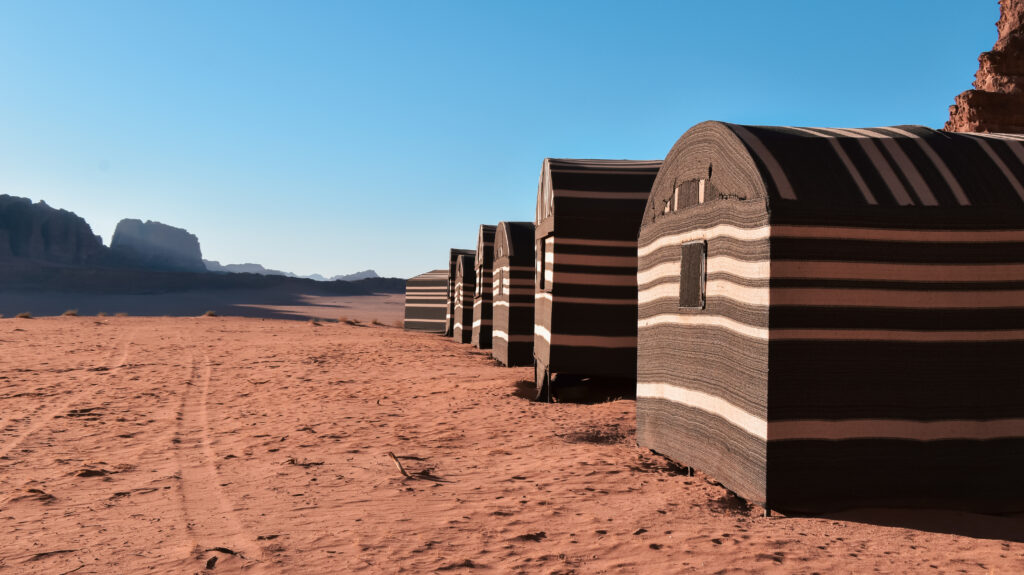
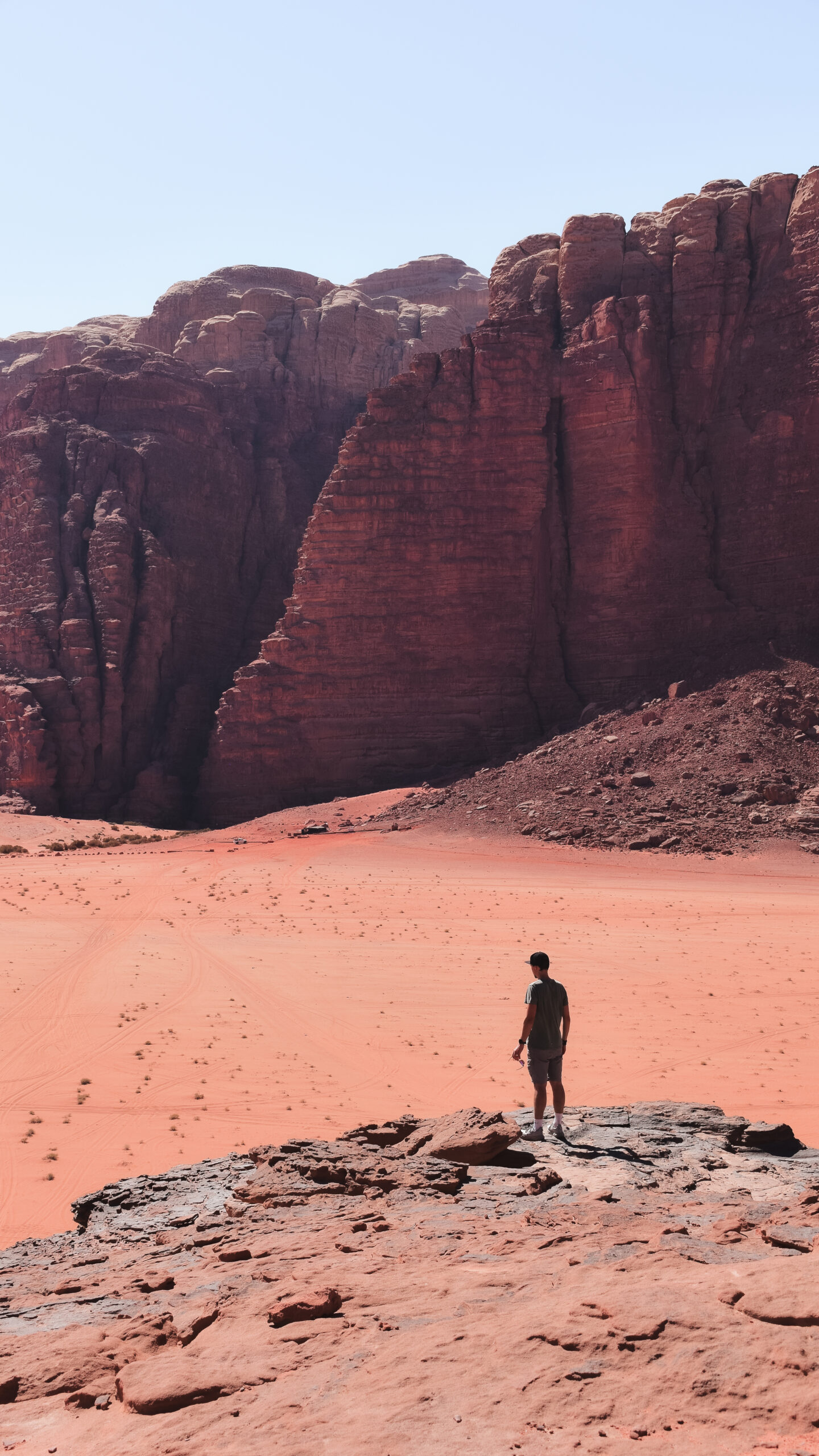
Nevertheless, we hit the King’s Highway and made our way to Wadi Rum. Once we entered the desert reserve, a Bedouin guide picked us up in a 4×4 and drove us deep into the Martian landscape.
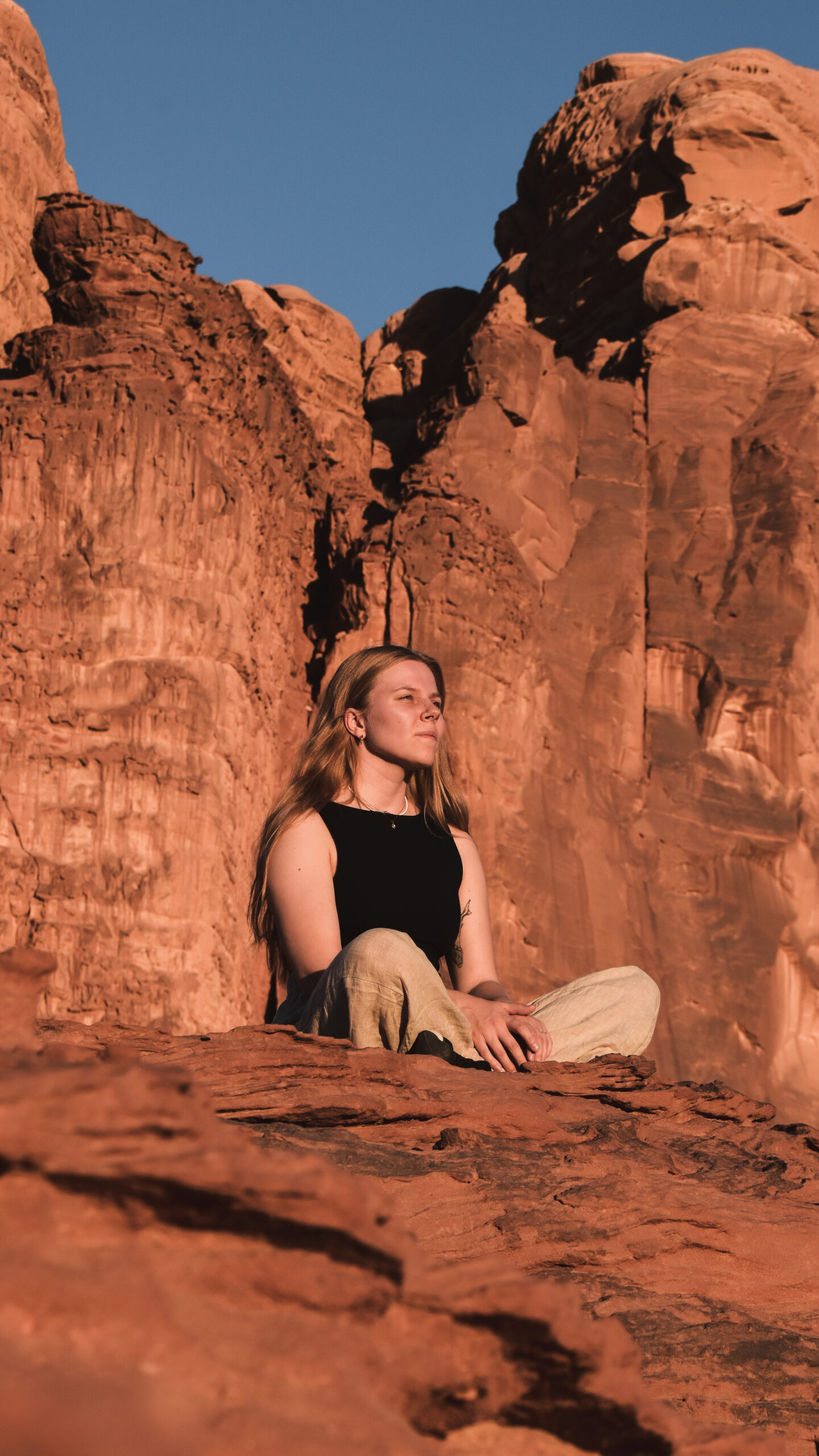
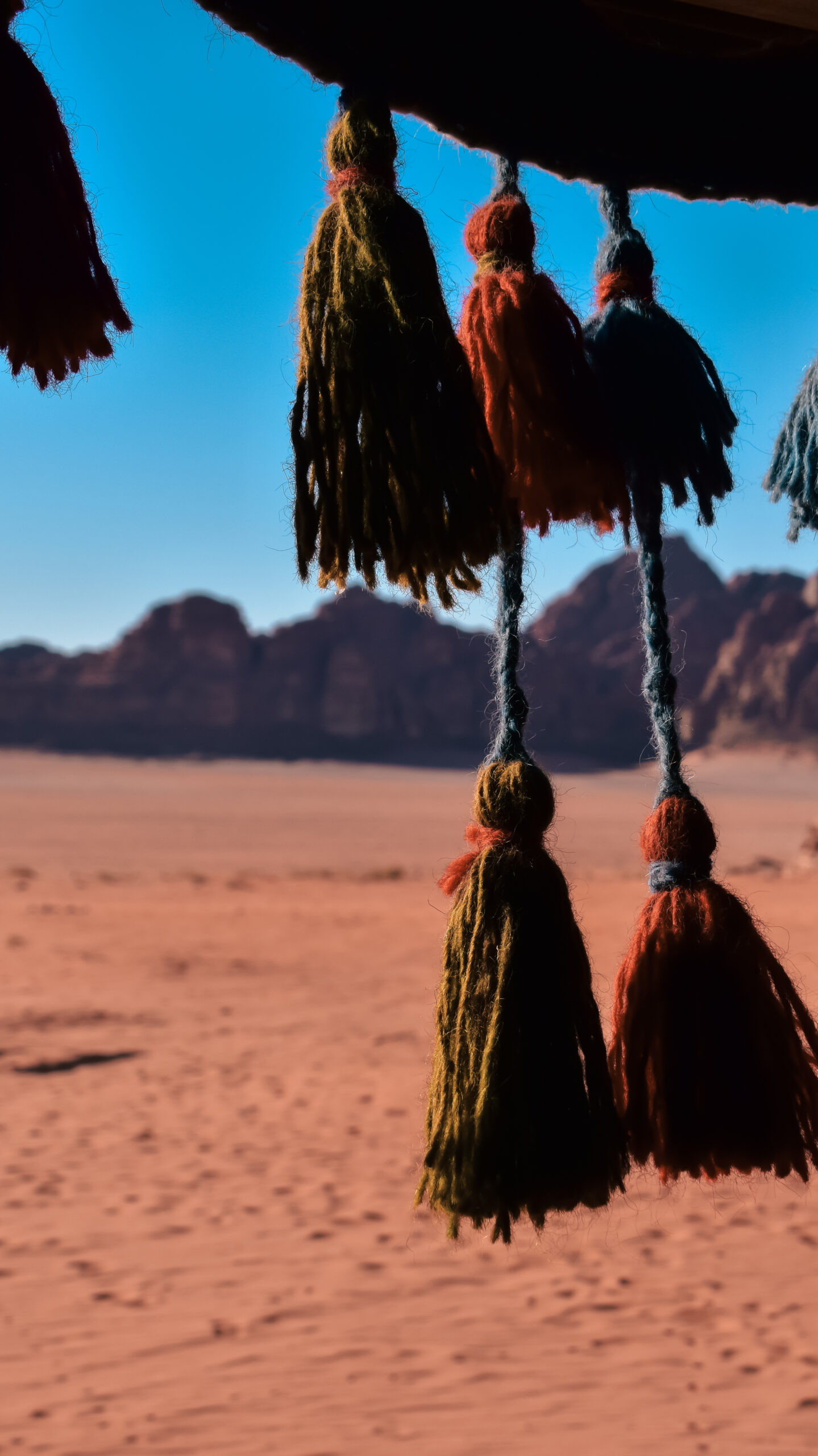
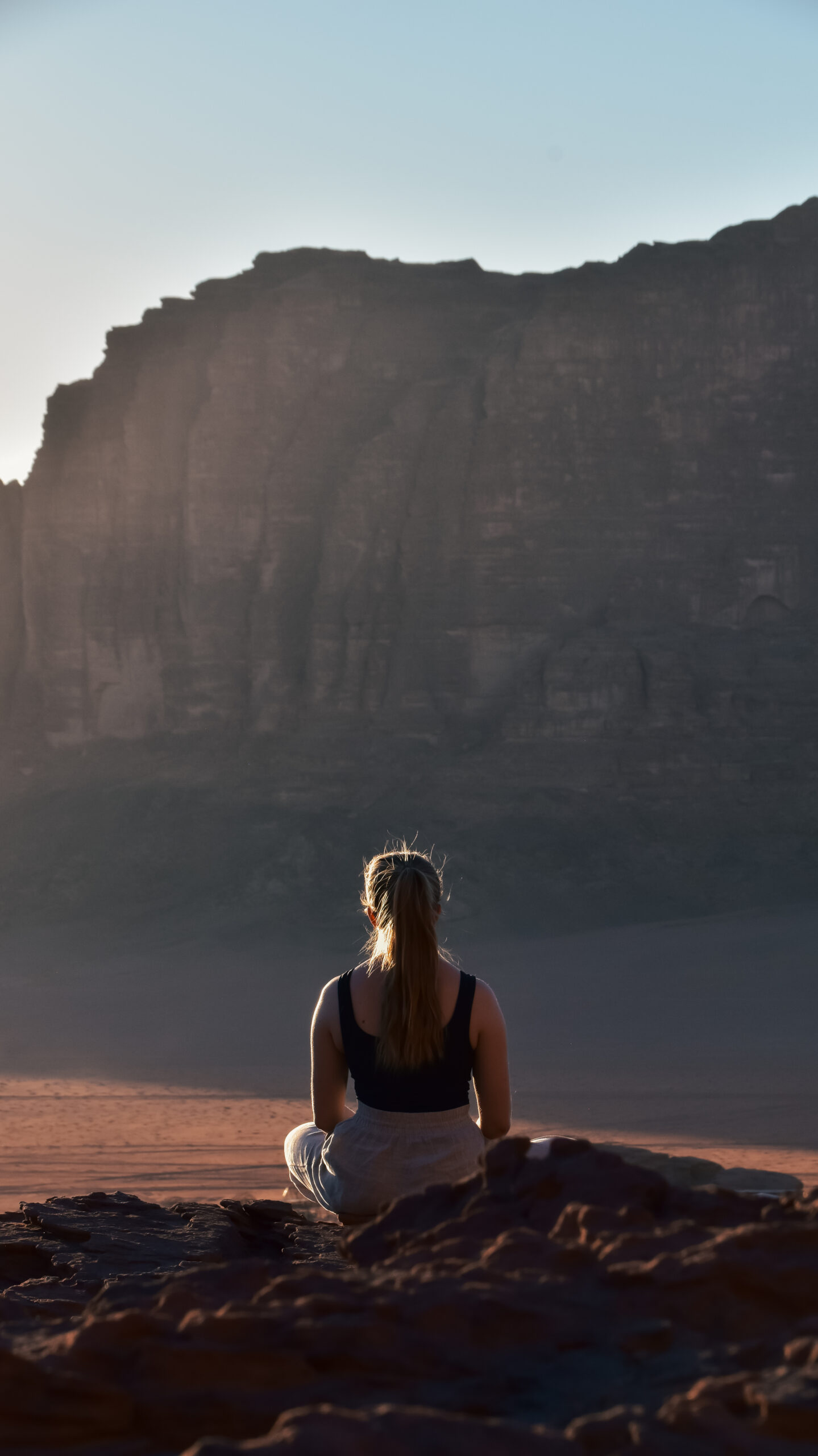
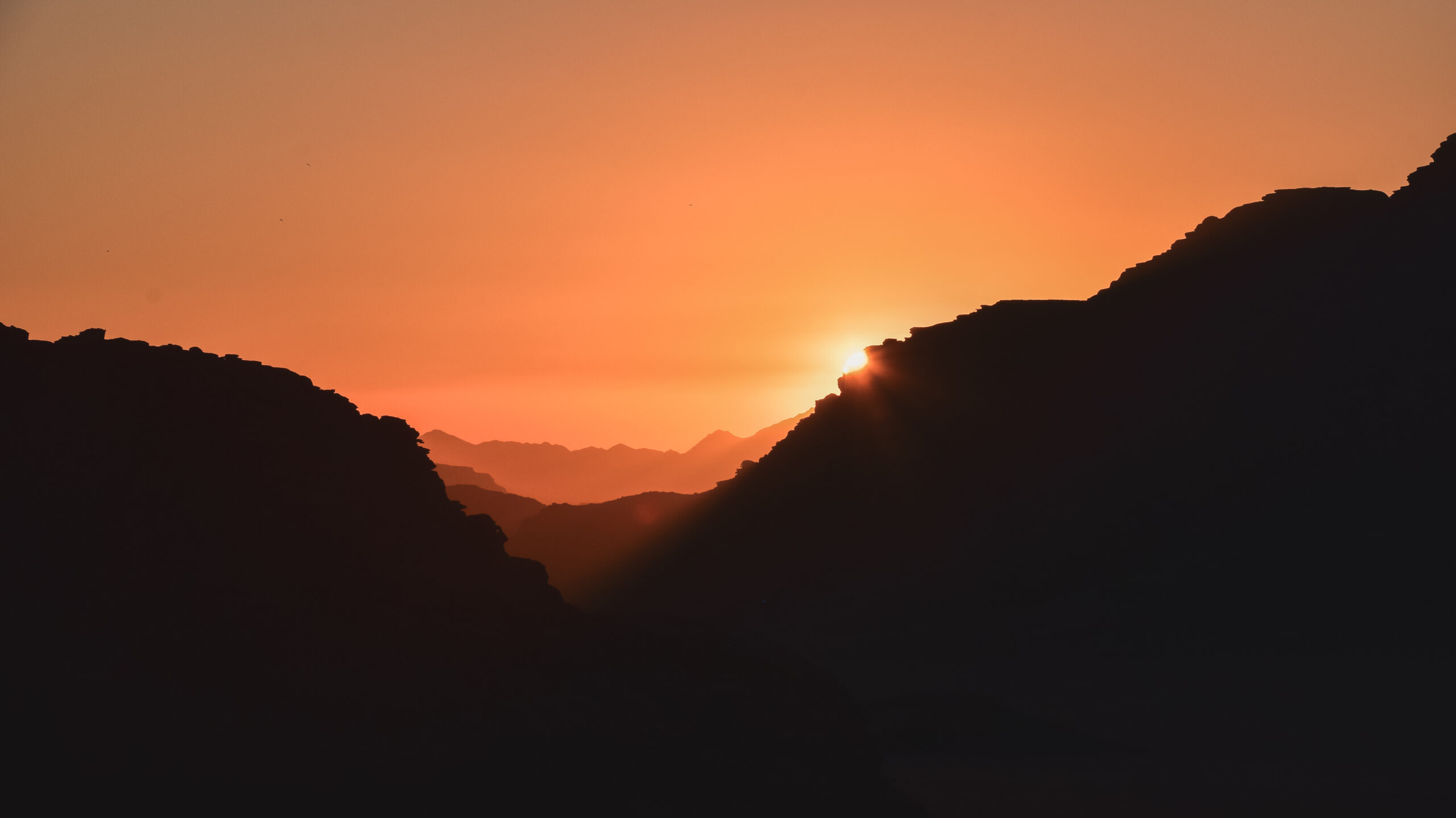
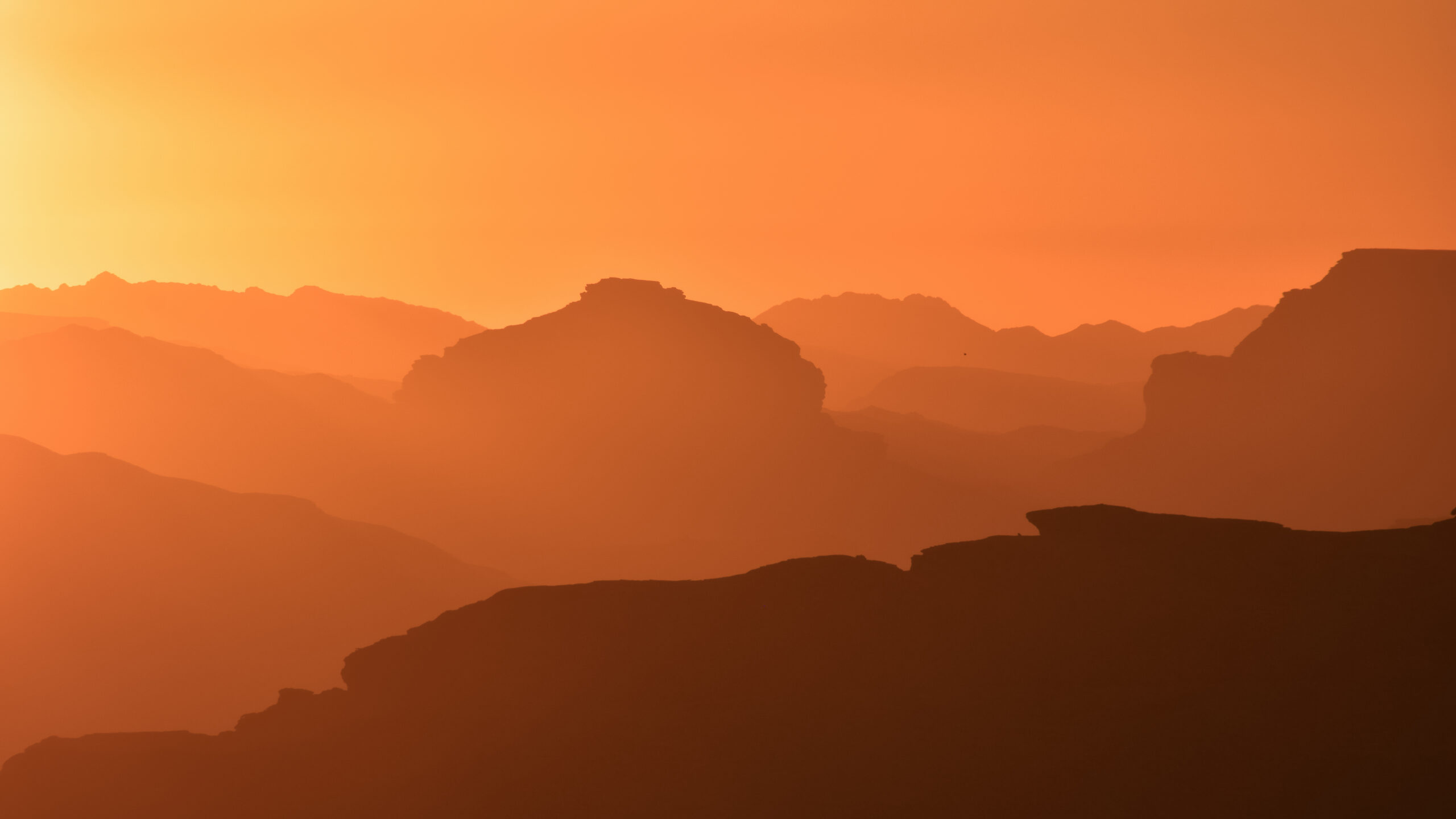
Our host, Mohammed, welcomed us warmly at the Bedouin Nights Camp where we would stay for two nights. On the first evening, we climbed nearby rocks to watch the sunset filled with red sand, cliffs and silence. It was one of the most stunning sunsets we’d ever seen. Dinner that night was zarb — a traditional Bedouin dish cooked underground for hours. (Check out Taste Atlas for more on Bedouin cuisine.)
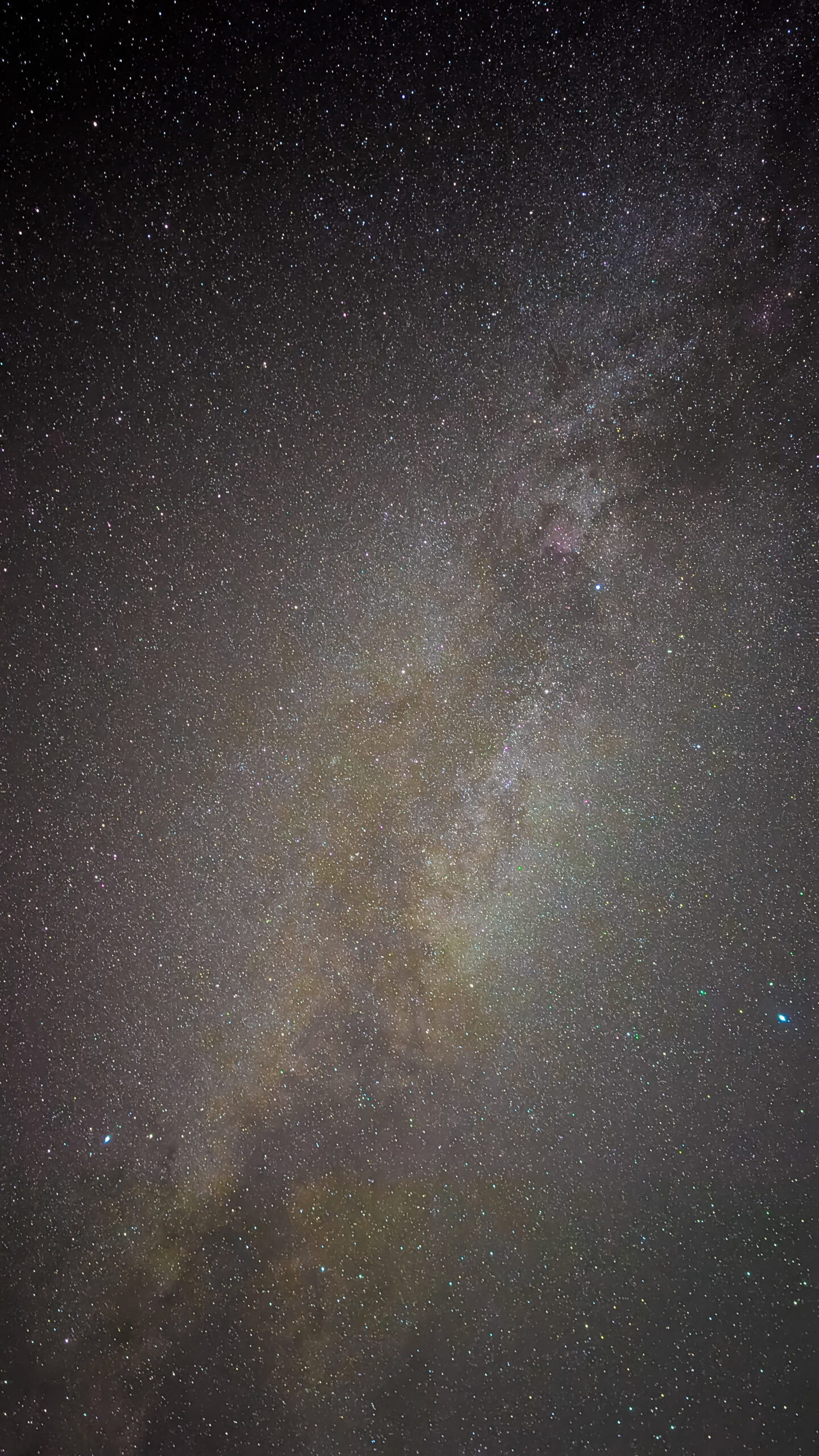
We ended the night around the fire, chatting about the Middle East with fellow travelers and watching the Milky Way blaze above us. Unforgettable.
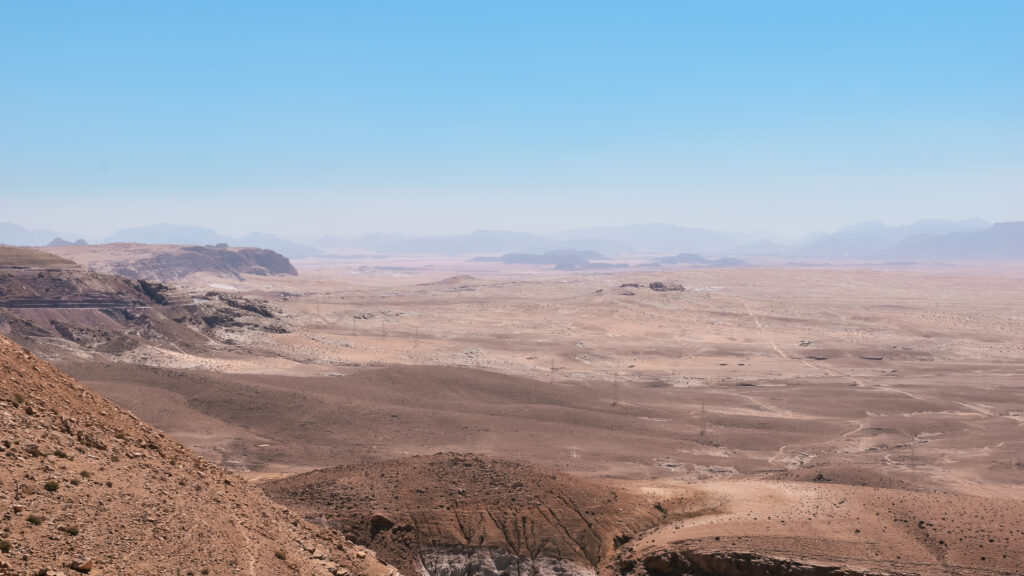
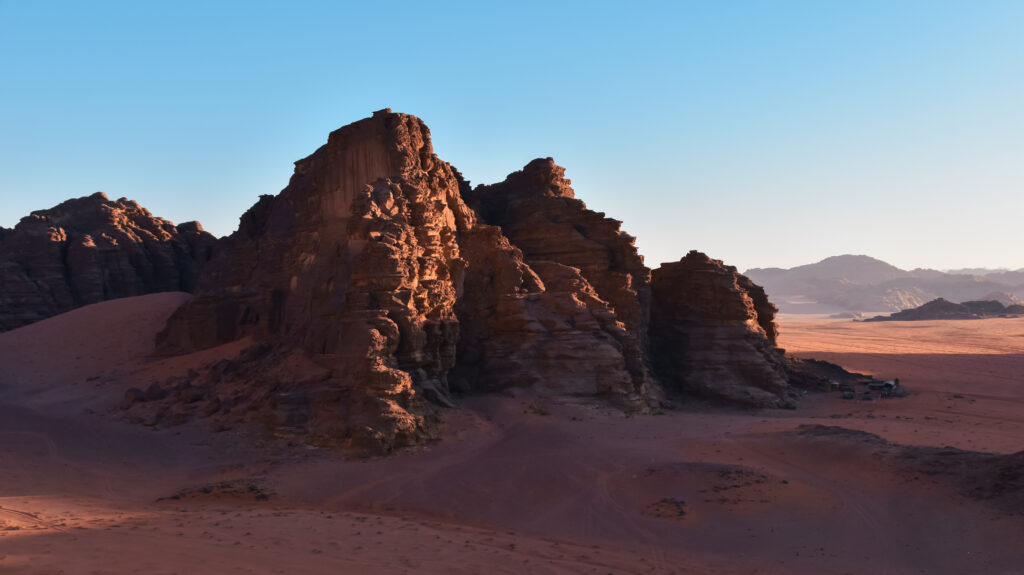
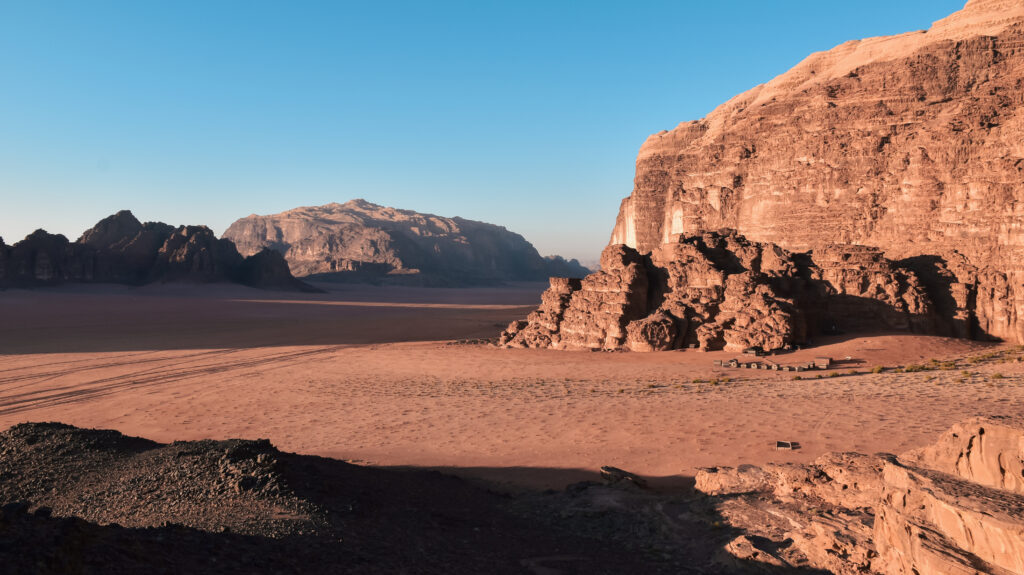
Day 4: Desert Dreams & Sandboarding
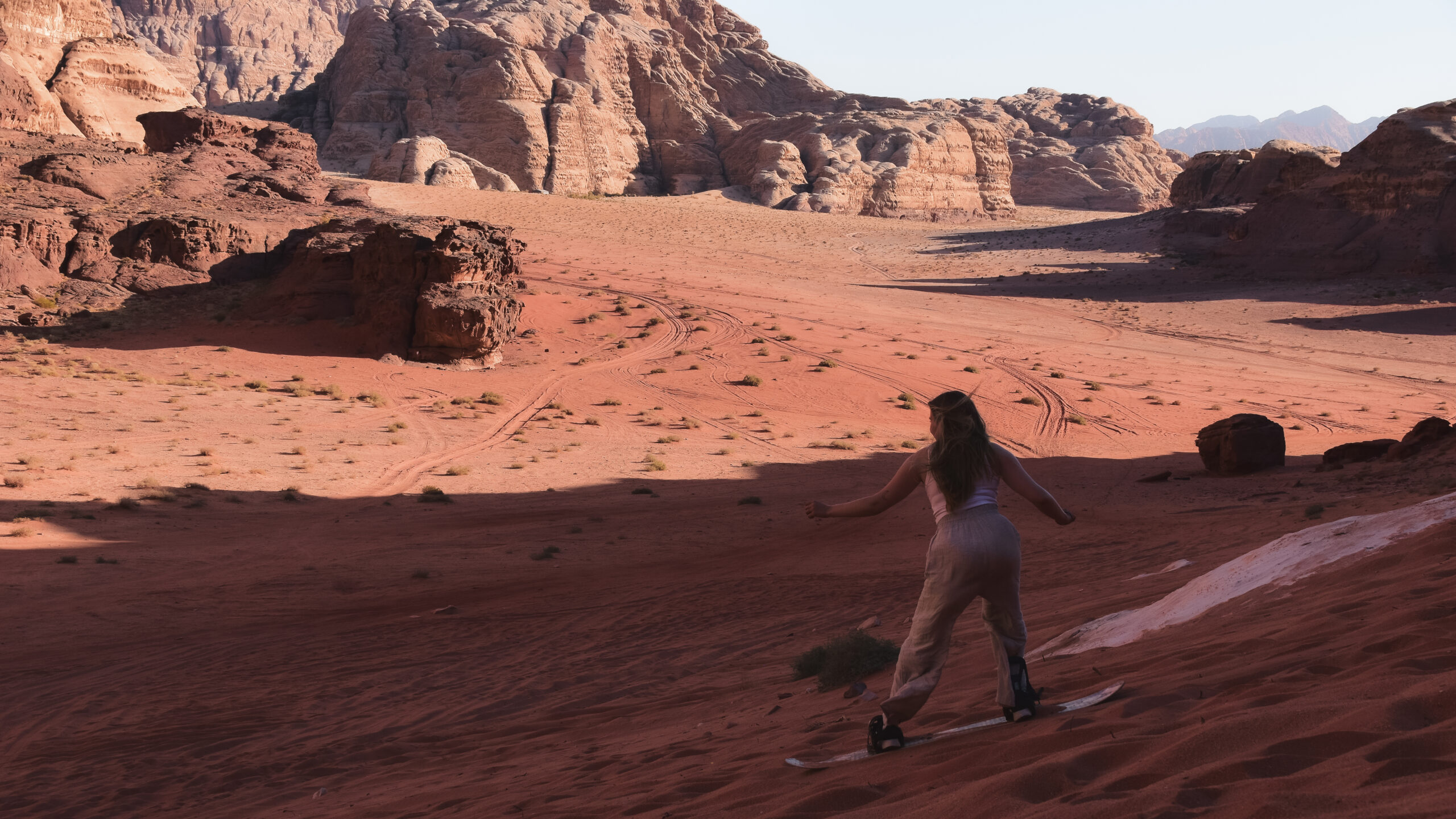
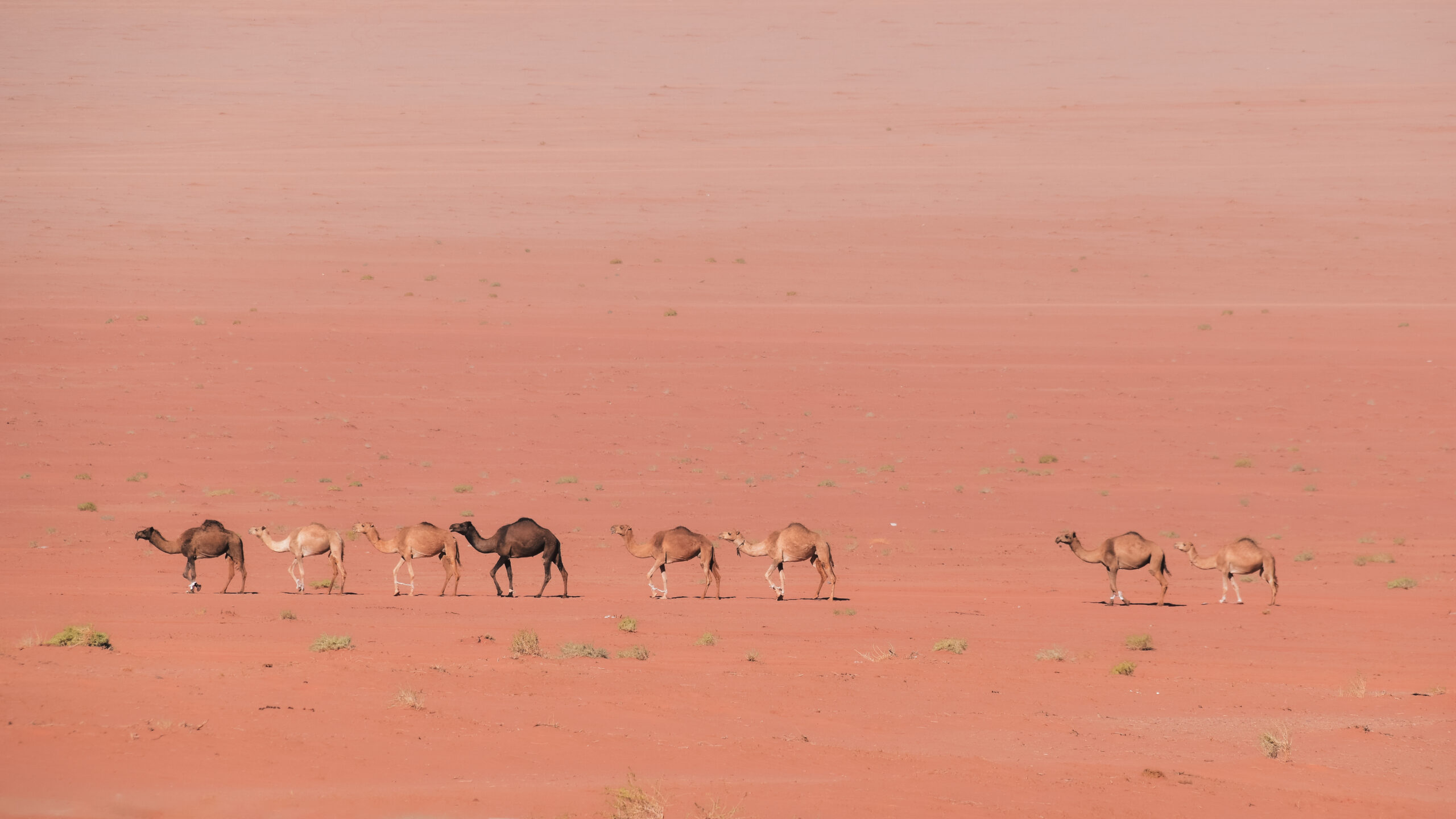
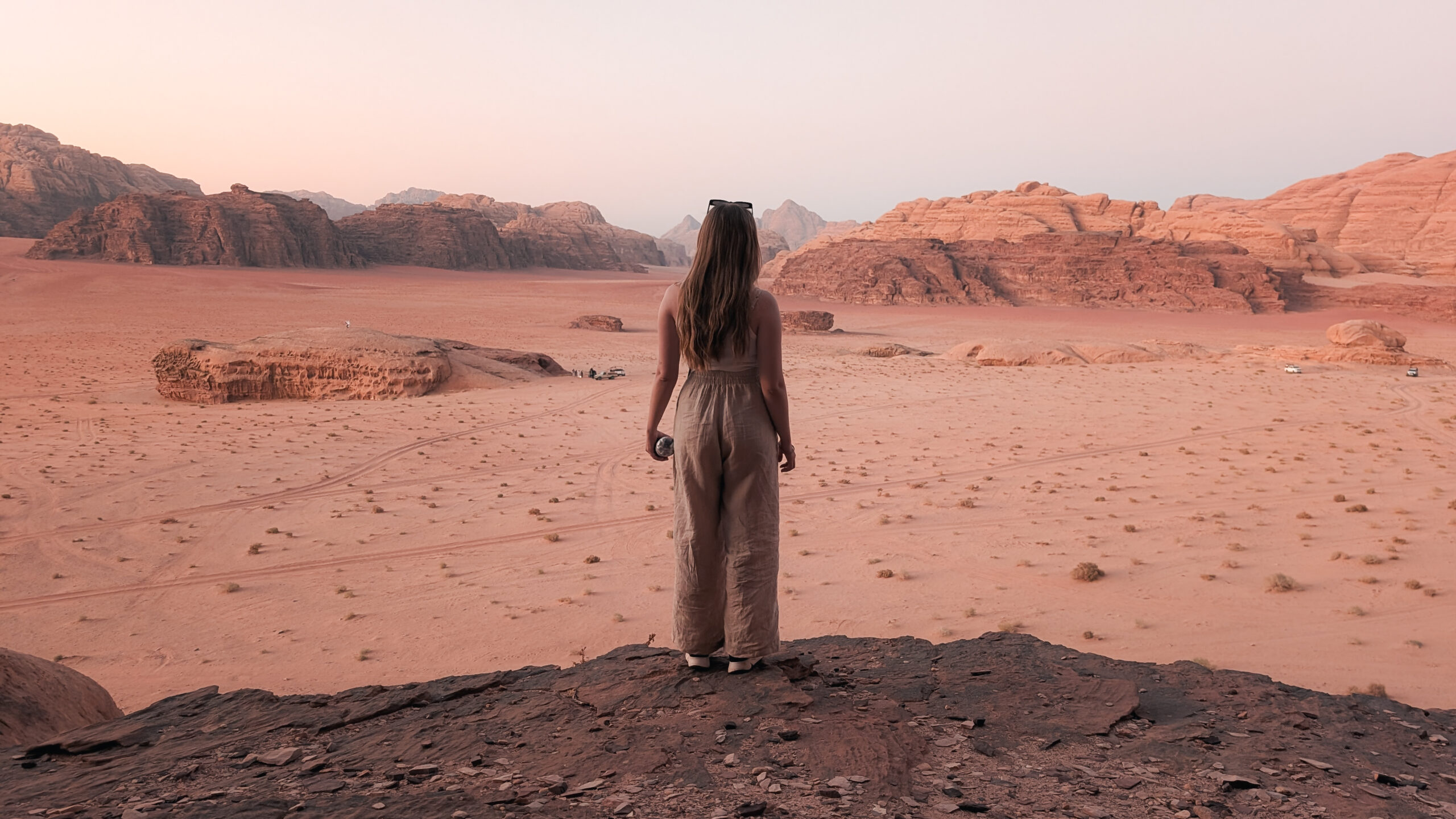
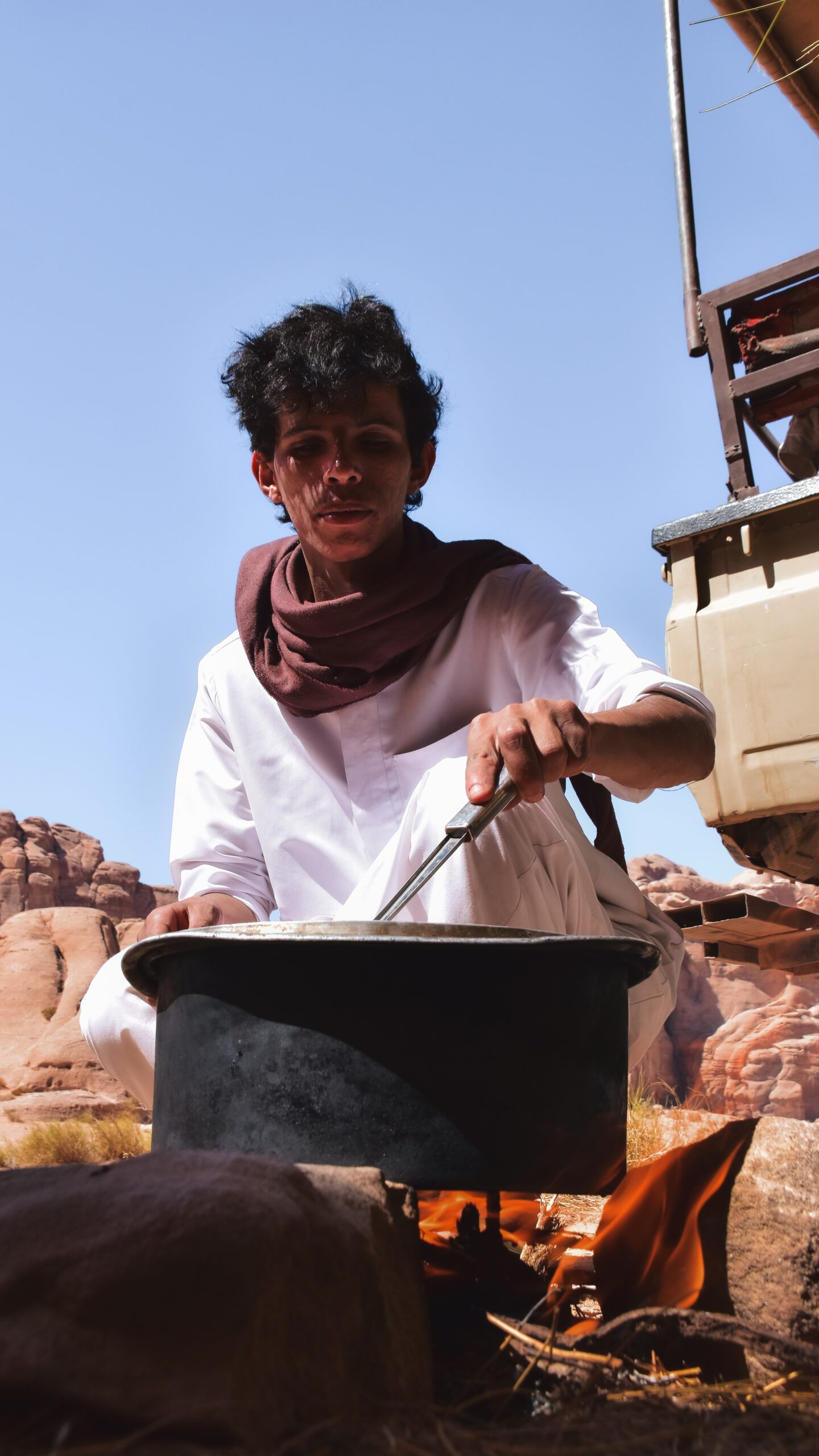
We joined a full-day desert tour, exploring canyons, hiking dunes, and trying sandboarding. Lunch was simple and delicious bedouin food cooked on an open fire. Sunset was once again magical. It was surreal to be in such peace, knowing what was happening just across the border.
Day 5: The Long Road to Petra
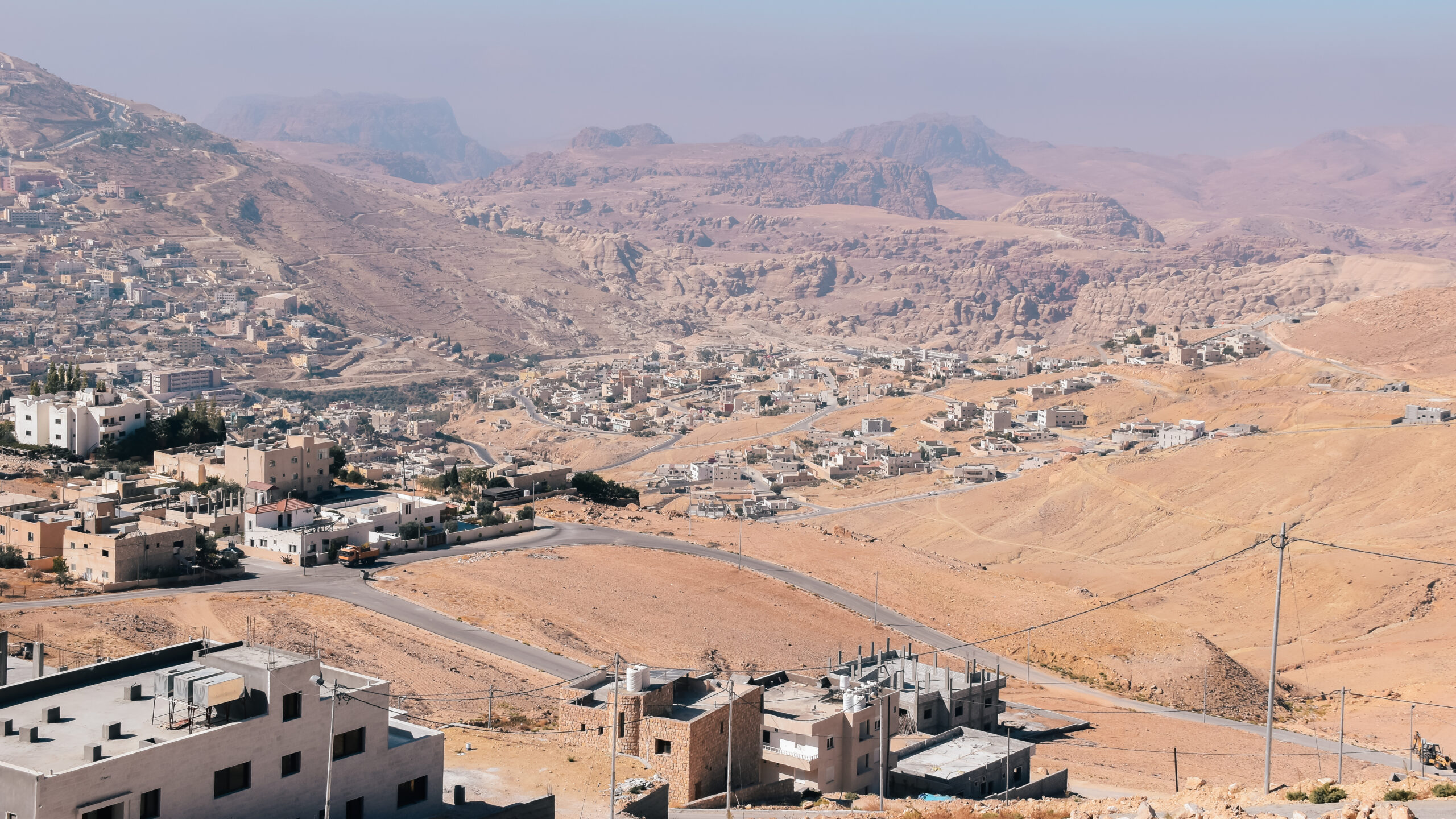
After breakfast, we hit the road toward Petra. The drive was gorgeous. Upon arrival, we were stunned by how steeply the modern city of Petra was built.
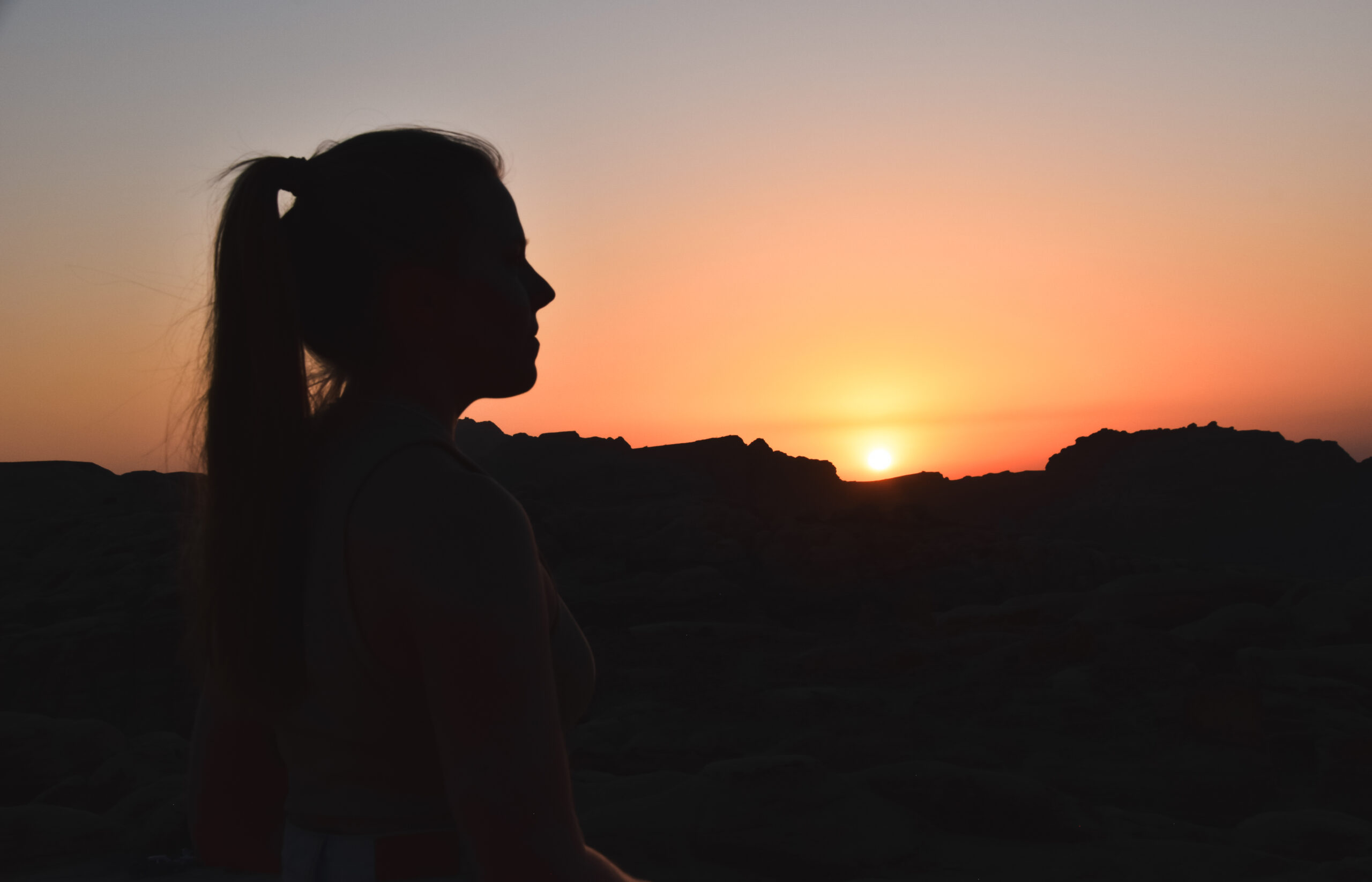
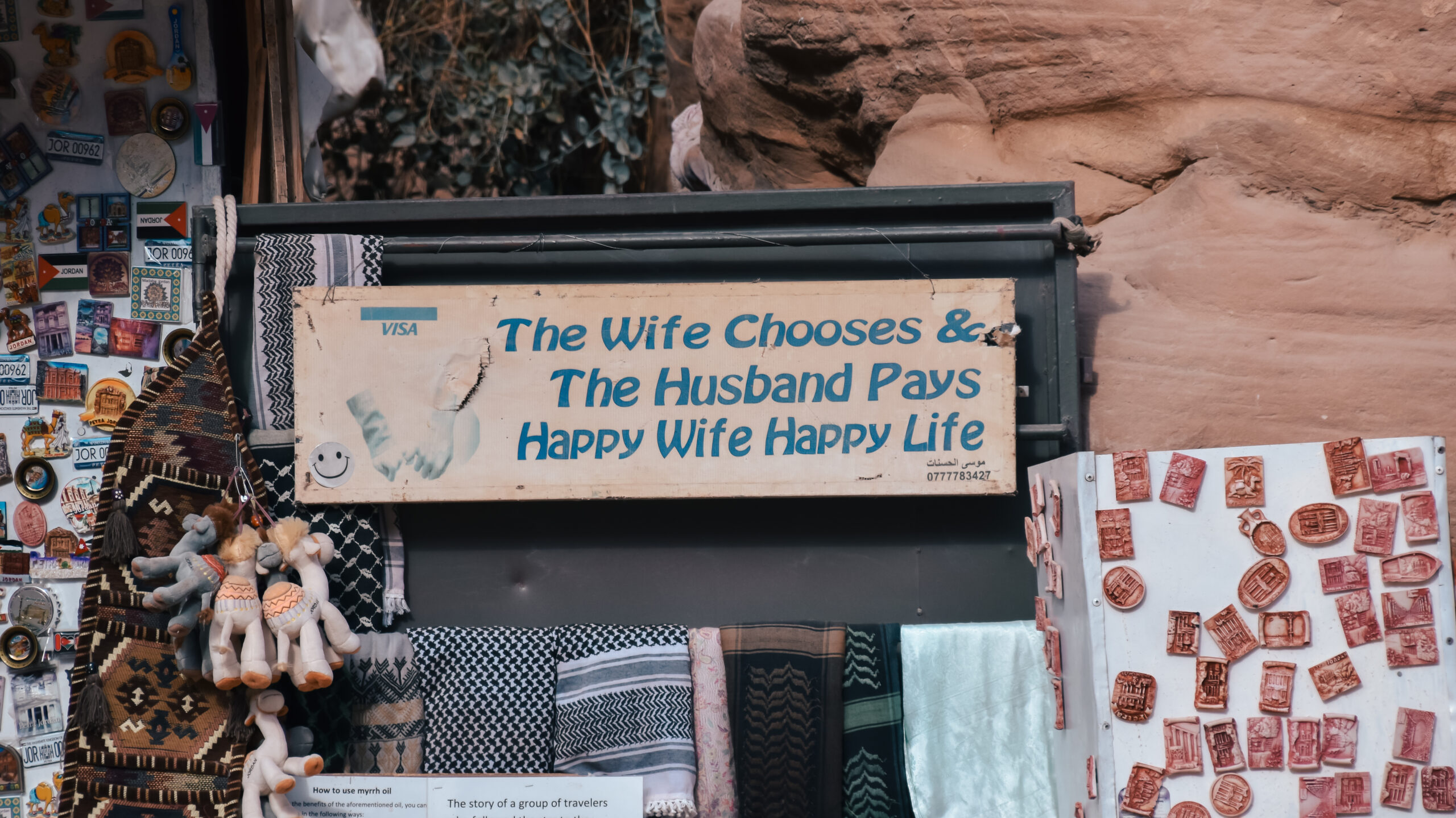
We did a short sunset hike and discovered just how expensive Petra was. Budget food options were nearly nonexistent in the city – Only by the entrance to the old Petra we could find some decent eateries. The town had a bit of a tourist-trap feel — though thankfully, it wasn’t crowded.
Day 6: The Dream of Petra Realized
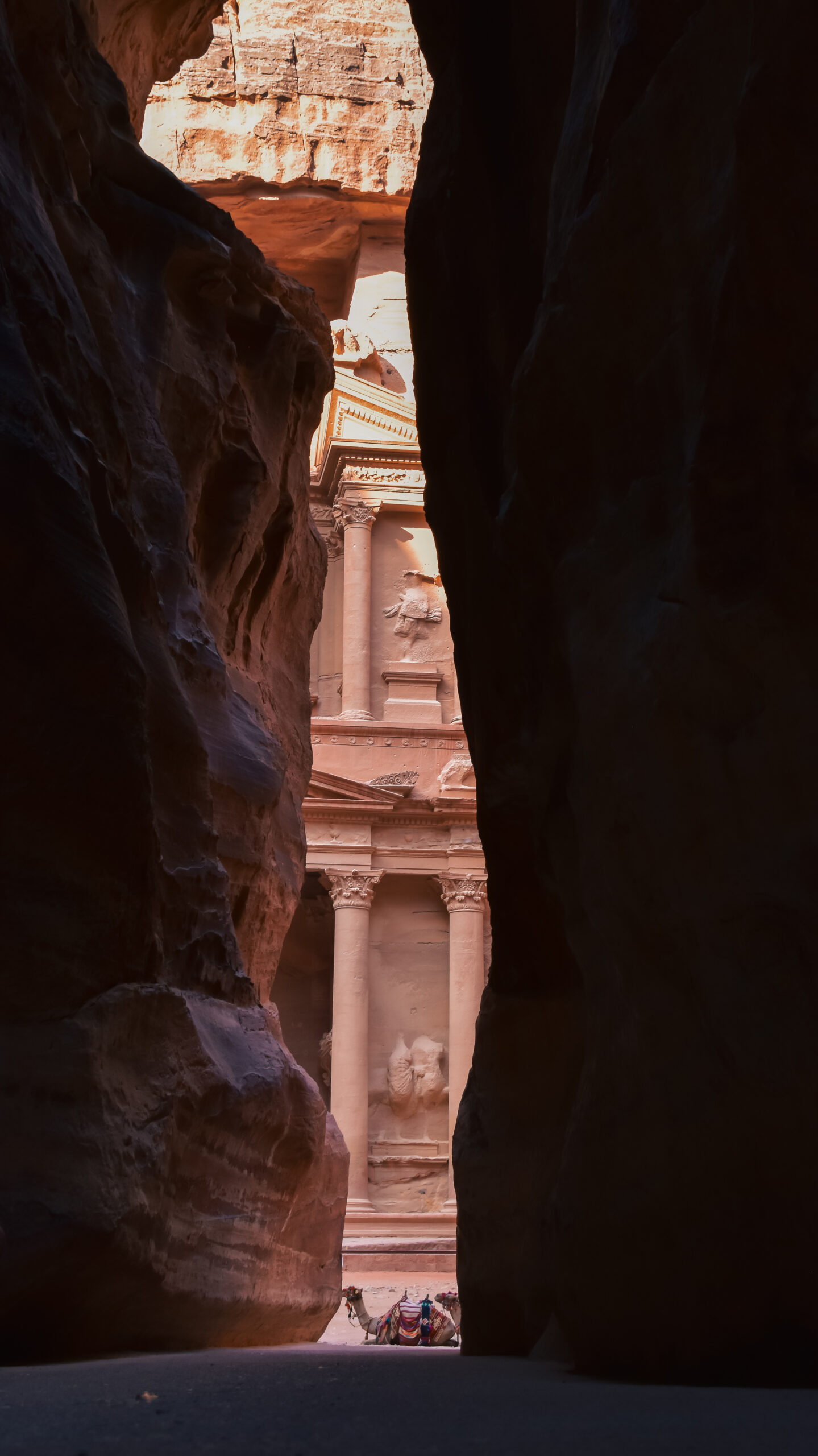
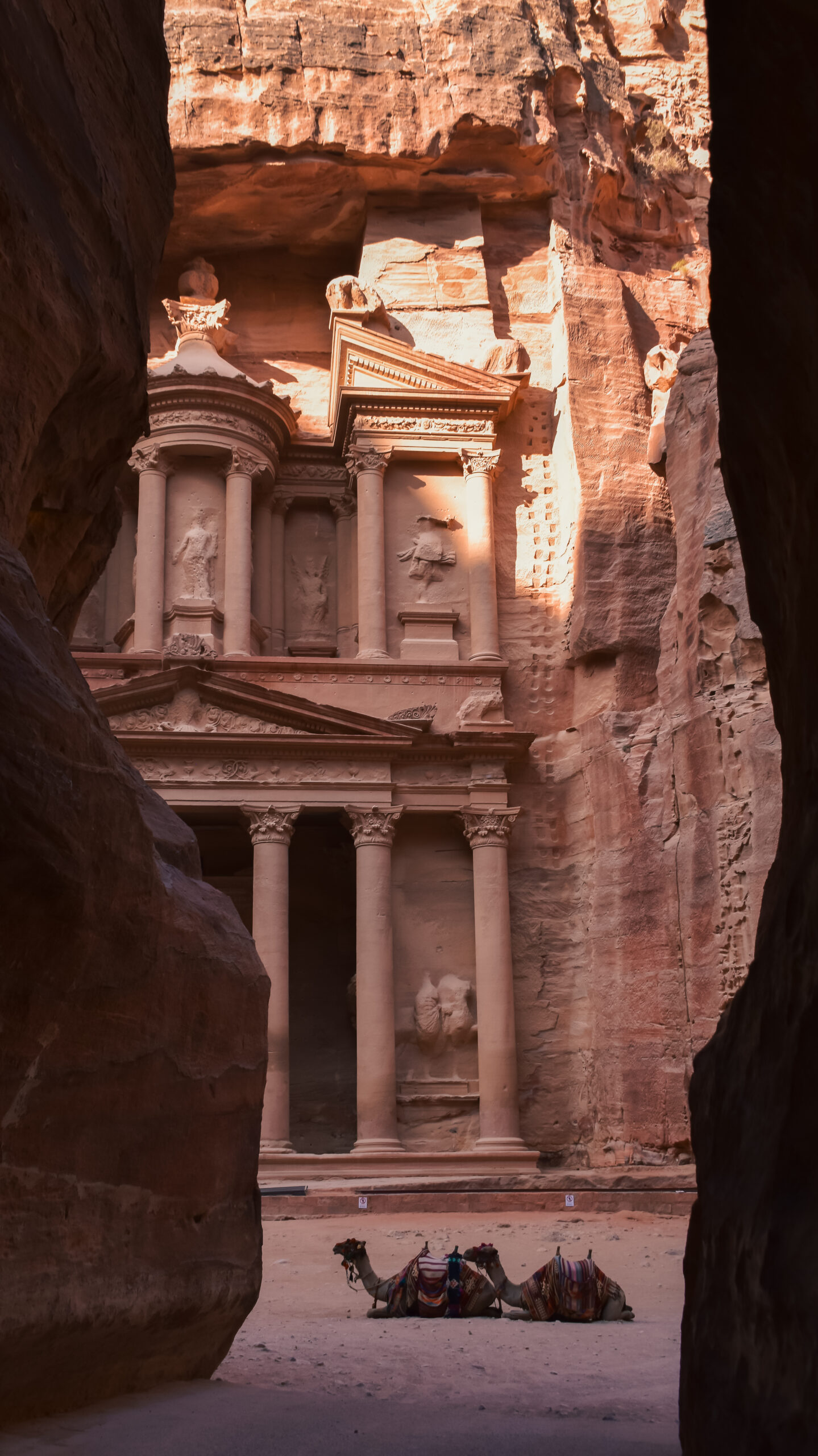
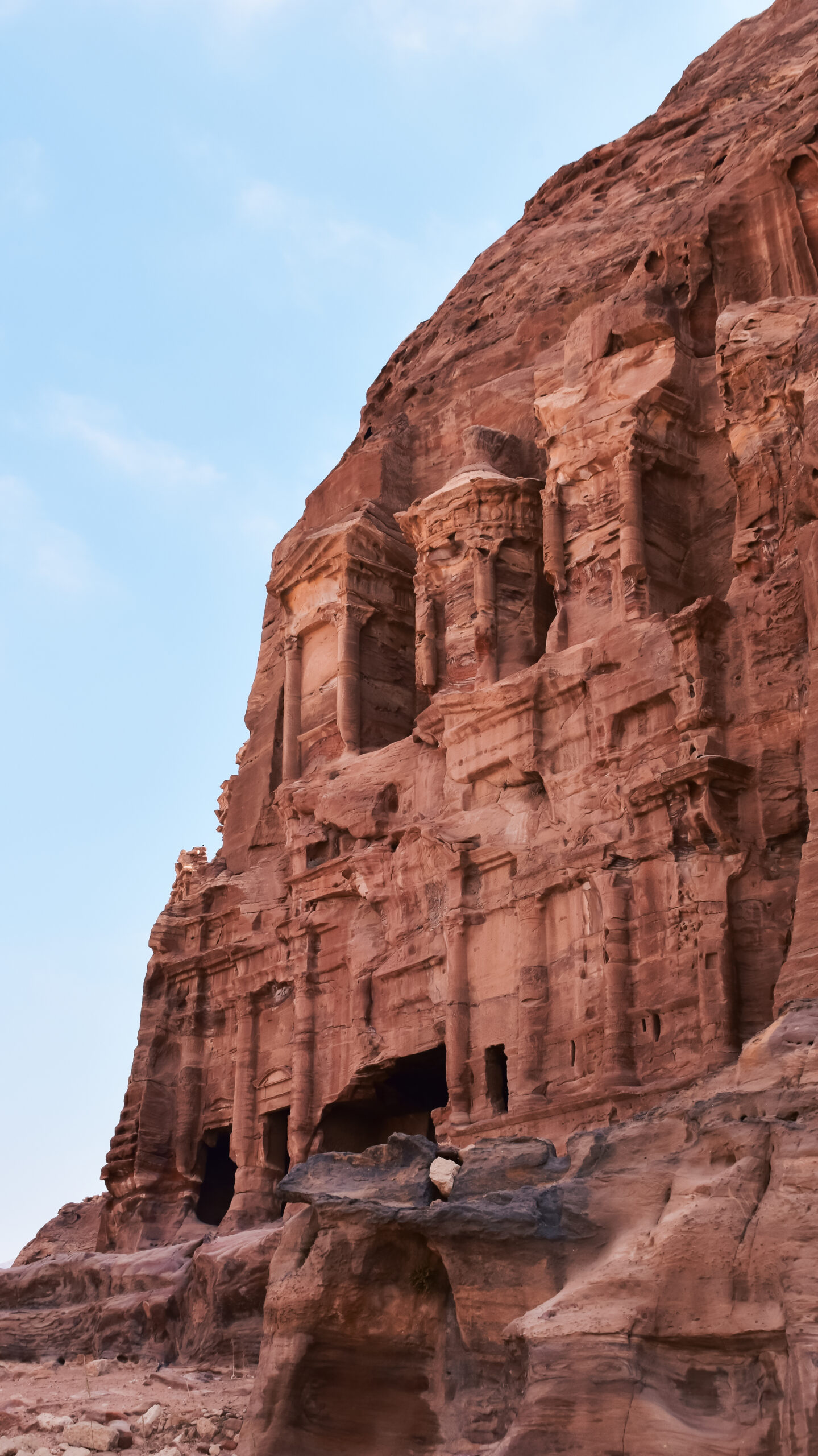
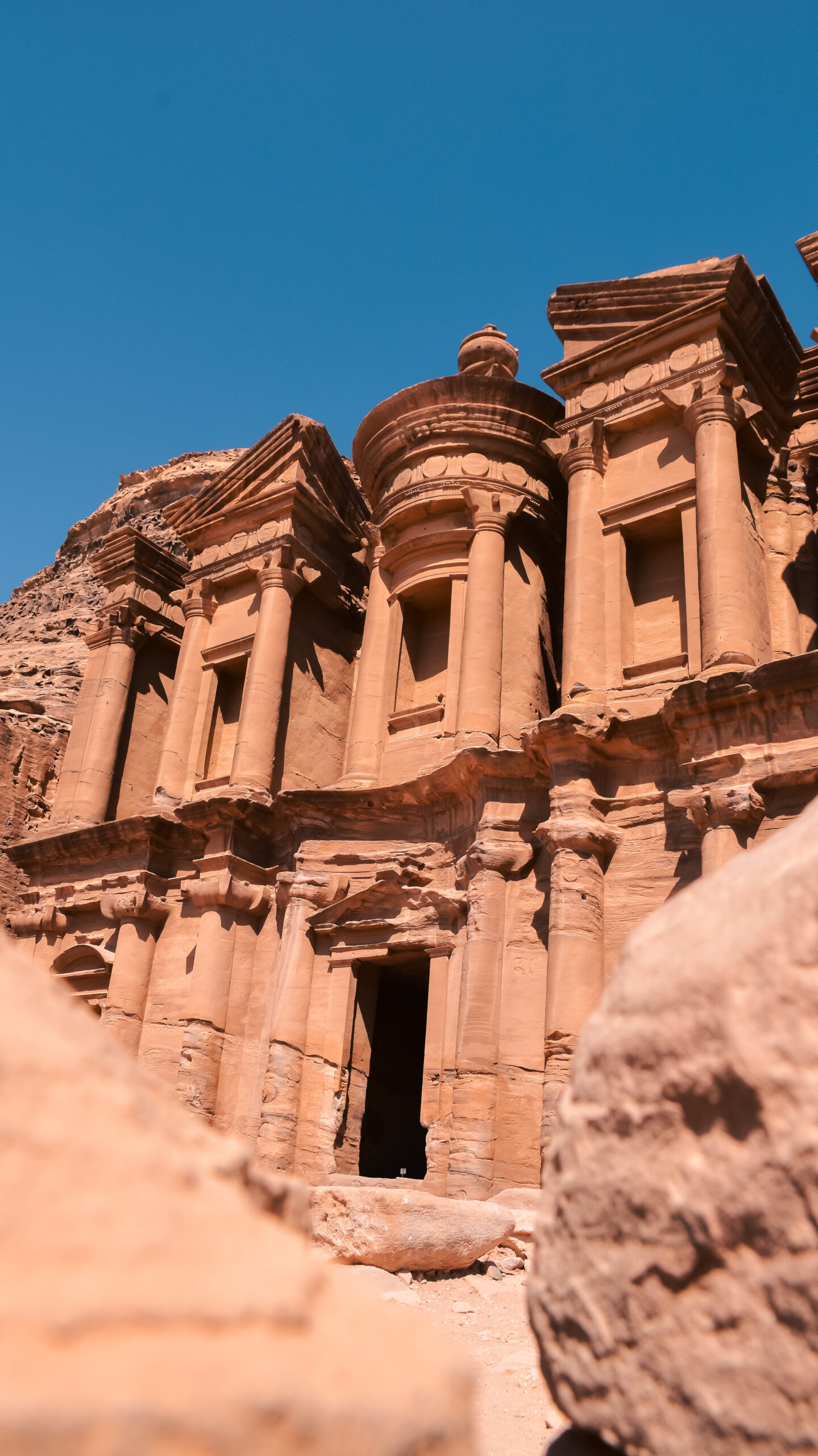
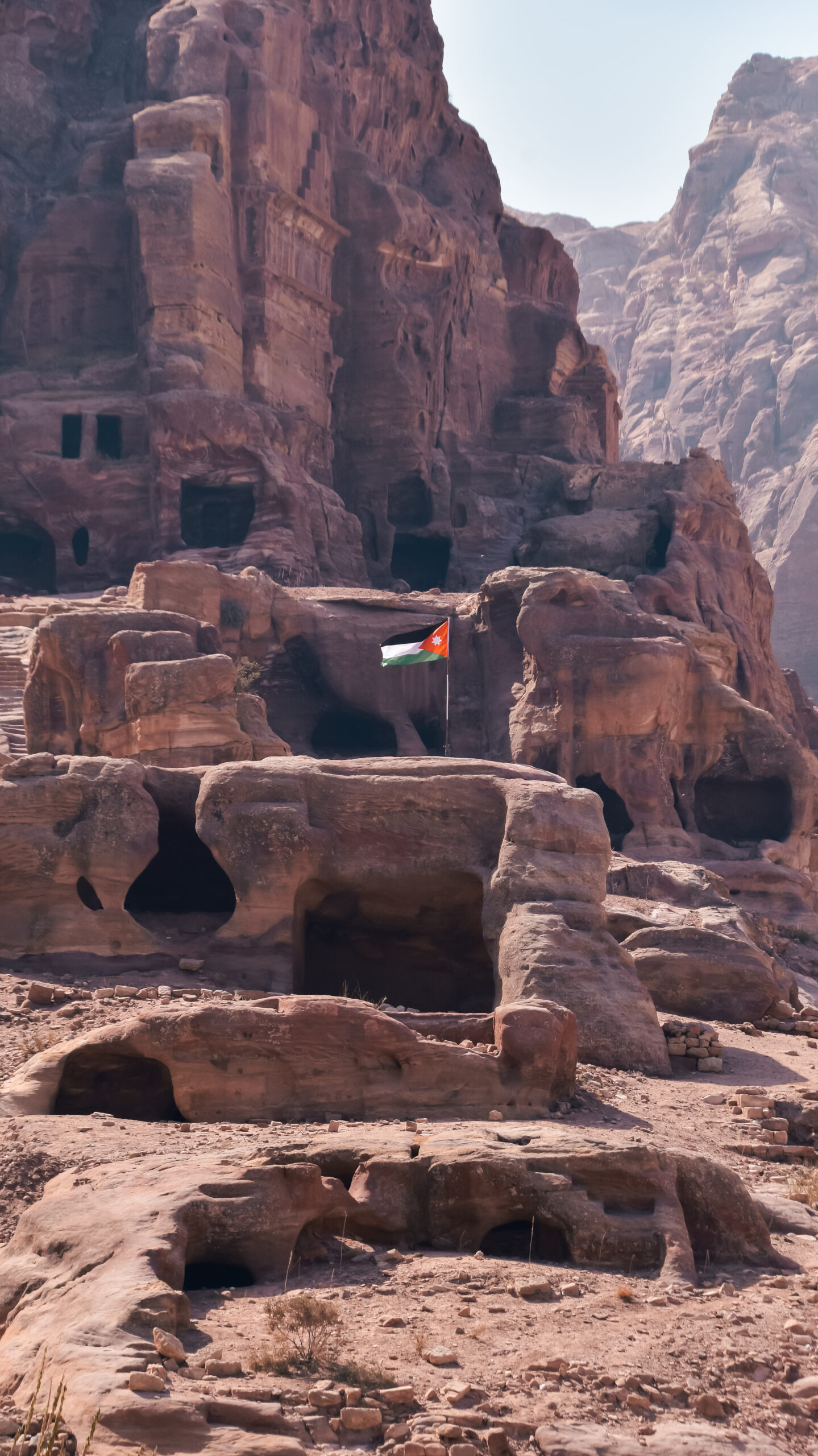
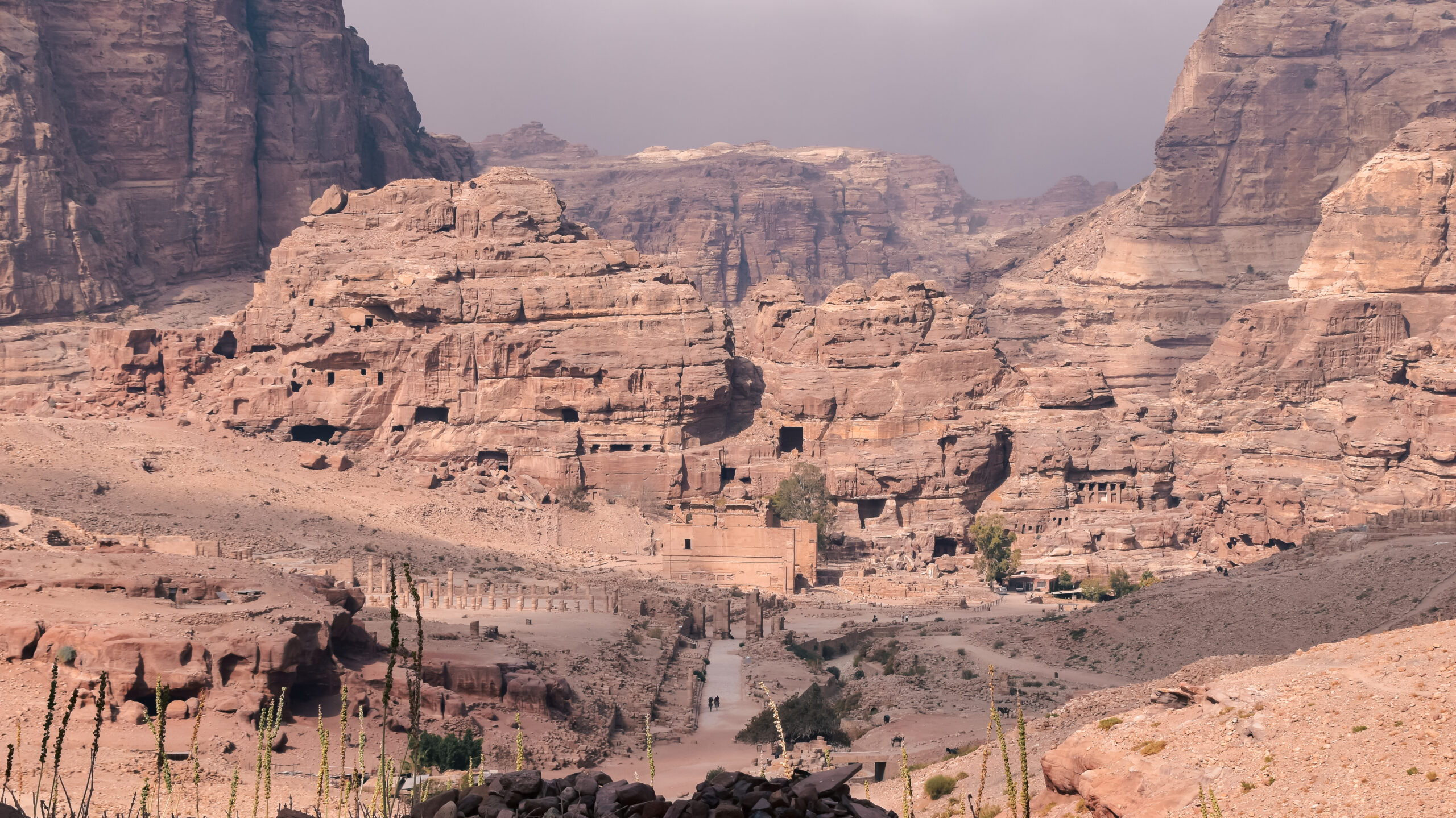
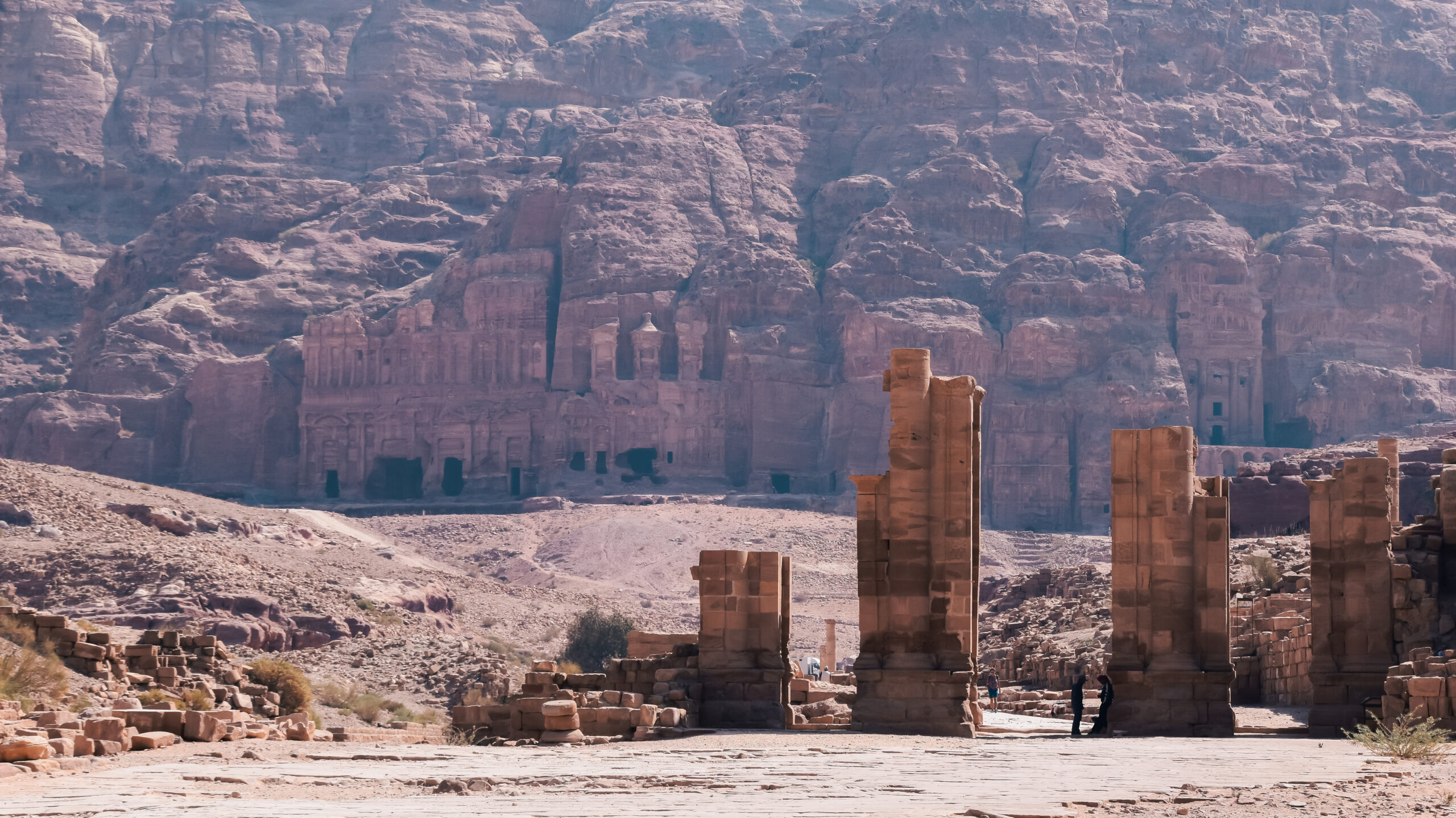
Petra — often called the “Rose-Red City” — is Jordan’s most famous archaeological treasure and one of the New Seven Wonders of the World. Once the thriving capital of the Nabataean kingdom over 2,000 years ago, it was carved directly into the sandstone cliffs, blending natural beauty with human craftsmanship. Beyond its iconic Treasury lies a vast city of tombs, temples, and ancient streets, all hidden within a maze of canyons and rugged mountains.
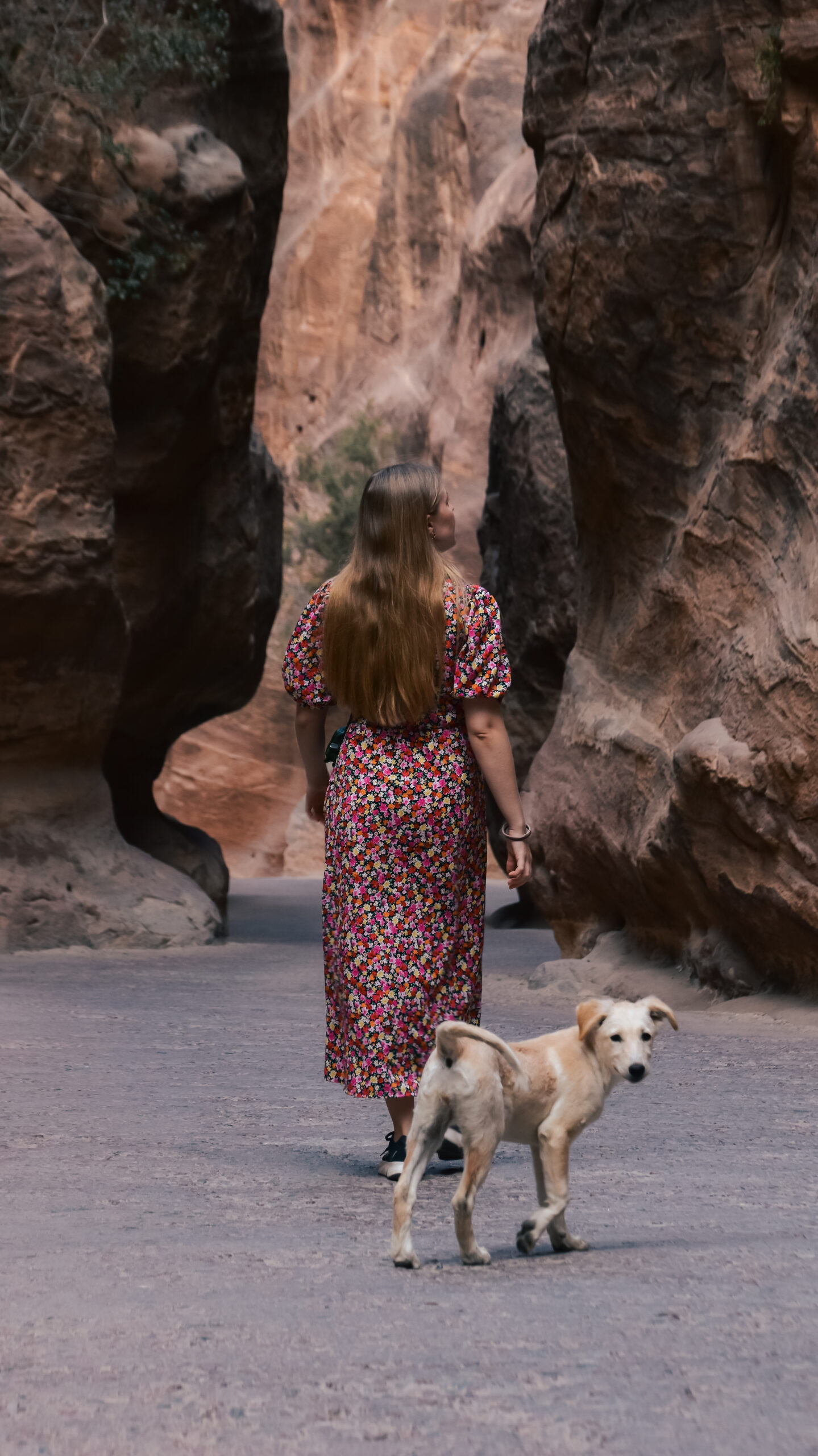
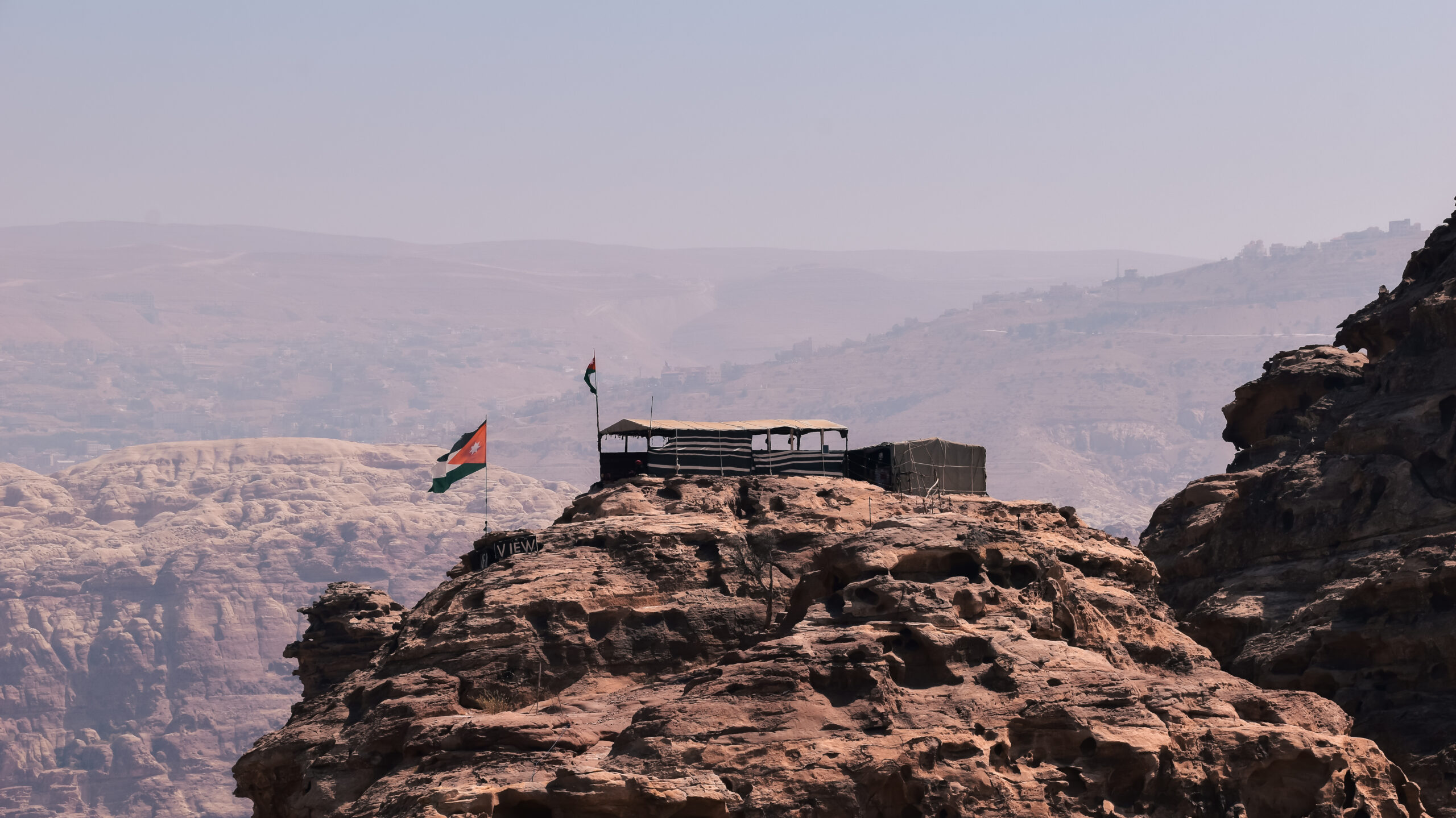
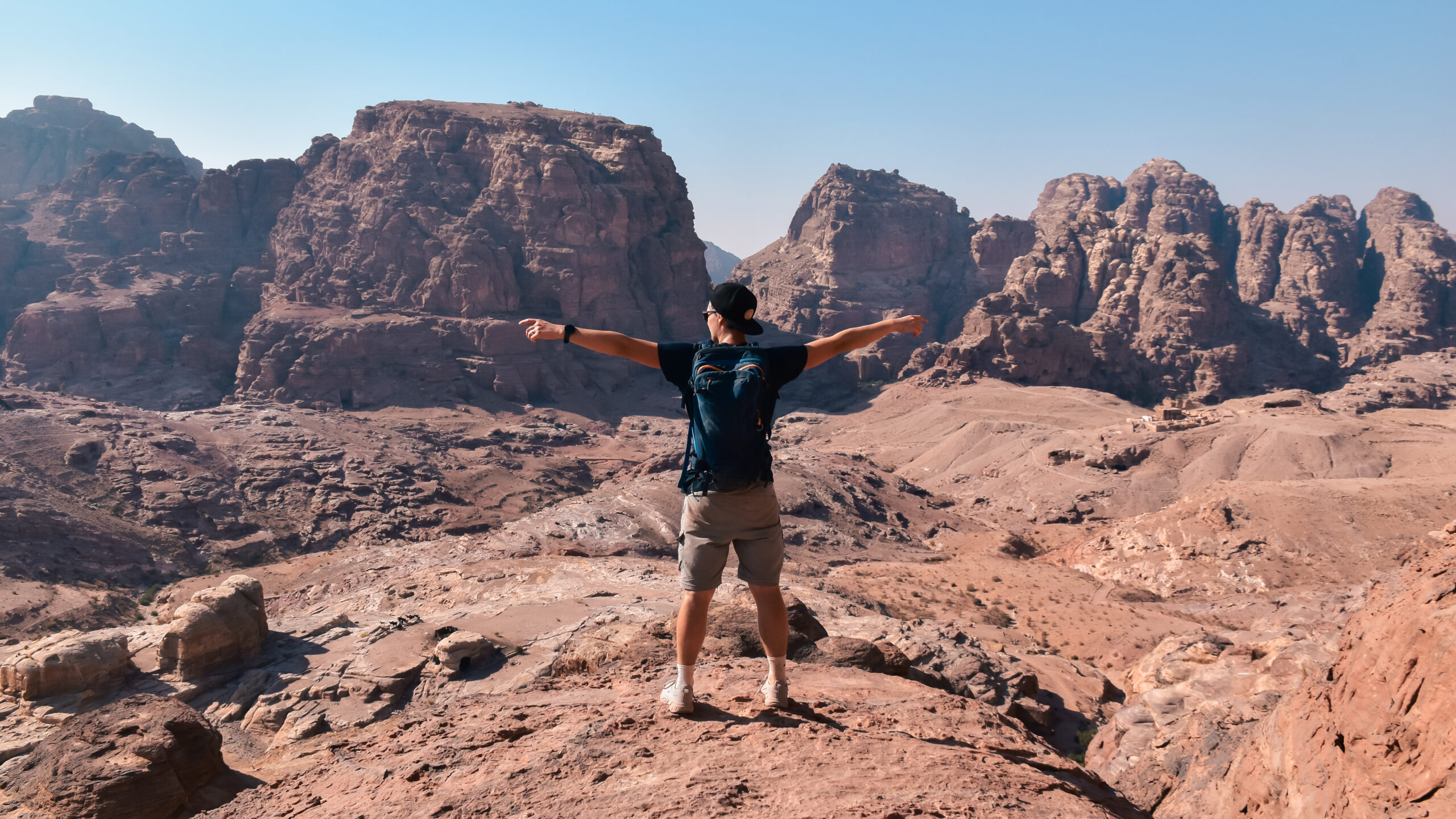
We spent the day exploring Petra. 30,000 steps, and still, not enough. The highlight? The moment we emerged from the narrow Siq and stood in front of the Treasury — in near silence, with just a couple camels and a handful of other tourists for company.
Joona captured sunrise shots of the Treasury that belonged in a magazine. It was everything he had dreamed of. Childhood Joona would have cried.
Day 7: Dana Detour & Dead Sea Wonders
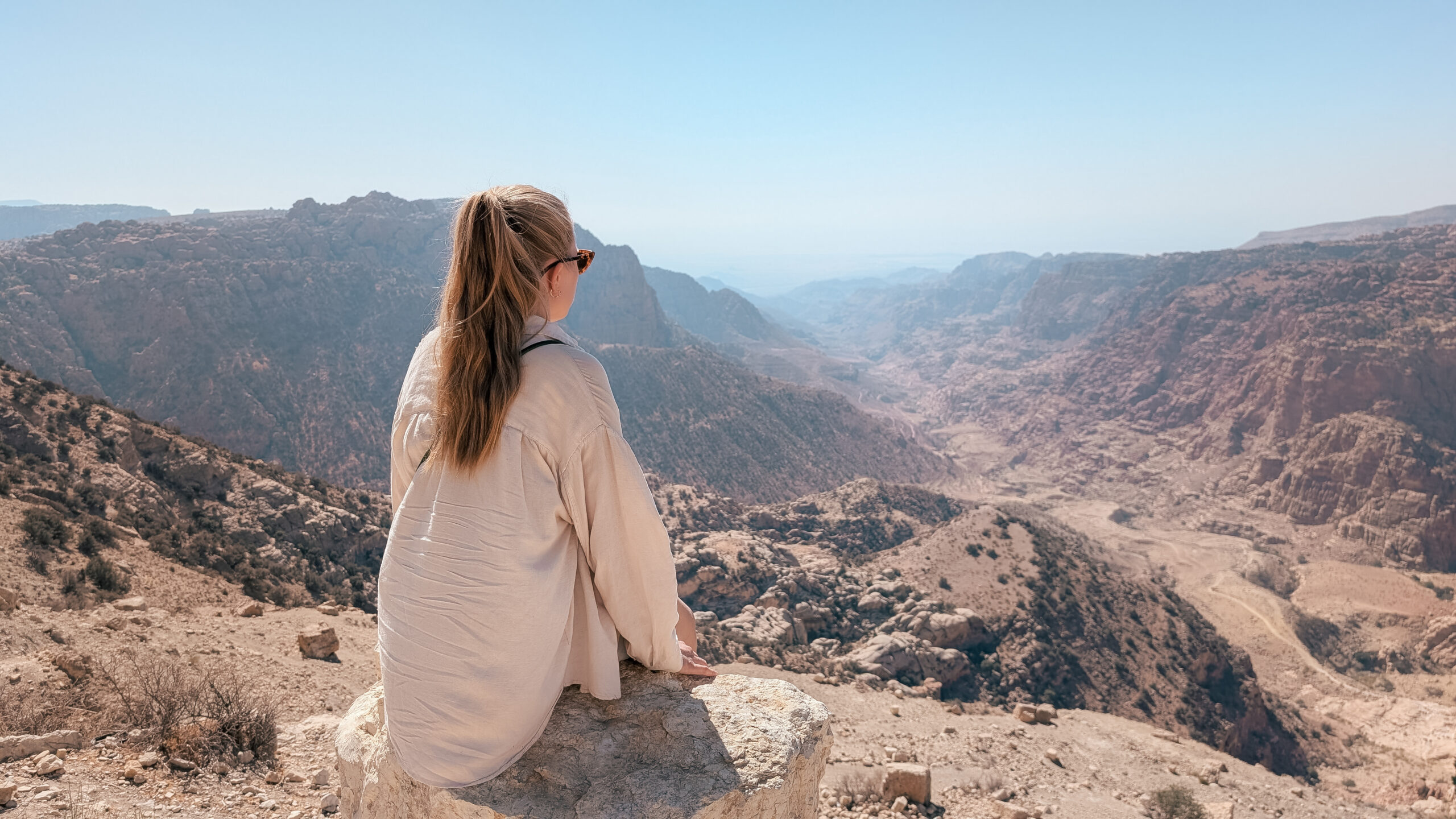
We started driving toward the Dead Sea early. On the way, we detoured to Dana Biosphere Reserve which is a huge canyon with epic views to the Palestine. Sadly, the village was nearly empty due to the lack of tourists. Our meal? Half-frozen hummus for 12€. Heartbreaking. And breathtaking.
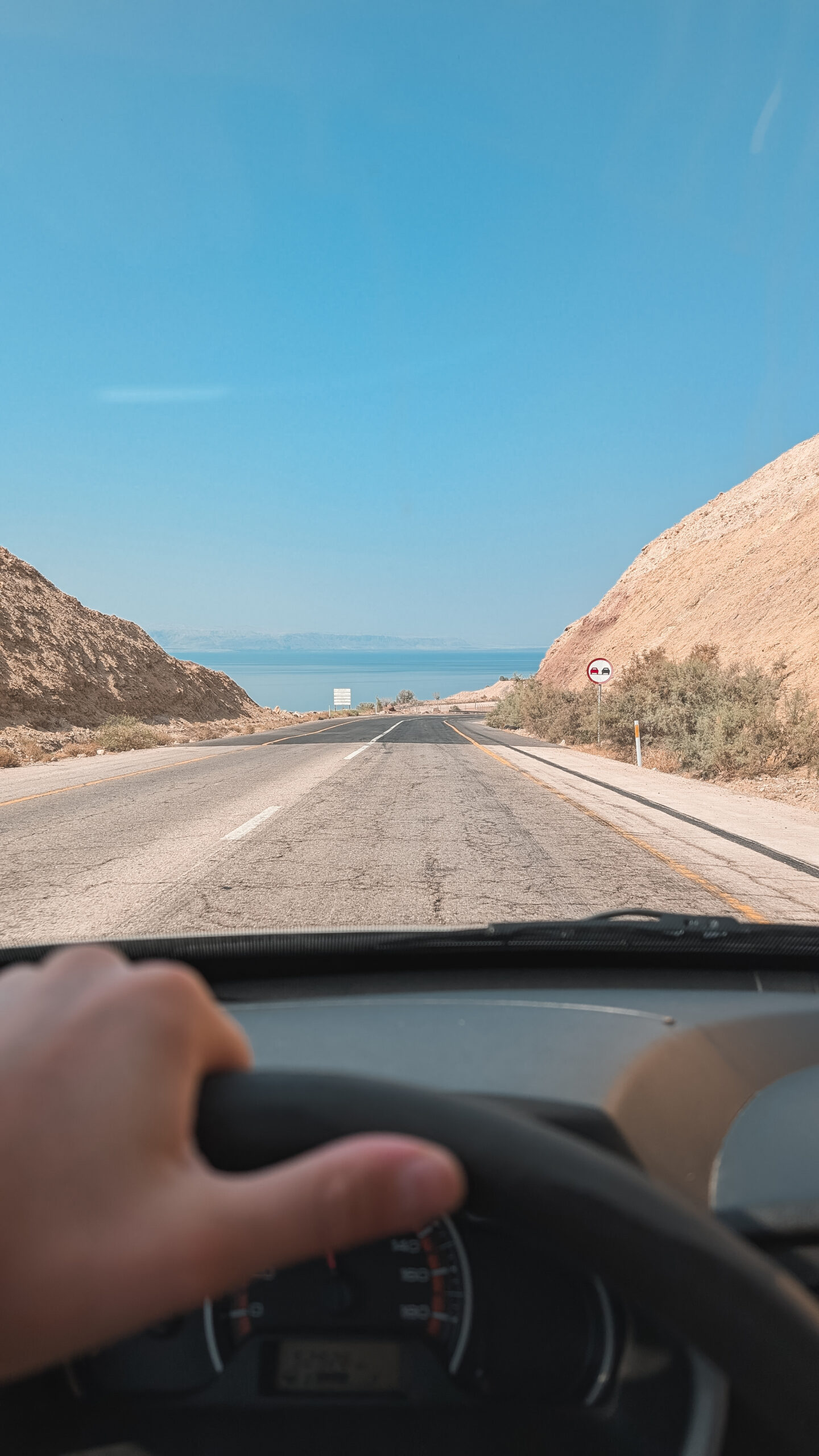
From there, we descended to the Dead Sea. The road dropped sharply, and the landscape transformed into something that resembled East Africa. It felt like we were driving into the Earth itself — and in a way, we were. As we got closer to the Dead Sea, Google Maps went crazy due to signal jamming from nearby borders.
The Dead Sea
The Dead Sea sits at the lowest point on Earth’s surface, about 430 meters below sea level. This drastic drop is part of the Jordan Rift Valley, a massive geological trench formed by the separation of the African and Arabian tectonic plates which makes the descent is one of the most dramatic in the world — not just in altitude, but in scenery.
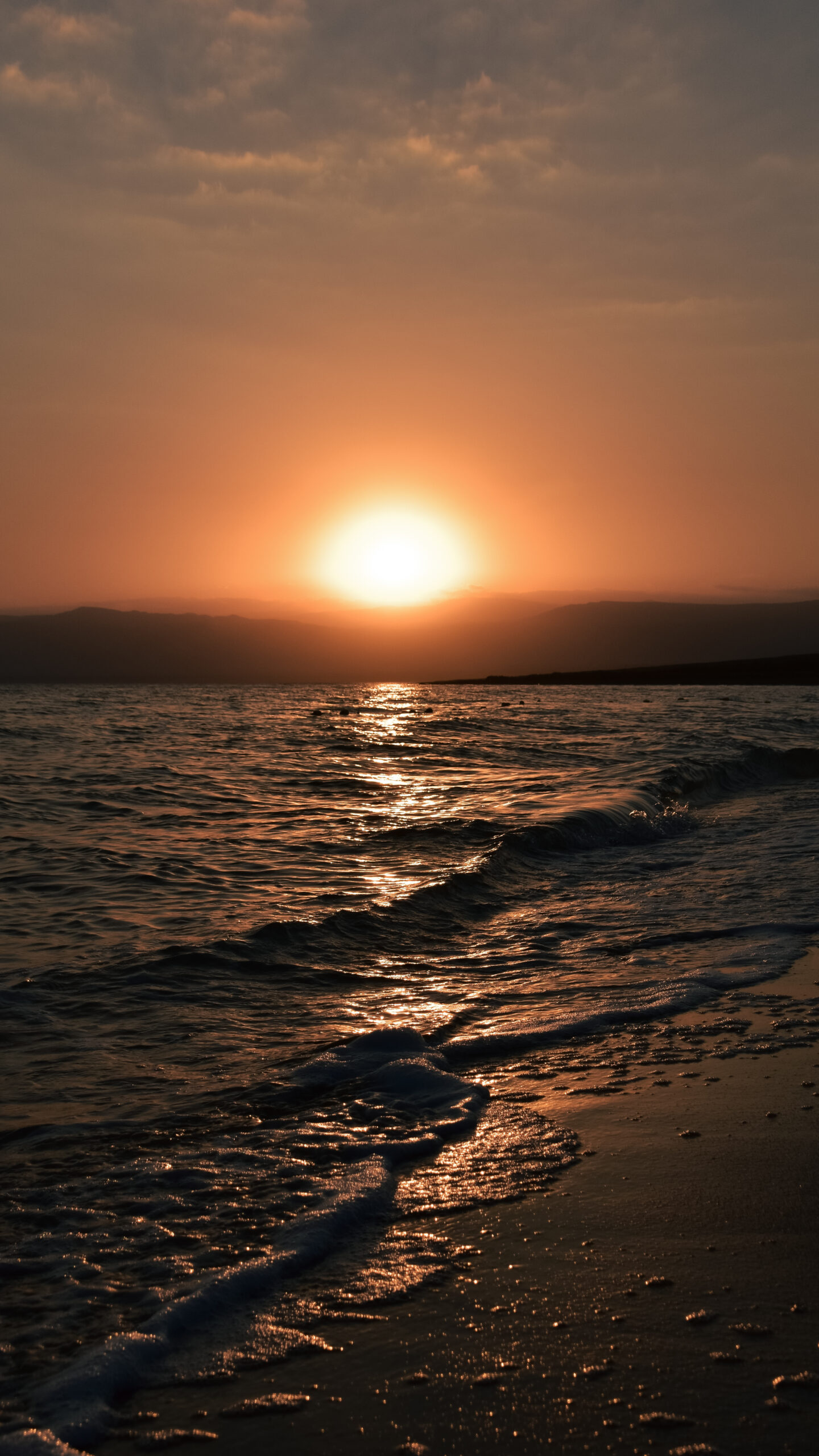
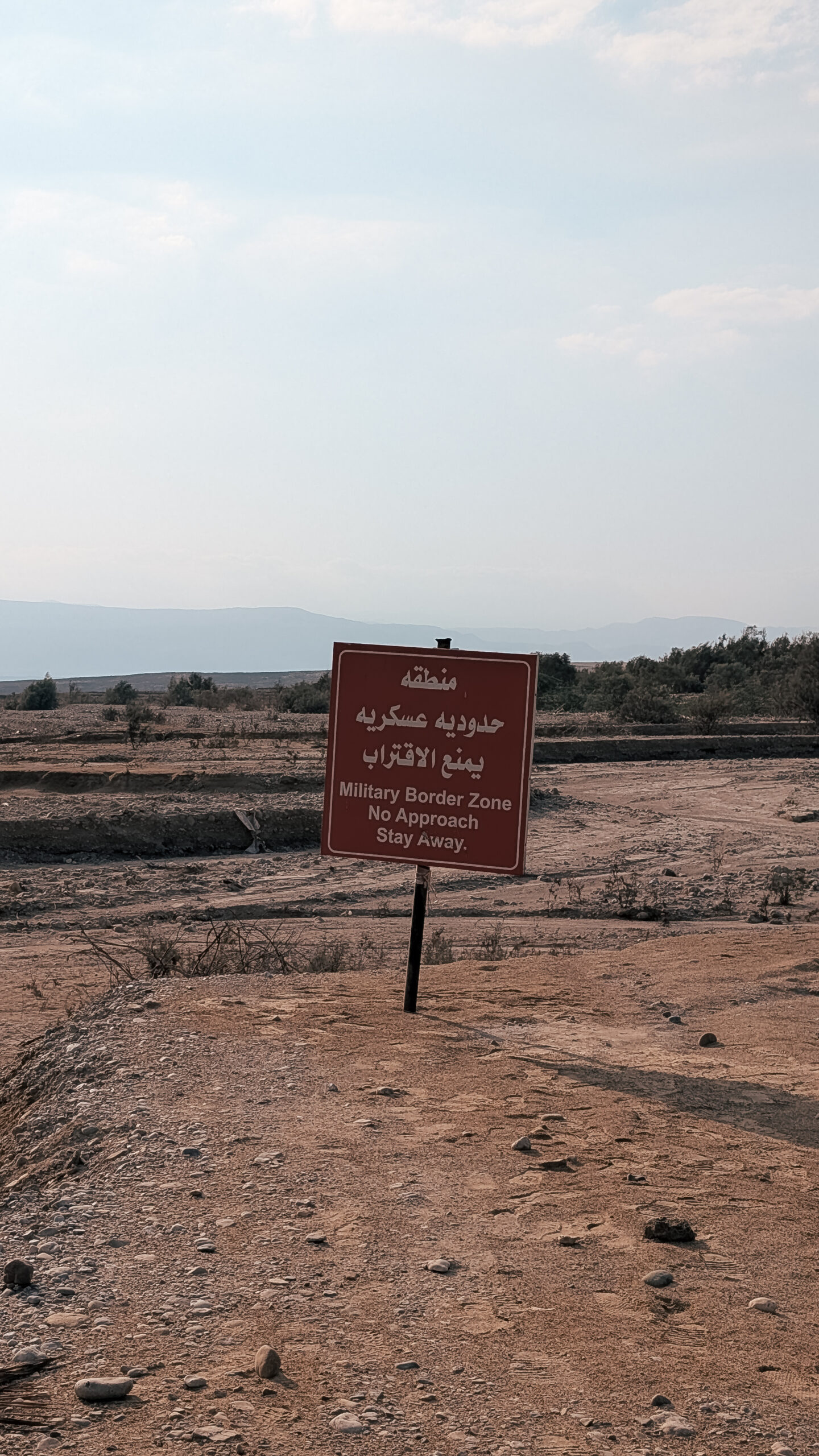
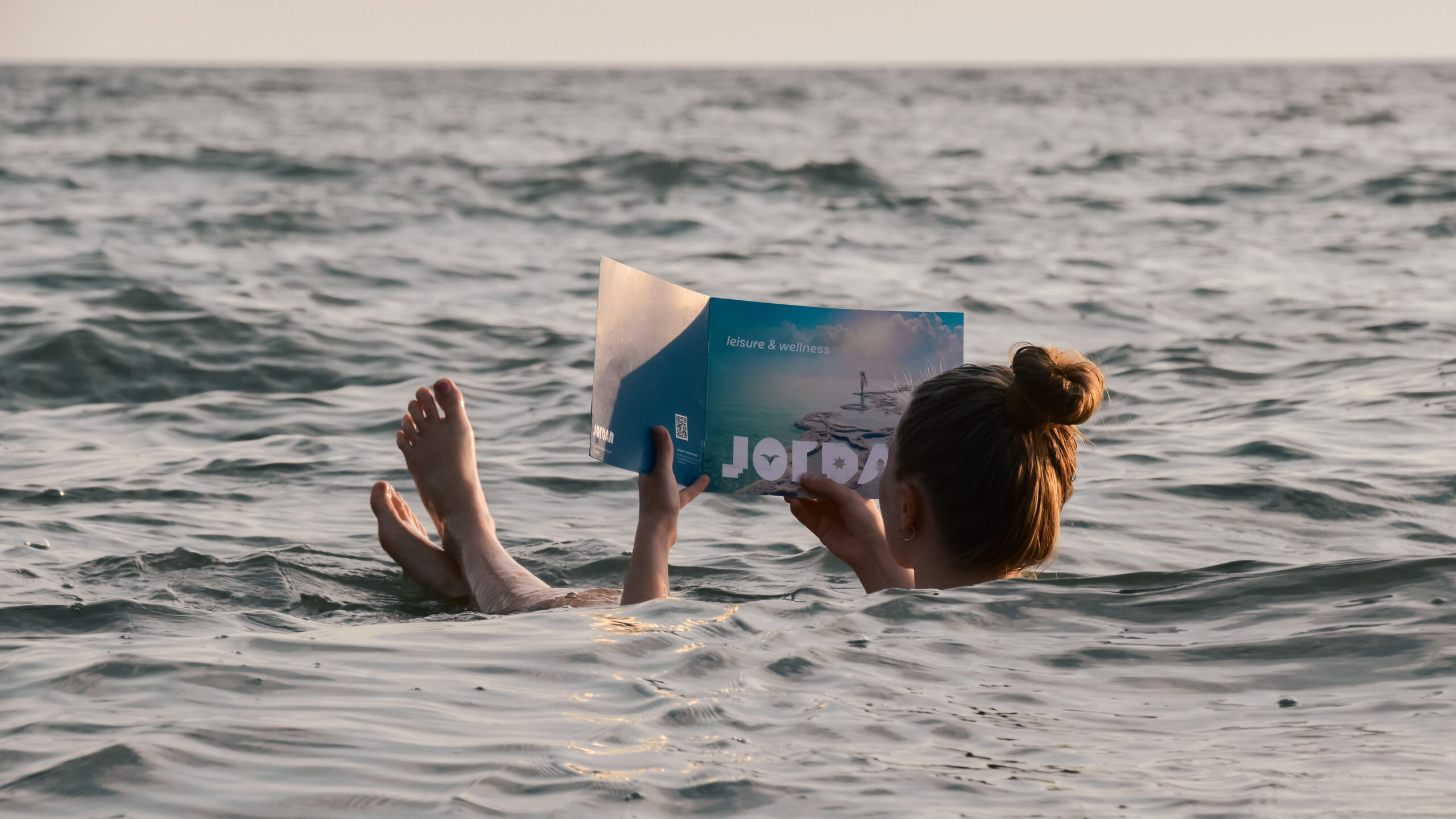
Our hotel was located nearby the shore right at the Palestinian border so we could see all of the fences and watch towers. After checking in, we took a short bus shuttle to the Dead Sea. Swimming in the dead sea was bizarre — floating like corks, being careful not to get water in our eyes or mouths. Emilia had shaved her legs the night before, which made for a painful dip so here’s our pro tip: don’t shave before.
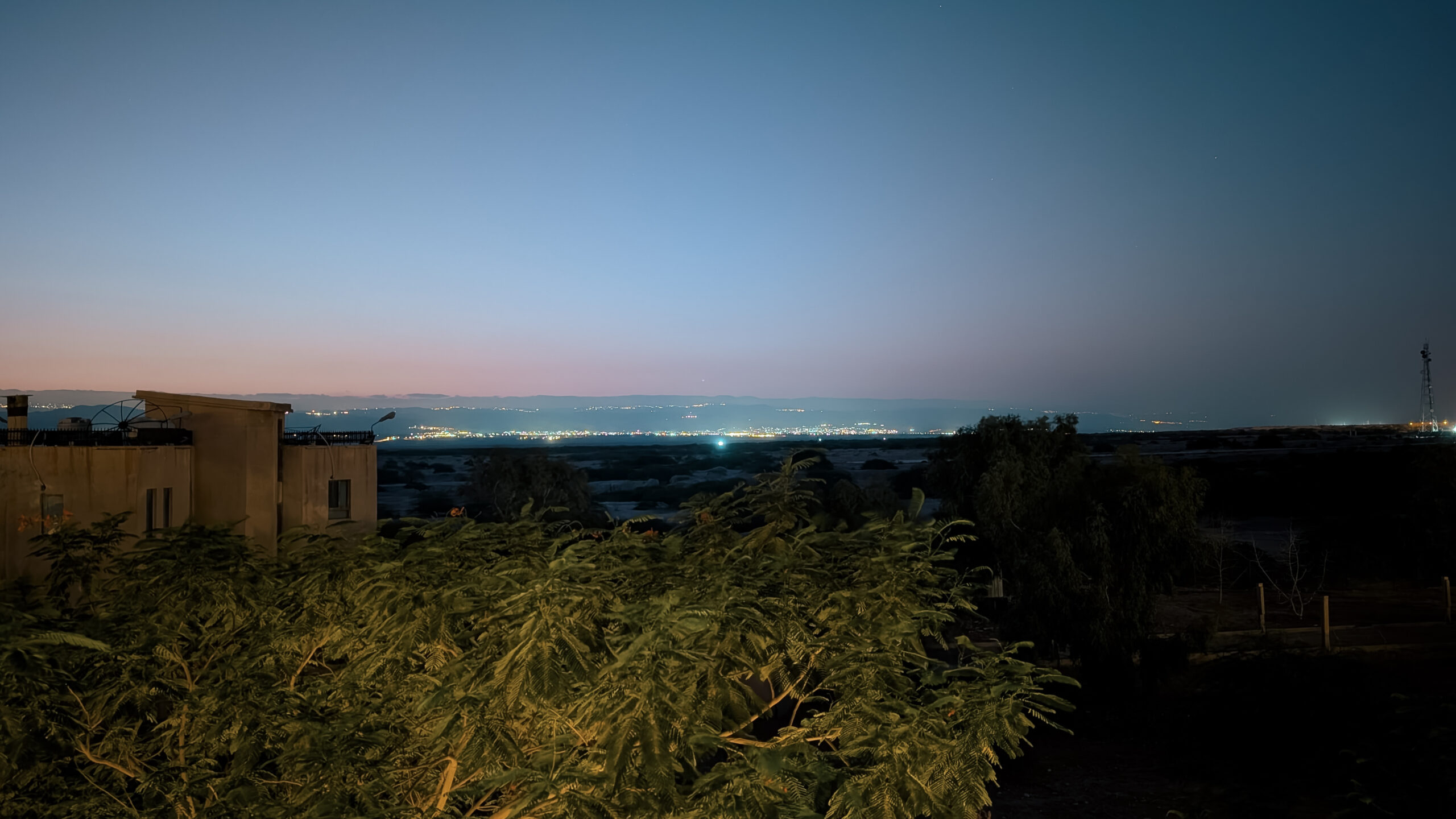
That night, we splurged on hotel burgers. As we drank beers on the balcony, we could see the lights of Jerusalem and Jericho twinkling across the border. Just 50 km away, people were dying in genocide. The contrast was hard to grasp and the feeling was surreal.
Day 8: Back to Chaos
After breakfast, we drove back to Amman to return the car. We gave the staff some honest feedback of their policies. Then we caught a city bus, this time to its terminus. Oddly, the driver refused to let us off earlier even though he was stopping all the time to take new passangers in.
Trying to reach the long-distance bus terminal, we grabbed a yellow taxi instead of an Uber since we thought the 2 kilometer distance can’t get that expensive. On the way the driver complained about scammers — despite being one himself. At the destination, he doubled the fare. Naturally we got super upset so we argued and eventually he backed off.
After some 5 hours bus ride, Aqaba felt like a breath of fresh air. It was more polished and modern. We followed Joona’s good friend Mike’s advice and tried “the best wings in the Arabic world.” Maybe not quite the best, but they hit the spot.
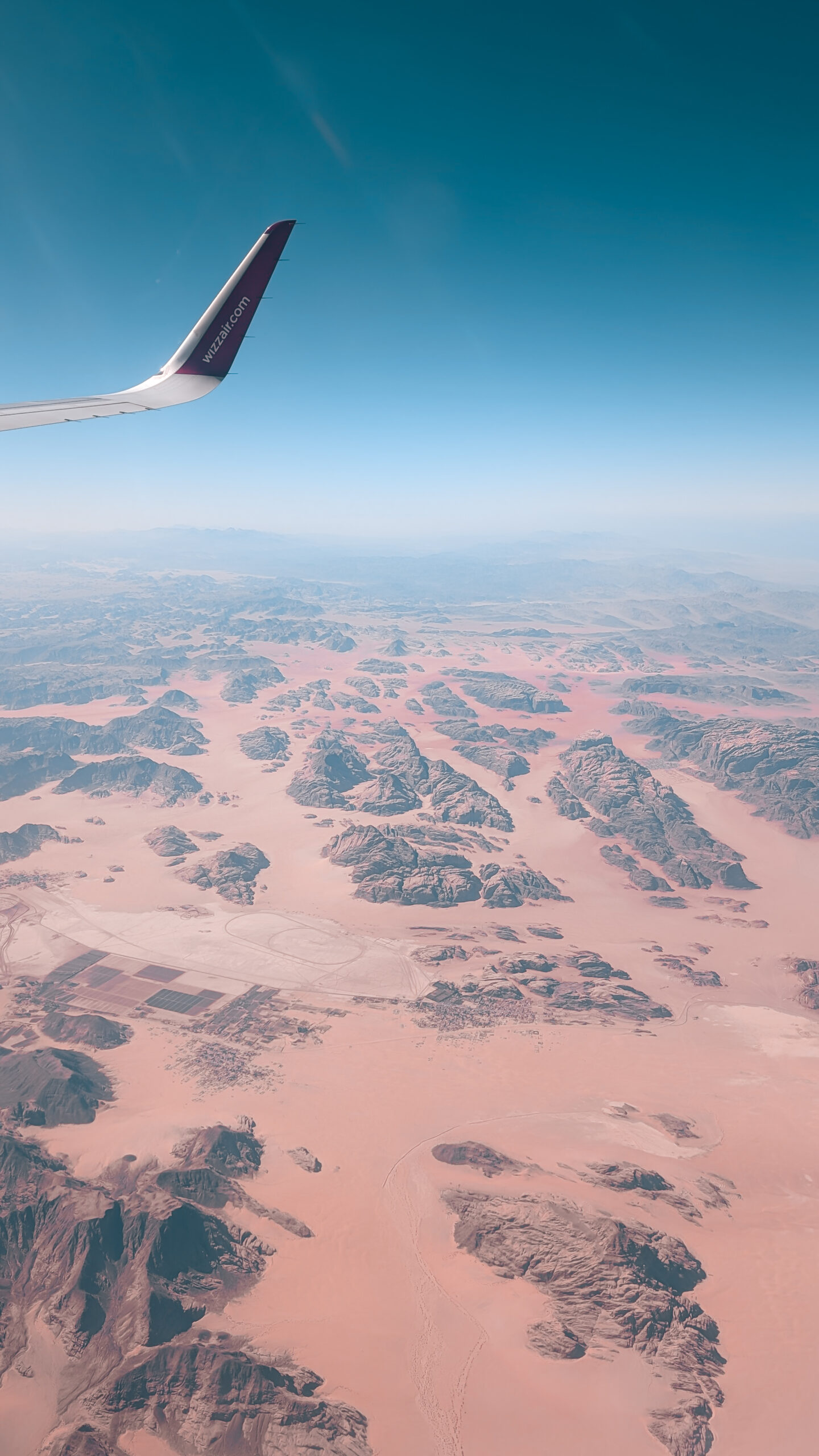
The next morning, we flew to Abu Dhabi, relieved that airspace was still open.
The Bottom Line
Jordan was raw, stunning, and emotionally intense. From the serene deserts of Wadi Rum to the chaotic charm of Amman and the surreal silence of Petra, this country left its mark on us. But scams and dishonesty from some locals — especially in Amman — tainted the experience.
Still, the beauty of Jordan is undeniable. It’s a land of contrasts, history, and resilience. We left with mixed feelings — grateful for the memories, but wishing the warmth of the land had matched the warmth of the people.
Planning a Trip to Jordan?
- Get the Jordan Pass.
- Rent a car if you want freedom, but avoid shady brokers and rental companies
- Be aware of taxi scams and use Uber.
- Don’t let the chaos scare you off — Jordan has a way of working itself out.
- Spend at least two days in Wadi Rum and Petra
- And whatever you do, don’t shave before swimming in the Dead Sea.
- One week is enough to see the most of the country
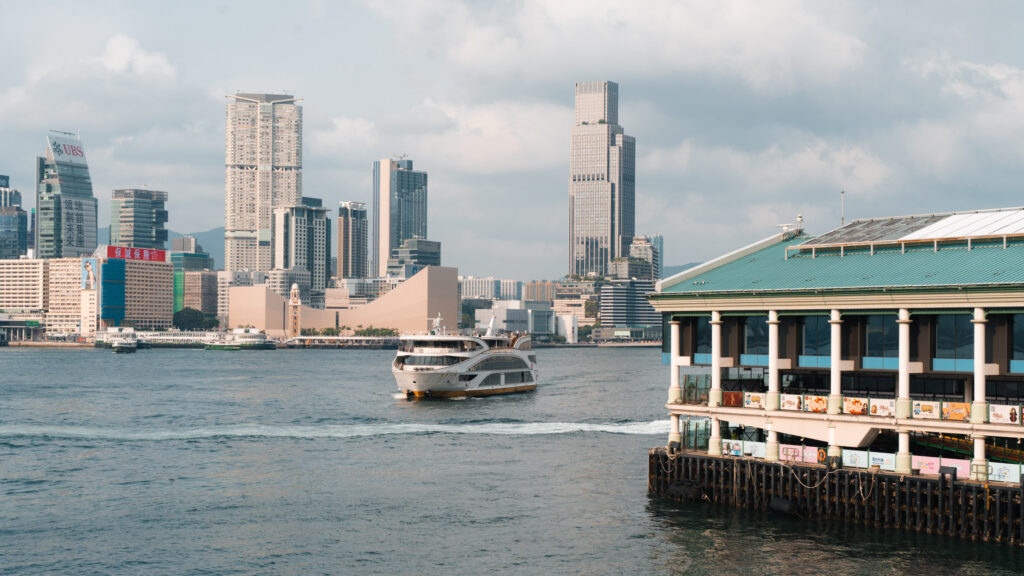
Hong Kong Photography Itinerary: 4 Days of City Lights
After travelling through Yunnan and Chongqing, we boarded a high-speed train from mainland China and…
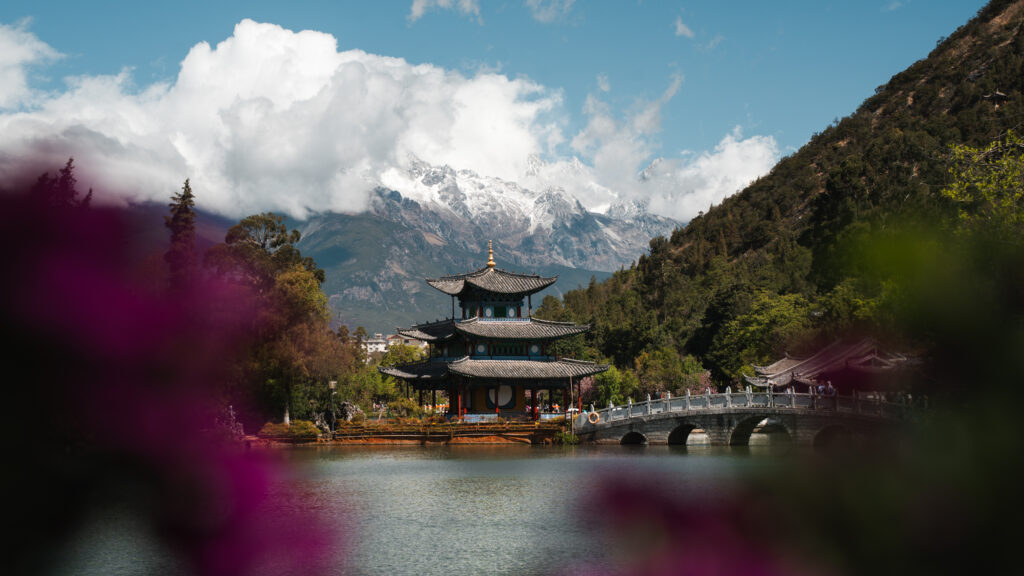
China Travel Guide: From the Mountains of Yunnan to the Megacity of Chongqing
China had been on our travel wishlist for years. We had heard stories about futuristic…
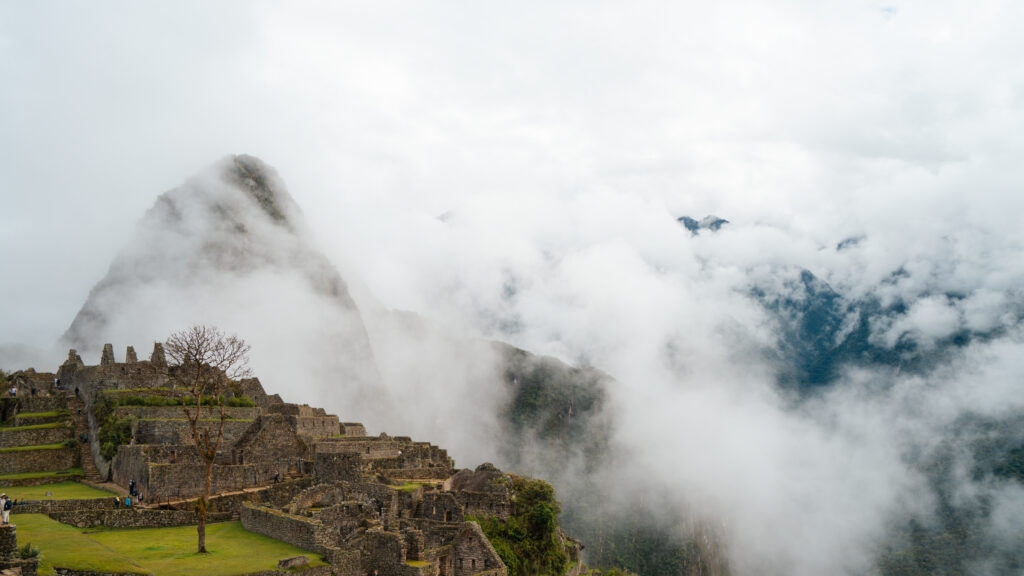
How to Visit Machu Picchu on a Budget?
Machu Picchu is one of the most iconic destinations in the world, but visiting it…
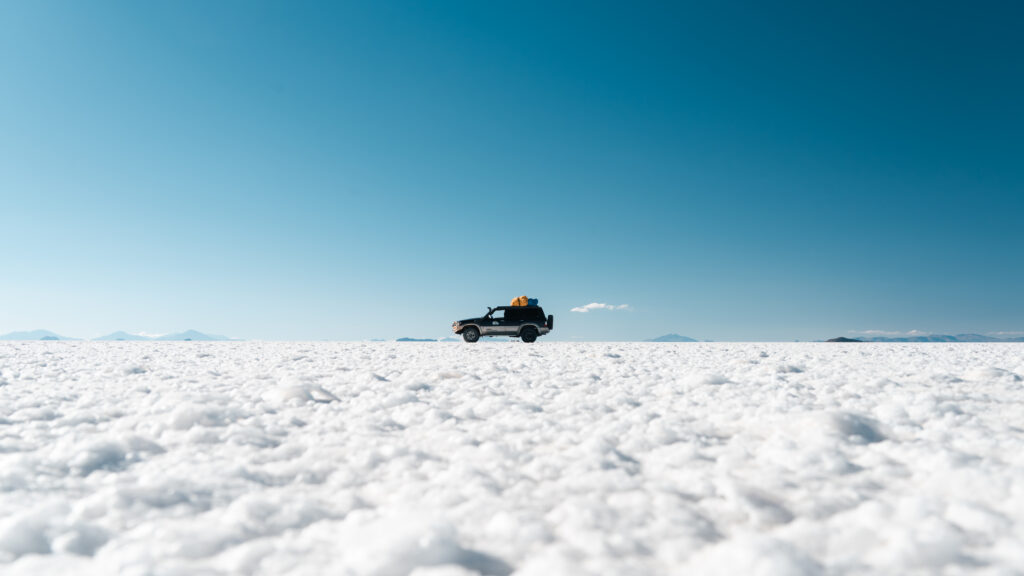
Bolivia Backpacking Guide: Salt Flats, 6000m Peaks & Our Biggest South American Surprise
After Peru, we crossed into Bolivia with surprisingly low expectations. We honestly didn’t know much…
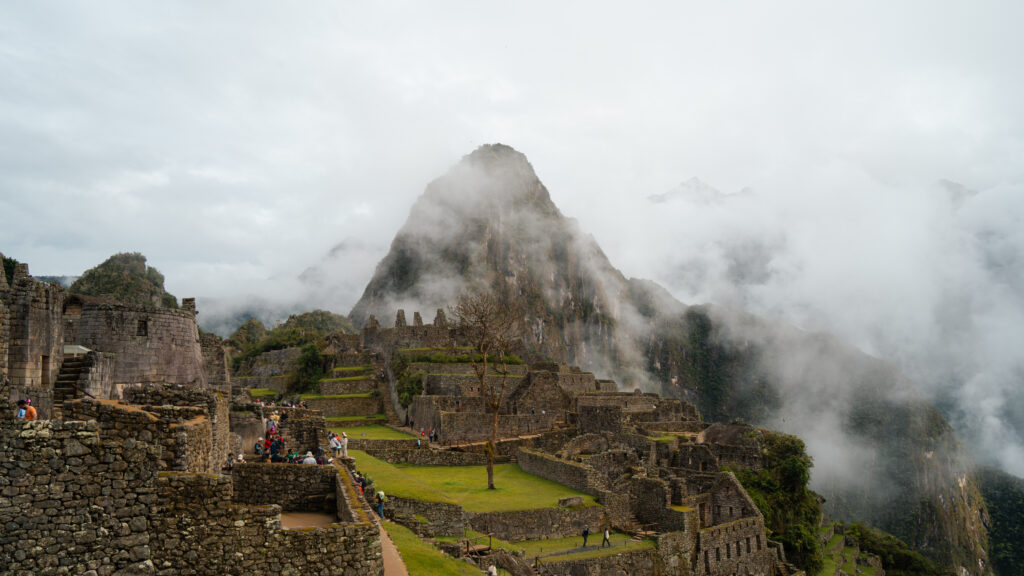
Peru Backpacking Itinerary: Chaos, Mountains & Machu Picchu
Machu Picchu & Huayna Pichu From Ecuador, we continued our backpacking journey to Peru, one…
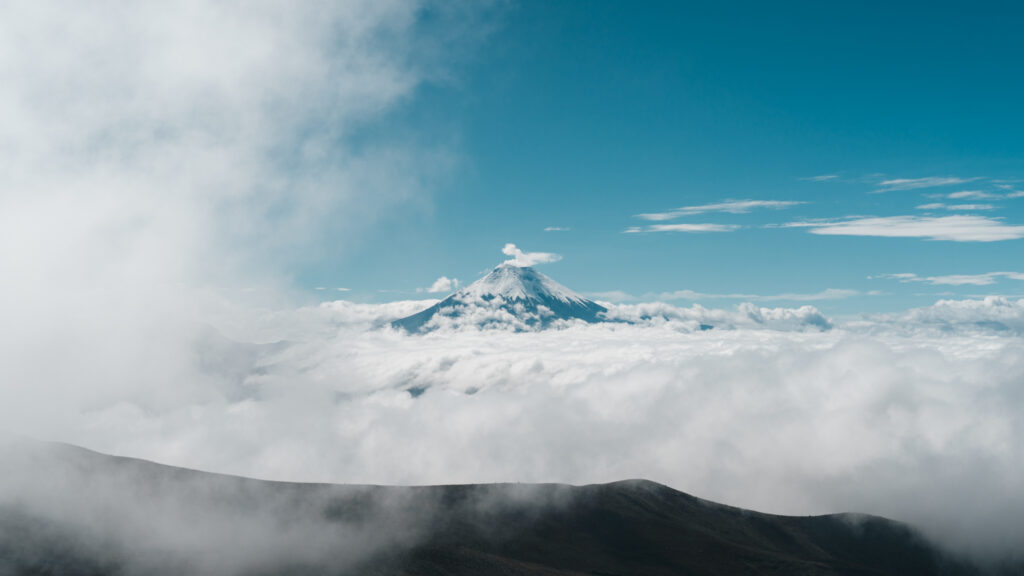
Chasing Volcanoes in Ecuador: Epic Backpacking Journey
We came with backpacks and no plan.Ecuador gave us volcanoes, altitude, and a new perspective…
Pingback: Oman Road Trip: Desert, Wadis & Coast in 4 Days