
2.5 Months in Latin America With Carry-On Only
Five countries. Two backpacks.
Everything else, we figured out on the way.
We spent 2.5 months in Latin America with carry-on only, traveling through five countries with everything we needed on our backs. No checked luggage, no Spanish, no real plan — just curiosity, flexibility, and a lot of miles ahead.
This is the first story from our Latin American journey in autumn 2025.
Last summer, after returning from Kyrgyzstan, we were once again asking ourselves the same question: Where next?
We had a rare luxury — almost two and a half months to travel before the winter season would start again in Lapland.
Joona had already been eyeing North Africa for a long time. Morocco, Algeria, Tunisia, Mauritania, even Libya — those places had been calling for years. It felt like the obvious next step.
Then Emilia casually dropped a question that changed everything:
“What if we go a bit further this time? North Africa is so close, we can always do it later. Why not South America?”
At first, it sounded exciting. We had never set foot on that continent before. A completely new world, new cultures, new landscapes — a proper adventure.
But the more we read and thought about it, the more doubts crept in. Safety concerns, long distances, unfamiliar countries… and we didn’t even speak Spanish. How would we manage?
Emilia convinced Joona anyway. And once we started looking at flights, things escalated quickly.
A few days later we found a ridiculous deal: one-way flights from London to Bogotá for just 340€ per person. That was it. No more thinking. We bought the tickets.
Then we figured out how to get from Helsinki to London as cheaply as possible. The solution? A ferry to Stockholm, then a flight from there. The journey had officially begun — before it even began.
ITINERARY
Once Colombia was locked in as our entry point, we had to figure out the rest.
We had 2.5 months. The continent is massive. Choices had to be made.
Joona knew one thing for sure: Peru was a must. That already defined the rough route — Colombia → Ecuador → Peru → Chile, with a possible detour to Bolivia.
He also had a personal goal in mind: five countries would take him to 50 countries visited.
We knew it would be rushed. Five huge South American countries in 2.5 months is far from slow travel. But we tried to balance it: travel budget-friendly, invest in experiences that really matter, and — as always — chase the best photo opportunities.
COLOMBIA
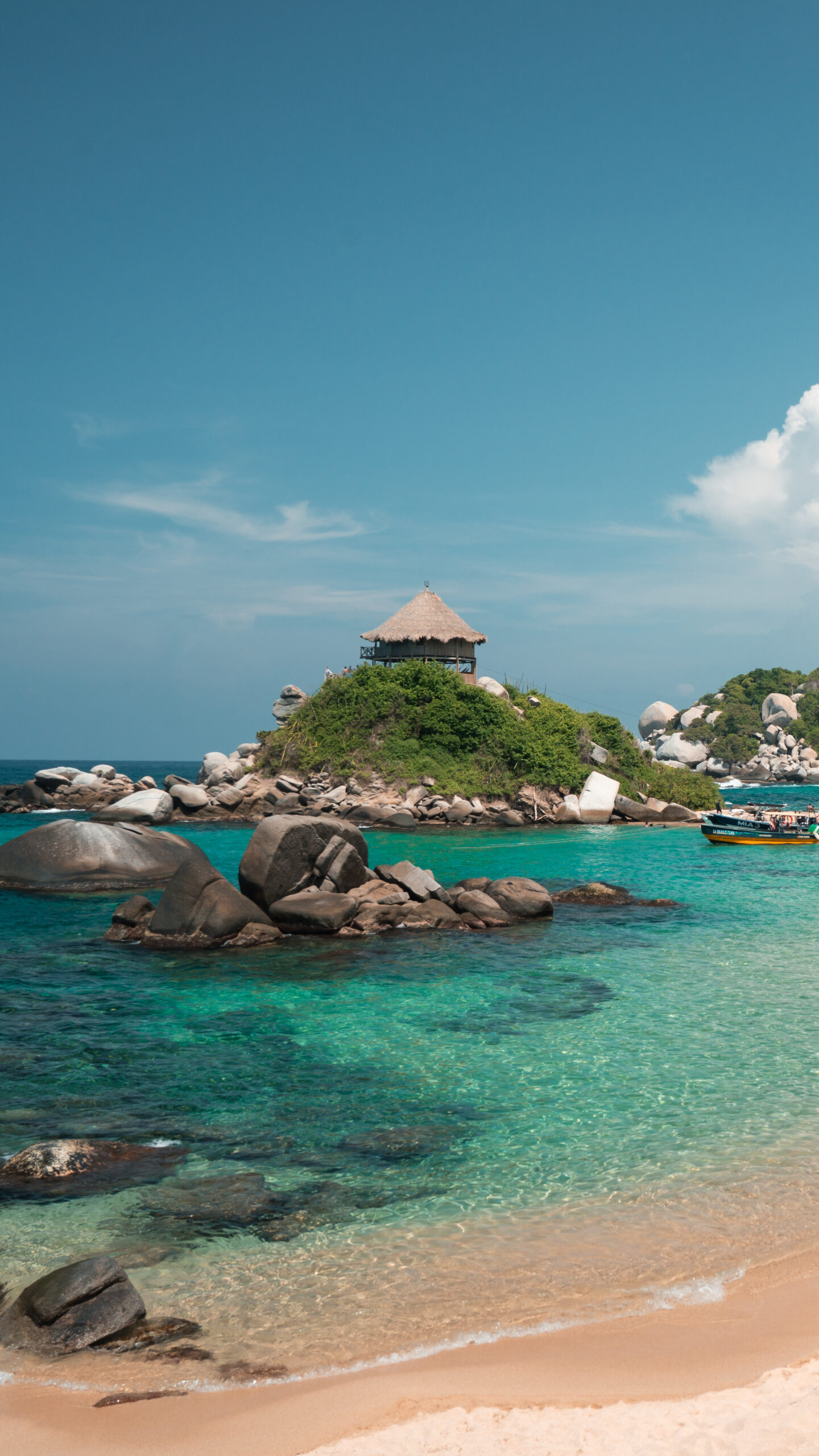
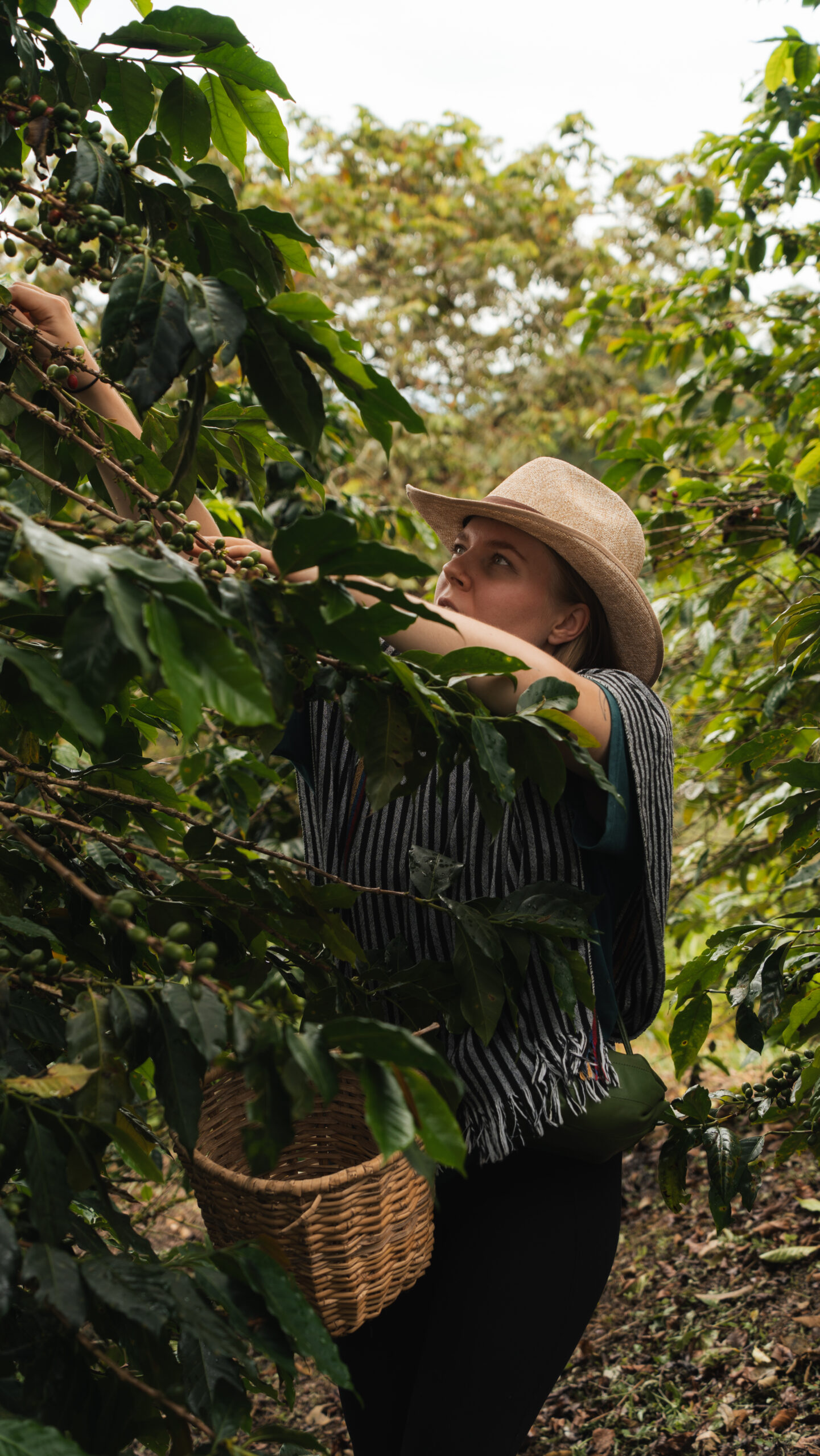
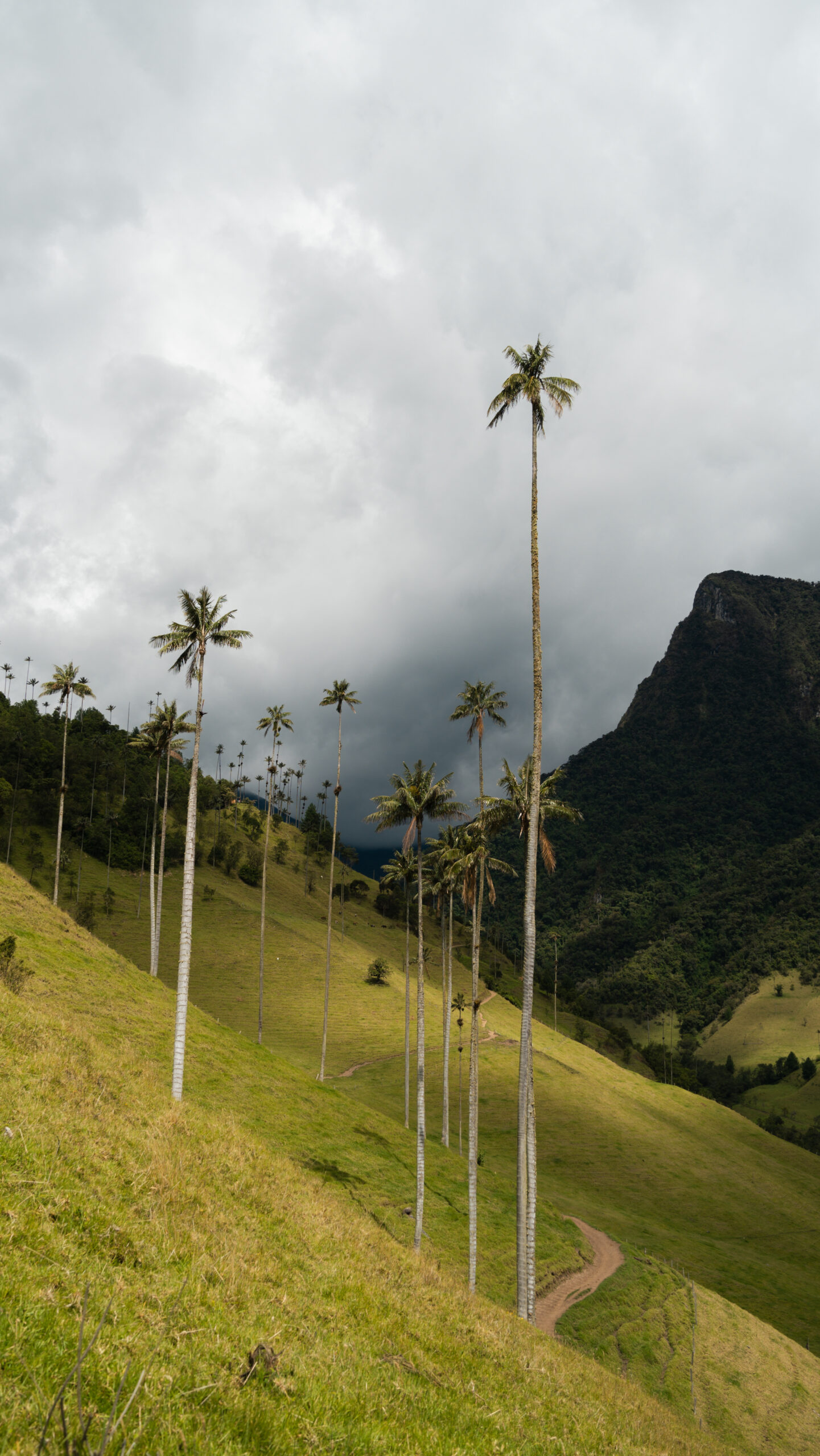
We planned 17 days in Colombia, enough to cover the central and northern parts of the country. Bogotá, Salento, Medellín, Santa Marta — all the classics.
On top of that, Joona was determined to visit the Pacific coast, a much more raw and less-visited region. That felt important, especially since many of the other places were heavily traveled already.
Normally, Joona likes to plan everything in advance to make trips as efficient as possible. This time Emilia wanted to keep things spontaneous.
At first, booking accommodation on the go stressed him out a lot — but eventually, he got used to it. And honestly, it suited this trip.
Colombia was our first real taste of Latin America. It’s an incredibly beautiful country — but not without its drawbacks.
After the first week, we found ourselves missing Middle Eastern hospitality more than expected. We even caught ourselves wishing we were back there instead. Nothing was wrong with Colombia — it just didn’t fully click with us.
More on that later, in the Colombia story.
ECUADOR

We flew from Cartagena to Quito without really knowing what to expect.
The plan was simple: one week, cross the country overland, continue to Peru.
The political situation made us cautious. There were massive — sometimes violent — protests against the government, and landing in Quito felt tense.
Still, our “one-week plan” quickly collapsed. We stayed almost two weeks, and even that felt far too short.
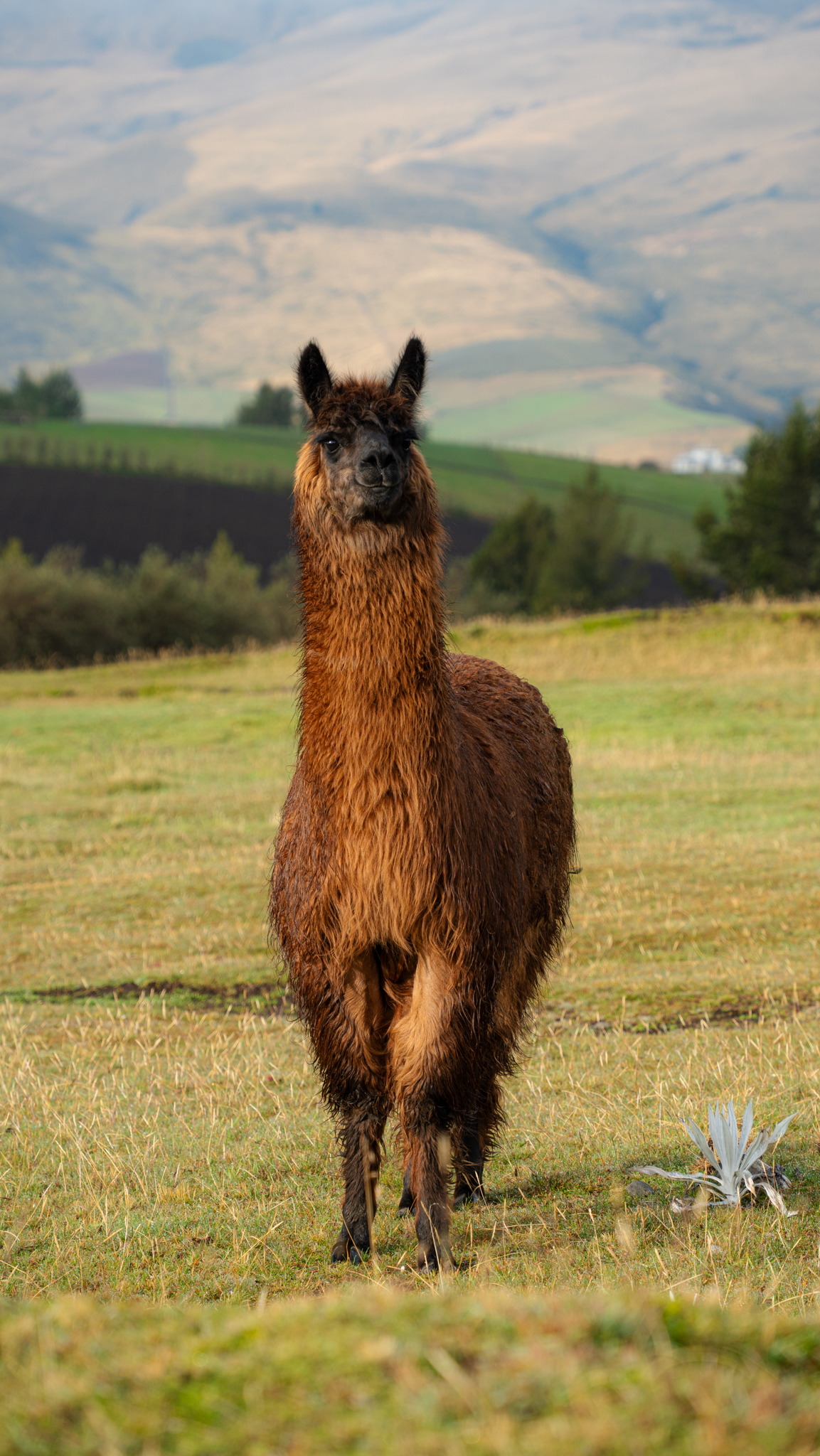
Ecuador is small but insanely diverse. Amazon rainforest, high Andean peaks, Pacific coast — all packed into one country. For nature lovers like us, it was close to perfect. And incredibly photogenic.
While in Quito, we debated visiting the Amazon. In the end, we skipped it — mainly because of malaria meds and the hassle and cost of getting them.
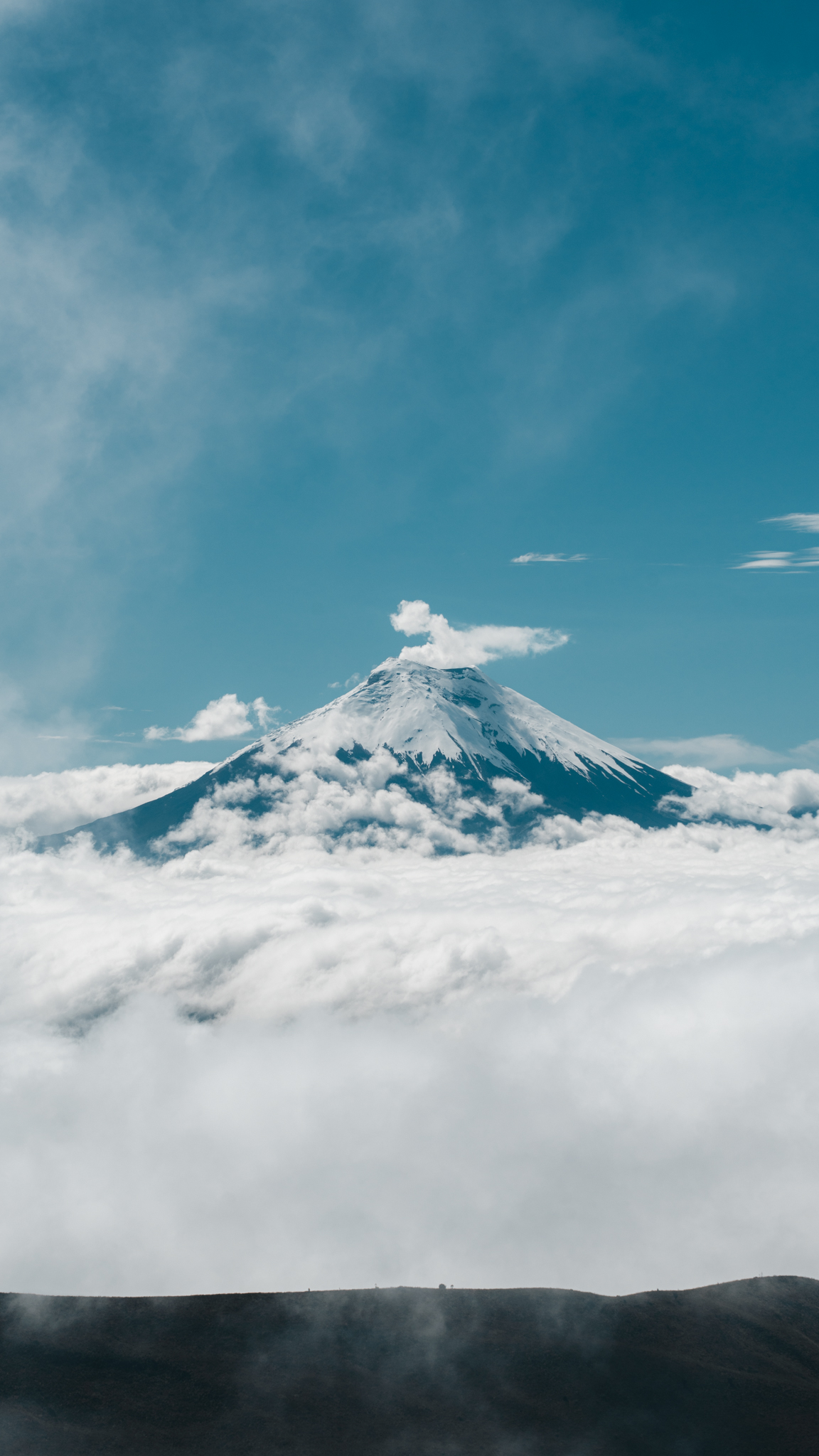
Instead, we headed to the Cotopaxi region, which turned out to be one of the biggest highlights of the entire trip. After two weeks in hot, sweaty Colombia, hiking in +10 to +15°C temperatures felt like a dream. What was supposed to be a two-day stop turned into almost a week. That alone tells you how much we loved it.
From there, we continued south to Riobamba and Cuenca, before hopping on an overnight bus to Peru.
PERU
Crossing into Peru felt special — especially for Joona. Peru had been his main motivation for this whole journey.
We had no real plan anymore, and that turned out to be a blessing. Peru is massive, and traveling spontaneously became the theme of the trip.
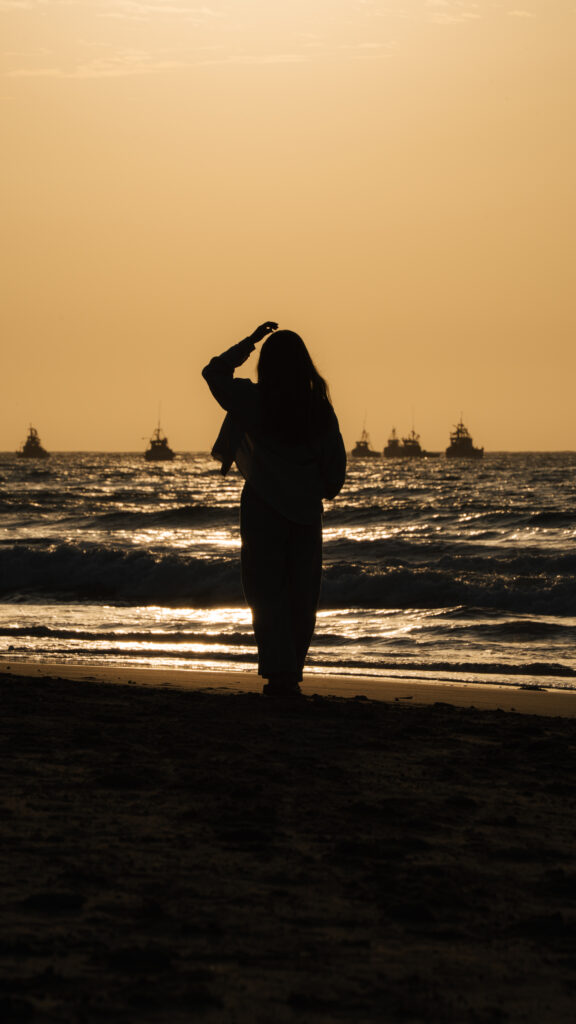
We started in Máncora, a laid-back surf town. That’s also where things went sideways: Joona got bitten by a street dog.
Suddenly, our trip revolved around hunting down rabies vaccines across South America. Luckily, we didn’t have fixed plans.
From Máncora we went to Trujillo, trying to get the vaccine. Unfortunately, the hospital insisted on giving two doses — which meant we got stuck there longer than planned.
And honestly? Trujillo might be the most boring city on Earth. Those three days felt endless.
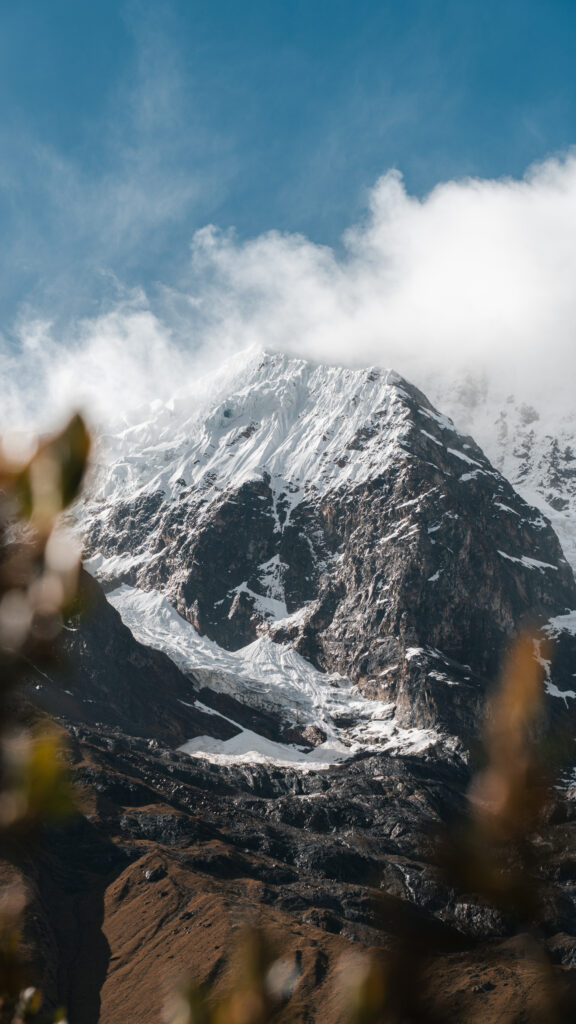
Eventually, we escaped to the Cordillera Blanca, based ourselves in Huaraz, and spent a few days hiking in stunning mountain scenery. From there, a long bus ride took us to Lima.
In Lima we met our old friend Julius, who showed us around and even hosted us at his place. Meeting him and his family was easily one of the best parts of the trip — a real taste of Peruvian hospitality.
From Lima, we flew to Cusco.
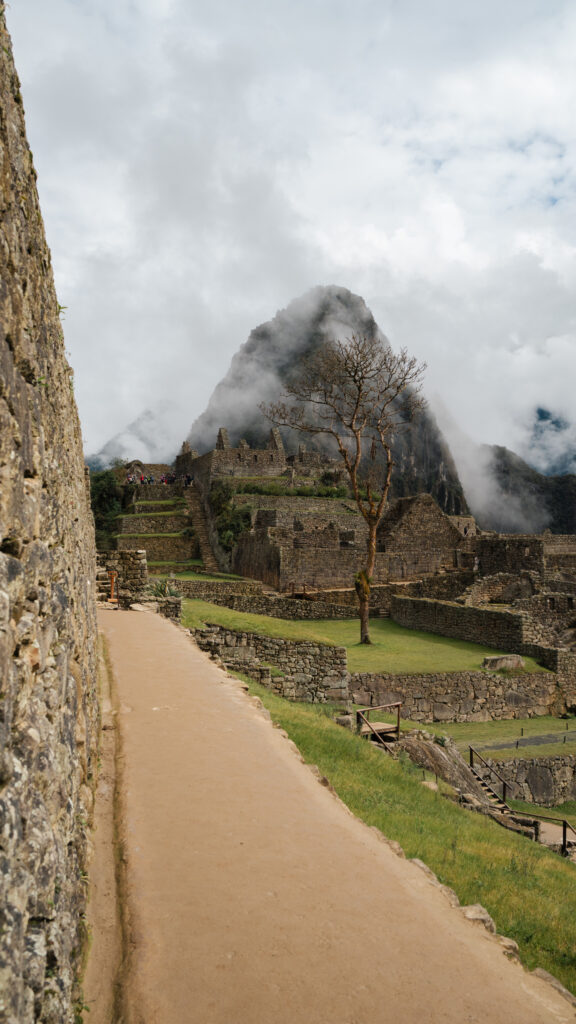
The three-day Salkantay trek to Machu Picchu was absolutely unforgettable — easily something we’ll remember for the rest of our lives. That deserves its own story later.
After Cusco, we took an overnight bus and crossed into Bolivia.
BOLIVIA
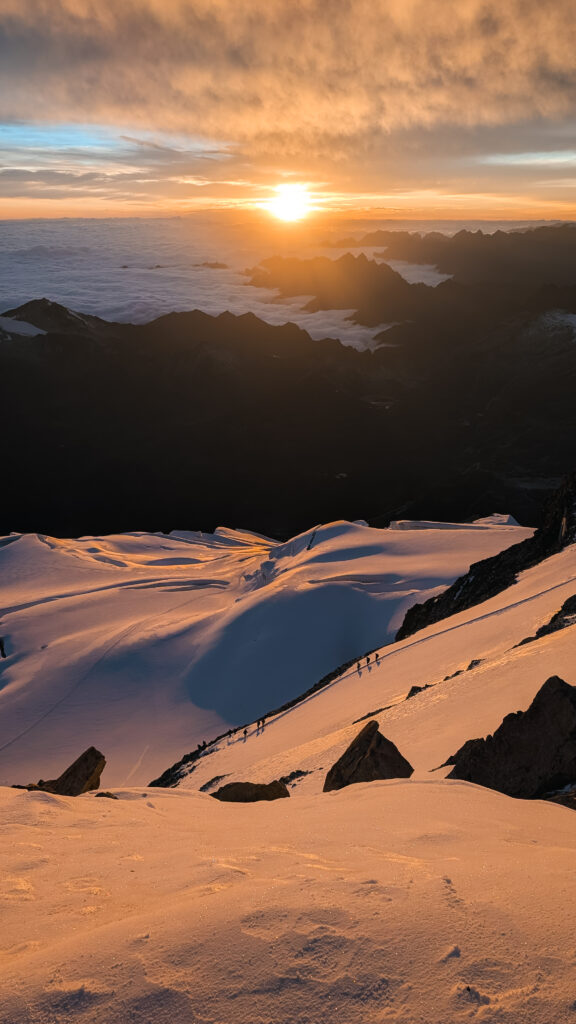
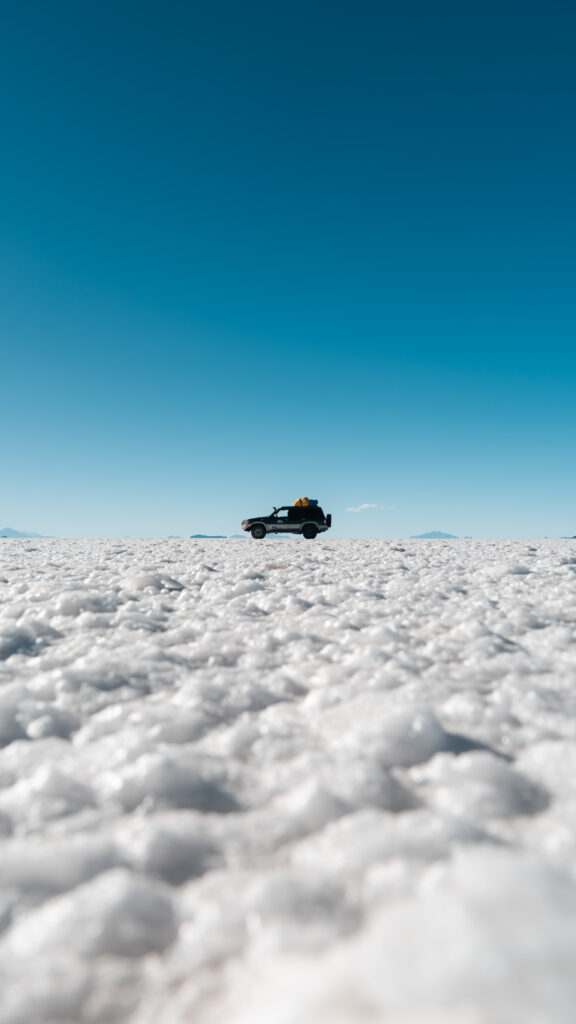
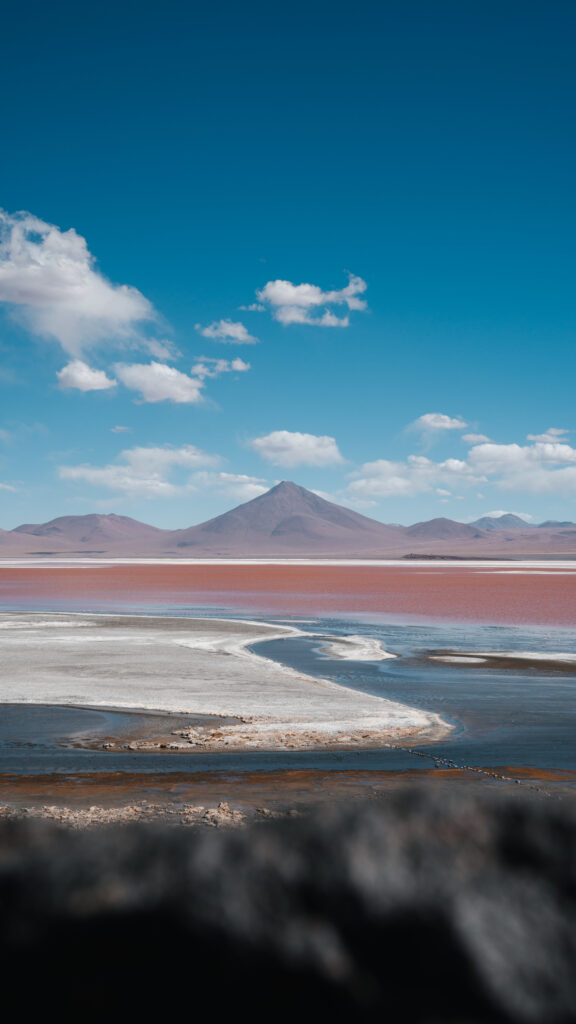
We didn’t know what to expect from Bolivia.
It ended up being our favorite country of the entire trip.
Maybe it was the landscapes. Maybe the rawness. Maybe the fact that we barely met other Western travelers. Whatever it was — Bolivia just hit differently. We had almost skipped it entirely, heading straight from Peru to Chile. Thank god we didn’t.
After crossing the border, we were greeted by Lake Titicaca views that almost felt Mediterranean. From quiet Copacabana, we continued to La Paz.
Unfortunately, Emilia struggled with the altitude at first, which made the first days harder for her.
La Paz itself deserves its own post — a chaotic capital carved into steep mountain terrain, made even more unique by its cable car public transport system.
Before coming into Bolivia, Joona had heard about a mountain called Huayna Potosí, a relatively accessible 6000-meter peak. So naturally, he really wanted to climb it. While exploring the streets of La Paz we found an epic last-minute deal — full equipment, guide, transport — for about 80€.
He went for the two-day climb while Emilia stayed in La Paz.
After that, we took an overnight bus to Uyuni, where we joined a three-day Salar de Uyuni and Altiplano tour ending at the Chilean border.
The landscapes we saw during those days didn’t even feel real. Bolivia is something else.
CHILE
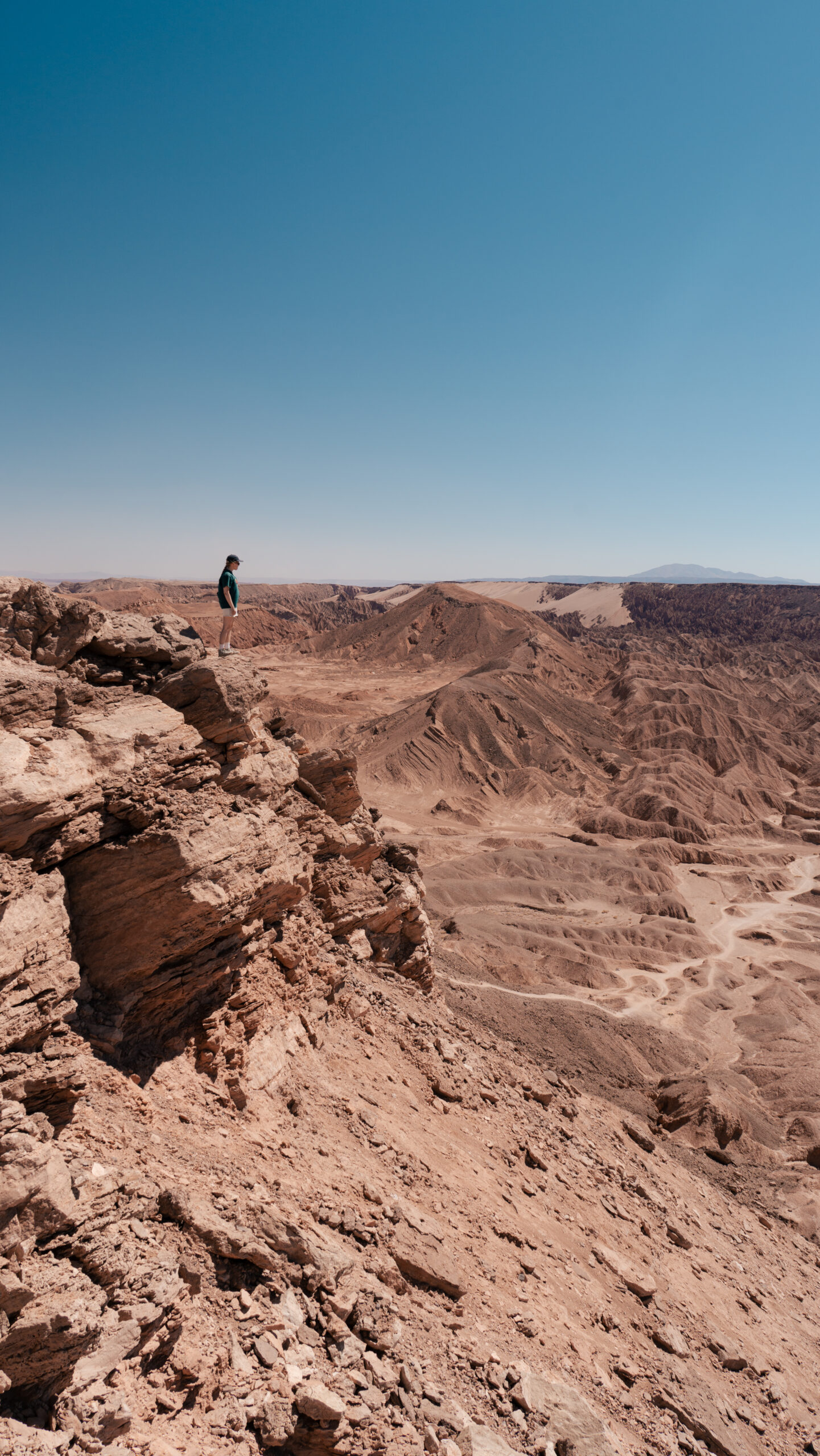
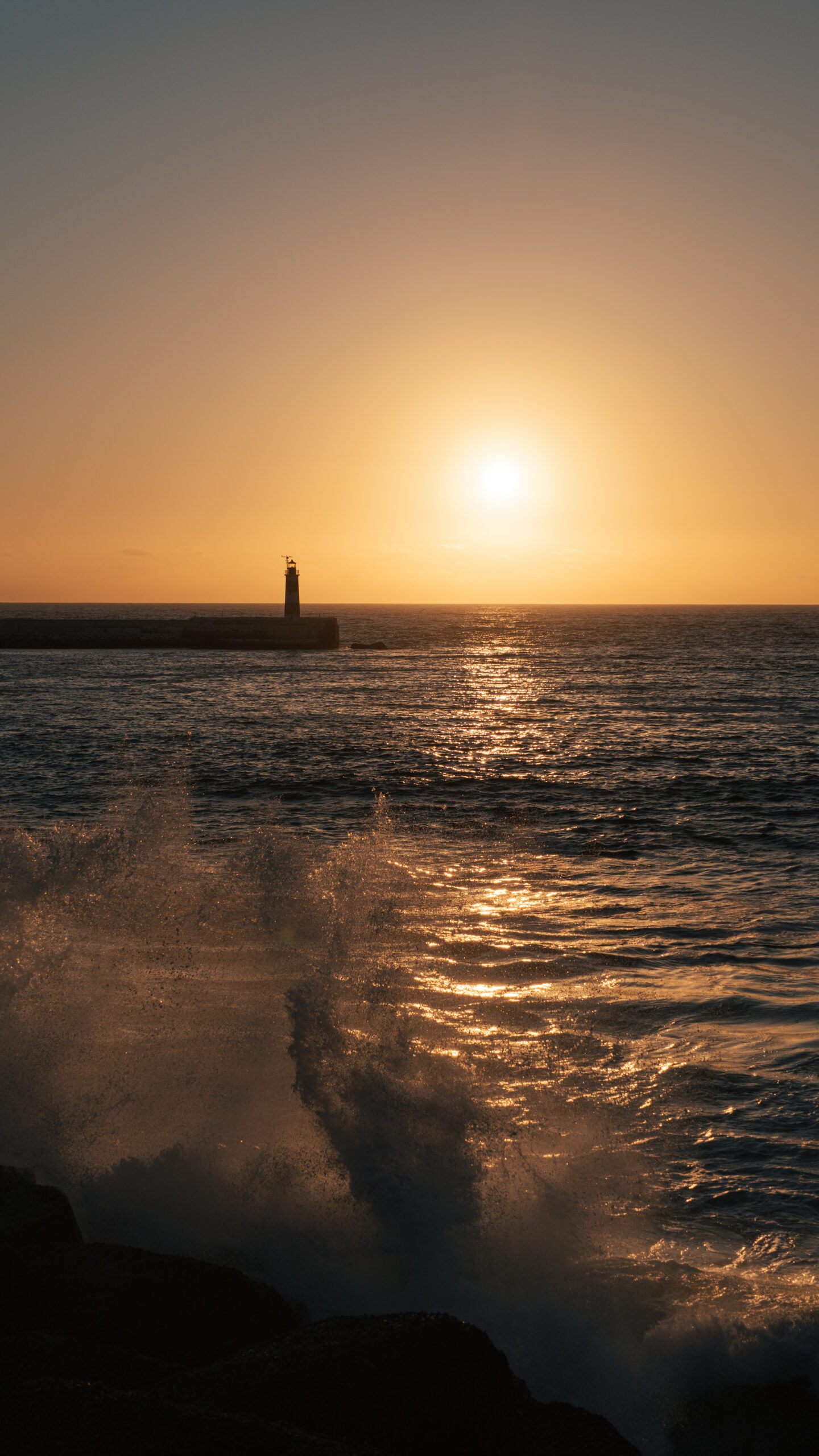
We only explored the north of Chile and sadly ran out of time before making it down to Patagonia.
After crossing the border from Bolivia, San Pedro de Atacama was our first stop. Almost immediately we got hit by a reality check — after super affordable Bolivia, Chile felt painfully expensive. Still, San Pedro is a lovely little desert town, surrounded by unreal landscapes, and it was a nice place to slow down for a moment.
From San Pedro, we continued to Antofagasta, a coastal city where we planned to stay for just a couple of days before flying to Santiago. As it turned out, we had one extra day to kill, and honestly, Antofagasta itself didn’t offer that much to keep us busy.
So we did what we often do when plans don’t really exist — we rented a car. There wasn’t any deep strategy behind it. No epic route. No must-see list. We just wanted to get out of the city and see something.
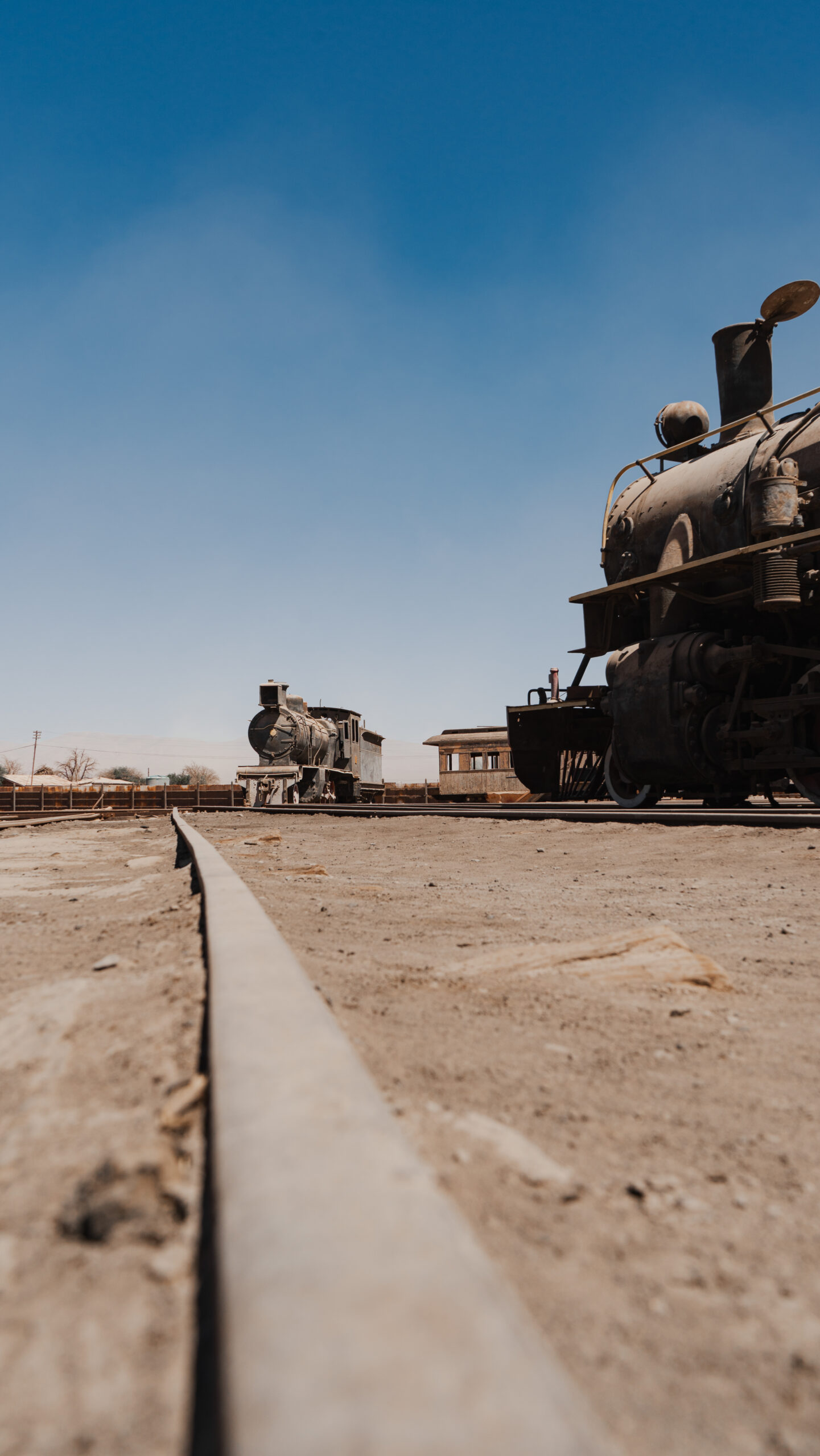
That one spontaneous decision turned into a surprisingly fun one-day desert road trip. We drove inland through empty landscapes, stopping at random places that made no sense but somehow felt very on-brand for this trip. An abandoned train cemetery, slowly rusting away in the middle of nowhere. And then the famous giant hand rising out of the desert, which felt completely absurd and fascinating at the same time.
The whole day felt a bit pointless — but in the best possible way. Just driving, stopping when something looked interesting, taking photos, and killing time before the journey home. No pressure, no expectations.
Finishing in Santiago
We finished the trip by flying to Santiago, where our return flight to Europe was waiting. Northern Chile is undeniably beautiful, but not especially engaging. After about a week, we felt we’d seen enough — and didn’t really feel the need to come back.
We finished northern Chile by flying from Antofagasta to Santiago, where we still had one extra day before heading back to Europe.
That final day was mostly about slowing down after weeks on the road — walking around the city, eating properly, and tying up loose ends from the trip. For Joona, that also meant getting his last rabies shot, finally closing that unexpected chapter that started weeks earlier in Peru. What a relief!
After everything we’d seen and experienced, Santiago felt calm and surprisingly normal (a bit sketchy as well). A proper transition back toward home.
CARRY-ON ONLY & NO SPANISH — HOW DID IT GO?
Traveling for 2.5 months in Latin America with carry-on only sounded a bit crazy at first — but in the end, it worked better than we ever expected.
We packed only the essentials. No “just in case” items.
Our entire setup was simple:
- Emilia carried an Osprey Farpoint 40
- Joona traveled with a CabinZero ADV Classic 42L
- Joona’s Sony a7 IV camera came along for the ride — carefully packed in backpack
- We bought warm down jackets in Cotopaxi, instead of carrying them the whole way
That was it.
Of course, we had to do laundry often — but it honestly didn’t matter. Laundry in hostels was cheap, easy, and sometimes even a nice excuse to slow down for an afternoon.
As for the language barrier — we started with zero Spanish. Not even the basics.
But somewhere along the way, we learned enough to survive. Our Spanish stayed broken, heavily improvised, and probably grammatically wrong — but somehow, locals still understood us. And when words failed, gestures, smiles, and patience did the rest.
Looking back, both the carry-on-only travel and the lack of Spanish felt more like advantages than problems. They forced us to stay flexible, present, and open — which is exactly how we want to travel.
And honestly?
We’d do it the same way again.
WHAT’S NEXT
This was the short version of our South American journey.
Each country deserves its own deeper story — and those are coming next.
And yes… the photos are pretty damn good. Some of them might even be the best ones we’ve ever taken.
Stay tuned.
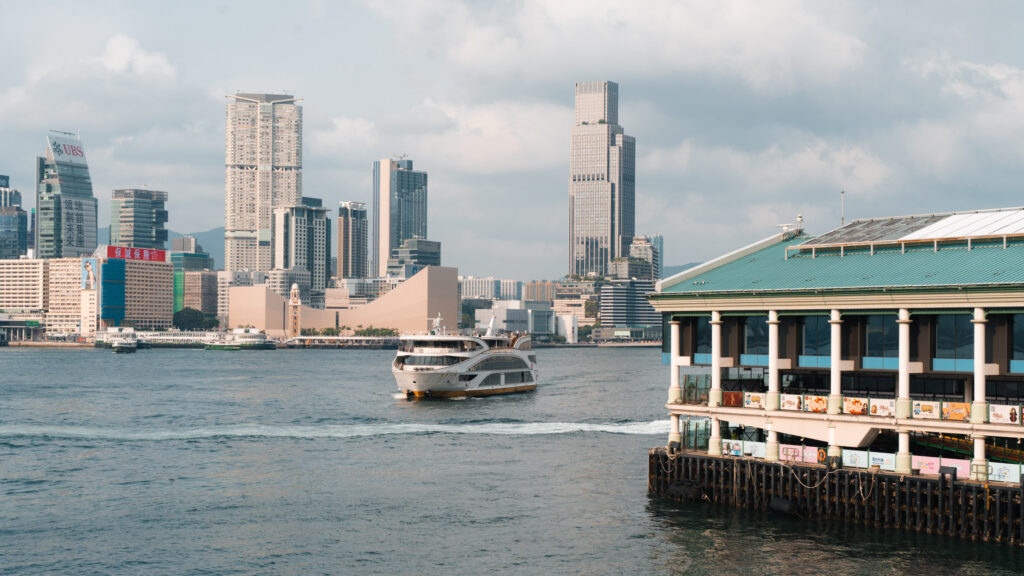
Hong Kong Photography Itinerary: 4 Days of City Lights
After travelling through Yunnan and Chongqing, we boarded a high-speed train from mainland China and…
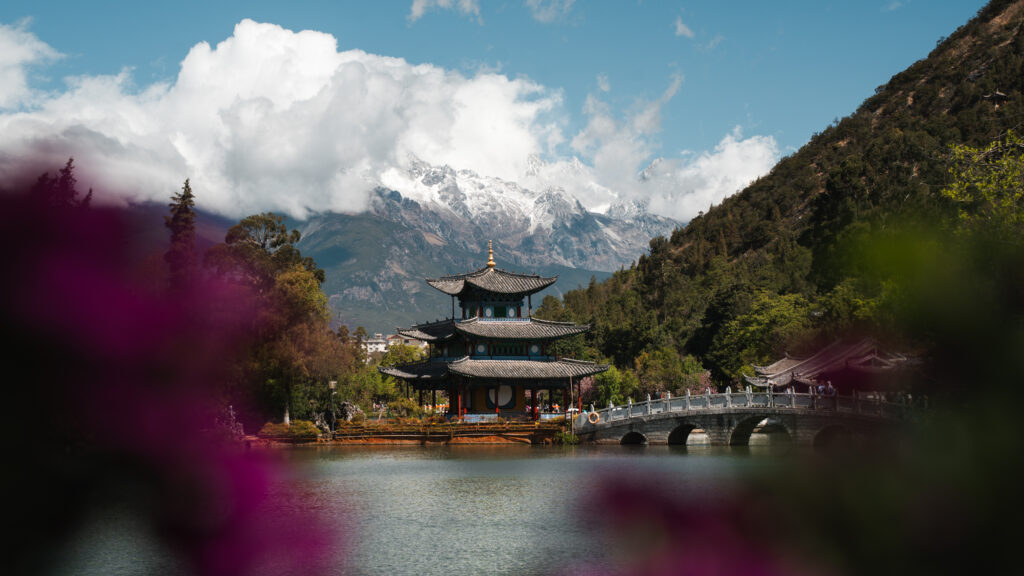
China Travel Guide: From the Mountains of Yunnan to the Megacity of Chongqing
China had been on our travel wishlist for years. We had heard stories about futuristic…
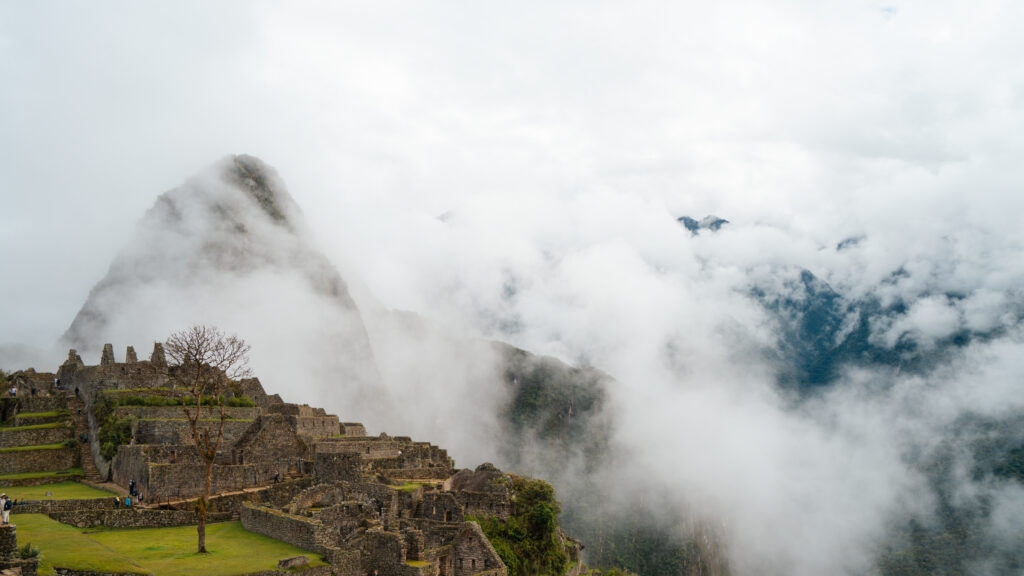
How to Visit Machu Picchu on a Budget?
Machu Picchu is one of the most iconic destinations in the world, but visiting it…
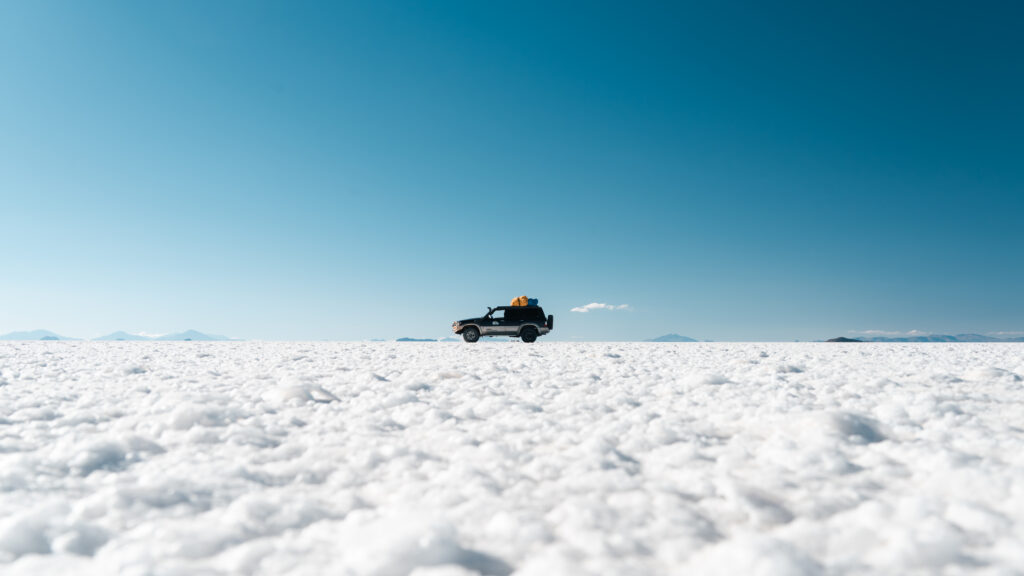
Bolivia Backpacking Guide: Salt Flats, 6000m Peaks & Our Biggest South American Surprise
After Peru, we crossed into Bolivia with surprisingly low expectations. We honestly didn’t know much…
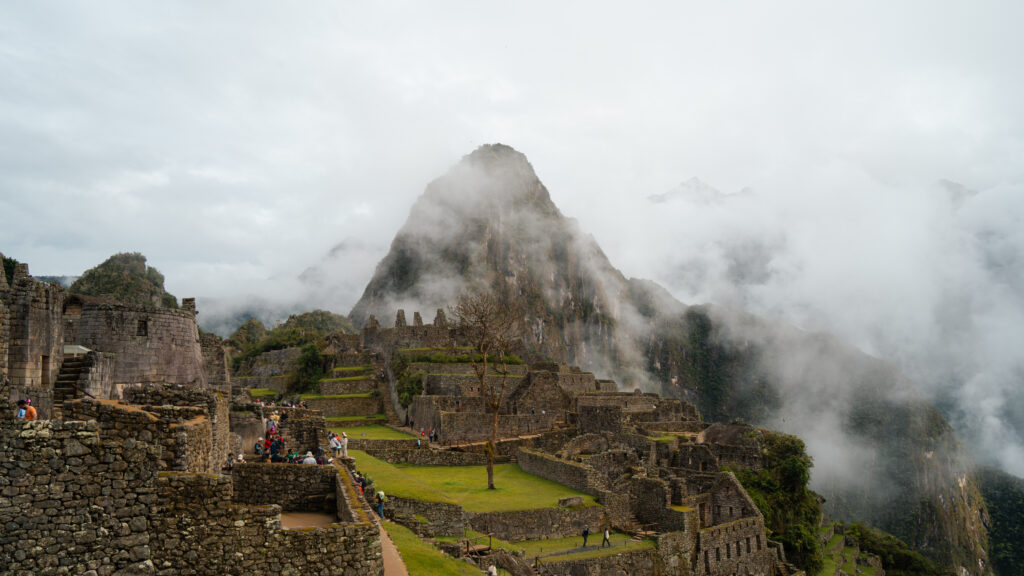
Peru Backpacking Itinerary: Chaos, Mountains & Machu Picchu
Machu Picchu & Huayna Pichu From Ecuador, we continued our backpacking journey to Peru, one…
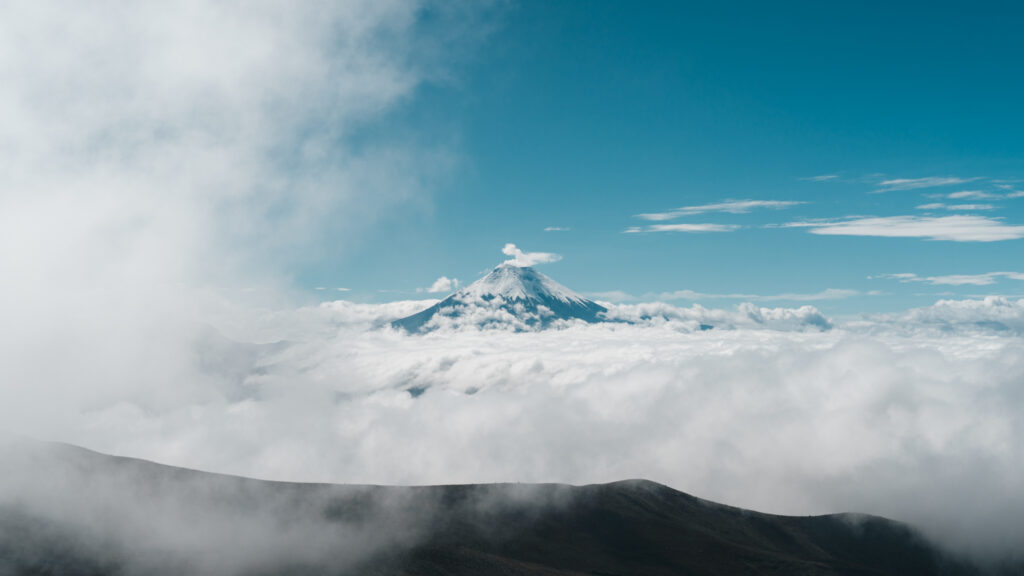
Chasing Volcanoes in Ecuador: Epic Backpacking Journey
We came with backpacks and no plan.Ecuador gave us volcanoes, altitude, and a new perspective…
Pingback: Traveling Colombia