
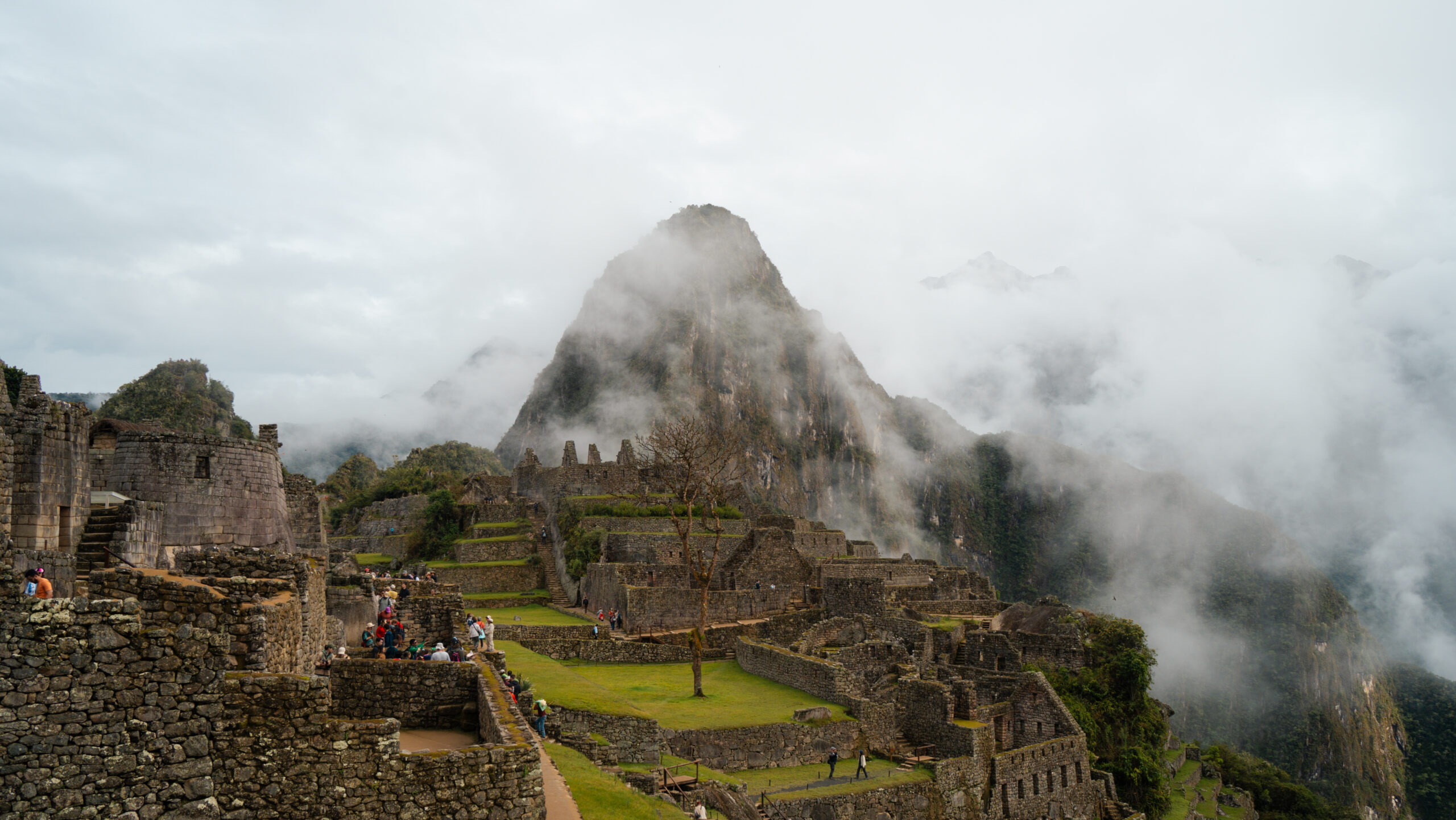
From Ecuador, we continued our backpacking journey to Peru, one of the main goals of our entire Latin American trip. Big mountains, legendary food, ancient history, and raw adventure. But Peru didn’t exactly welcome us gently.
Here’s our Peru backpacking itinerary, told place by place — from surf towns and desert cities to high Andean passes and the lost city of the Incas.
Crossing the Border & First Night in Peru
After another long night bus from Cuenca toward the Peruvian border, we arrived at the border post around 2am. Luckily, the process itself was smooth, even though our bags were checked thoroughly on both sides.
From there, we still had a couple of hours to go before reaching Máncora, a small surf town in northern Peru. We arrived around 4–5am, completely exhausted.
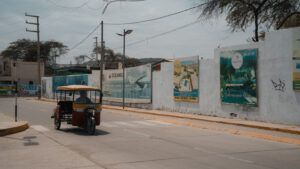
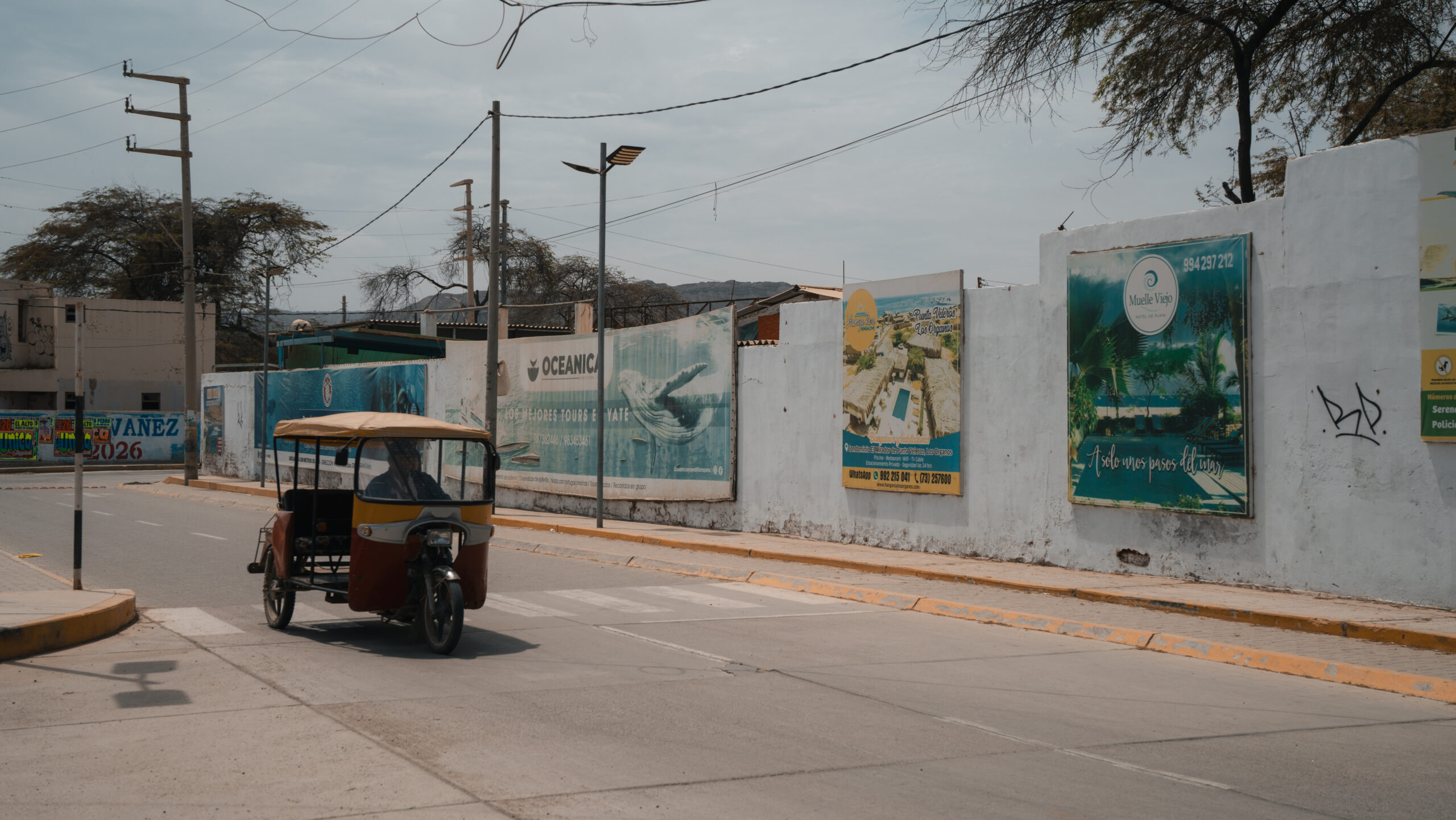
We had booked a beautiful cabin-style hotel Vista del Mar just outside town. A tuk-tuk took us most of the way, but the last stretch was uphill — steep, dark, and silent. Eventually, we found the place… and its guard dogs. Aggressive ones.
The owners were still sleeping, clearly not thrilled about our early arrival. We couldn’t access our room yet, so we ended up sleeping by the pool for a few hours. The night was surprisingly cold, but the sun rose quickly and warmed us up. A few hours later, we finally got our room, showered, and headed out to explore.
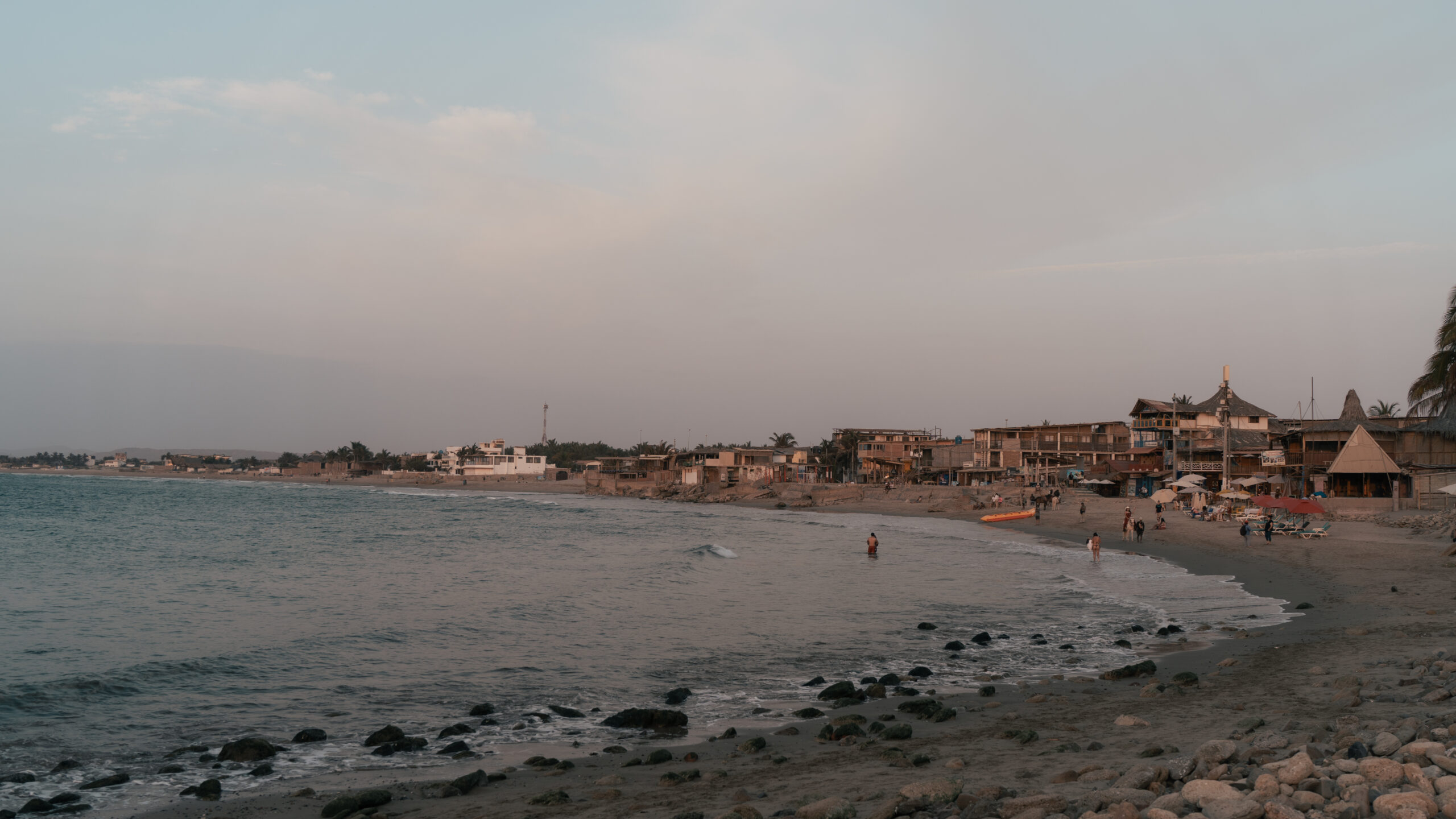
Máncora – Surf, Street Dogs & Setbacks
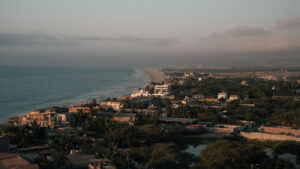
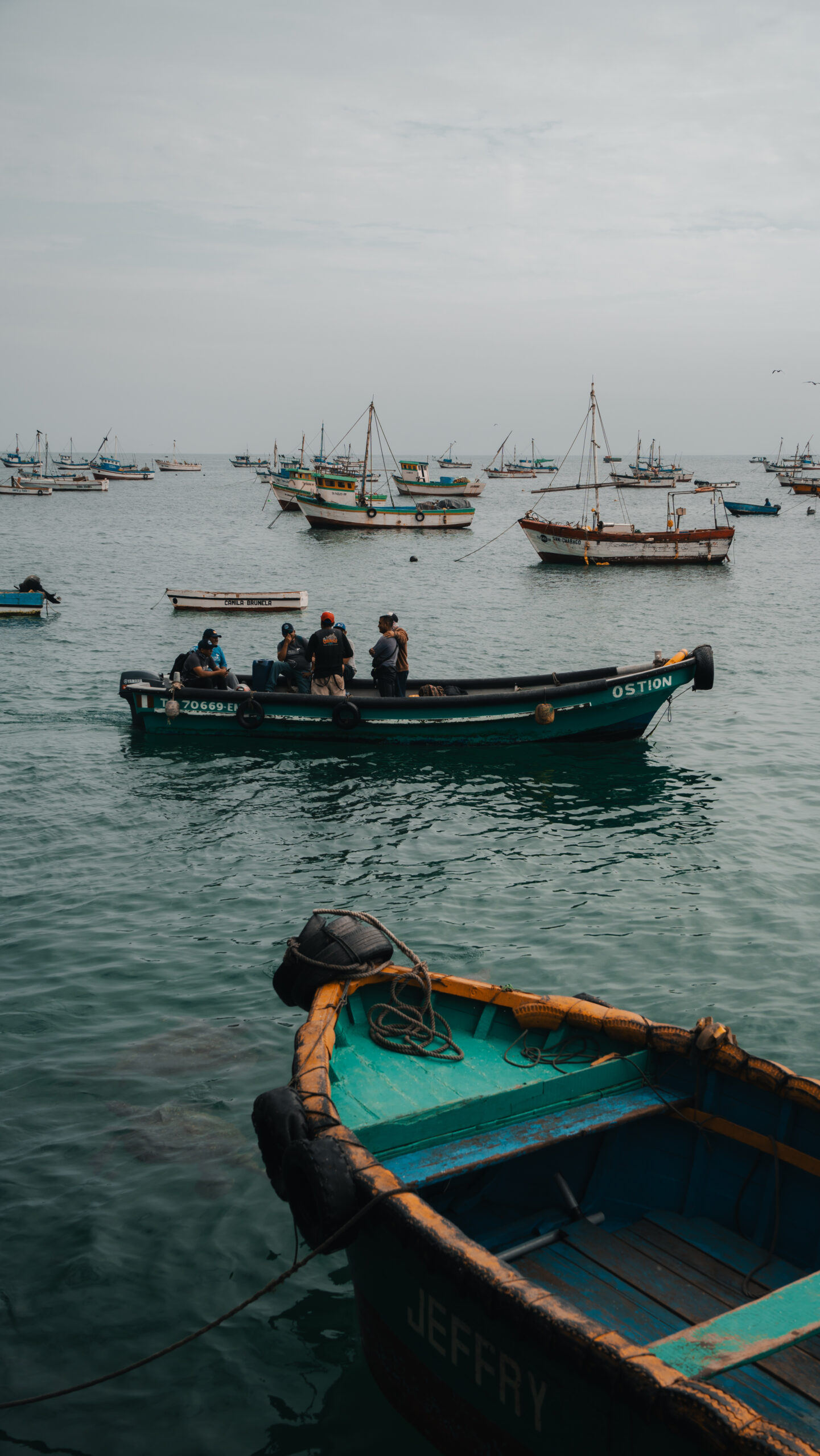
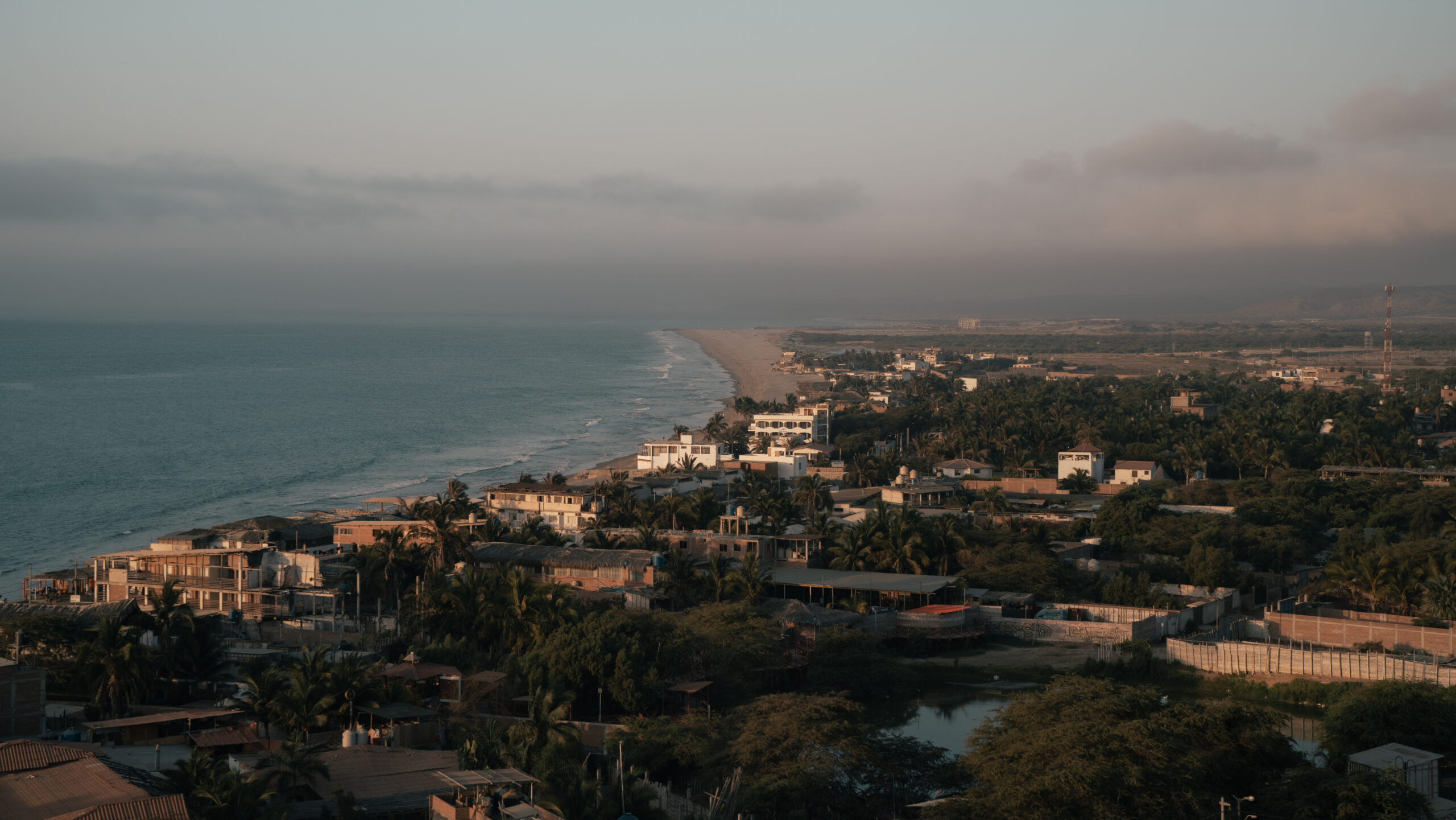
Máncora is a small yet lively surfing town in northern Peru and often serves as the first stop for backpackers coming from Ecuador. Warm water, sandy beaches, palm trees, surfboards everywhere — on paper, it sounds like the perfect soft landing into Peru. We spent three days in Máncora and explored nearly everything it had to offer, but we left with very mixed feelings.
While the town itself is undeniably charming and laid-back during the daytime, something about it felt slightly off from the beginning. The contrast between the postcard-perfect surf vibes and the underlying chaos was strong. On our first evening, things started to go sideways — and our entire Peru itinerary quietly began to rewrite itself.
Rabies Scare & Rerouted Plans
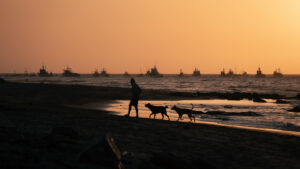
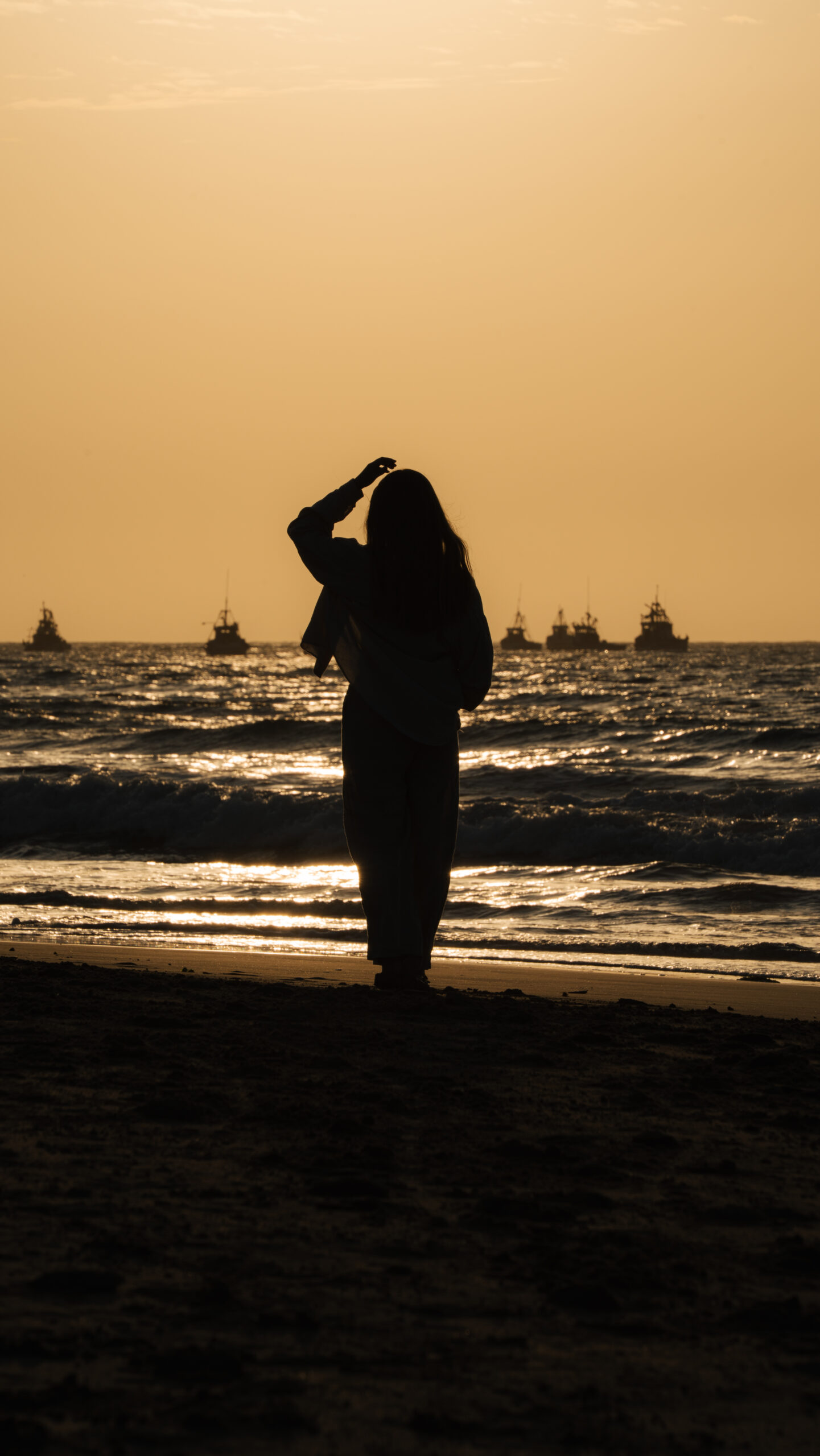
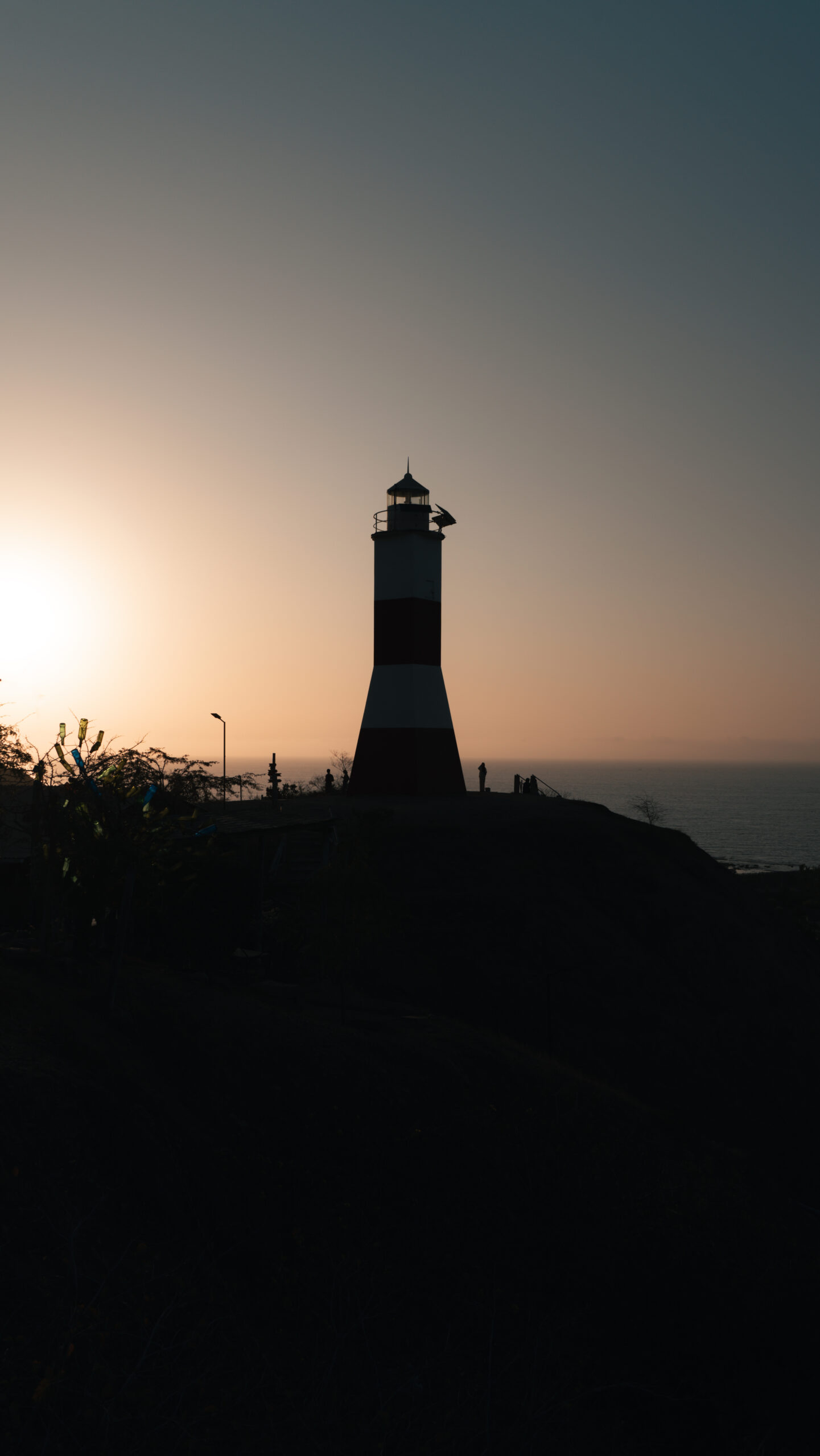
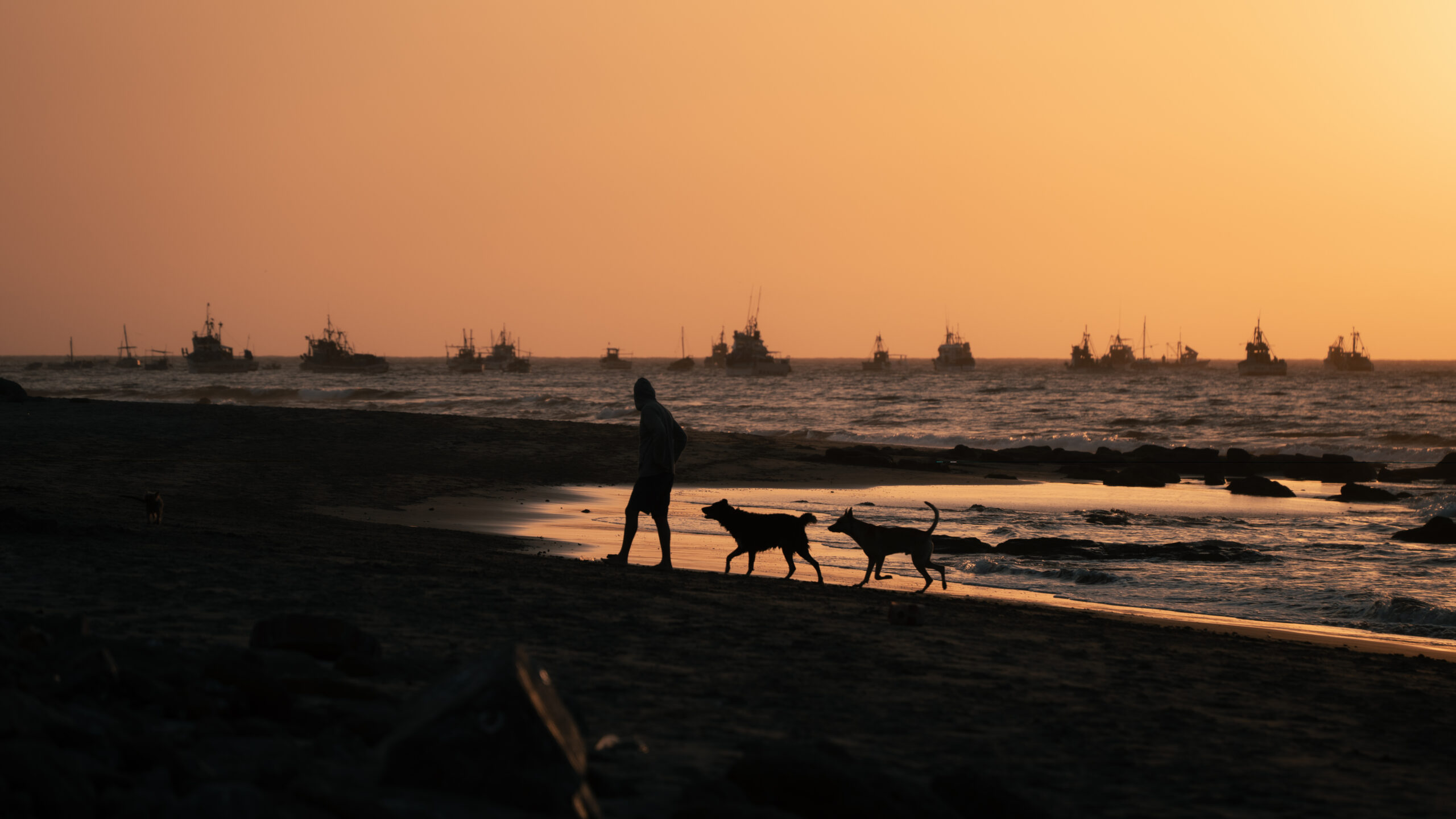
While taking sunset photos at the main beach, two street dogs suddenly started behaving aggressively toward Joona, circling closer and closer. One of them tried to jump and knock him over, forcing him to drop his backpack to protect himself. In that moment, while focusing on one dog, the other bit him on the thigh. Luckily the bite was minor and the bleeding small, but the situation escalated quickly in our minds.
At first, we brushed it off. But after digging deeper into rabies statistics and reading a bit too much online, reality hit. Peru is still considered a rabies-risk country in some regions. The next day turned into a mission: finding rabies vaccines. That’s when we realized how fragile travel plans can be when infrastructure fails. The local healthcare center in Máncora was outdated and didn’t have any vaccines available. Suddenly, Trujillo — a city we hadn’t planned to visit at all — became a mandatory stop.
Content Creation & Lost Drone
As if that wasn’t enough, the next morning brought another blow. We were doing content creation for a resort, filming kayaking and sea turtles. The day was extremely windy, but I still decided to take the drone up for a few shots. Big mistake. A sudden gust pushed it straight into the ocean. Drone gone. And travel insurance? Didn’t cover it. A brutal reminder that things will go wrong on long trips — and usually when you least expect it.
Peruvian Food Redemption
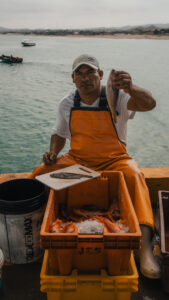
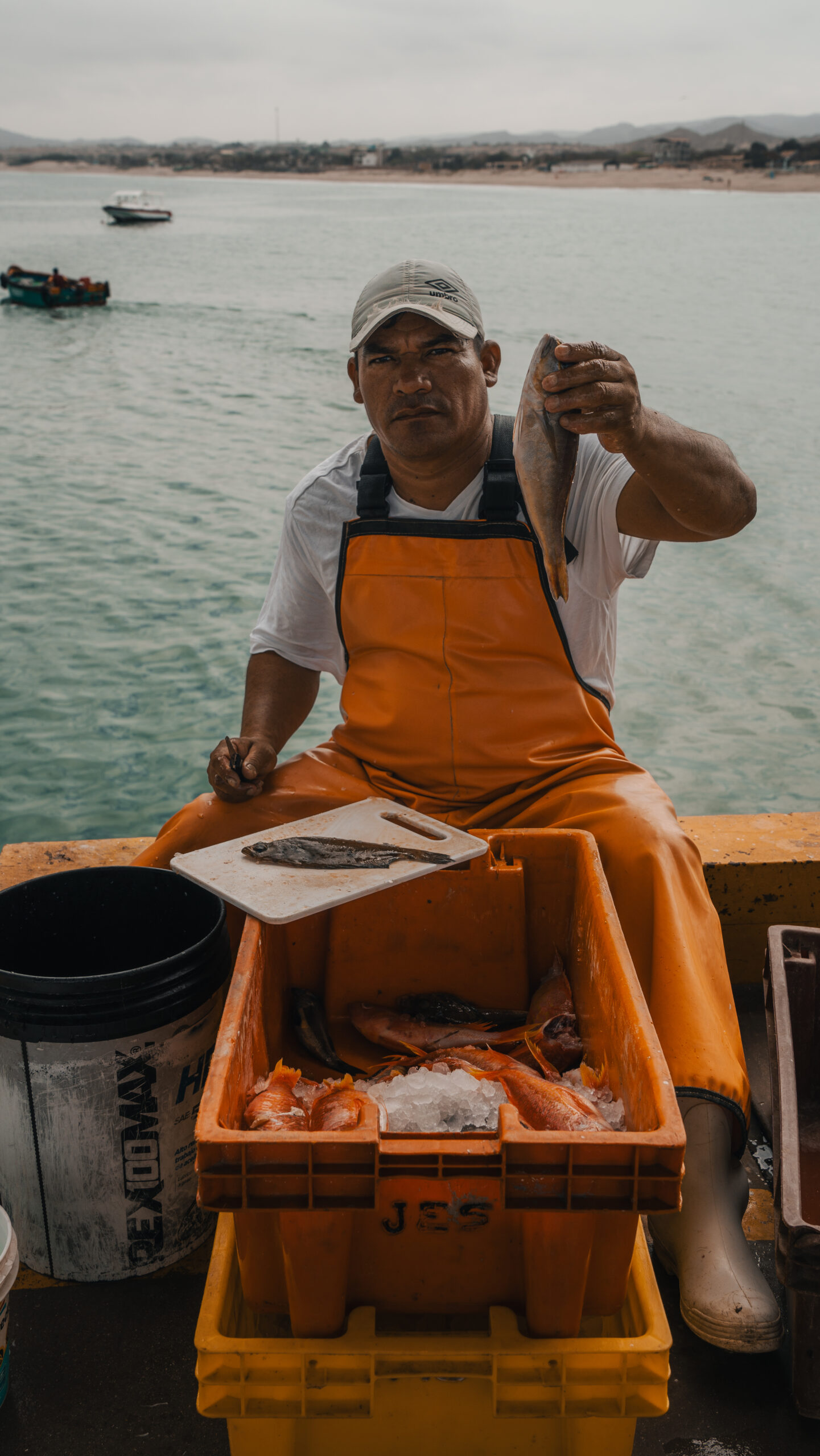
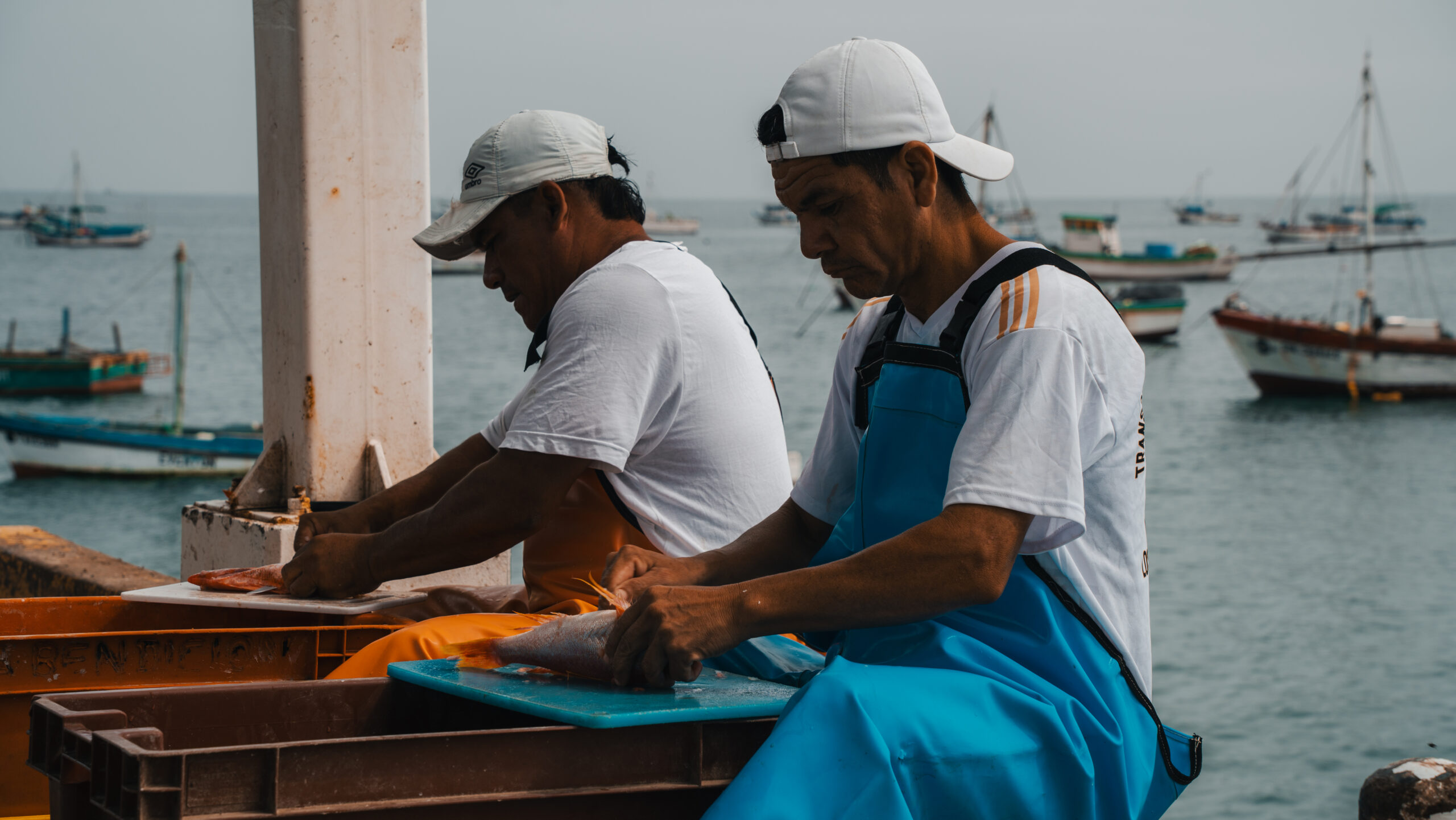
Despite all that, Máncora did give us our first real taste of Peruvian cuisine. We ate almost every meal at the same local restaurant the locals called “BBB” — Bien, Bonito, Barato. Good, pretty, cheap. Ceviche, arroz con mariscos, simple dishes done perfectly. Food-wise, Peru instantly won us over.
On our last day, we joined a whale-watching tour as part of content creation. While it’s not something we would normally do due to ethical concerns, it was Joona’s first time seeing whales, and witnessing them surface — even briefly — was still a powerful moment. That evening, we boarded the night bus to Trujillo, exhausted, slightly shaken, but ready to keep moving.
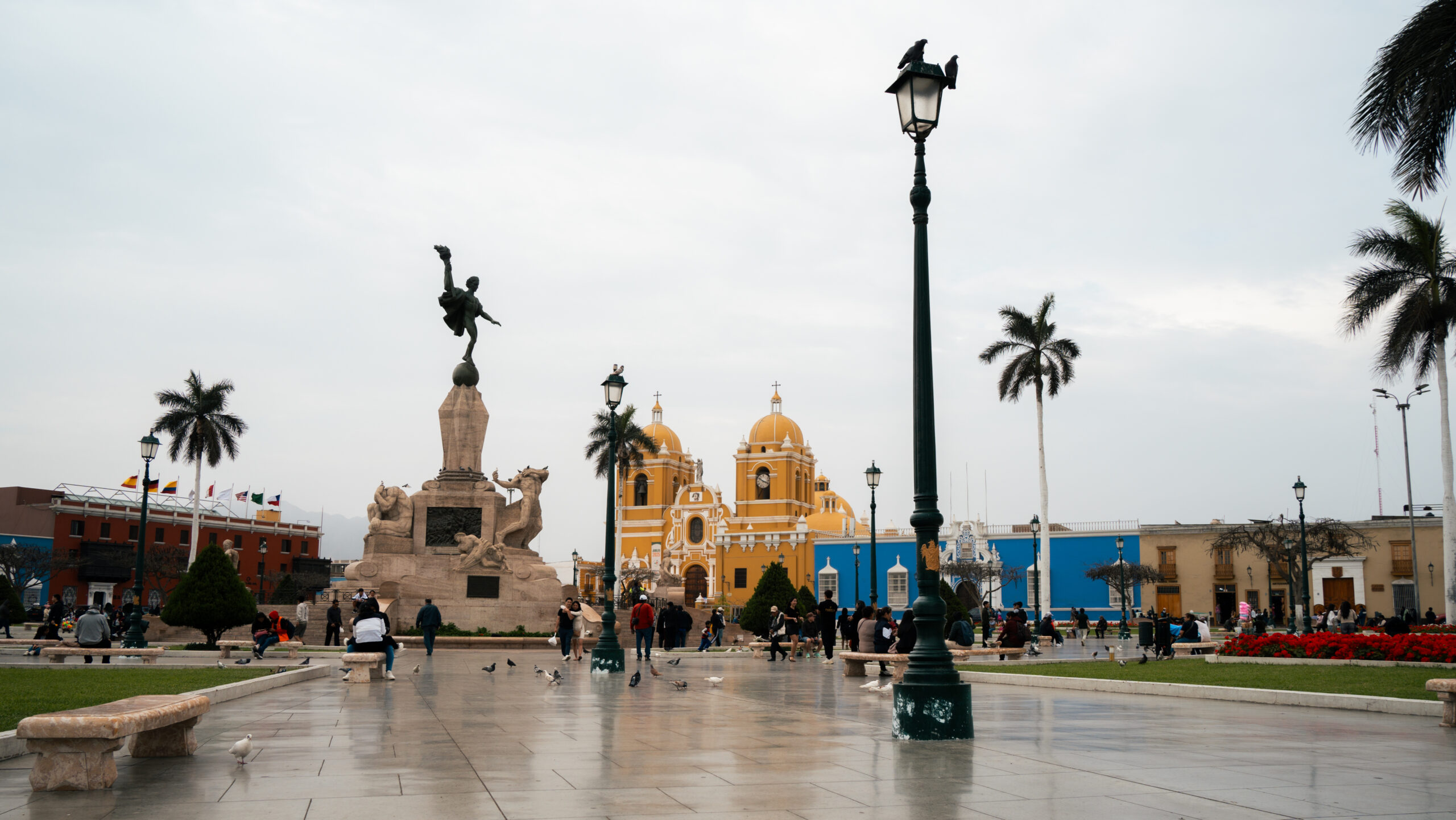
Trujillo – Vaccines, Sand Dunes & Cloud Seas
Trujillo was our first bigger city in northern Peru, and honestly, we were there for one reason only: the vaccine.
After paperwork, queues, and confusion, Joona finally got the first rabies shot. The hospital insisted we’d return in three days for the second dose — meaning we were stuck in Trujillo longer than planned.
Not the most inspiring city, but we made the best of it.
Sandboarding & Mountain Hikes
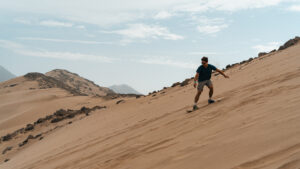
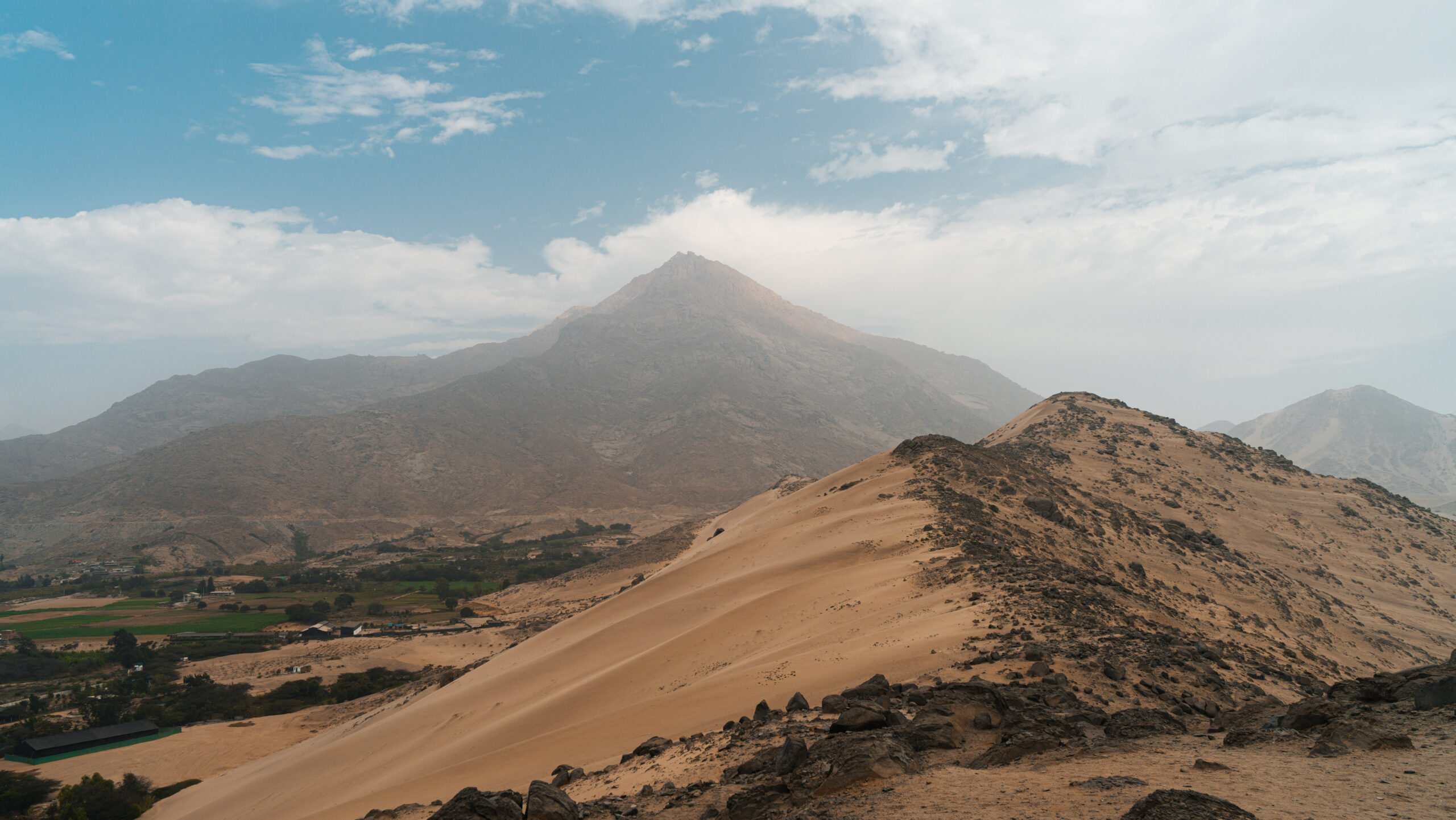
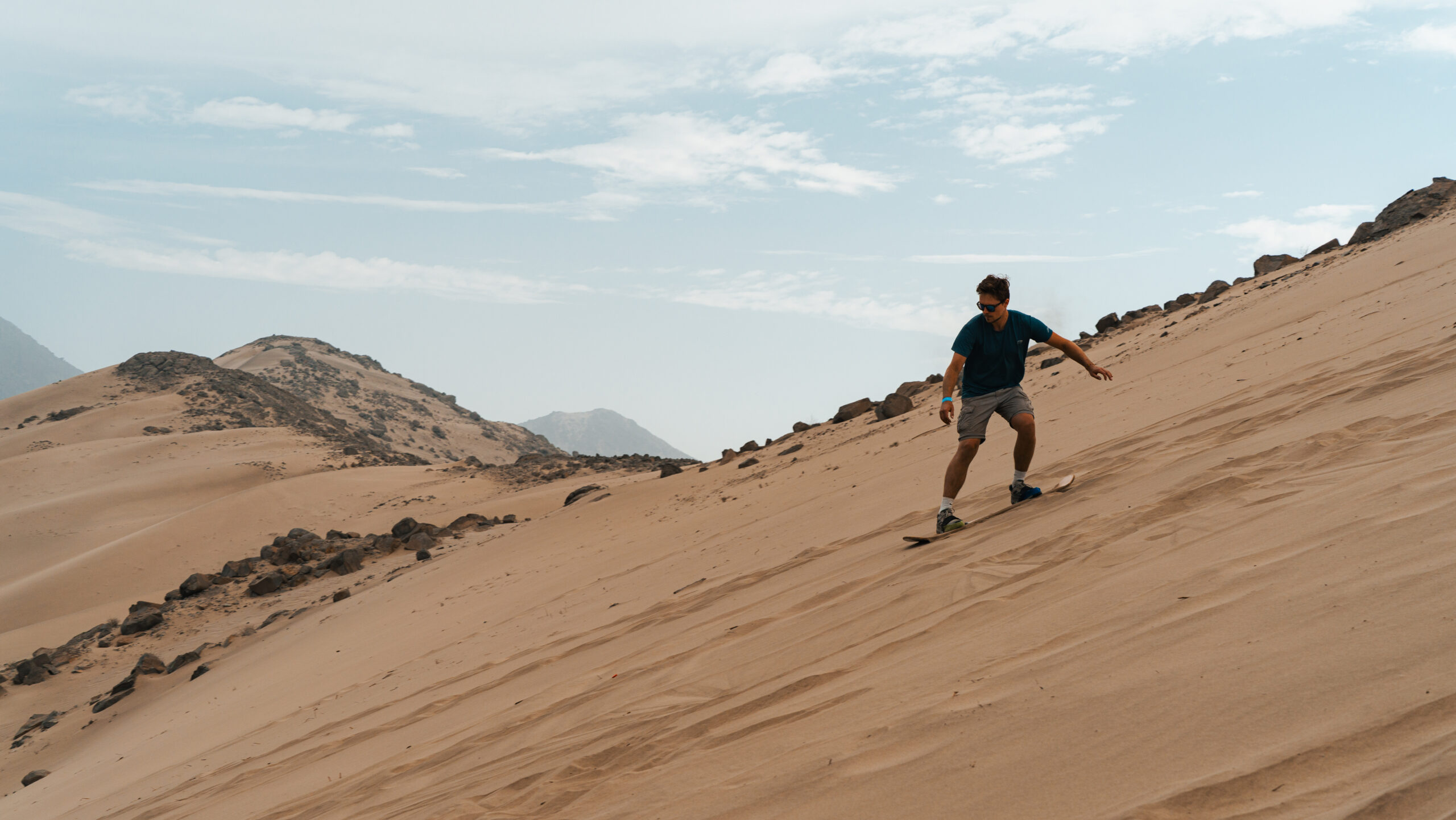
Outside the city lies Dunas de Conache, relatively tall sand dunes where we went sandboarding — a surprisingly fun day trip with epic desert views.
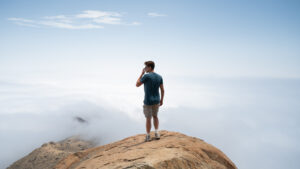
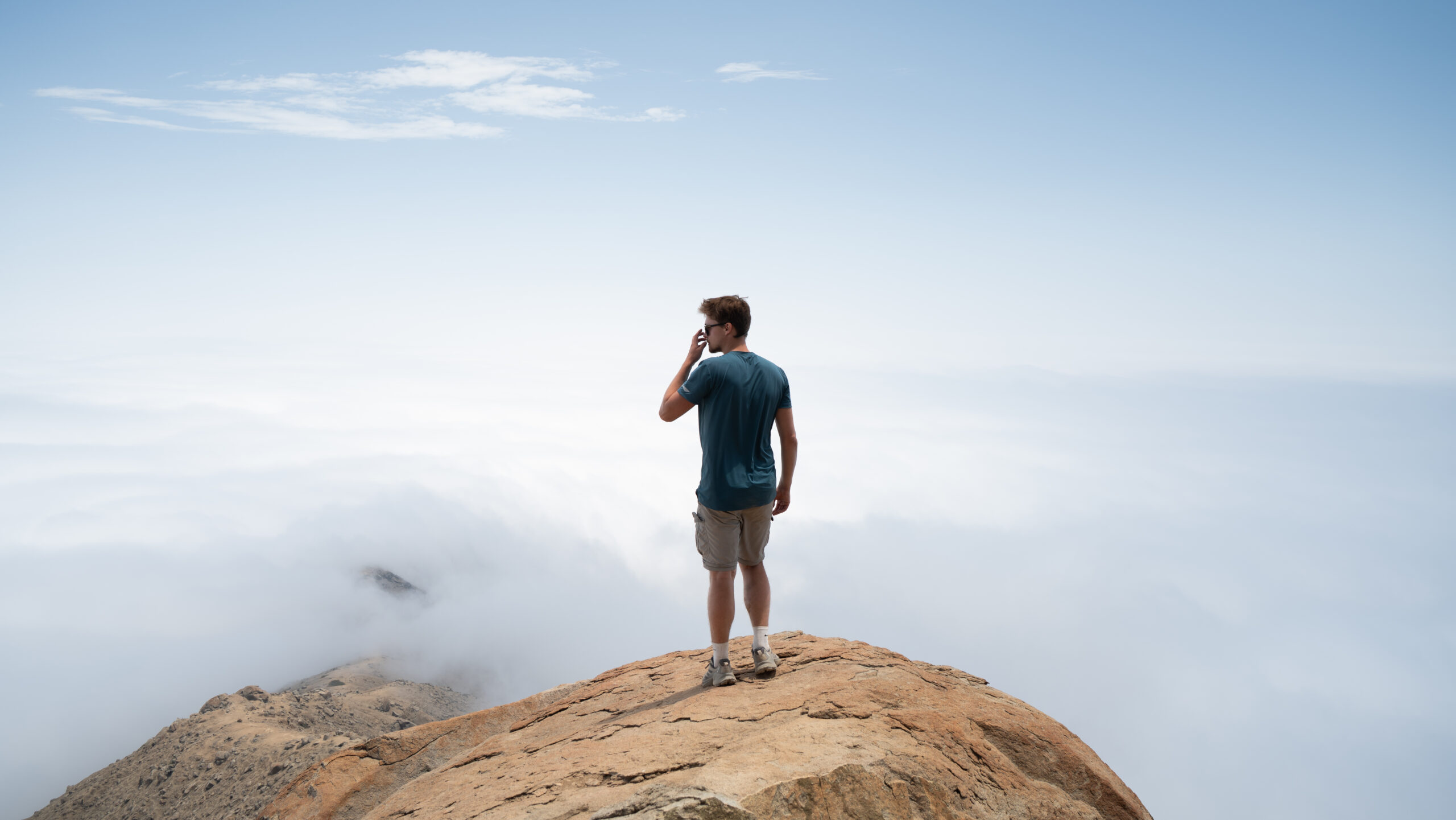
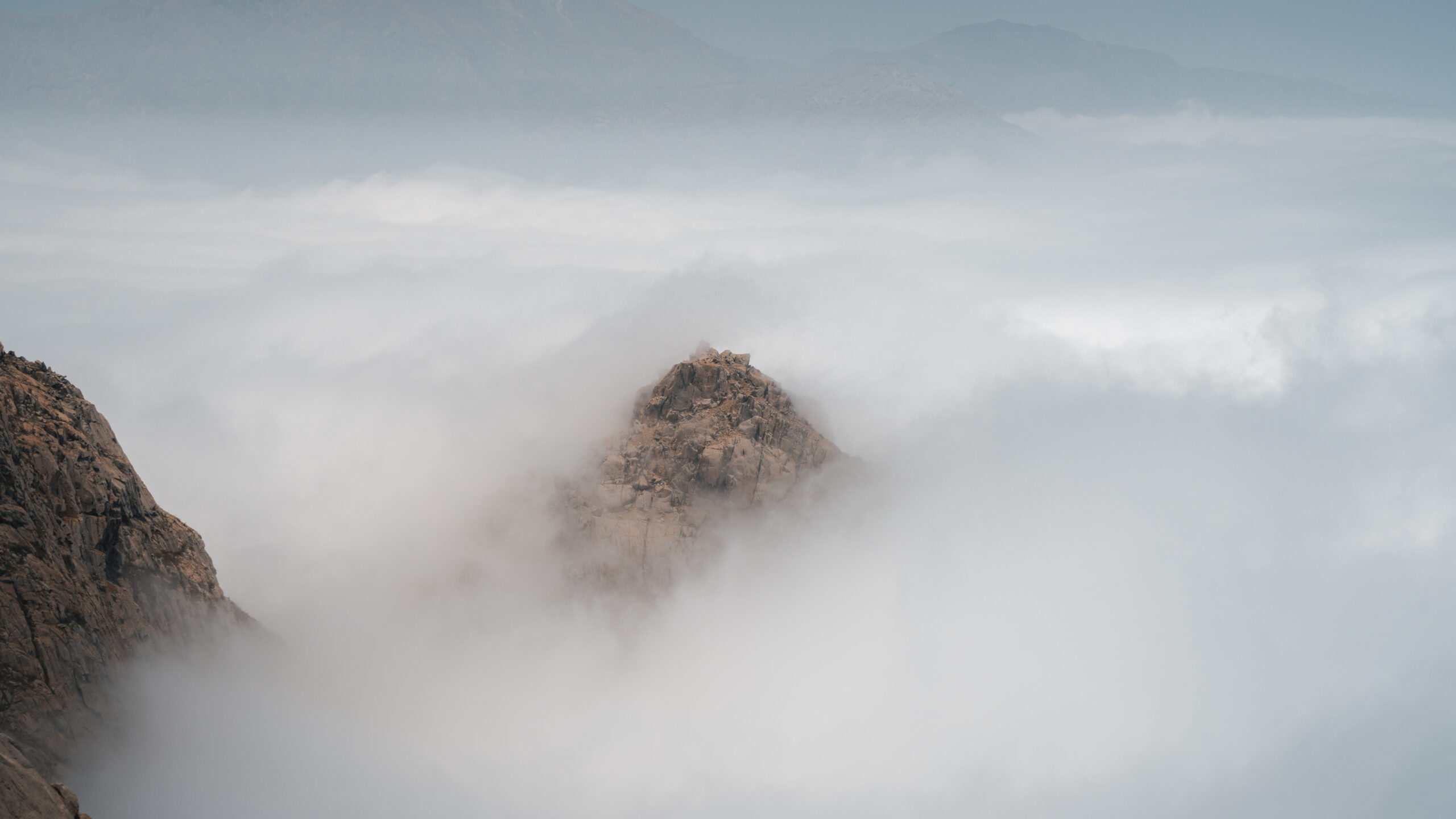
Joona also spotted some nearby mountains and convinced us to hike one. The trail started in a foggy desert next to the Pan-American Highway, past abandoned buildings. It felt… sketchy. Emilia said that this place feels like we definitely shouldn’t be here.
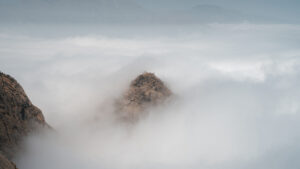
But once we climbed above the clouds, we were rewarded with an insane sea of clouds beneath us. At the top stood an old telecom tower, surrounded by trash and a horrible smell — not exactly serene summit vibes we’re used to.
On the way down, we met a local couple. No English, broken Spanish, big smiles — and they even offered us a ride back to the city.
Vaccine Chaos, Again
On the day of the second vaccine, the assigned clinic didn’t have it. Thankfully, the friendly staff made some phone calls and found another clinic across the city in a bit more poor area. The nurses told us to be very careful. How nice! Still, Joona got the shot, and we reached the bus station 10 minutes before departure.
Next stop: Huaraz.
Huaraz – Cordillera Blanca Dreams
The bus ride to Huaraz was rough. As we climbed higher into the Andes, the roads became narrow, winding and relentless. Motion sickness kicked in, and the hours felt endless.
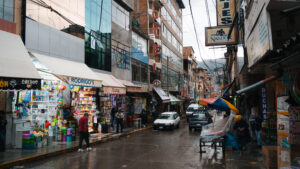
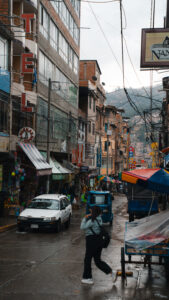
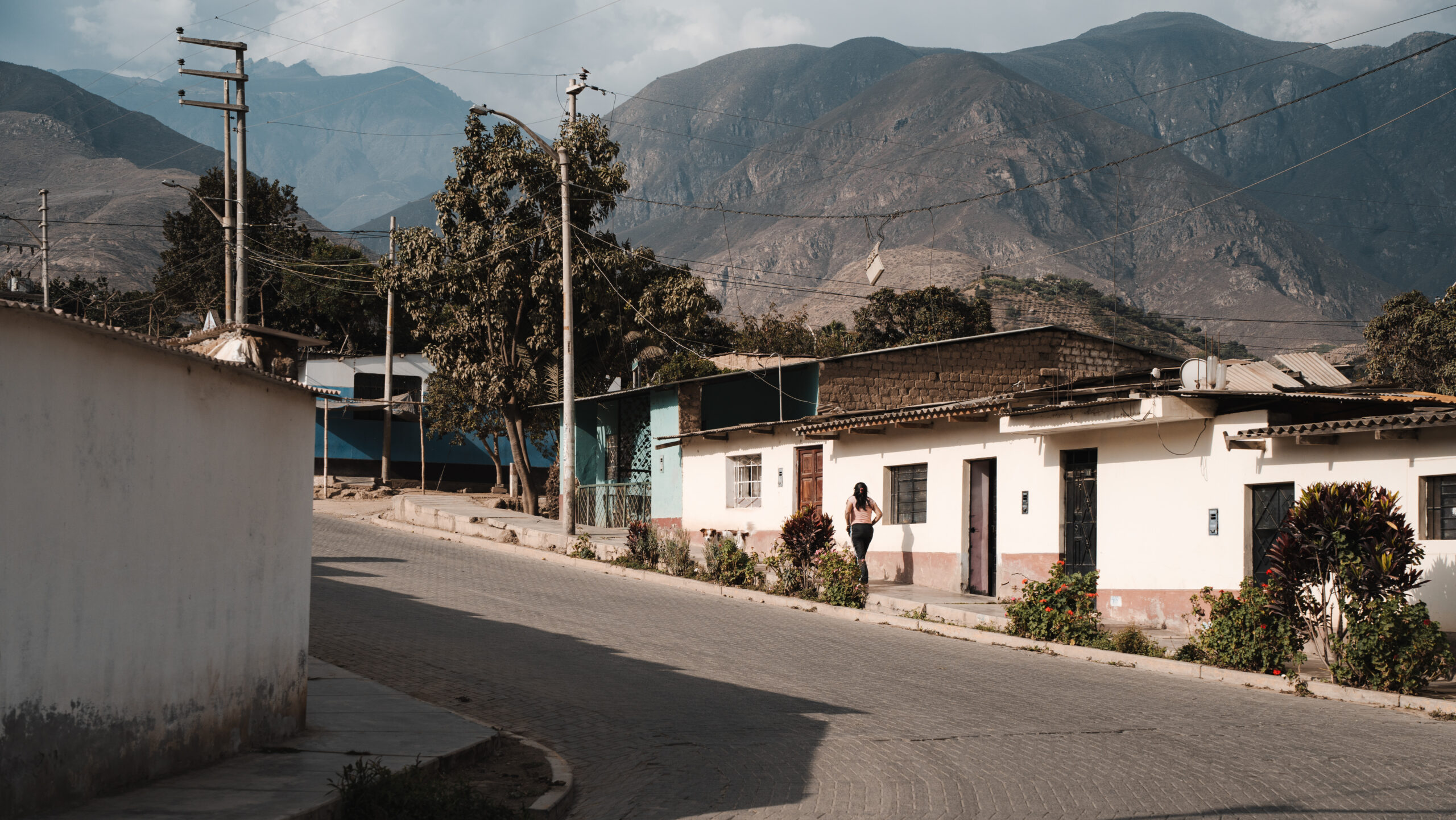
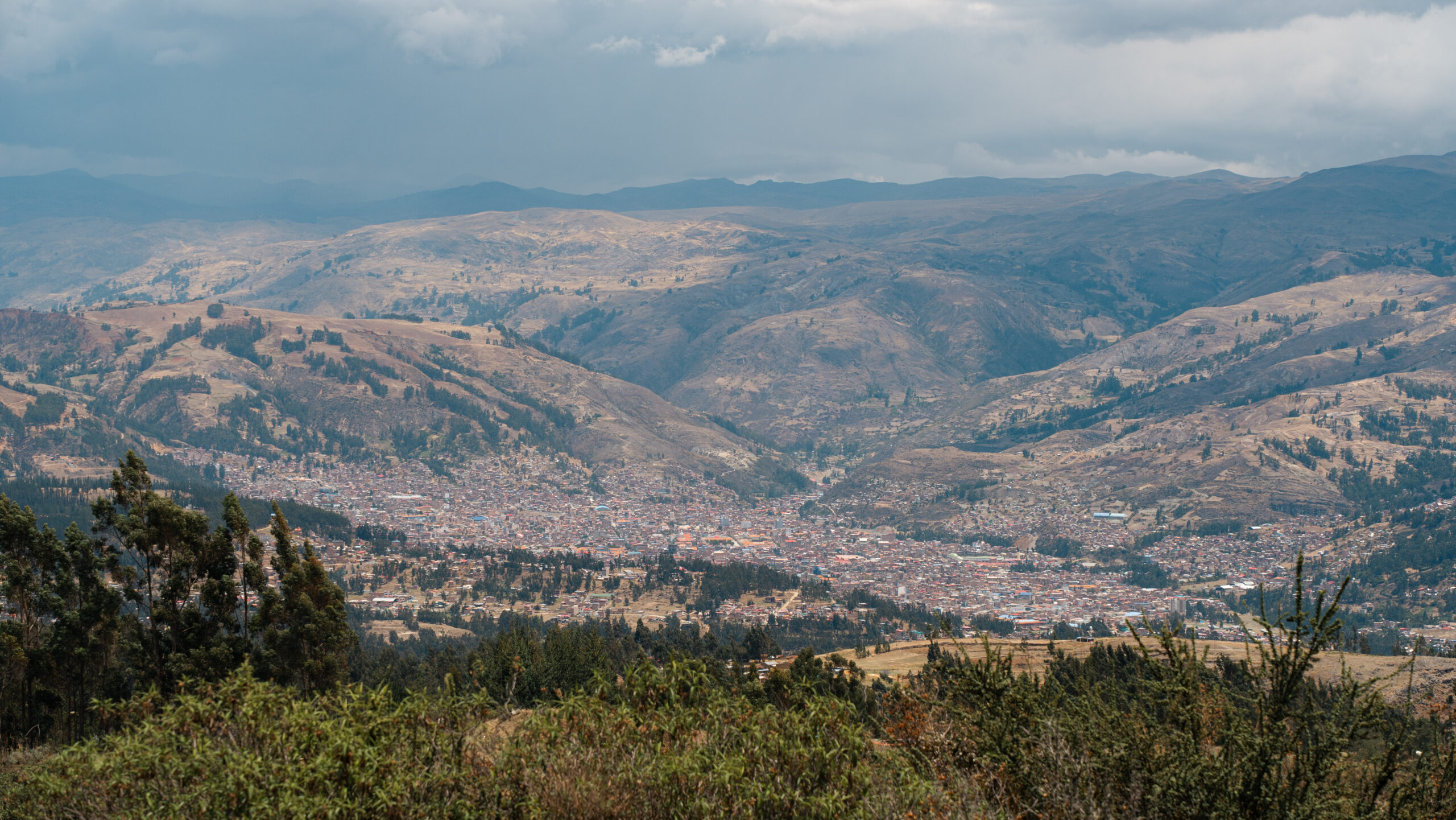
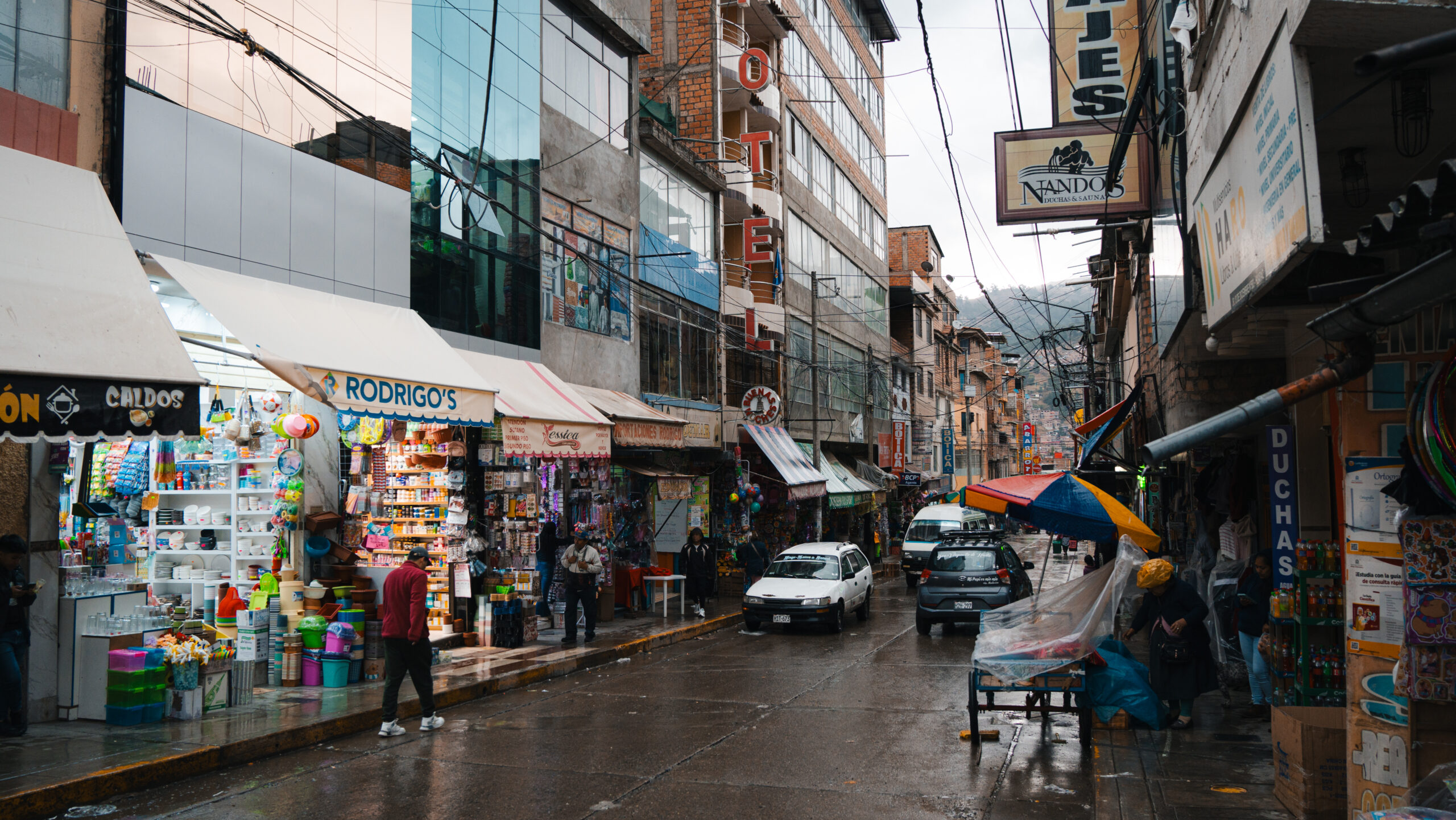
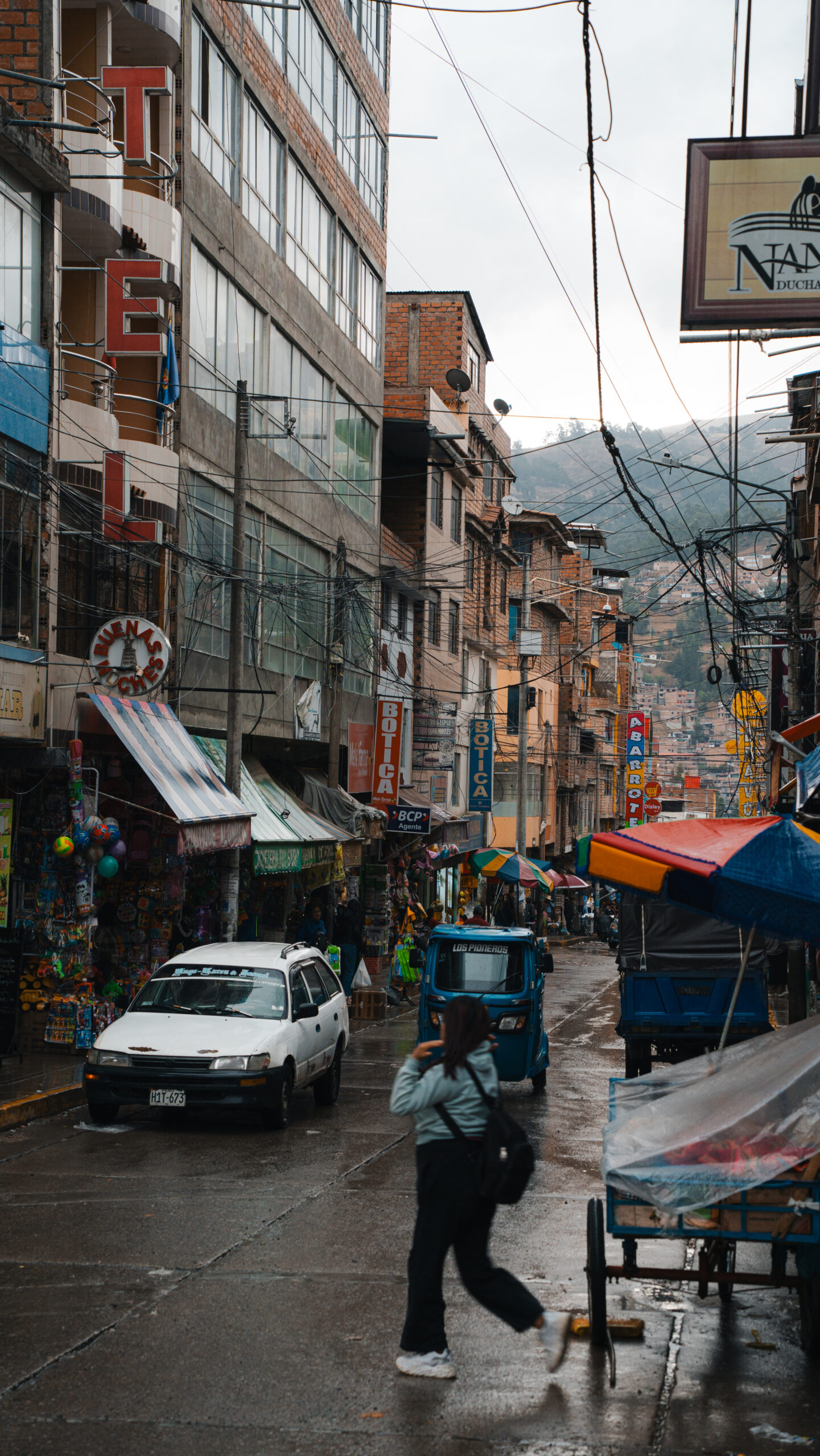
When we finally arrived, Huaraz wasn’t love at first sight. The city itself is rough around the edges, largely due to a devastating earthquake in the 1970 that destroyed much of it.
Gateway to the Cordillera Blanca
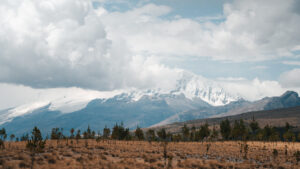
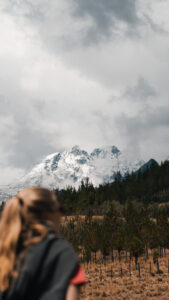
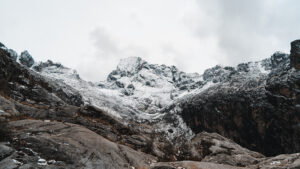
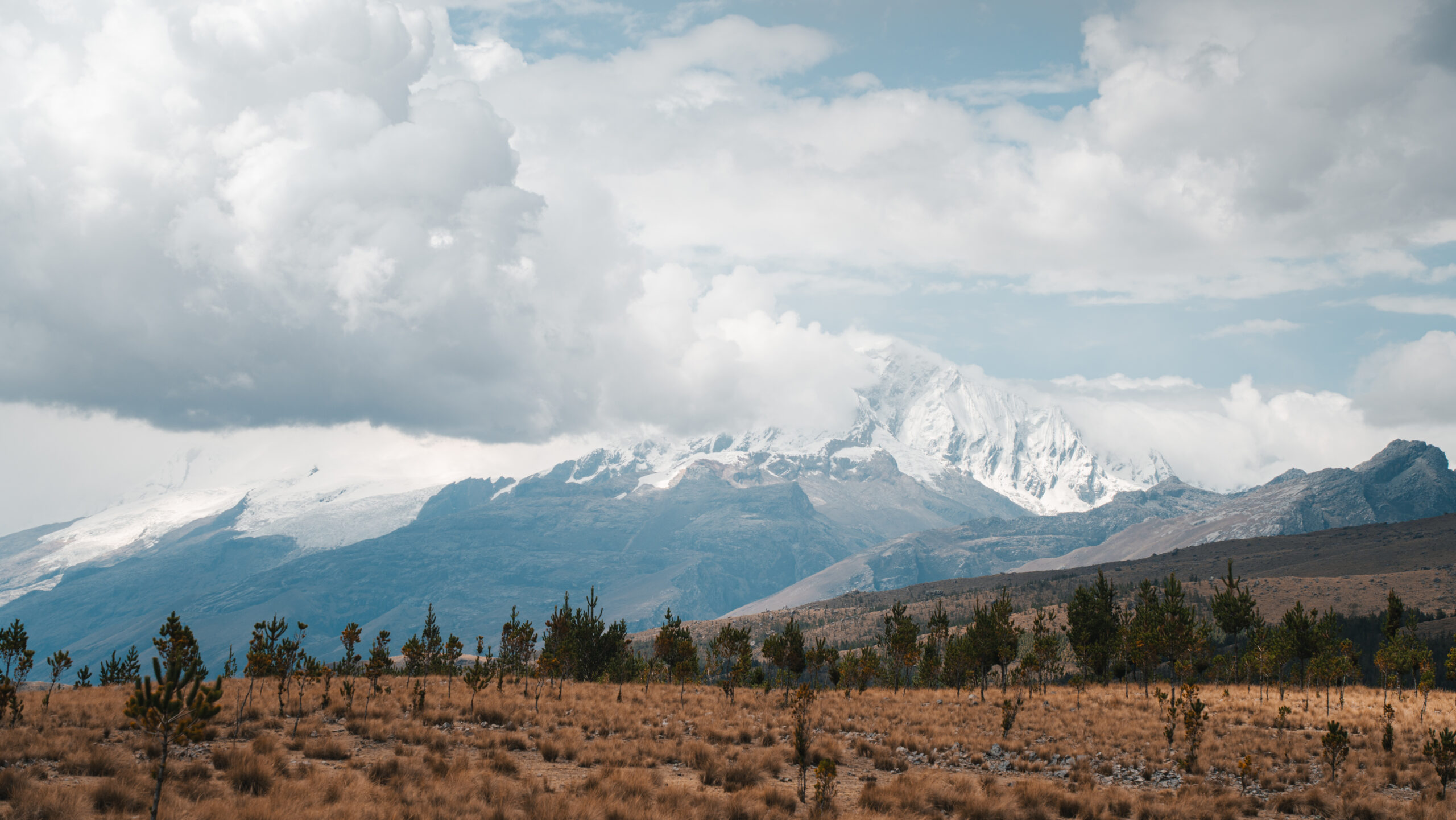
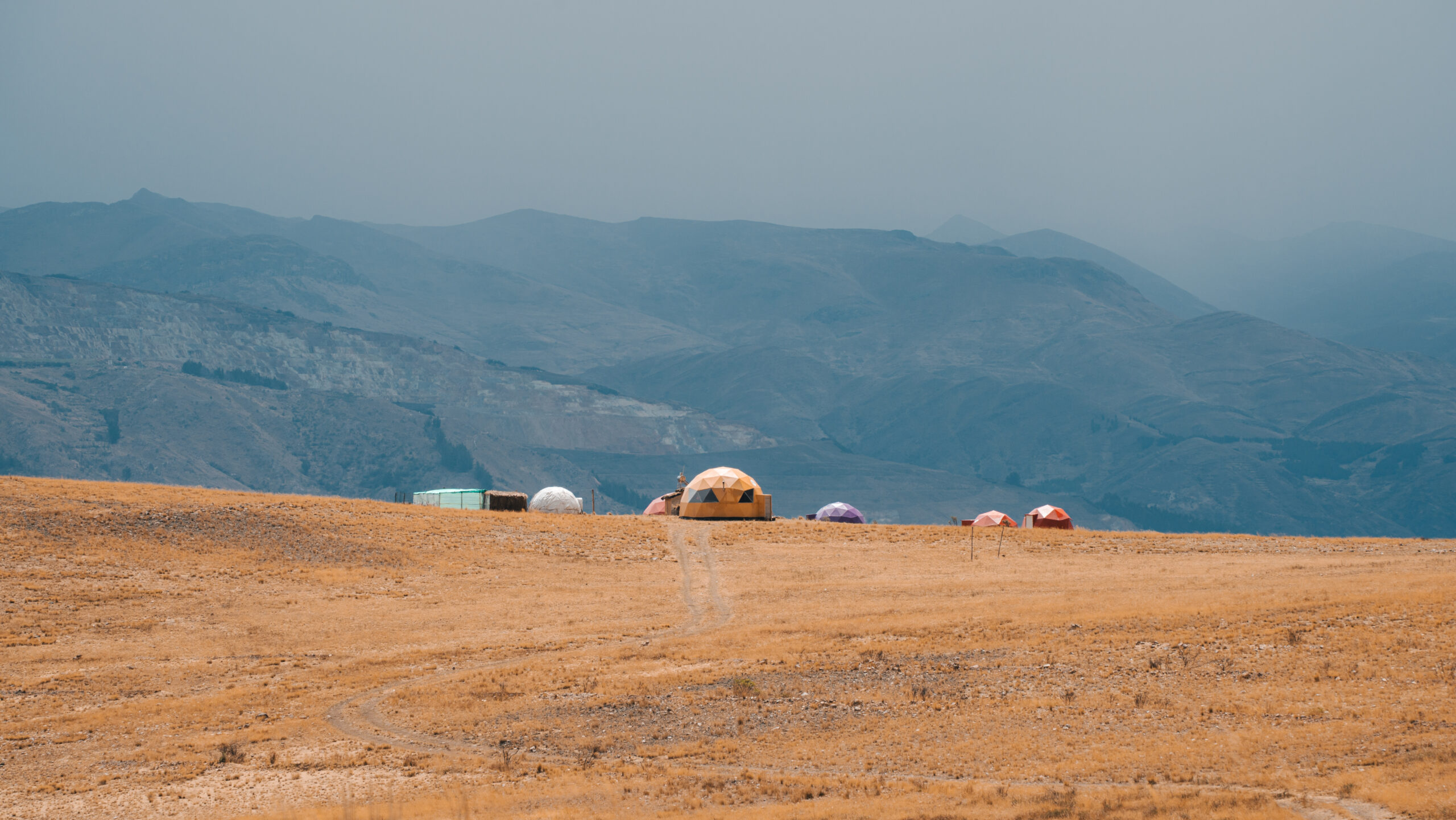
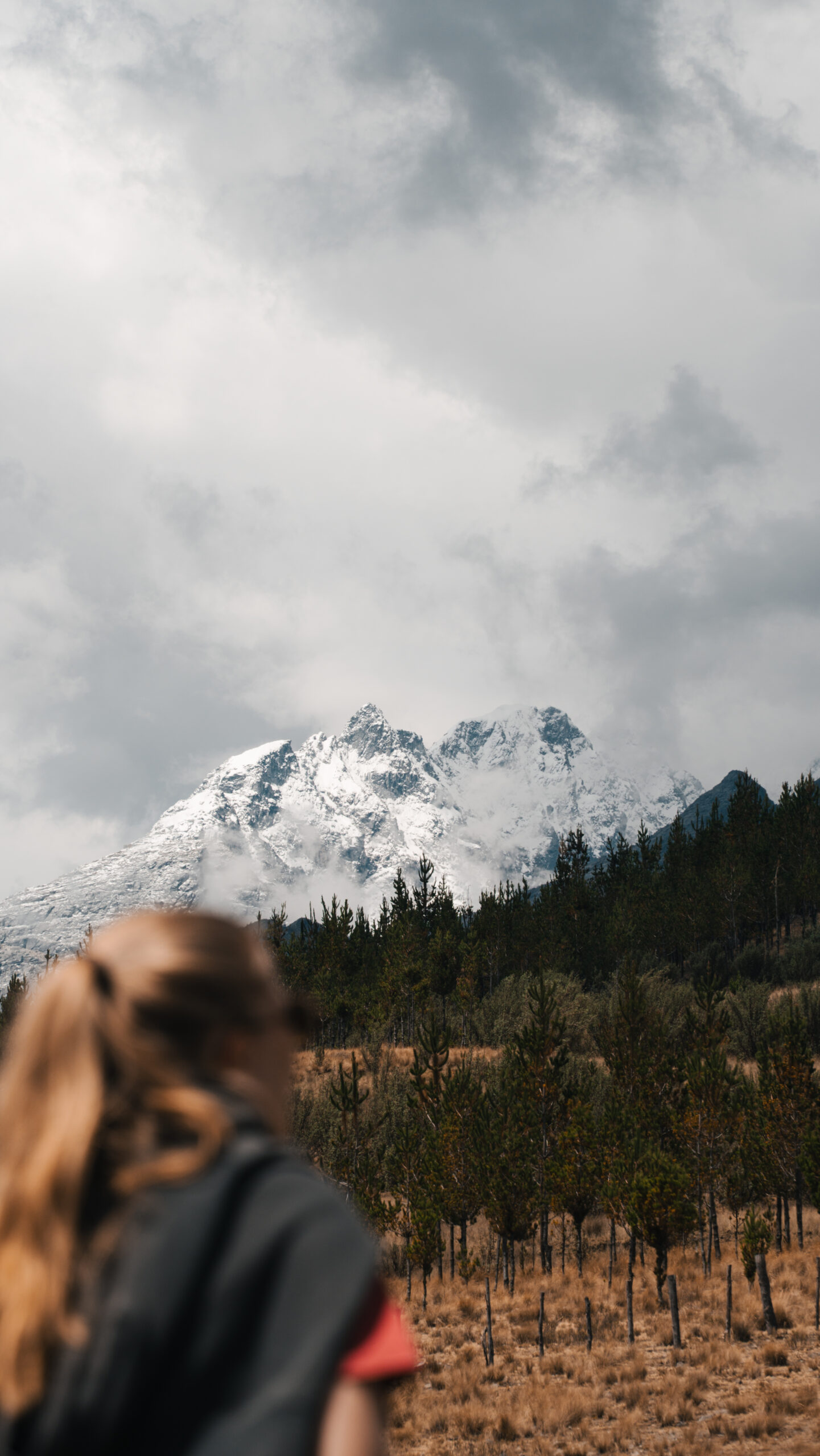
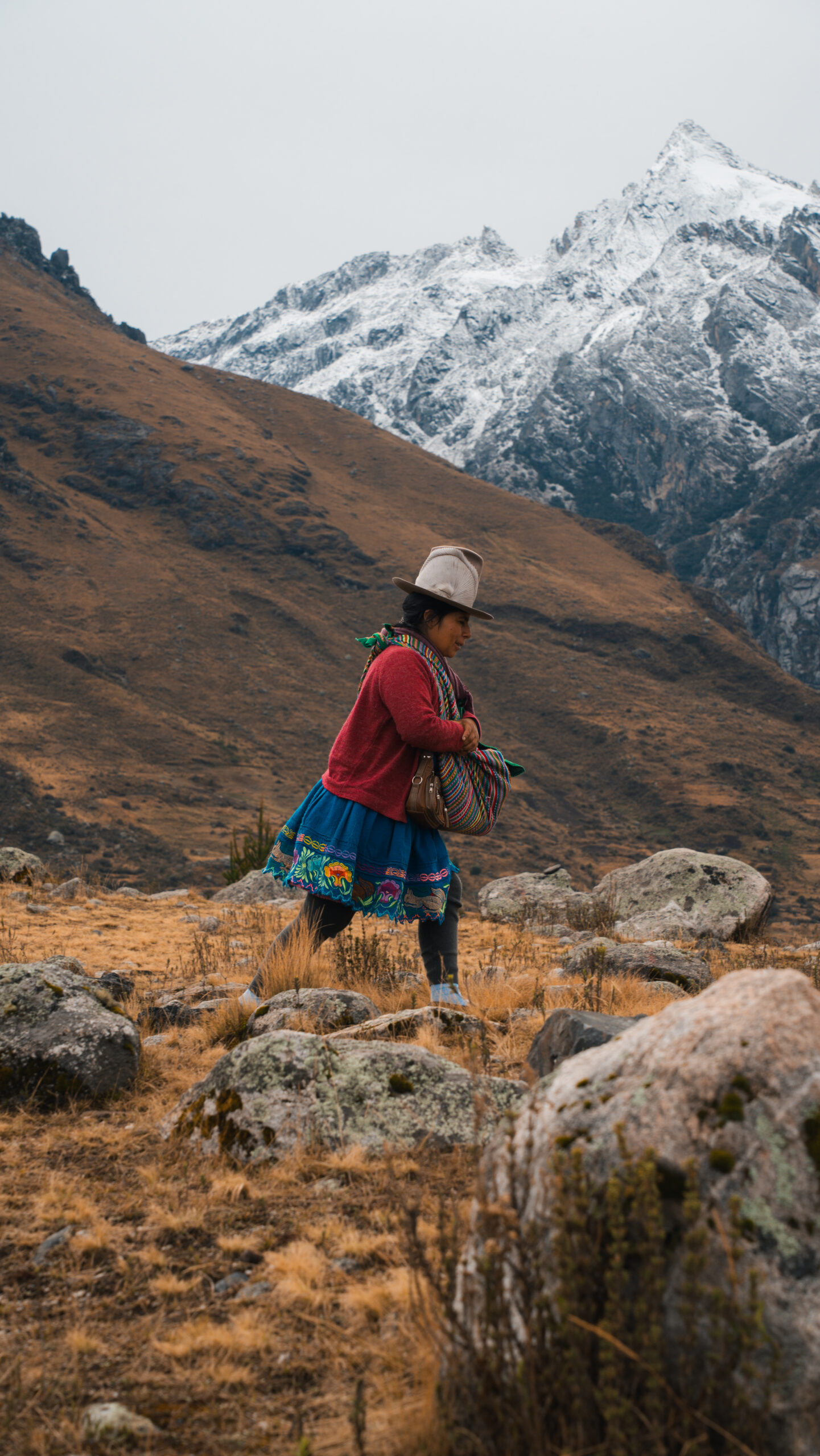
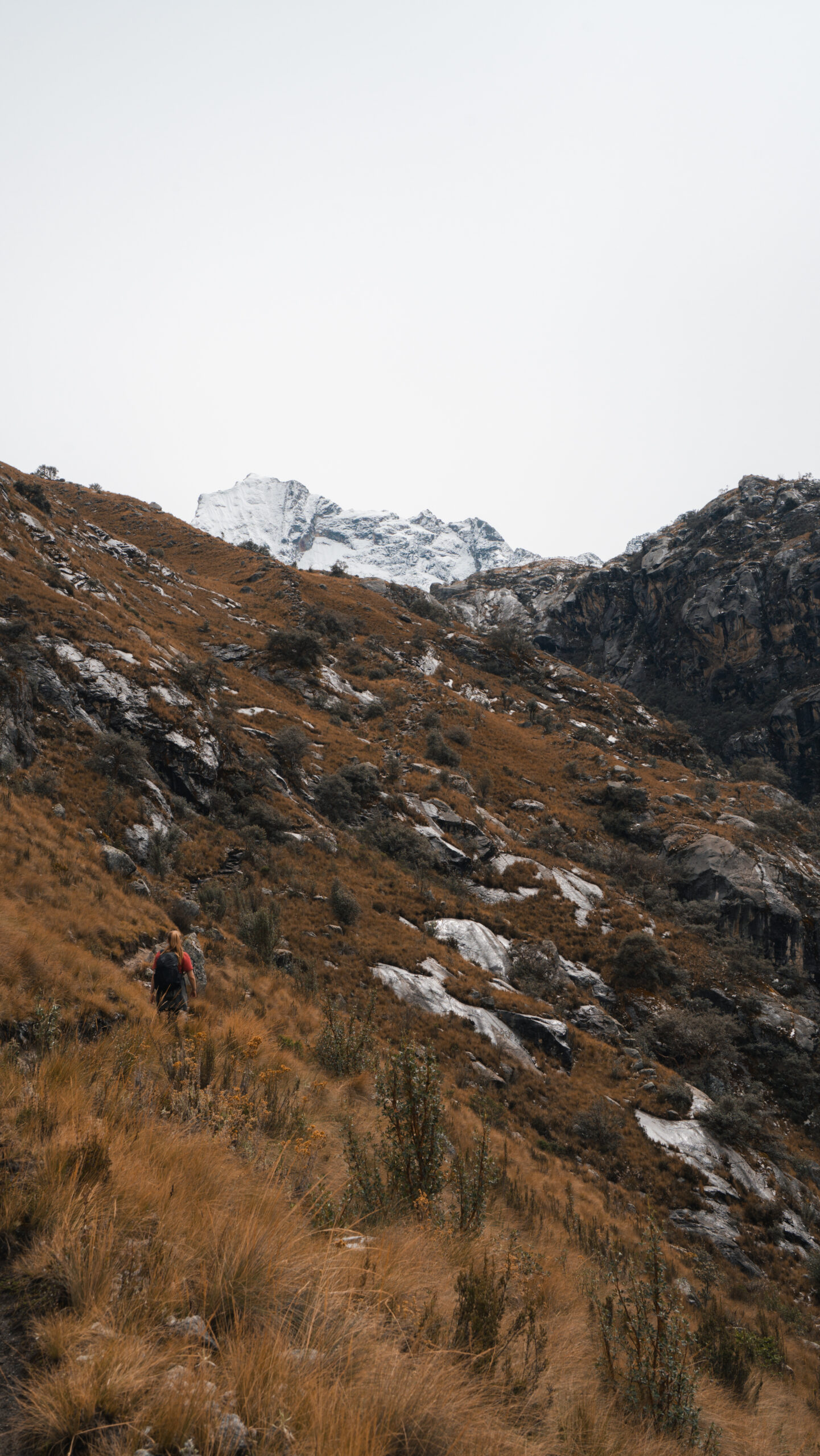
People don’t come to Huaraz for the city — they come for the Cordillera Blanca, one of the most dramatic mountain ranges in South America. Snow-capped 5000–6000m peaks, glaciers and alpine lakes dominate the landscape.
Due to our unplanned detour in Trujillo, we only had two full days here — far from enough.
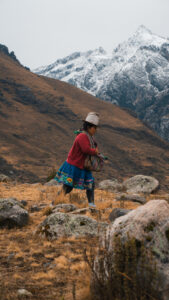
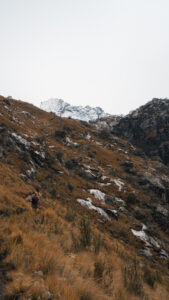
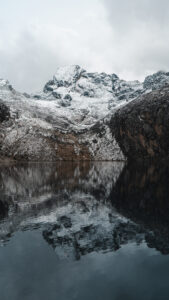
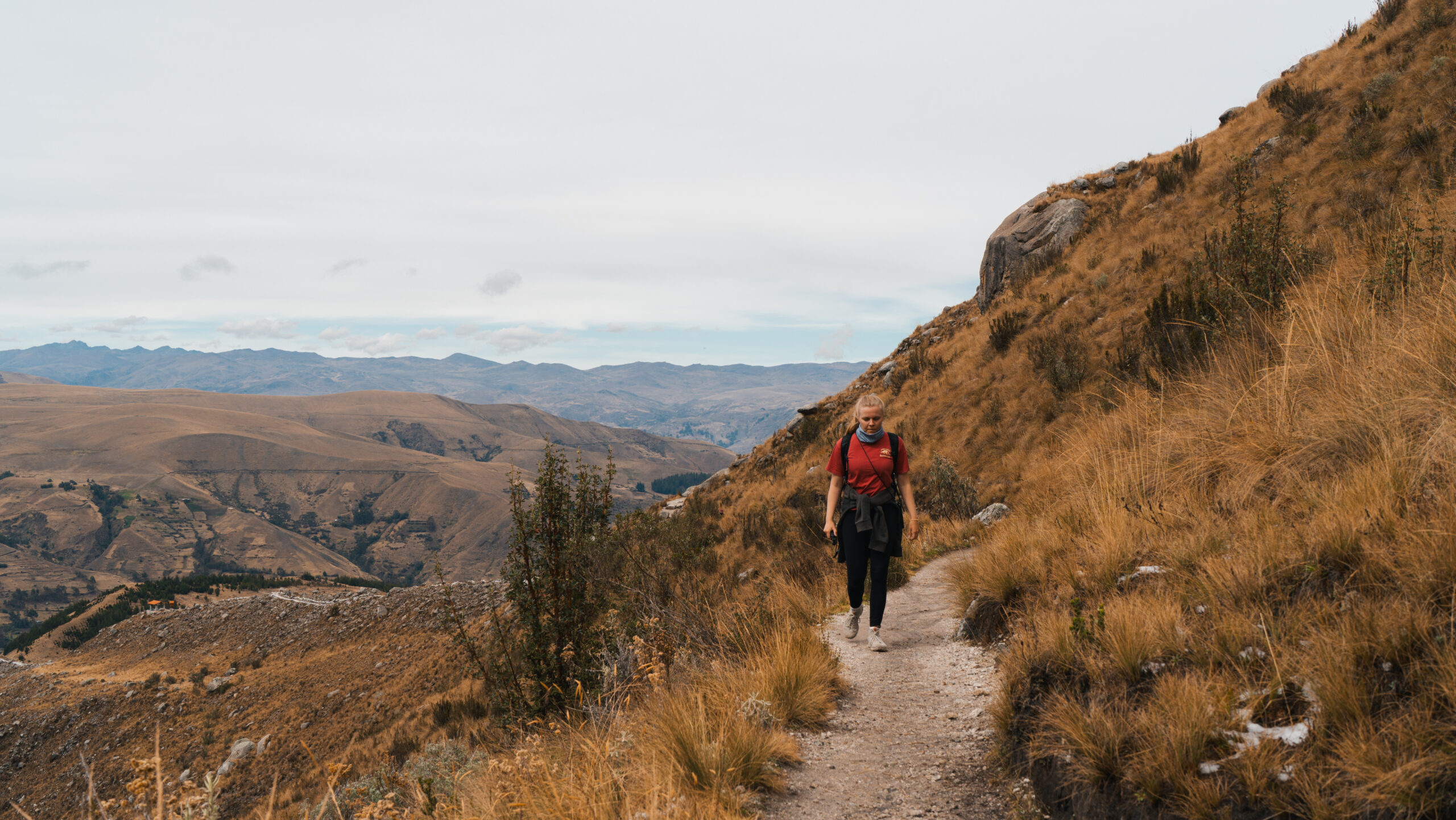
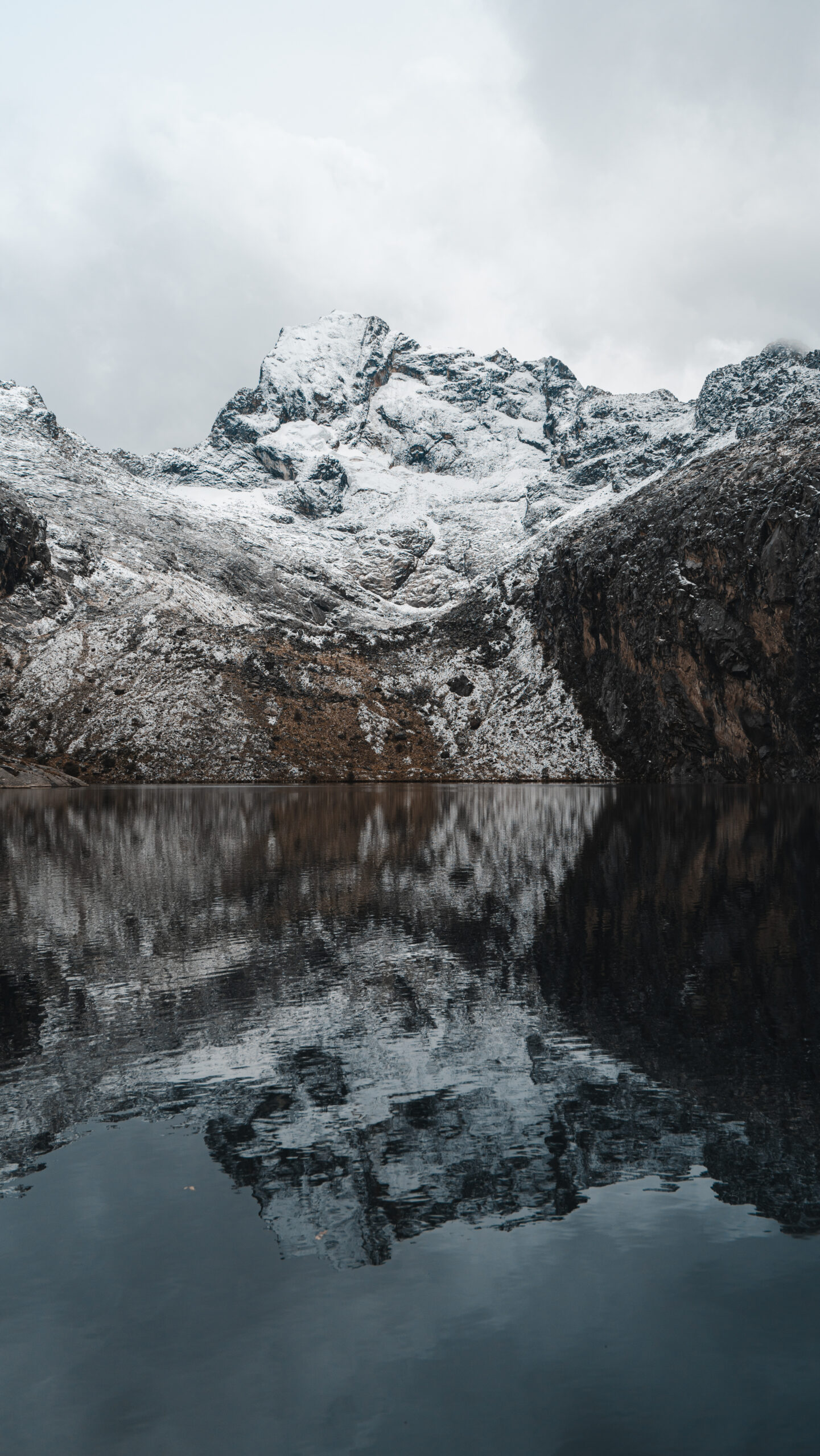
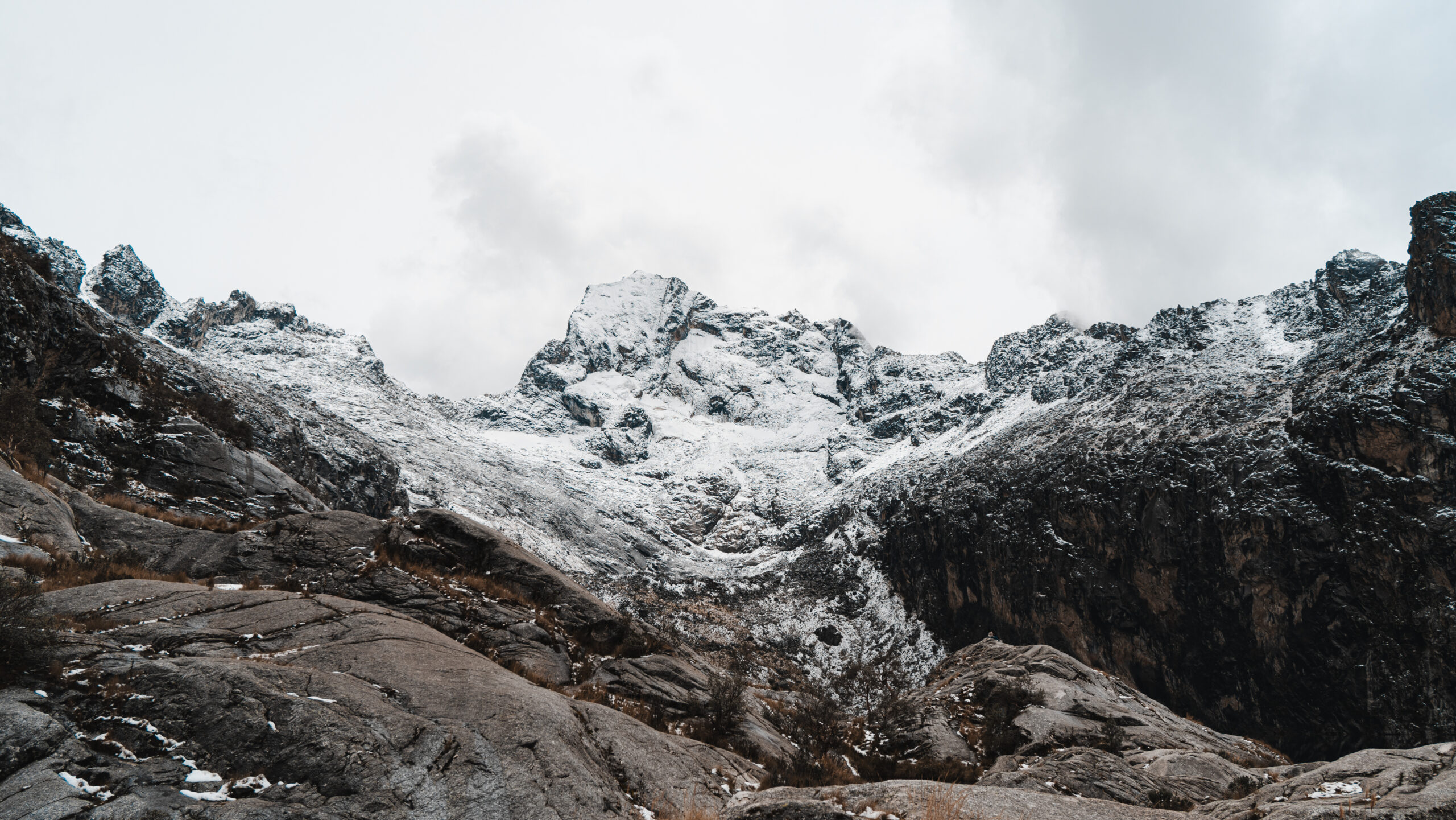
Hiking to Laguna Radian
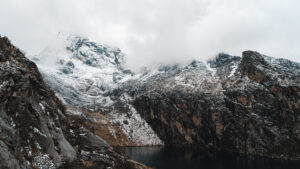
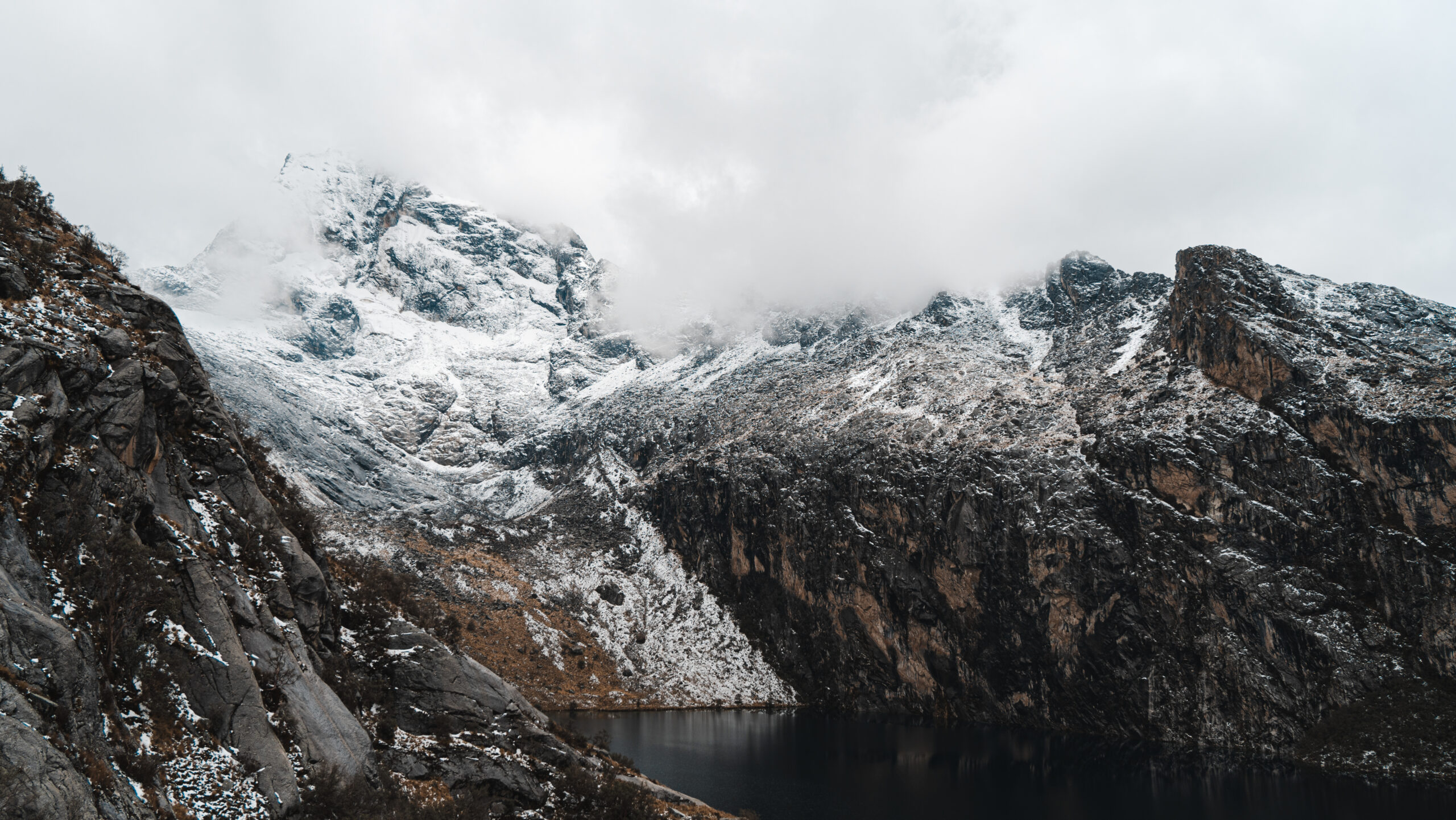
Our first hike took us to Laguna Radian, a stunning high-altitude lake surrounded by sharp peaks. Just as we reached the lake, massive thunderclouds rolled in, forcing us to descend quickly before the storm fully hit.
Laguna Churup & The Frustration of Limited Time
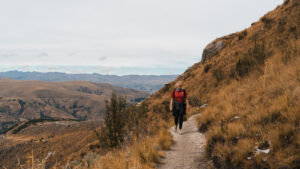
The next day we tackled Laguna Churup, one of the most popular day hikes from Huaraz. The trail is steep and demanding, but the reward is a striking turquoise glacial lake beneath towering mountains.
Standing there, we both felt the same frustration: this place deserved weeks, not days.
Huaraz Travel Tip
If you come to Huaraz, minimize your time in the city. Book accommodation outside the center or in nearby villages. Huaraz is all about nature — the city is just a basecamp.
Lima – Megacity & Peruvian Hospitality
Lima surprised us.
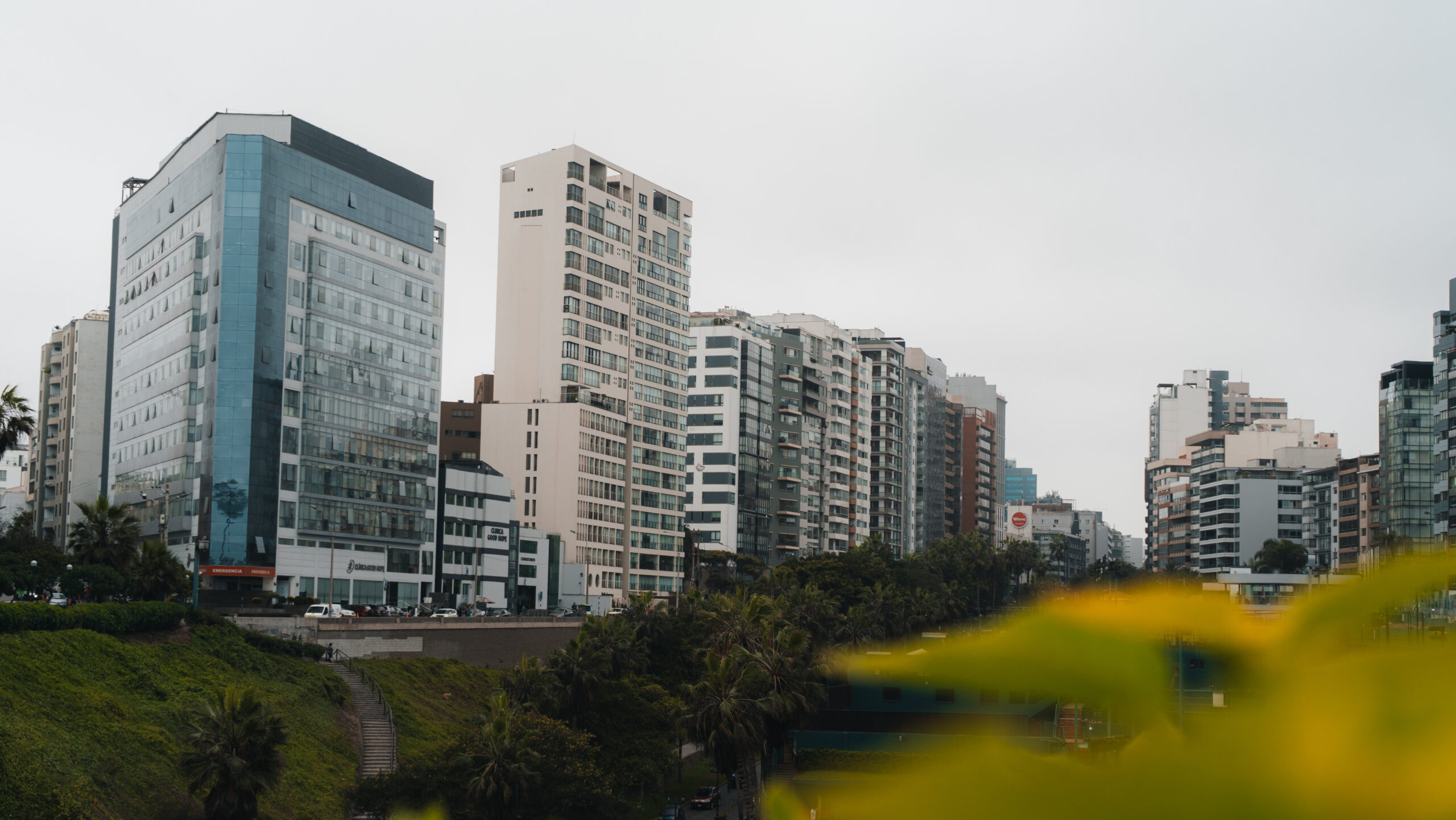
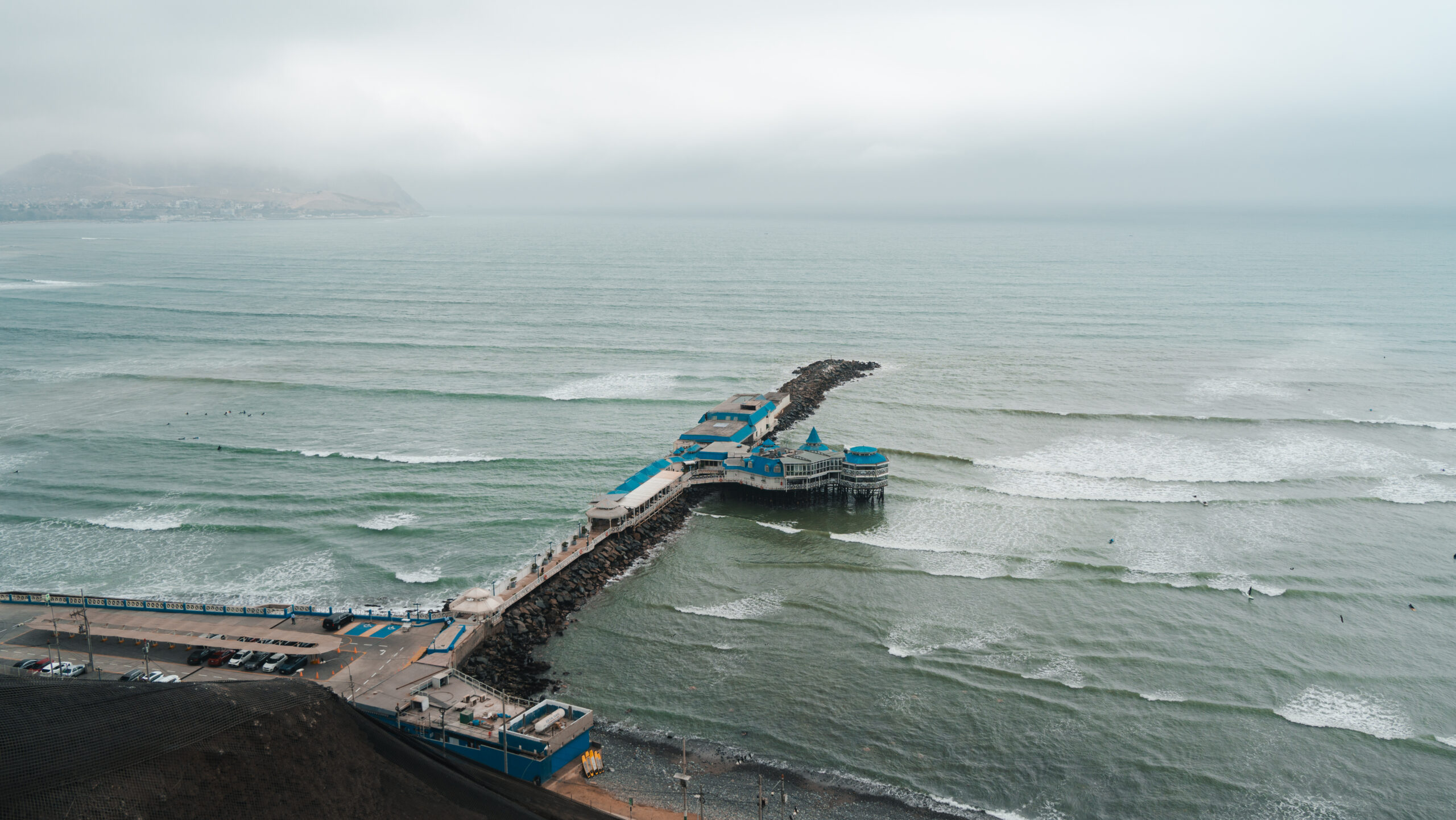
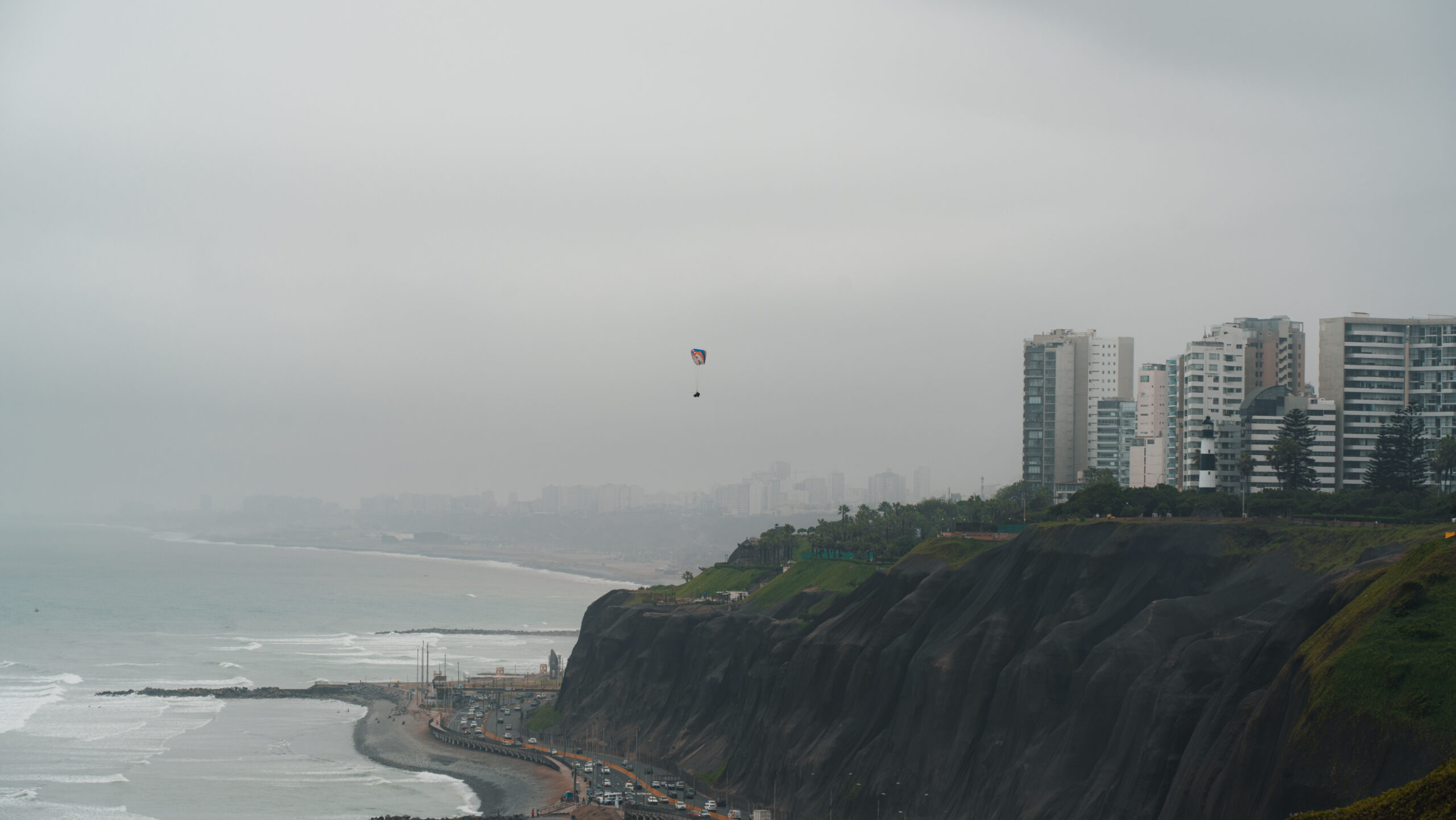
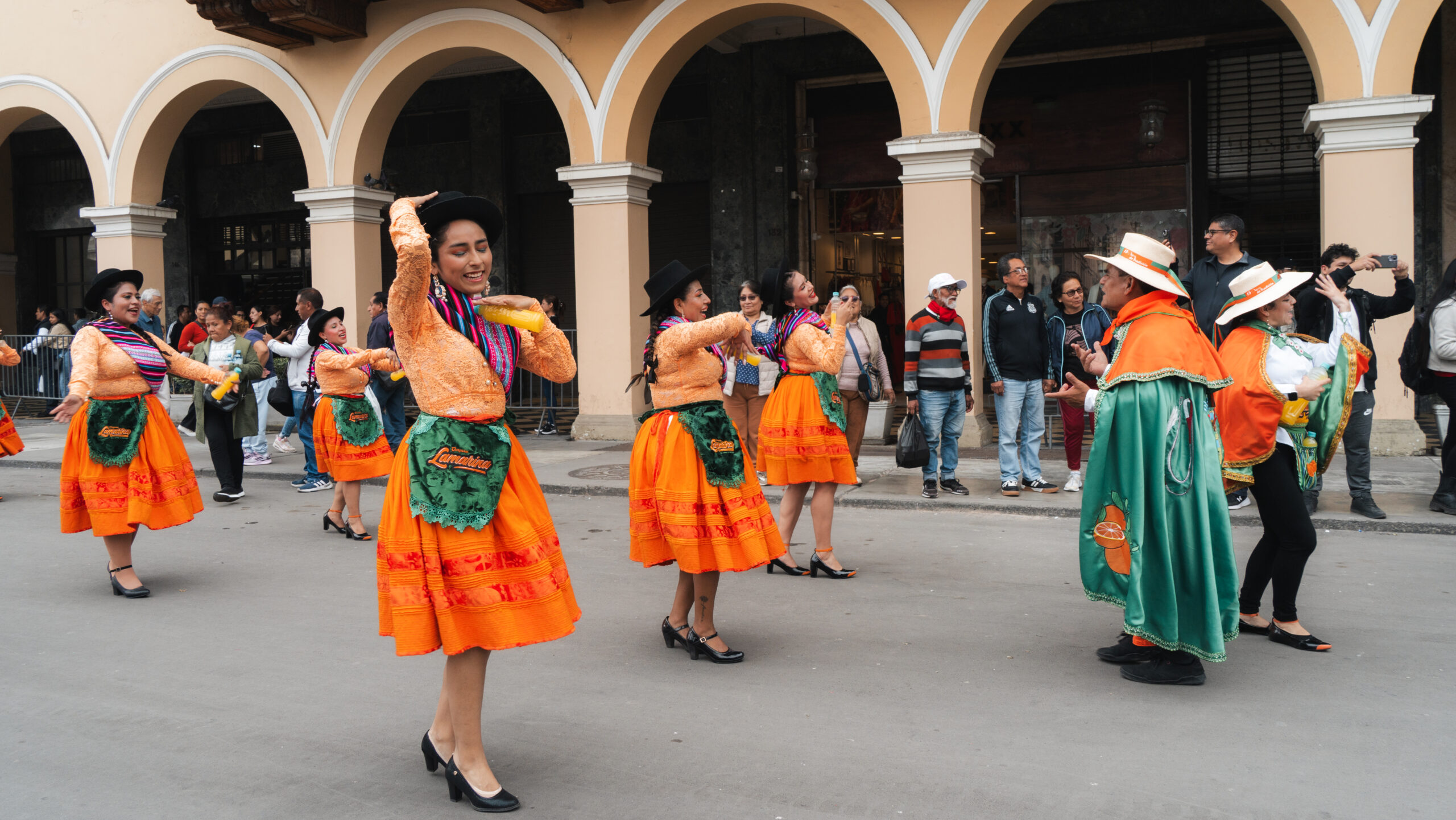
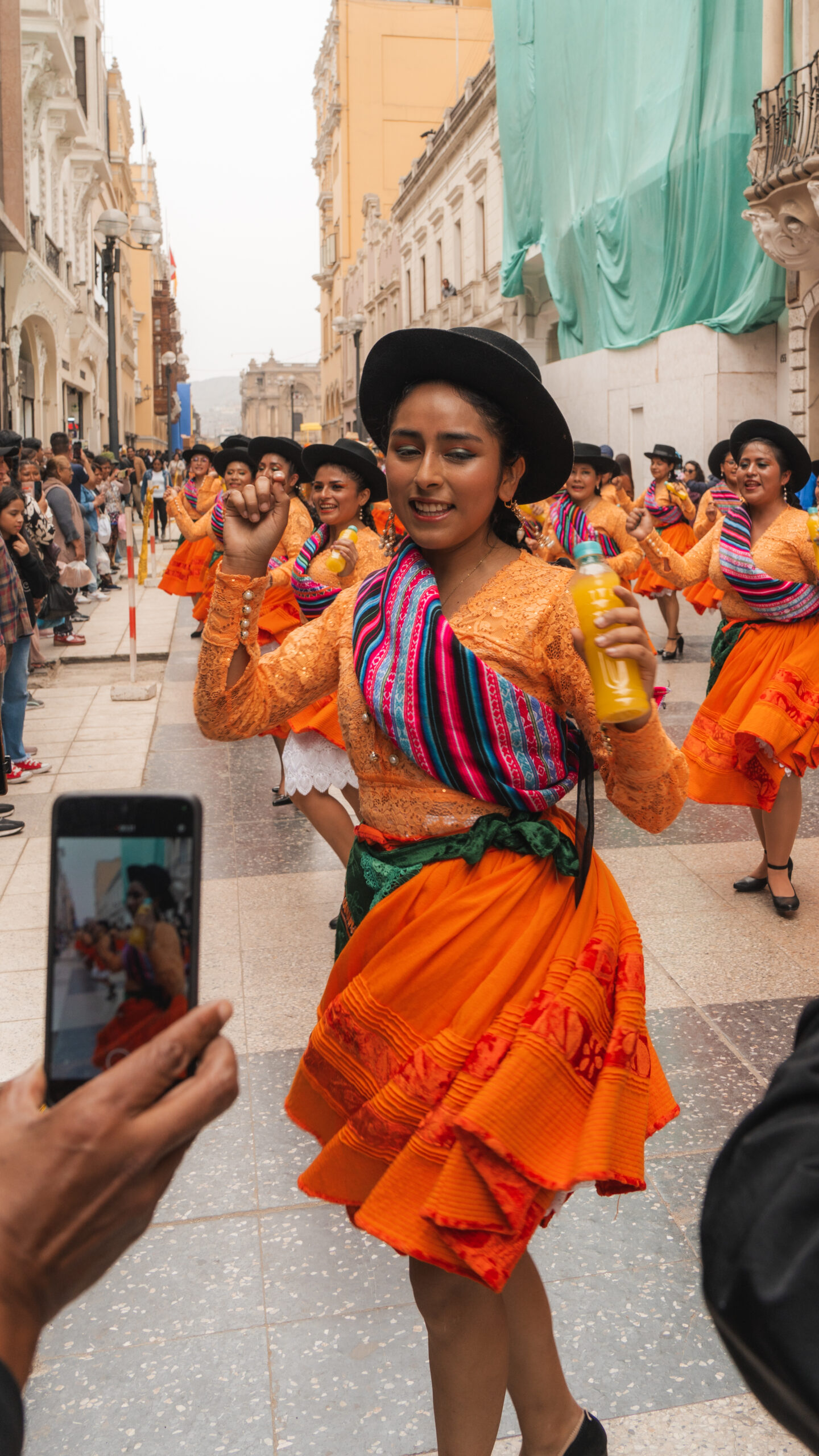
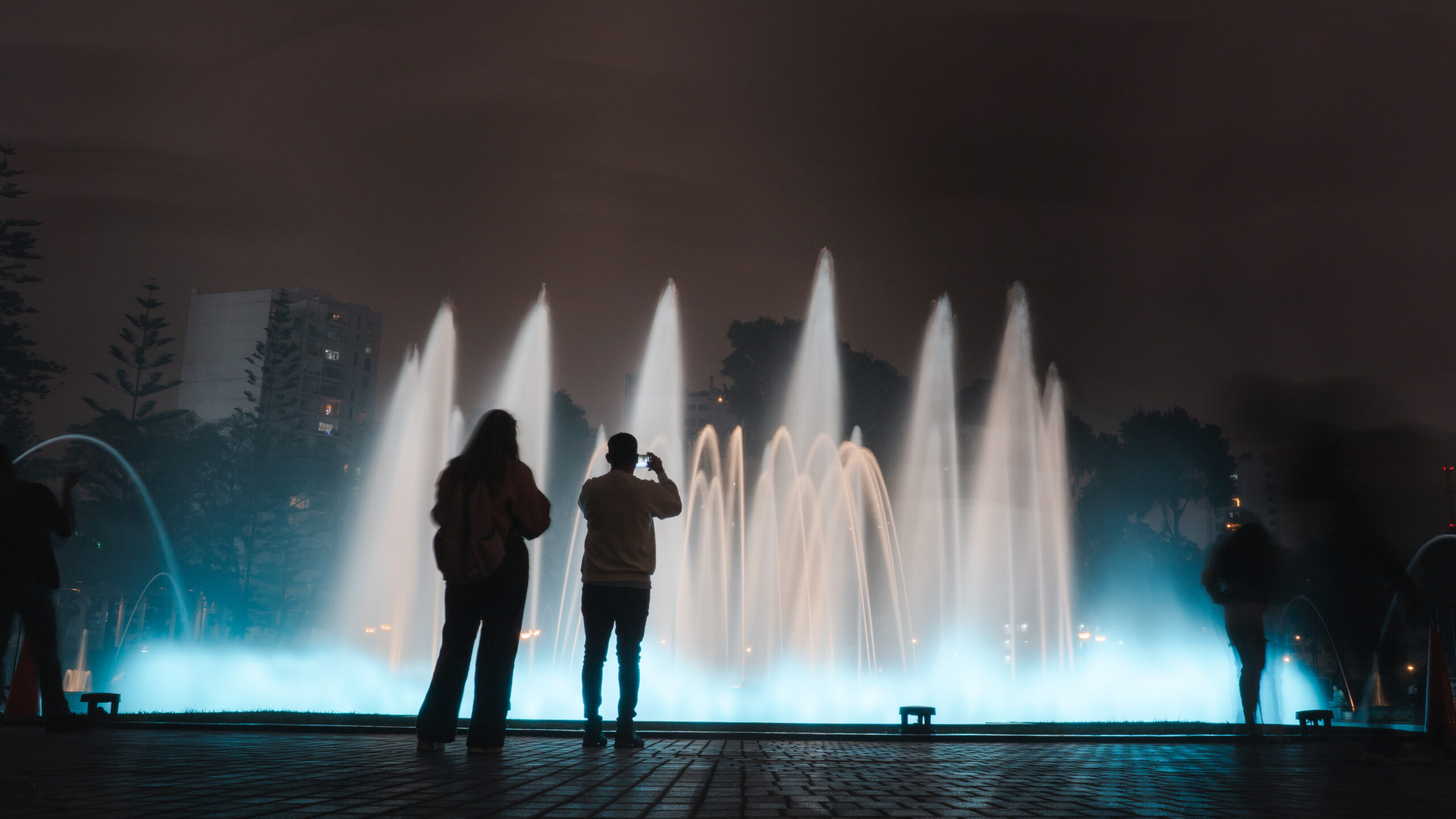
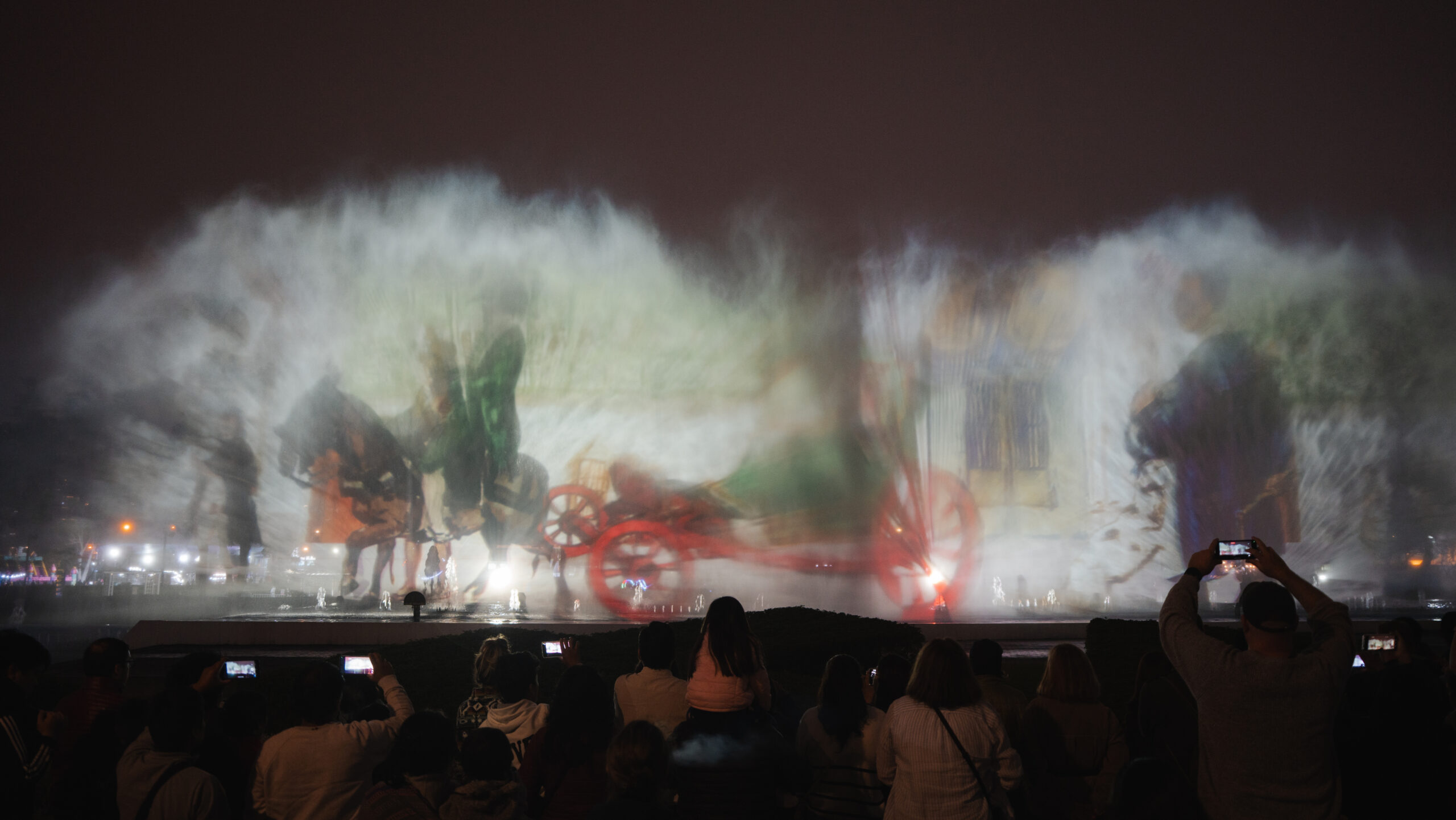
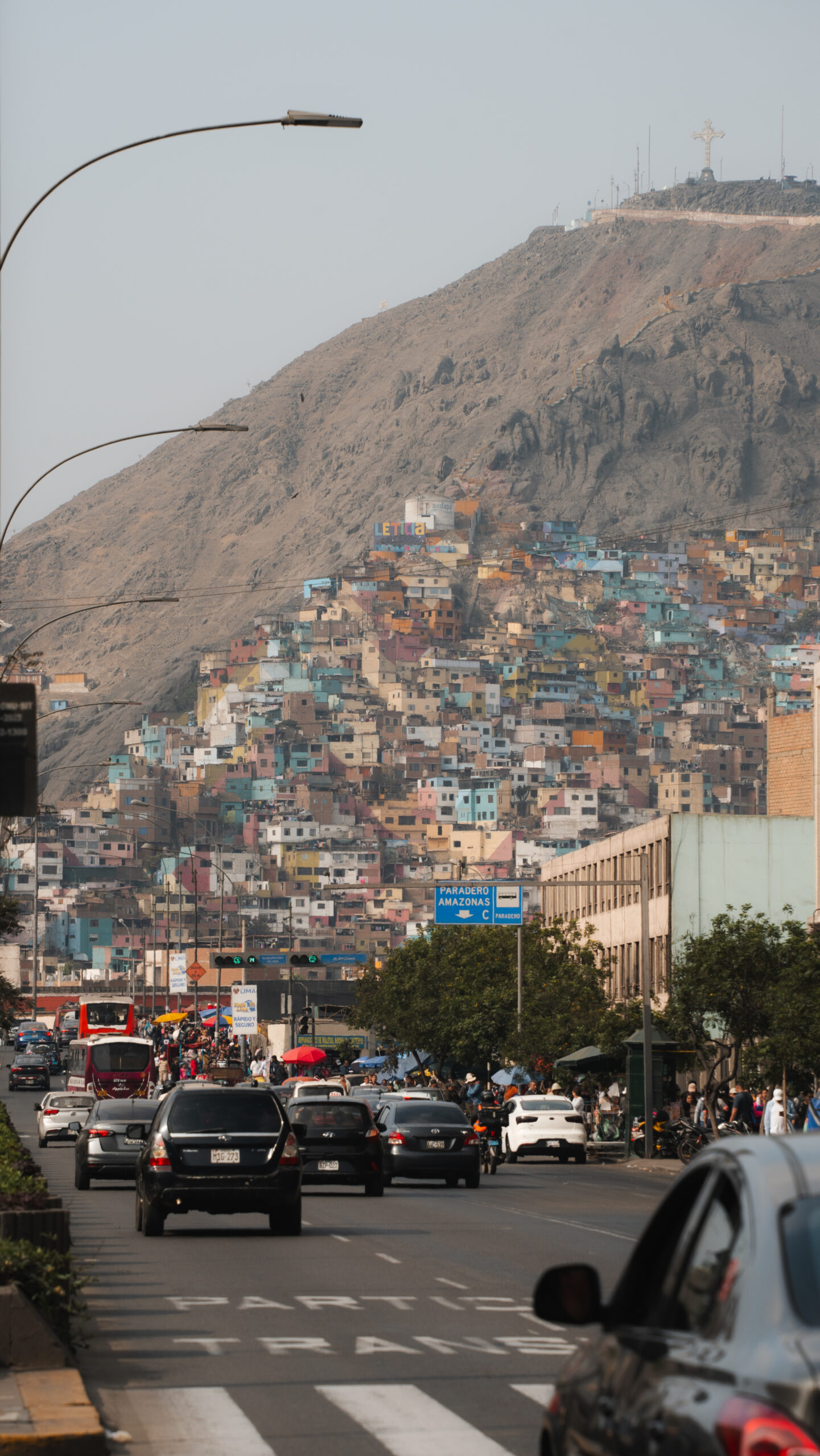
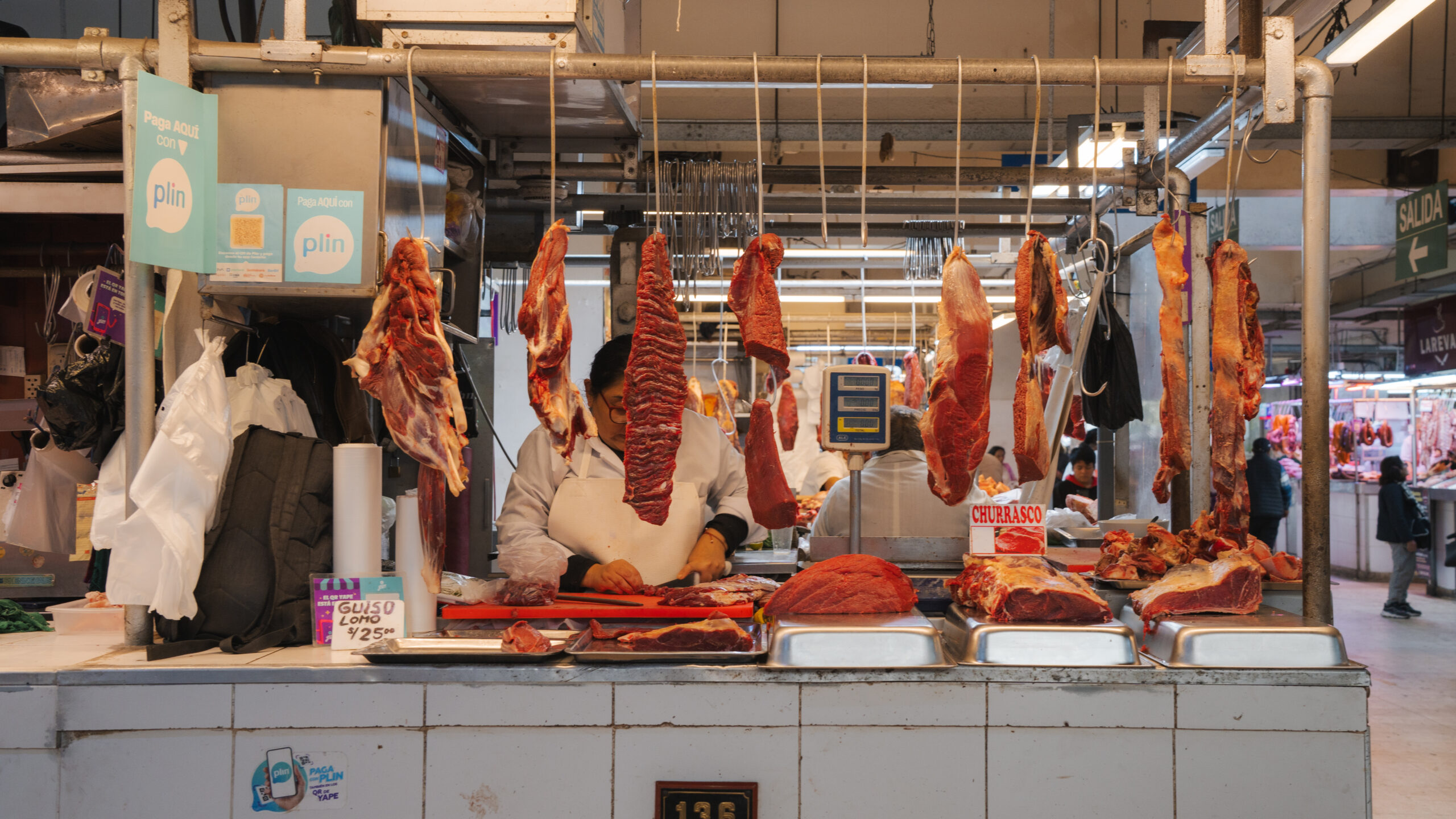
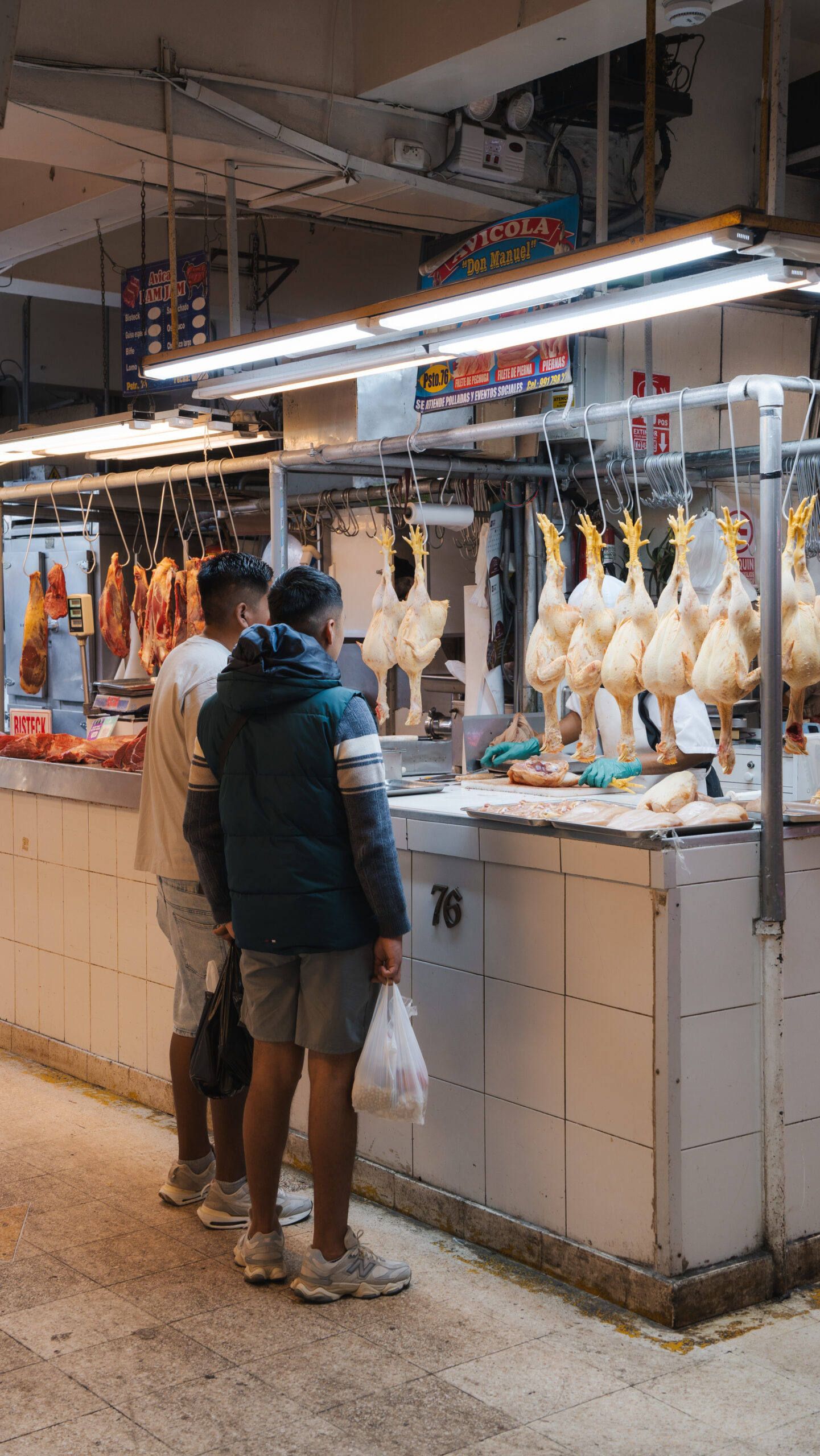
We came mainly to meet Julius, Joona’s old friend who he met in Lapland a few years ago, and ended up loving the city. He showed us around, introduced us to his family, and took us to incredible restaurants. This turned out to be one of the highlights of our entire Latam trip.
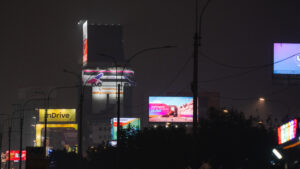
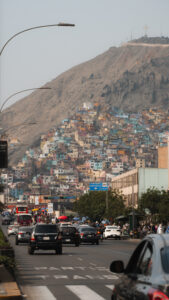
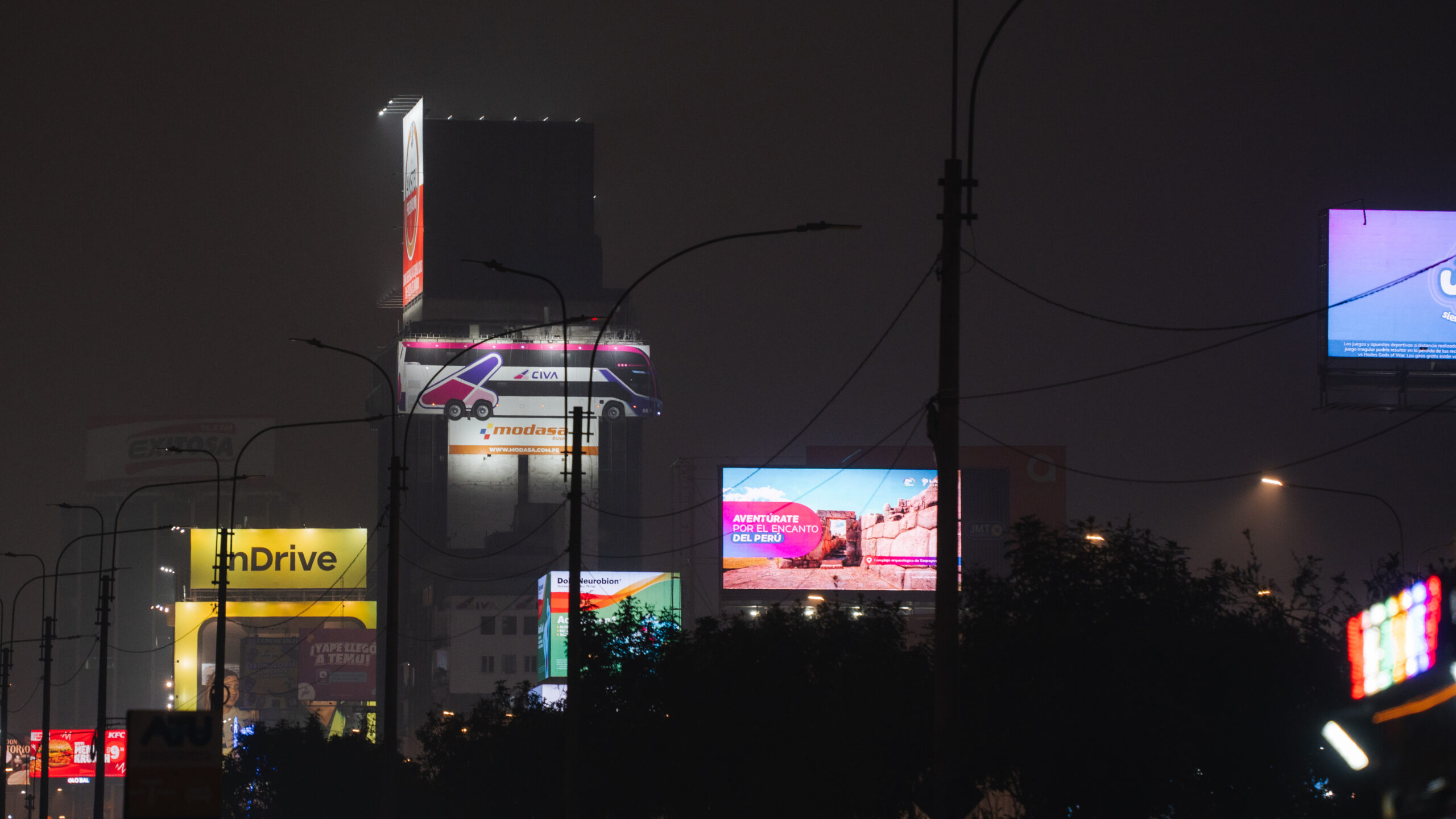
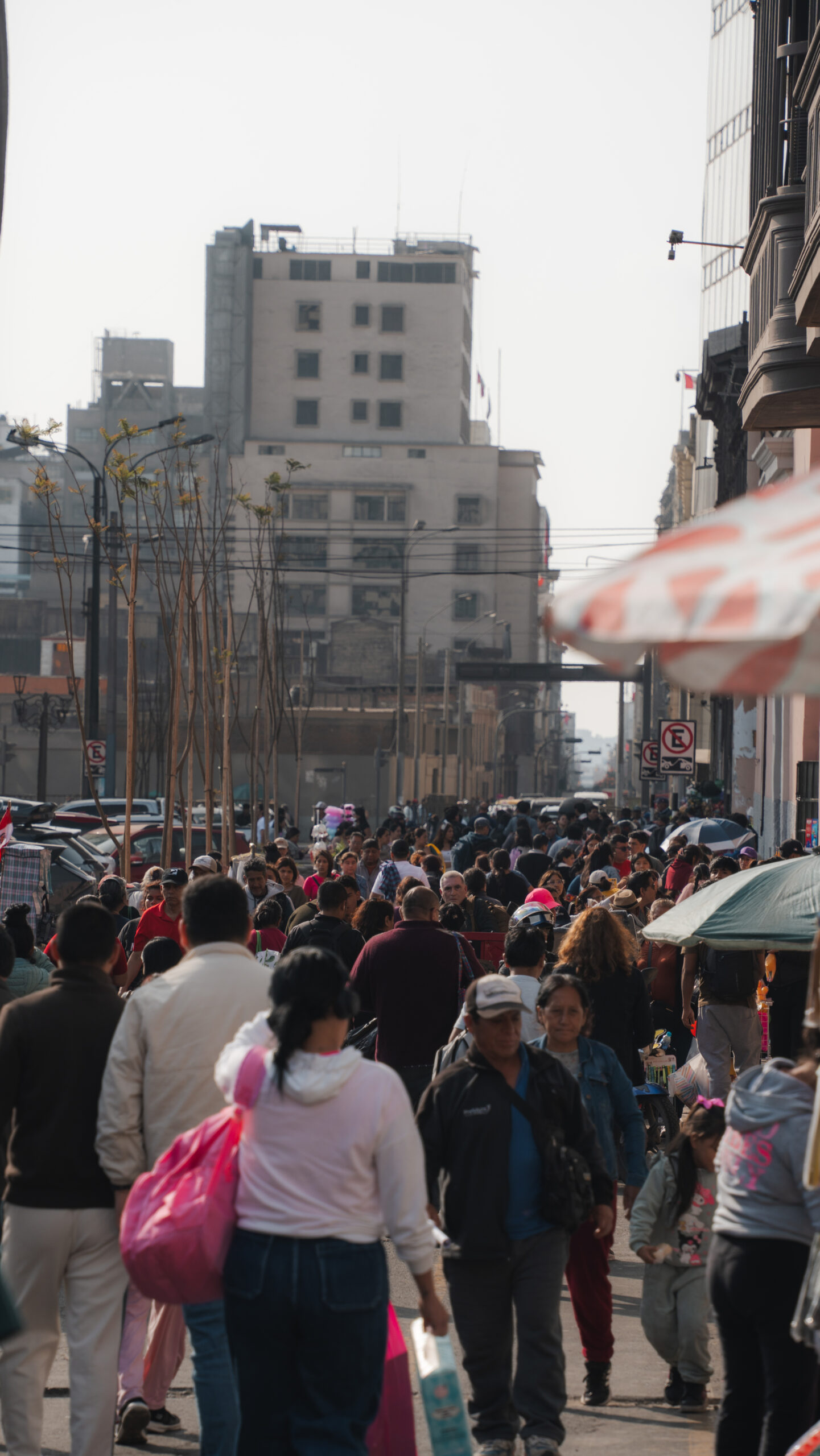
Lima is chaotic, huge, and alive — over 10 million people.
Highlights included:
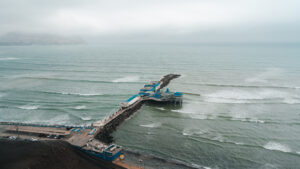
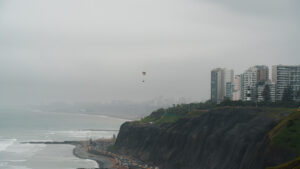
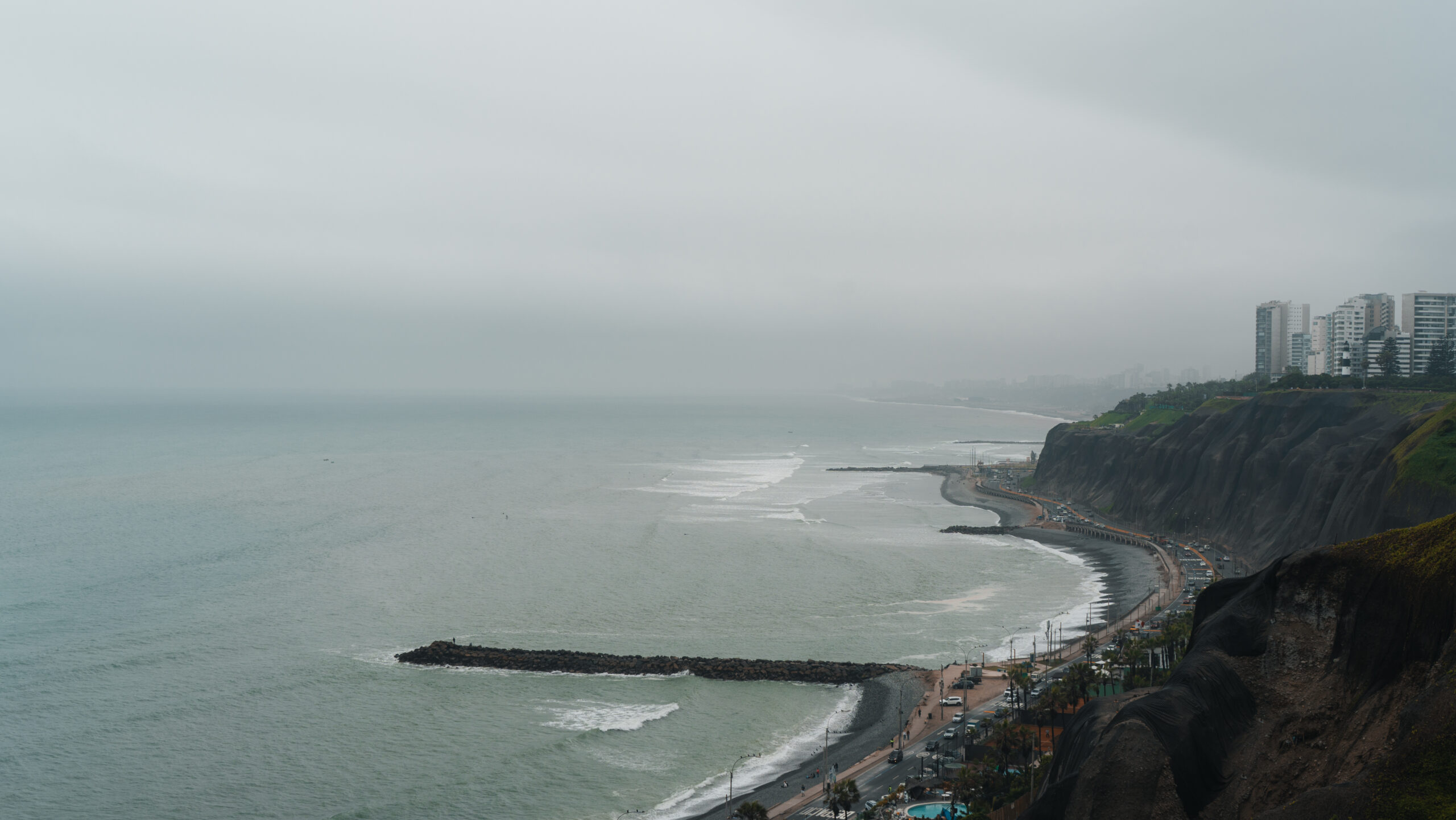
- Miraflores and its cliffside ocean views
- Surfers, paragliders, sunsets
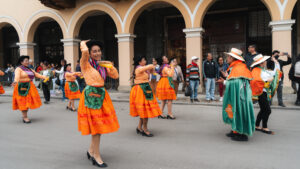
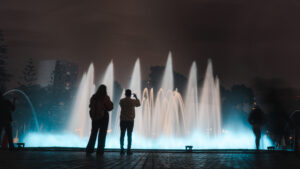
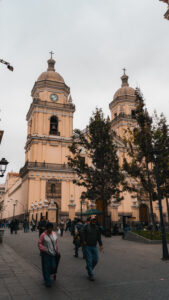
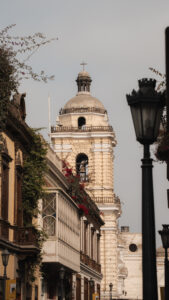
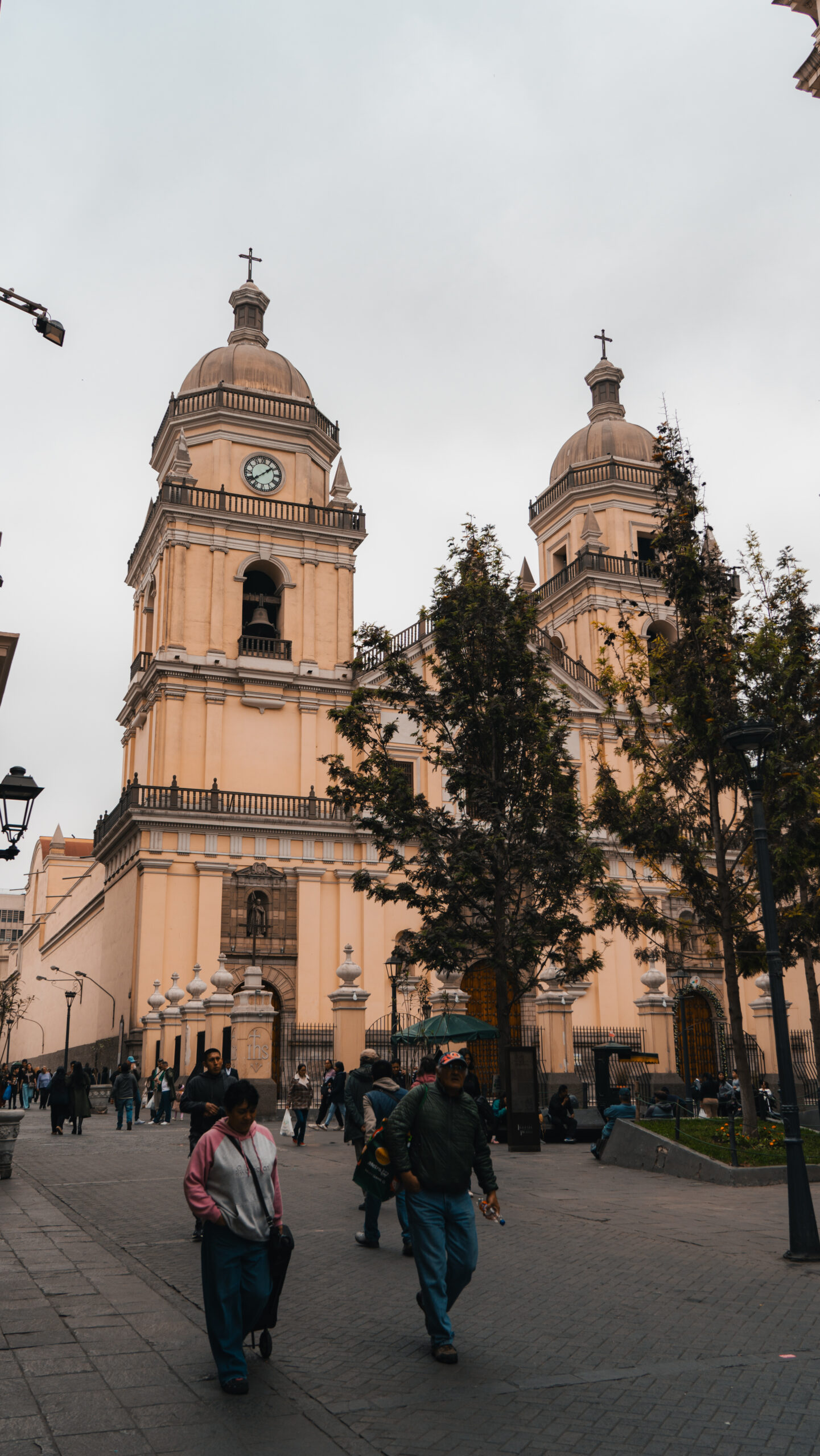
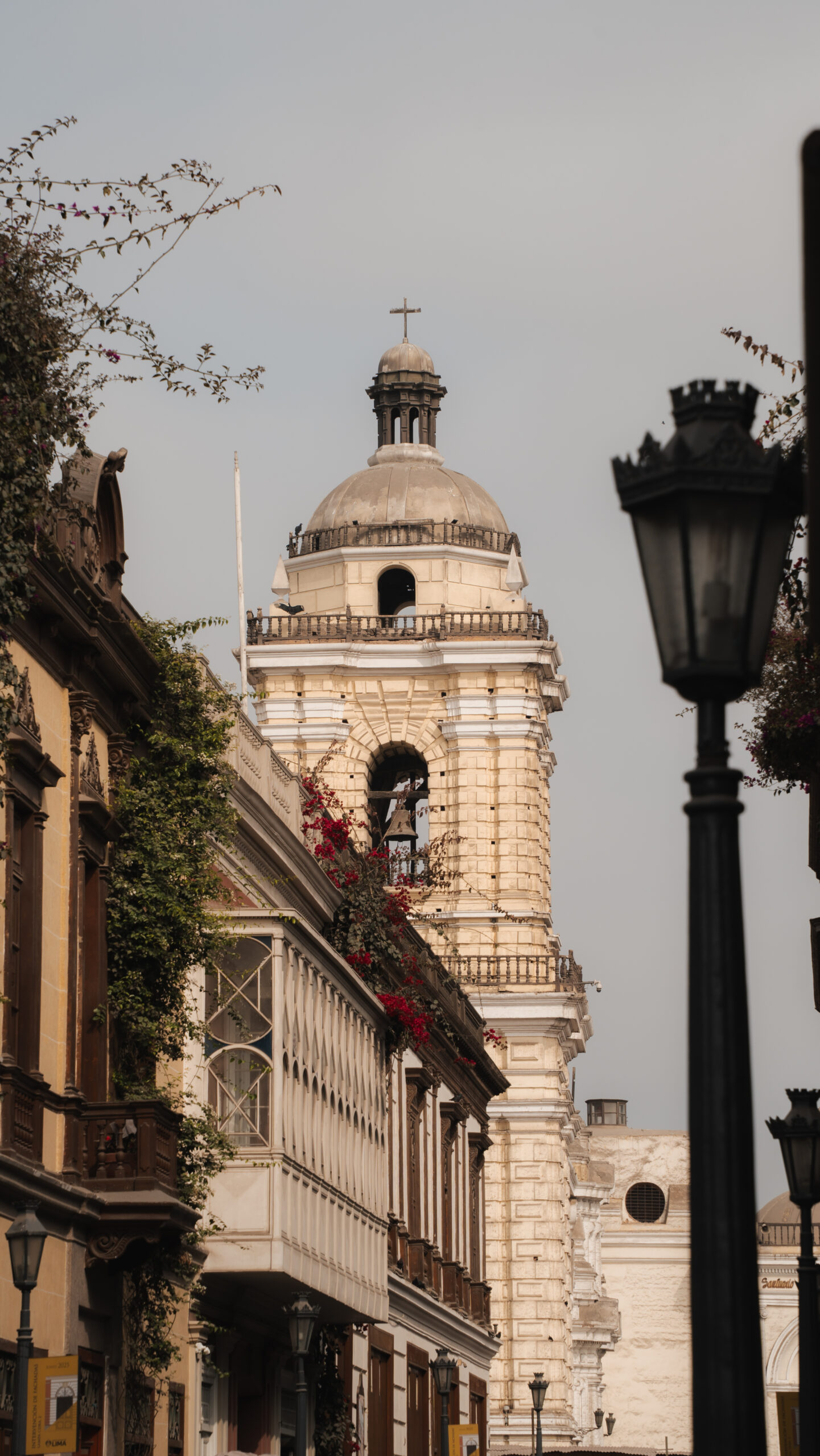
- The historic center with colonial architecture
- Chinatown — absolute sensory overload
From Lima, we flew to Cusco. The flight was cheap, short, and saved our sanity.



Cusco – Gateway to the Sacred Valley
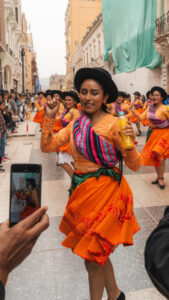
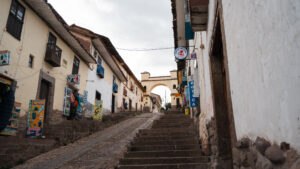
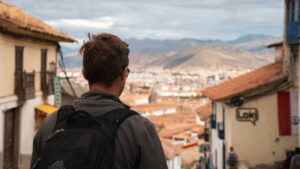
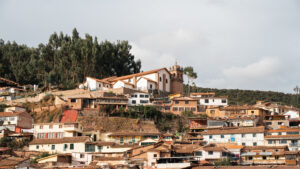
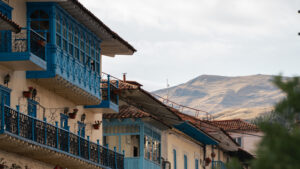
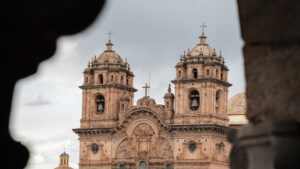
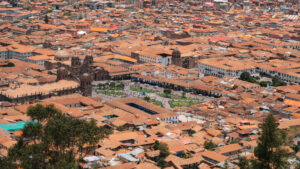
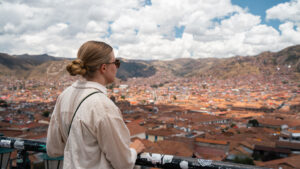
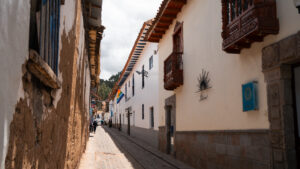
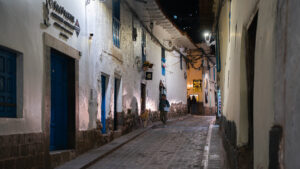
Cusco was once the capital of the Inca Empire, the political, spiritual, and cultural heart of the most powerful civilization in pre-Columbian South America. Many of the city’s foundations are still built on original Inca stonework, with Spanish colonial buildings layered directly on top after the conquest. Walking through Cusco feels like stepping through different eras at once — ancient Inca walls, colonial churches, and modern Andean life all woven together at 3,400 meters above sea level.
Today, Cusco serves as the main gateway to Machu Picchu, but reducing it to just a stopover would be a mistake. The city itself carries centuries of history, rituals, and resilience — and it quickly became clear to us that Cusco is as much a destination as the legendary ruins hidden deep in the mountains.
We were unsure about Machu Picchu at first — protests, crowds, costs. But after meeting travelers we had already crossed paths with earlier in Colombia, we heard about a last-minute Salkantay Trek deal.
We walked into the agency and booked it on the spot.
Salkantay Trek & Machu Picchu
Three days.
~55 km.
Rain, snow, sun, jungle, glaciers.
The Salkantay Trek was tough, beautiful, and absolutely worth it.
- Day 1: Glacial lakes and mountain drama
- Day 2: Salkantay Pass at 4,900m, snow and wind
- Day 3: Jungle heat, coffee farms, railway tracks
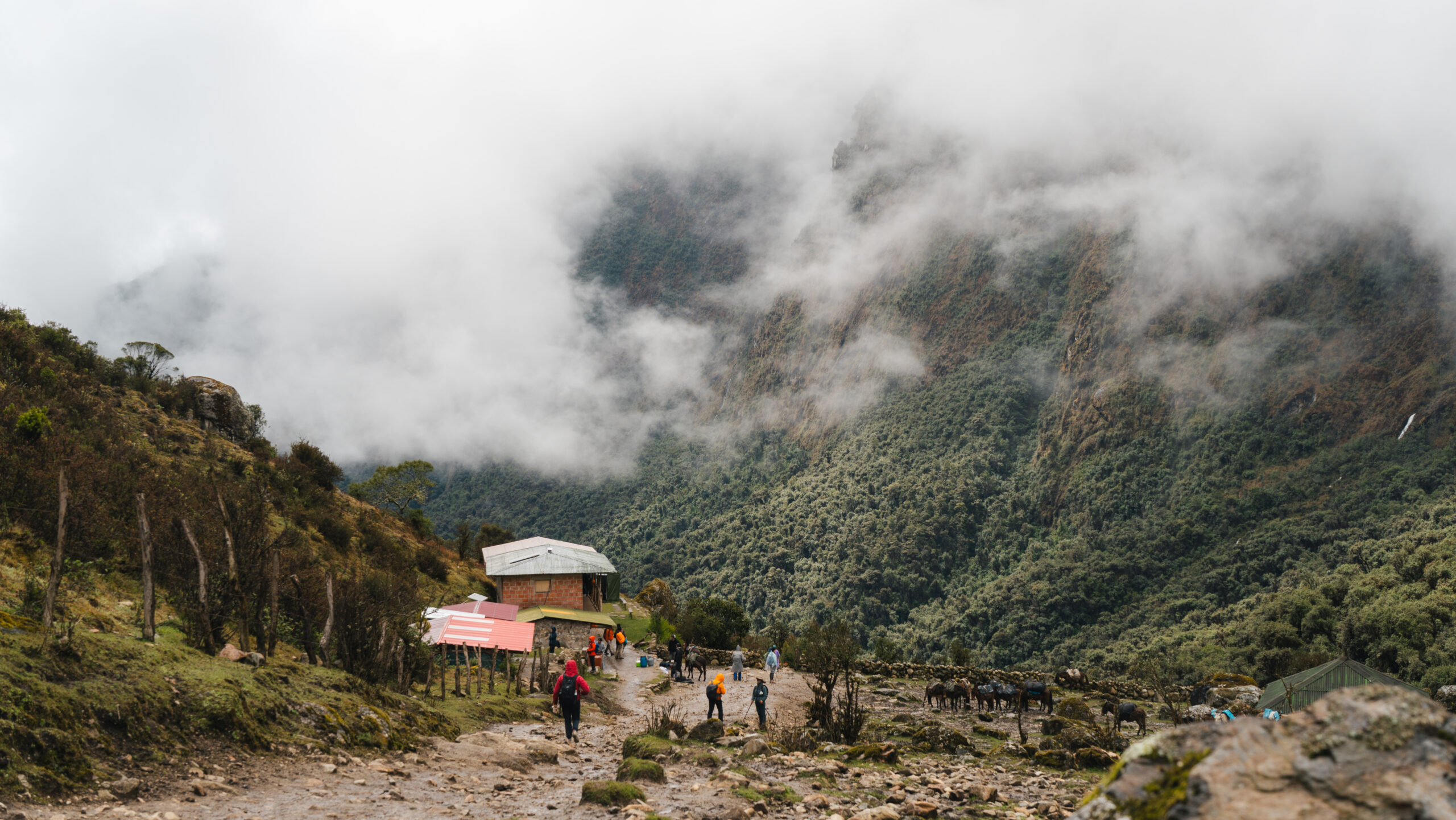
e started the Salkantay Trek at 3am with a transfer from Cusco to Mollepata. Sleep-deprived, cold and bouncing along winding mountain roads, it was a brutal start. After breakfast in Mollepata, we finally began hiking.
We chose a three-day Salkantay Trek, covering roughly 55 km, with basic accommodation and meals included.
Day 1 – Humantay Lake & High-Altitude Magic
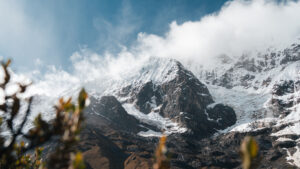
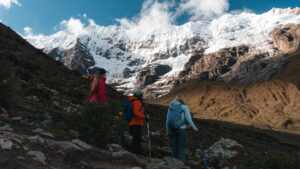
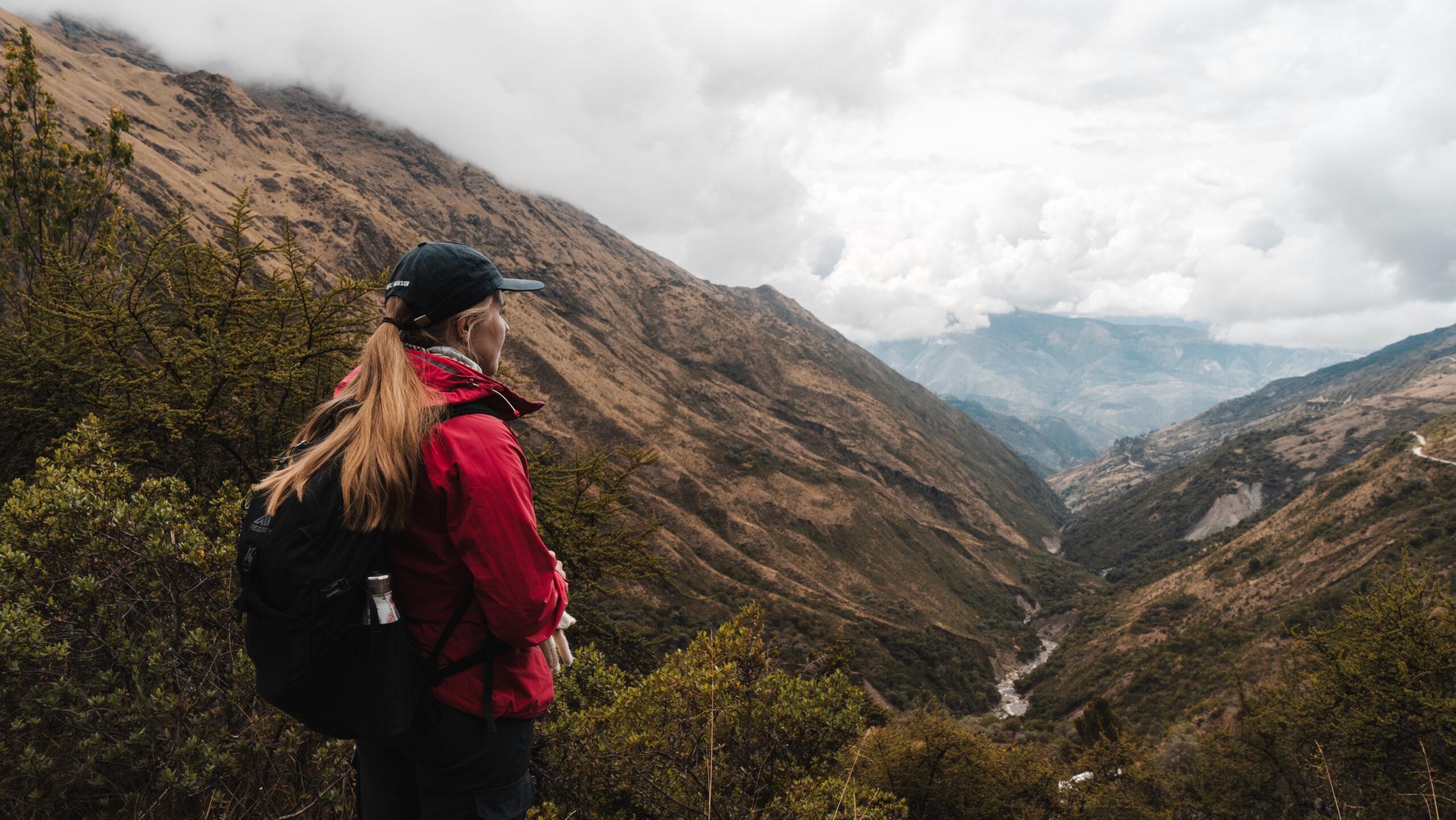
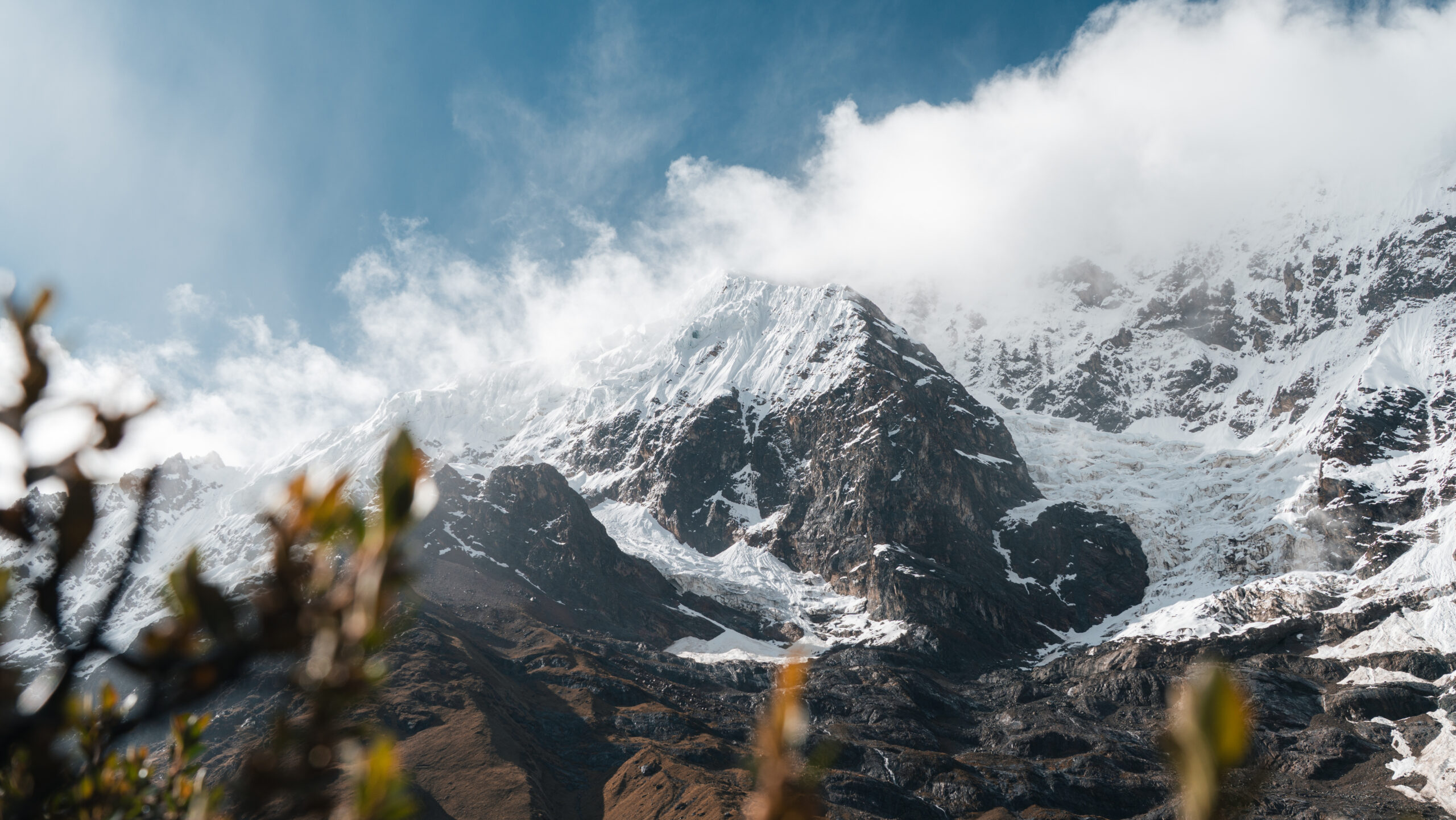
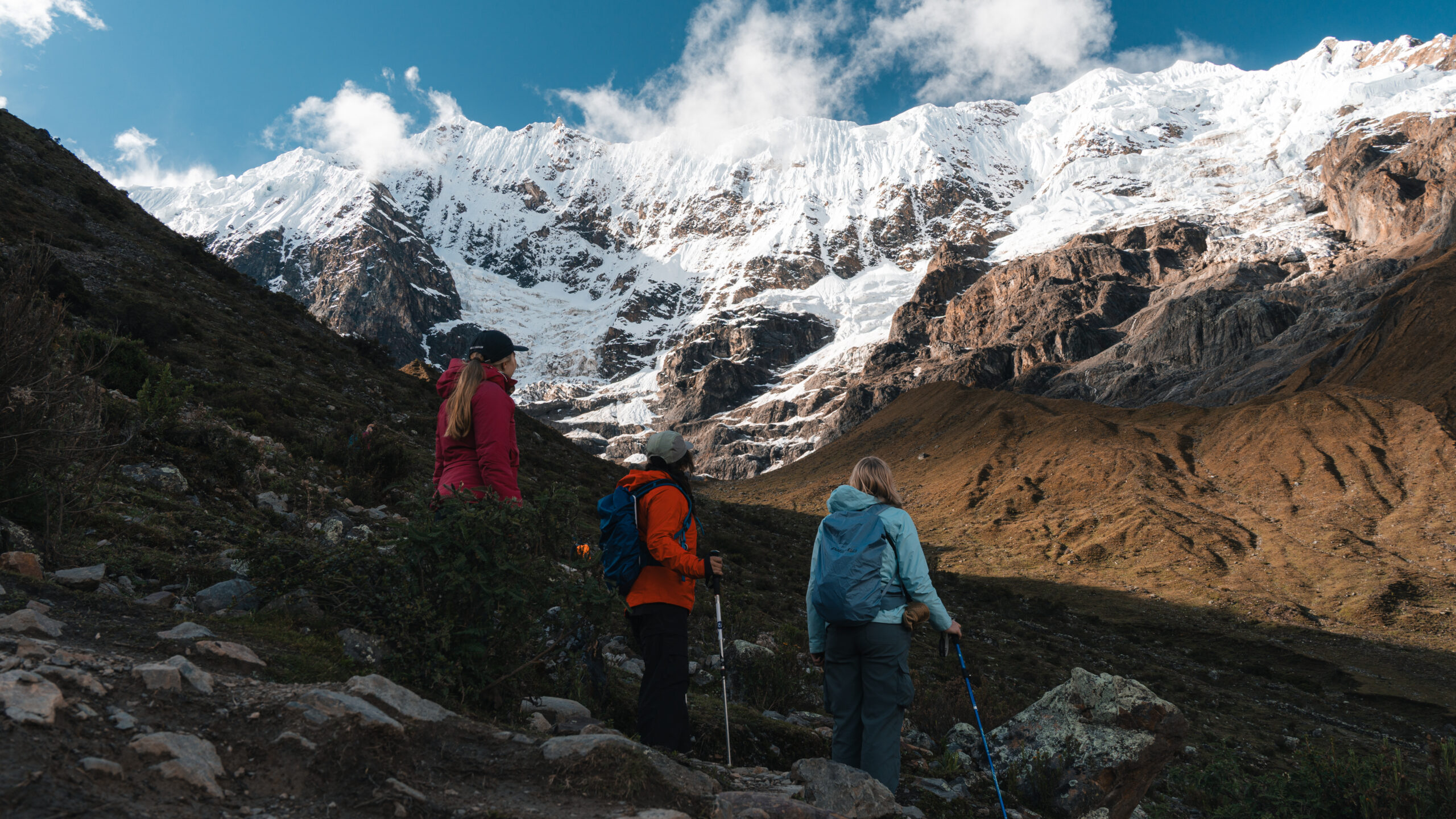
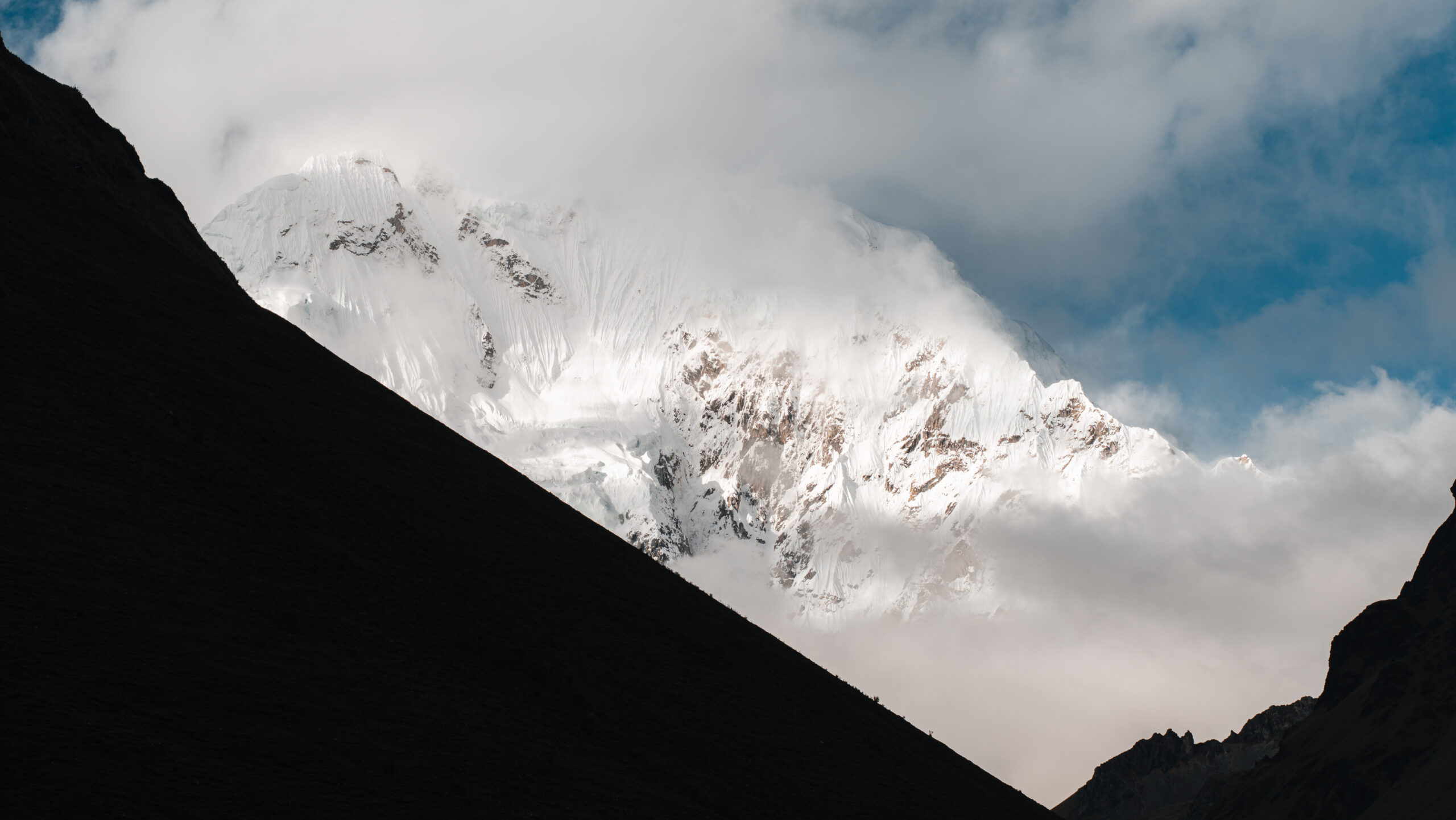
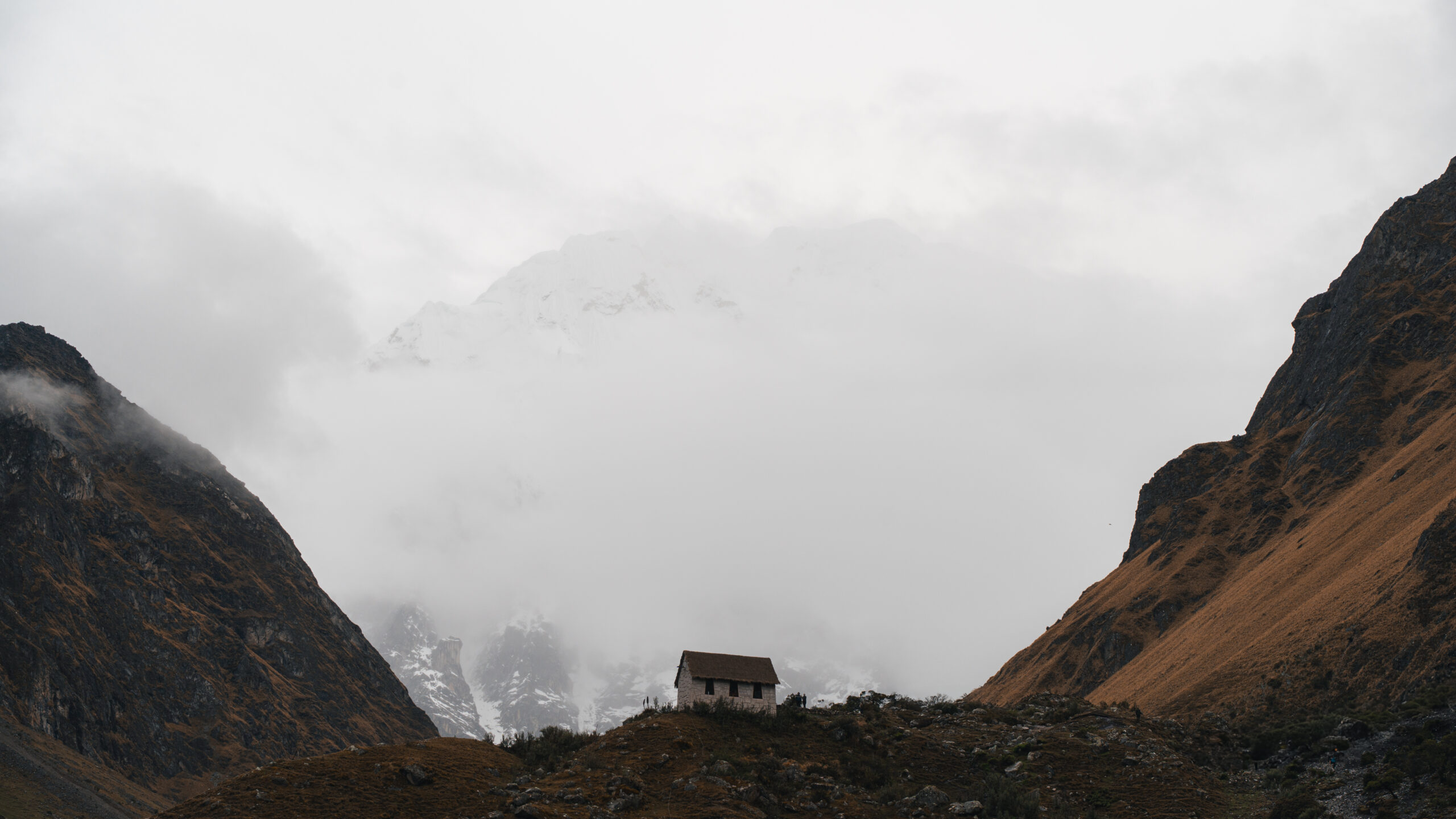
Day one took us toward Humantay Lake, a glacial jewel beneath massive peaks. The weather was chaotic — rain, wind and clouds — but just as we arrived, the sky cleared. Sunlight illuminated the lake, revealing unreal turquoise water and dramatic mountain faces.
That evening at camp, we bonded with fellow hikers, especially Casey and Alicia, who quickly became our trail family.
Day 2 – Salkantay Pass at 4900m
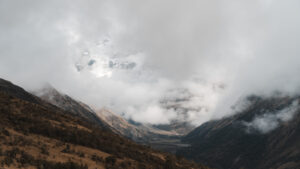
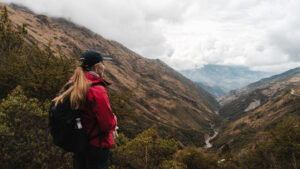
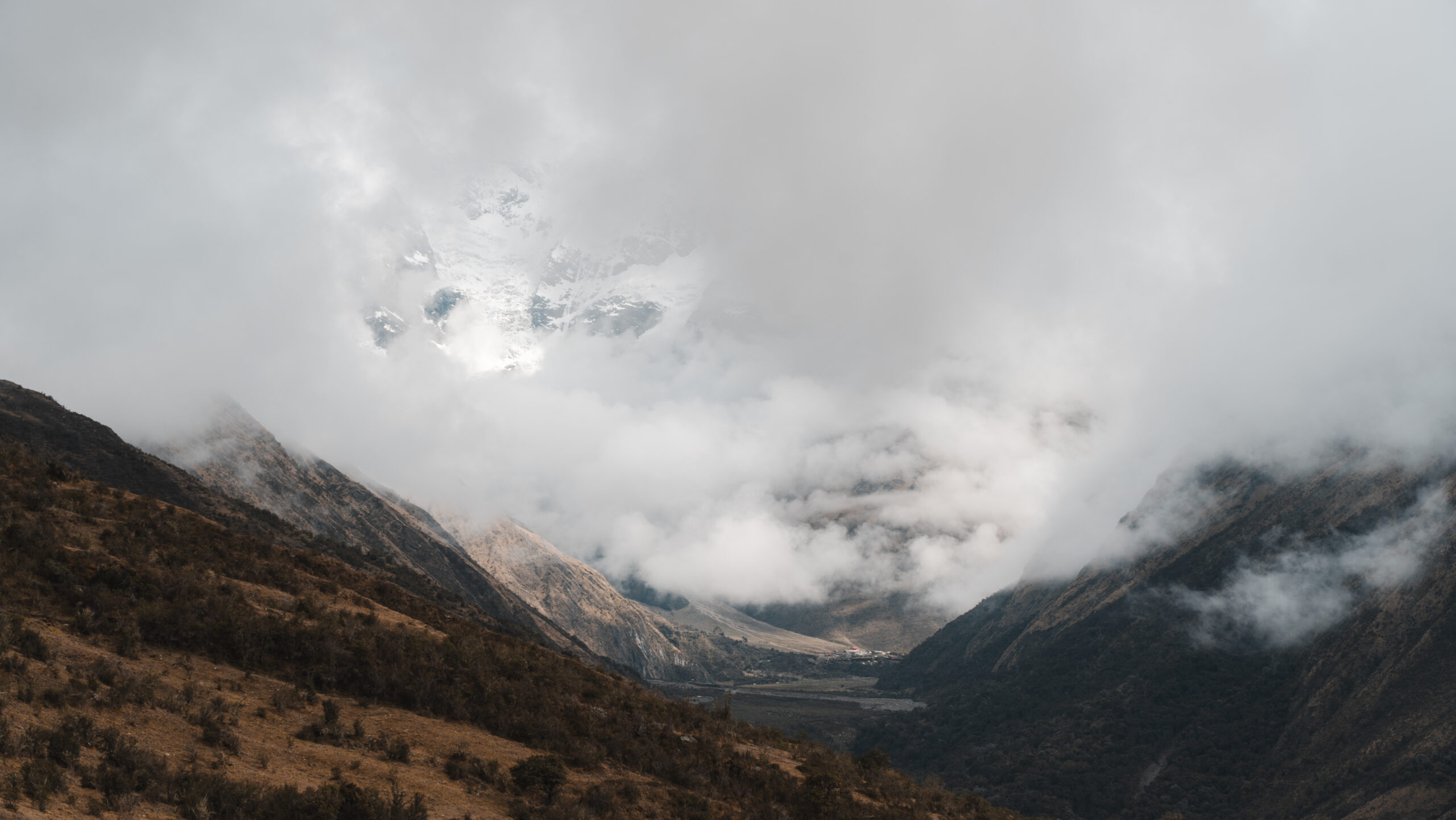
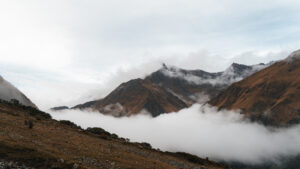
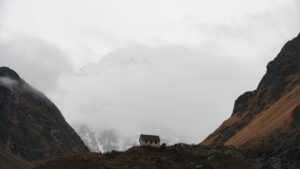
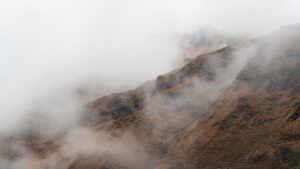
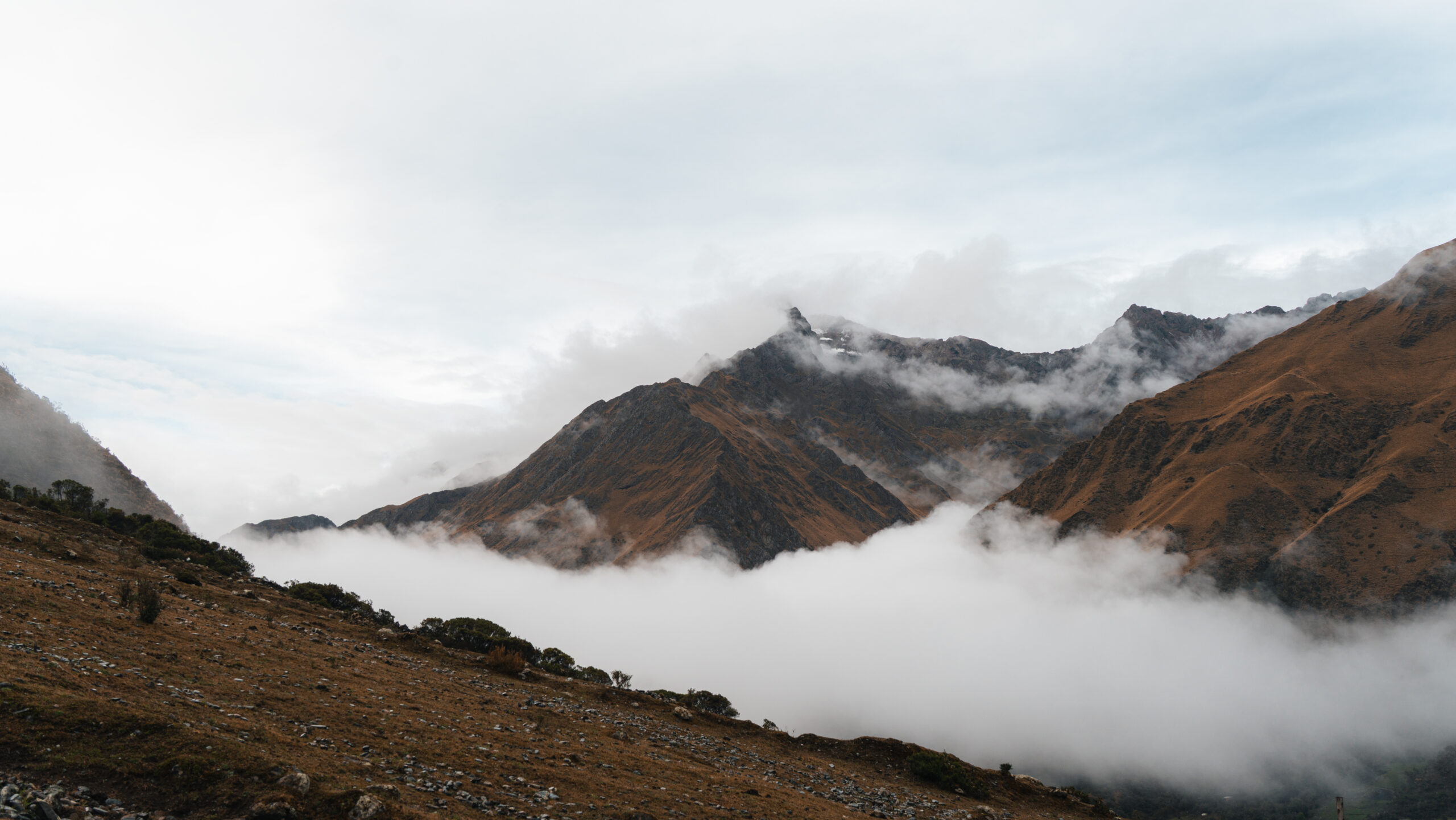
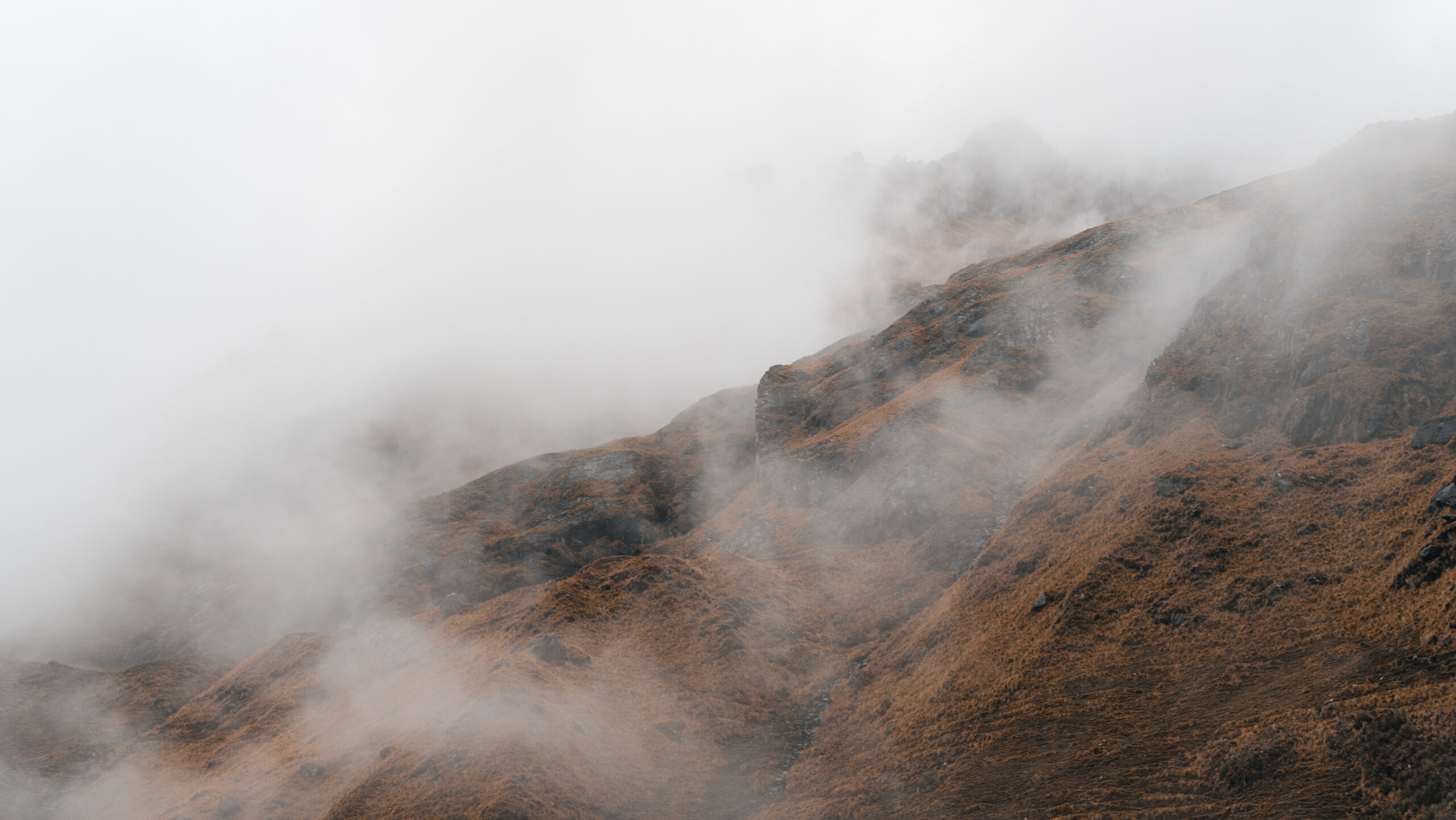
Day two was the hardest. Rain, snow and wind accompanied us as we climbed toward Salkantay Pass (4900m). Despite the conditions, the energy on the trail was high, and reaching the pass felt like a real victory.
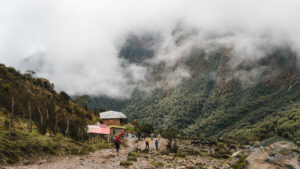
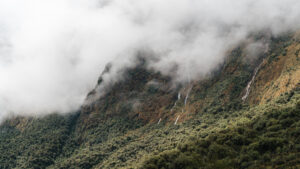
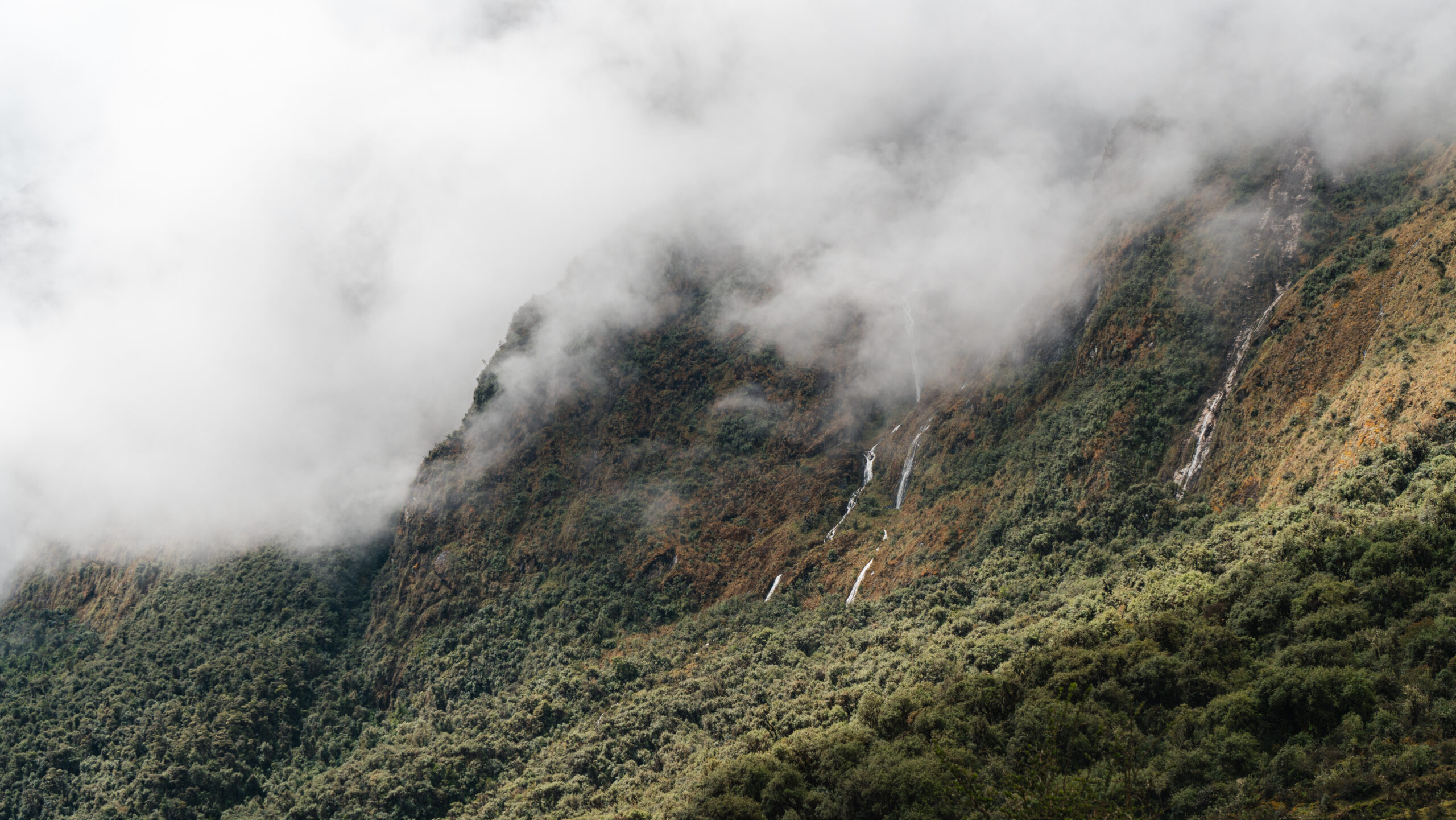
From there, we descended nearly 2000 vertical meters through multiple vegetation zones until we reached jungle terrain.
Day 3 – Jungle Trails & Railway Tracks
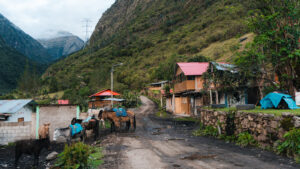
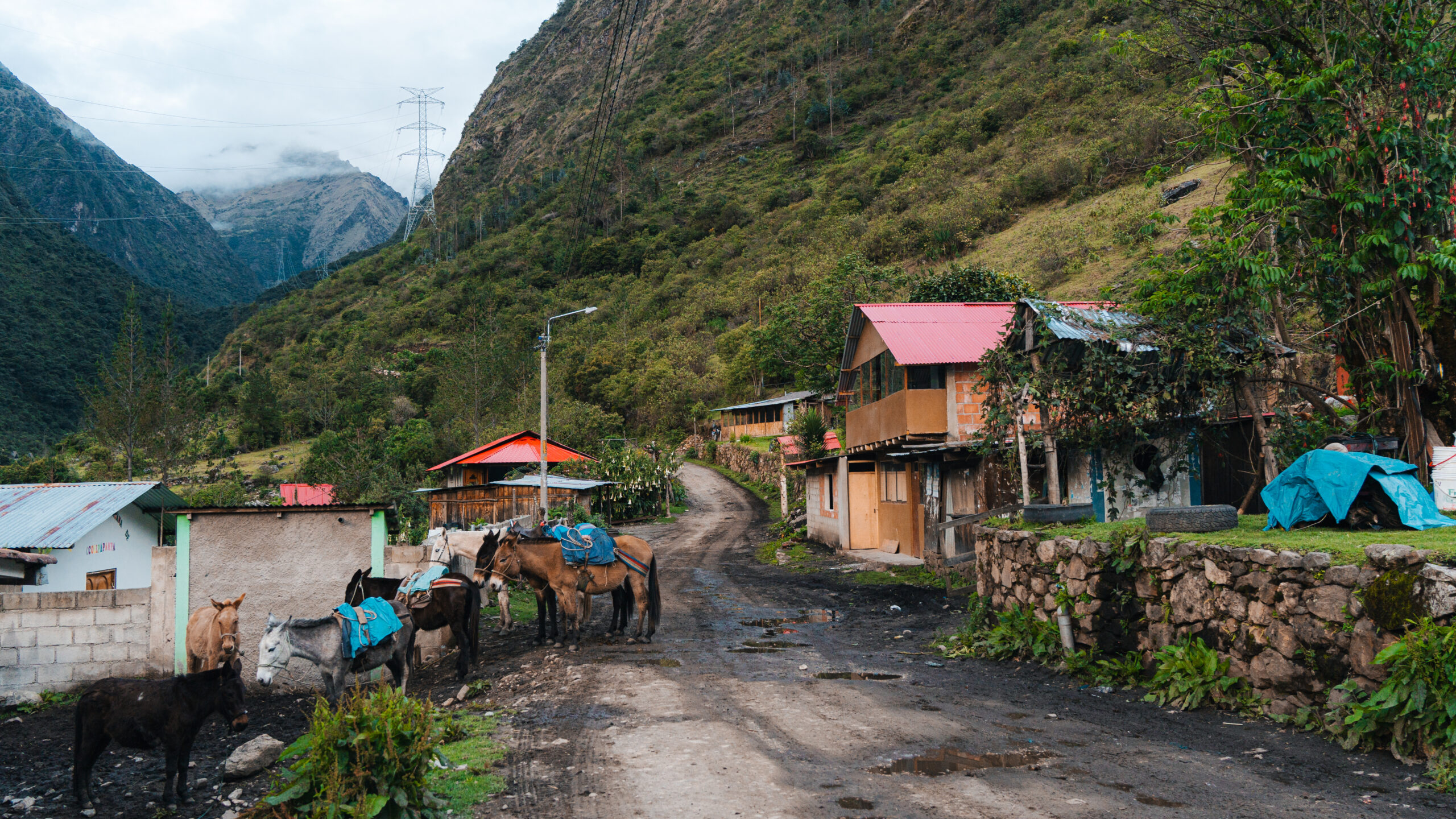
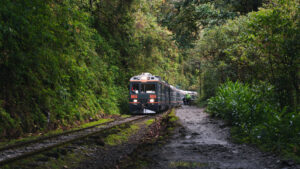
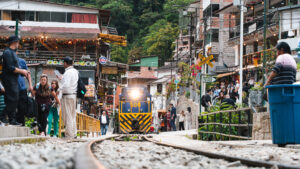
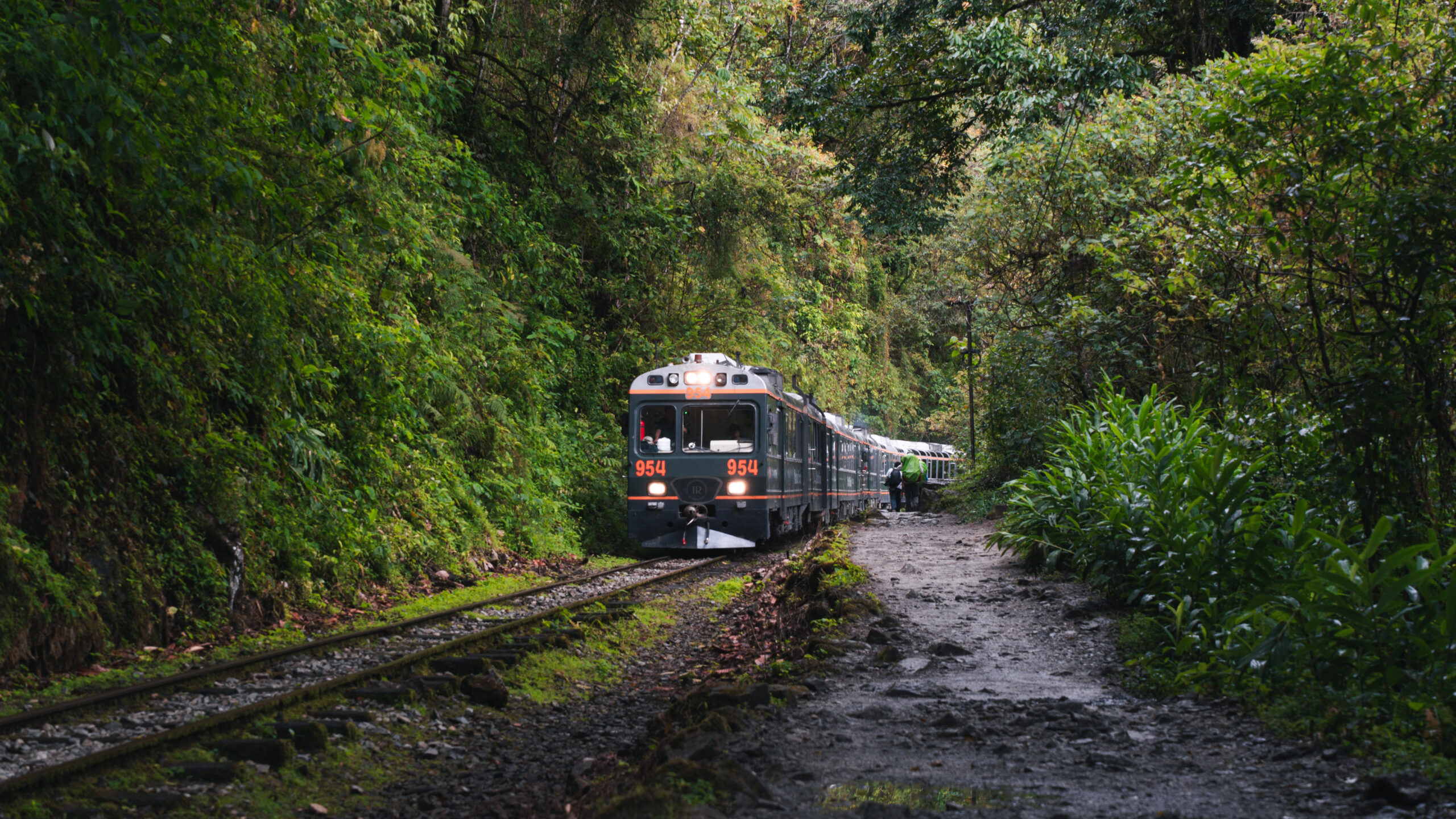
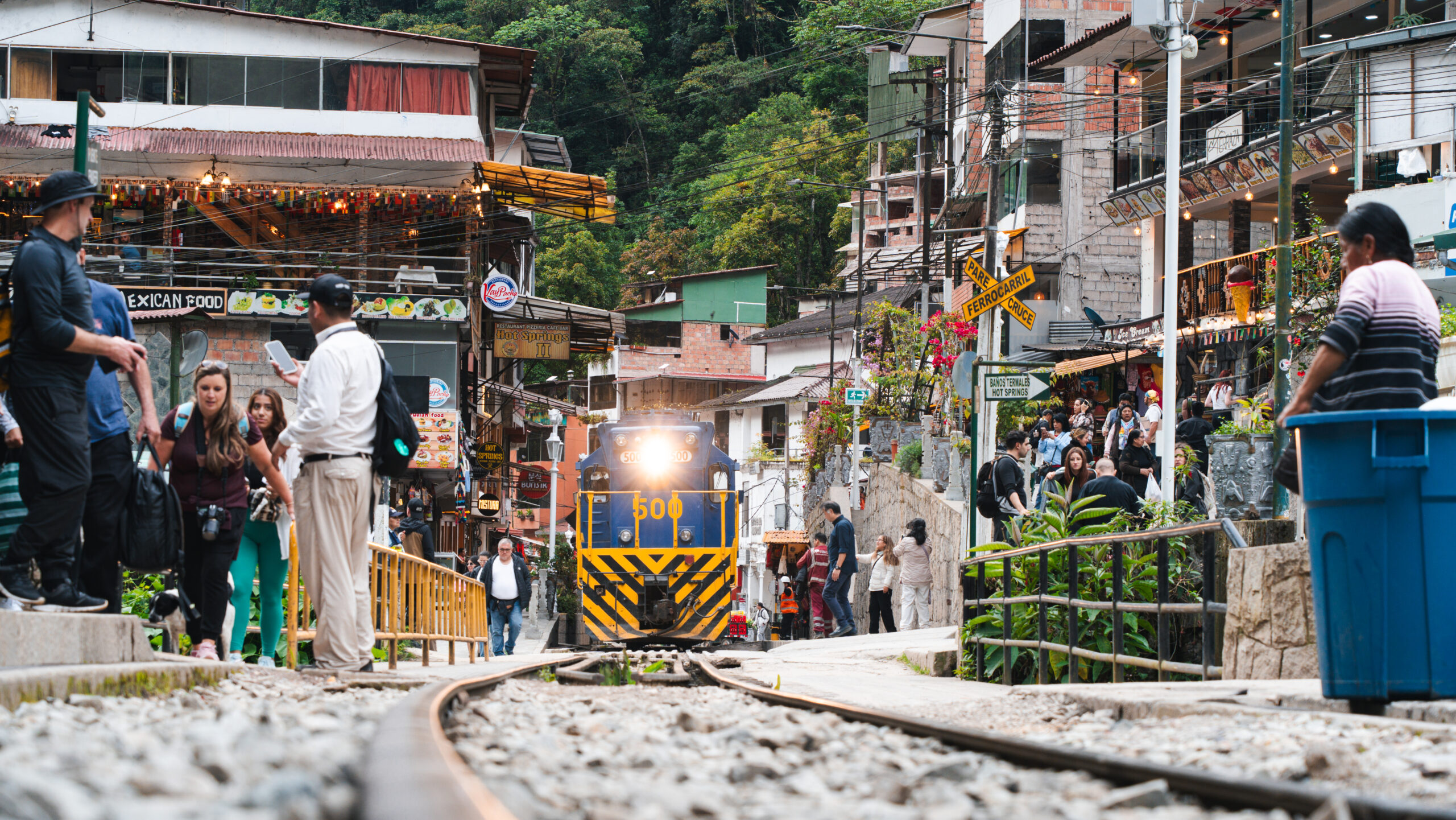
The final day led us through coffee farms, small villages and eventually along railway tracks toward Aguas Calientes. Lush jungle, towering mountains and occasional trains made the final stretch unforgettable.
Machu Picchu & Huayna Picchu
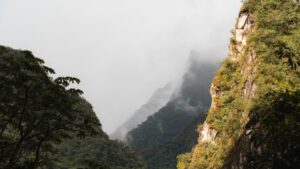
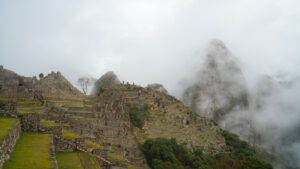
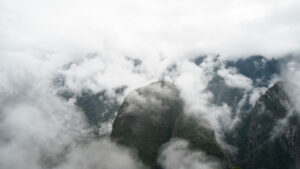
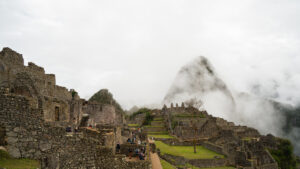
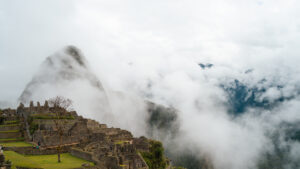
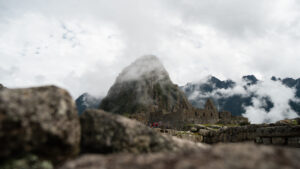
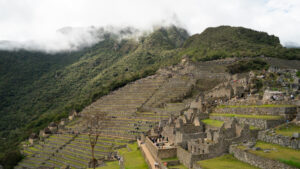
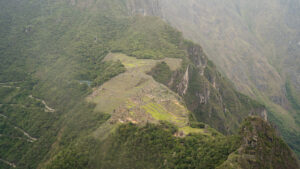
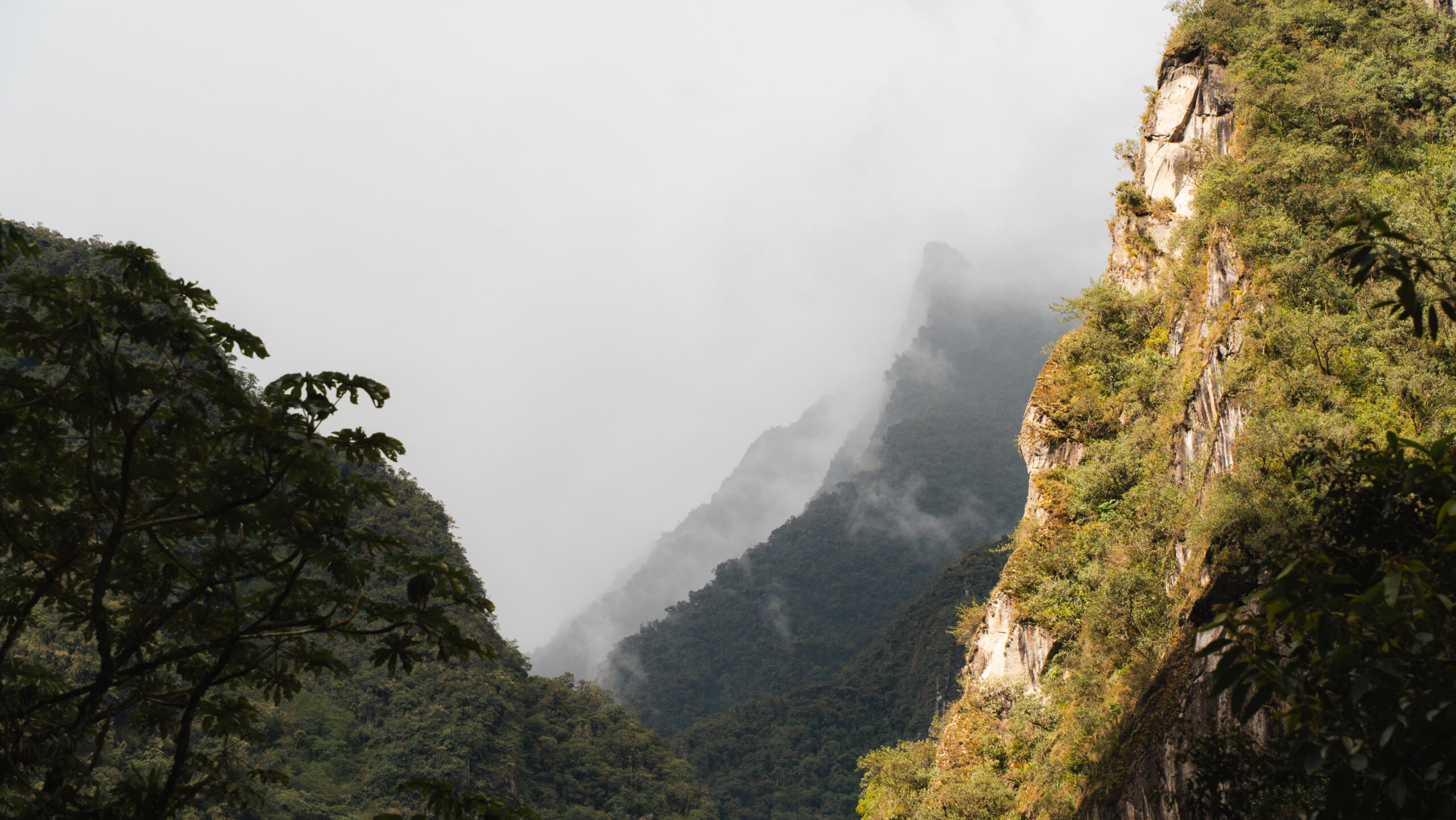
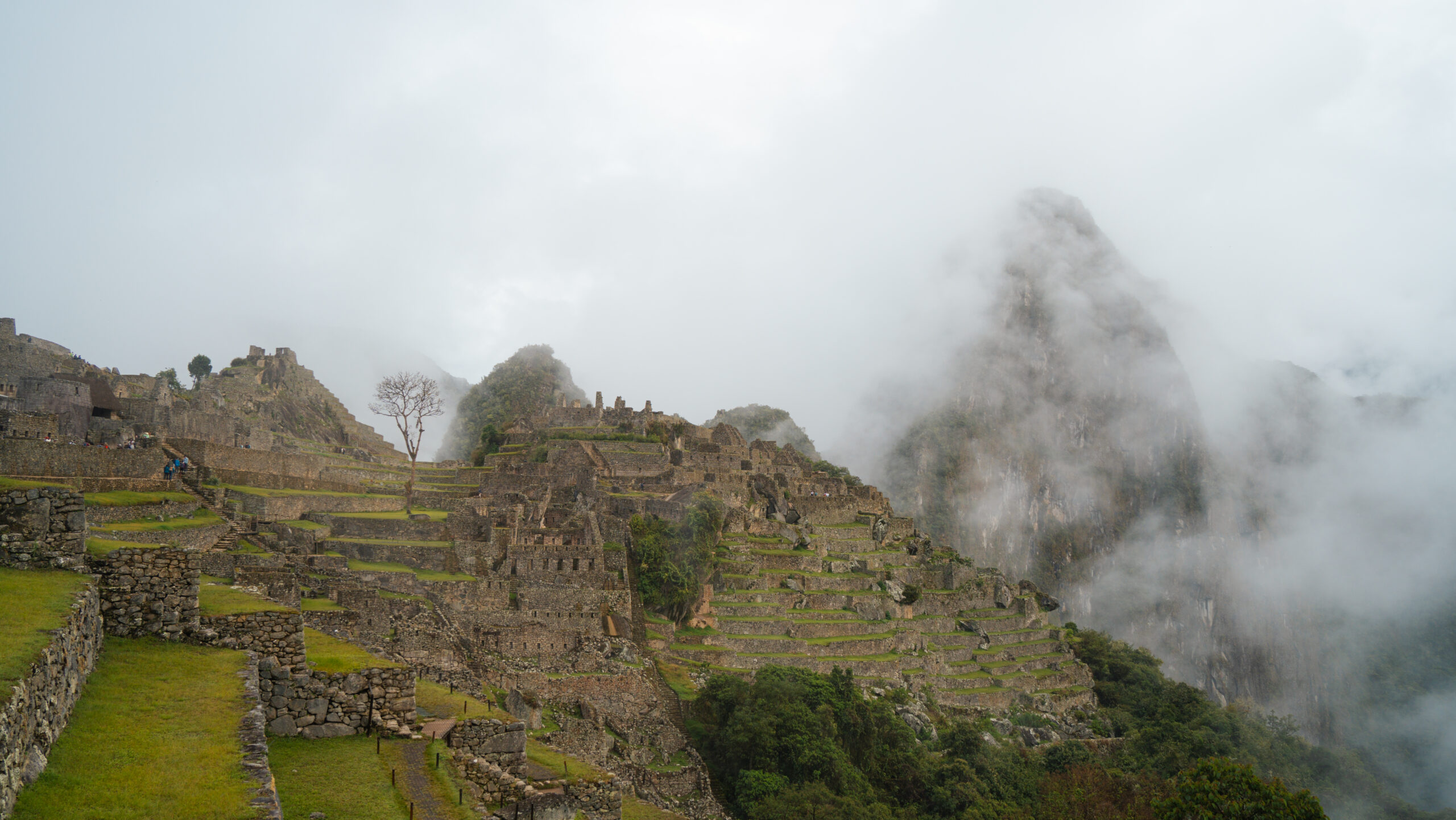
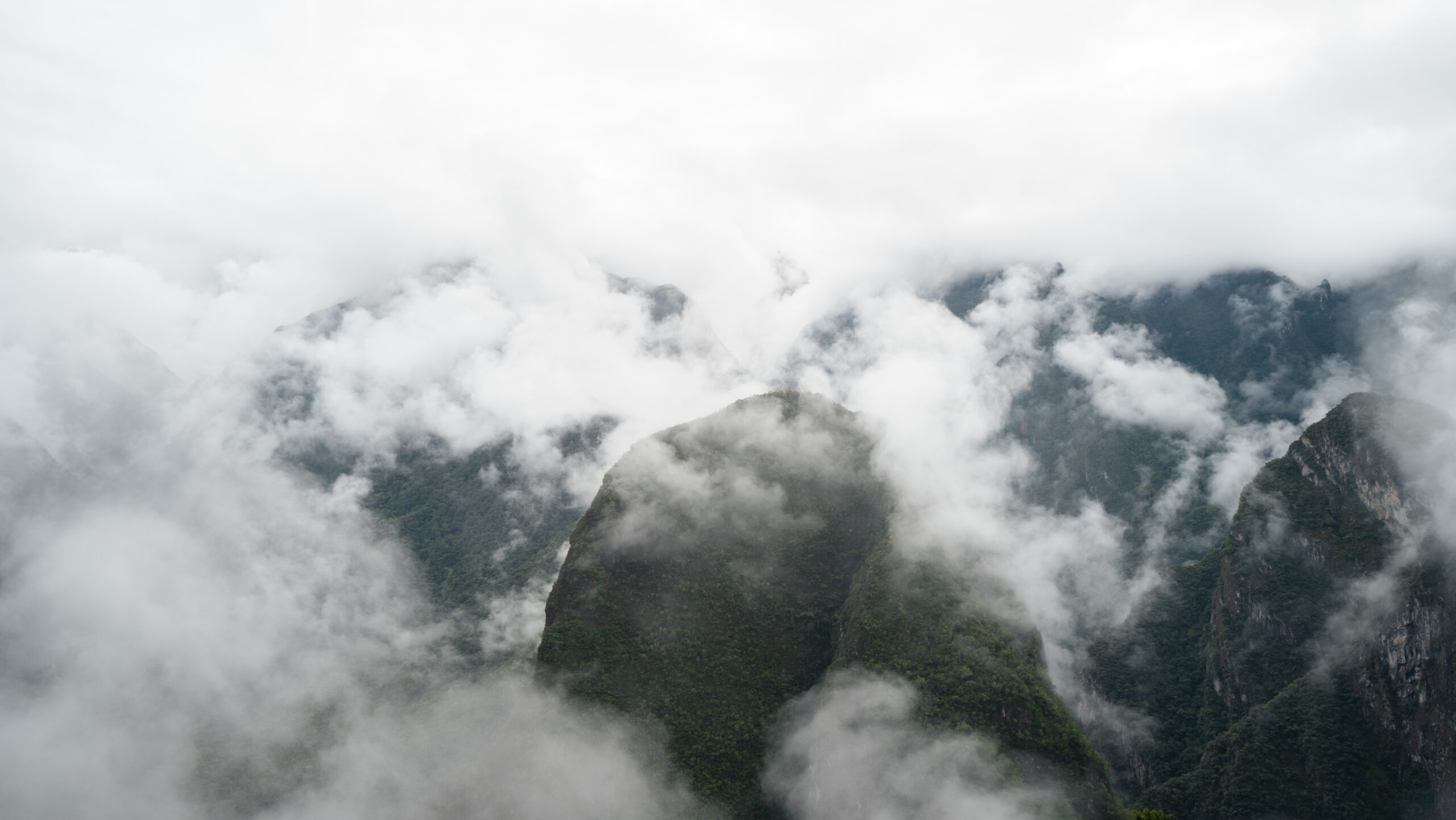
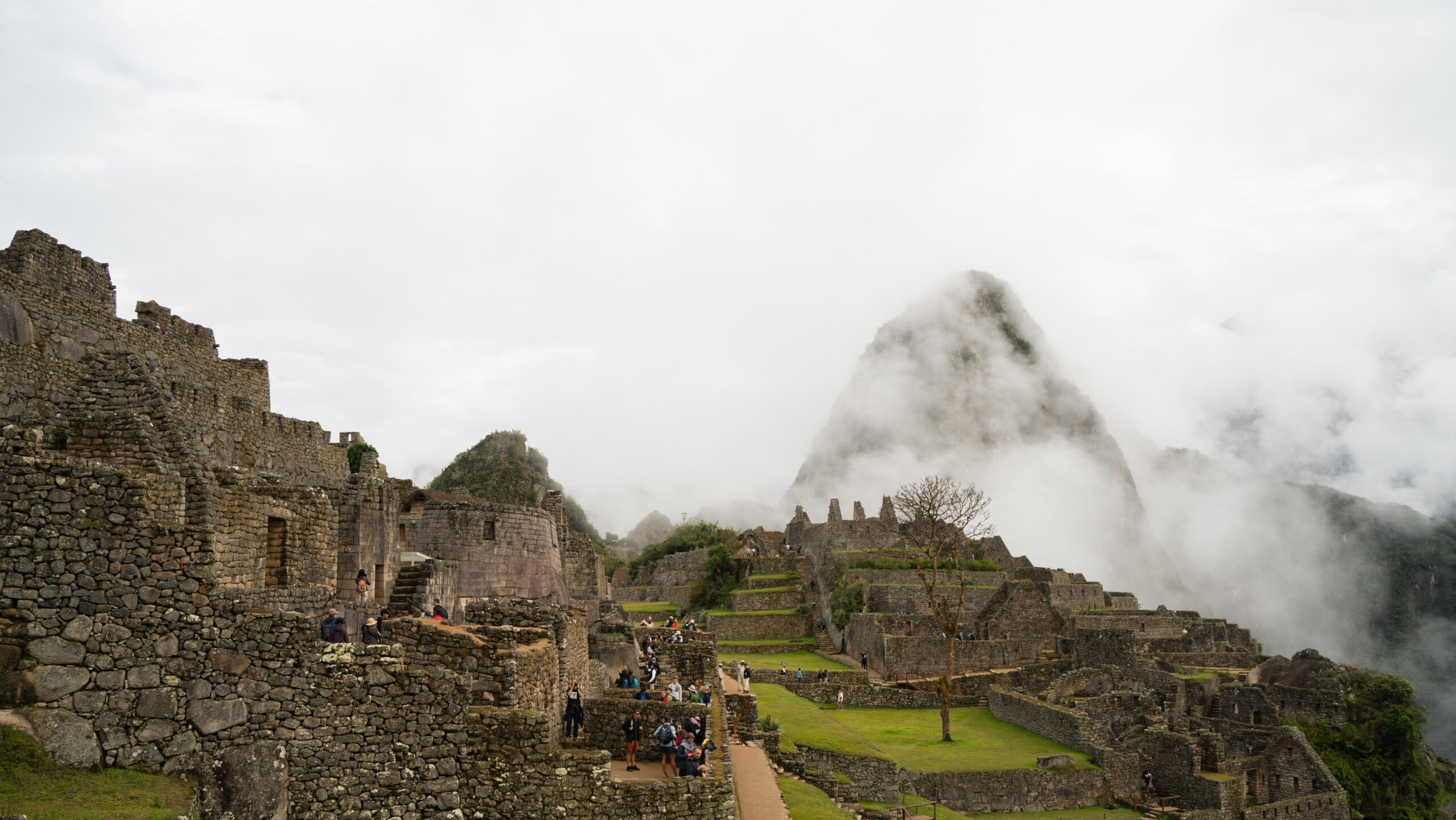
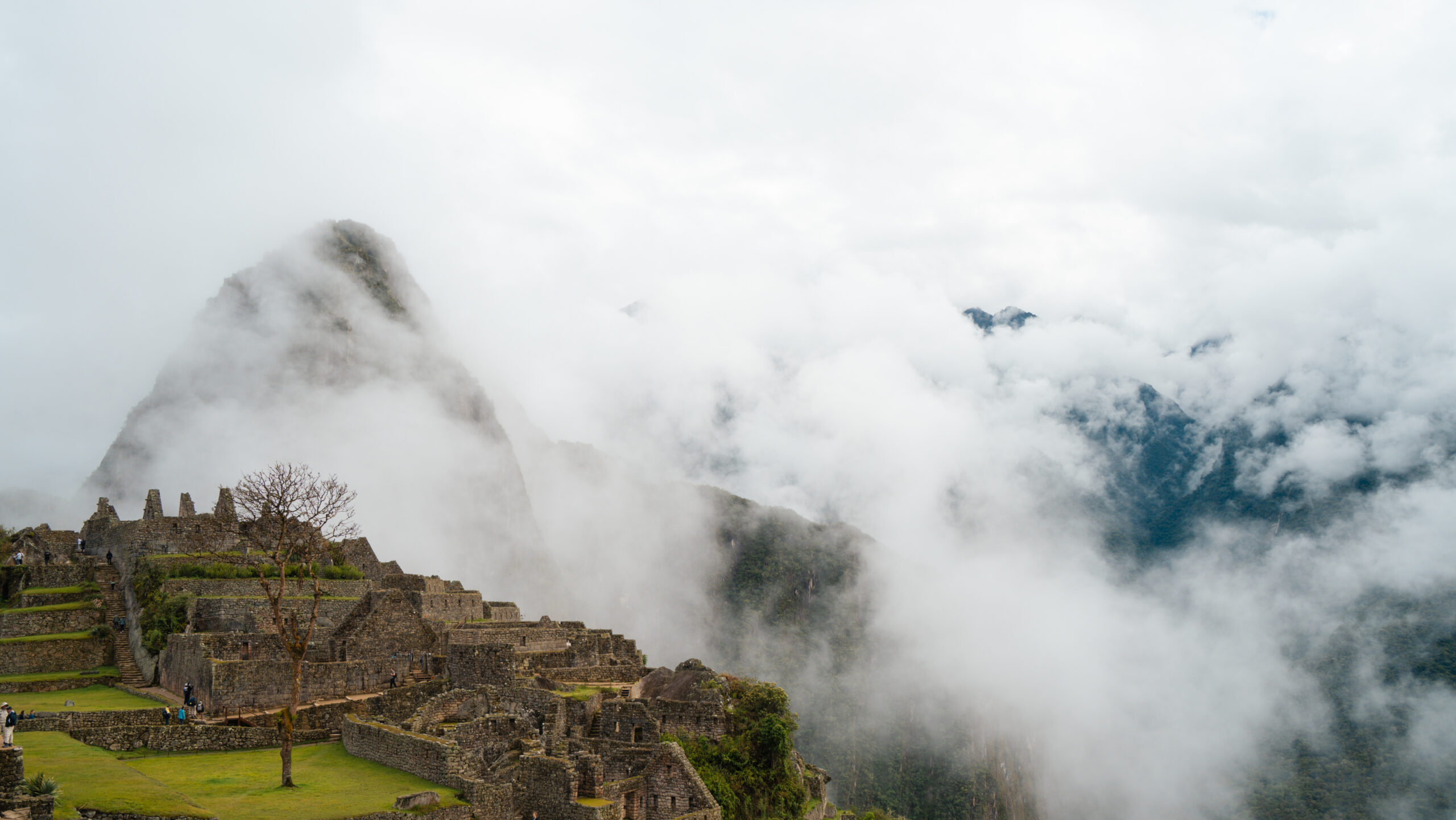
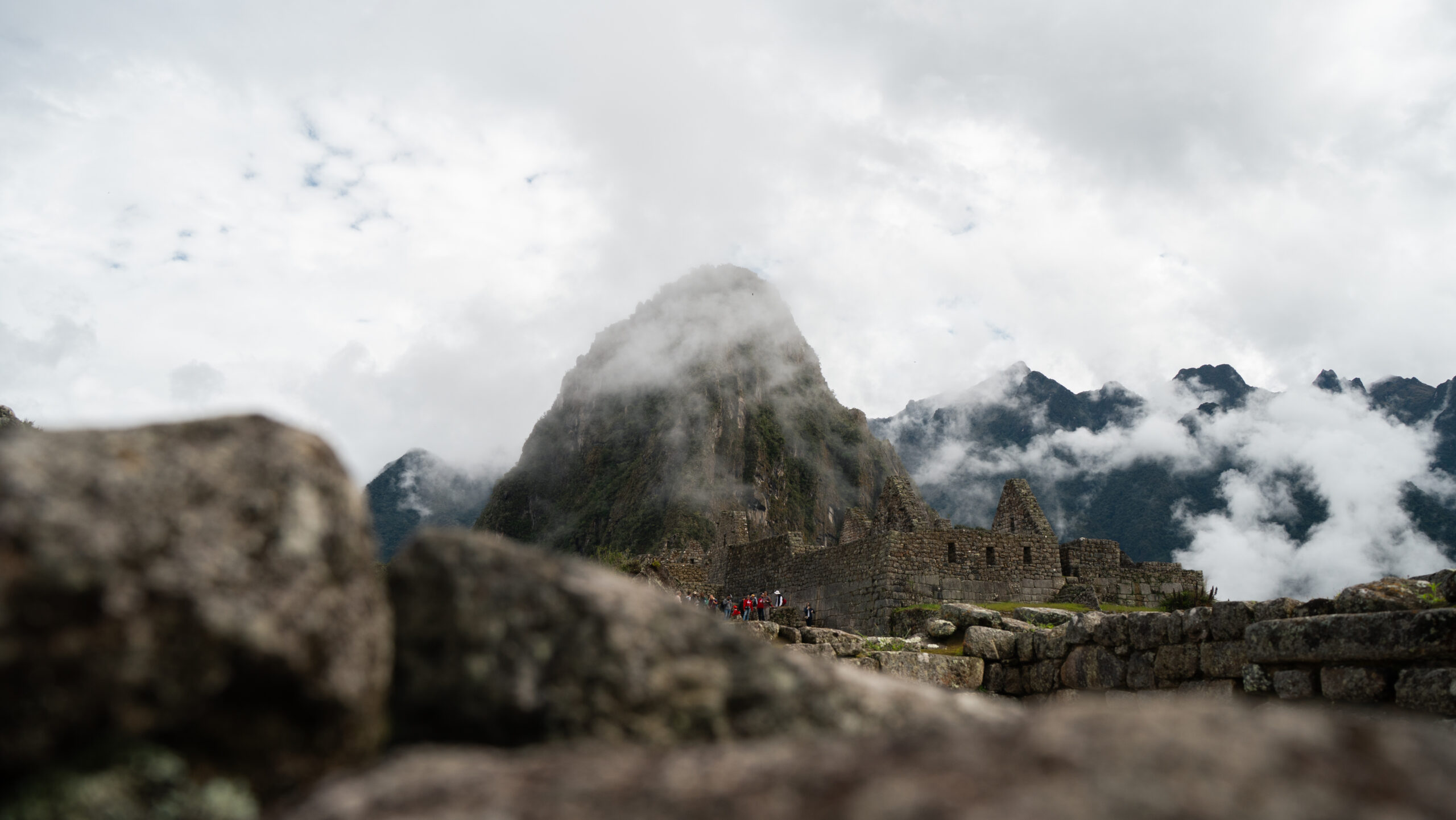
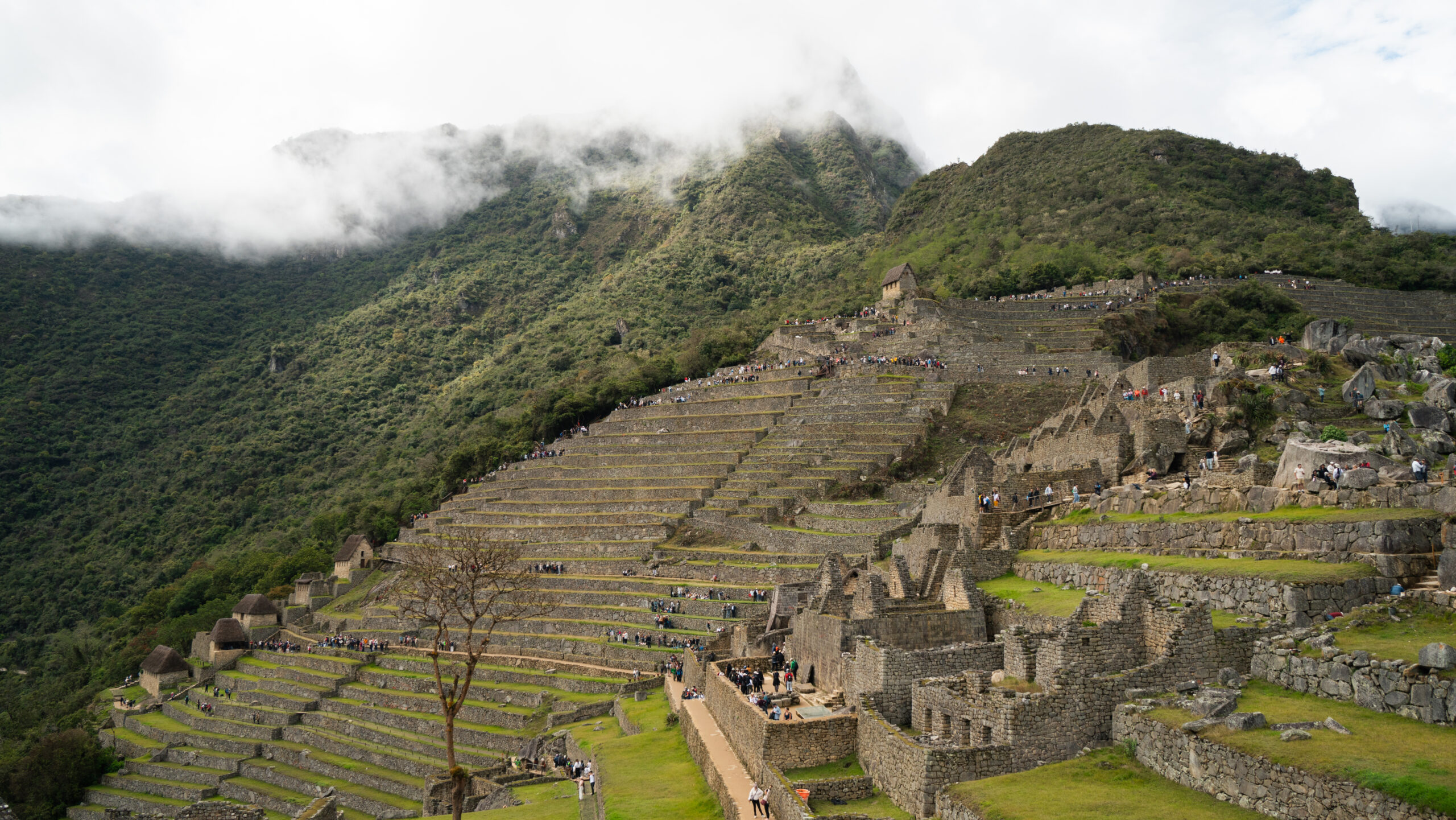
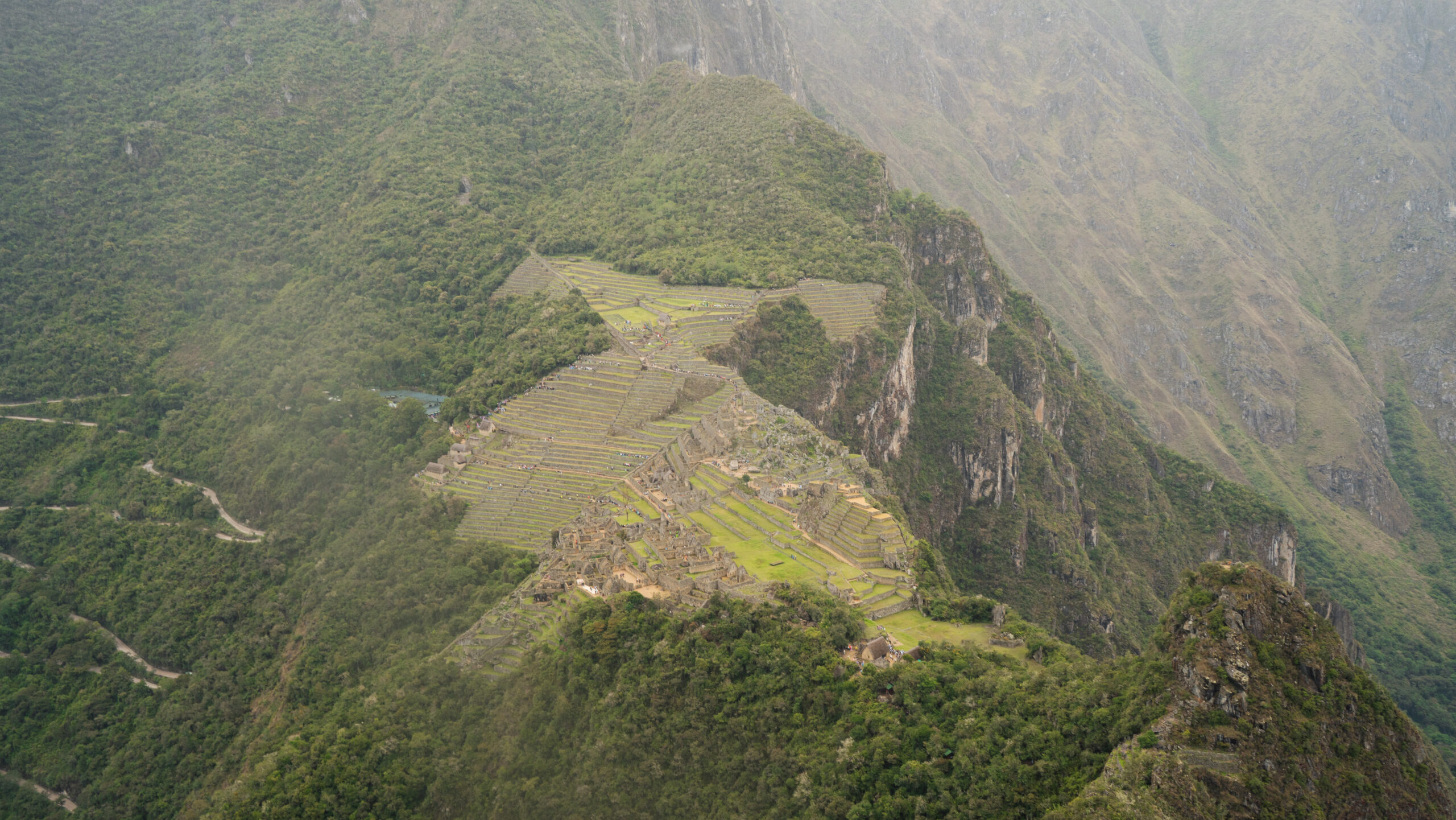
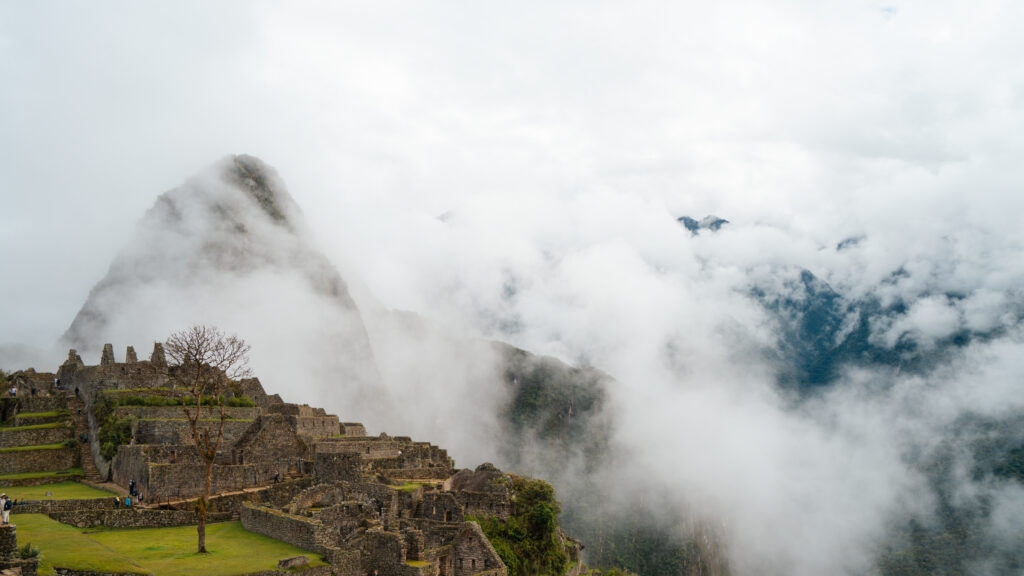
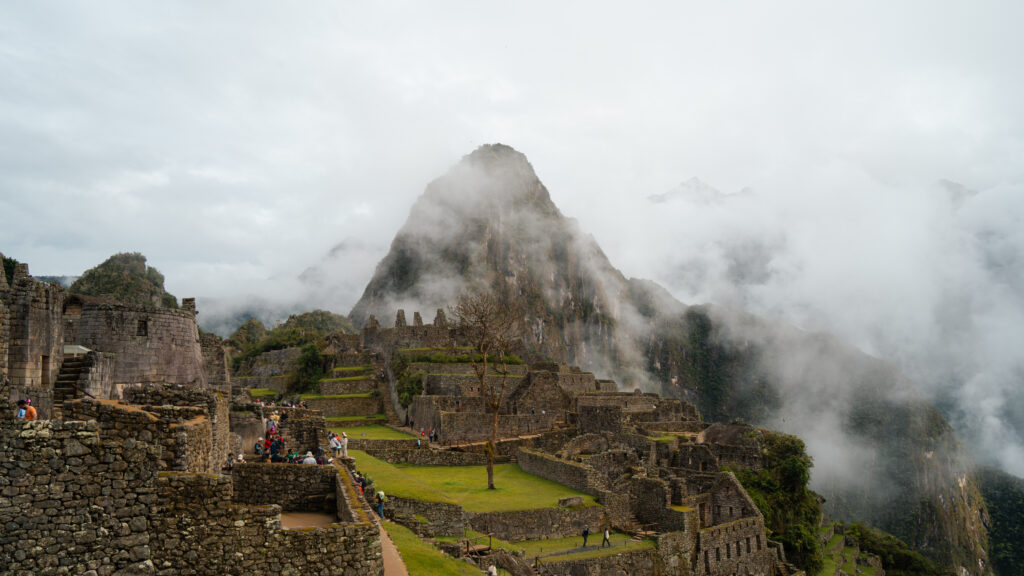
Visiting Machu Picchu felt surreal. We chose Circuit 3, with a climb to Huayna Picchu, which offered fewer crowds and an incredible perspective over the Inca city. Standing above the ruins, the long journey finally made sense.
Exhausted but fulfilled, we returned to Cusco after midnight — one of the longest and most emotional days of the trip.
Leaving Peru
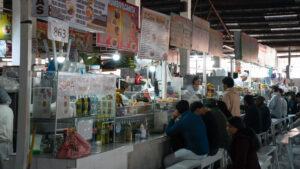
Our last day was slow and reflective. Markets, wandering Cusco, and Joona finally tried cuy (guinea pig). That evening, we boarded a night bus toward Lake Titicaca and crossed into Bolivia — a country that completely blew our minds.
But that’s another story. We can’t wait to share it.
Hong Kong Photography Itinerary: 4 Days of City Lights
After travelling through Yunnan and Chongqing, we boarded a high-speed train from mainland China and…
China Travel Guide: From the Mountains of Yunnan to the Megacity of Chongqing
China had been on our travel wishlist for years. We had heard stories about futuristic…
How to Visit Machu Picchu on a Budget?
Machu Picchu is one of the most iconic destinations in the world, but visiting it…
Bolivia Backpacking Guide: Salt Flats, 6000m Peaks & Our Biggest South American Surprise
After Peru, we crossed into Bolivia with surprisingly low expectations. We honestly didn’t know much…
Peru Backpacking Itinerary: Chaos, Mountains & Machu Picchu
Machu Picchu & Huayna Pichu From Ecuador, we continued our backpacking journey to Peru, one…
Chasing Volcanoes in Ecuador: Epic Backpacking Journey
We came with backpacks and no plan.Ecuador gave us volcanoes, altitude, and a new perspective…
Pingback: Bolivia Backpacking Guide: Salt Flats, 6000m Peaks & Our Biggest South American Surprise - twoflyingfinns.com