
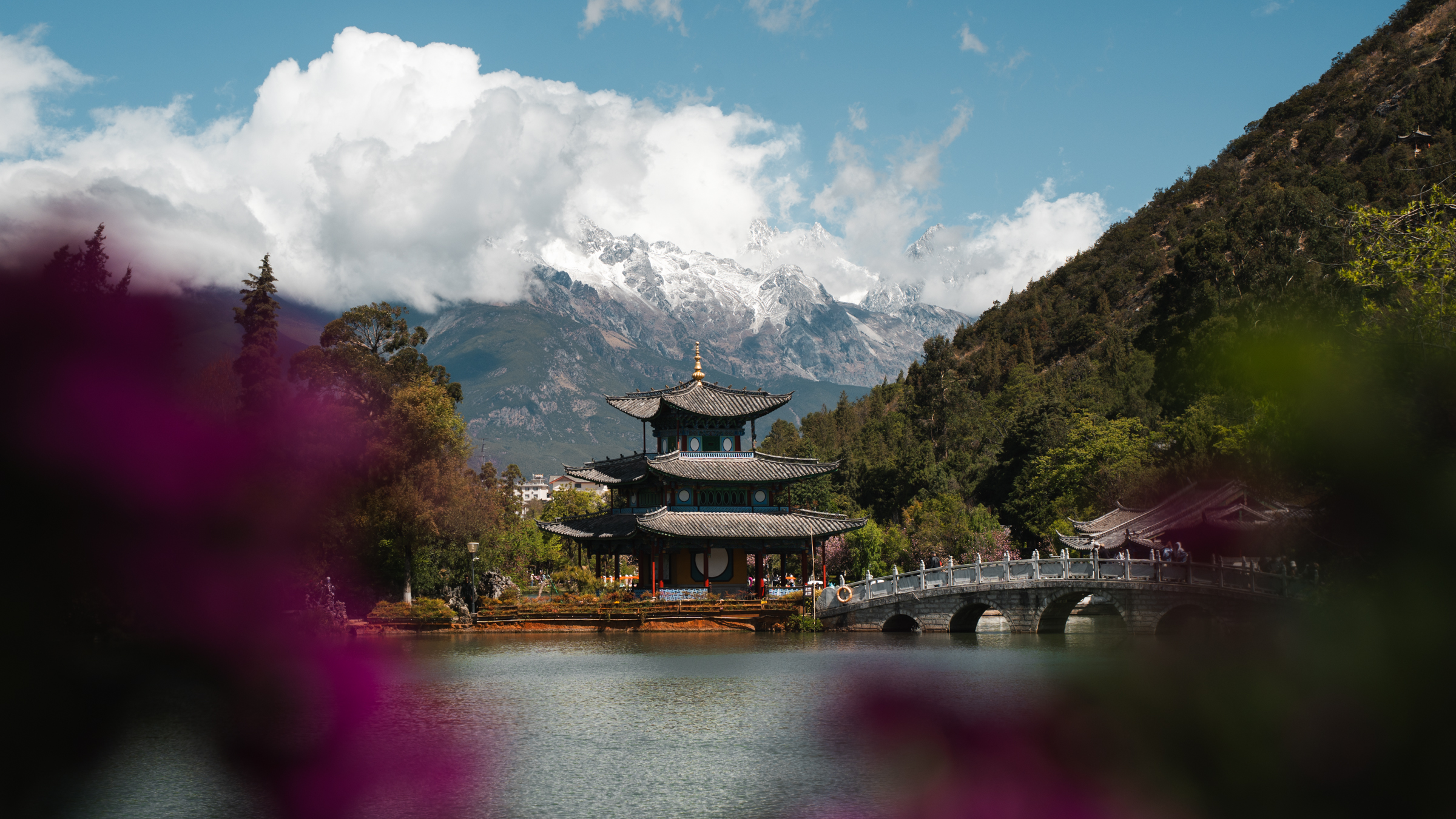
China had been on our travel wishlist for years. We had heard stories about futuristic cities, dramatic mountain landscapes, ancient cultures and incredible food. Yet despite all the photos and videos we had seen online, nothing really prepared us for what we experienced during our journey through China.
Over several weeks, we travelled through some of China’s most fascinating regions, primarily using the country’s extensive high-speed rail network. From the Tibetan-influenced highlands of Yunnan to the futuristic skyline of Chongqing, our journey took us through ancient towns, dramatic mountain landscapes and some of the most memorable cultural experiences we have ever had in Asia.
If you’re planning a trip to China, these were the places that left the biggest impression on us.
Lijiang – Ancient Streets Beneath Snow-Capped Peaks
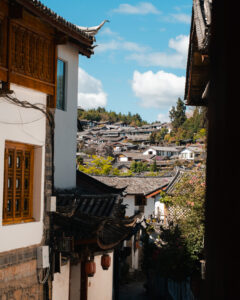
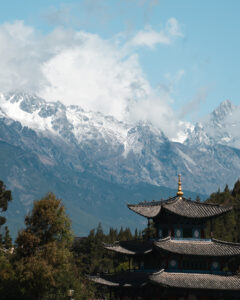

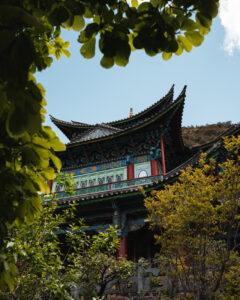
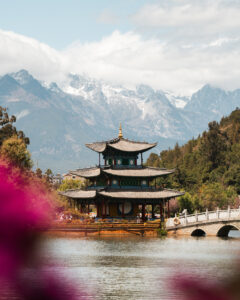
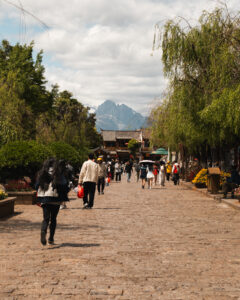
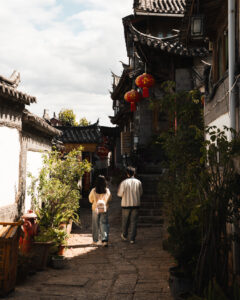
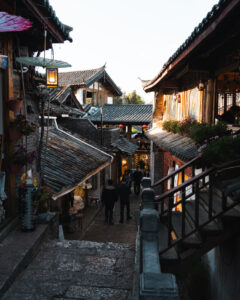

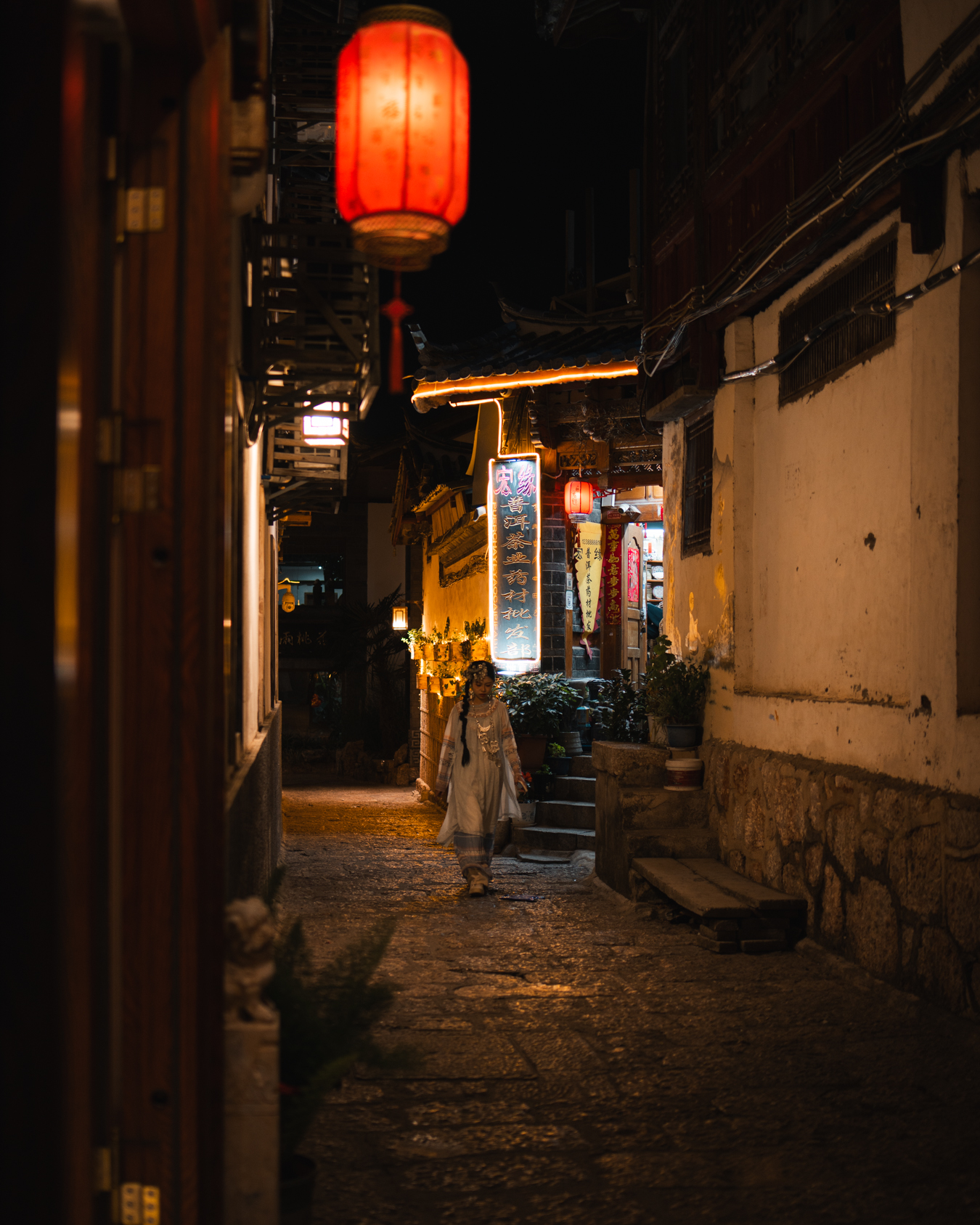
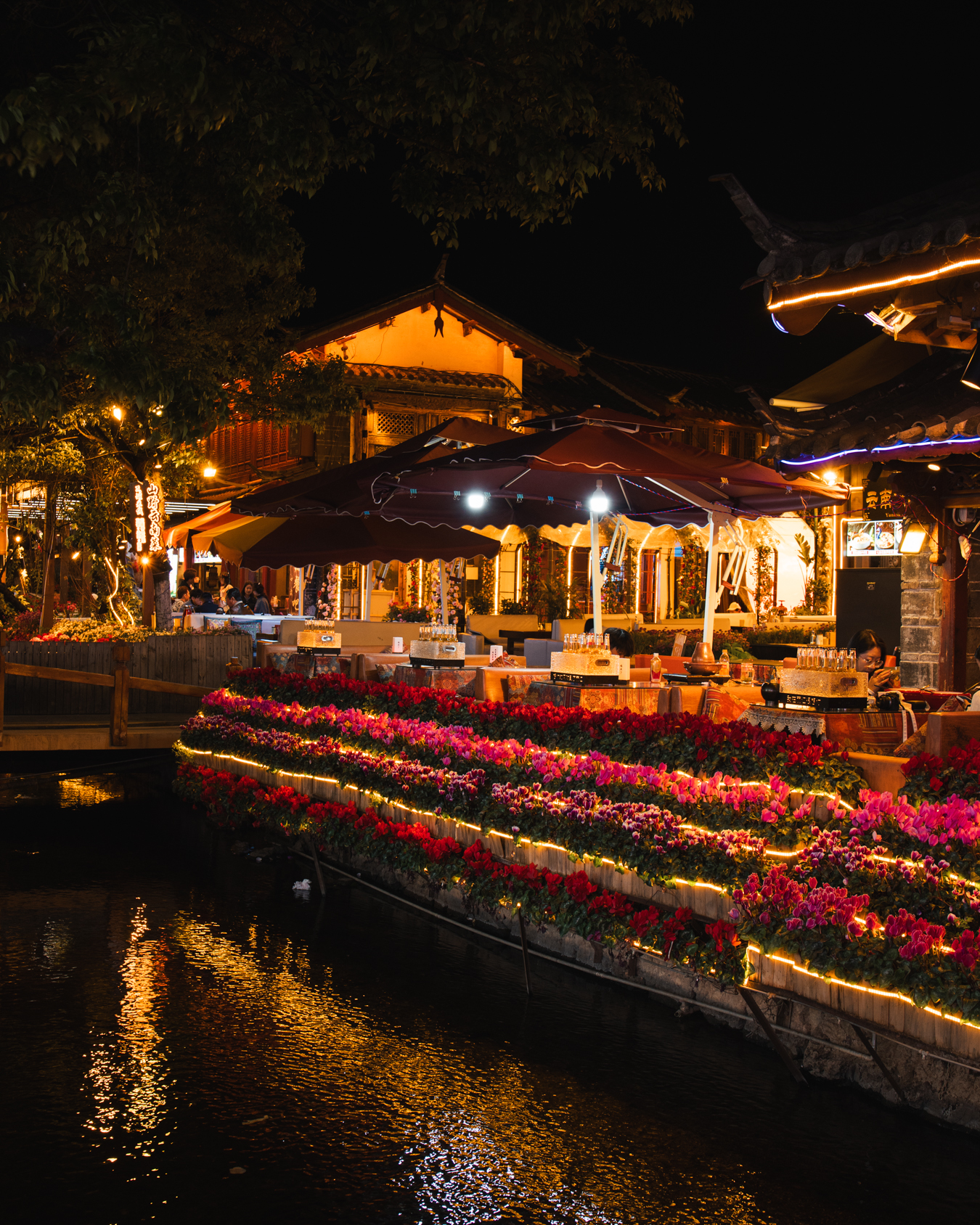
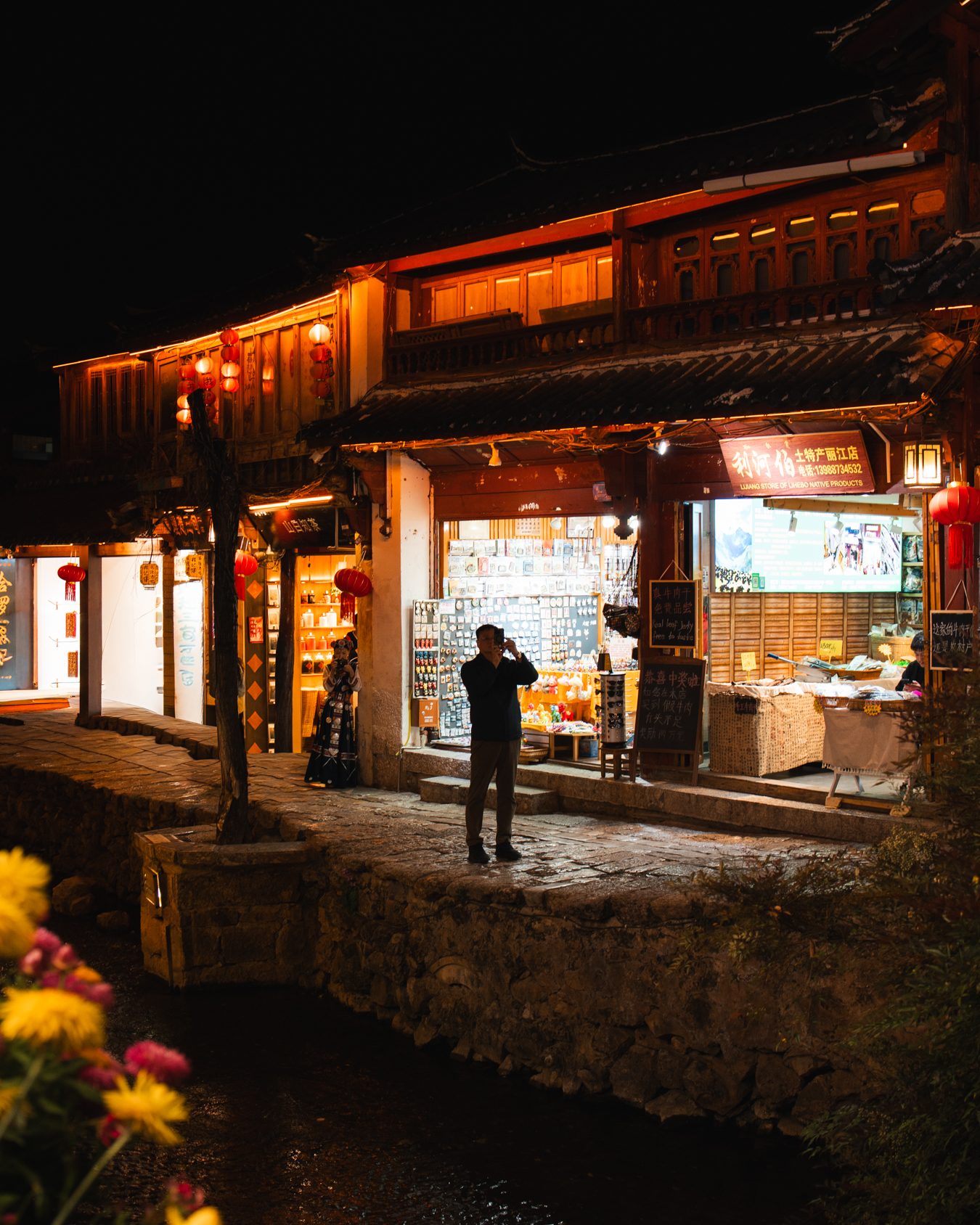
After landing in Kunming and spending a single night at an airport hotel, we boarded a high-speed train bound for Lijiang. It was there, among the mountains of Yunnan, that our China adventure truly began.
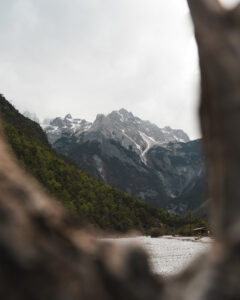
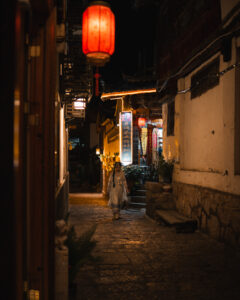
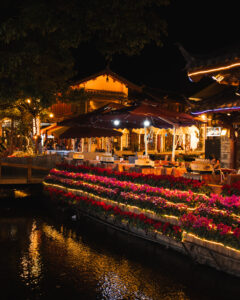
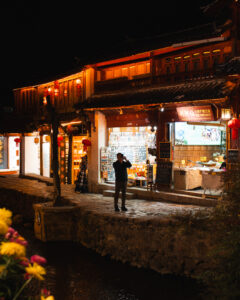
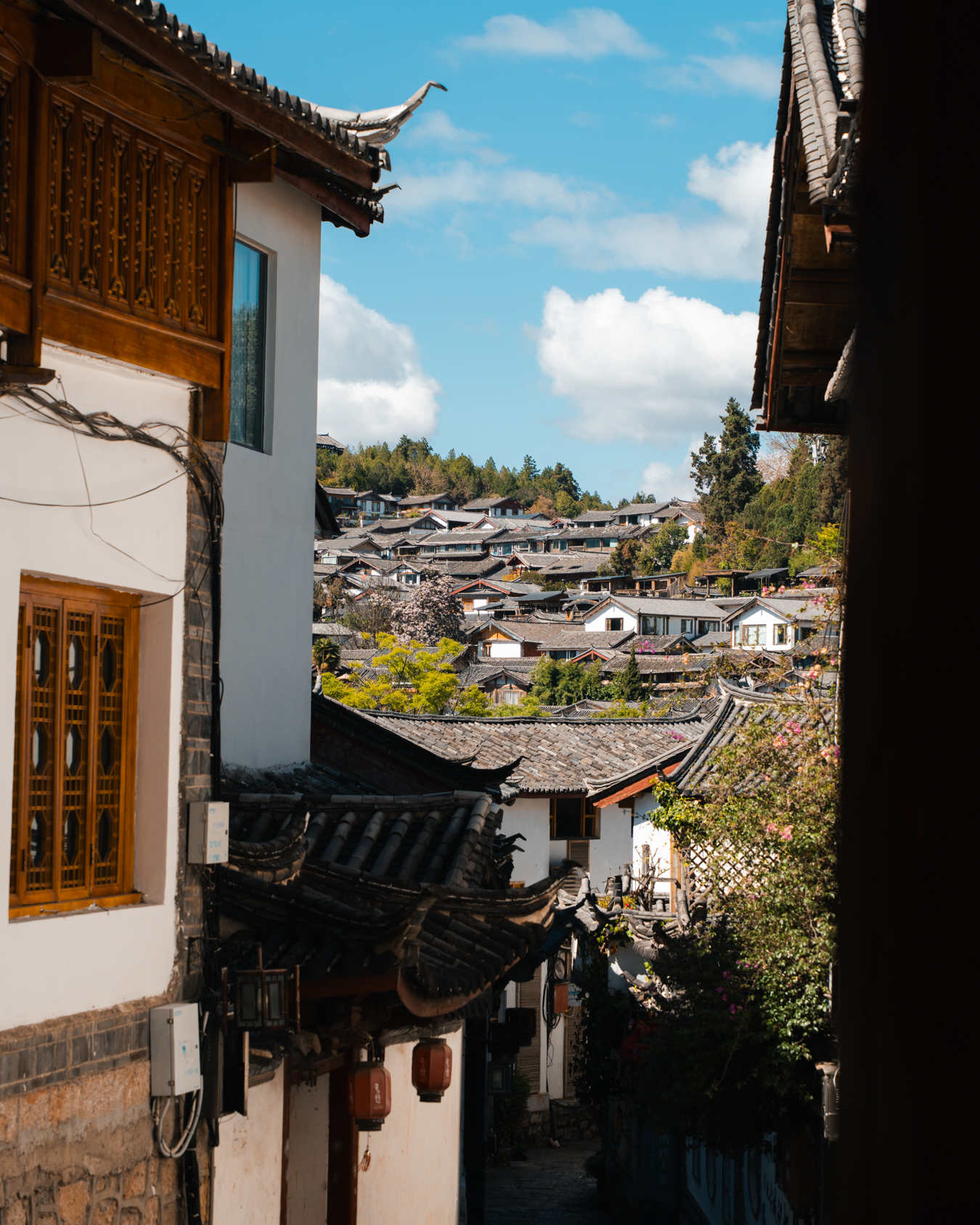
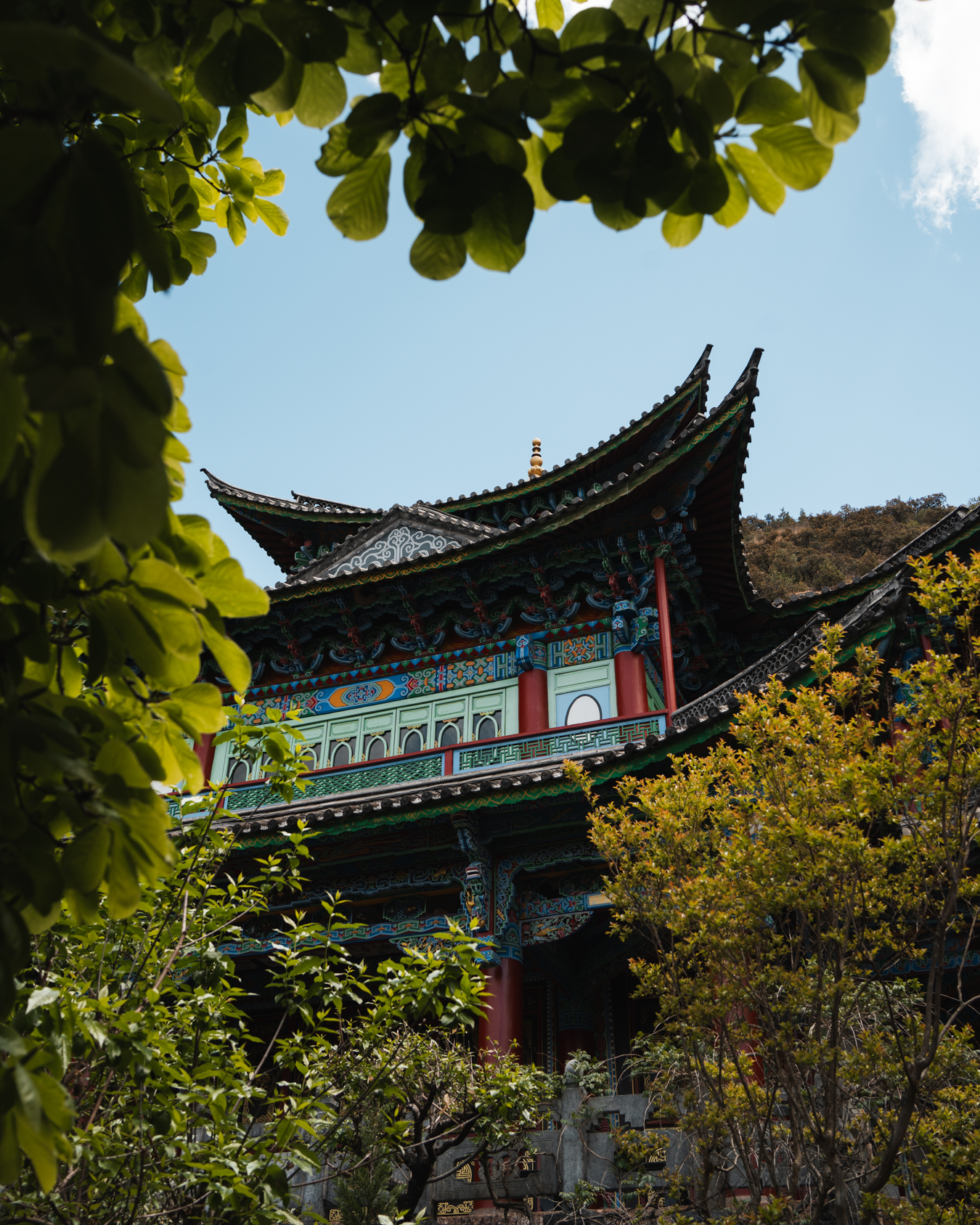
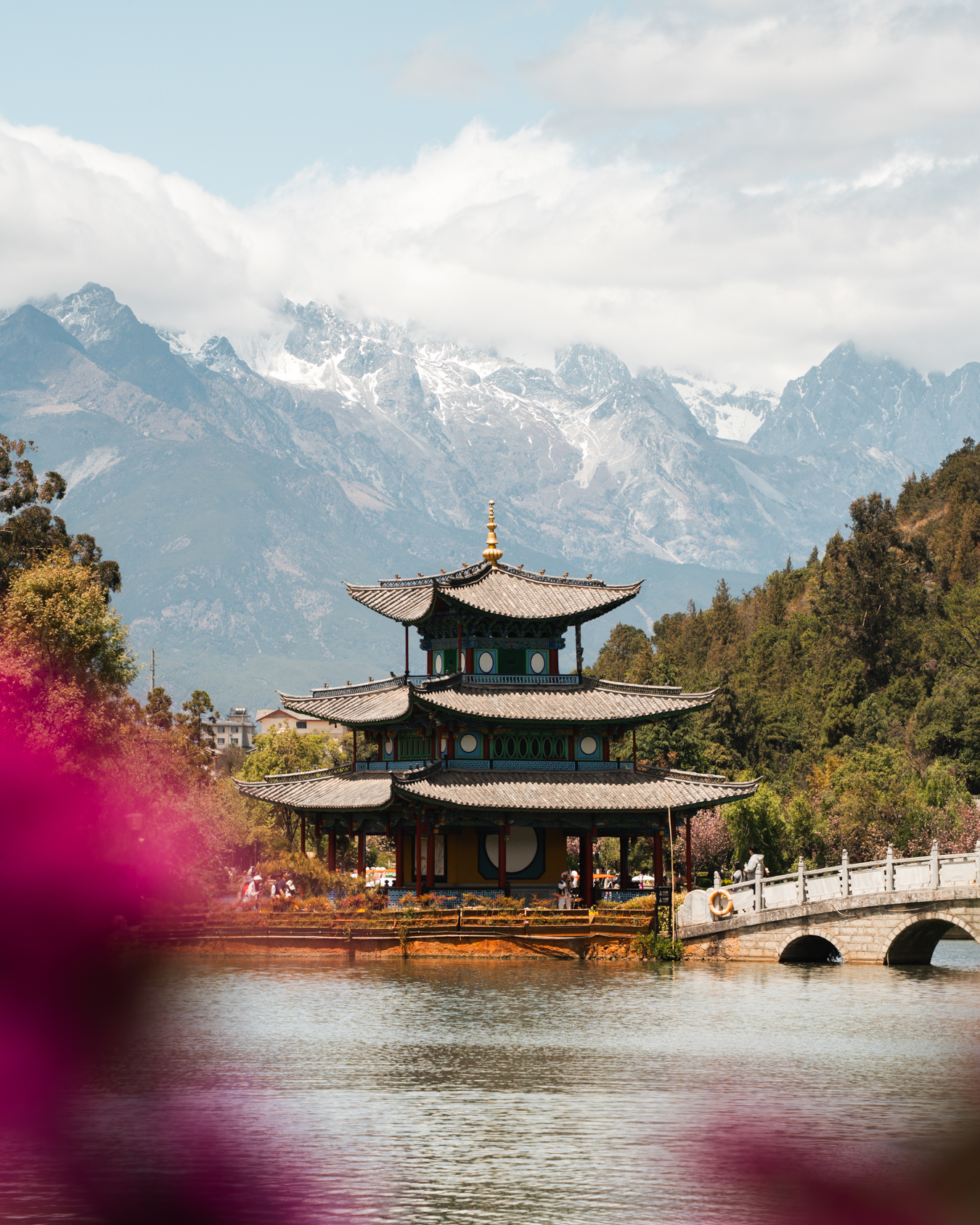
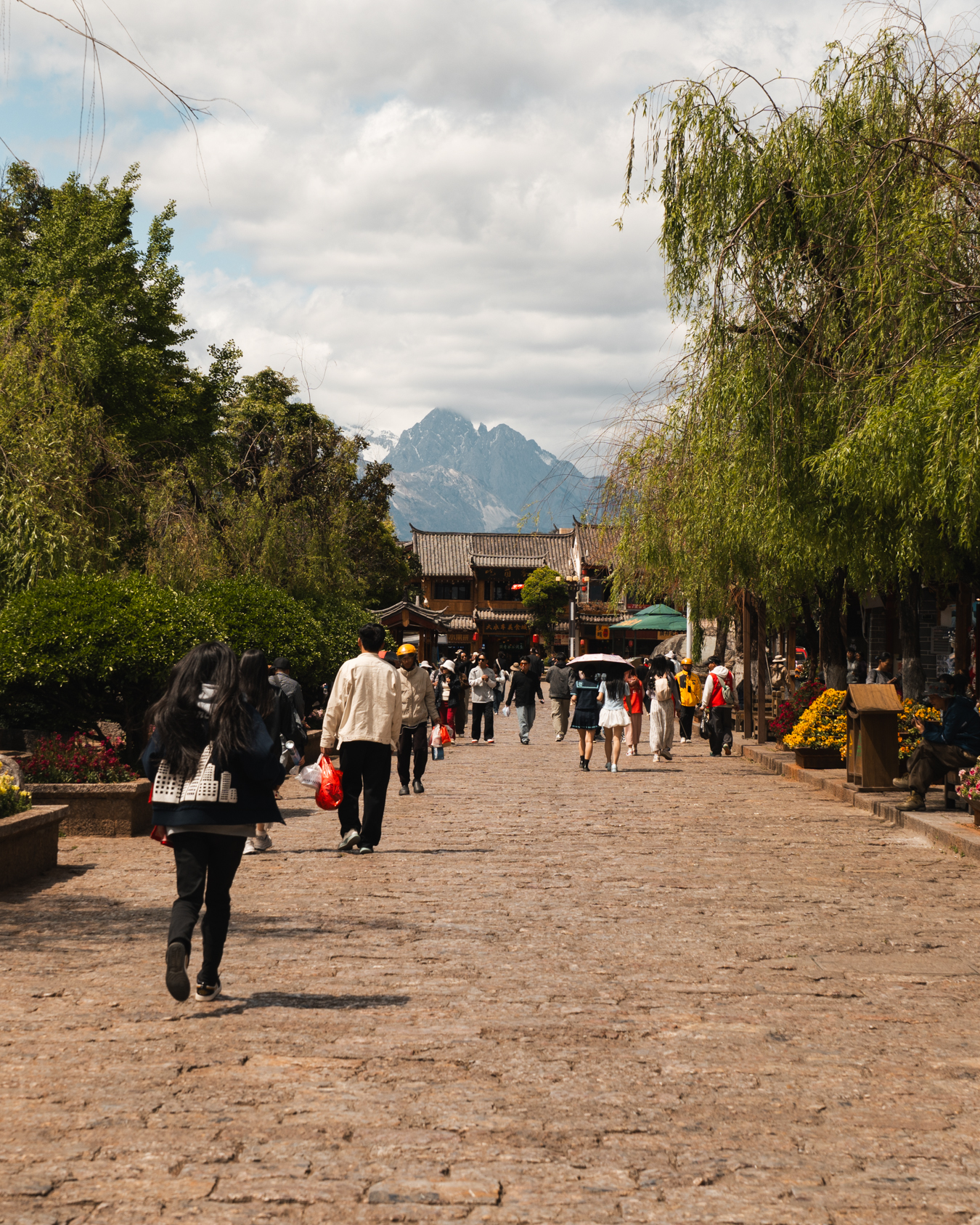
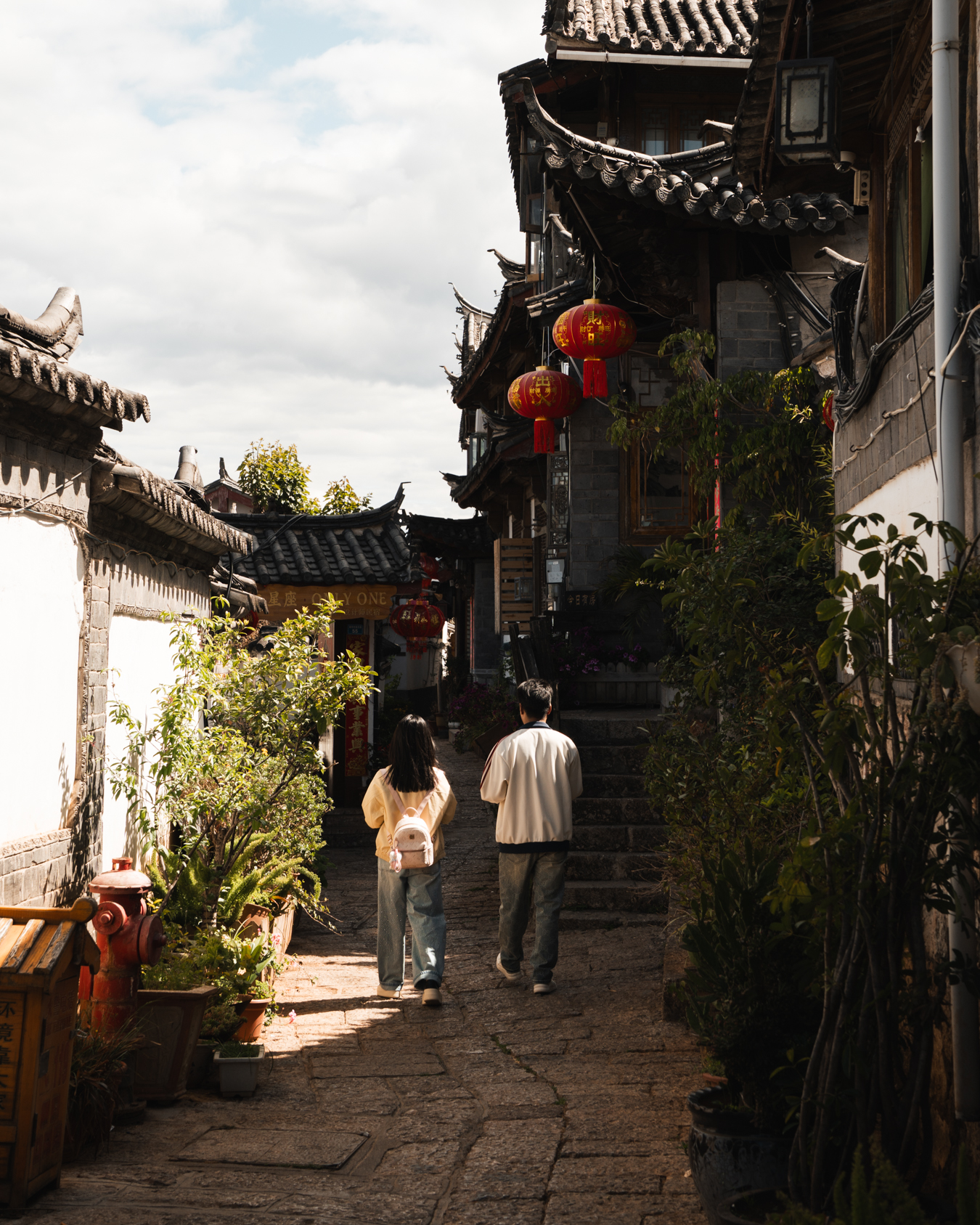
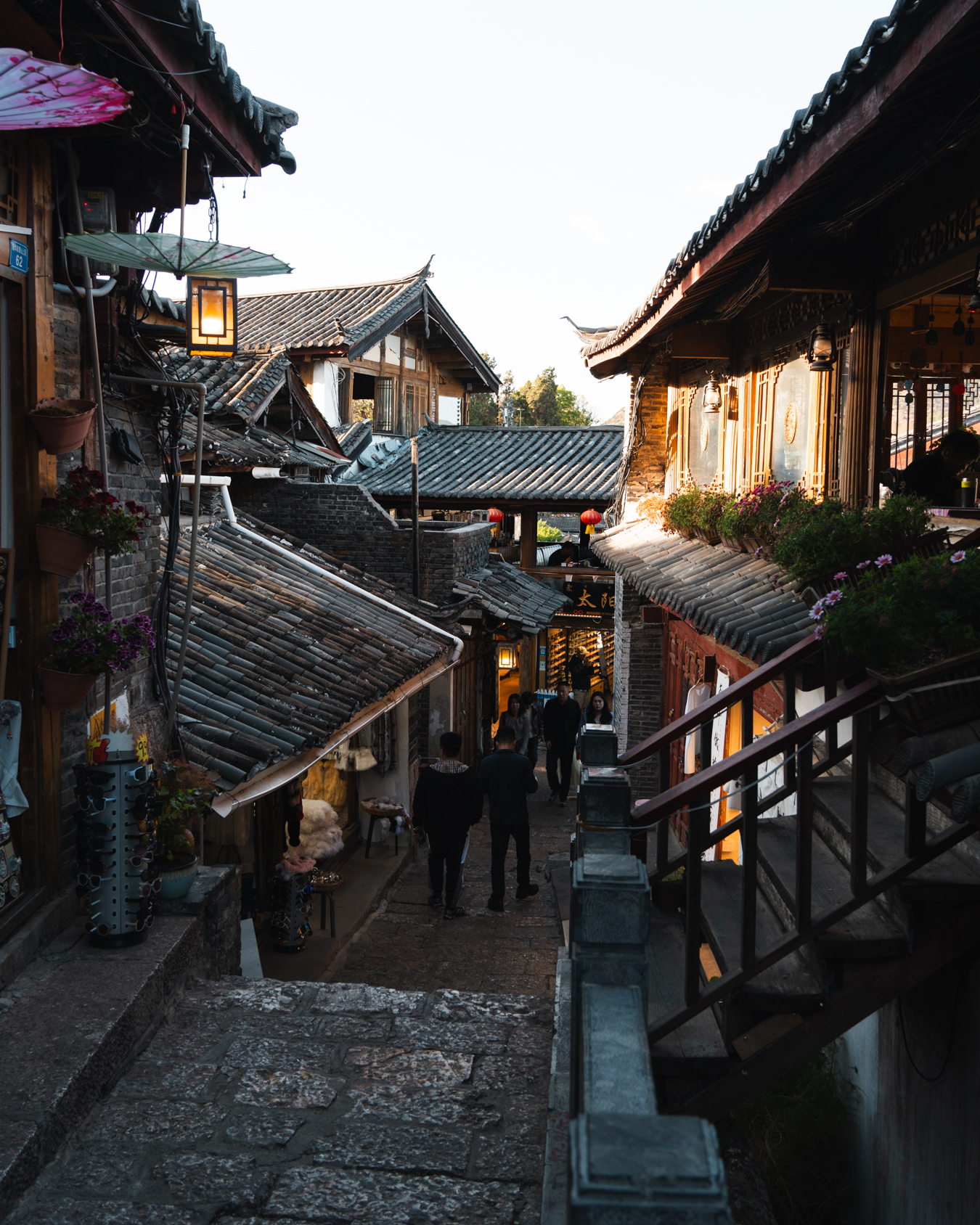
Arriving in Lijiang felt like stepping into a postcard. The old town is a maze of cobbled alleys, stone bridges and traditional wooden buildings, with streams flowing through nearly every corner. Surrounded by mountains and rich in history, it is easy to understand why Lijiang has become one of China’s most famous destinations.
At the same time, it was impossible to ignore just how popular the city has become. The historic centre was often packed with visitors, souvenir shops and commercial activity. While the beauty of the town remained undeniable, there were moments when it felt more like an attraction than a living old town.
Fortunately, one part of Lijiang exceeded all expectations: the food.
Every evening, the streets around the old town transformed into a giant open-air food market. Stalls lined the alleyways, each offering something different, from grilled meats and dumplings to local Yunnan specialities and snacks we had never seen before. The variety was so impressive that we ended up returning both nights, happily sampling our way through the city instead of searching for restaurants.
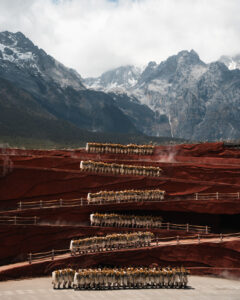
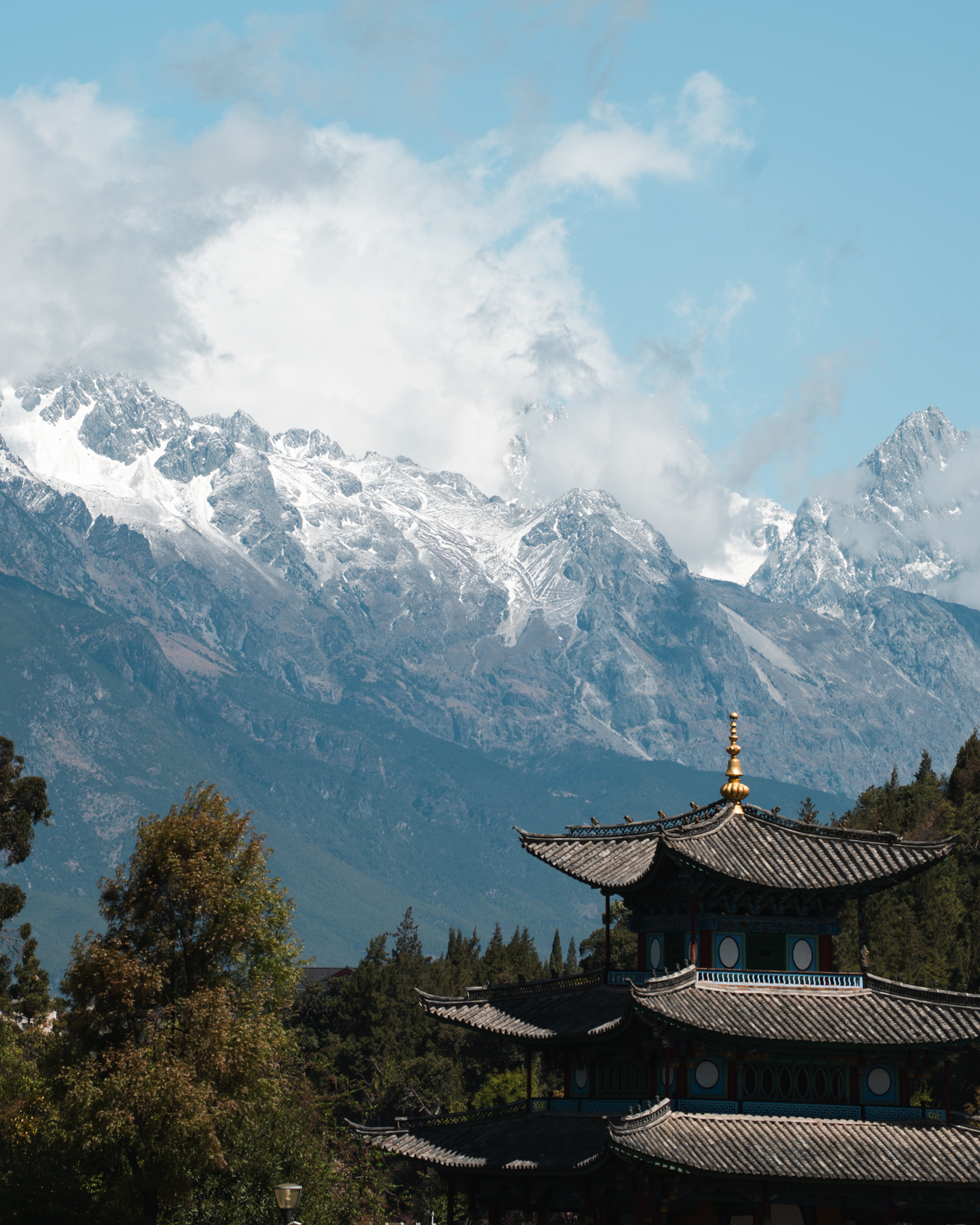
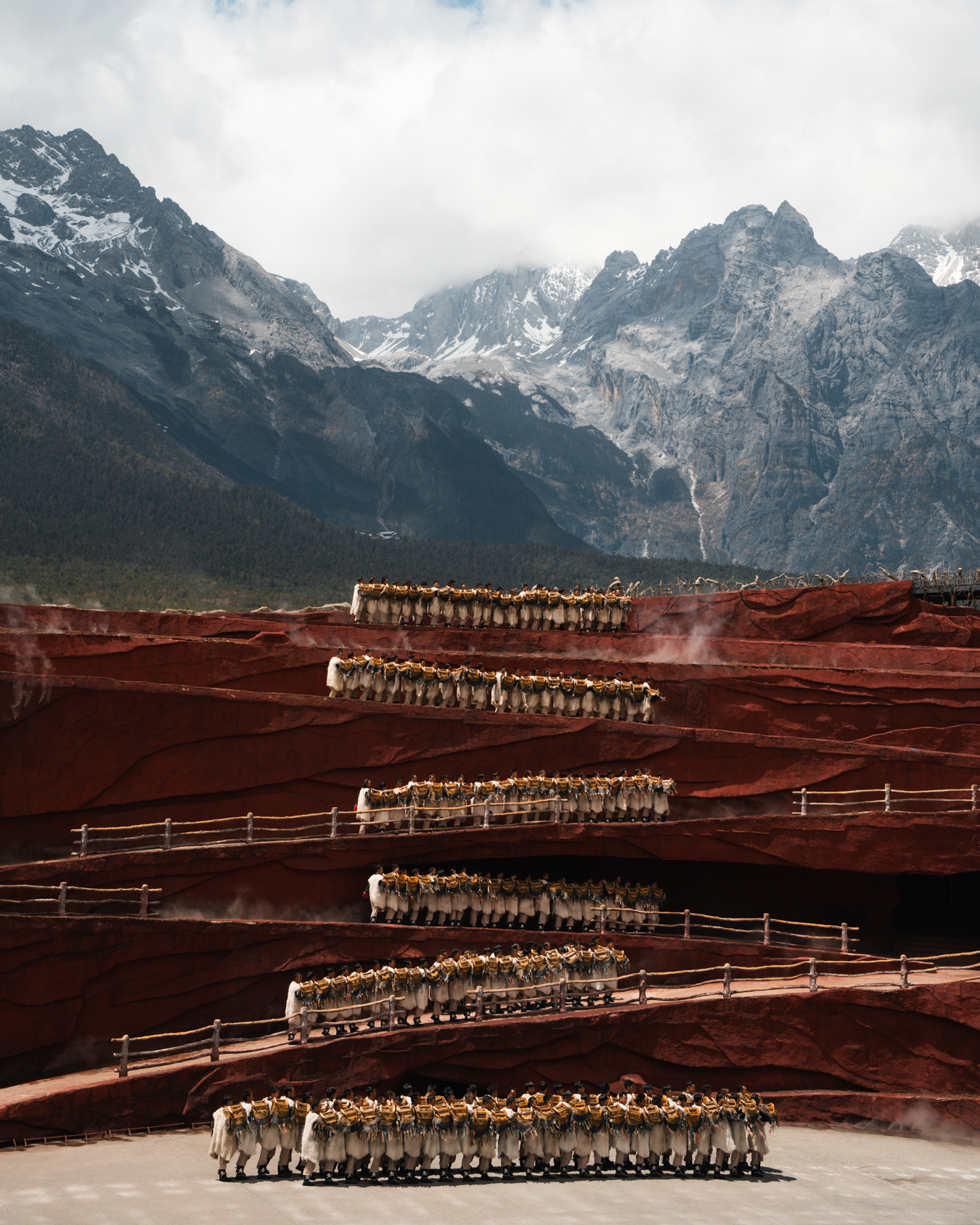
One of the highlights of our stay was a day trip to the famous Impression Lijiang show. Set against the dramatic backdrop of Jade Dragon Snow Mountain (Yulong Xueshan), the open-air performance combines music, dance and local culture on a scale that is difficult to describe. Even for travellers who are normally sceptical of large tourist productions, the setting alone makes it a memorable experience.
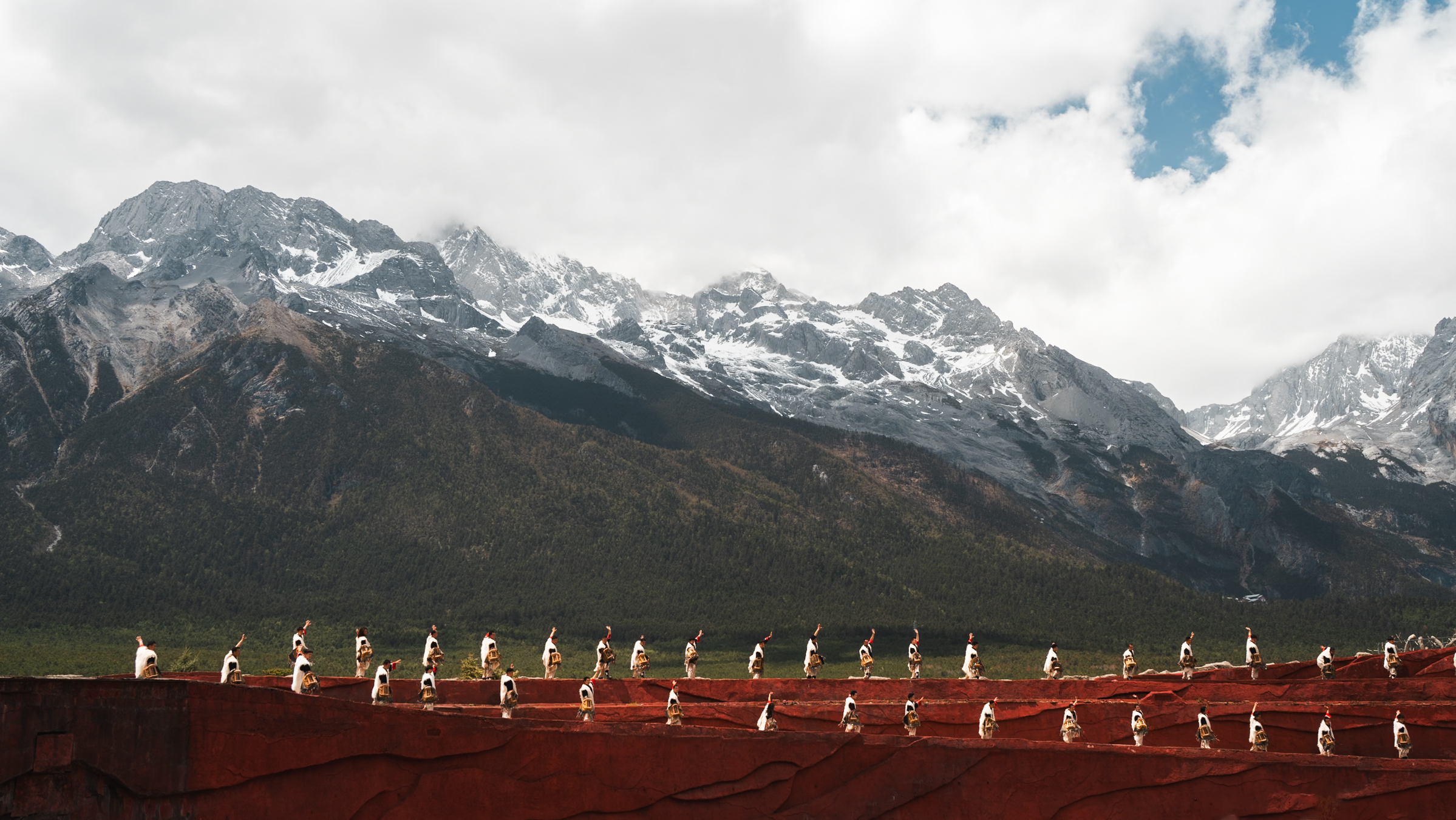
After the show, we hoped to explore more of the surrounding mountain landscapes. Unfortunately, this turned out to be one of the biggest disappointments of our time in Lijiang.
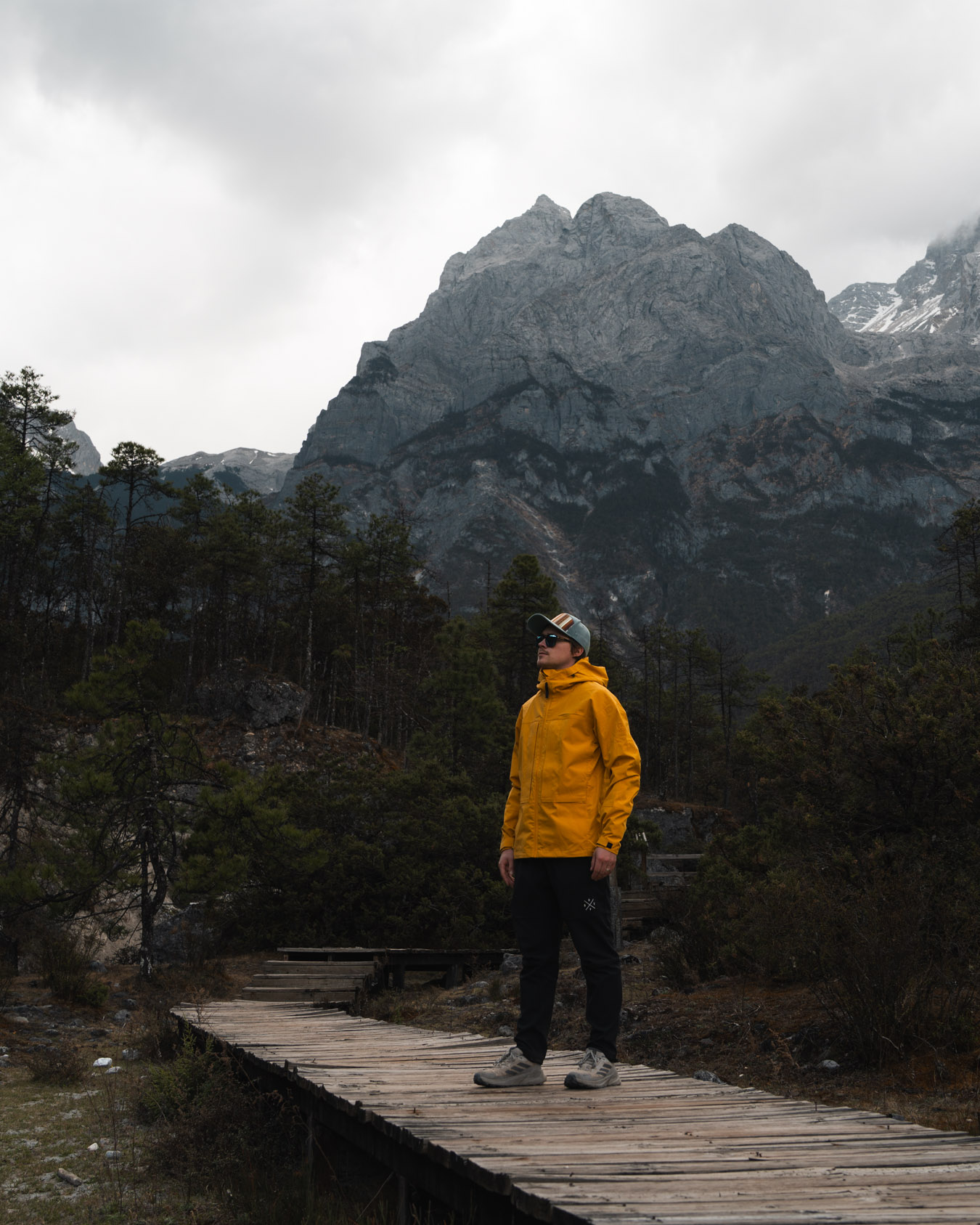
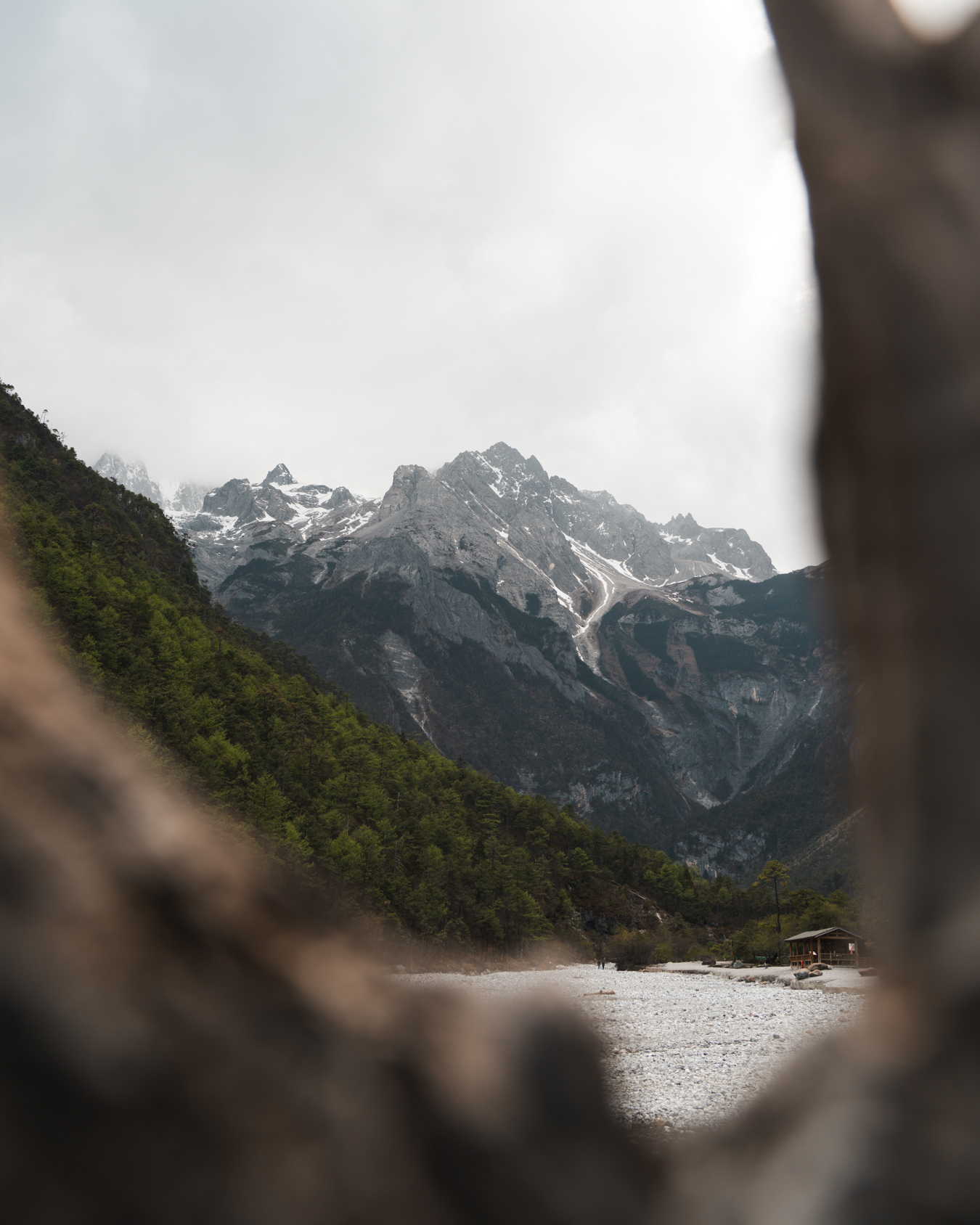
Access to the Jade Dragon Snow Mountain scenic area was highly controlled. Visitors are required to use shuttle buses, follow designated routes and remain within fenced pathways. Combined with the huge crowds, the experience felt far removed from the freedom and sense of adventure we usually seek when travelling. Instead of exploring the mountains, we often found ourselves moving from one viewing platform to another alongside hundreds of other visitors.
Looking back, we probably would have enjoyed spending that day hiking in the less-visited mountains surrounding Lijiang. One option that particularly caught our attention afterwards was the Laojunshan area, where trails lead through alpine landscapes, forests and remote mountain scenery without the crowds and restrictions found in the national park.
Despite these frustrations, Lijiang was still a memorable introduction to China. Its beautiful old town, incredible street food culture and stunning mountain backdrop made it a place we are glad to have experienced. More importantly, it gave us our first glimpse of the incredible diversity that awaited us further north in Yunnan.
Highlights of Lijiang
- Lijiang Old Town
- Lijiang Impression show
- Black Dragon Pool
- Traditional Naxi culture
- Views towards Jade Dragon (Yulong) Snow Mountain
- Atmospheric street photography
Shangri-La – The Cultural Highlight of Our China Trip
If Lijiang was the beginning of the journey, Shangri-La was where everything shifted.
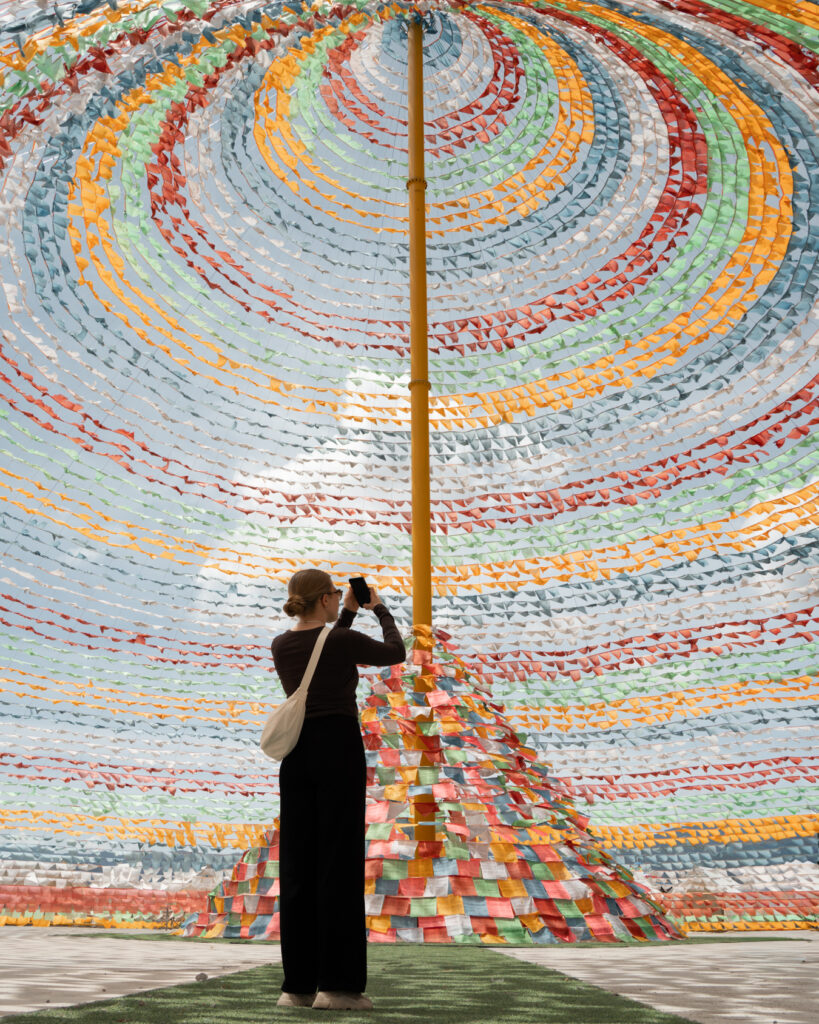
The train ride toward Tibetan plateau alone felt like entering another altitude of reality. Forests slowly gave way to open valleys, prayer flags started appearing along the train tracks, and the air grew thinner and sharper. By the time we reached Shangri-La, we were no longer in the same version of China we had started in.
This is where Tibetan culture becomes the heart of everything.
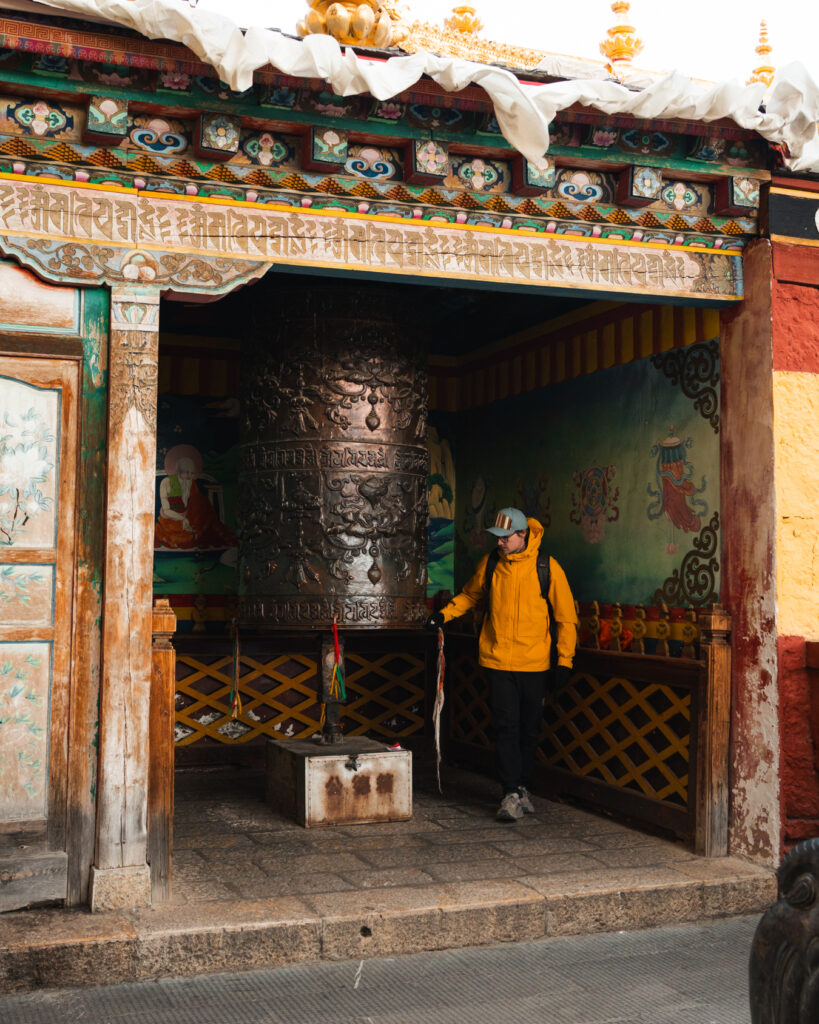
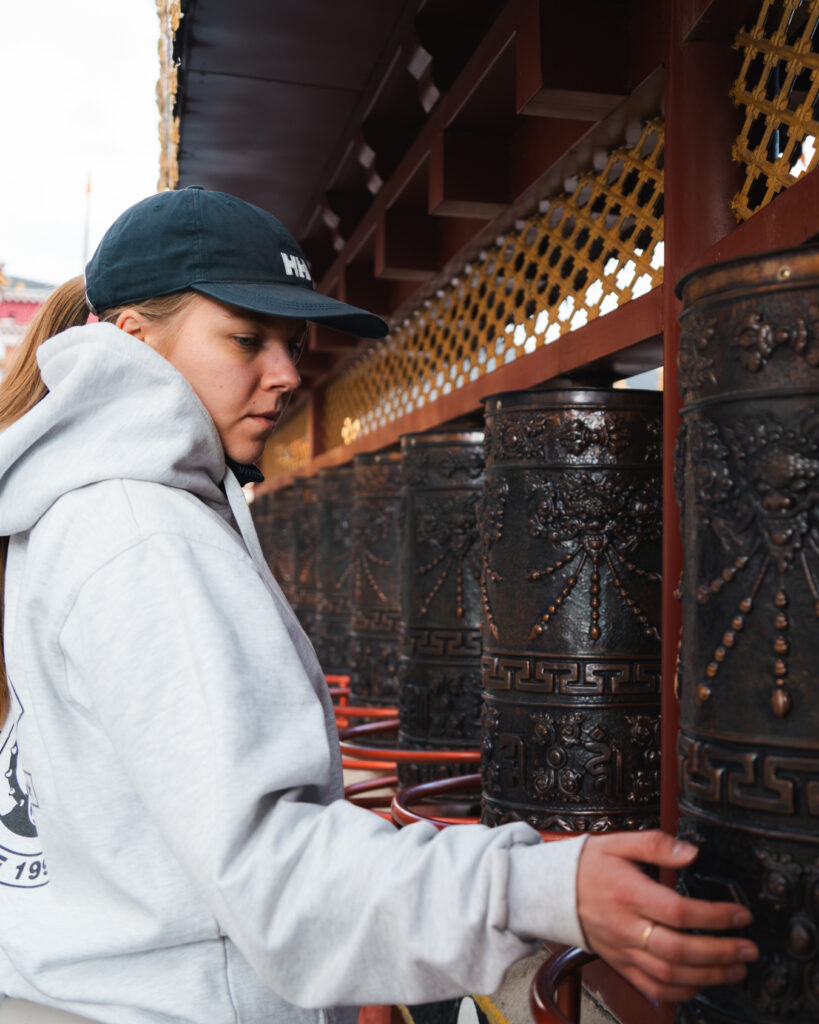
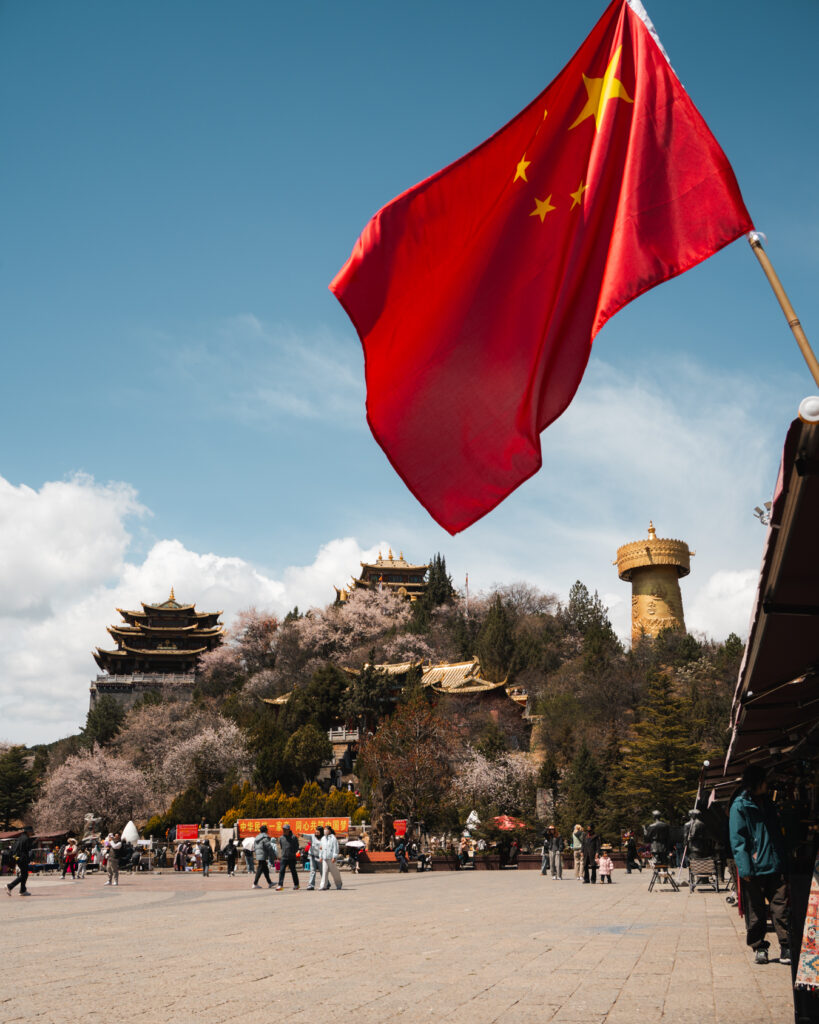
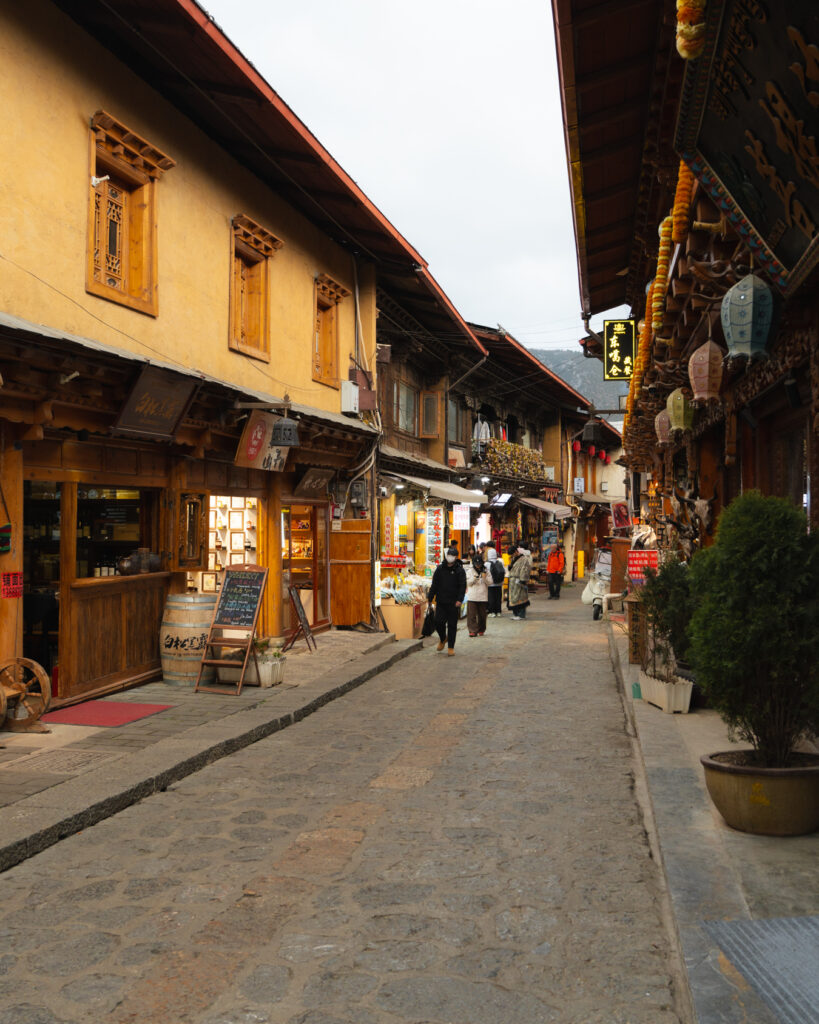
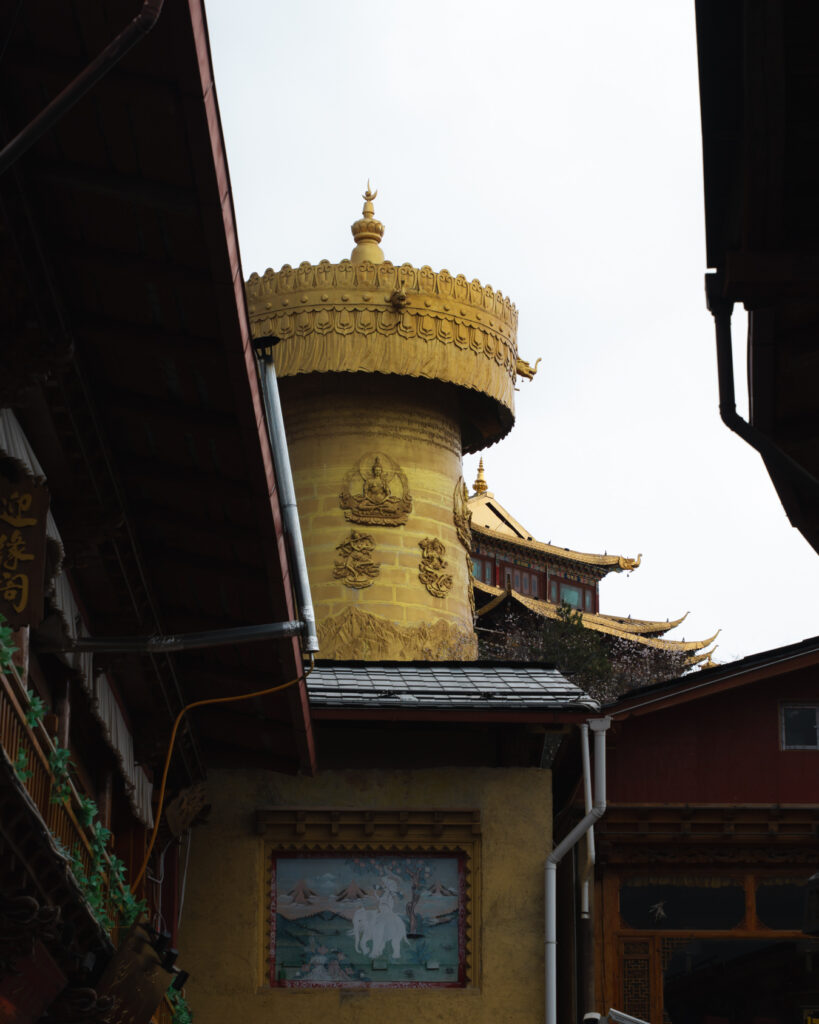
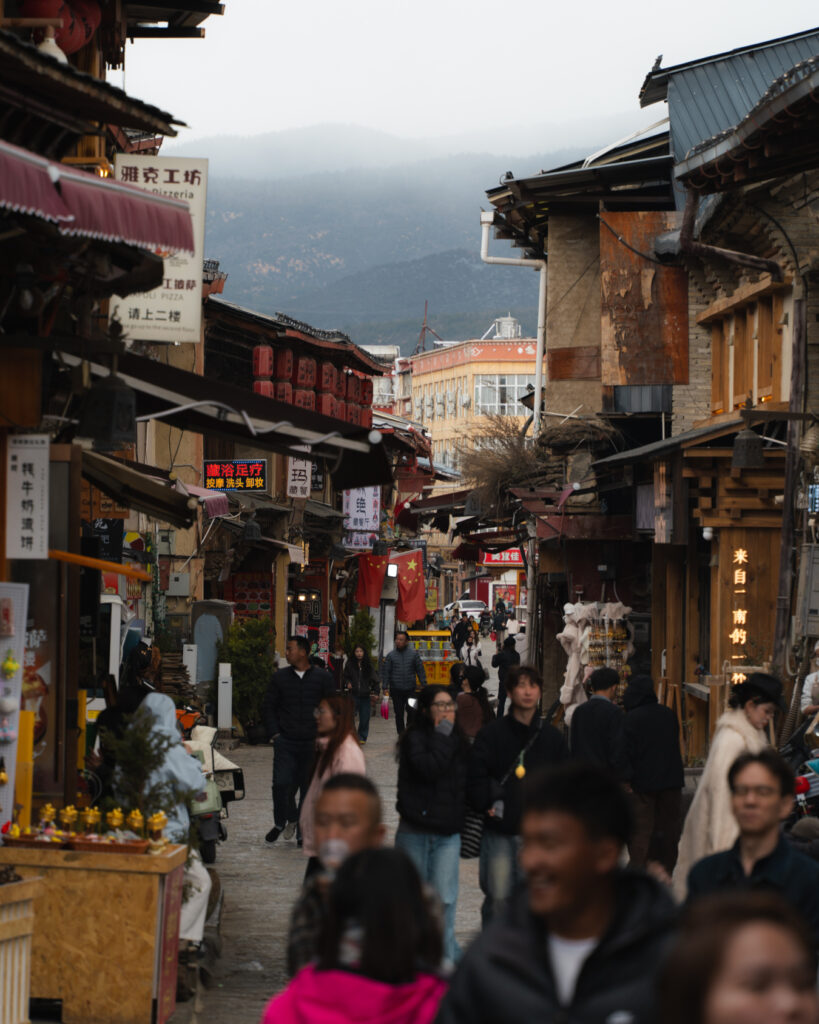
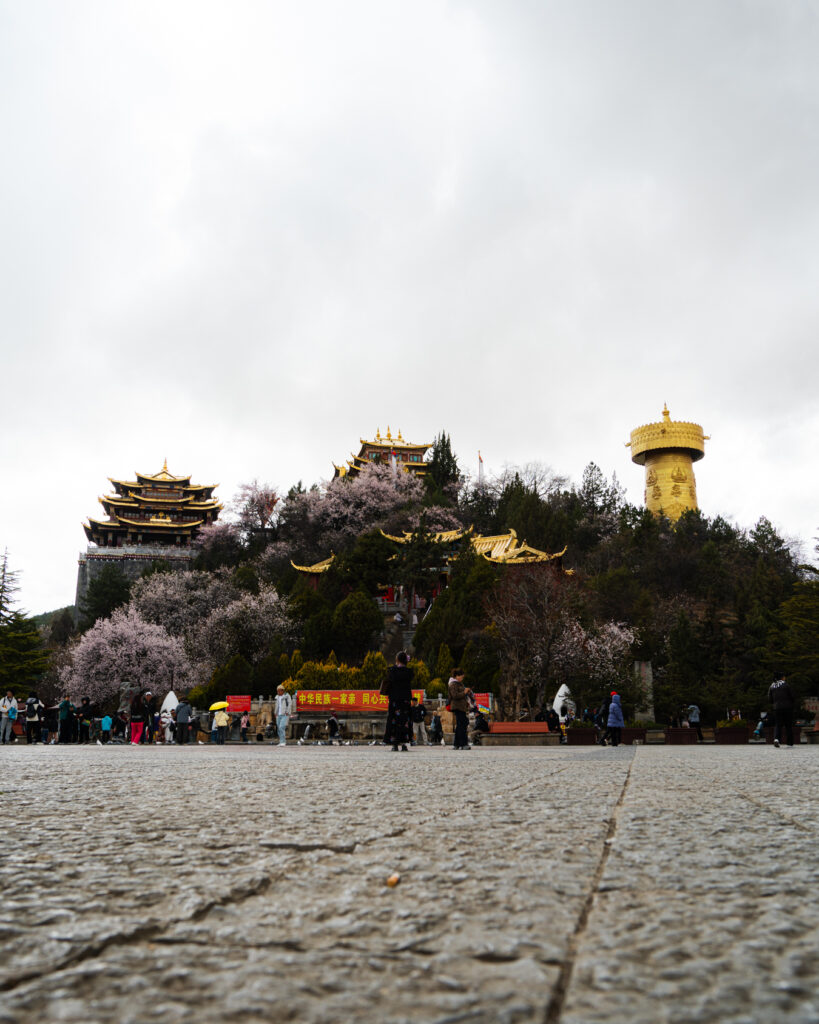
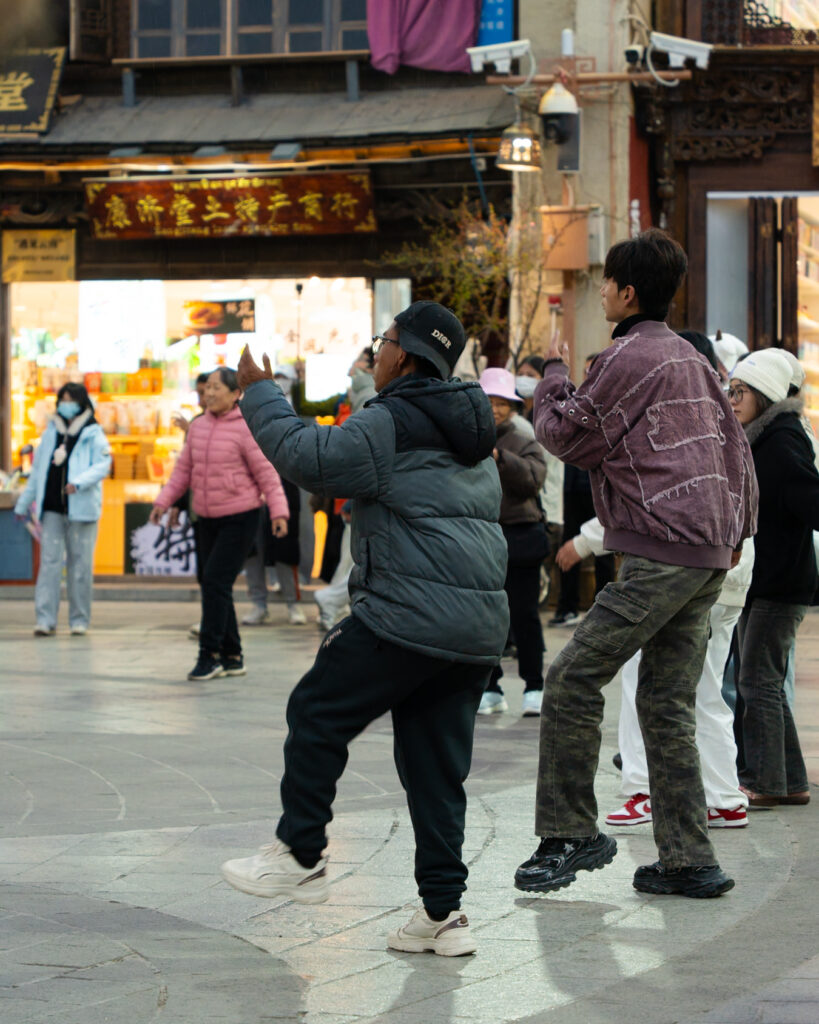
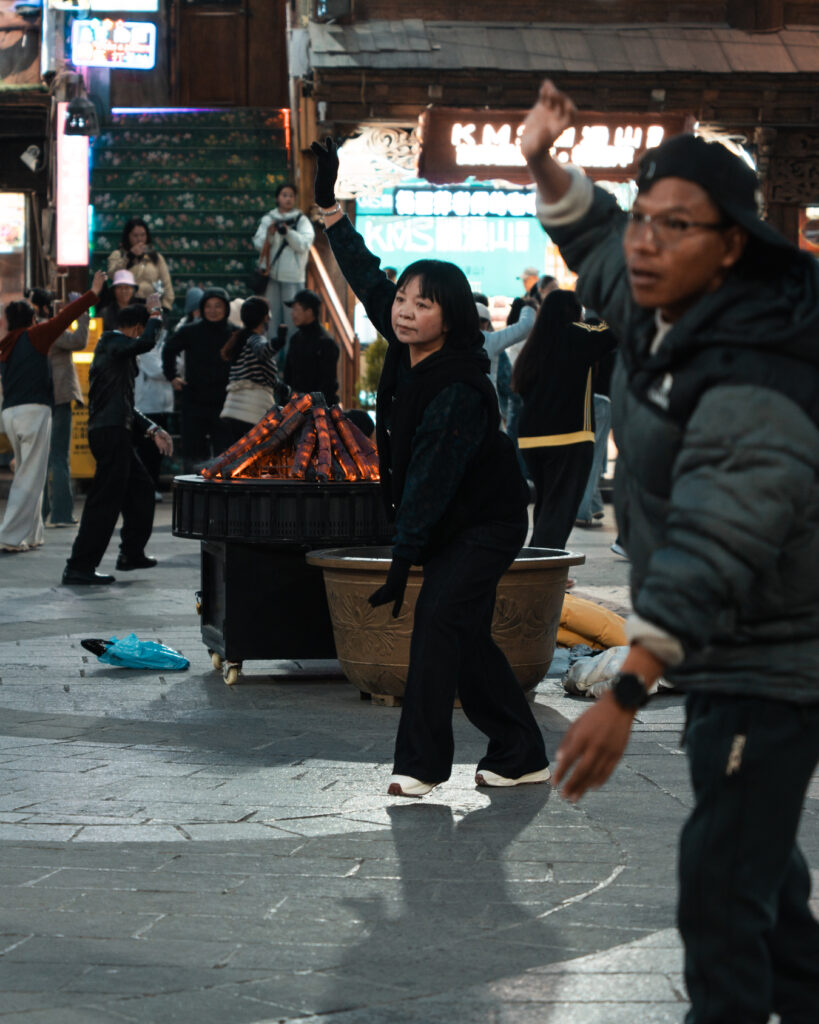
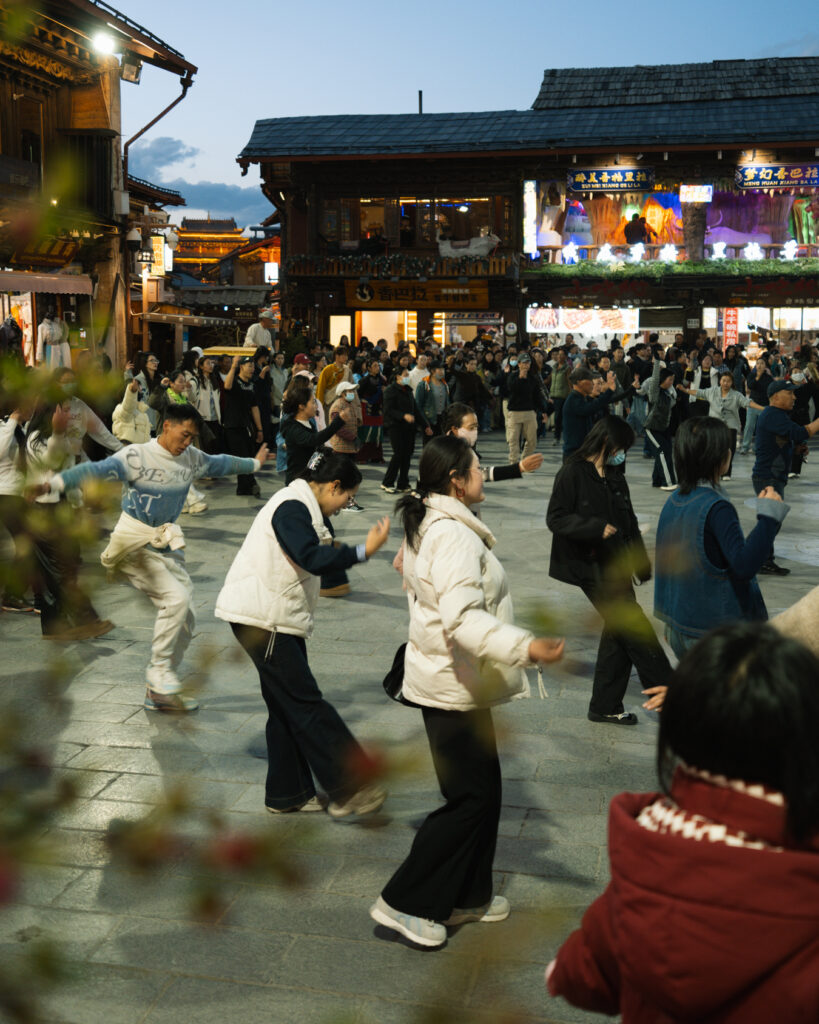
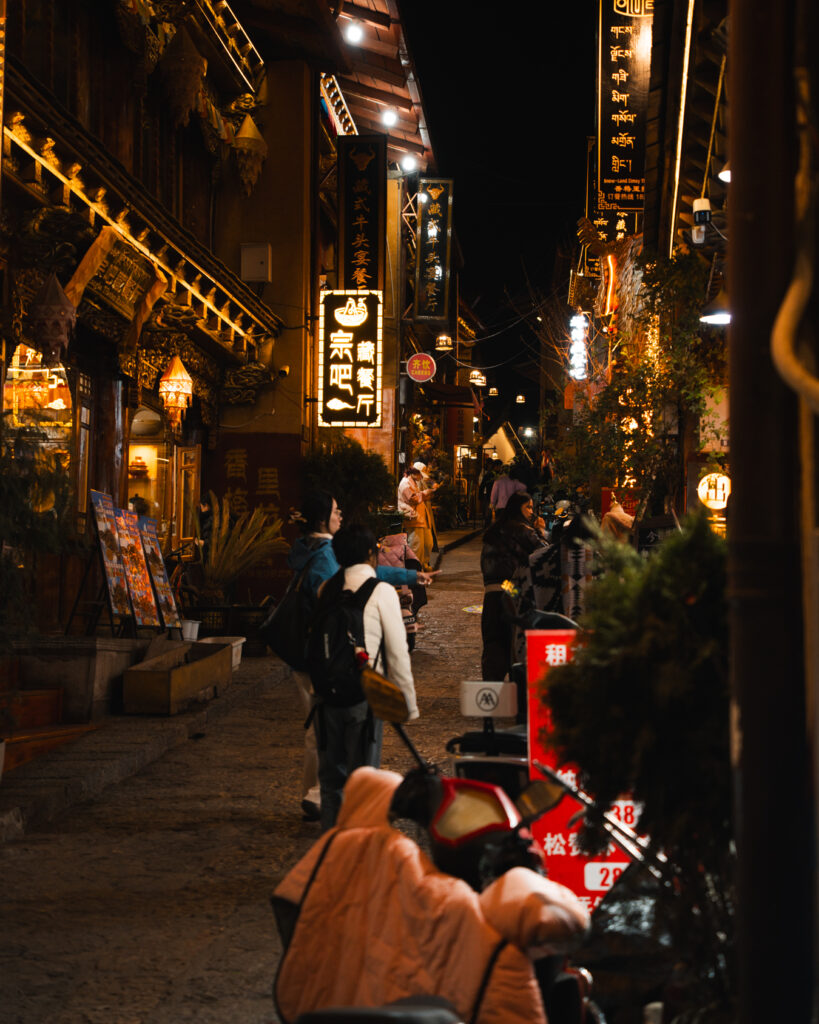
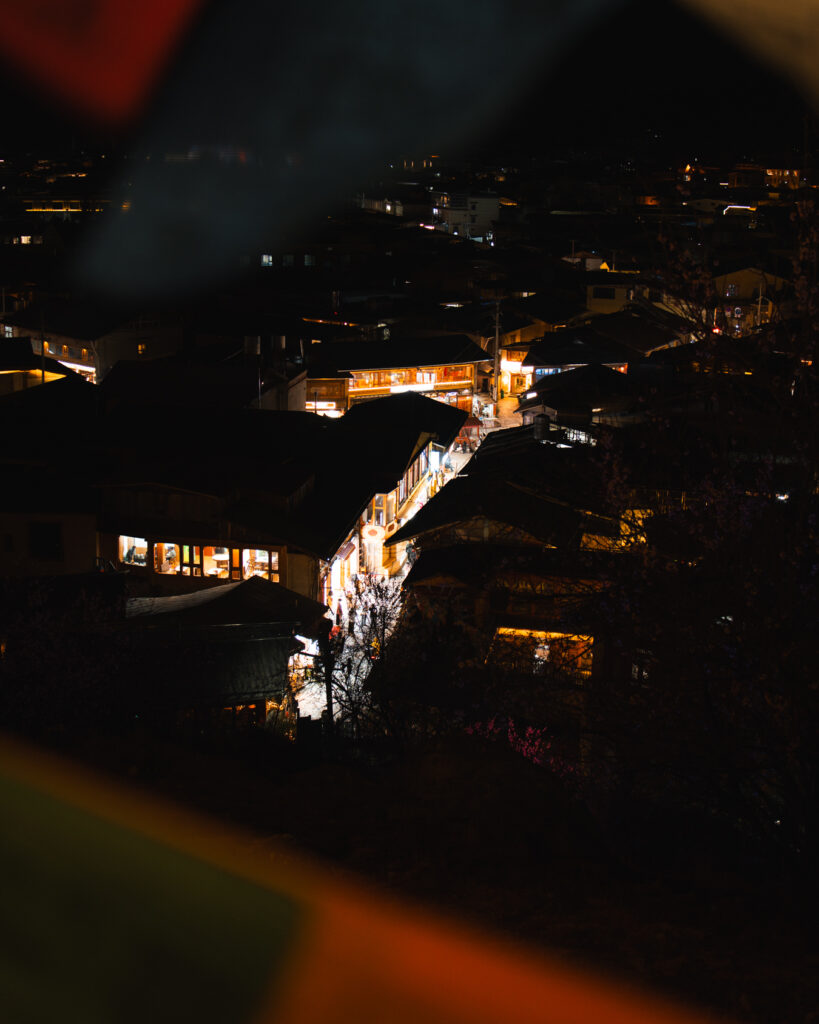
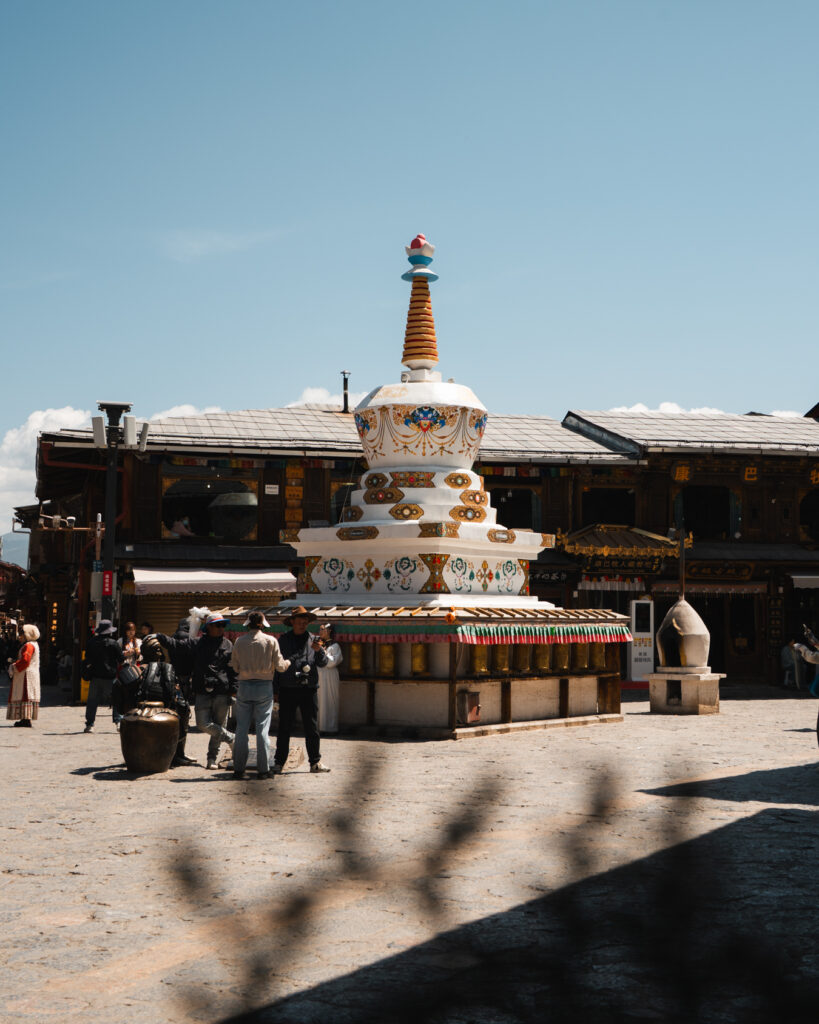
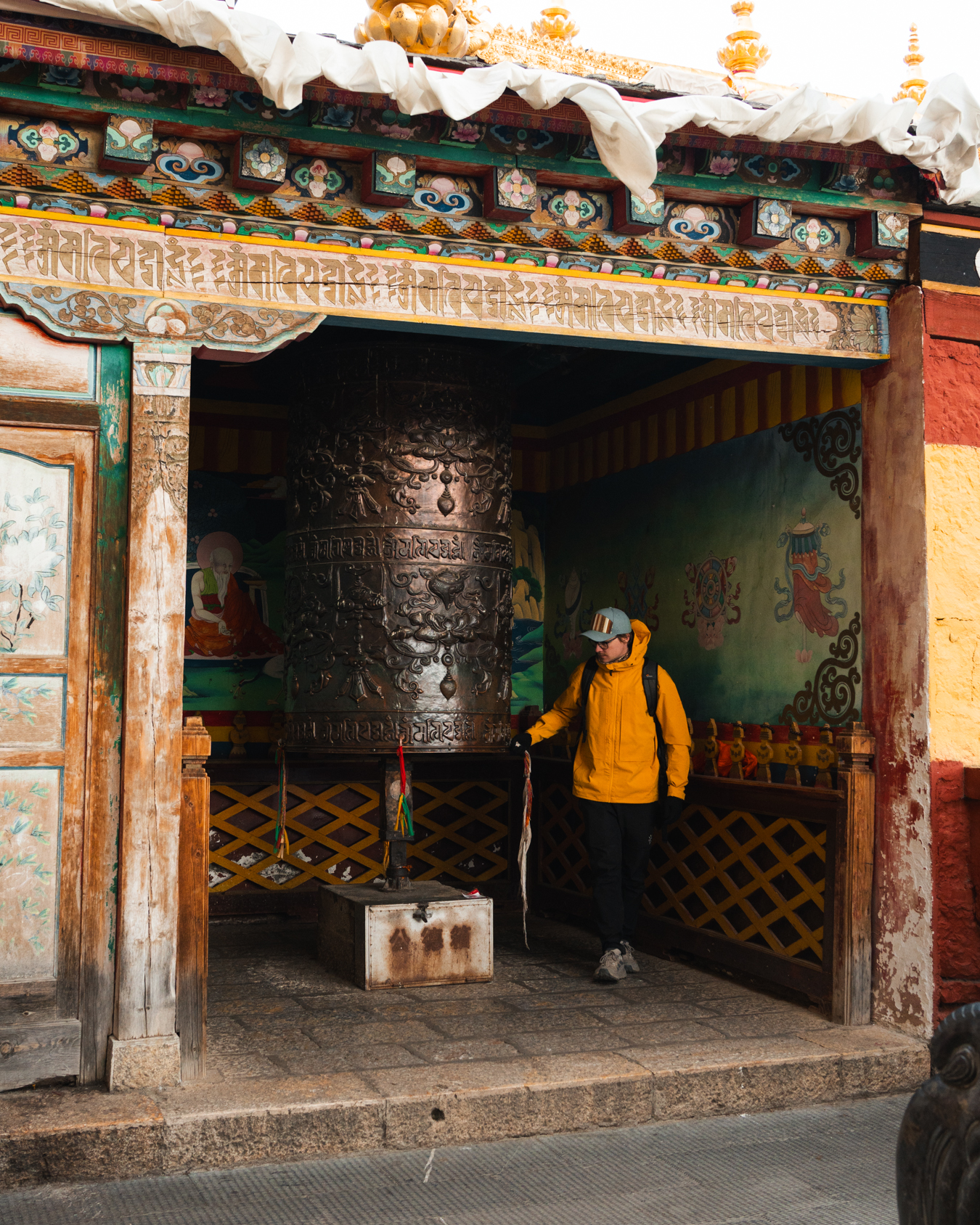
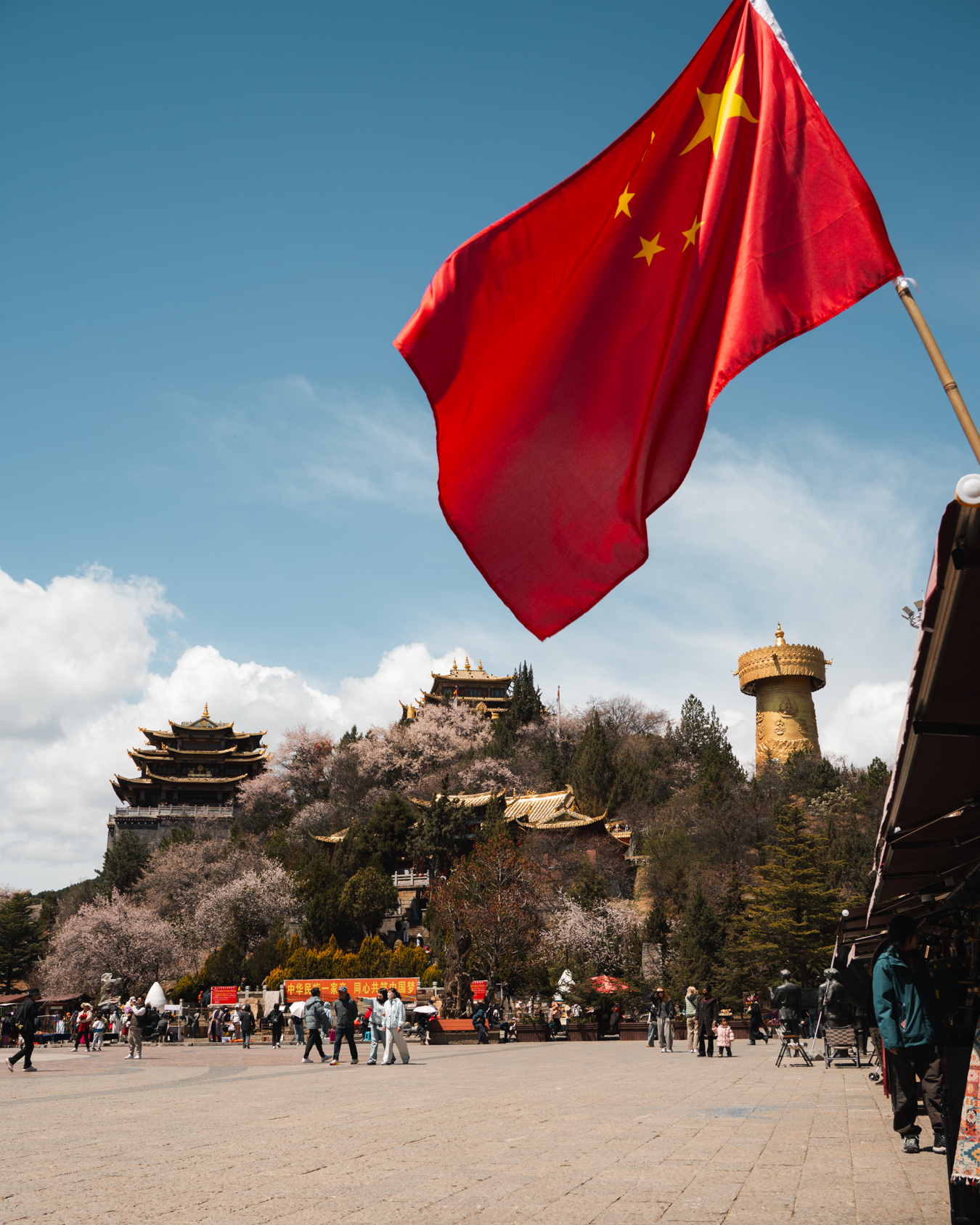
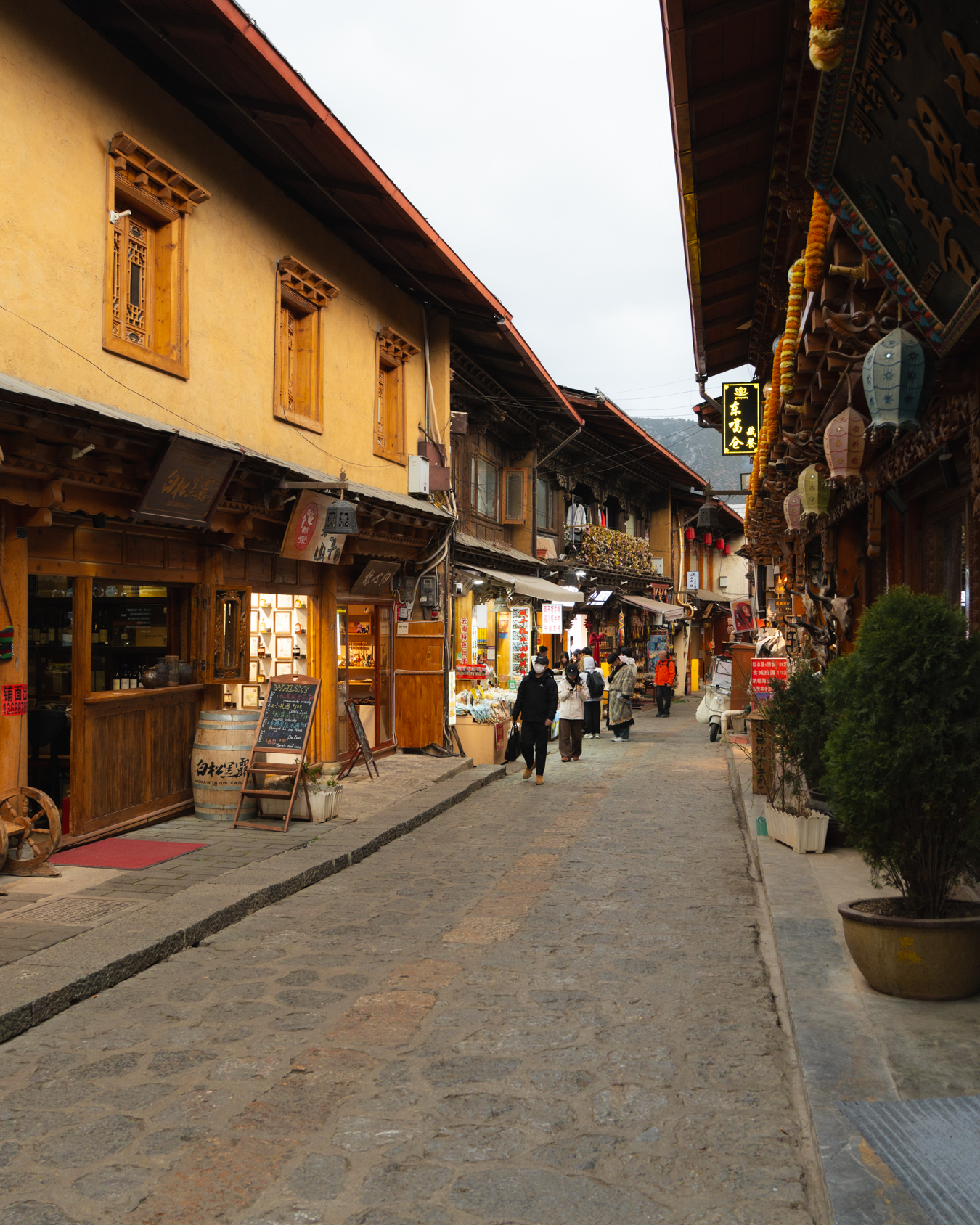
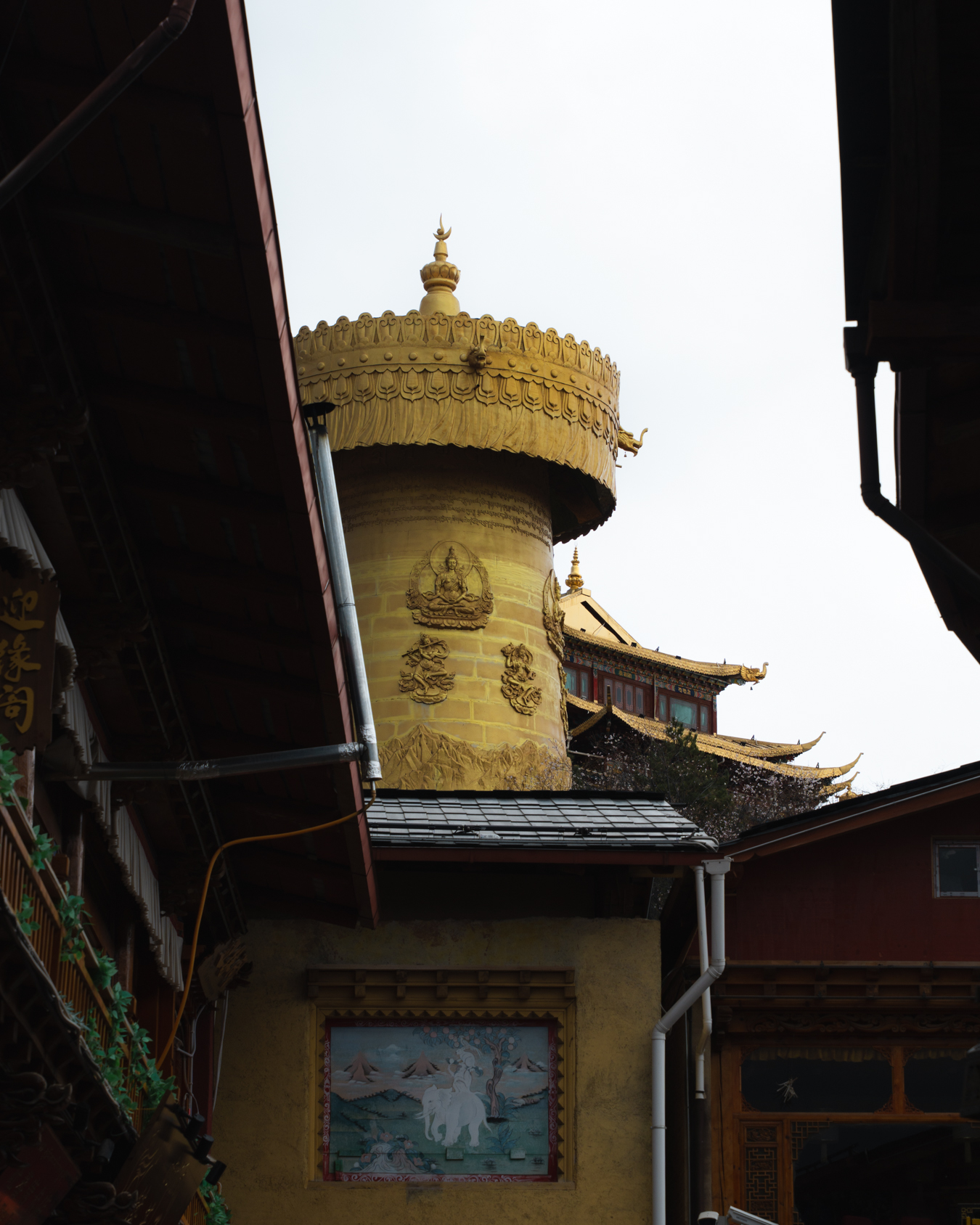
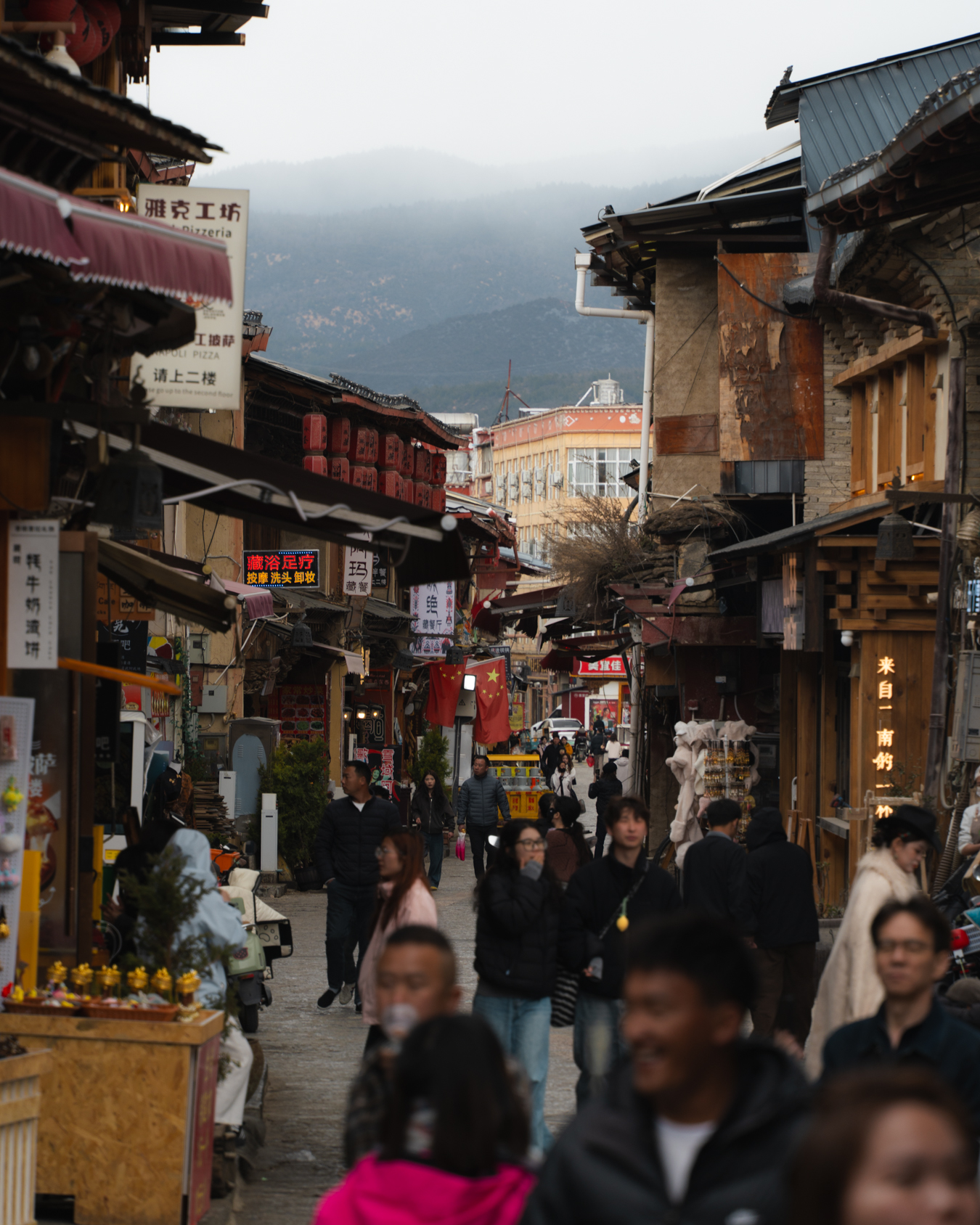
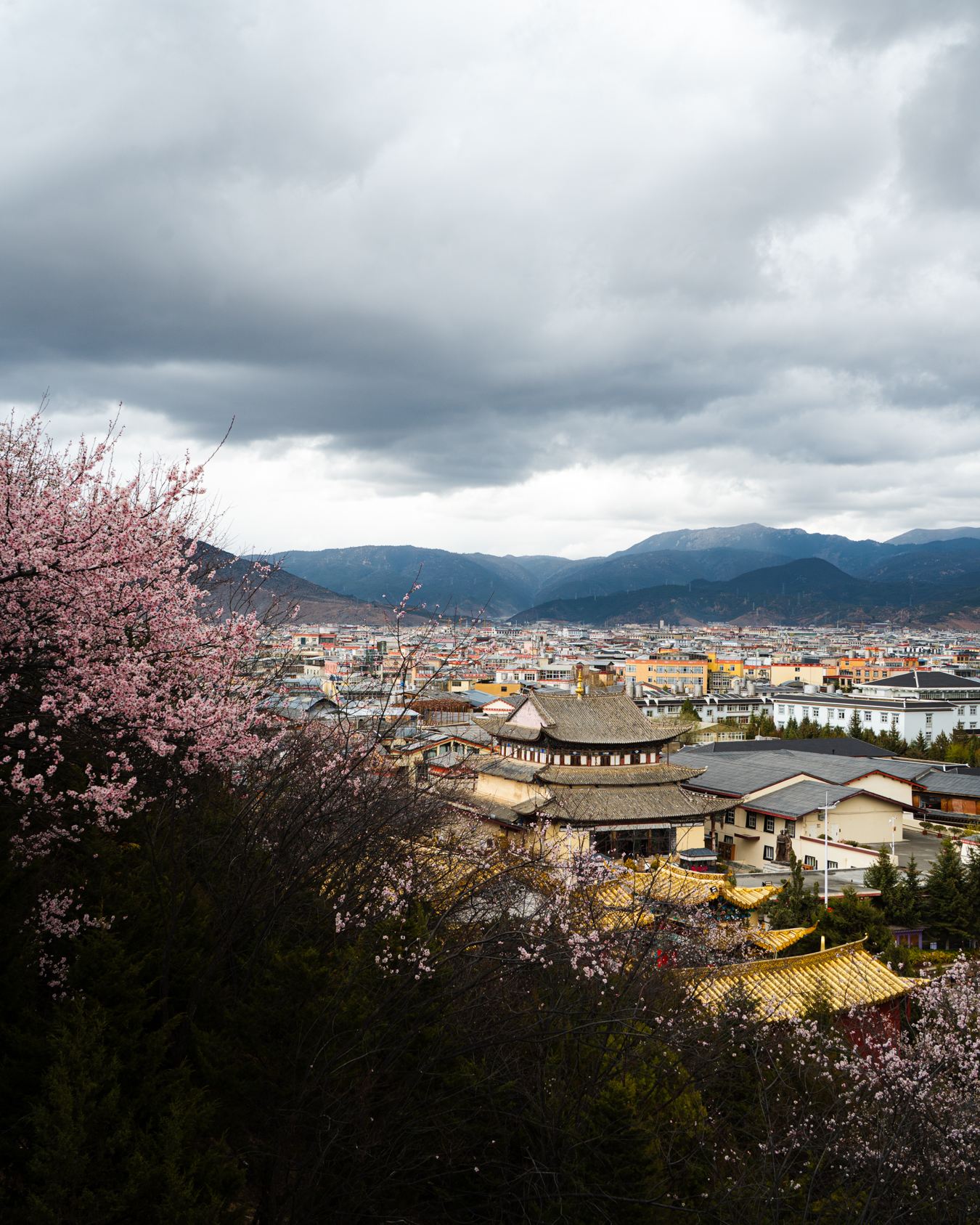
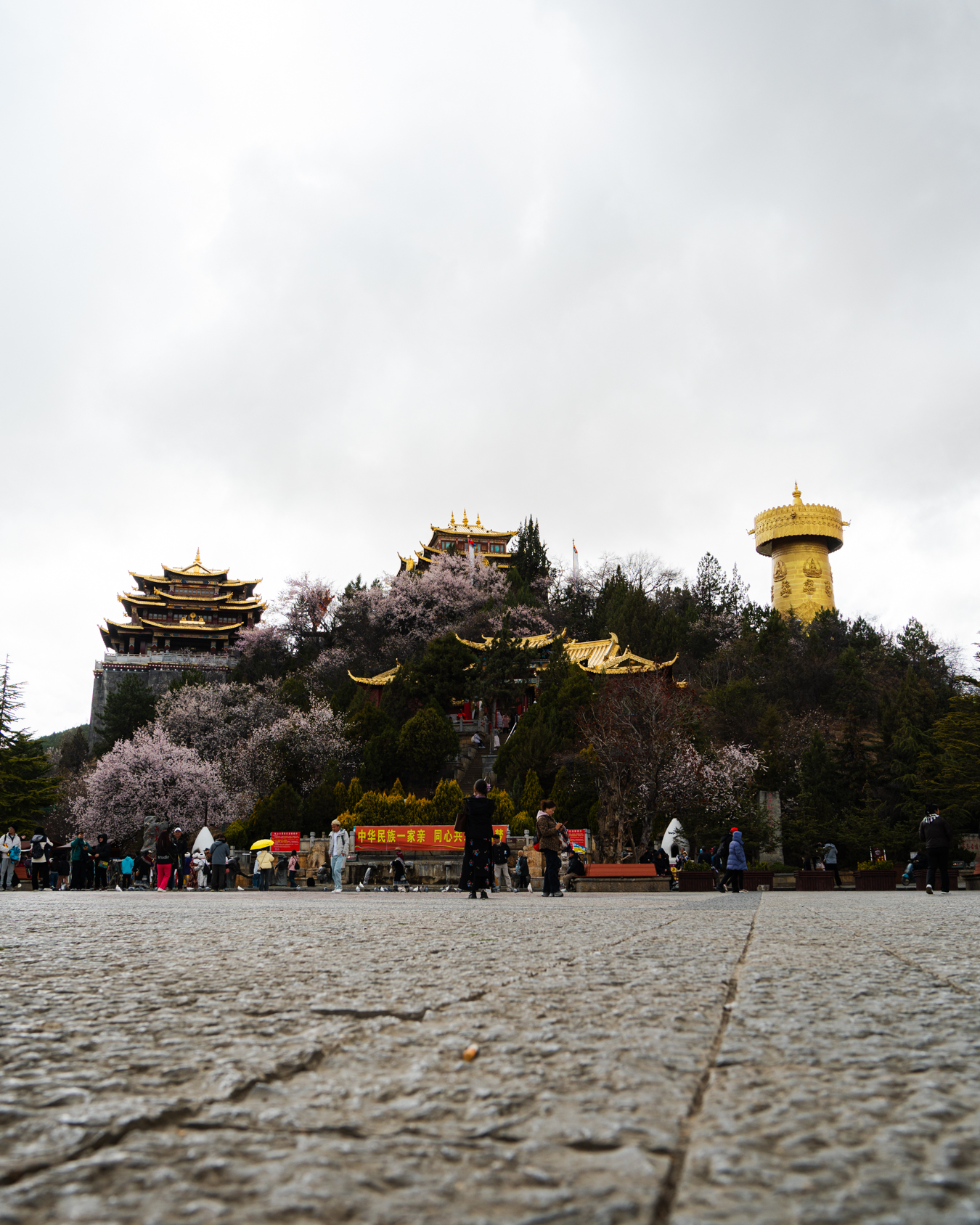
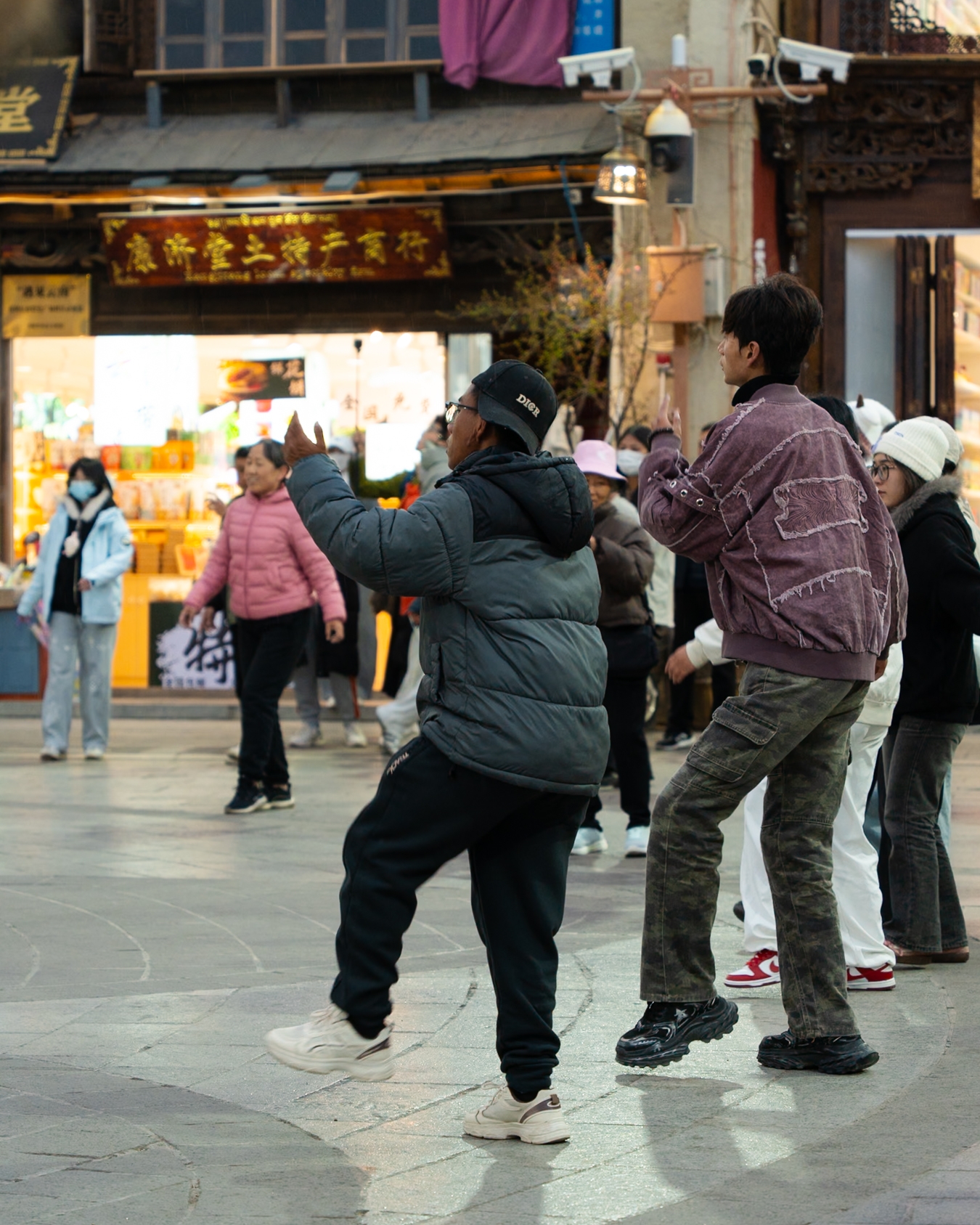
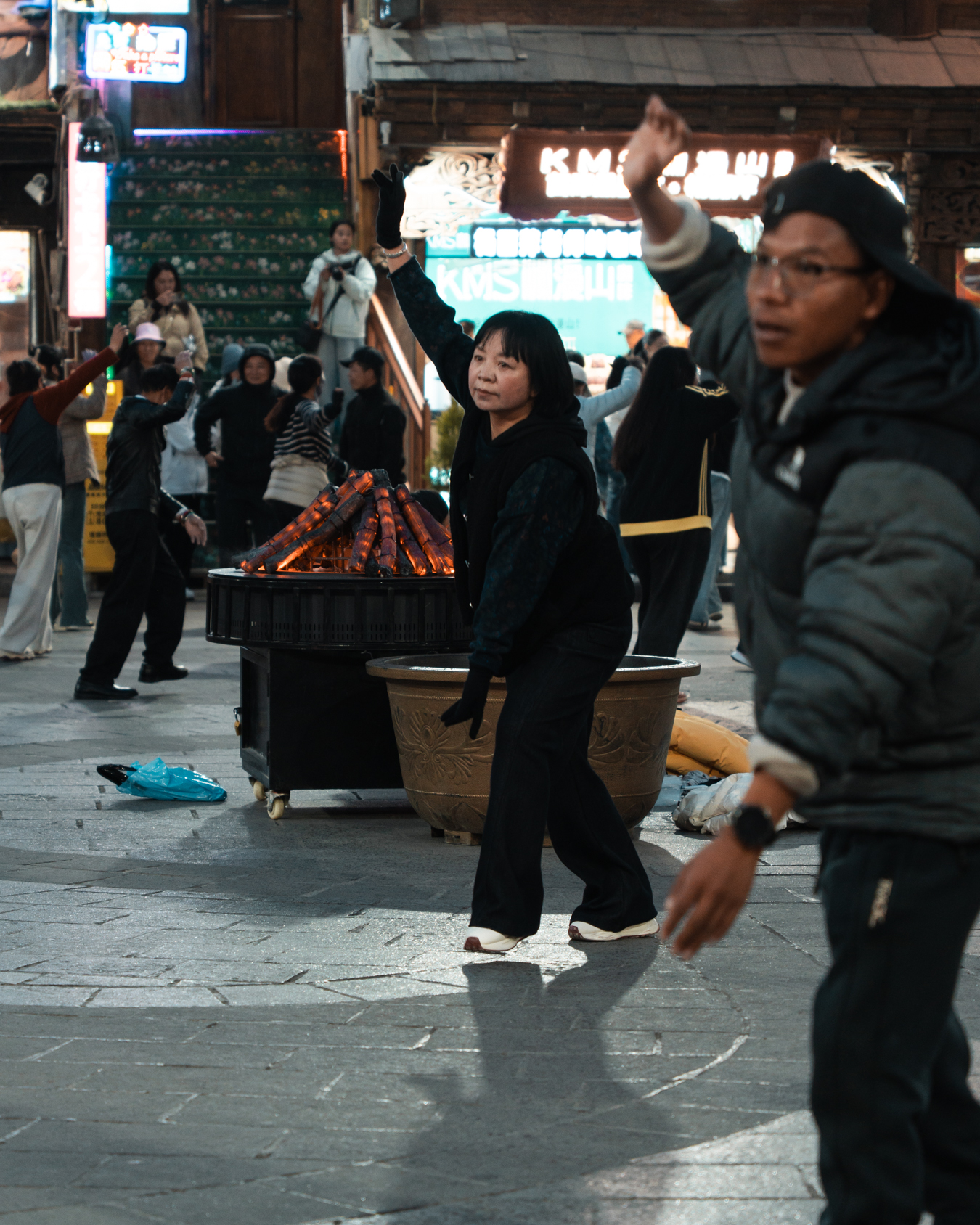
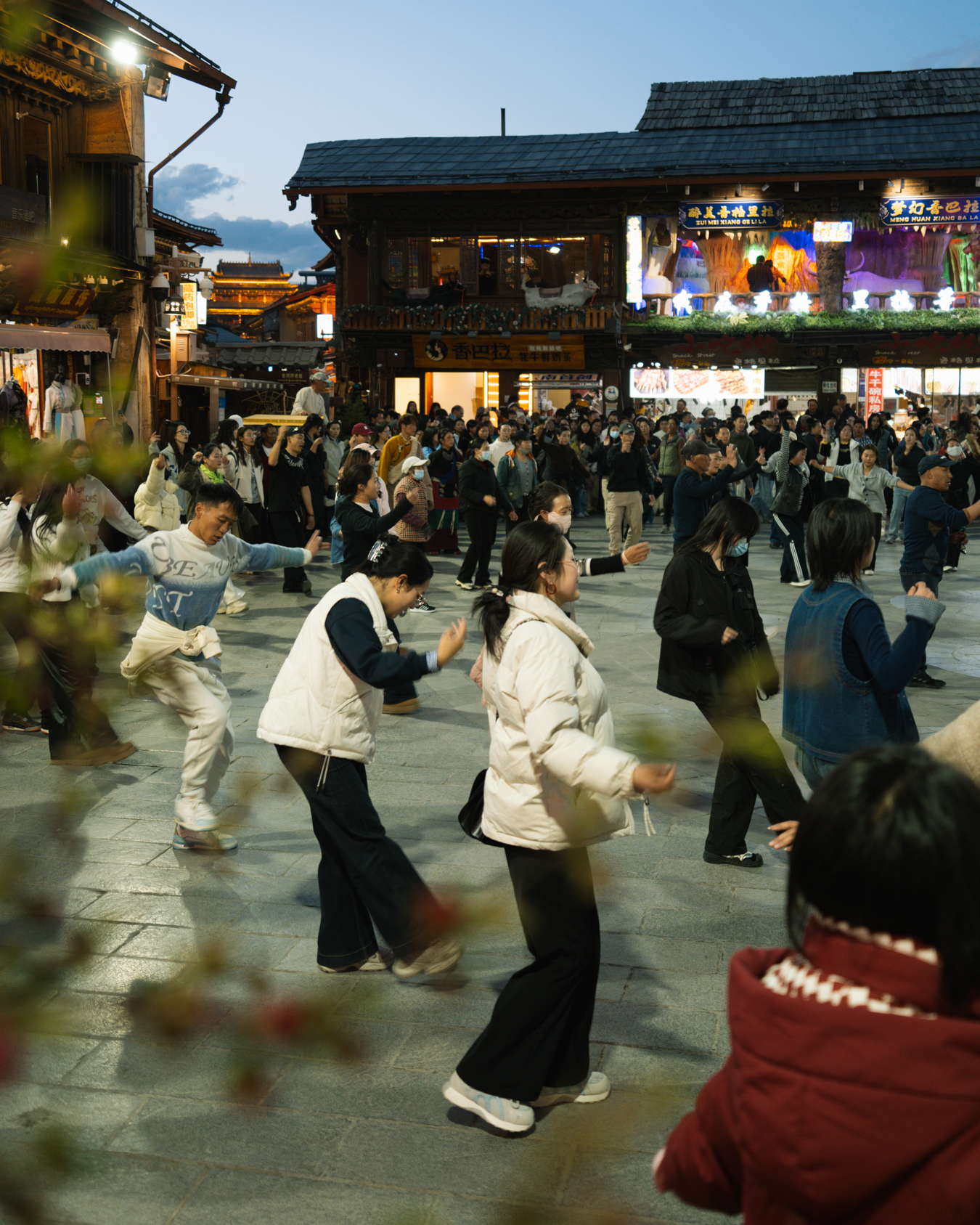
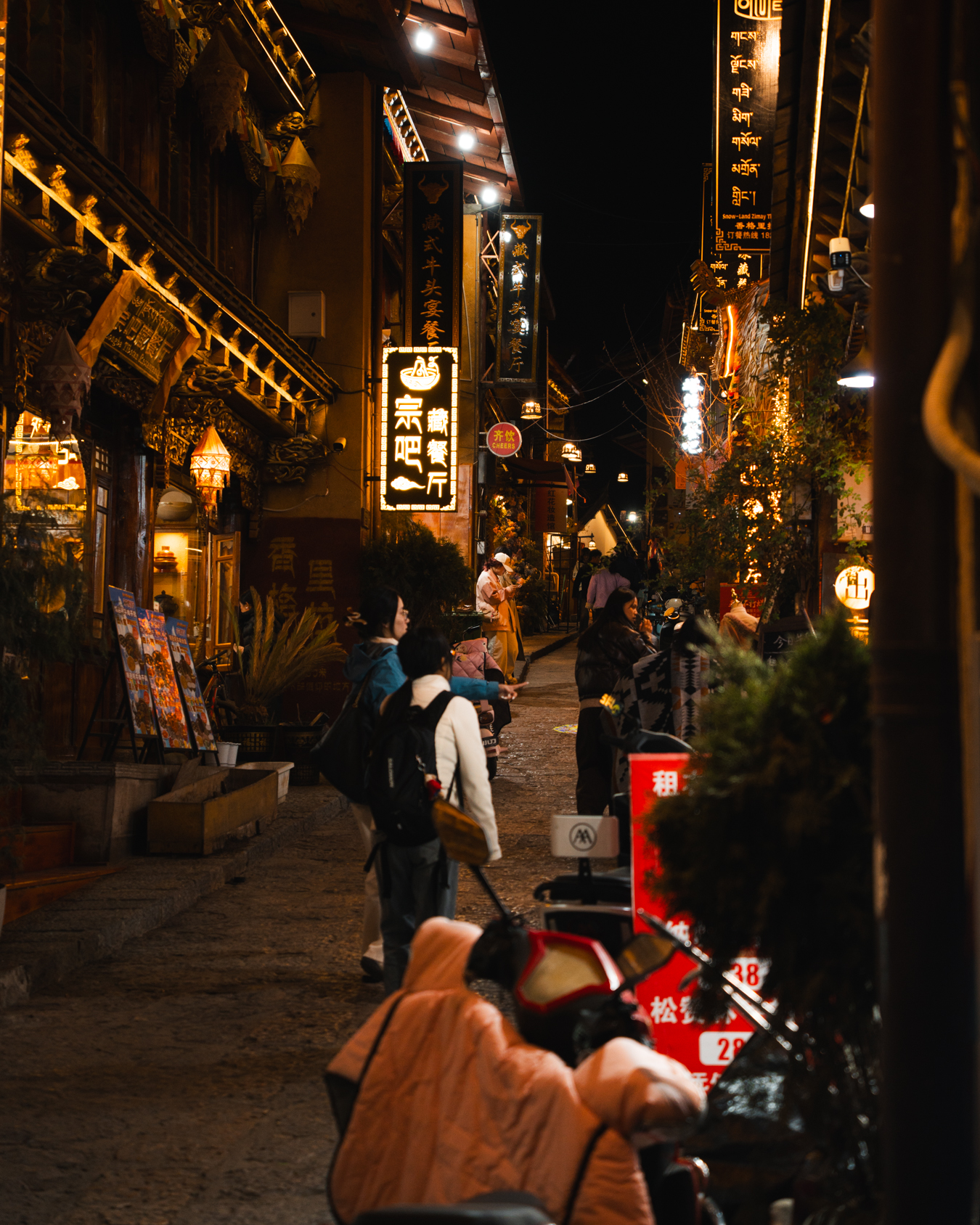
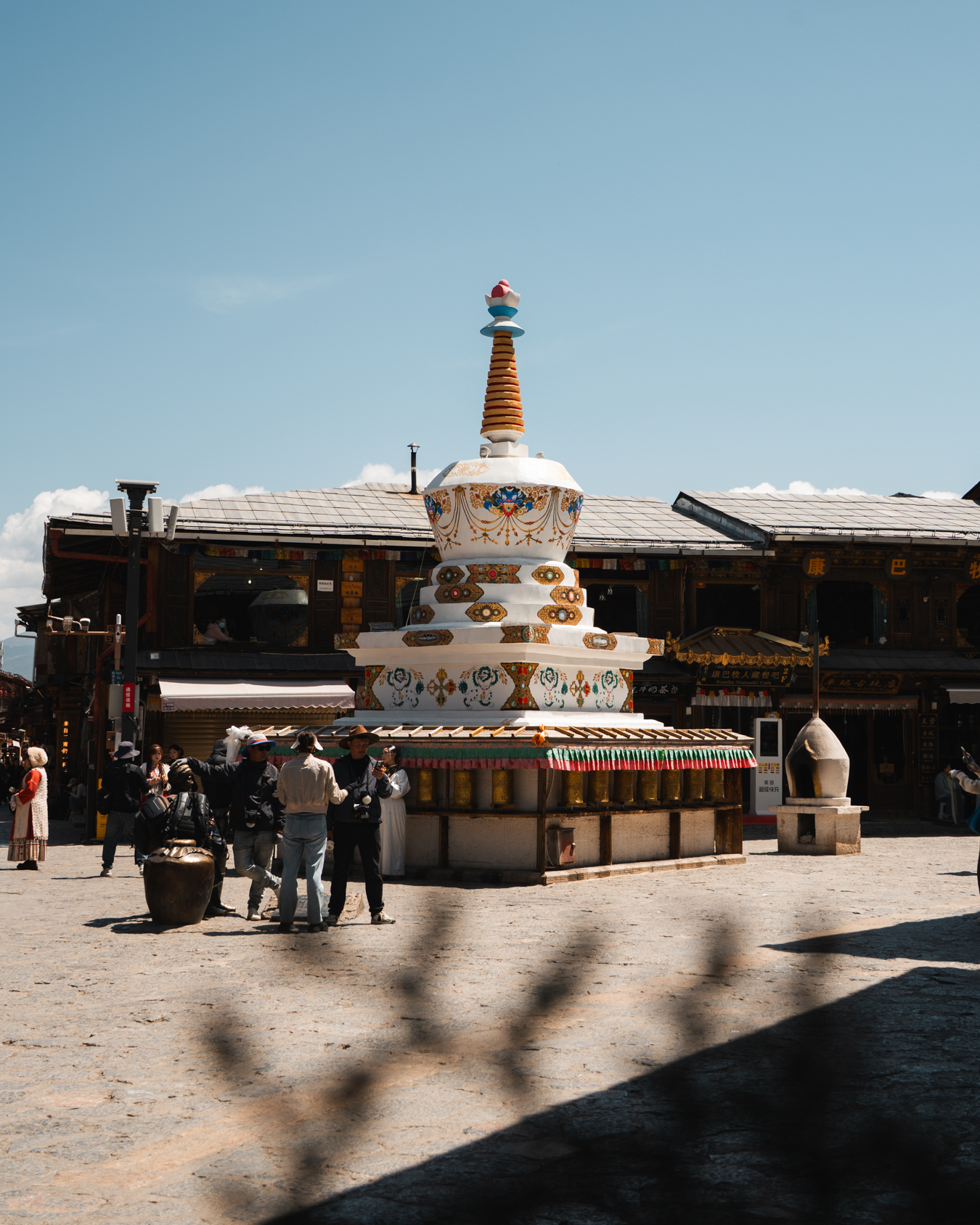
In Dukezong Ancient Town, life revolves around the giant prayer wheel and Moonlight Square. In the evenings, locals gather for the traditional Guozhuang dance, forming circles under the cold mountain air while music echoes through the old town. There’s no stage, no performance — just people sharing a rhythm that has likely existed here far longer than tourism itself.
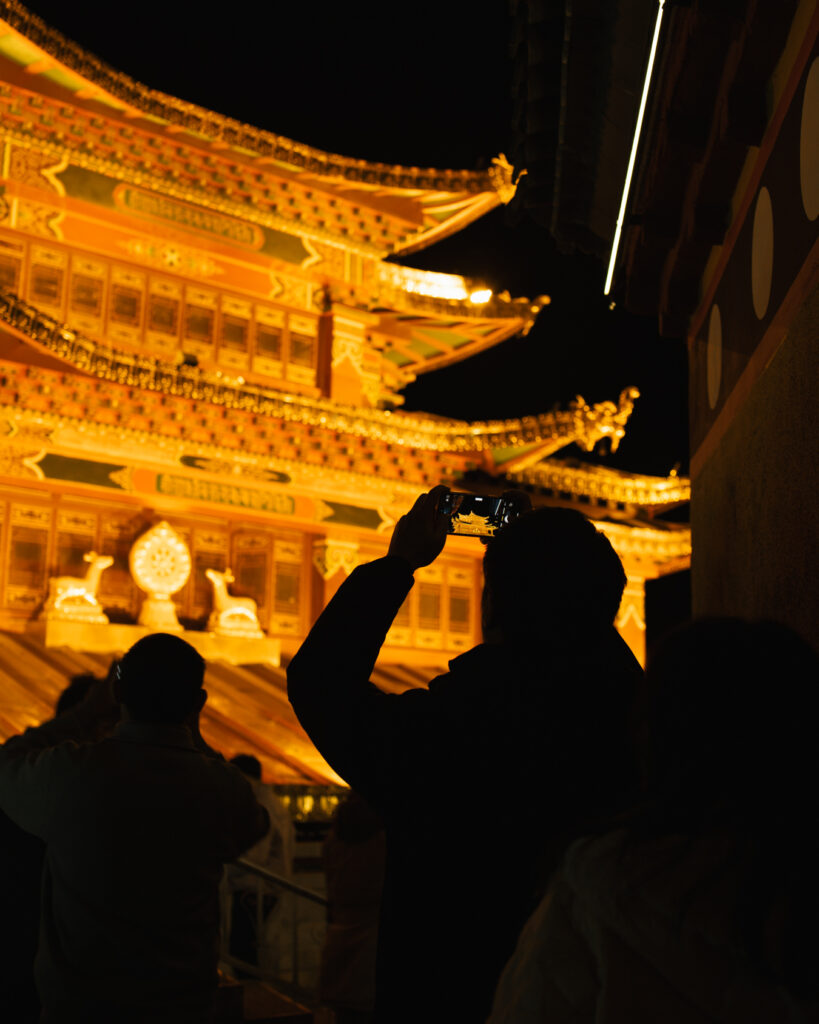
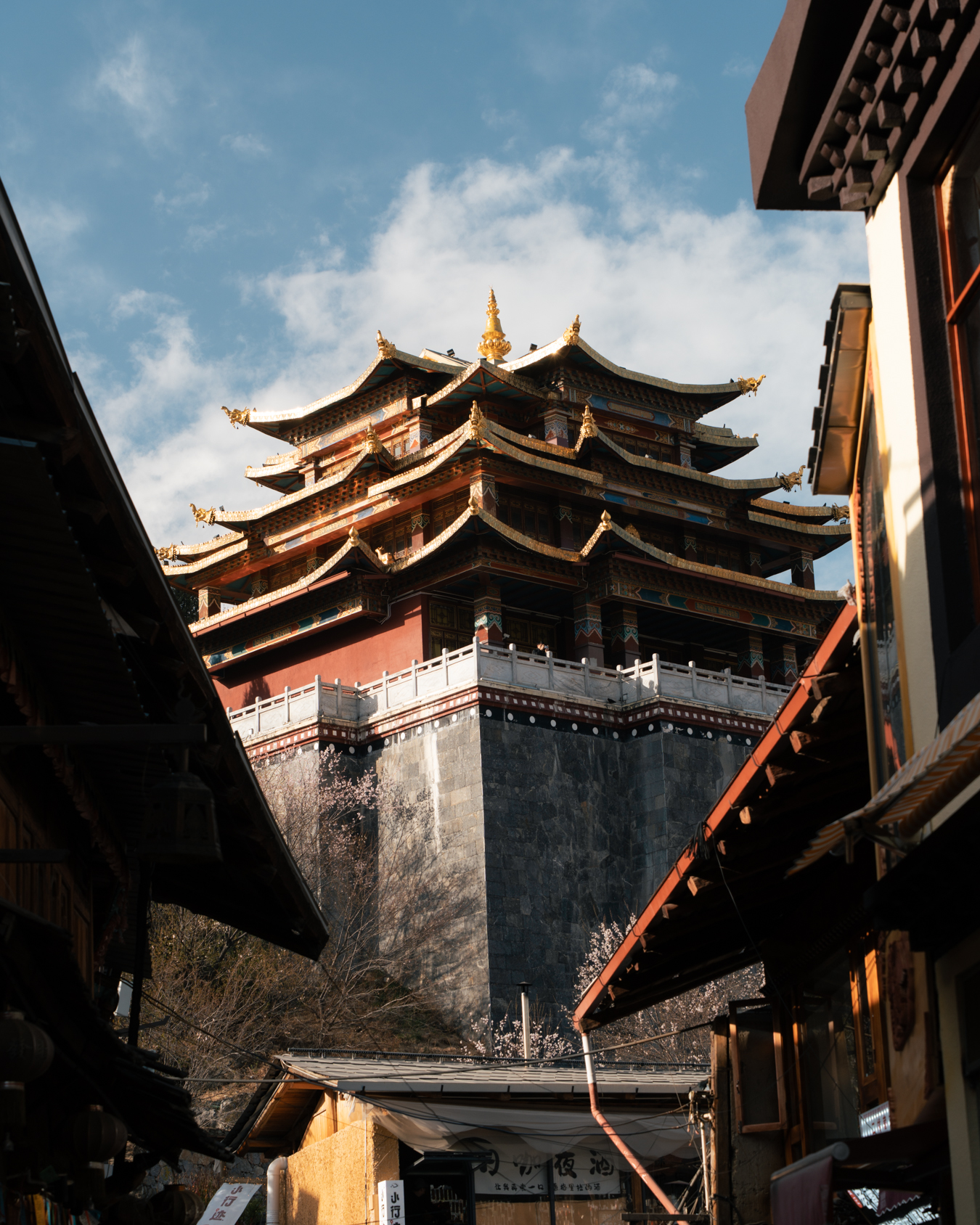
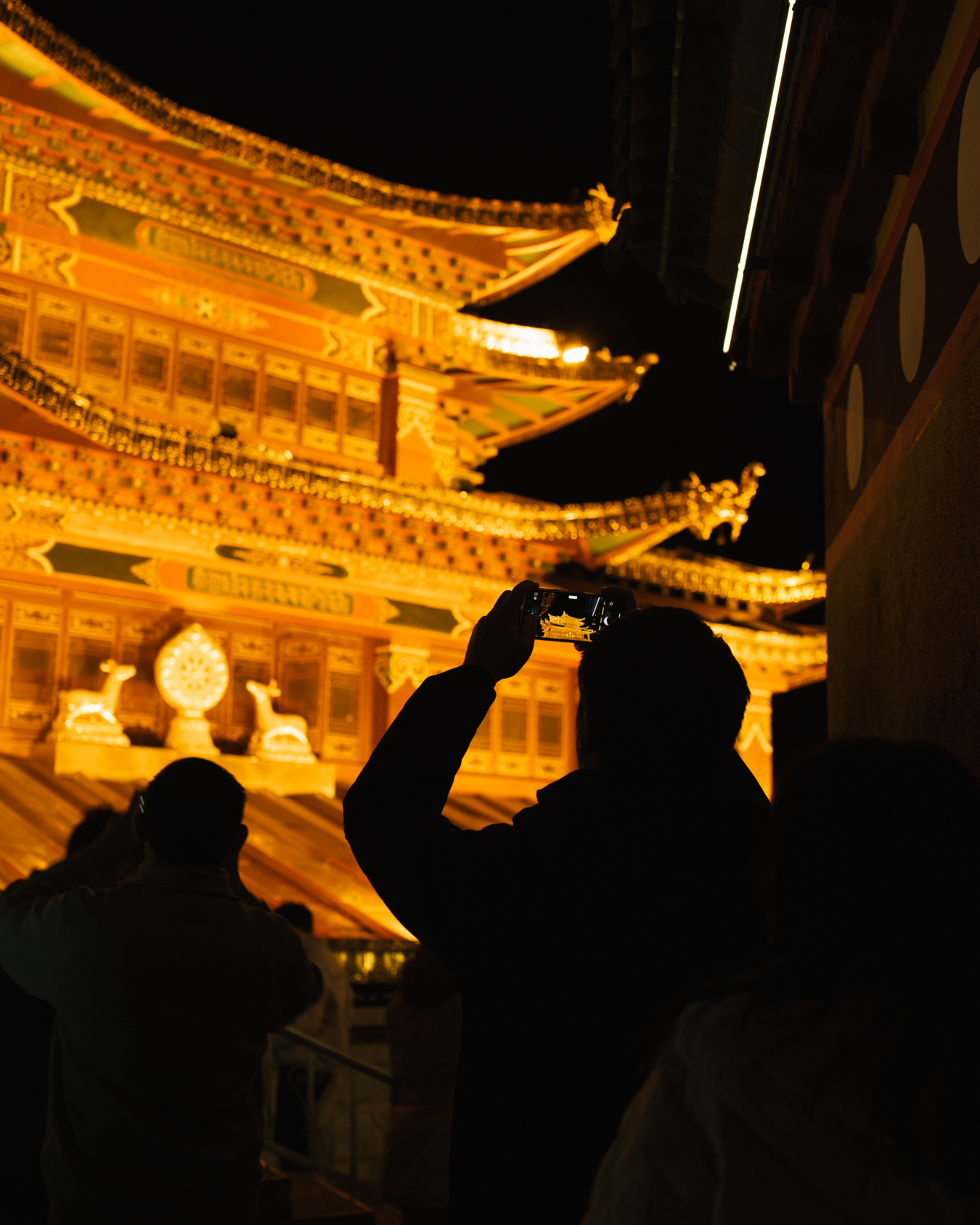
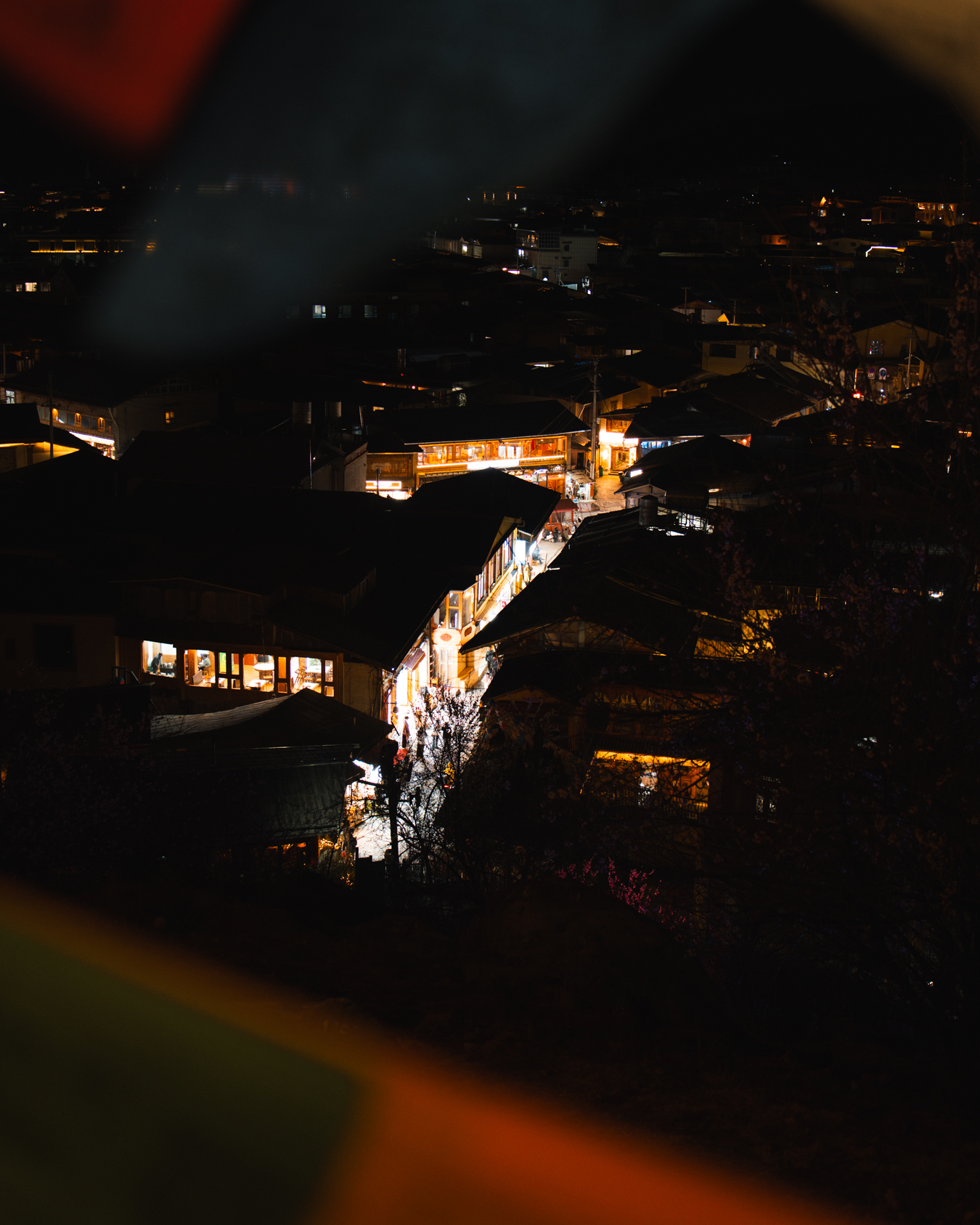
One of our strongest memories was simply standing in the square, watching everything happen at once: spinning prayer wheels and lit monastery overlooking us, dancing locals, and the golden light fading behind the rooftops.
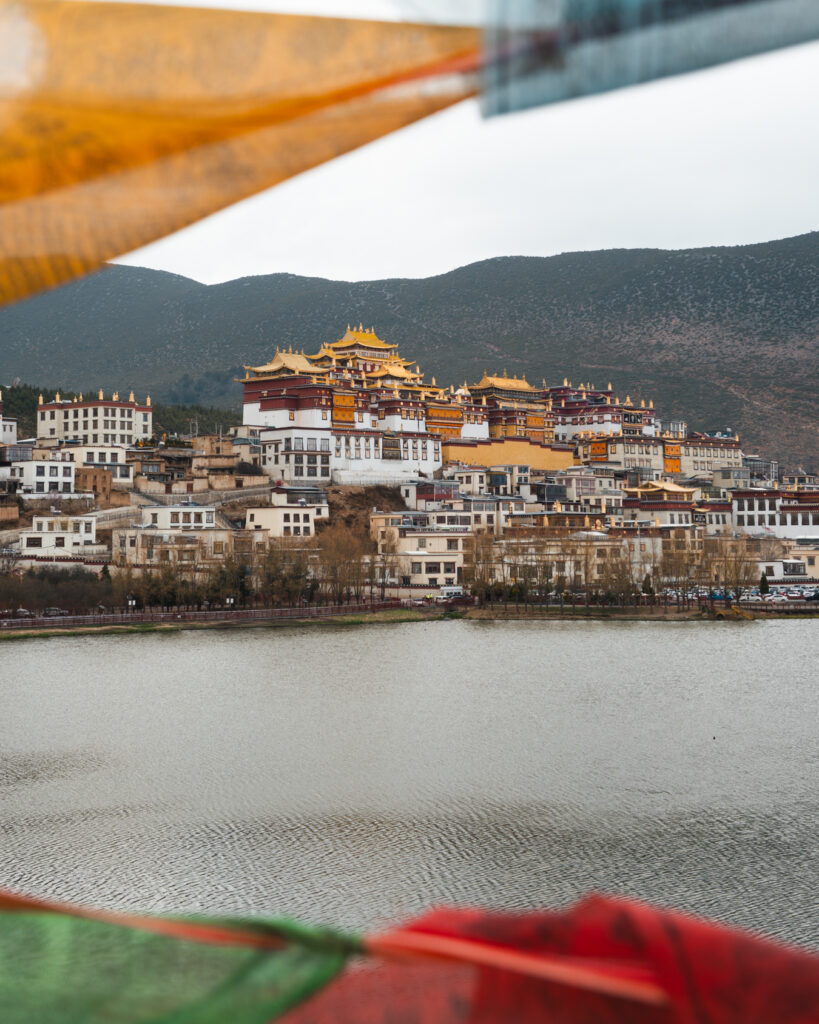
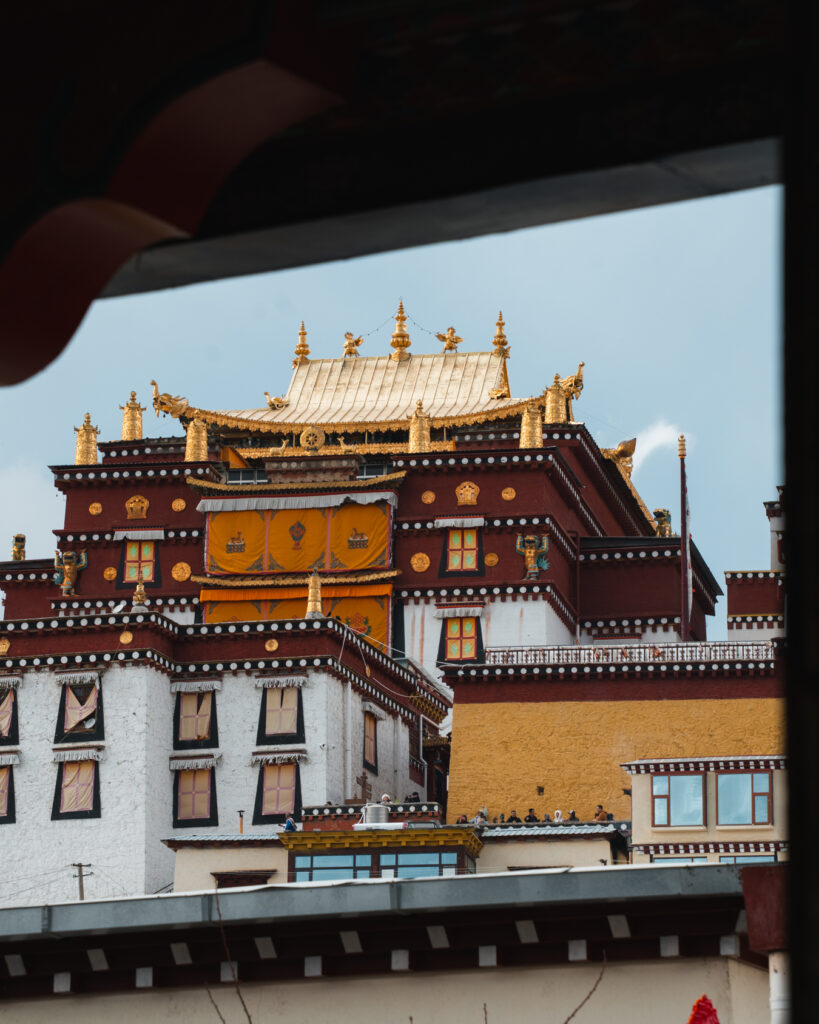
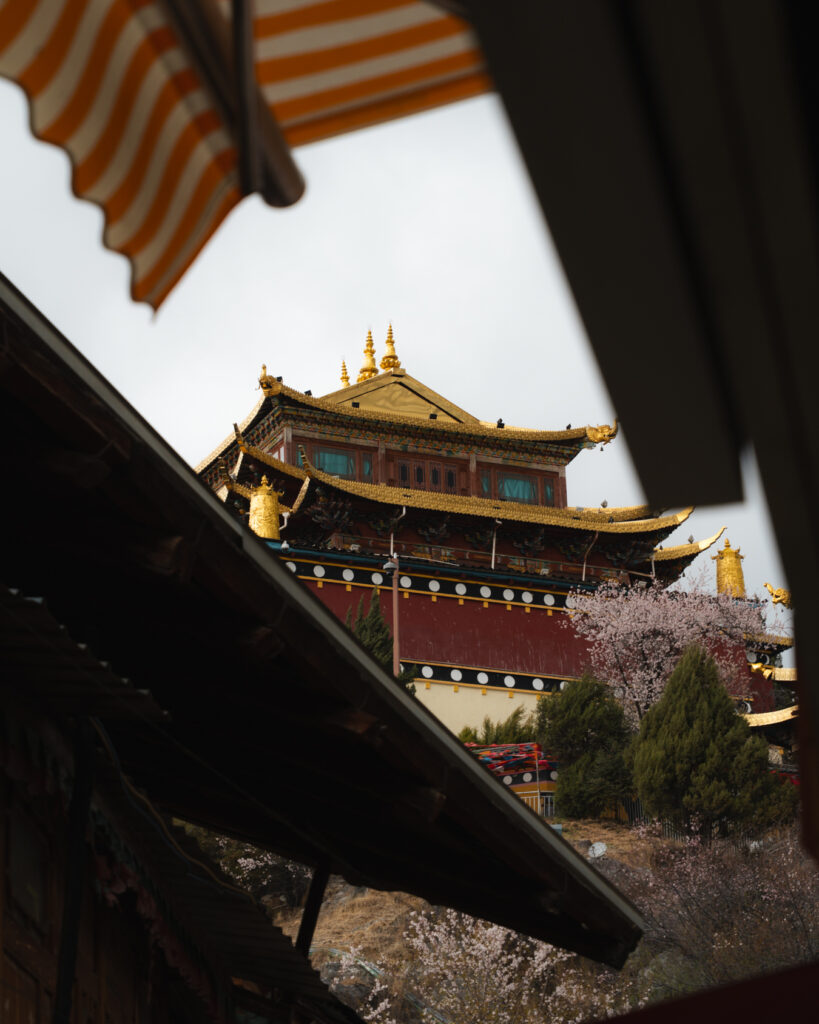
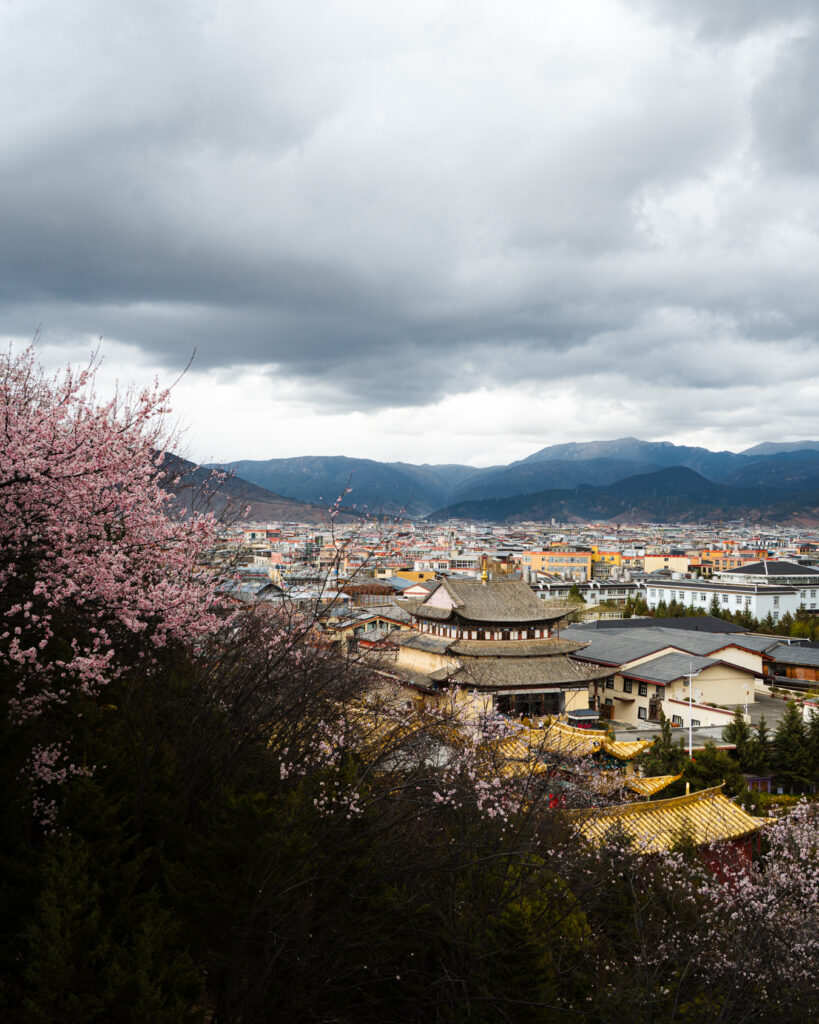
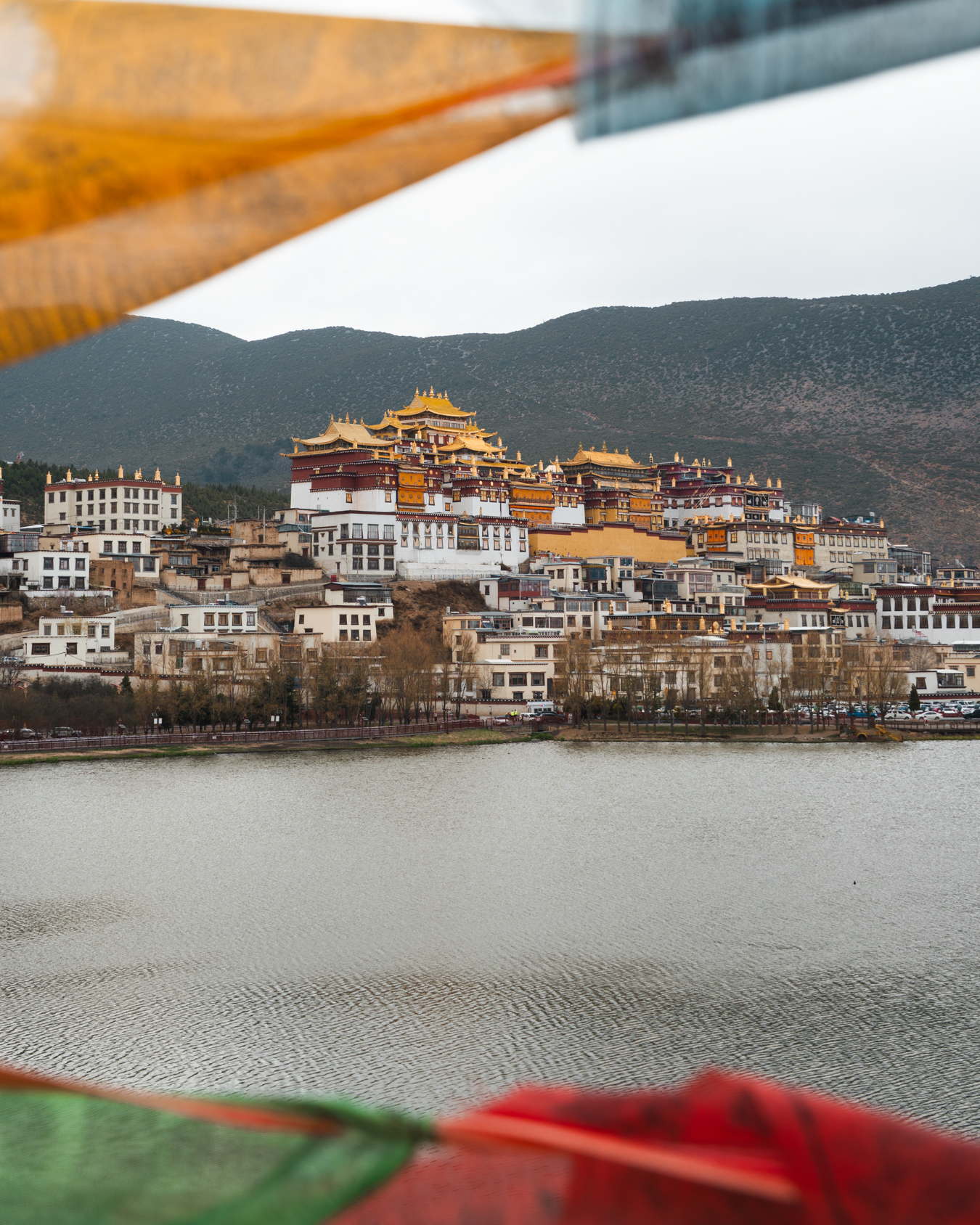
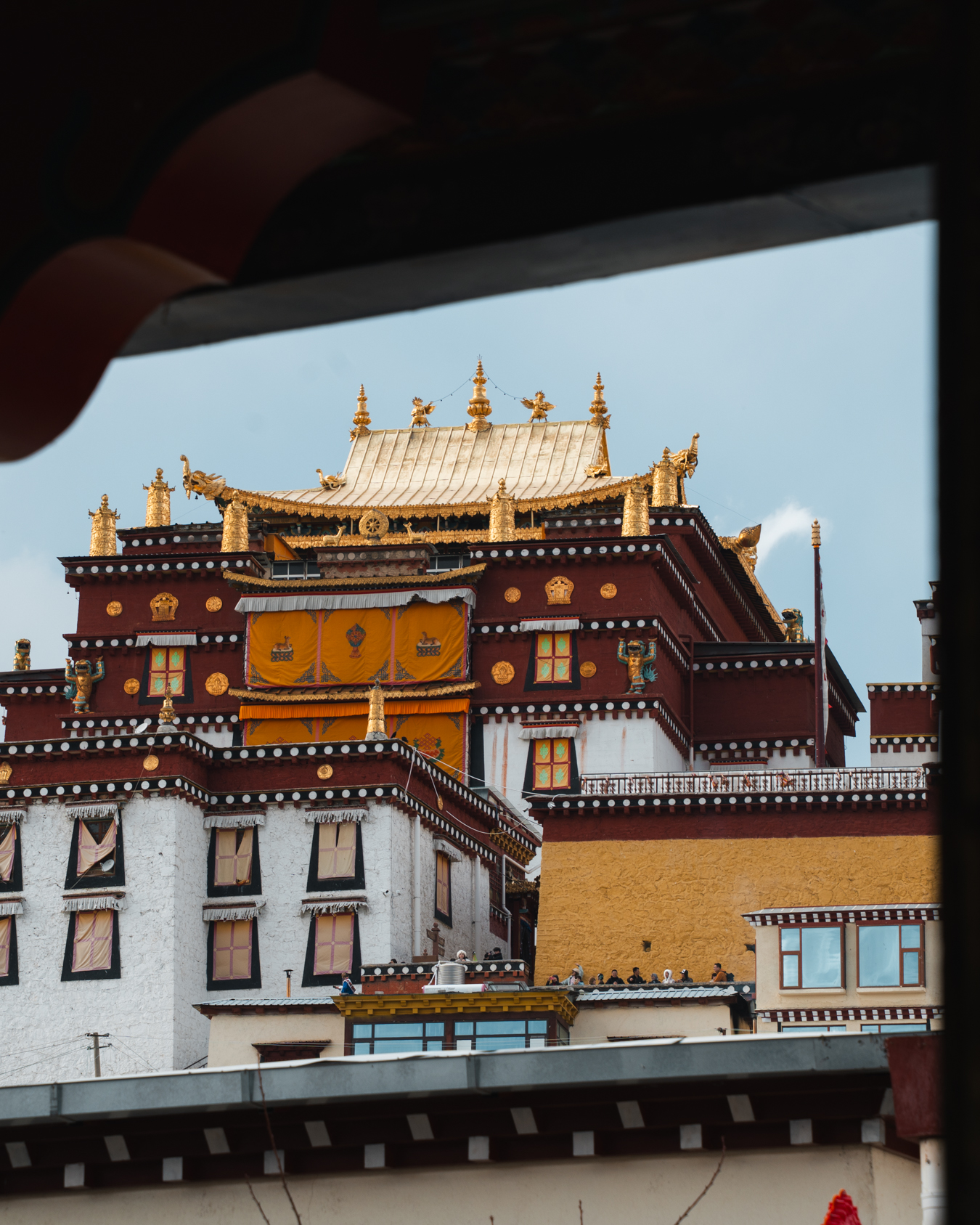
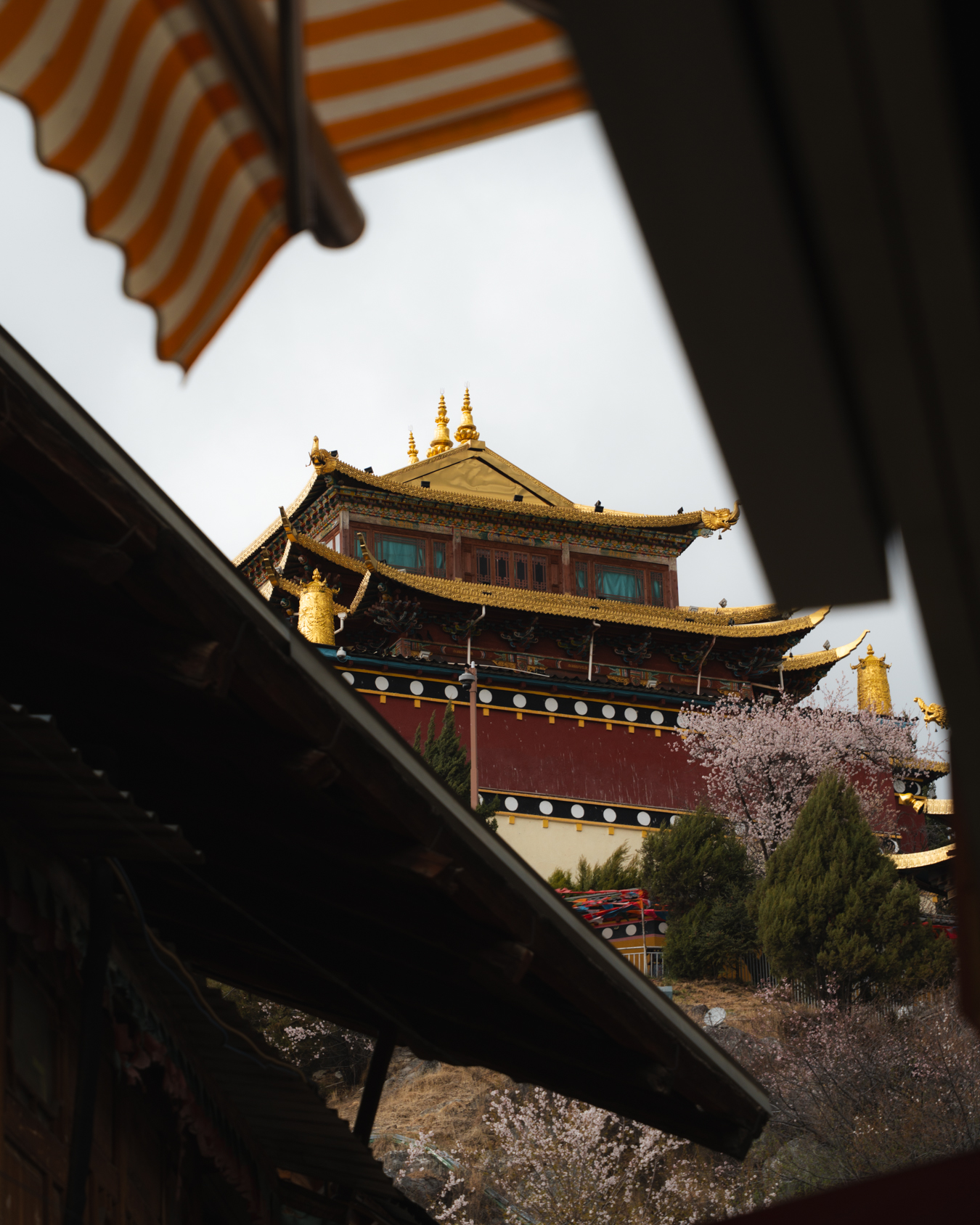
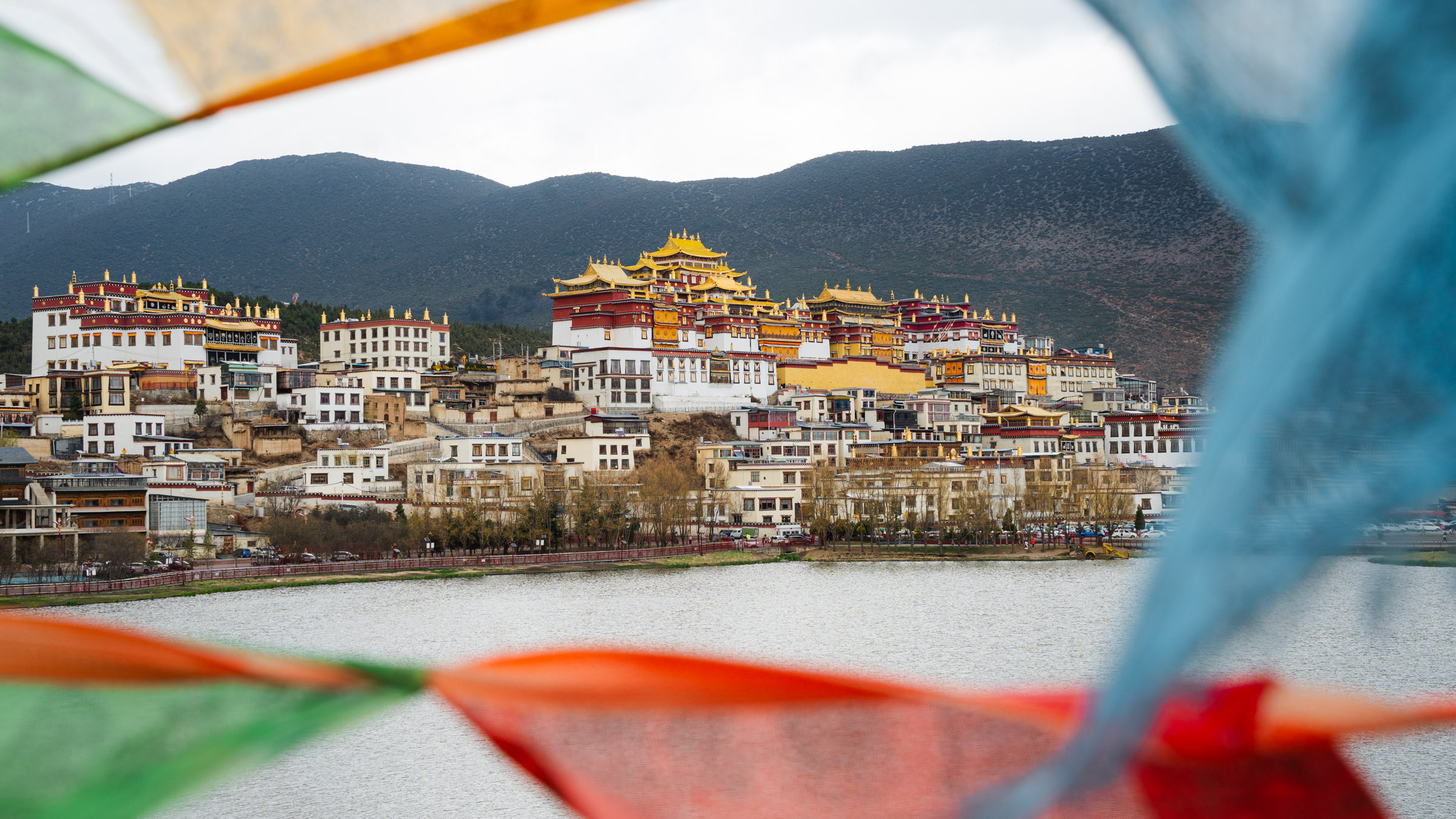
And then there’s Songzanlin Monastery, sitting on the hillside like a smaller version of Lhasa itself — quiet, powerful, and deeply atmospheric.
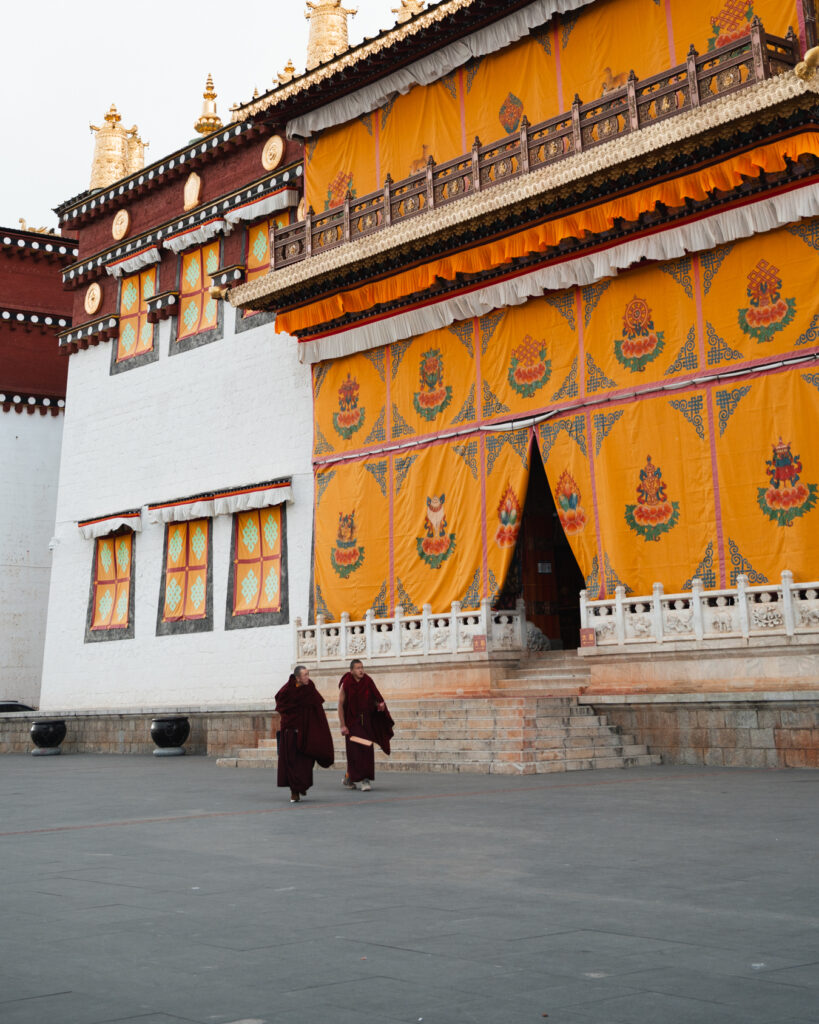
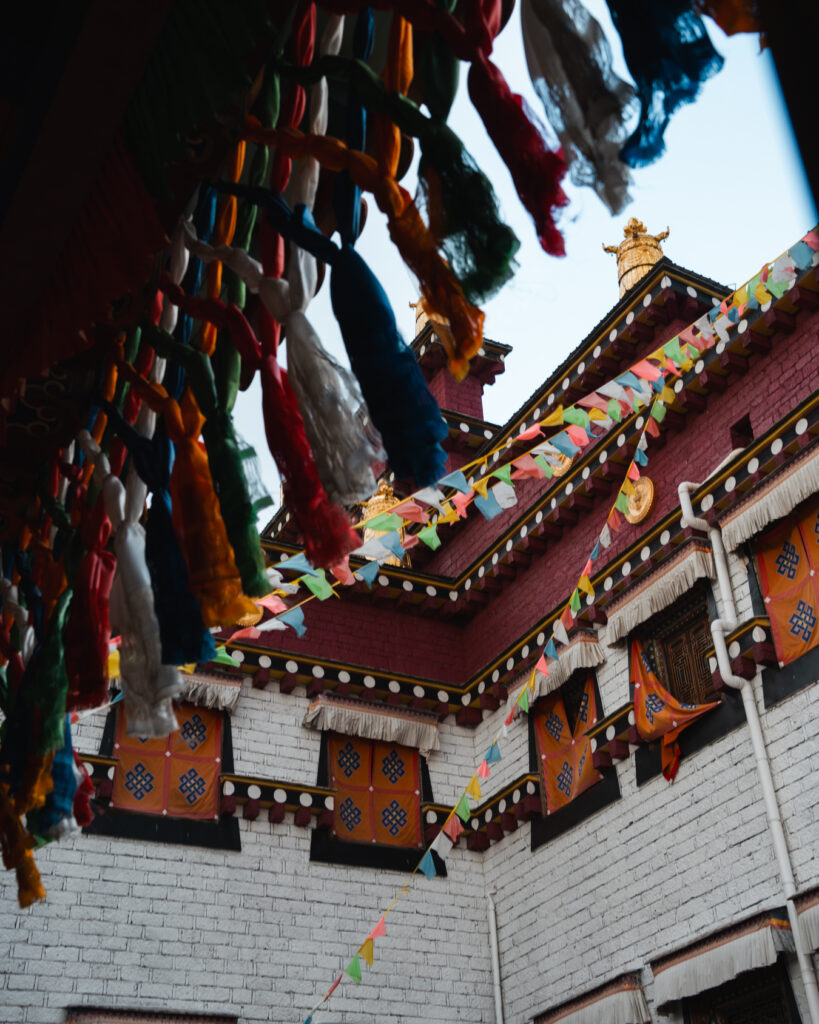
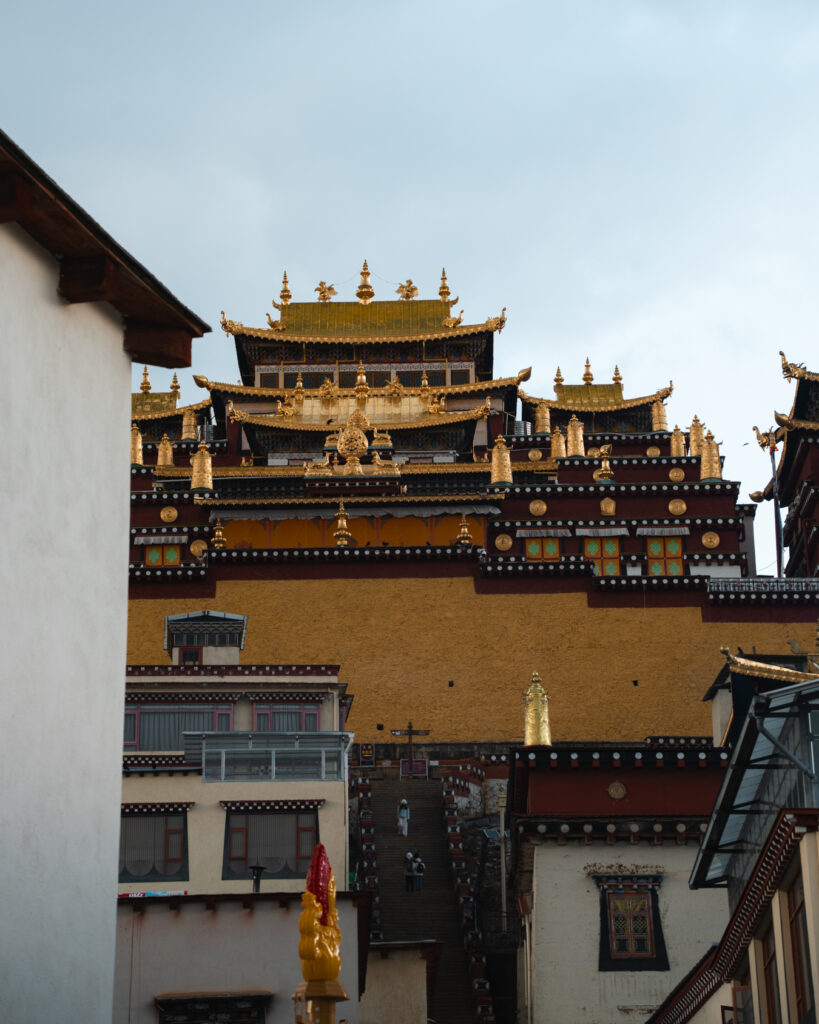
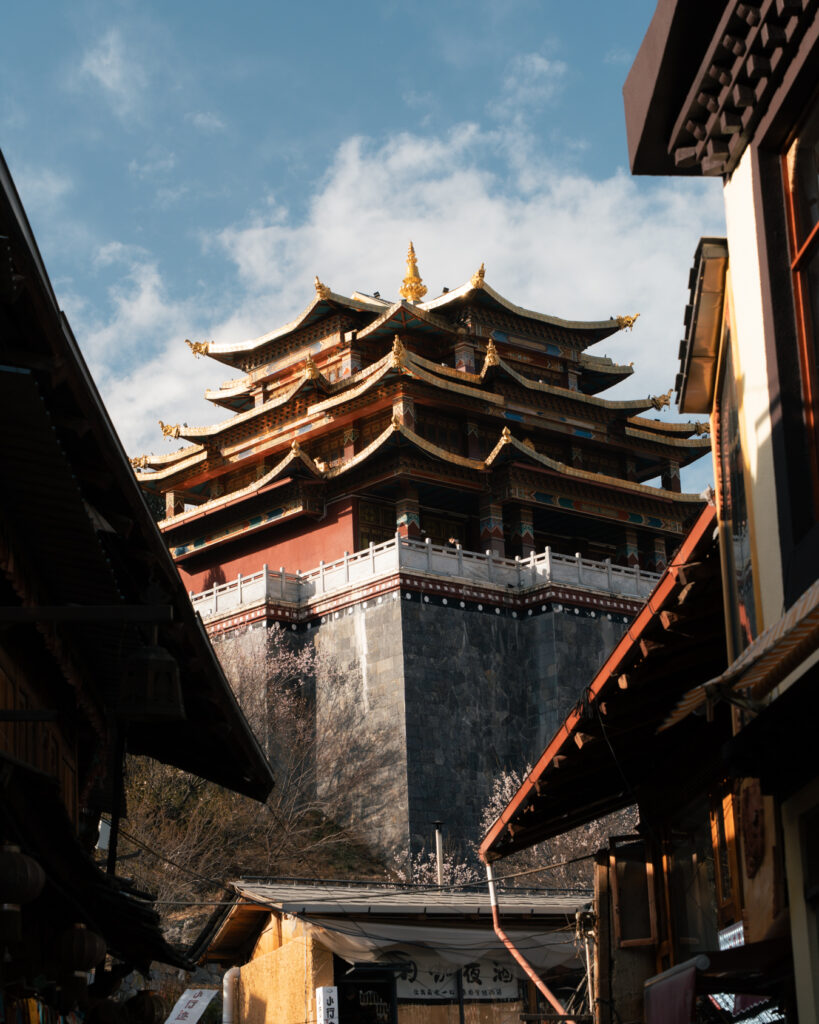
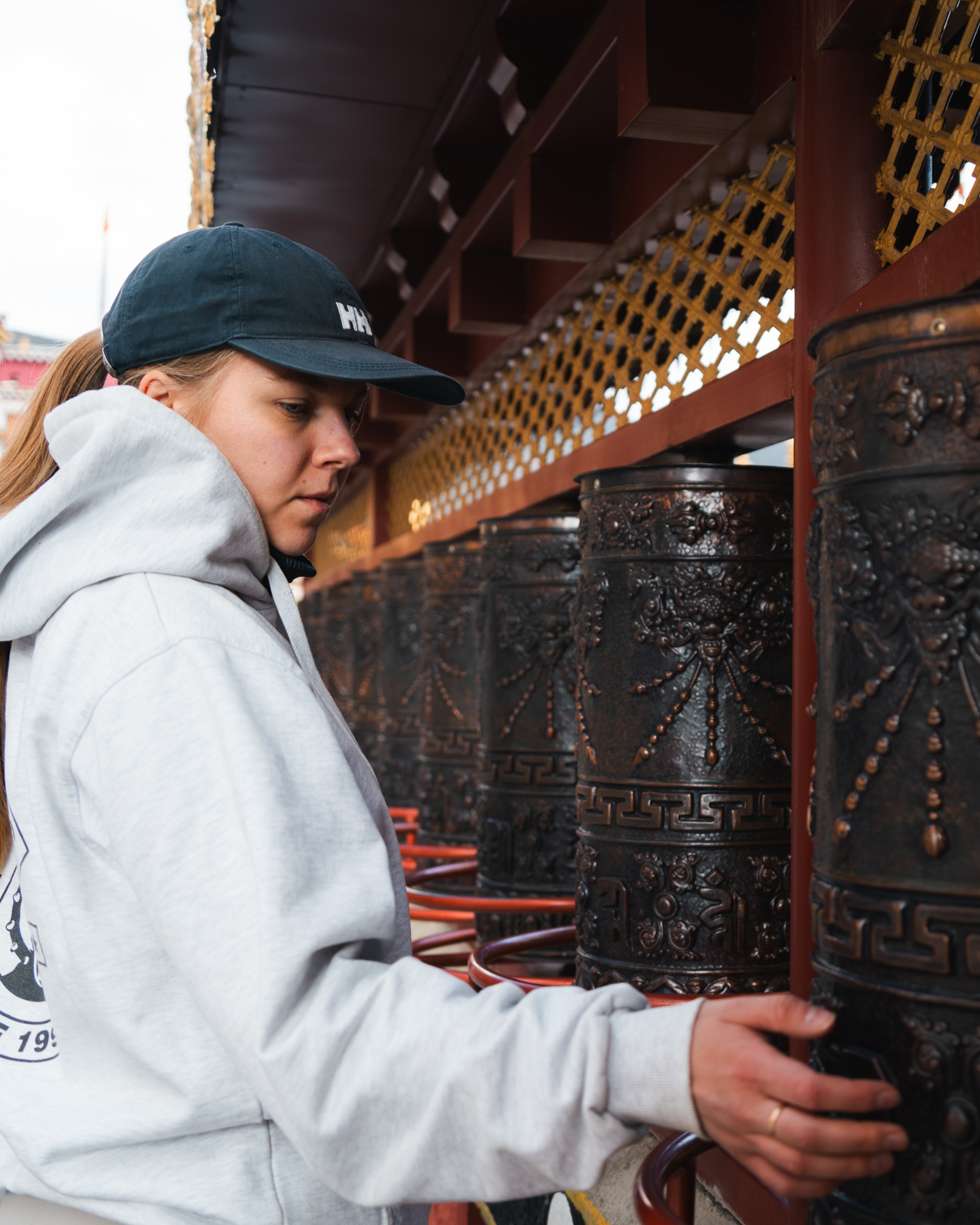
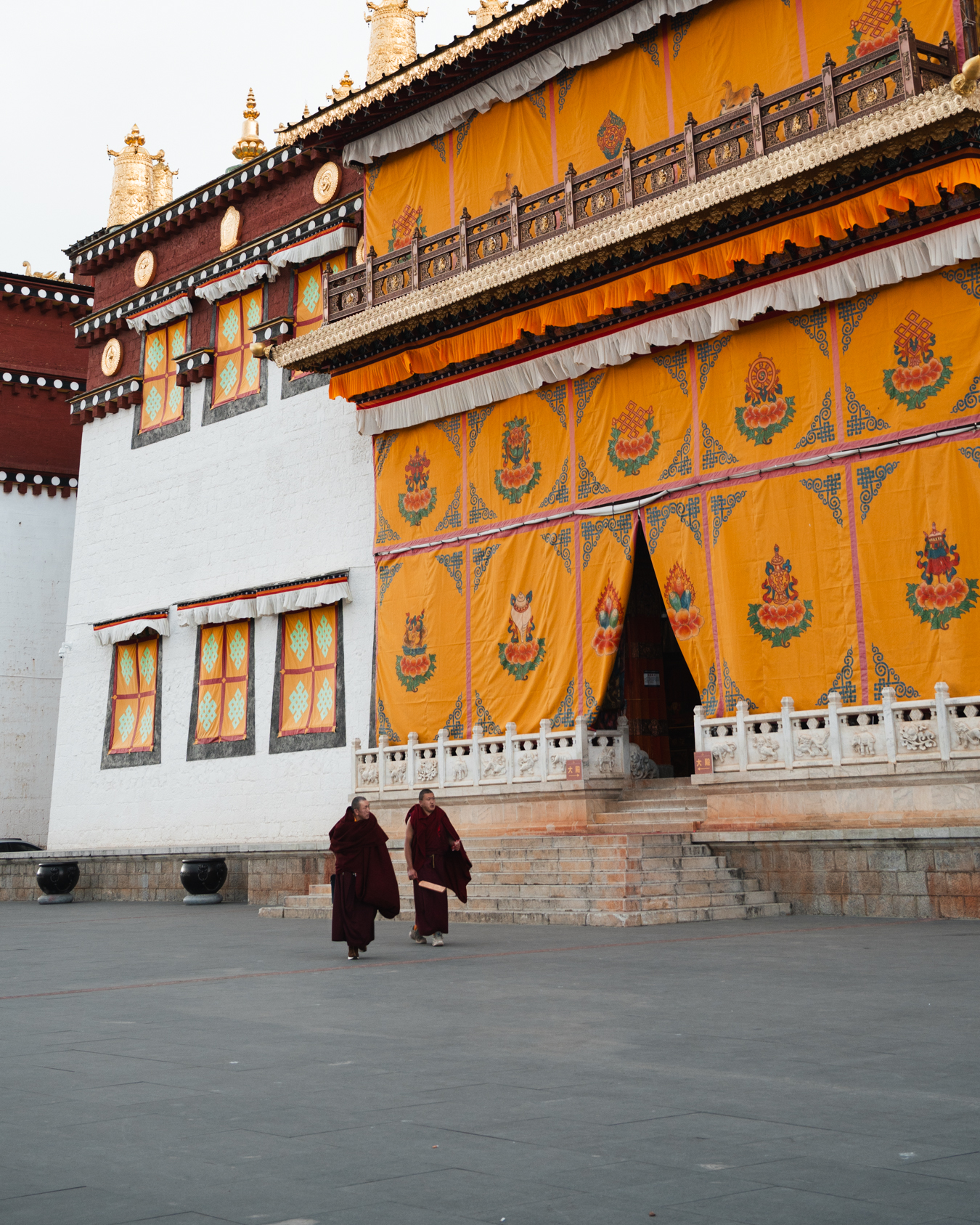
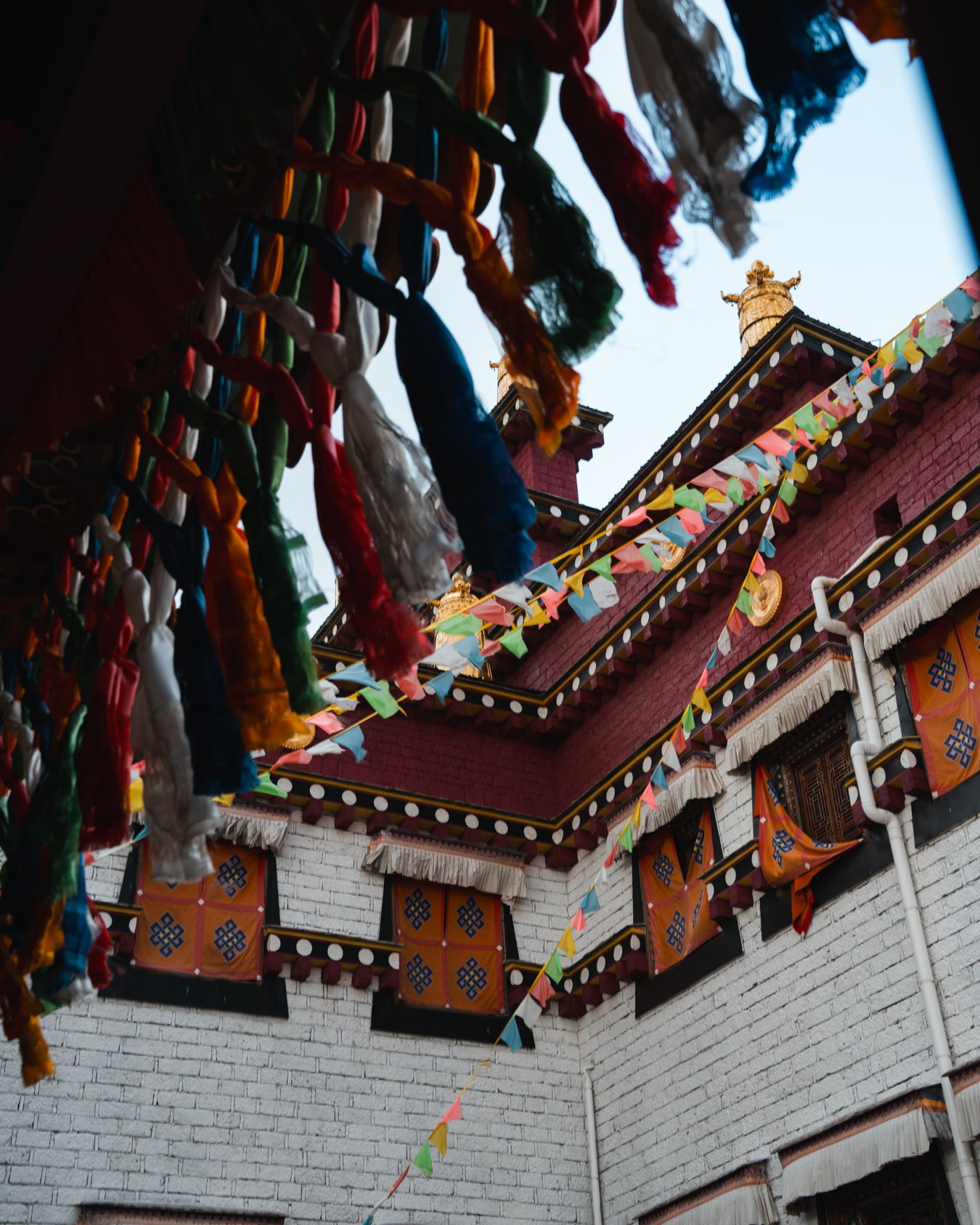
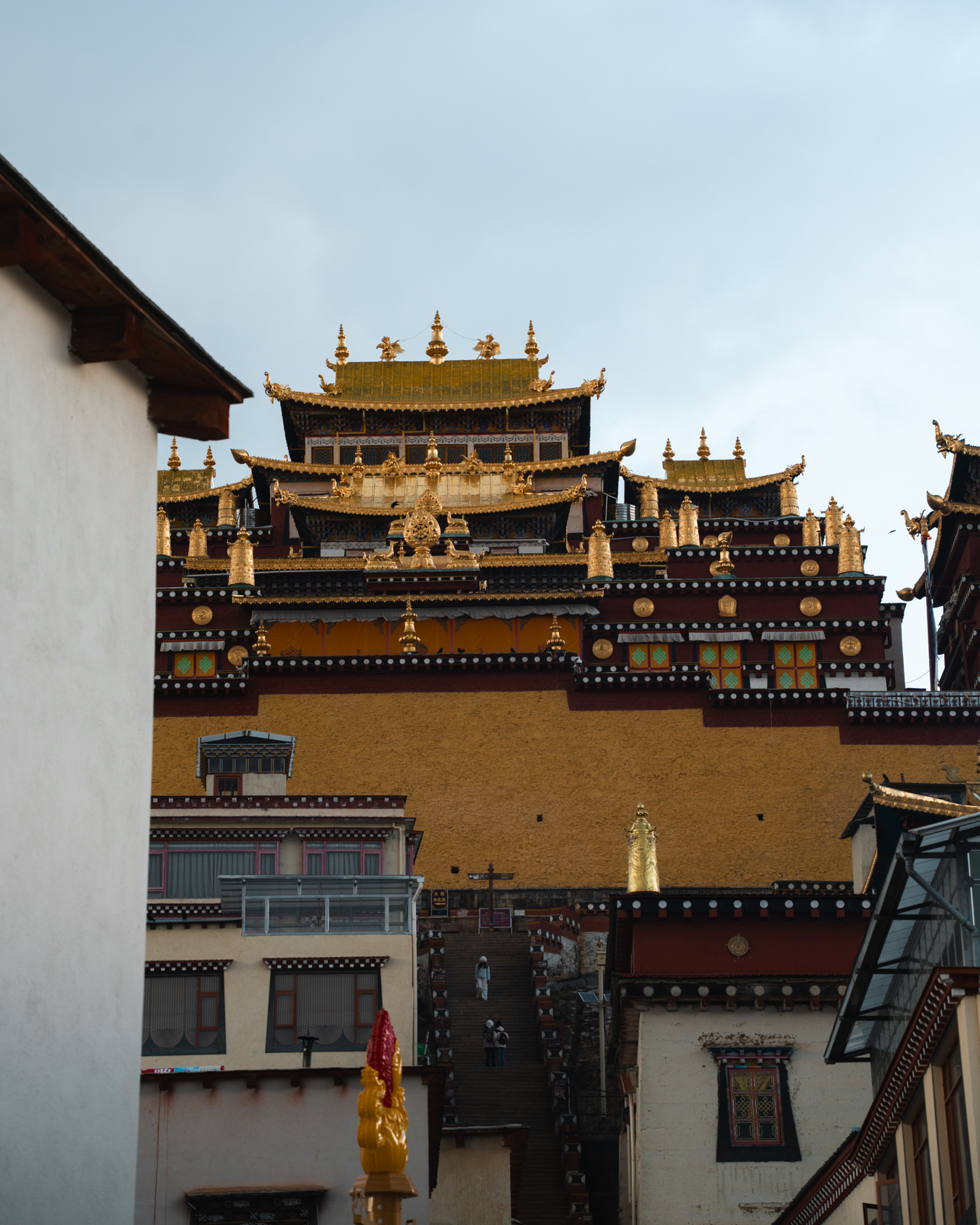
Napahai Grassland
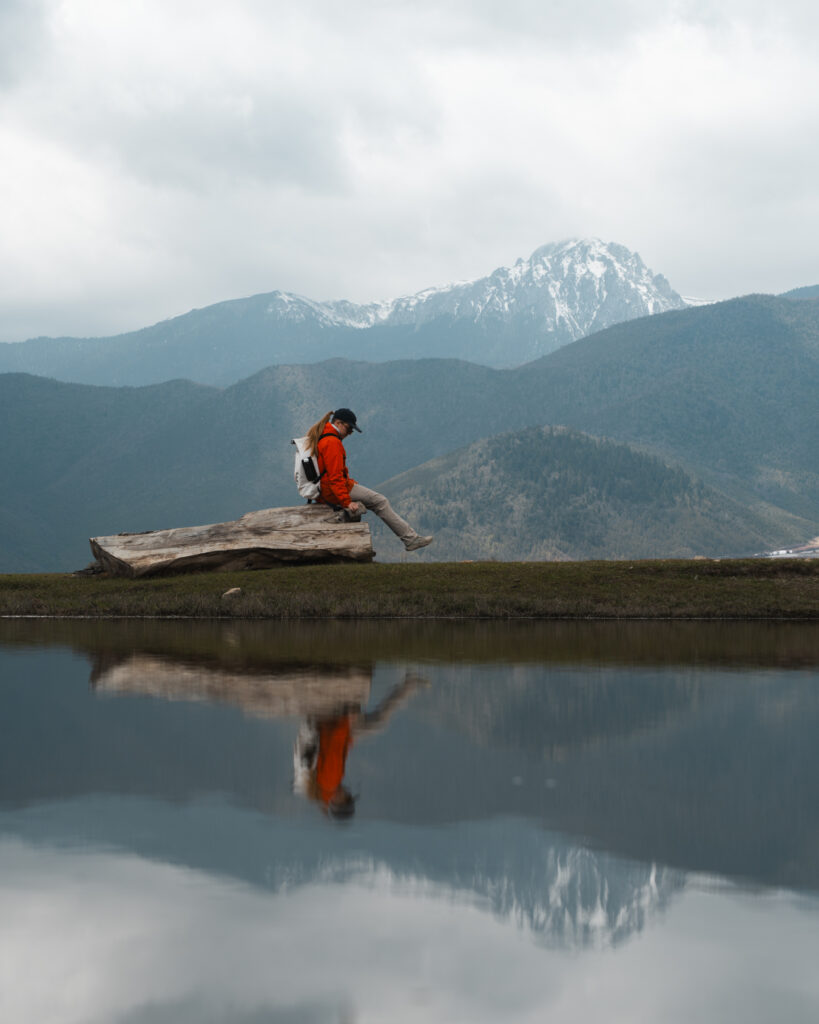
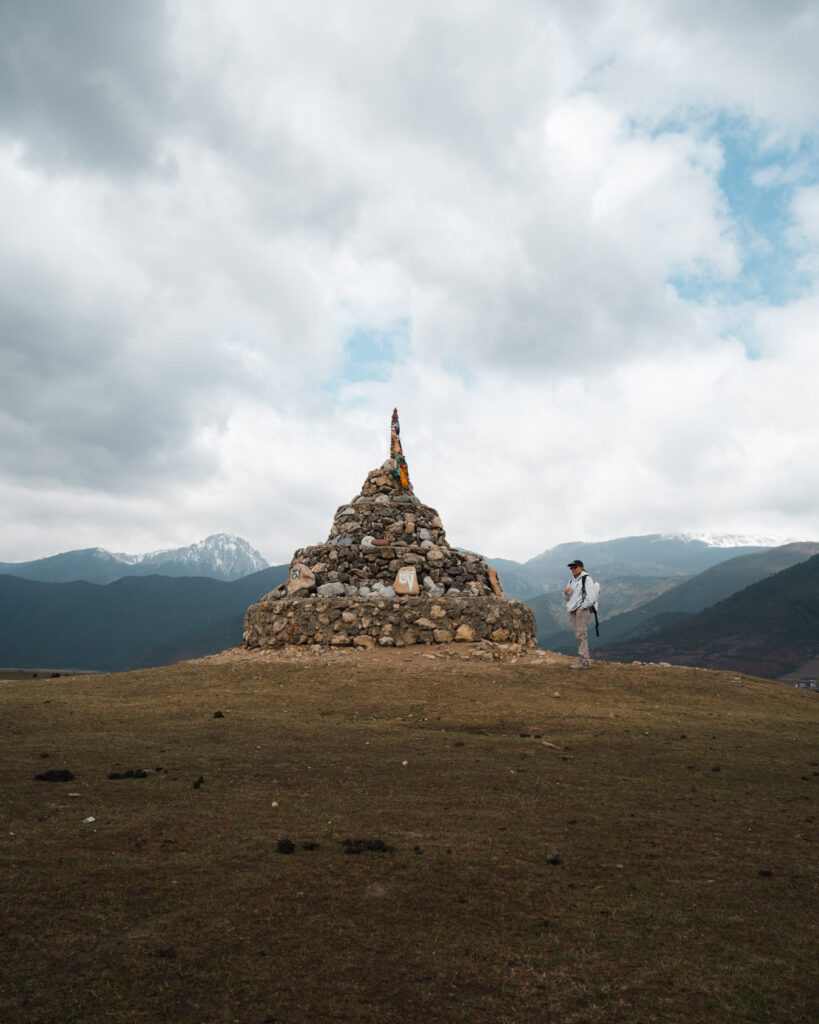
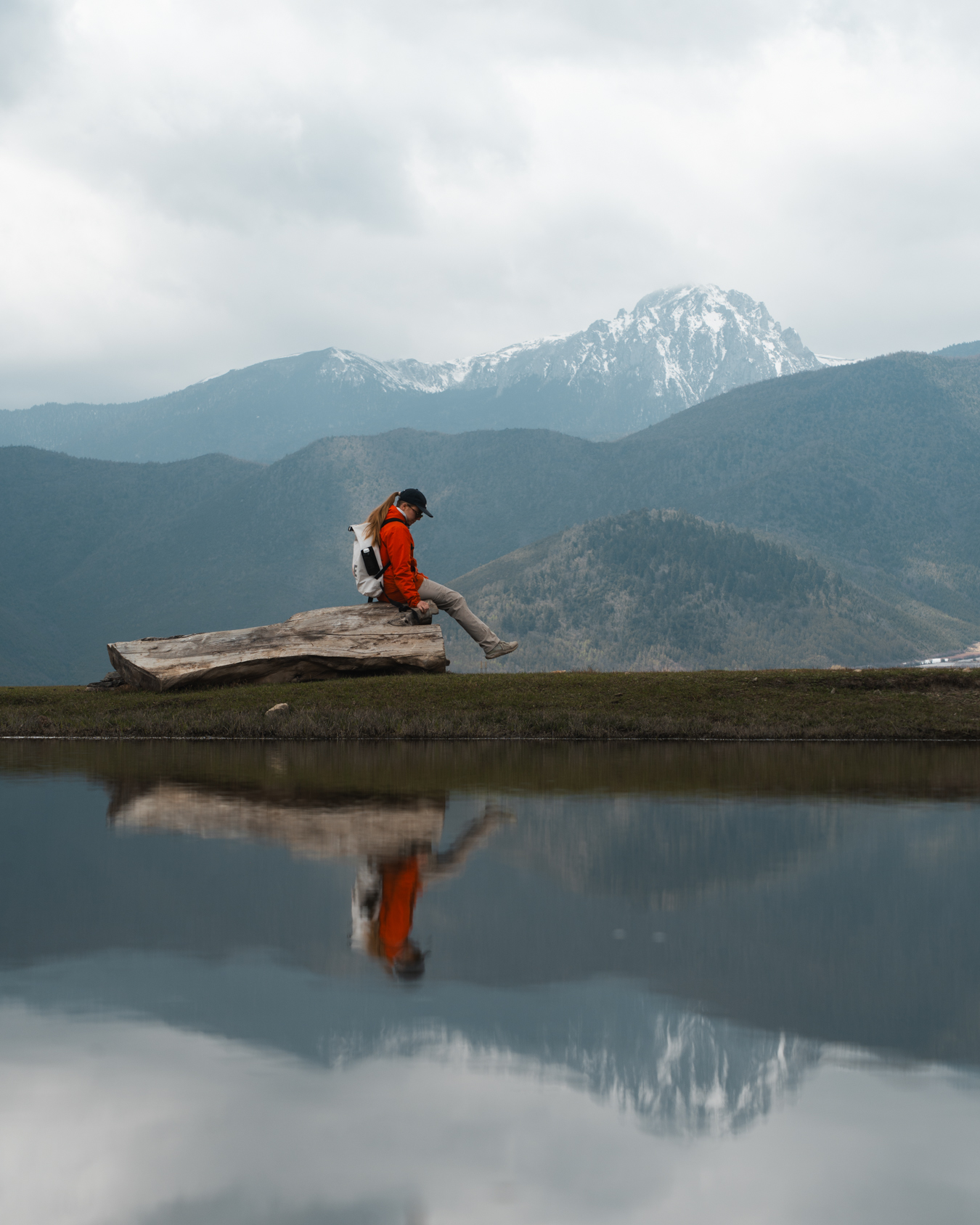
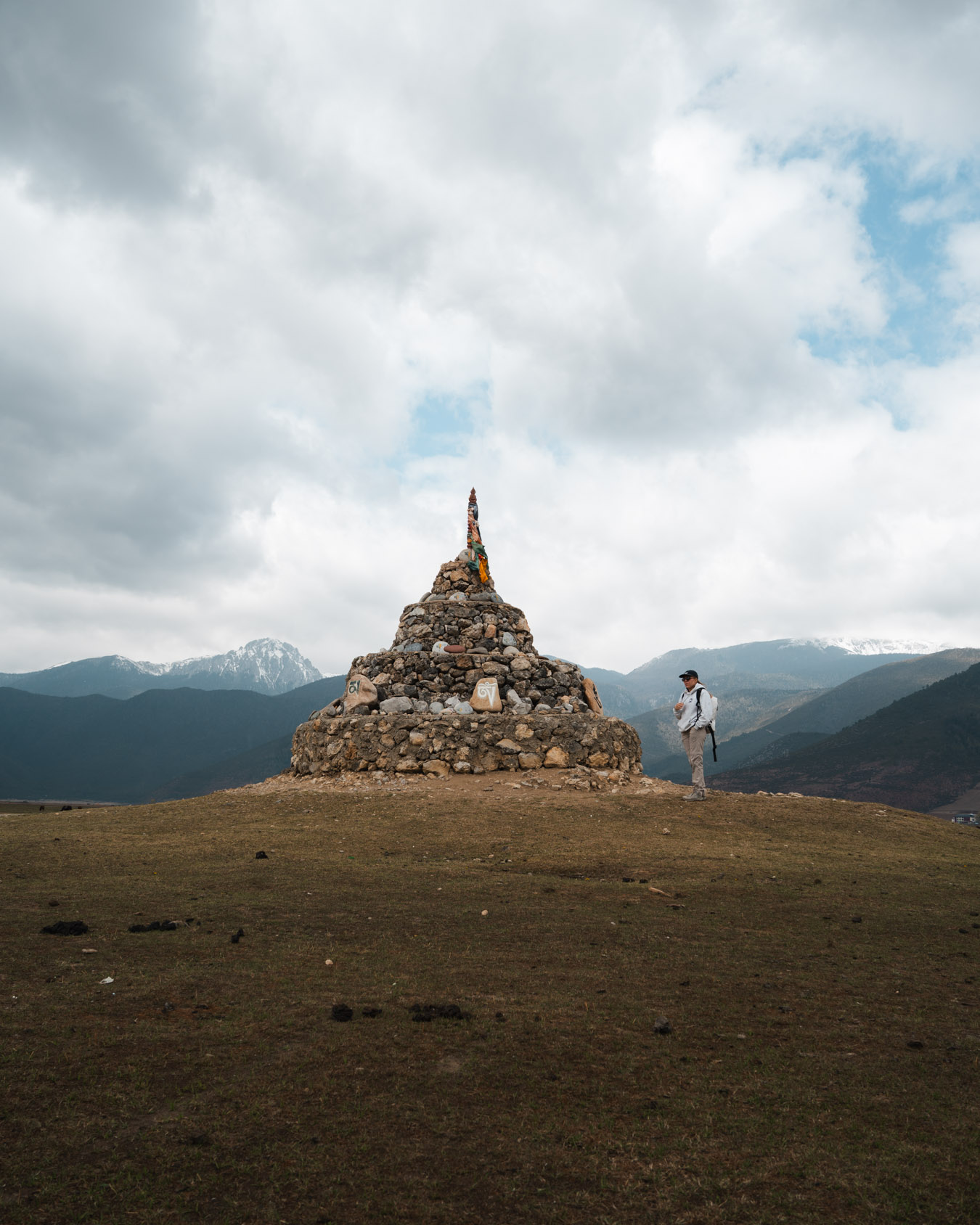
One of our favourite days around Shangri-La was spent exploring Napahai. Rather than simply visiting one of the viewpoints, we chose to hike through the area and experience the landscape at a slower pace.
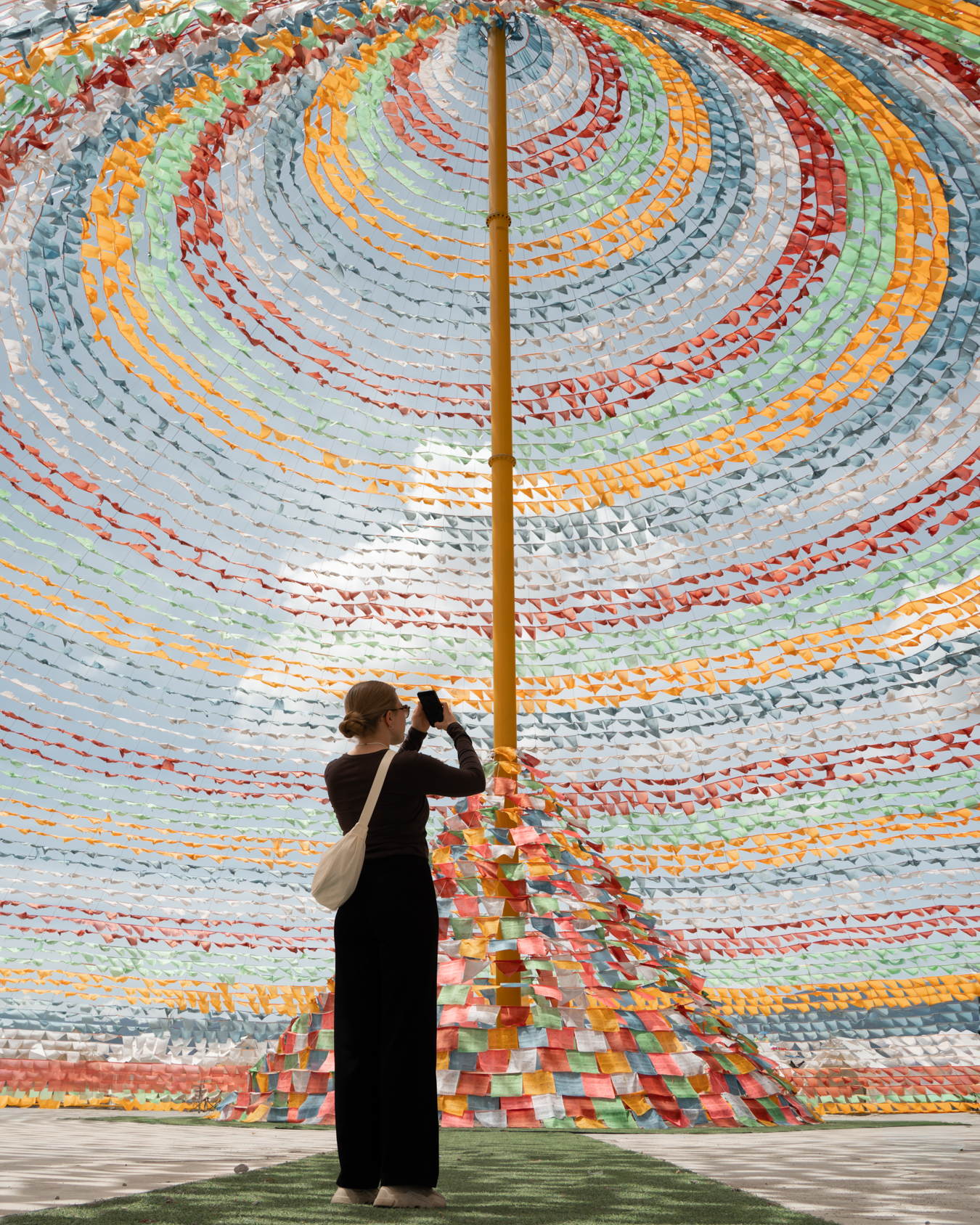
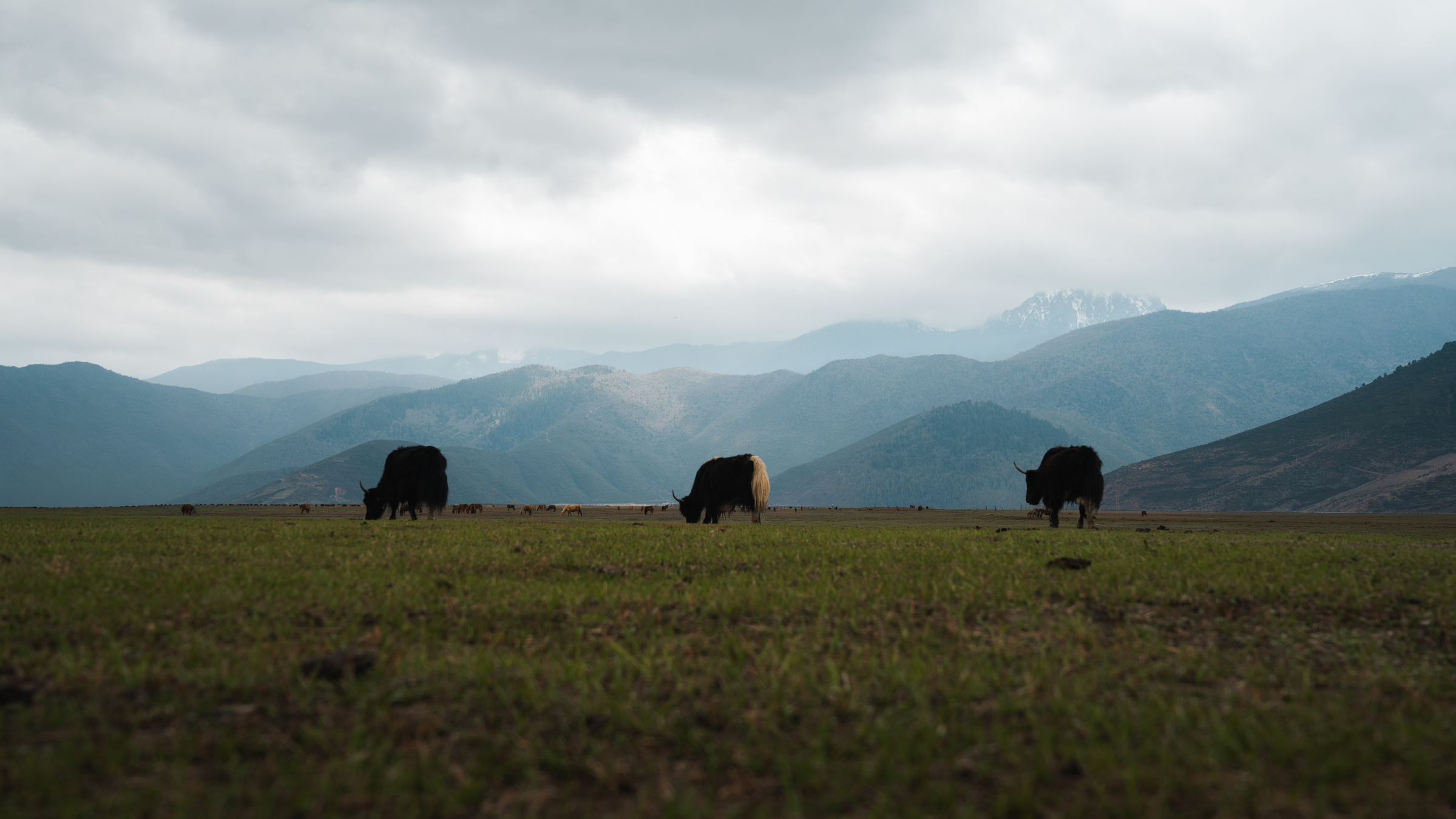
Depending on the season, Napahai transforms between a lake and a vast grassland, creating an ever-changing backdrop of wetlands, grazing yaks, horses and distant mountain ranges. Away from the main roads, the scenery felt surprisingly wild and peaceful, with prayer flags fluttering in the wind and hardly another traveller in sight.
It wasn’t the most famous attraction in Yunnan, nor the most dramatic. Yet the combination of open landscapes, Tibetan villages and the feeling of complete freedom made it one of the most memorable walks of our entire trip.
Looking back, Napahai perfectly captured what we loved most about Shangri-La: big skies, quiet moments and a culture deeply connected to the land.
Shangri-La didn’t feel like a highlight in the usual travel sense. It felt more like a pause in time, where culture, landscape, and altitude all merge into something you don’t fully process while you’re there — only afterwards.
Why We Loved Shangri-La
- Tibetan culture and traditions
- Dukezong Ancient Town
- Giant prayer wheel
- Songzanlin Monastery
- Stunning mountain scenery
- Incredible travel photography opportunities
- Napahai Grasslands
Out of all the places we visited in China, Shangri-La was the destination we connected with the most.
Tiger Leaping Gorge – One of Asia’s Greatest Hikes
No trip to Yunnan is complete without visiting Tiger Leaping Gorge.
Of all the places we visited in China, Tiger Leaping Gorge came closest to matching the landscapes we had imagined before the trip to Yunnan.
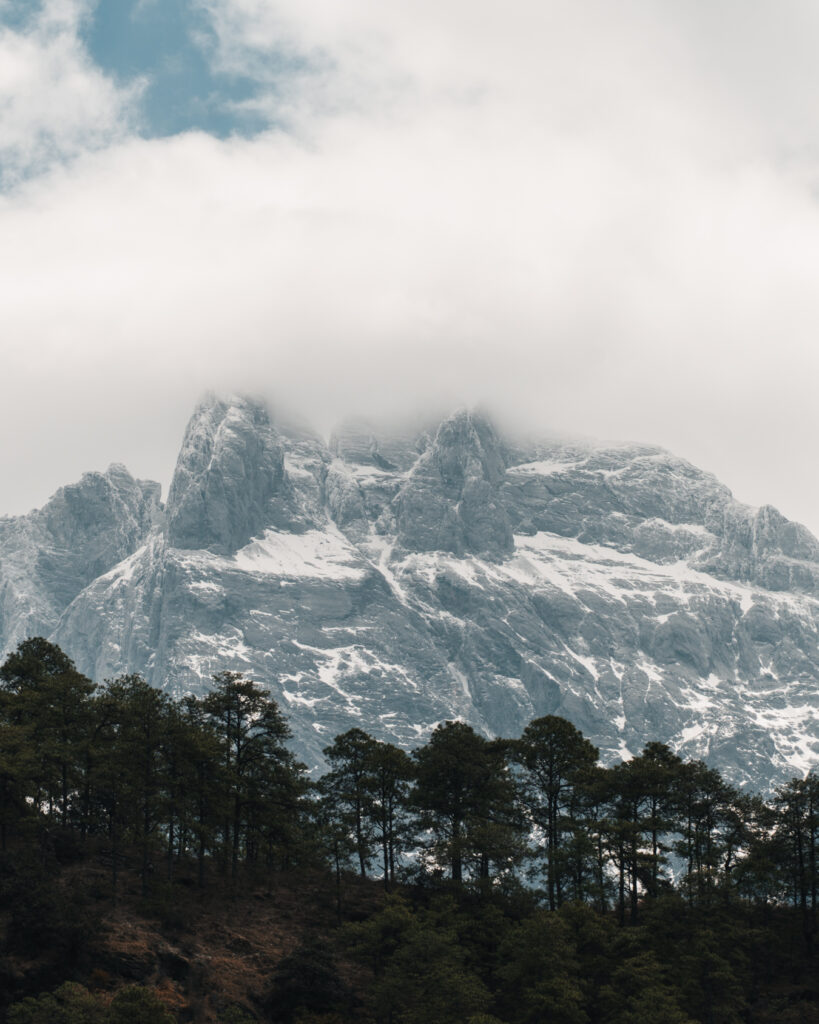
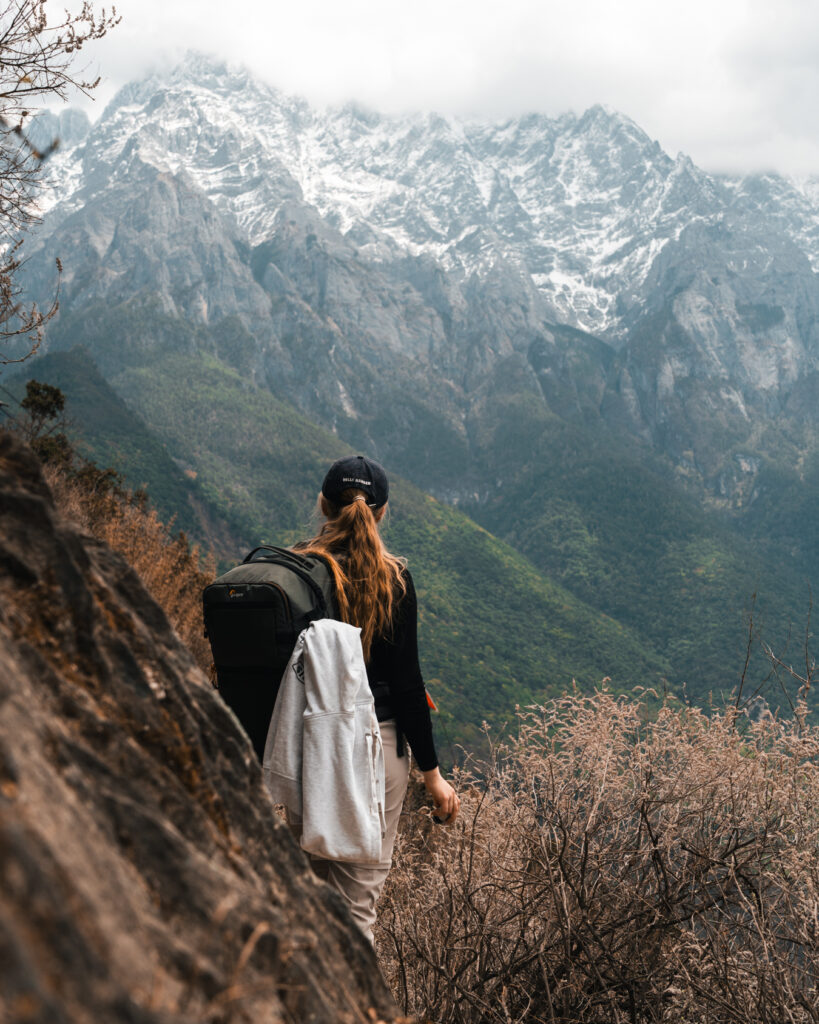
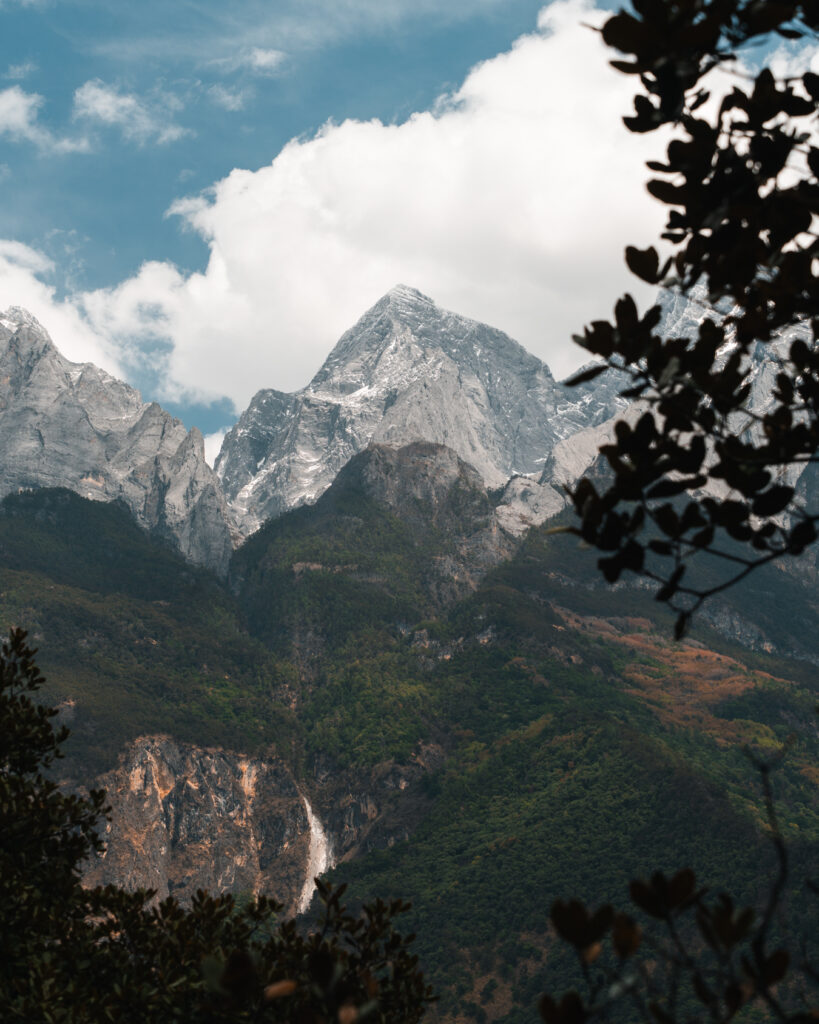
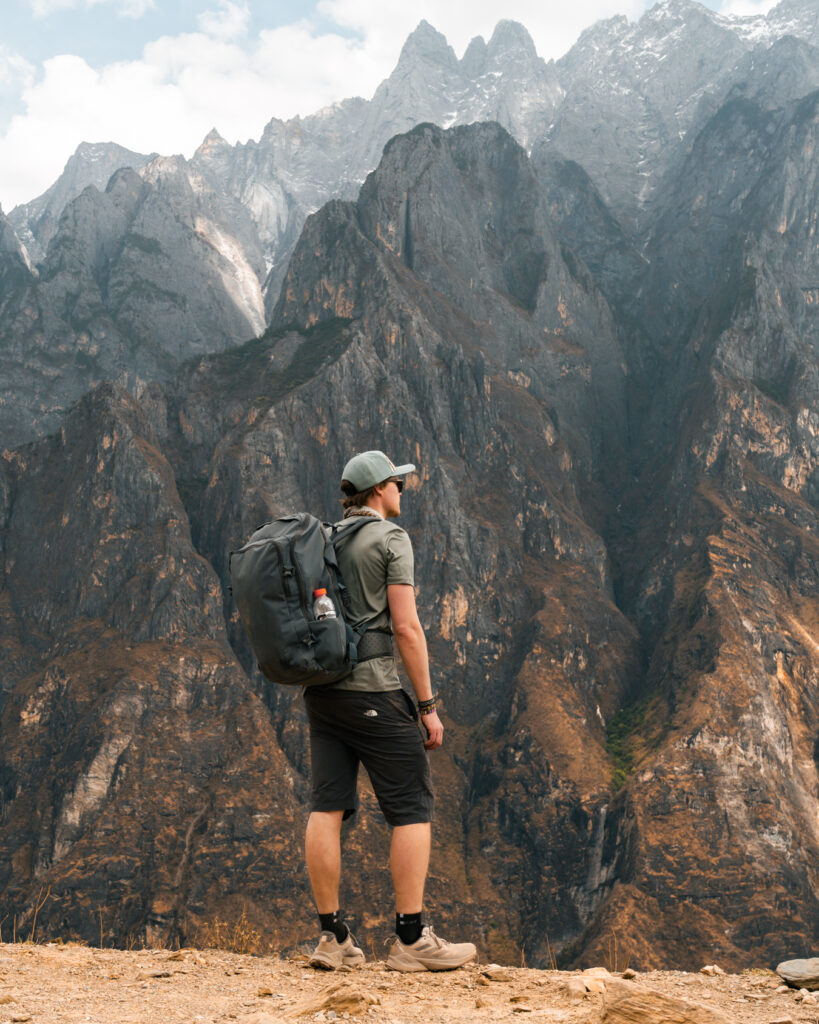
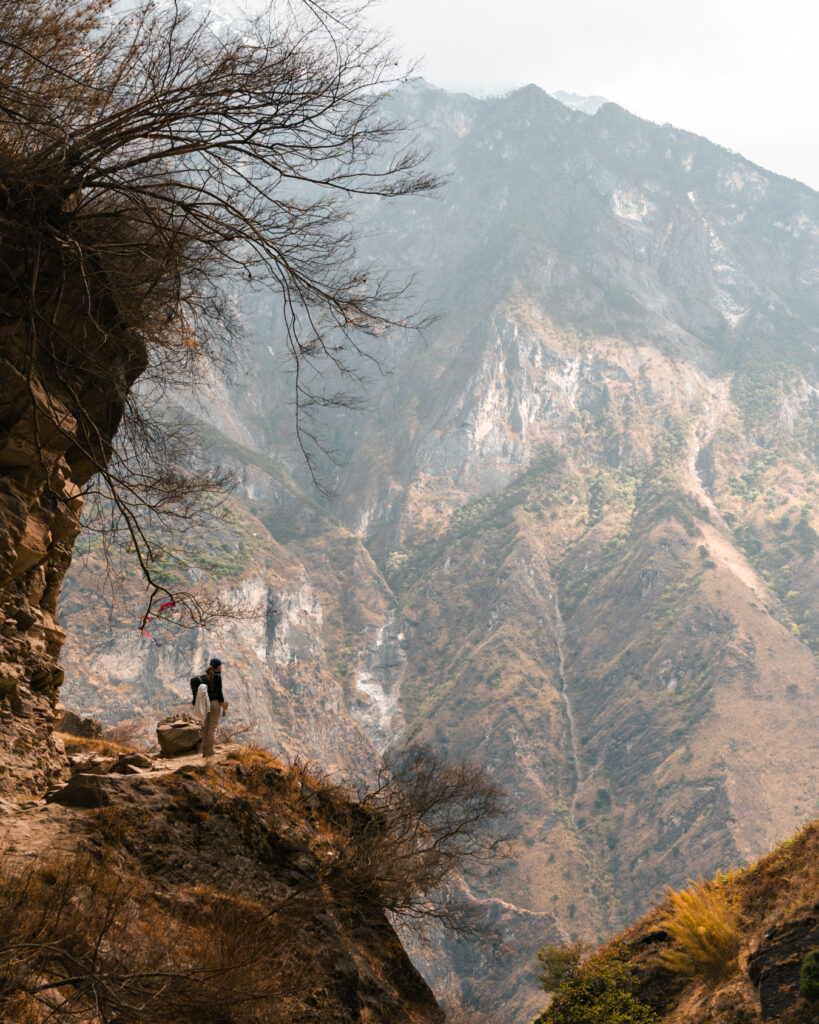
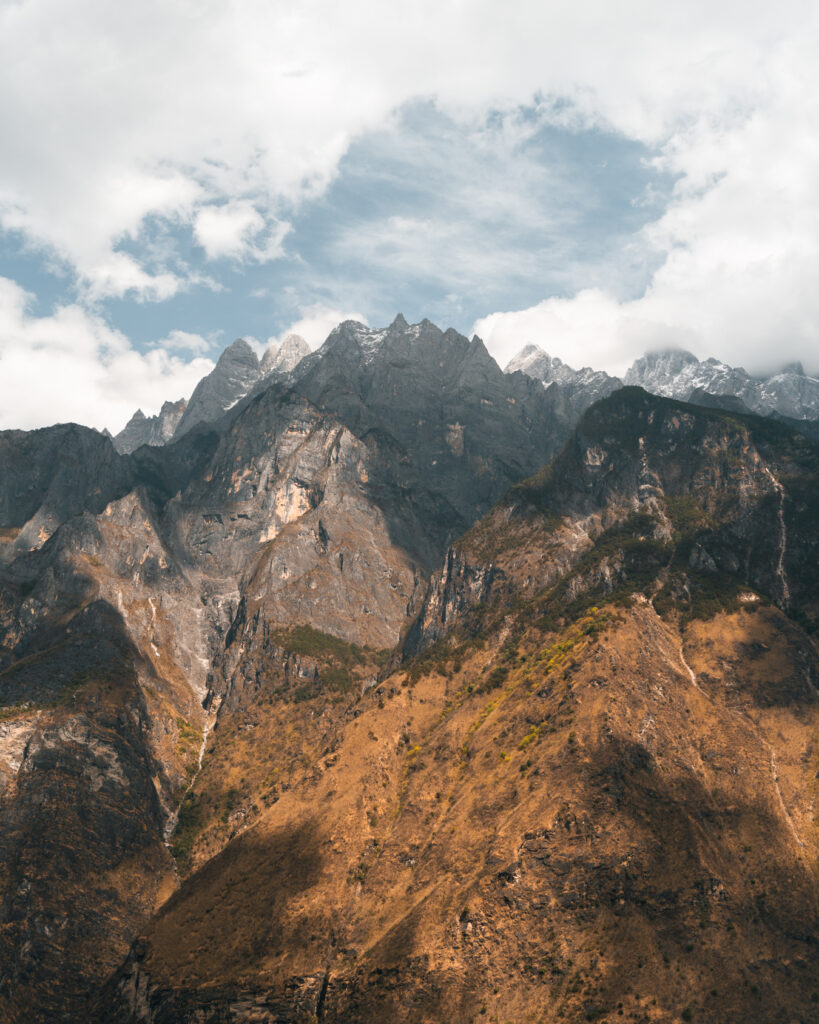
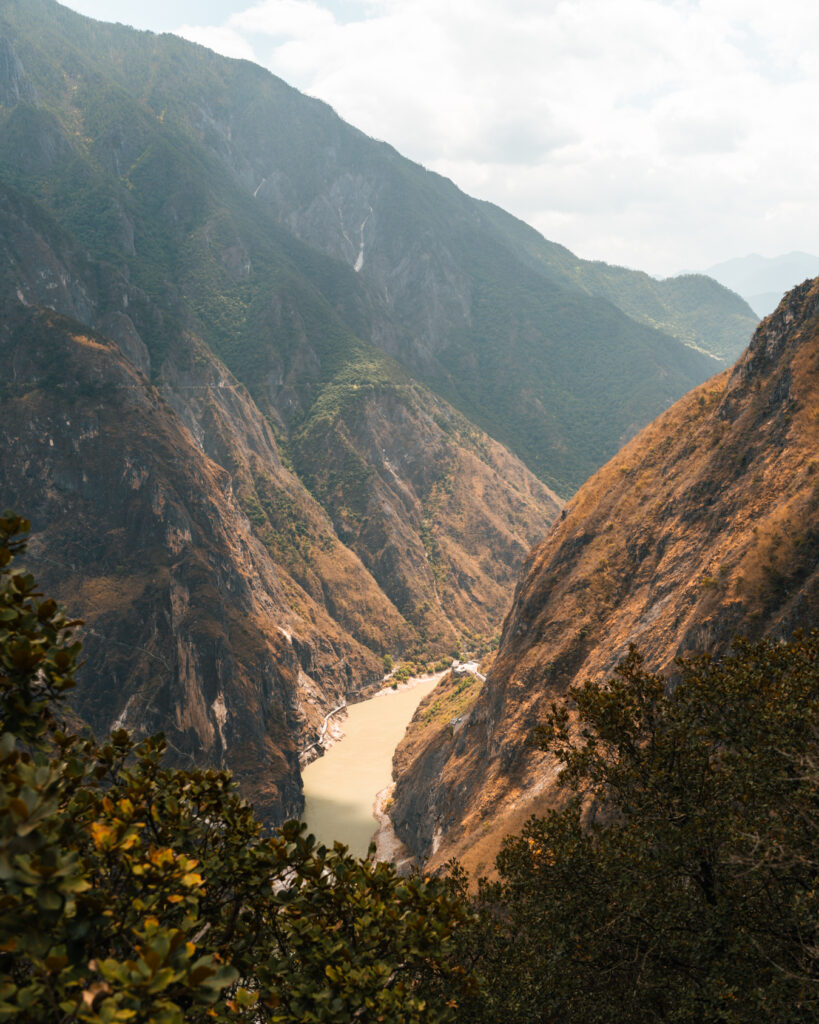
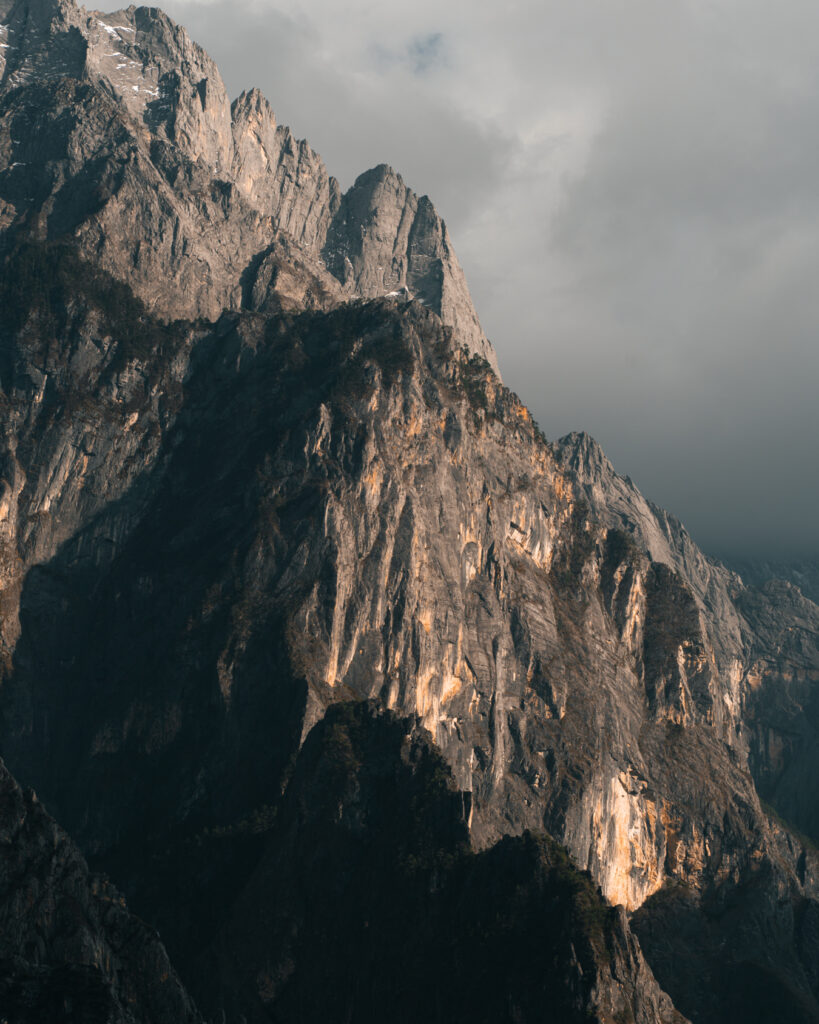
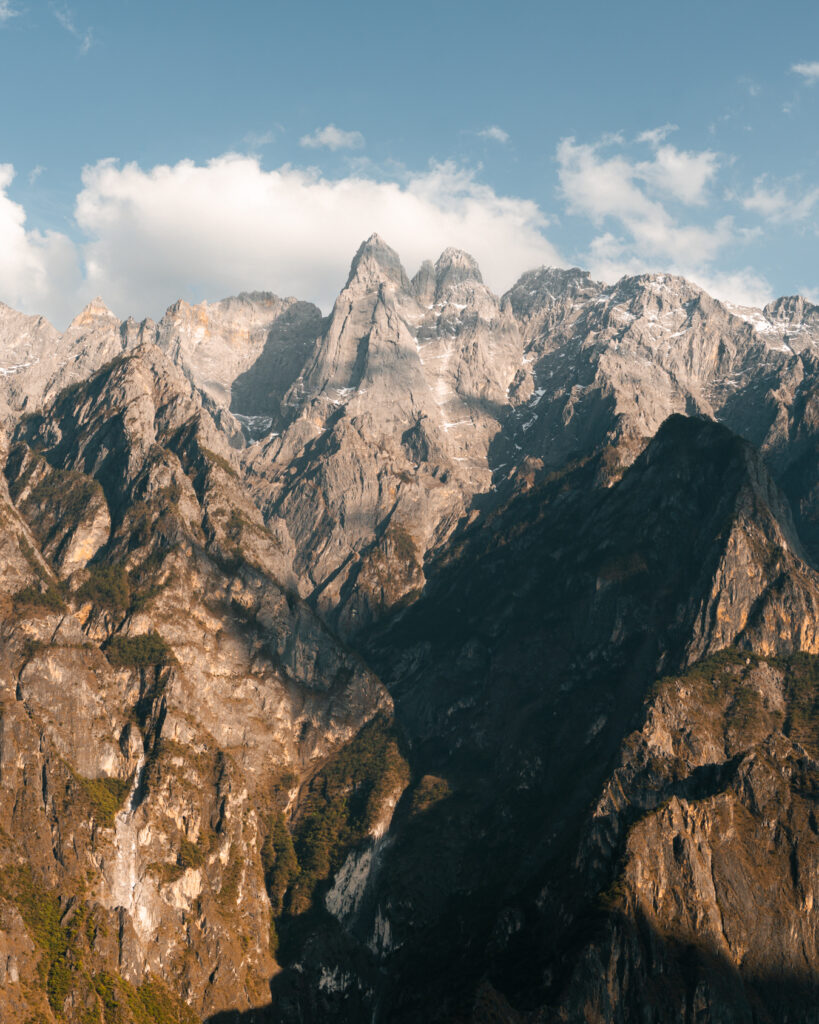
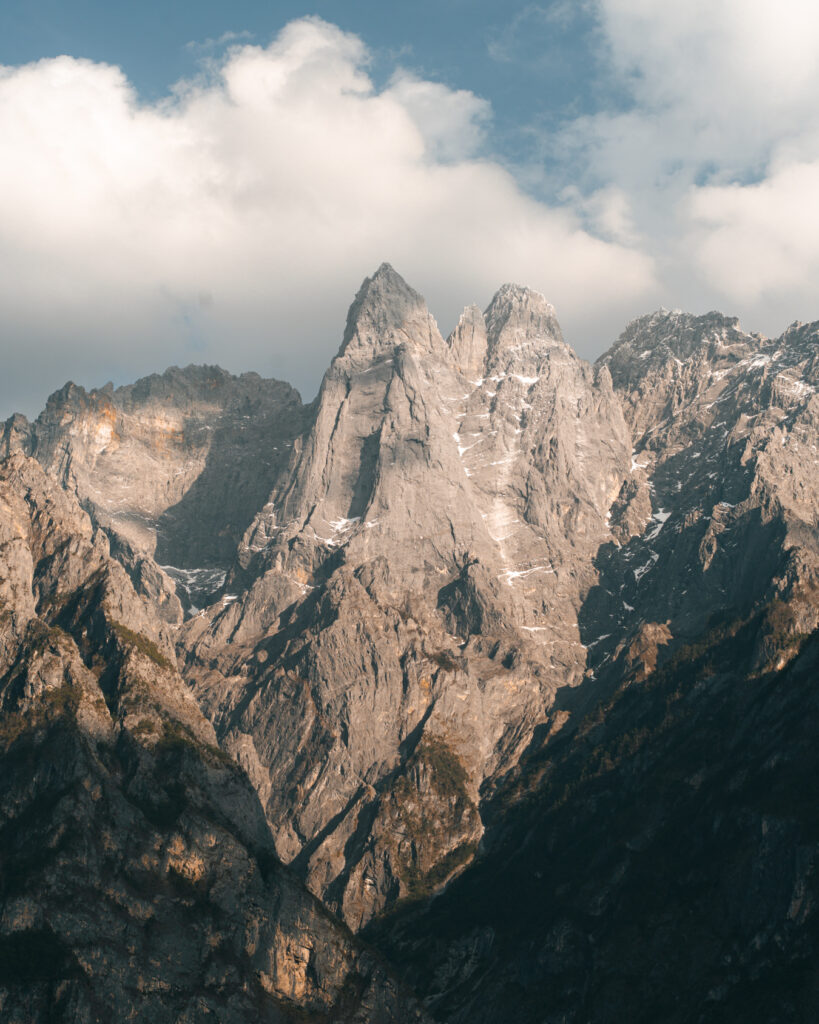
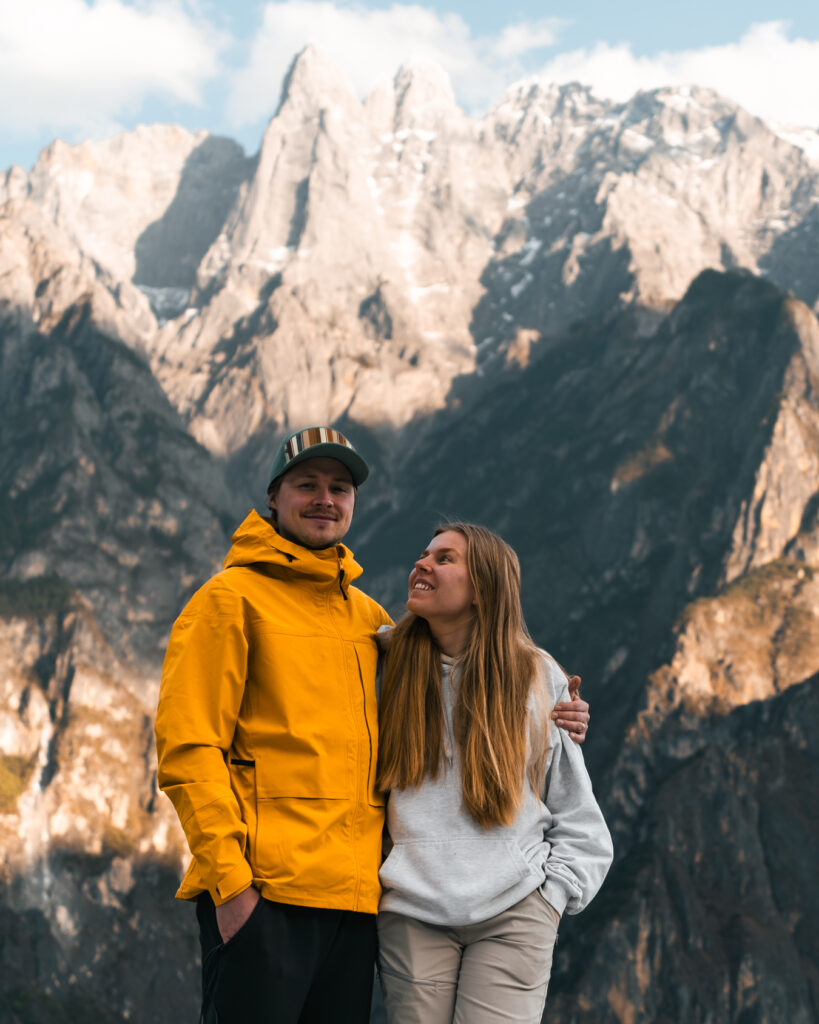
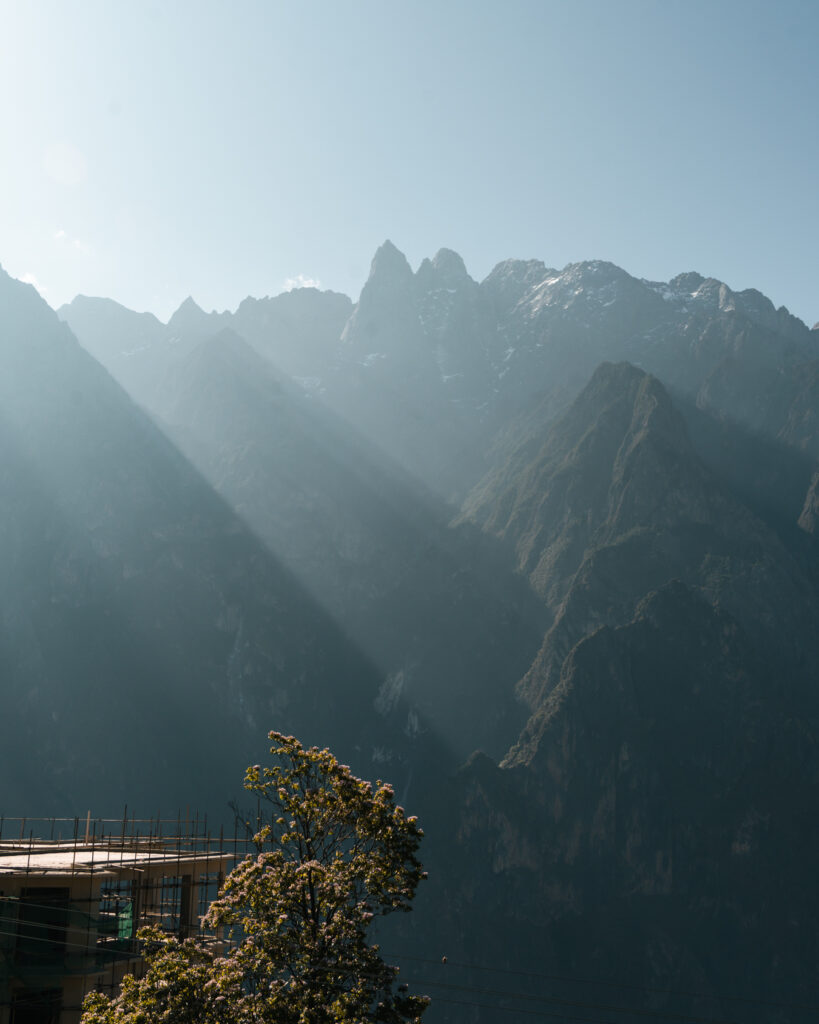
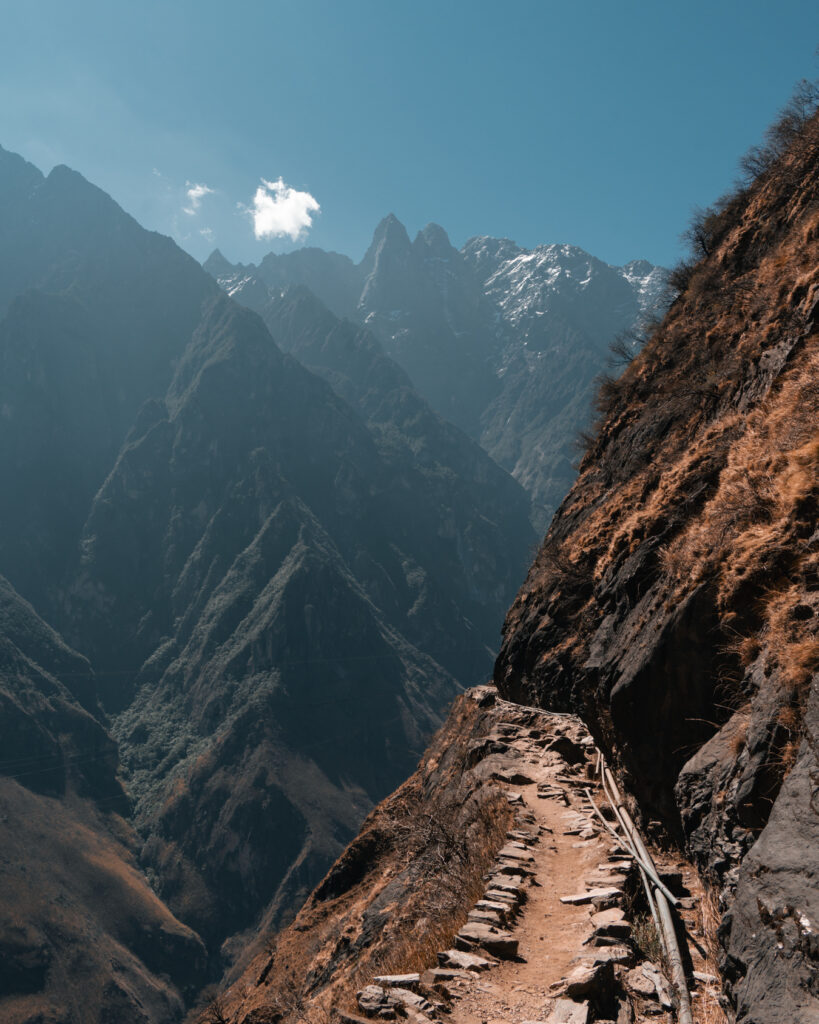
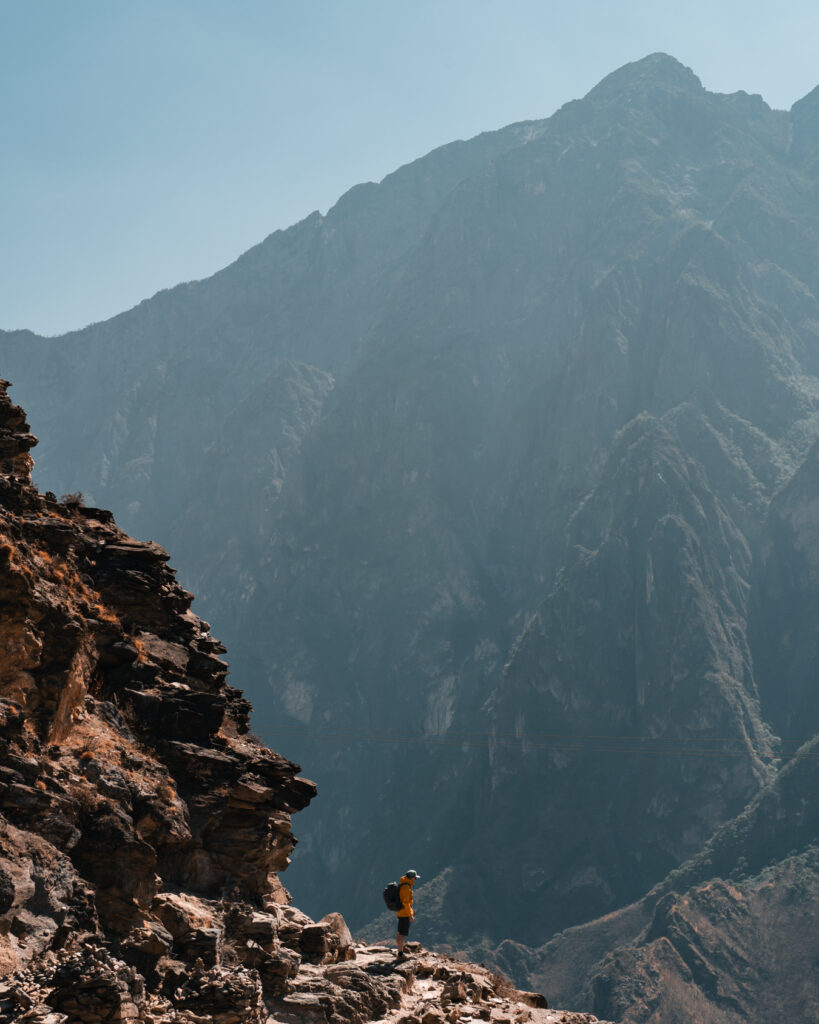
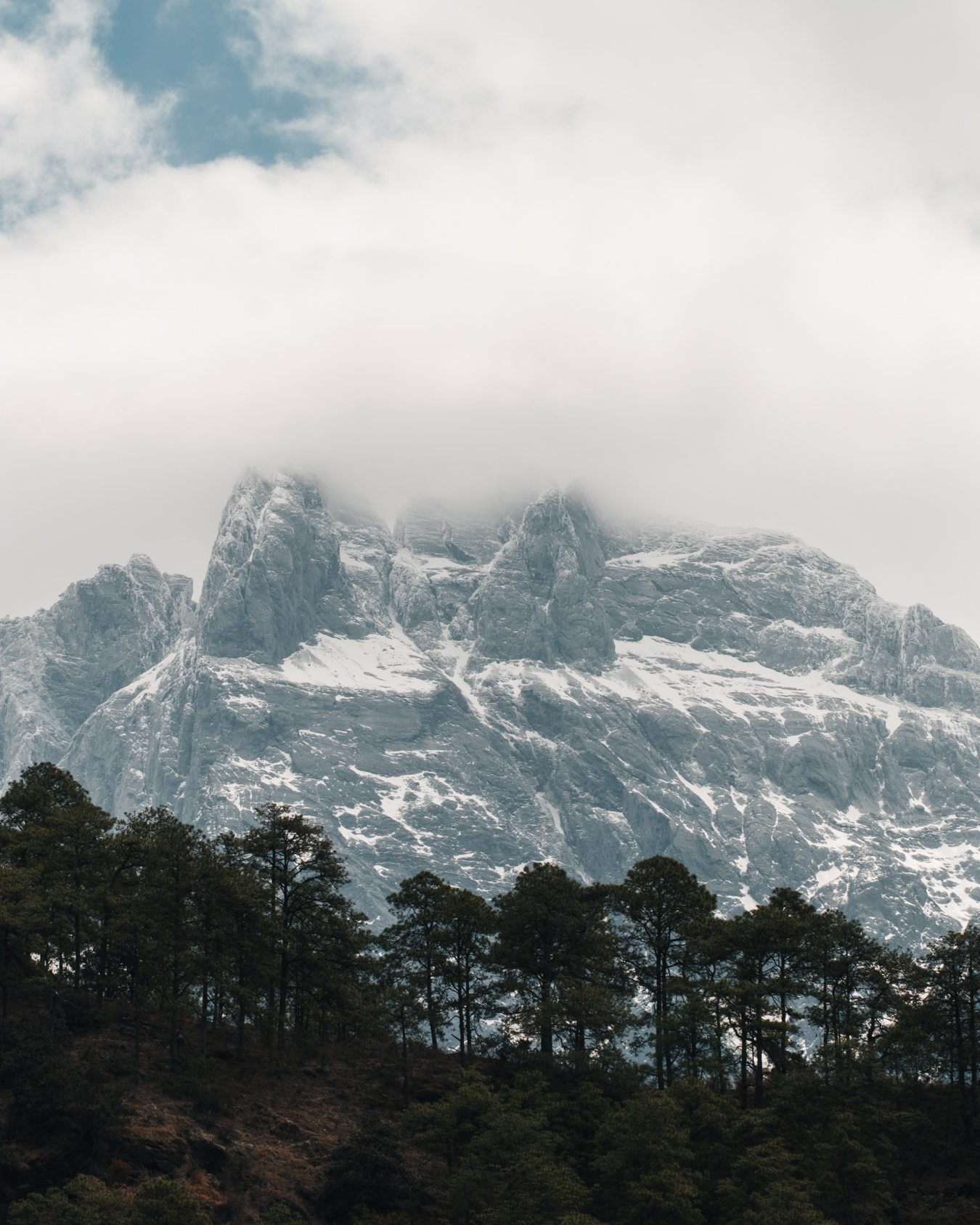
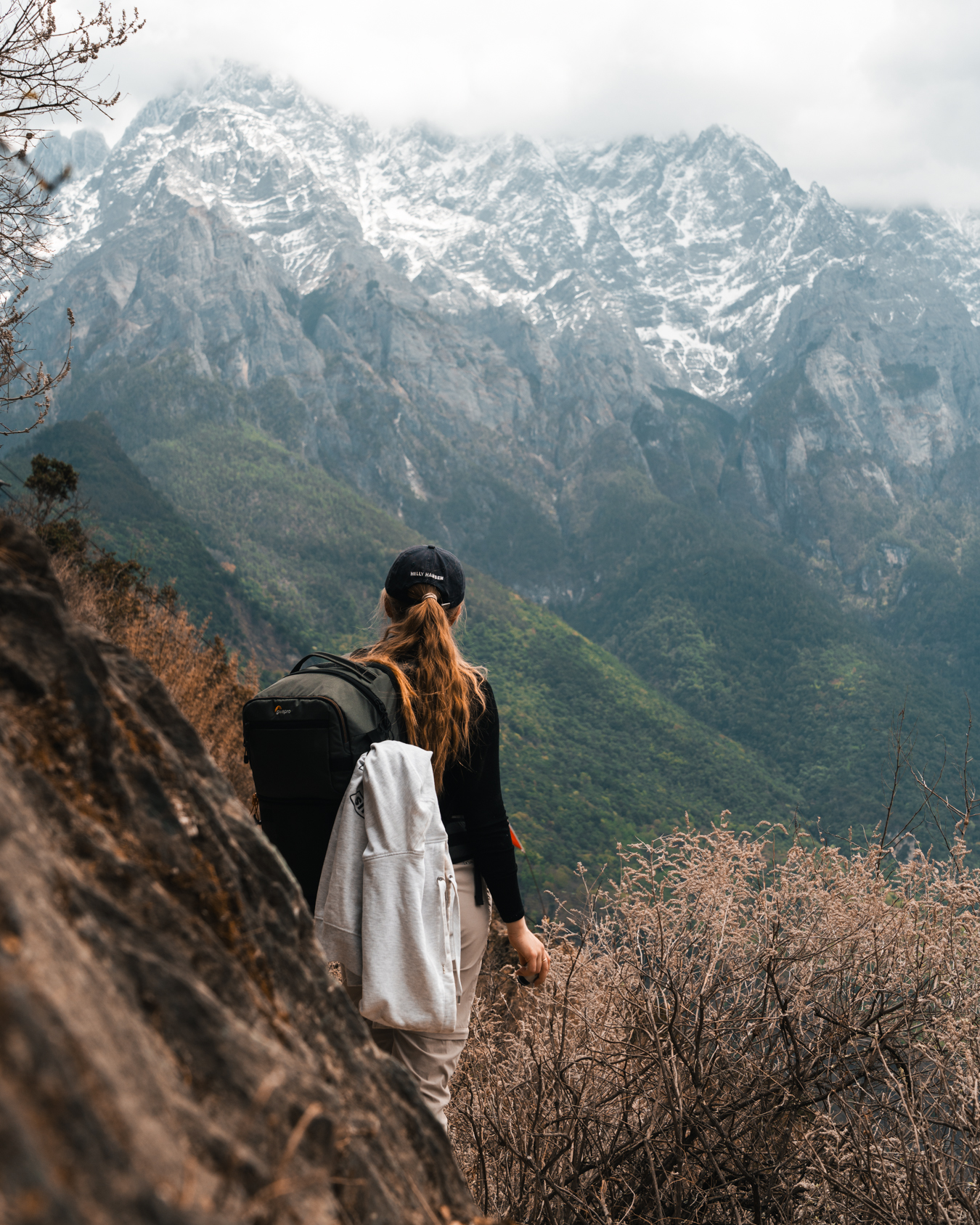
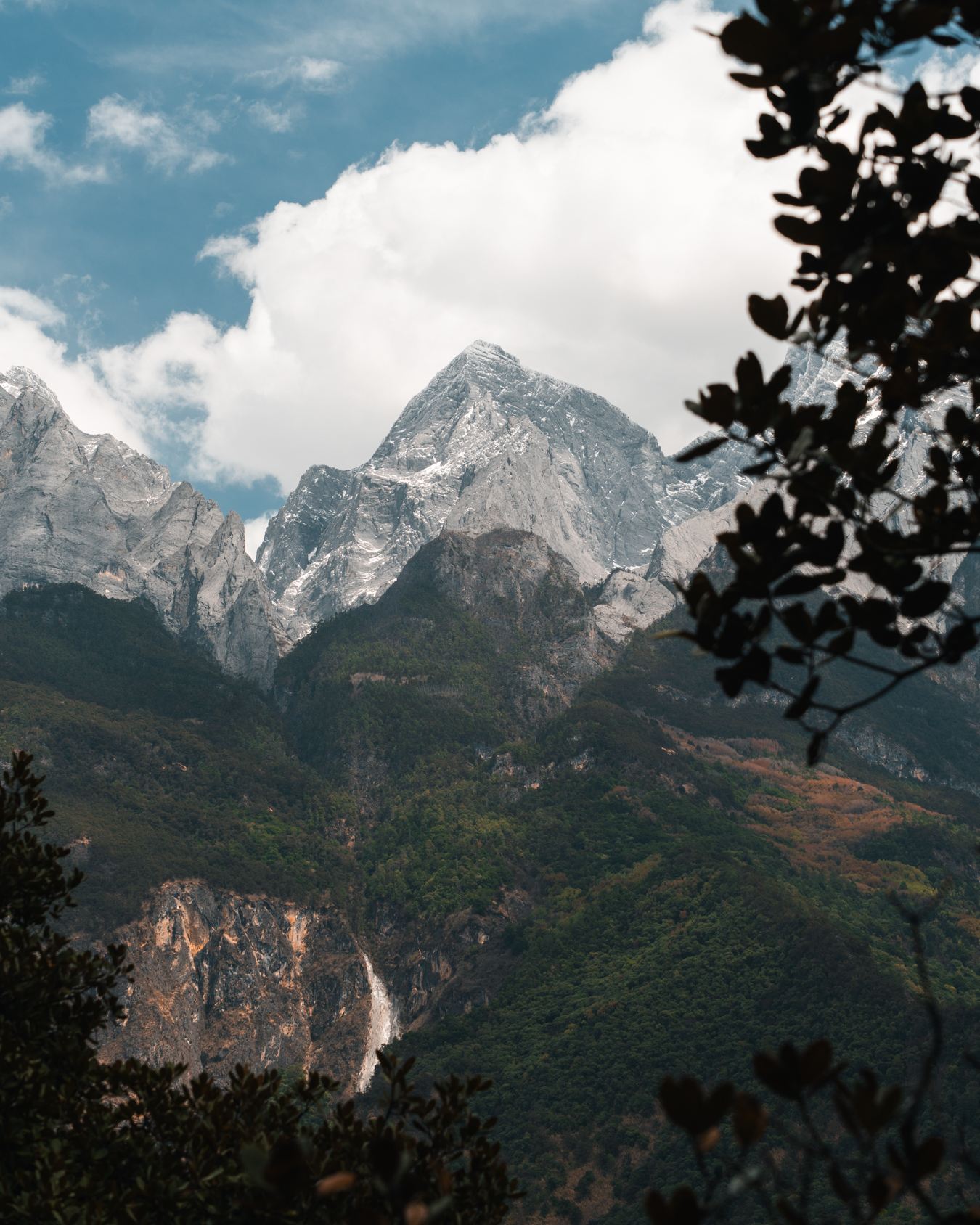
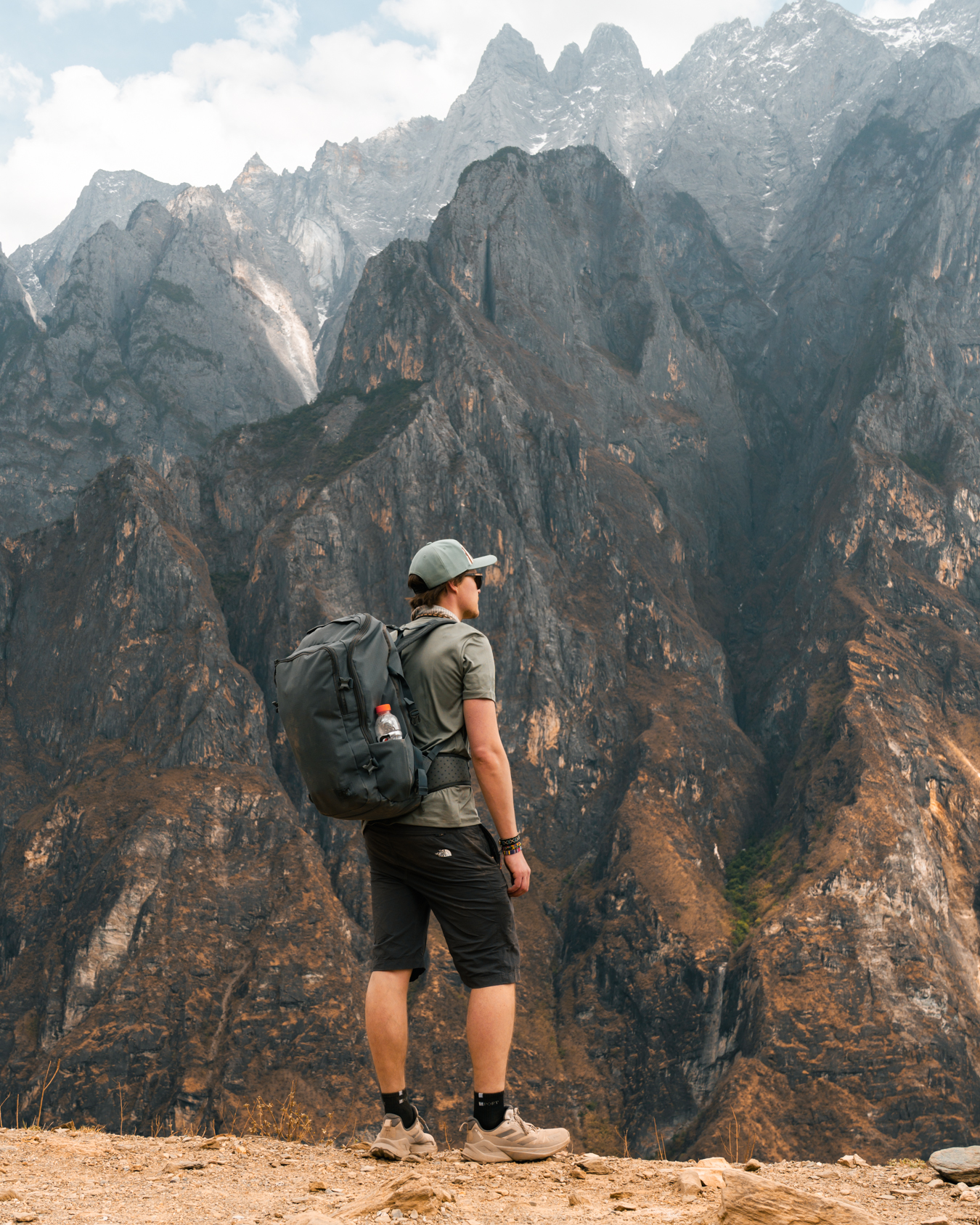
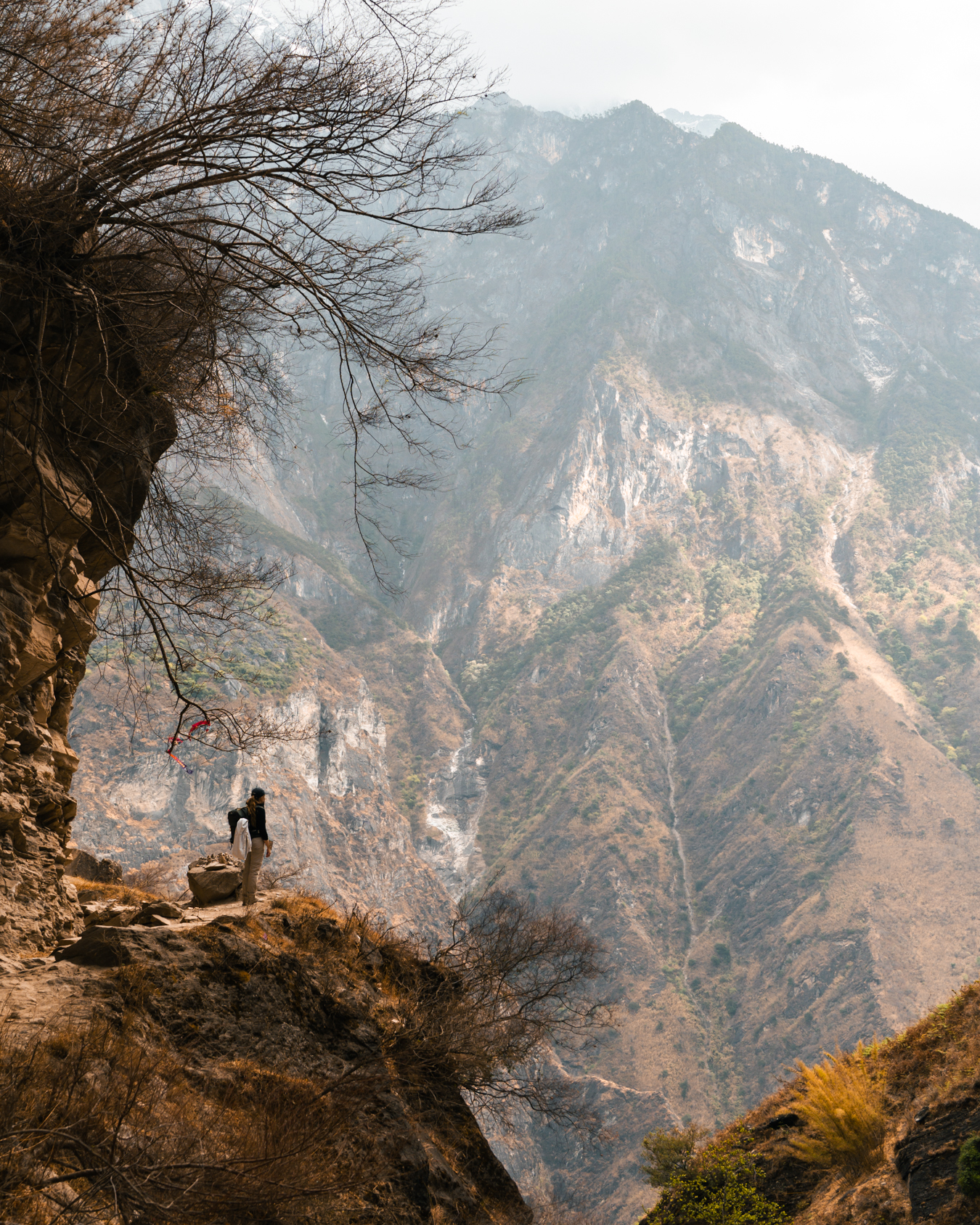
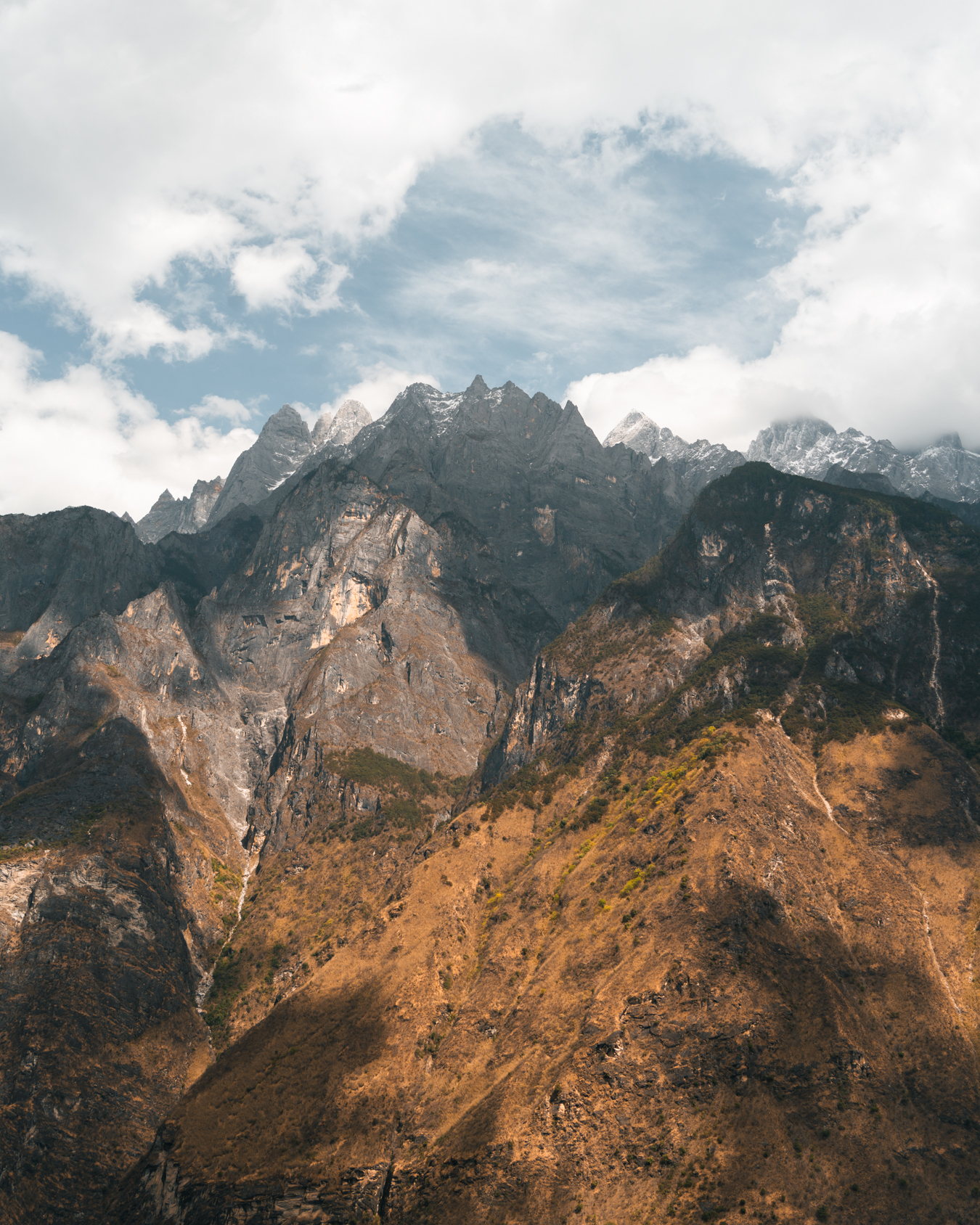
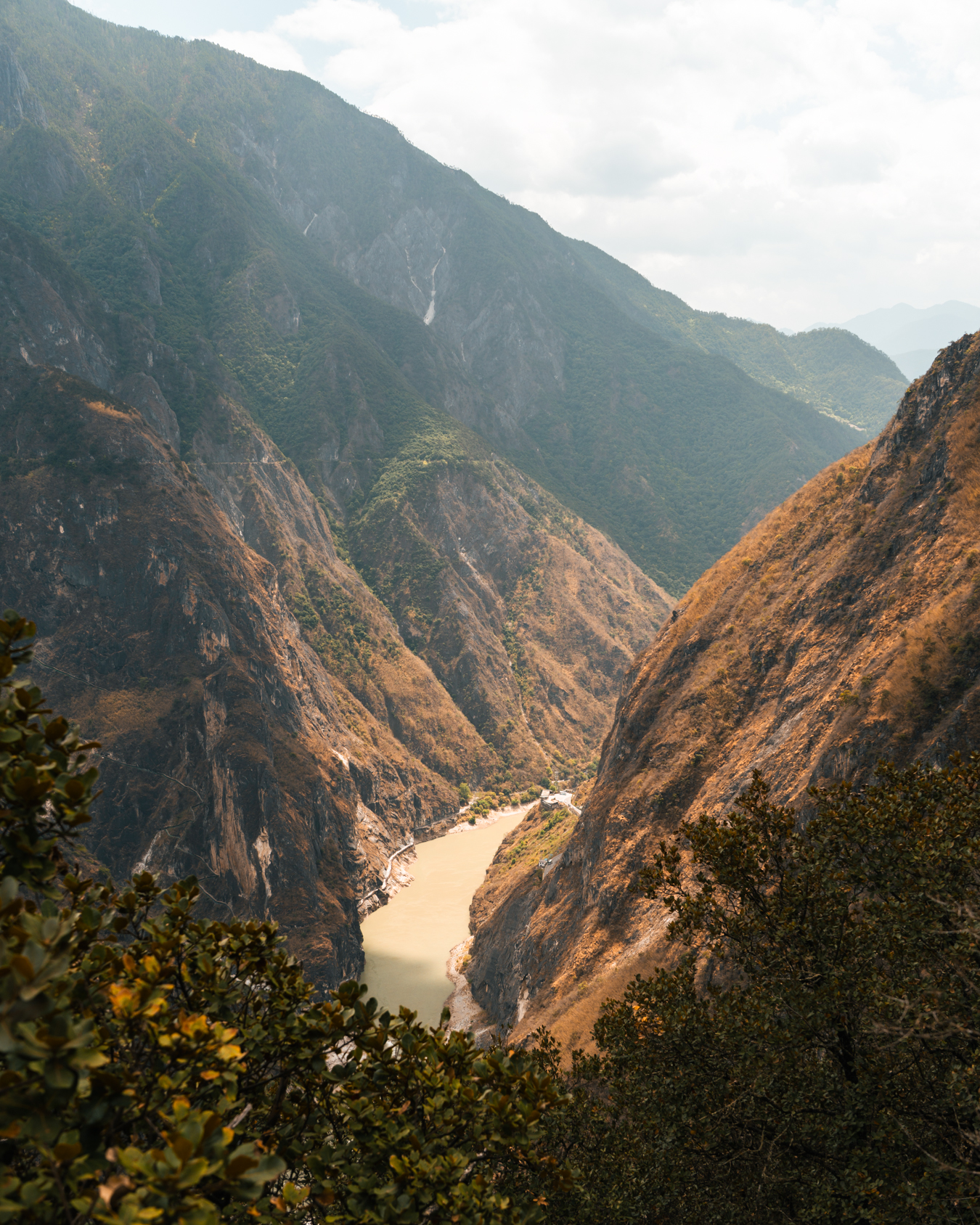
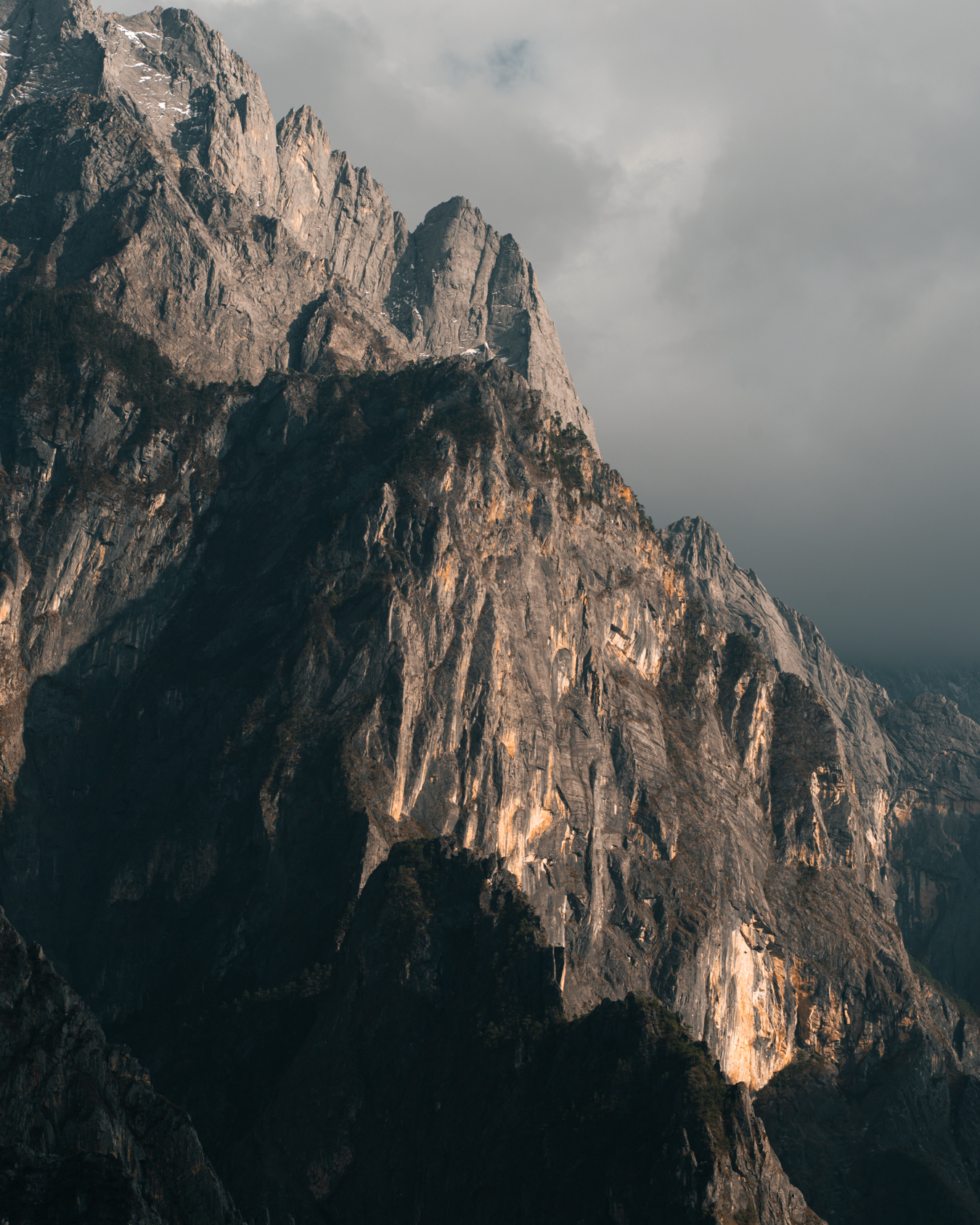
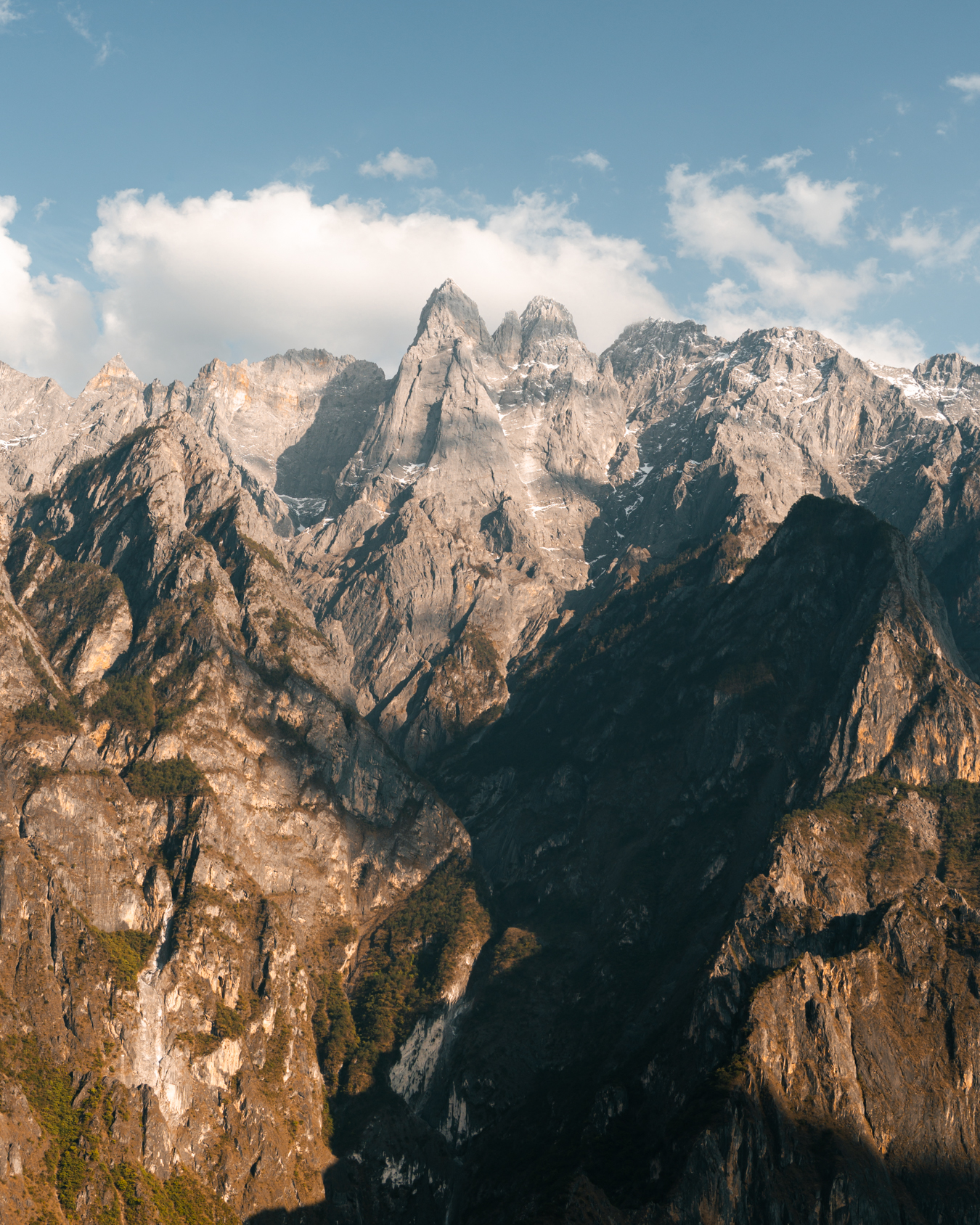
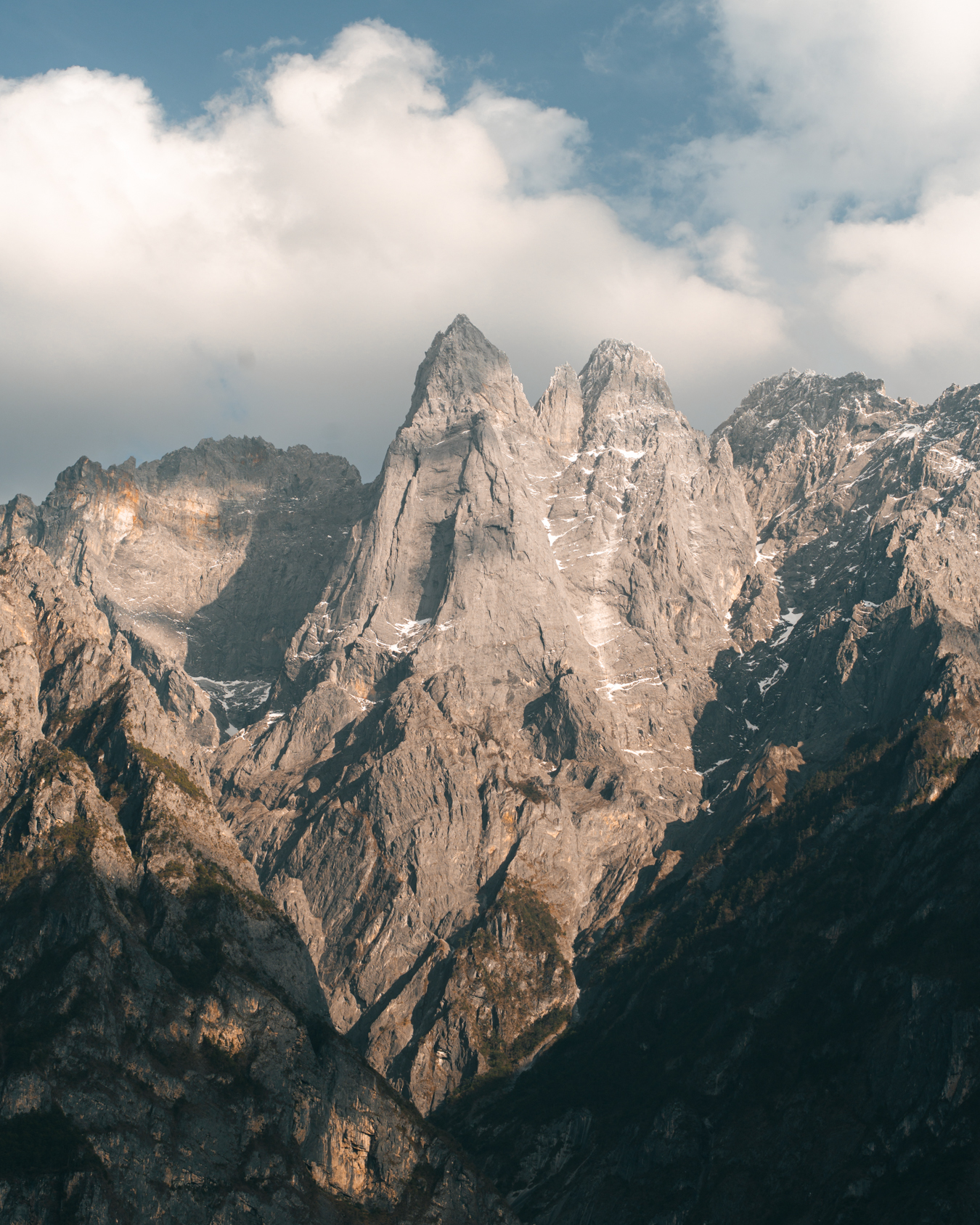
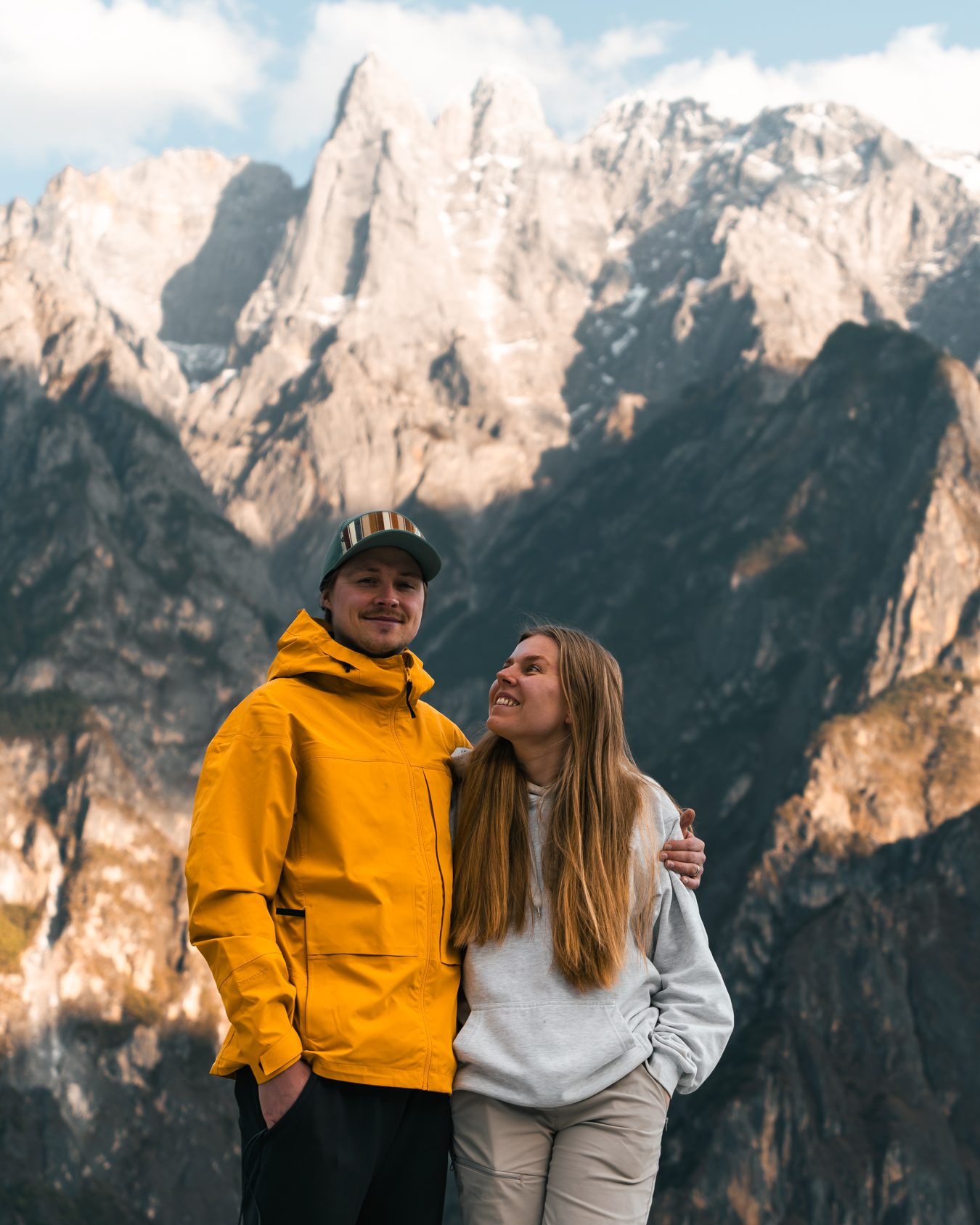
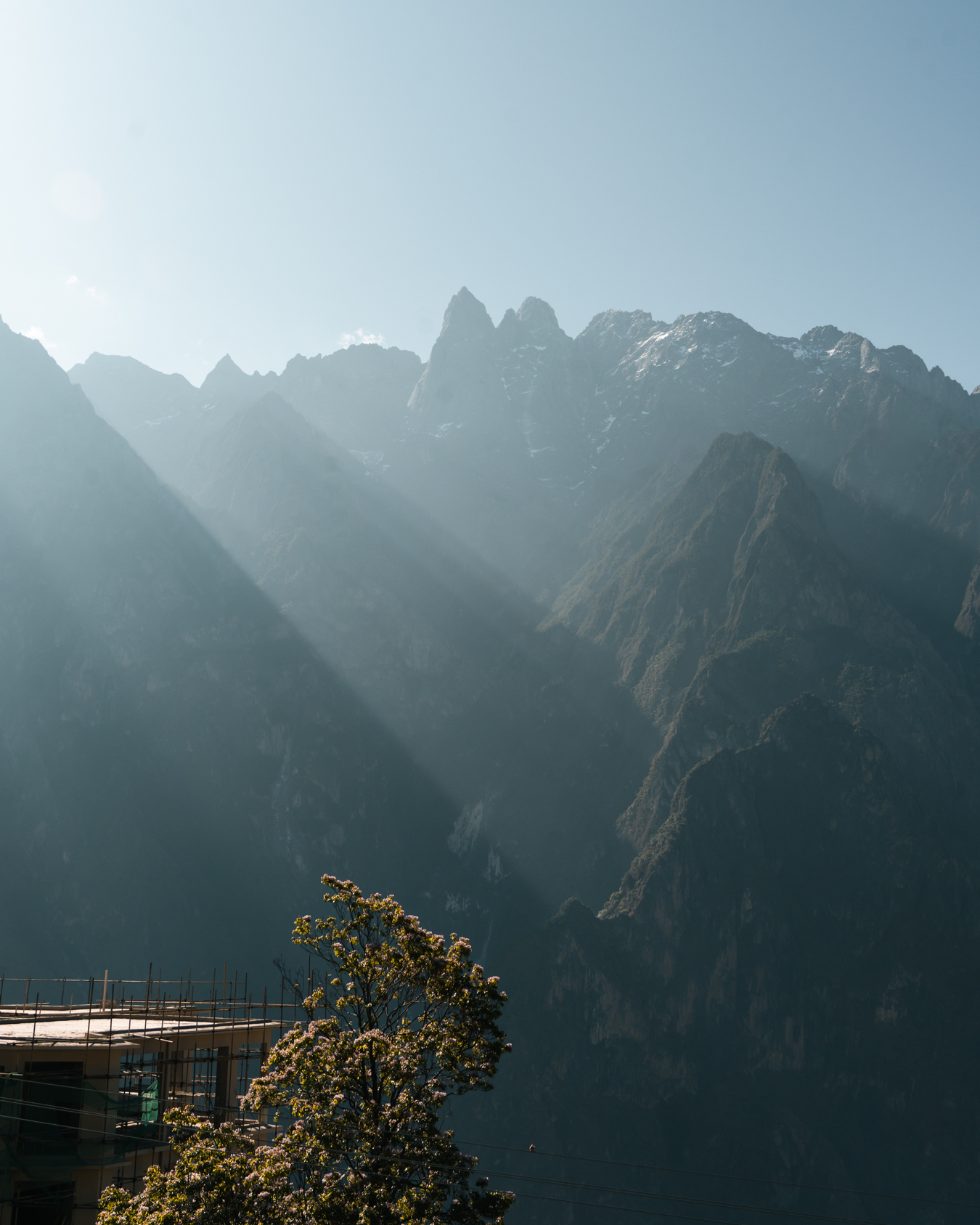
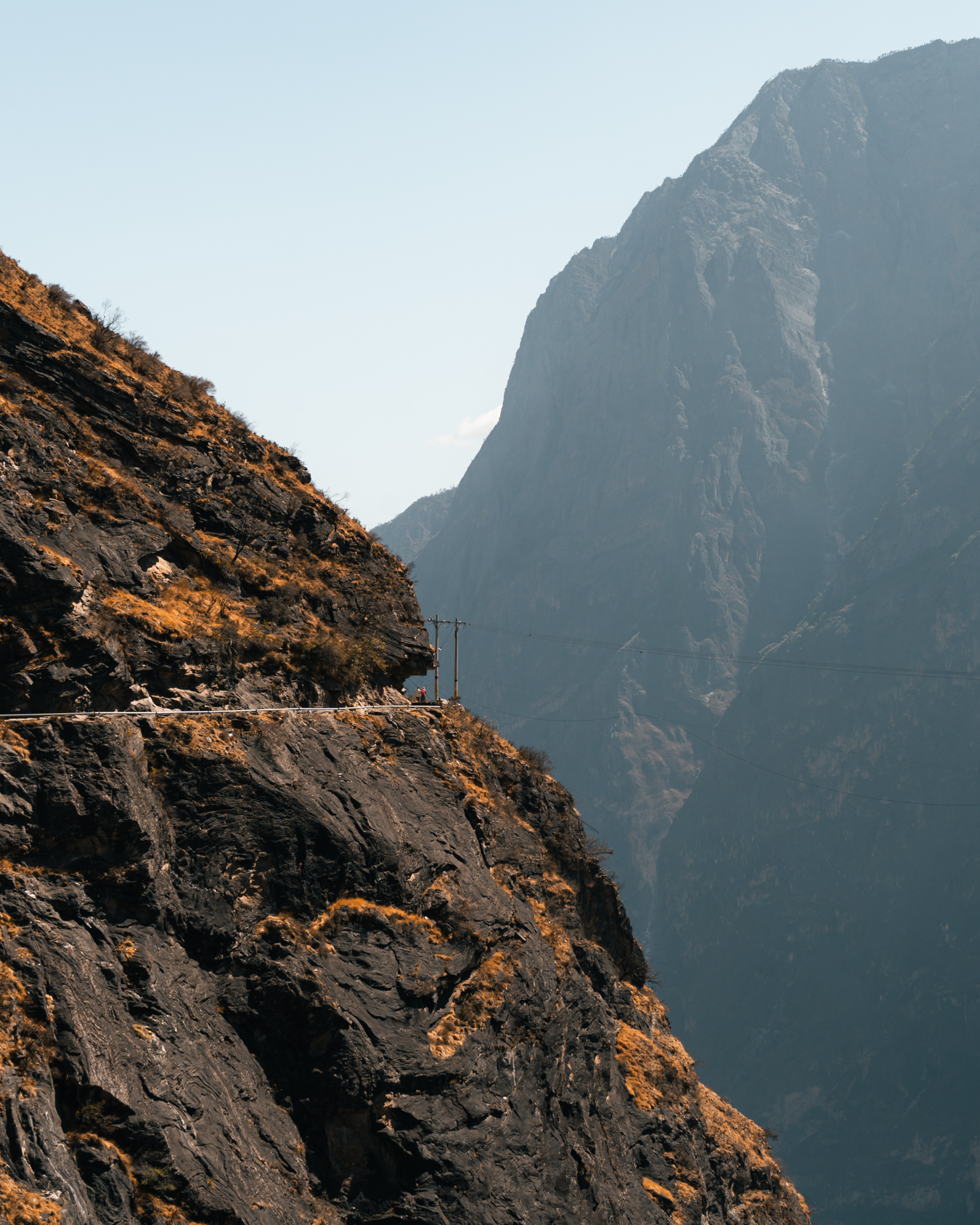
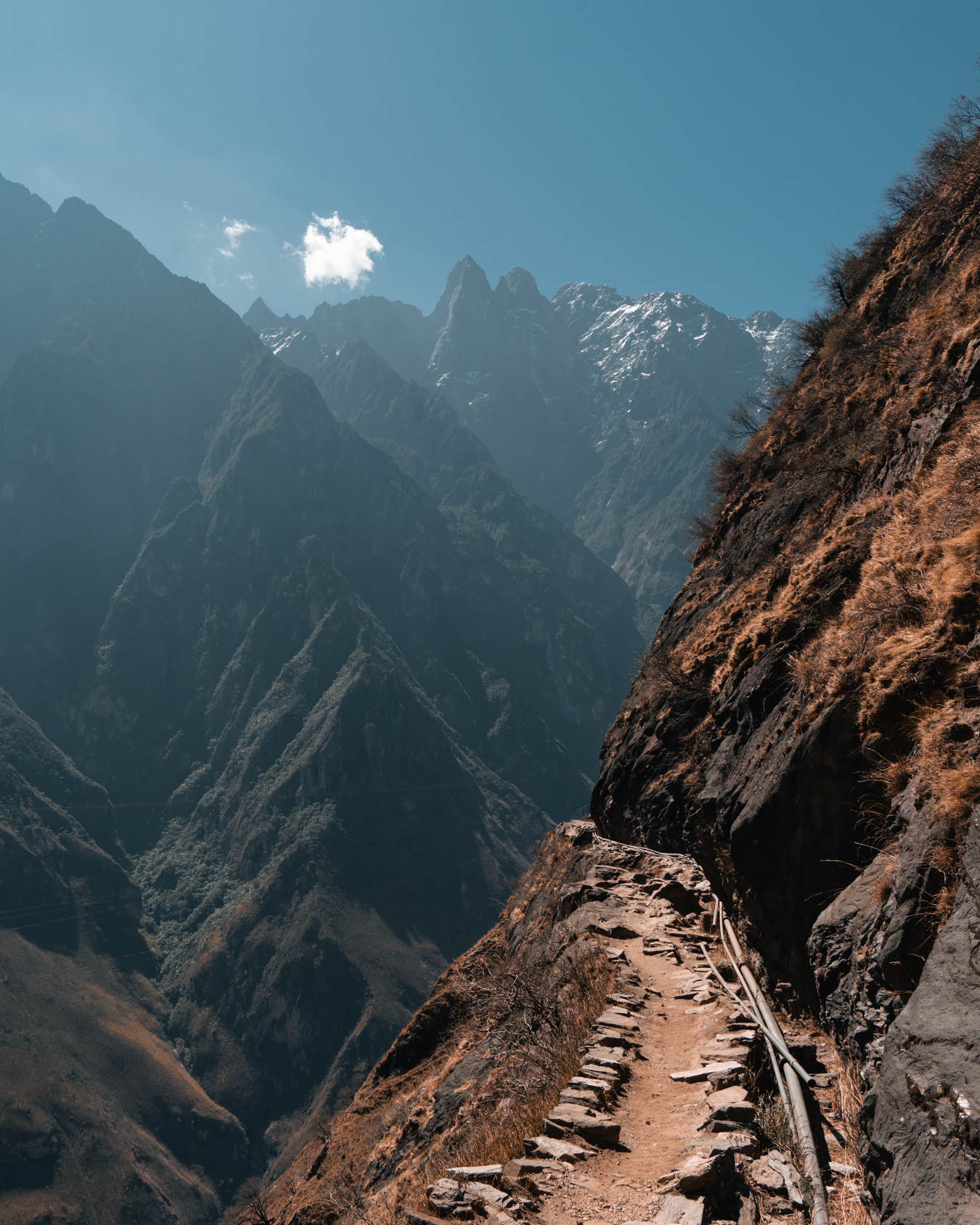
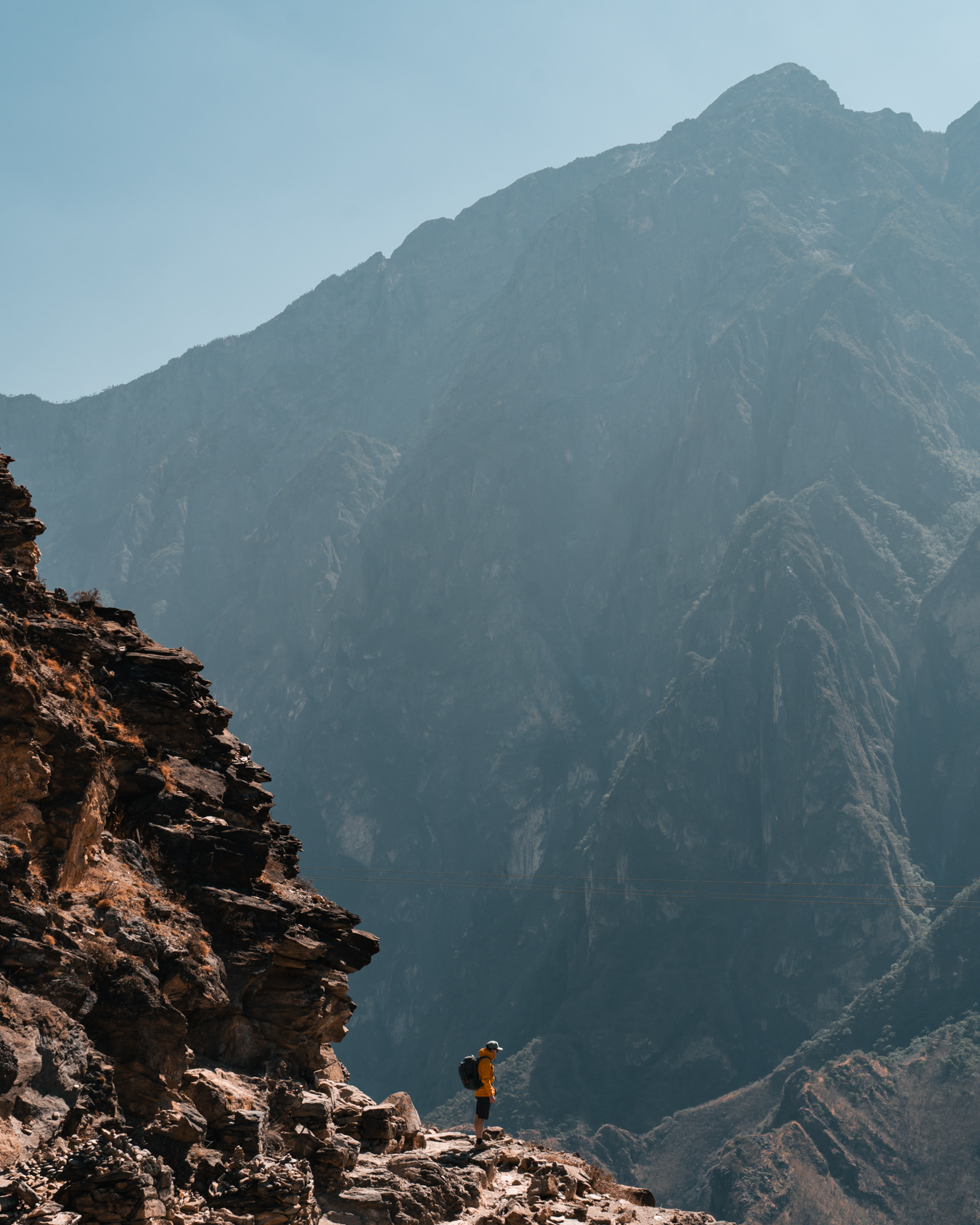
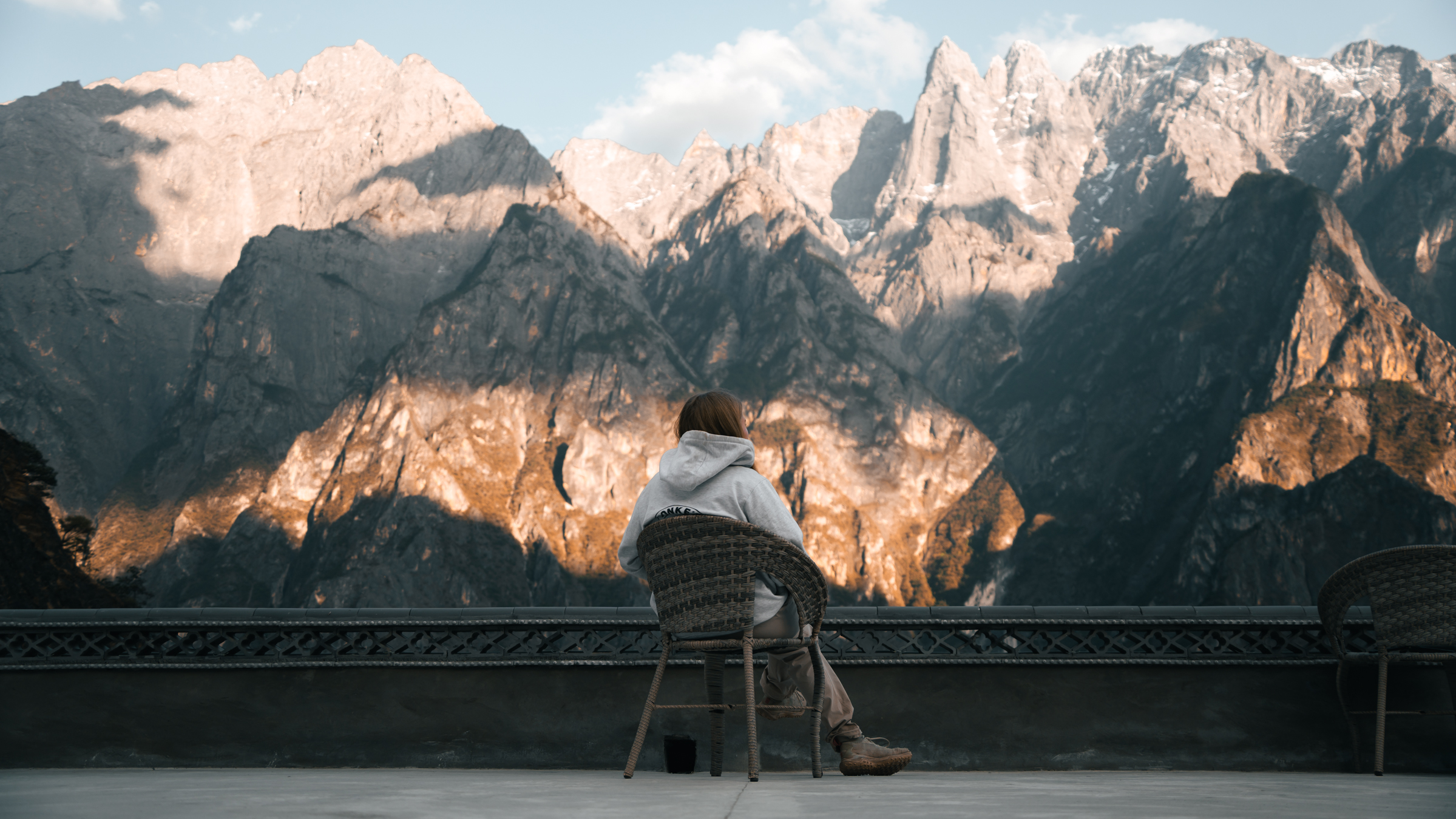
From the very first section of the trail, the scenery was simply breathtaking. Massive mountain walls rose thousands of metres above the valley floor while the Jinsha River (upper Yangtze) carved its way through one of the deepest gorges in the world. Around every corner, another dramatic viewpoint appeared, making it almost impossible to put the camera away.
What surprised us most, however, was how accessible the hike felt. Despite its reputation, the trail was never particularly difficult and often felt more like a relaxed mountain walk than a demanding trek. The infrastructure along the route is excellent, with newly built guesthouses, small cafés and local families selling snacks, drinks and fruit from simple trailside stalls. Even hikers with limited mountain experience can comfortably enjoy the route while taking in the spectacular scenery.
One of the highlights of the trek was spending the night in a guesthouse overlooking the entire valley. Waking up to uninterrupted views of the surrounding peaks and watching the changing light move across the mountains was one of those travel moments that stays with you long after returning home.
Minor downside
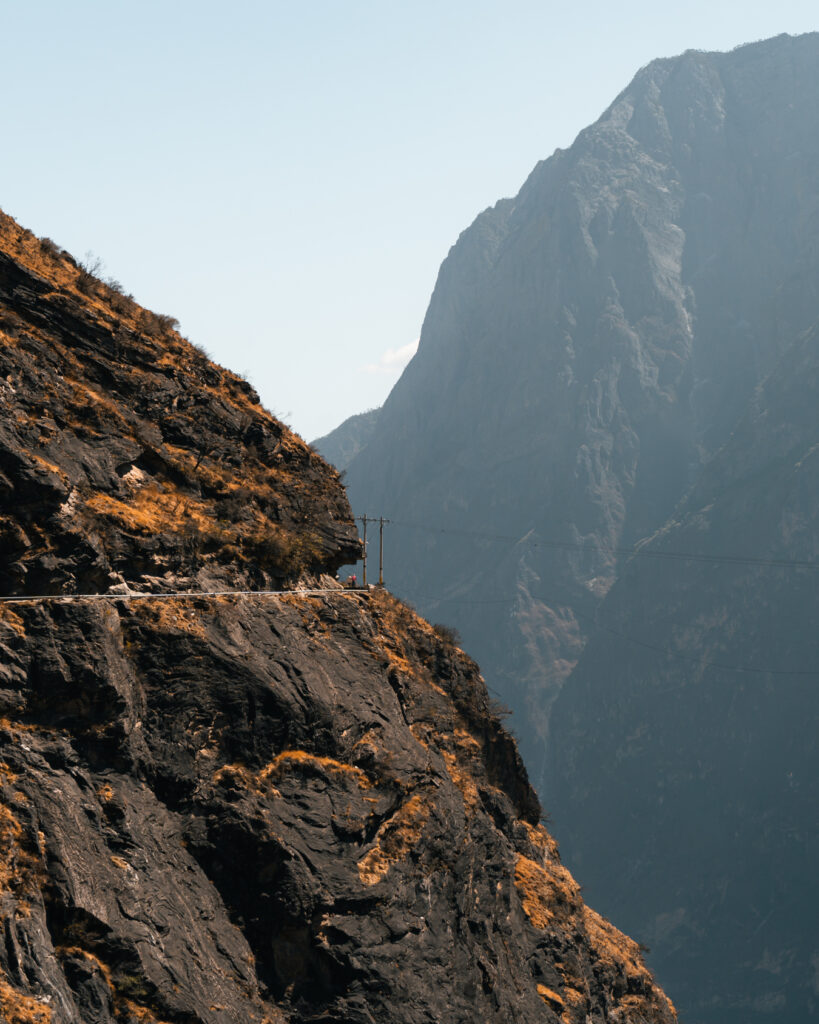
The only downside, at least from a photographer’s perspective, was the presence of an electrical line that follows much of the trail. While it doesn’t affect the hiking experience itself, it often finds its way into photographs, slightly distracting from an otherwise pristine mountain landscape.
Still, this was a minor complaint in a place that exceeded our expectations in almost every other way.
For us, Tiger Leaping Gorge wasn’t just one of the highlights of Yunnan — it was one of the highlights of the entire China trip. The combination of dramatic scenery, comfortable hiking, welcoming local communities and unforgettable mountain views made it a destination we would happily return to. More on Tiger Leaping Gorge coming later on its own post…
Tiger Leaping Gorge Hiking Tips
- Allow at least two days for the classic trek
- Stay overnight at one of the mountain guesthouses
- Bring plenty of water and sun protection
- Expect steep climbs but unforgettable views
For hikers and photographers alike, Tiger Leaping Gorge is a must-visit destination in China.
How We Visited Tiger Leaping Gorge
Many travellers wonder whether Tiger Leaping Gorge requires a car. Fortunately, it doesn’t.
From Shangri-La, we took a public bus to Tiger Leaping Gorge. The journey was straightforward and offered beautiful views of the surrounding mountains along the way.
After completing our hike in one of China’s most spectacular natural landscapes, we returned to Shangri-La by bus and spent another night there before continuing our journey to Chongqing.
Chongqing – China’s Most Mind-Bending Megacity
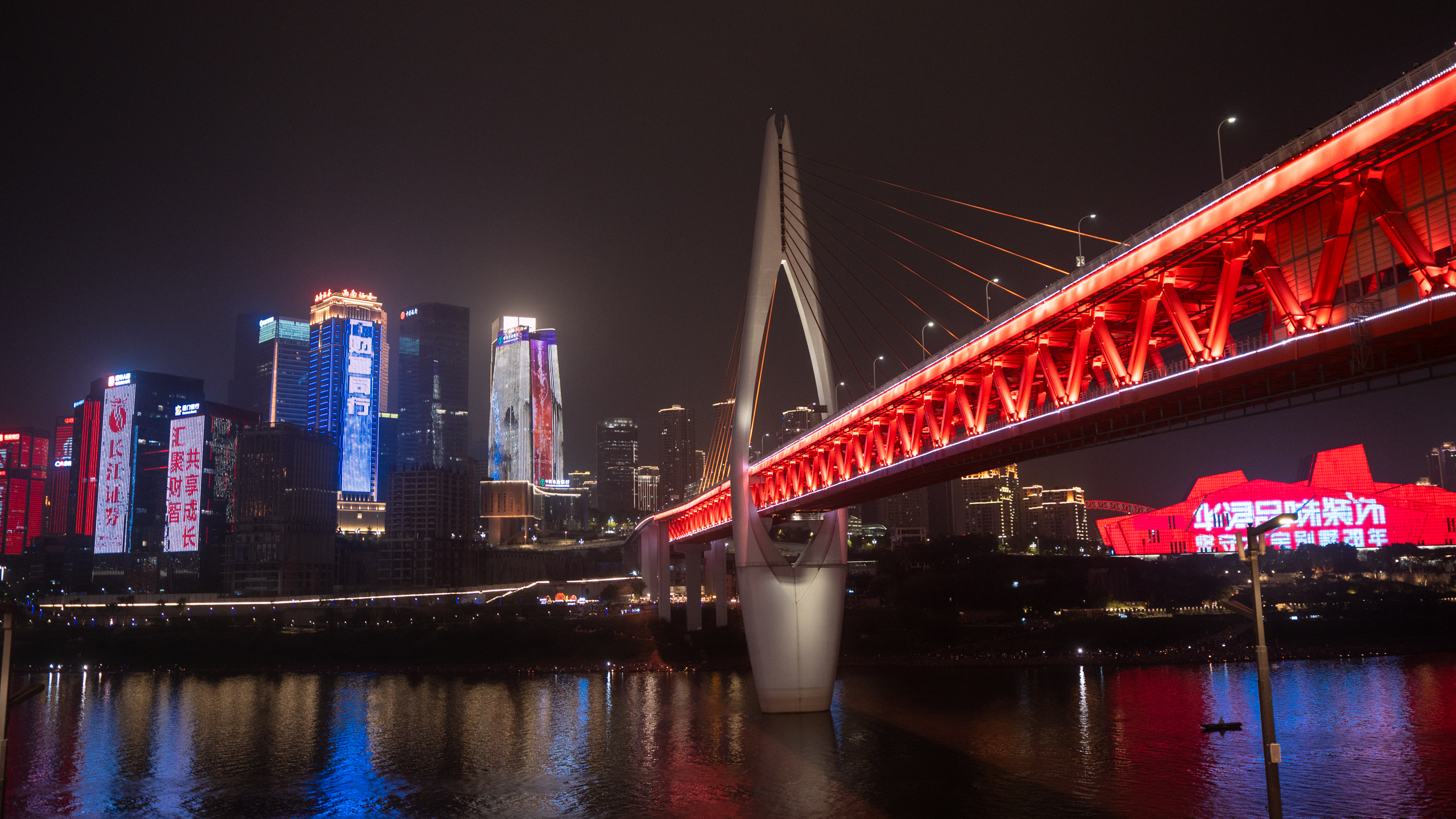
After the mountains, monasteries and slower pace of Yunnan, arriving in Chongqing felt like landing on another planet.
To reach the city, we first flew from Shangri-La to Chengdu before continuing by high-speed train to Chongqing. As the train rolled into the endless urban sprawl, it became immediately clear that this was unlike any city we had visited before.
Nothing really prepares you for the scale of Chongqing.
The 8D Magic Mountain City
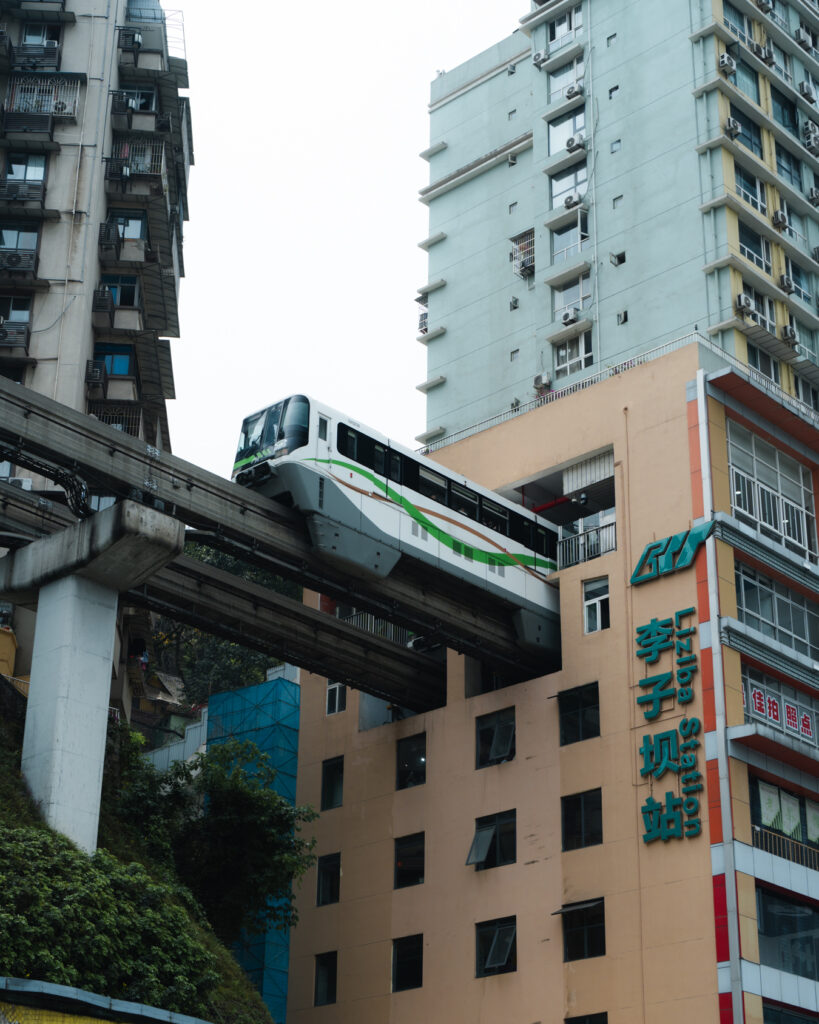
Home to more than 30 million people, the city rises from the meeting point of the Yangtze and Jialing Rivers, climbing steep hillsides in every direction. Buildings seem stacked on top of one another, roads cross at impossible heights and entire neighbourhoods appear suspended between bridges and mountains.
More than once, we found ourselves completely lost despite having a map open. What appeared to be a street on ground level would suddenly reveal itself to be several floors above the river. A metro station exit could place you at street level on one side and the twentieth floor on the other.
It was confusing, overwhelming and absolutely fascinating.
While many visitors come specifically for the famous viewpoints and landmarks, some of our favourite moments came from simply wandering the city. Every neighbourhood seemed to reveal another layer of Chongqing’s complexity, from narrow alleyways and street food stalls to futuristic shopping districts and riverside promenades.
Of course, the city is most famous after dark.
As the sun sets, millions of lights illuminate the skyline and Chongqing transforms into one of the most spectacular urban landscapes we have ever seen. Bridges glow above the rivers, skyscrapers light up the horizon and entire districts begin to resemble scenes from a science-fiction film.
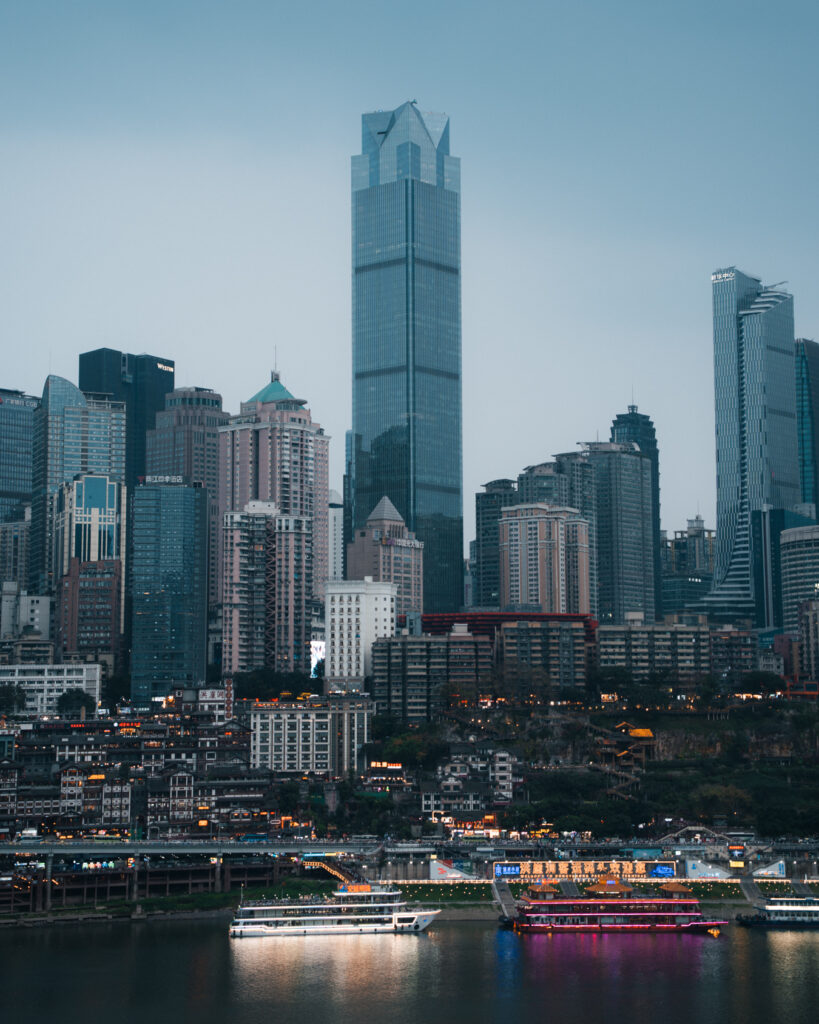
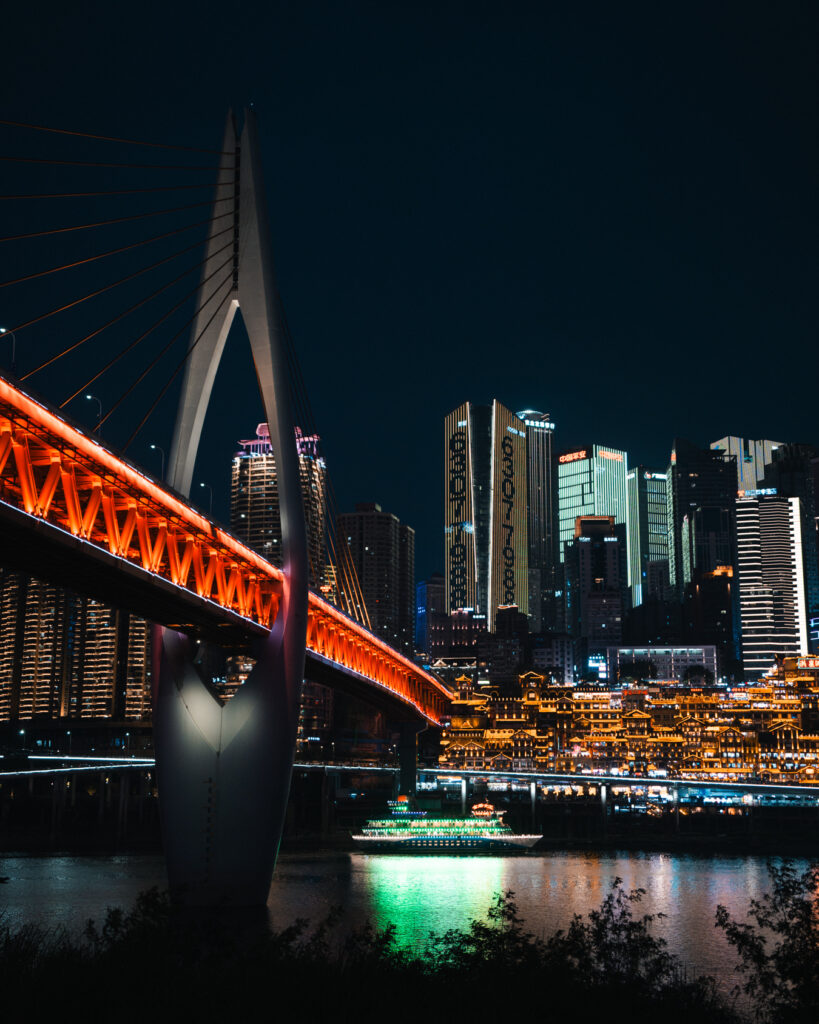
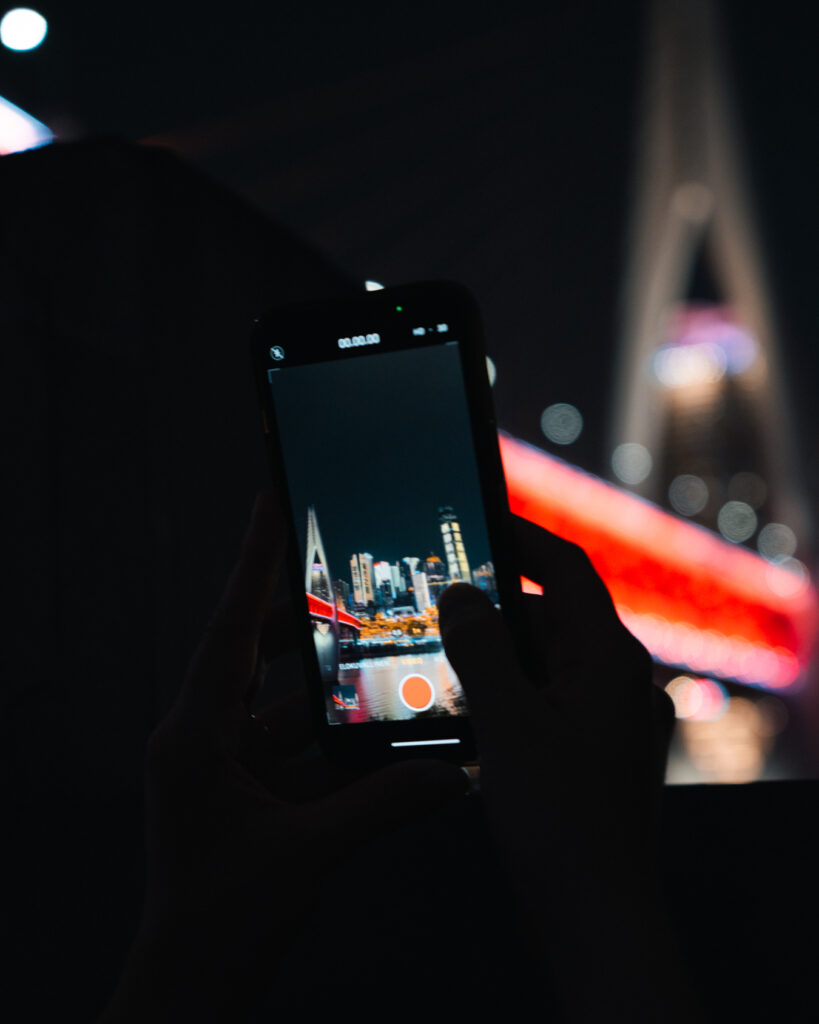
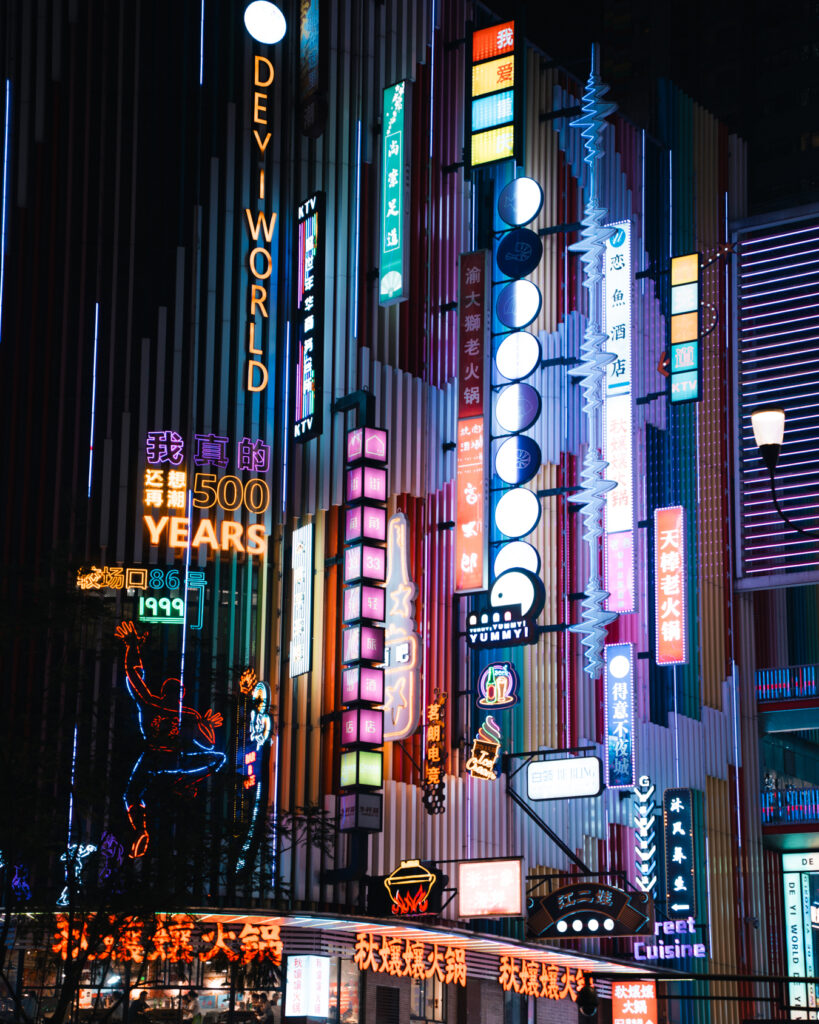
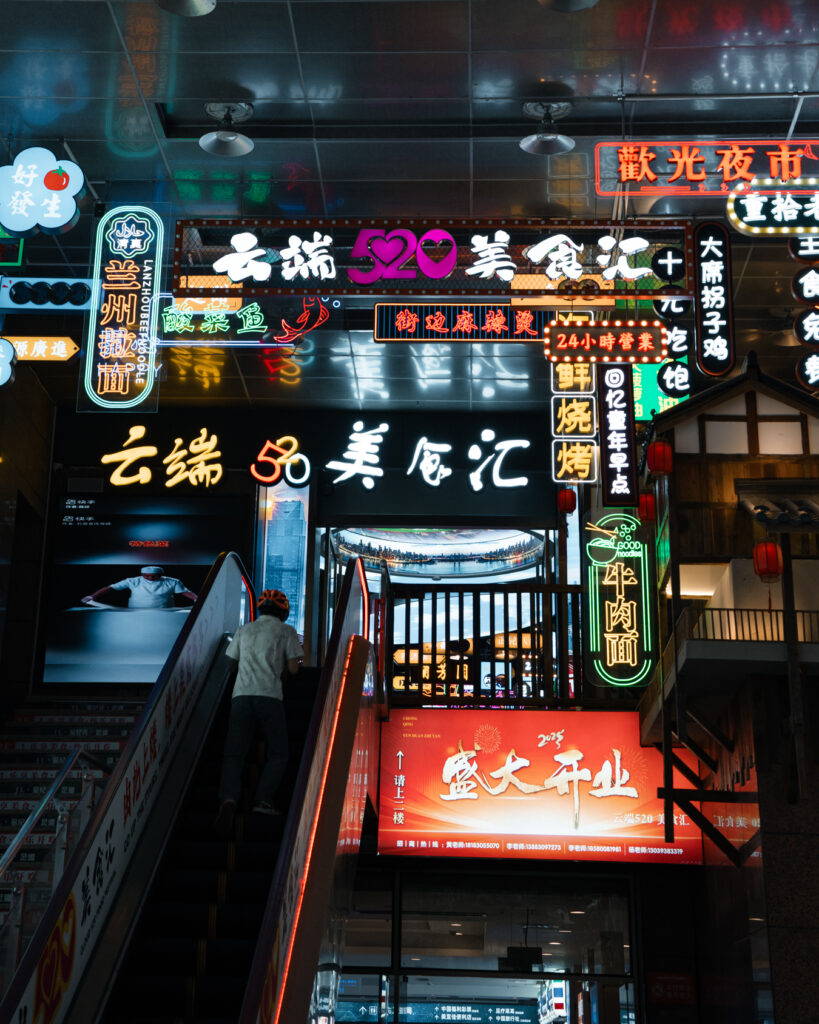
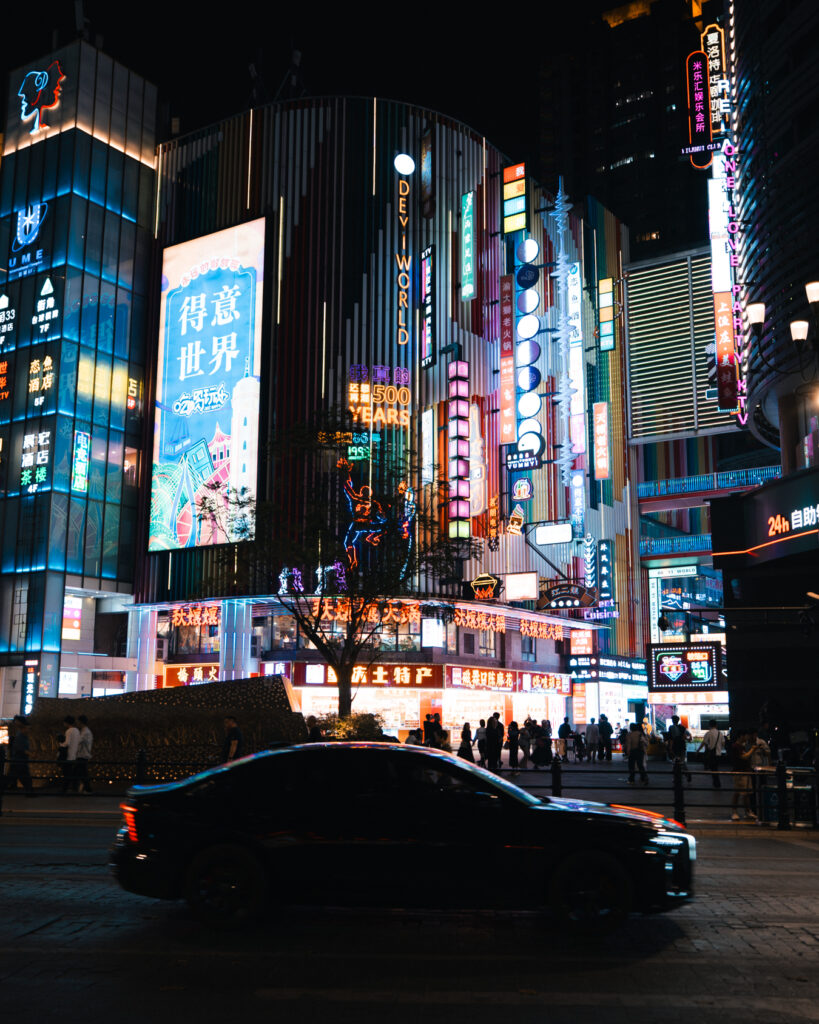
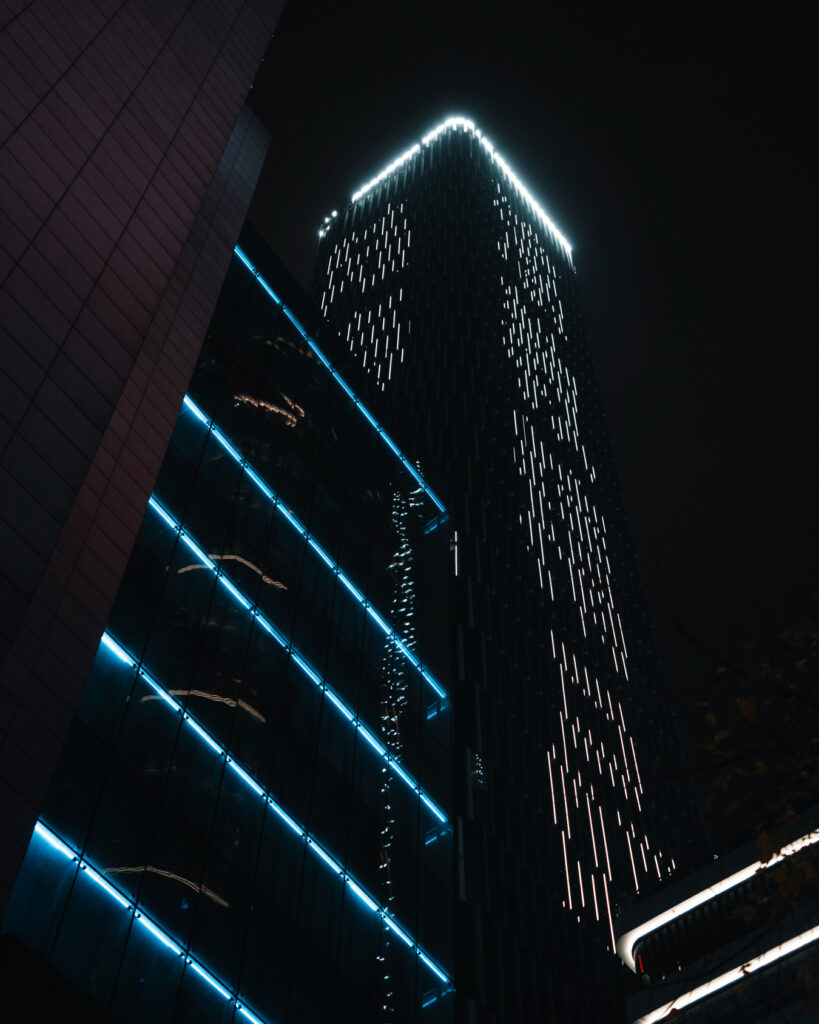
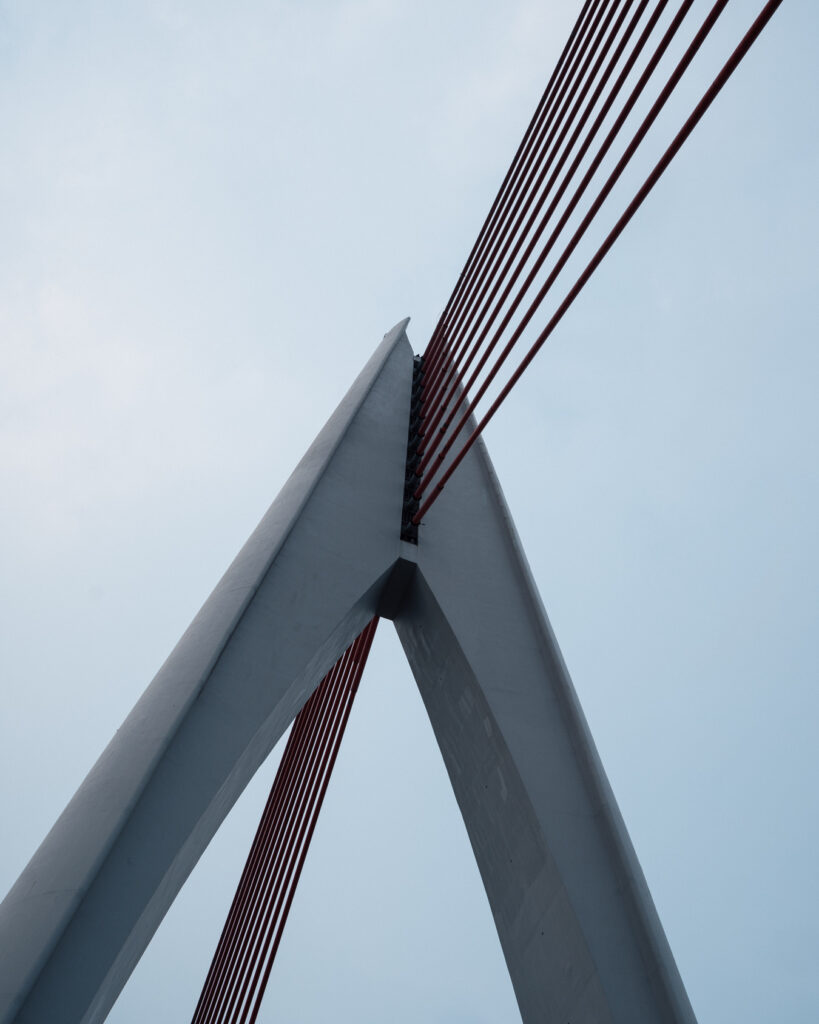
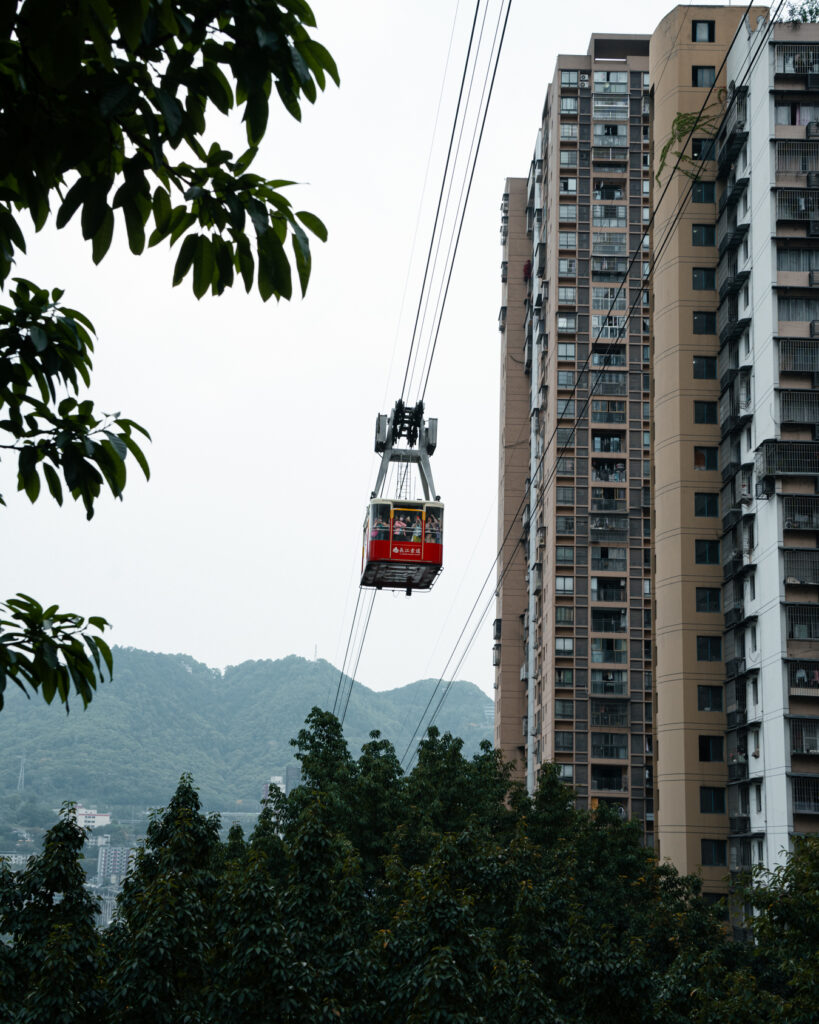
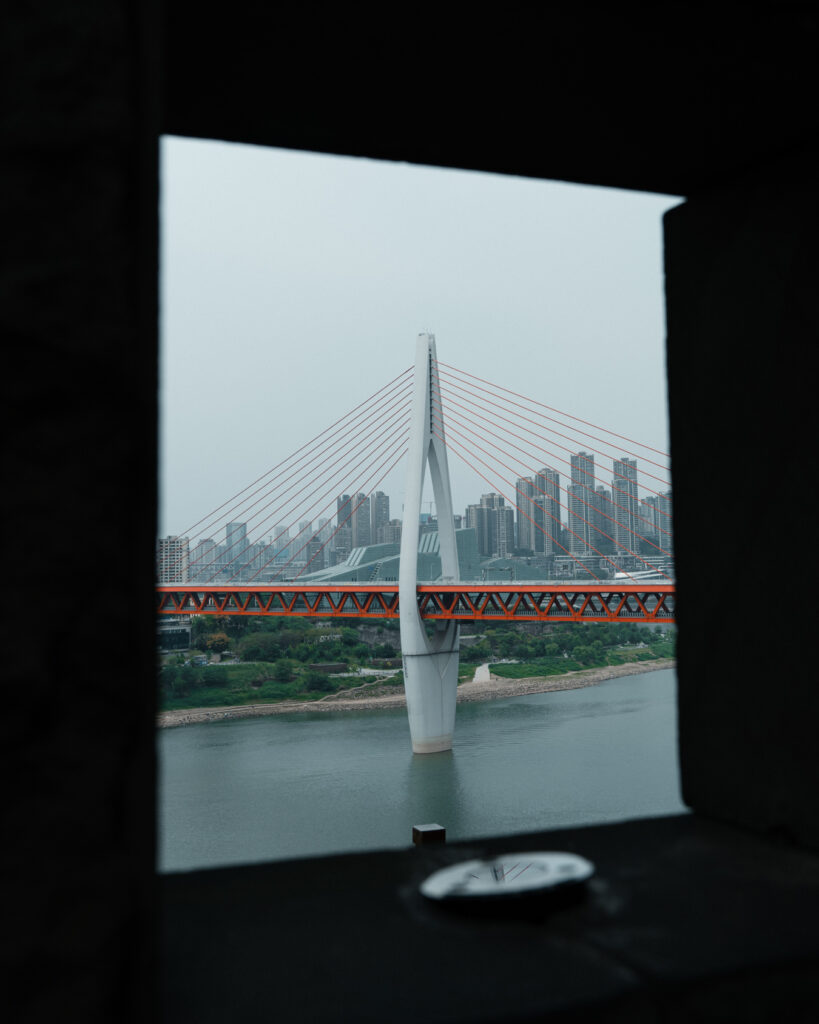
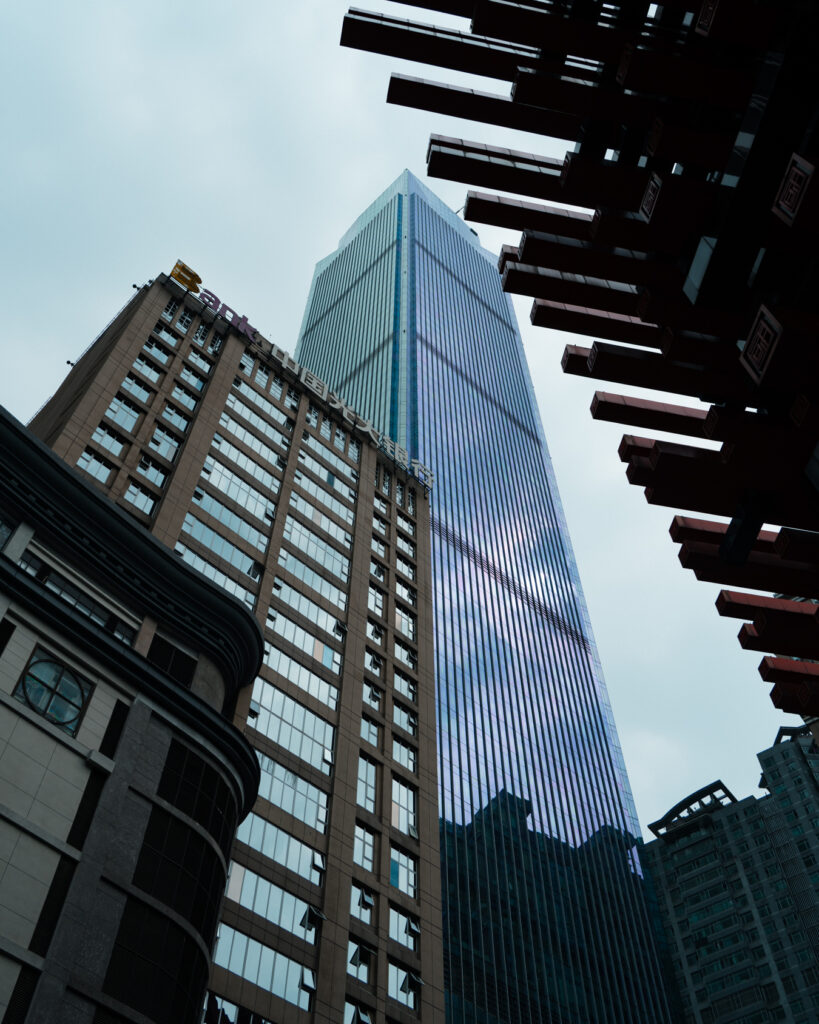
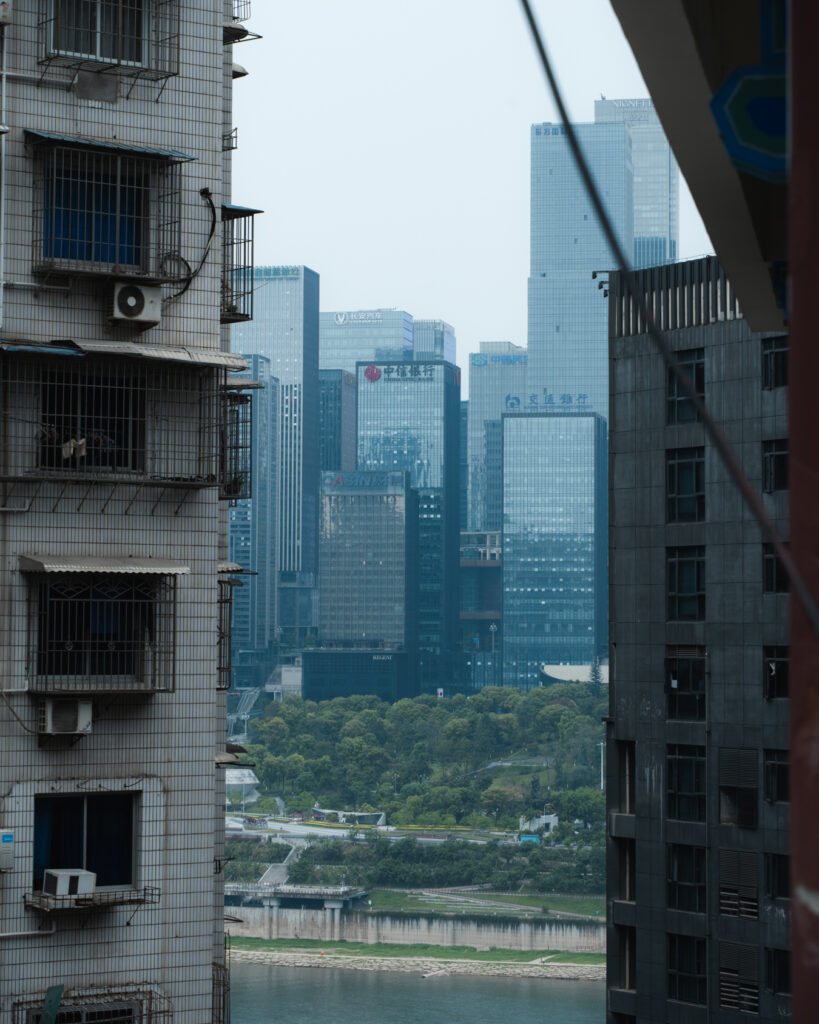
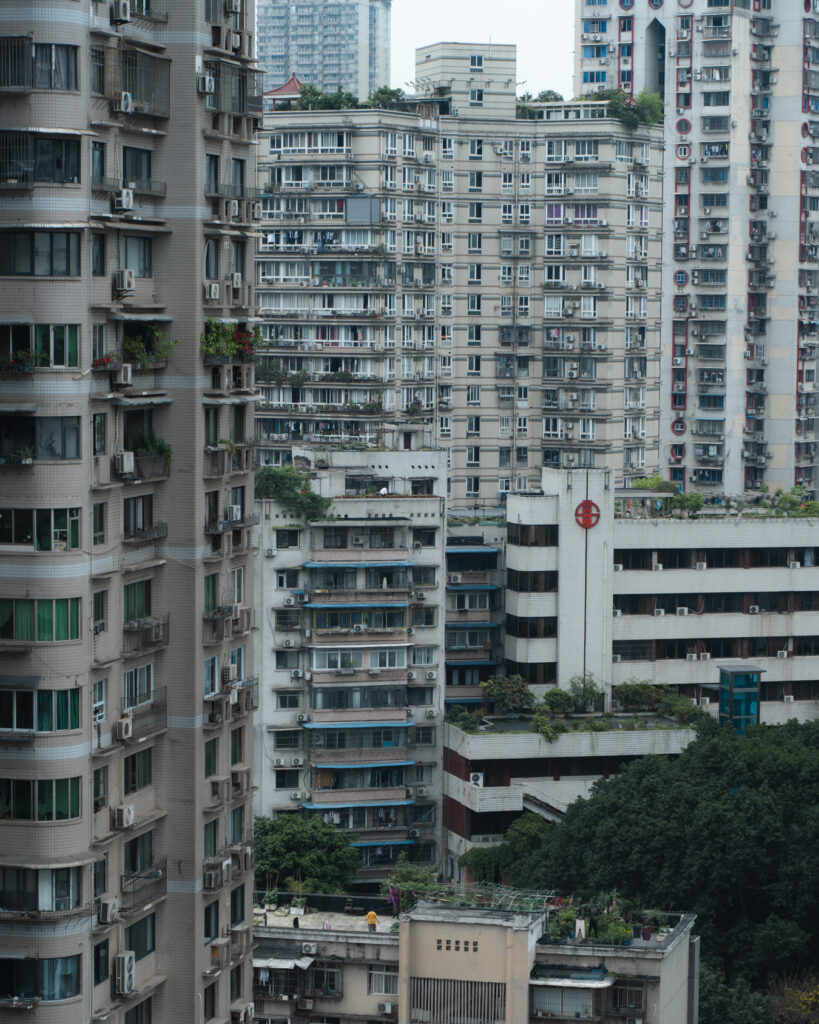
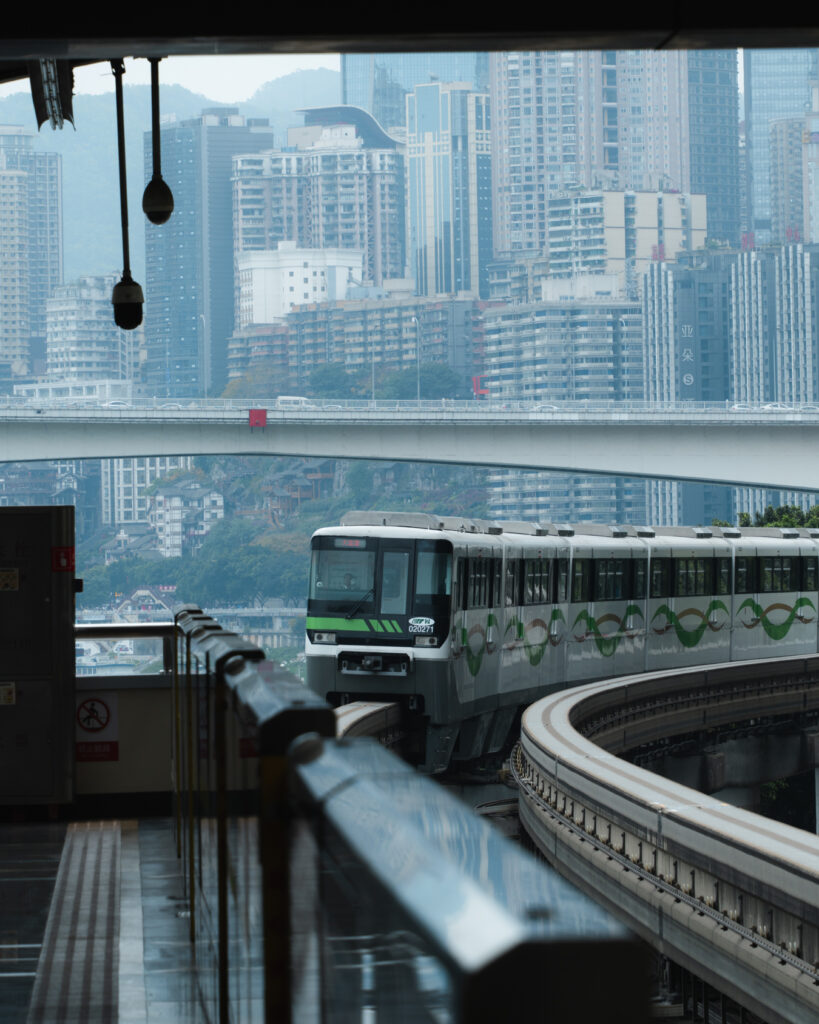
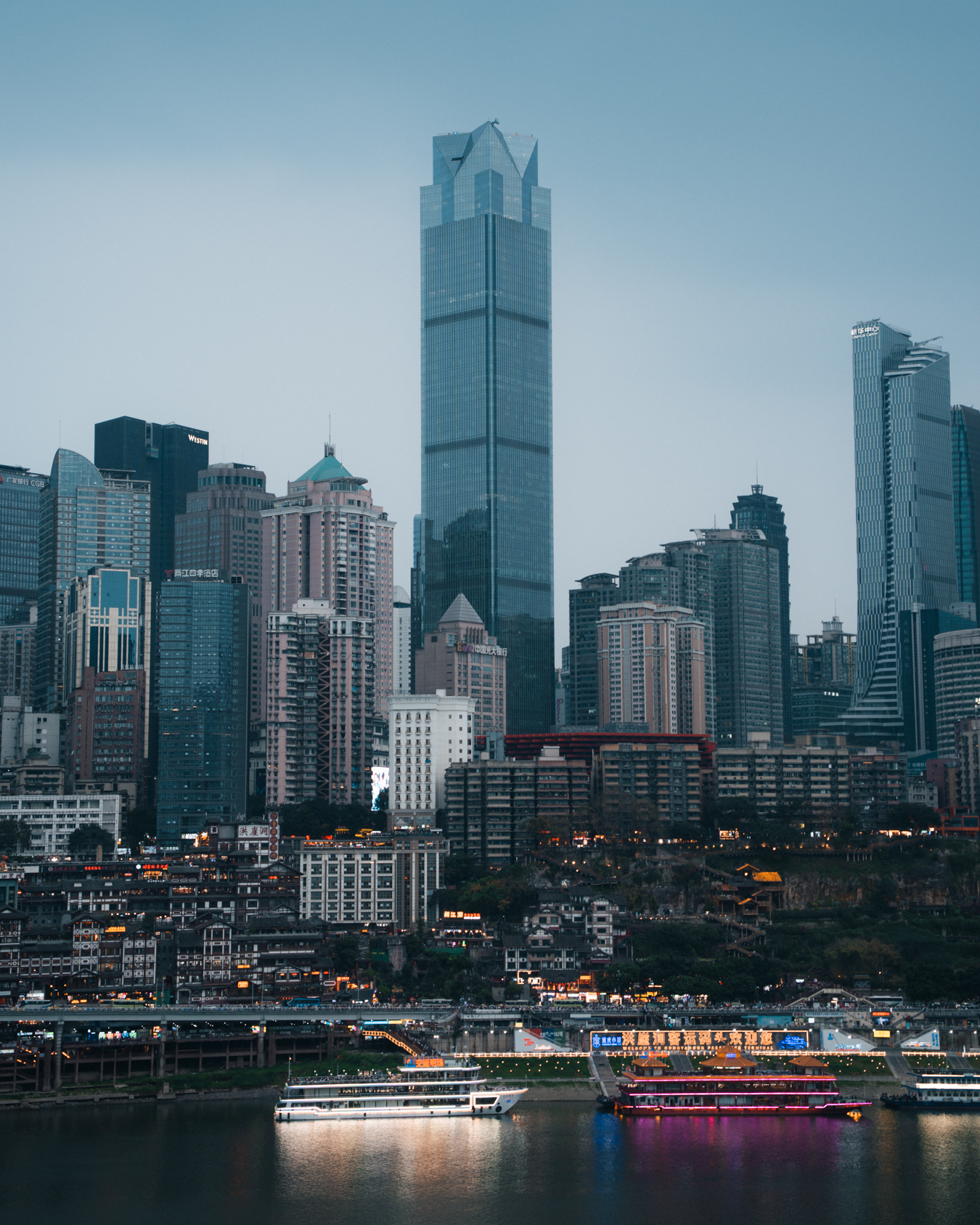
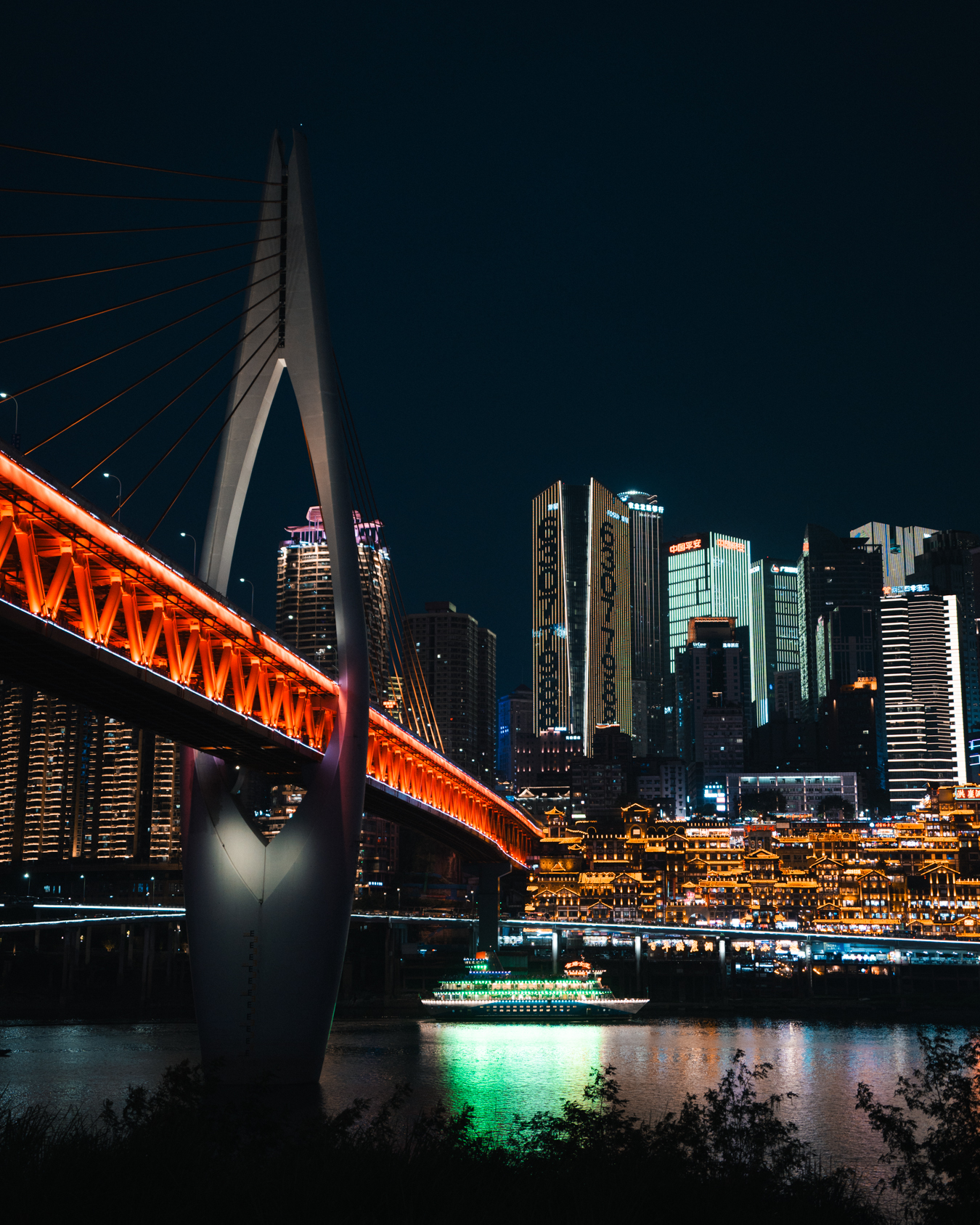
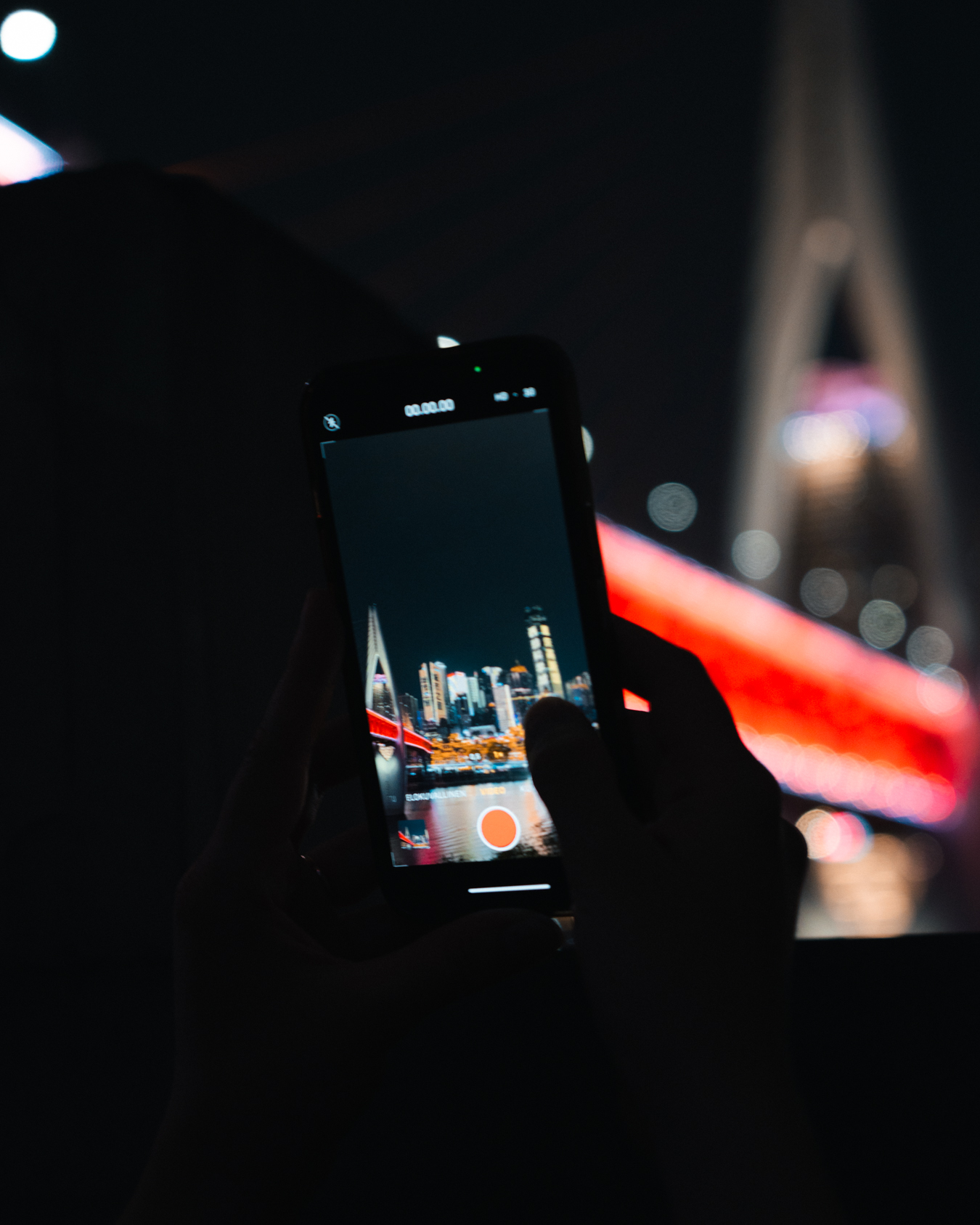
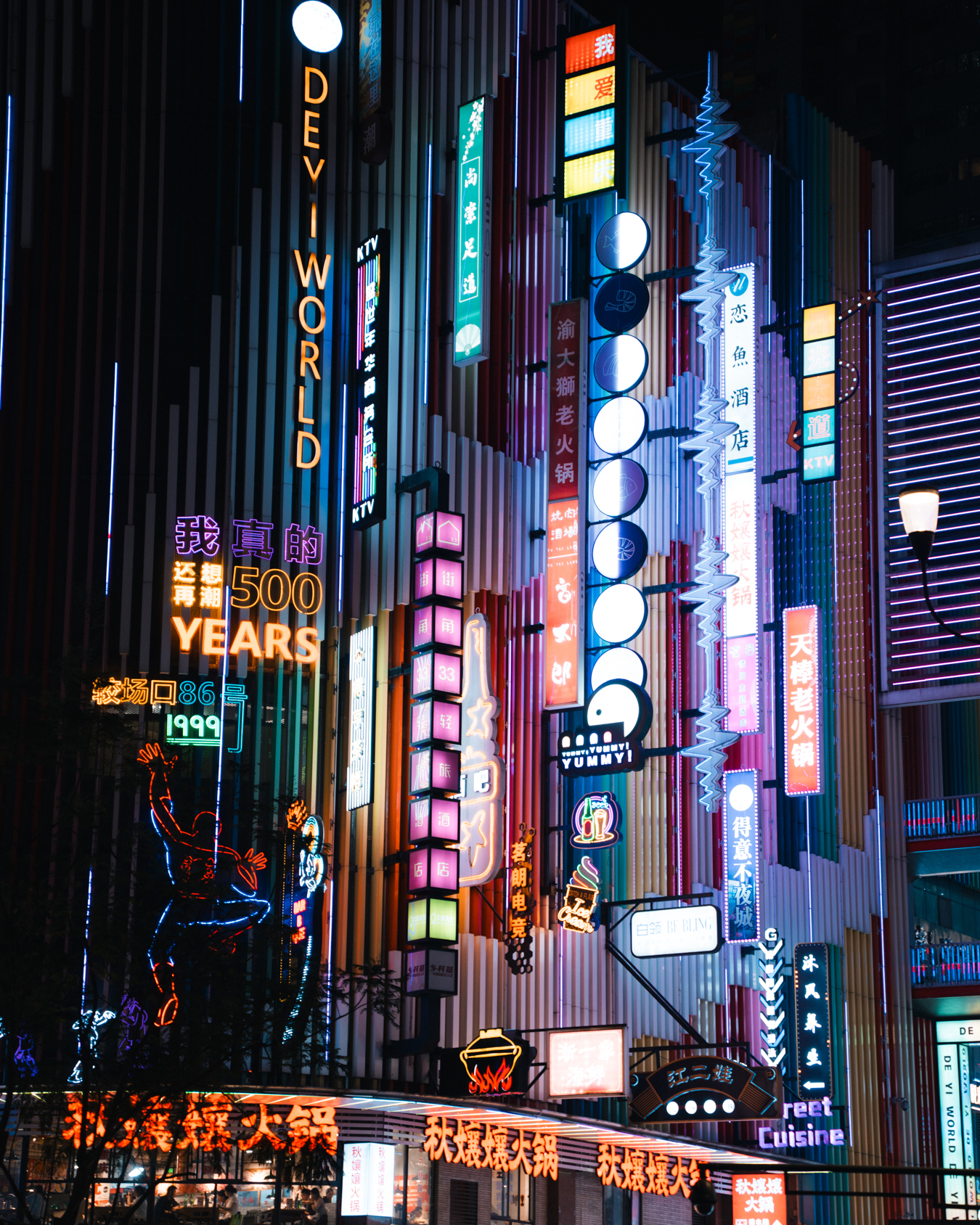
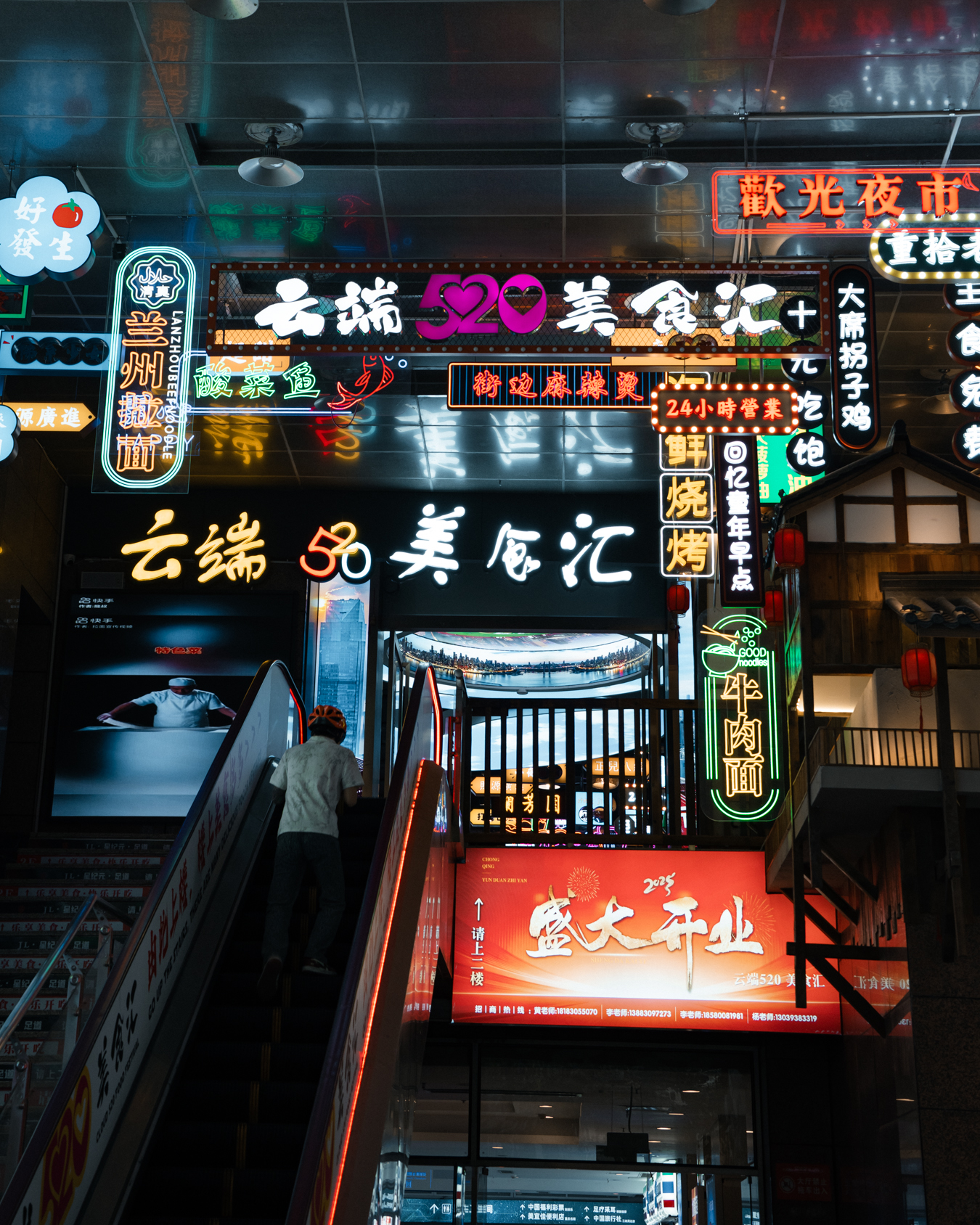
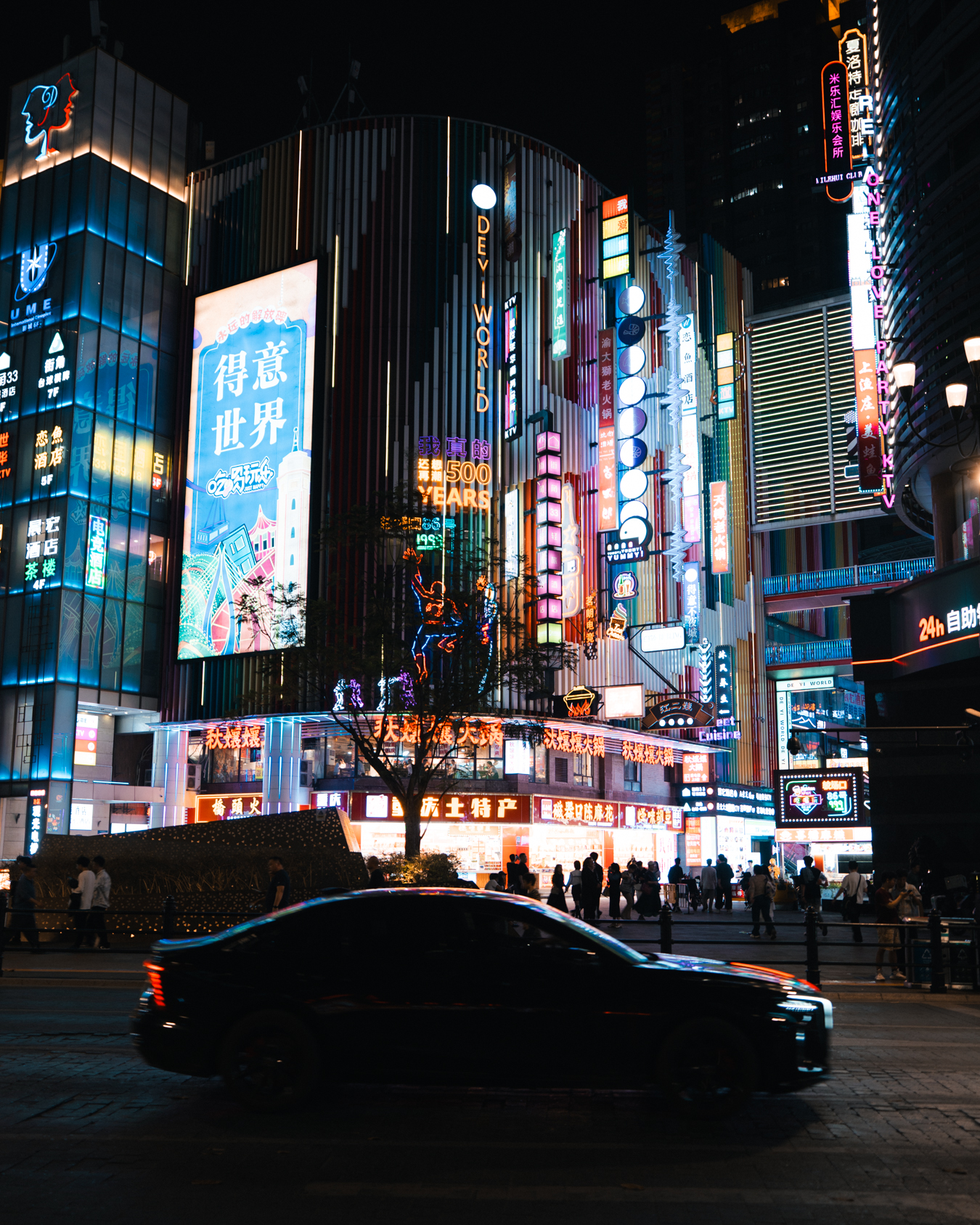
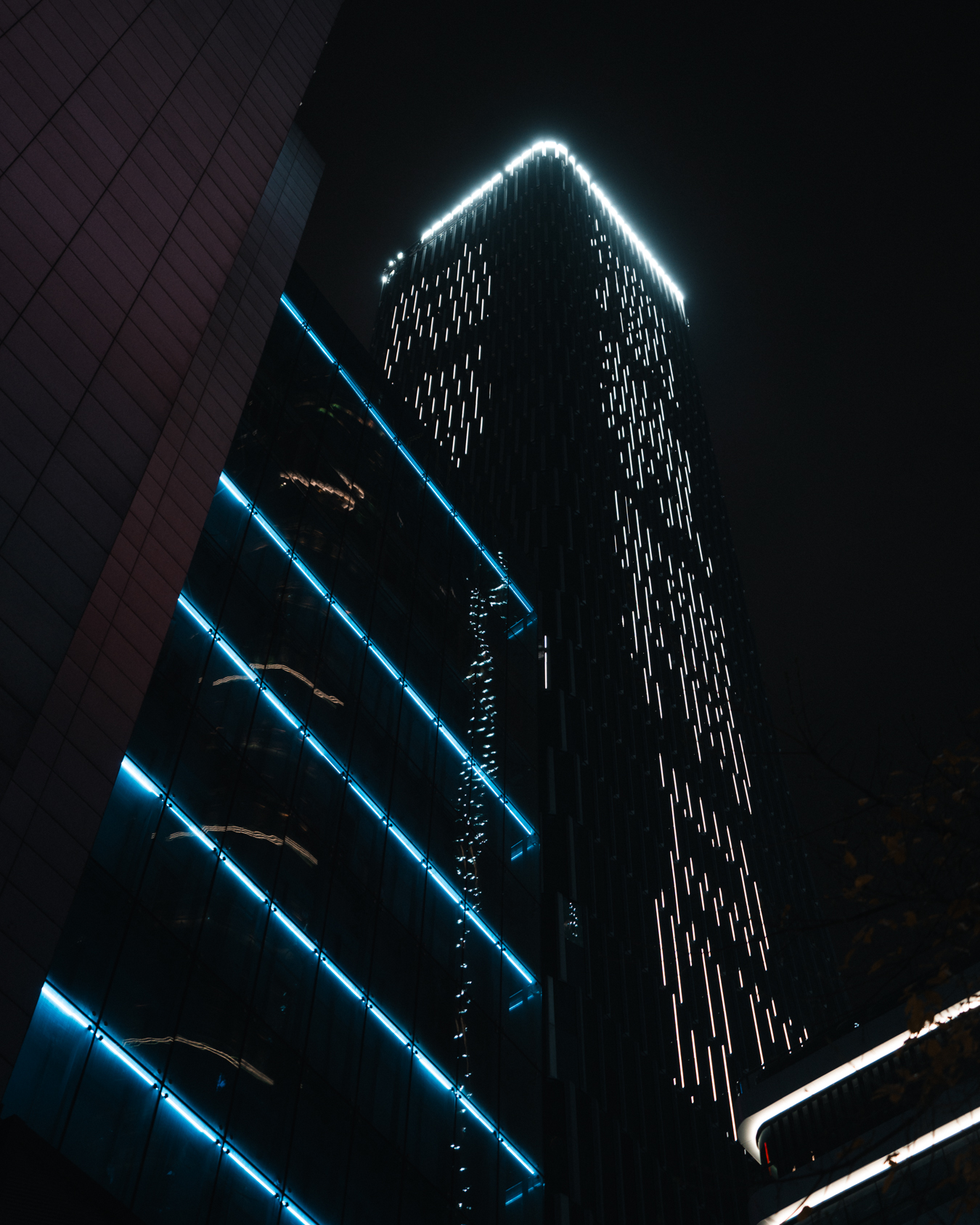
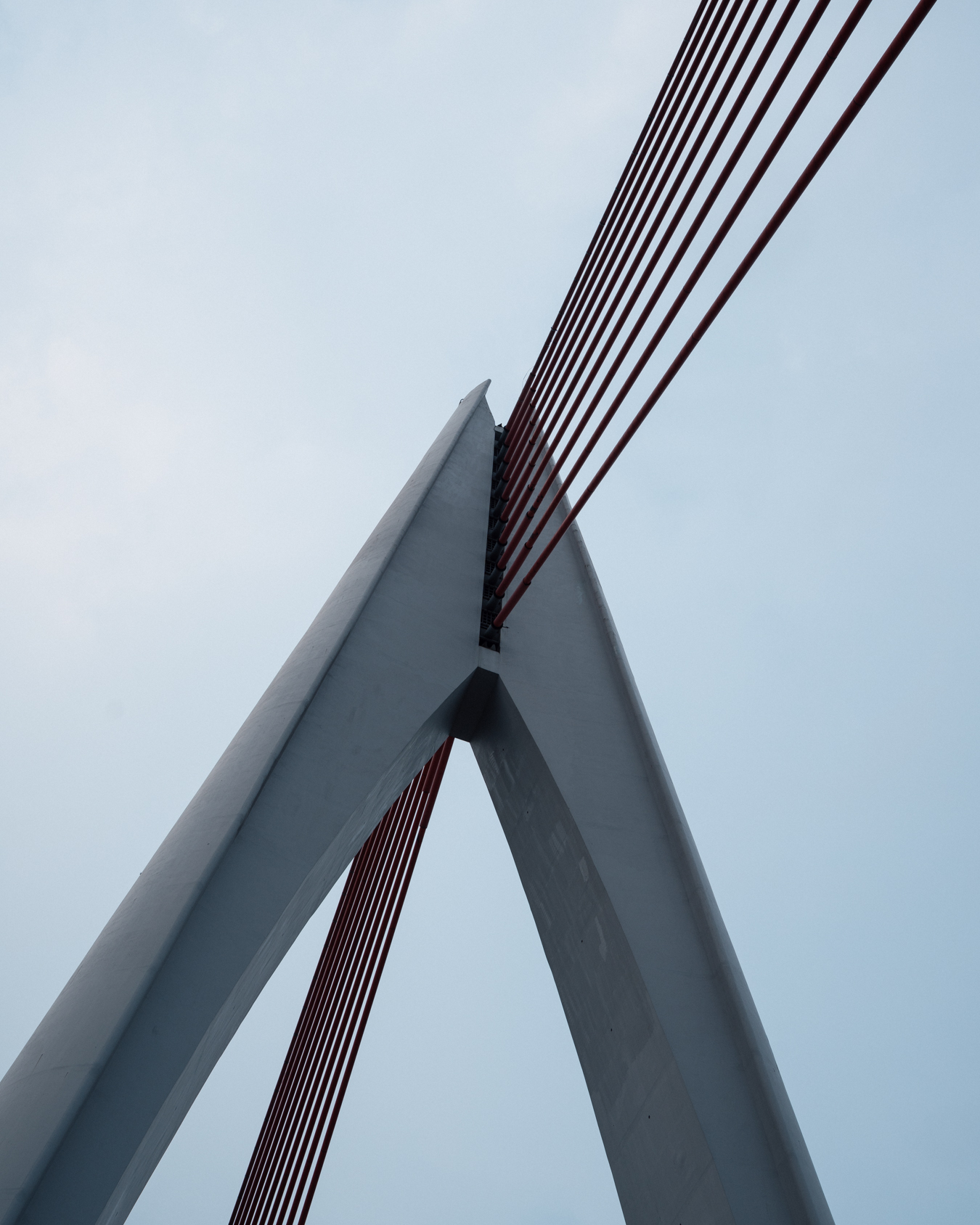
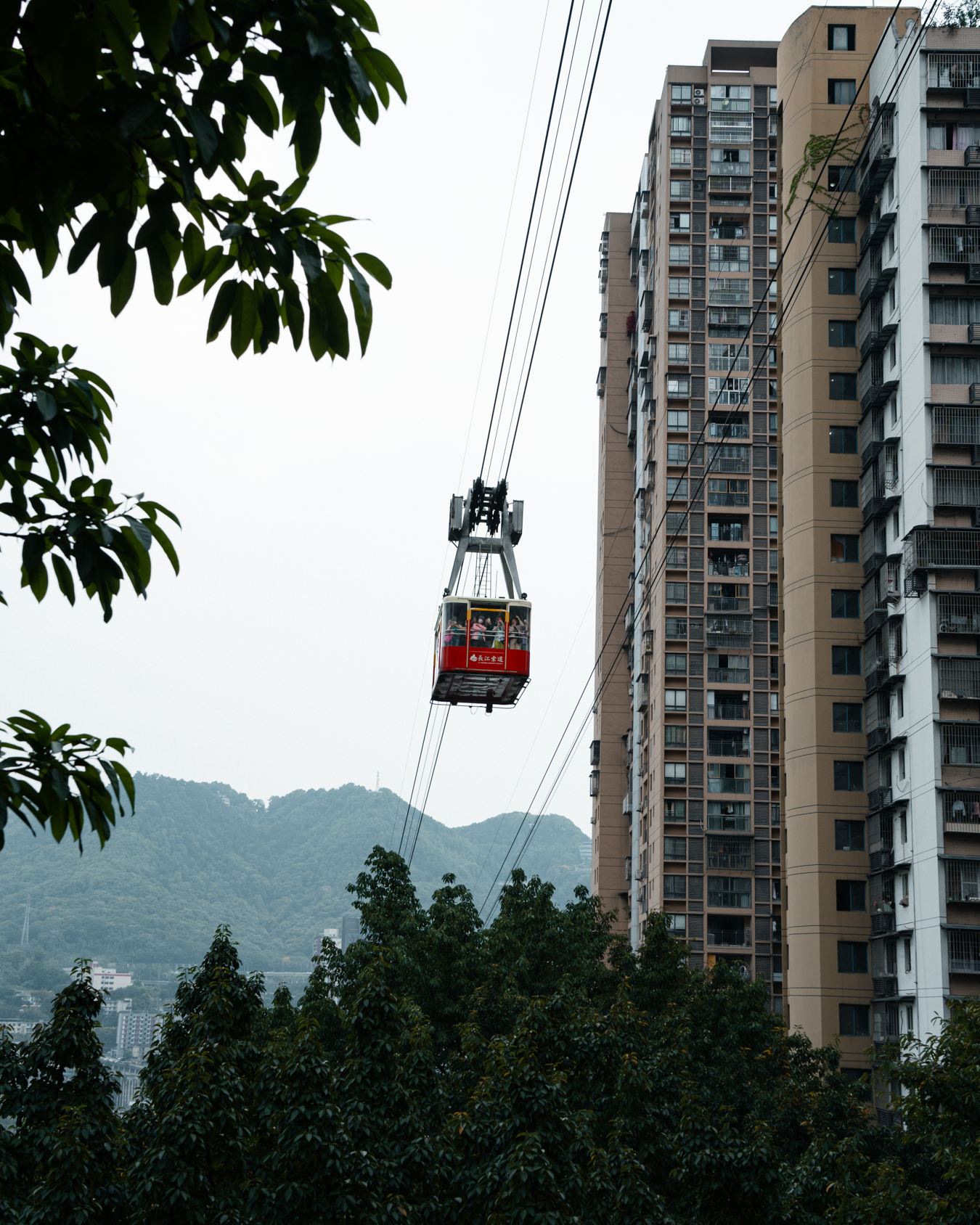
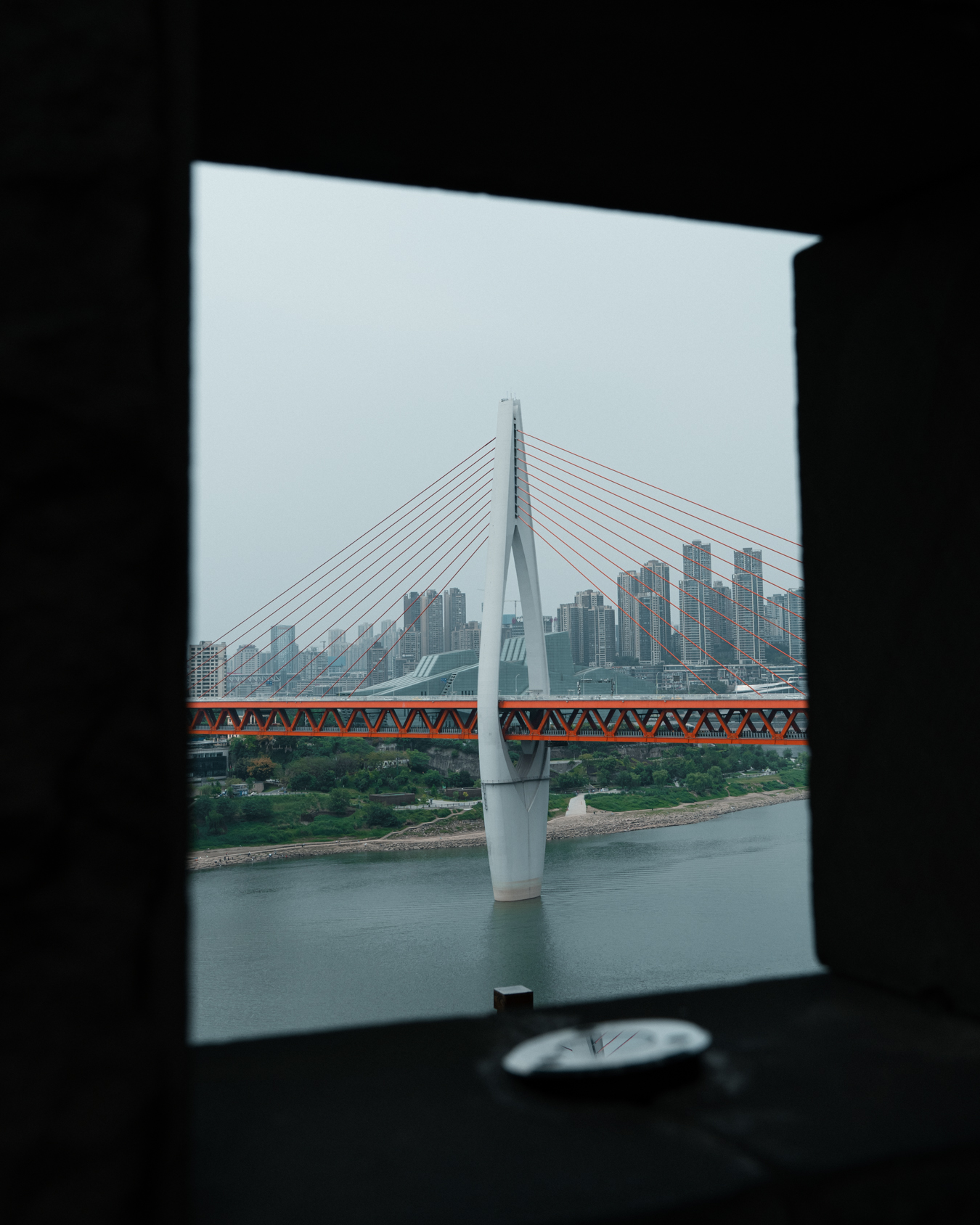
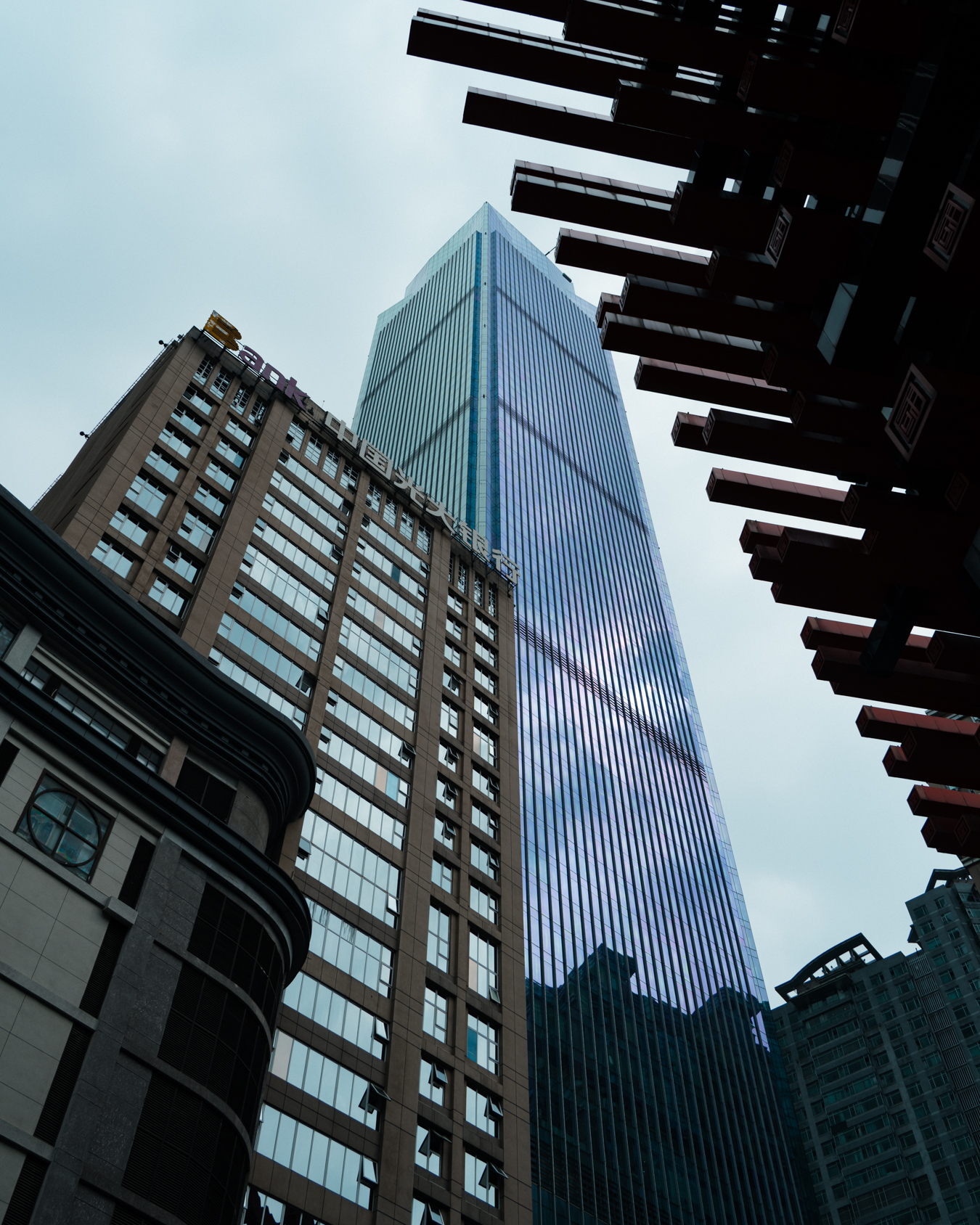
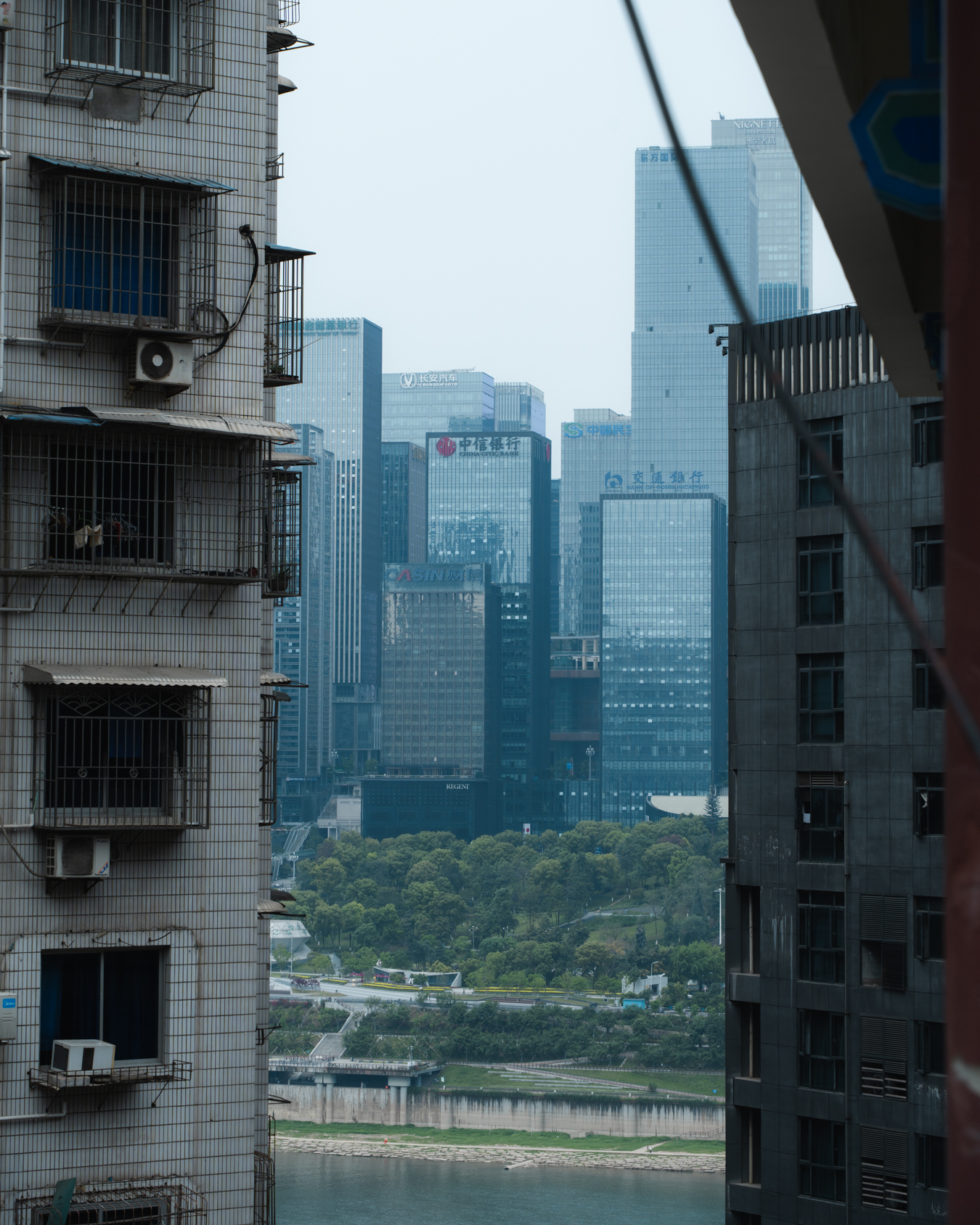
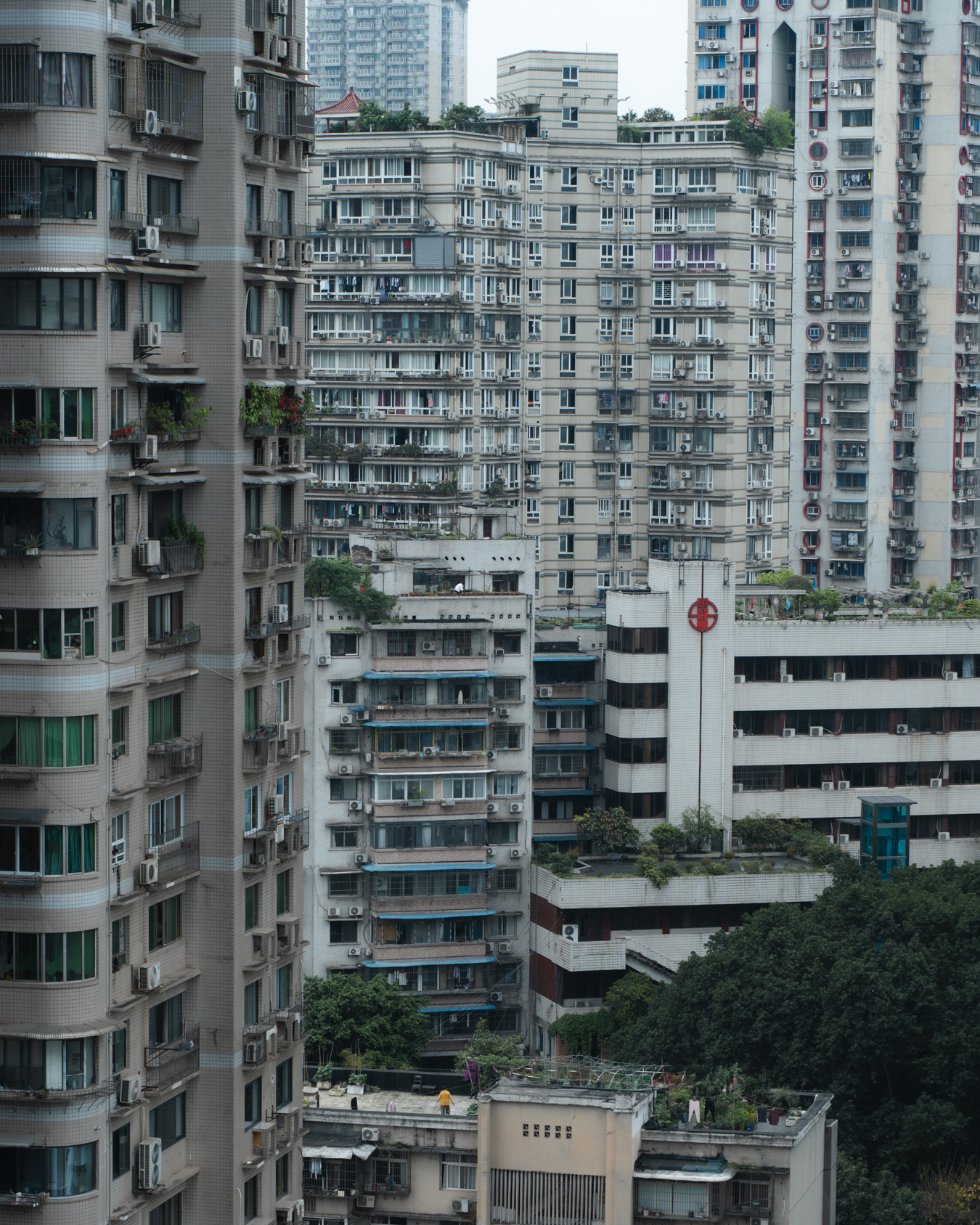
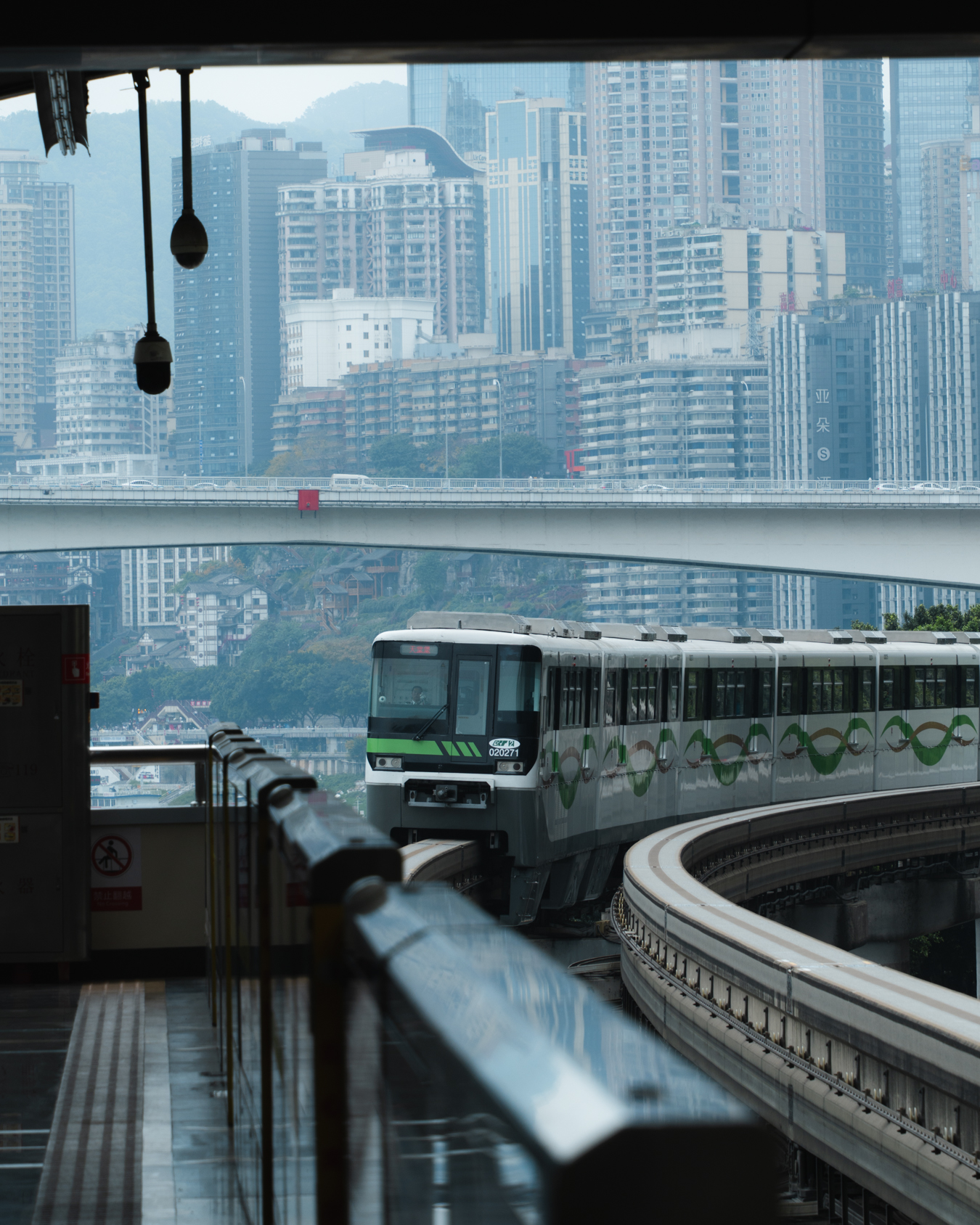
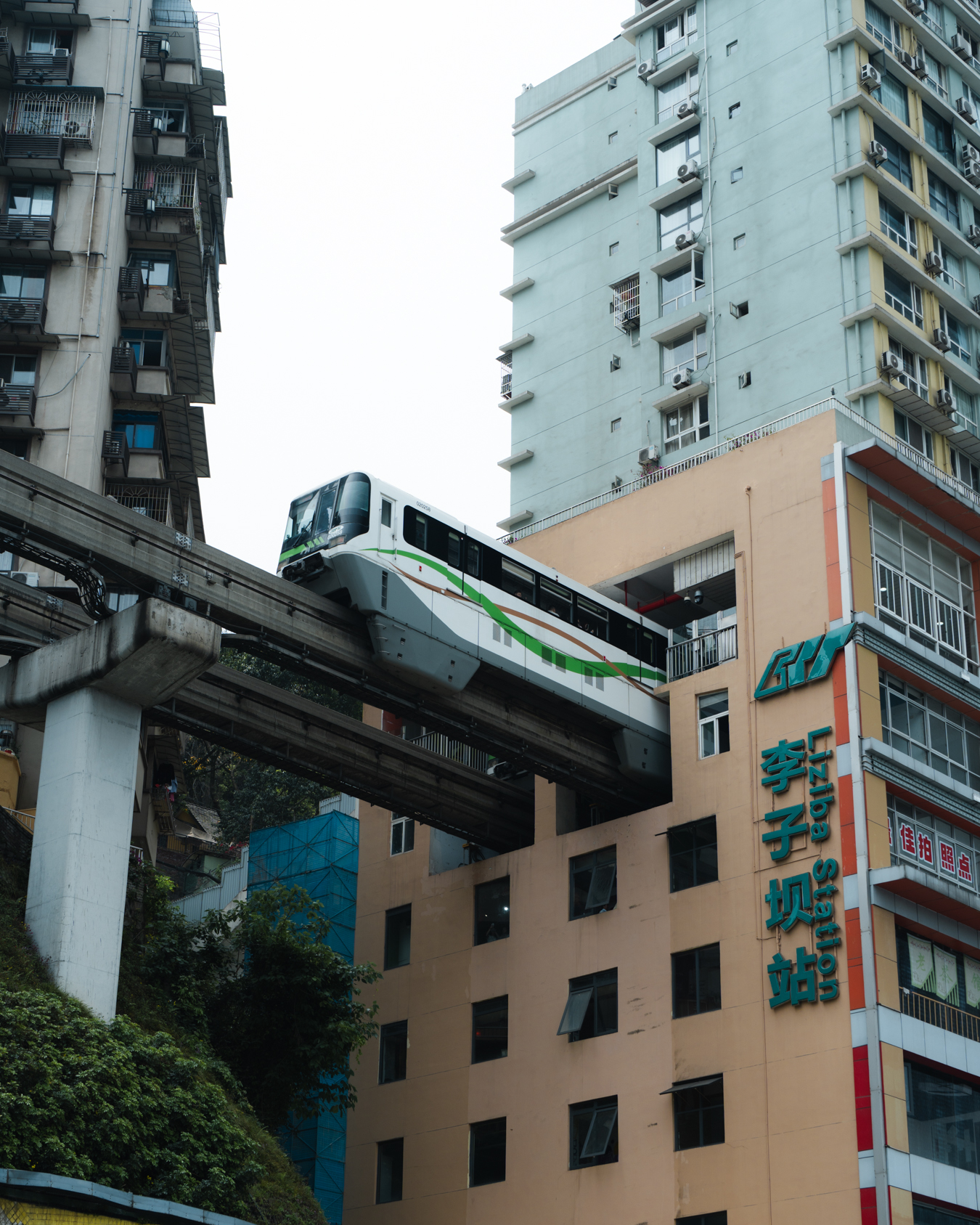
For photographers, it is a dream destination.
Whether shooting from elevated viewpoints, exploring the riverside or getting lost in the maze of streets below, there always seemed to be another composition waiting around the next corner.
One thing that surprised us was how much there was to do beyond photography. Chongqing is full of energy, with countless restaurants, markets, shopping streets and local neighbourhoods to explore. It felt less polished than some other major Chinese cities and more authentic because of it.
If Shangri-La was the cultural highlight of our China trip, Chongqing was the urban highlight.
It is chaotic, noisy and sometimes completely overwhelming. Yet it is also one of the most unique cities we have ever visited. Even after several days, we never felt like we fully understood it—and perhaps that is exactly what makes Chongqing so unforgettable.
From Chongqing we continued our trip to Hong Kong, but that deserves its own post. Stay tuned
Best Things to Do in Chongqing
- Explore Hongyadong at night
- Ride the famous metro through a residential building
- Photograph the skyline after dark
- Walk along the riverfront
- Discover hidden viewpoints throughout the city
For urban photography, Chongqing is one of the most exciting cities we have ever visited.
Is China Worth Visiting?
Before this trip, we weren’t entirely sure what to expect from China.
What we found was a country of incredible contrasts. Ancient traditions exist alongside futuristic cities. Remote mountain villages sit within reach of some of the world’s largest urban centres.
The biggest surprise wasn’t the scale or the technology. It was the diversity. Every region felt different, with its own culture, landscapes, food and atmosphere.
From the Tibetan culture of Shangri-La to the dramatic landscapes of Tiger Leaping Gorge and the neon lights of Chongqing, this journey completely changed our perception of China.
And despite covering thousands of kilometres, it felt like we had only scratched the surface.
Our Favourite Places in China
- Shangri-La
- Tiger Leaping Gorge
- Chongqing
- Lijiang
If you’re looking for a China itinerary that combines culture, adventure, photography and unforgettable landscapes, Yunnan and Chongqing should be at the very top of your list.
High-Speed Trains in China
China’s high-speed trains are incredibly modern, punctual and comfortable. Stations are often larger than airports, trains depart frequently and travelling between cities is remarkably efficient.
However, one thing that surprised us was the cost. Before arriving in China, we expected train travel to be very cheap. While shorter routes were reasonably priced, longer high-speed train journeys were noticeably more expensive than we anticipated, especially when travelling between distant regions.
That said, the convenience and comfort made train travel our preferred way of getting around the country.
Hotels in China
Another pleasant surprise was the quality of accommodation.
Throughout the trip, we stayed in hotels and guesthouses that consistently exceeded our expectations. Rooms were often modern, spacious, clean and well-equipped, offering excellent value compared to many destinations in Europe.
Whether in Lijiang, Shangri-La or Chongqing, we found accommodation standards to be remarkably high for the price paid.
Is China Expensive to Travel?
Overall, we found China to be more affordable than many Western countries, but not quite as cheap as we had expected.
Accommodation and food generally offered excellent value, while transportation — especially long-distance high-speed trains — was more expensive than we initially anticipated.
For us, the biggest takeaway was that China offers outstanding infrastructure, comfortable travel and memorable experiences, making it a fantastic destination for independent travellers.
If you have any questions about traveling China, please do not hesitate to contact us through the contact form.
Hong Kong Photography Itinerary: 4 Days of City Lights
After travelling through Yunnan and Chongqing, we boarded a high-speed train from mainland China and…
China Travel Guide: From the Mountains of Yunnan to the Megacity of Chongqing
China had been on our travel wishlist for years. We had heard stories about futuristic…
How to Visit Machu Picchu on a Budget?
Machu Picchu is one of the most iconic destinations in the world, but visiting it…

Bolivia Backpacking Guide: Salt Flats, 6000m Peaks & Our Biggest South American Surprise
After Peru, we crossed into Bolivia with surprisingly low expectations. We honestly didn’t know much…
Peru Backpacking Itinerary: Chaos, Mountains & Machu Picchu
Machu Picchu & Huayna Pichu From Ecuador, we continued our backpacking journey to Peru, one…
Chasing Volcanoes in Ecuador: Epic Backpacking Journey
We came with backpacks and no plan.Ecuador gave us volcanoes, altitude, and a new perspective…
Pingback: Hong Kong Photography Guide: Skyline, Neon & Hidden Gems