
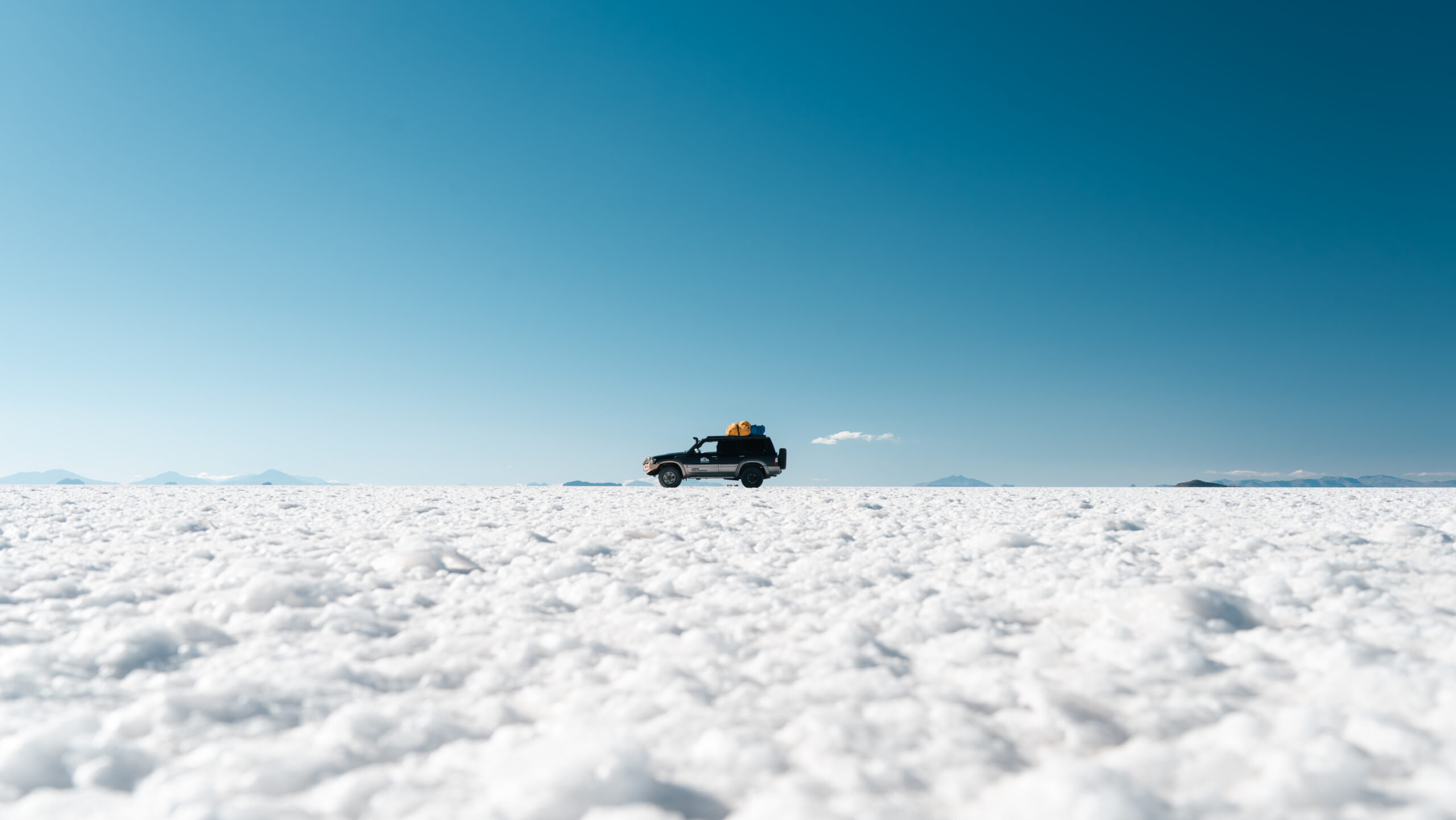
After Peru, we crossed into Bolivia with surprisingly low expectations. We honestly didn’t know much about the country at all. Our only real goals were visiting the Uyuni salt flats and crossing the Atacama Desert into Chile. That was it.
Little did we know that Bolivia would completely flip our trip upside down.
We ended up spending almost two weeks in Bolivia. Just like in Ecuador, we initially planned to stay for less than a week. And just like Ecuador, Bolivia refused to let us go. By the end of our stay, it had climbed straight into our top five countries we’ve ever visited.
Despite being landlocked between Peru, Brazil, Chile, and Paraguay, Bolivia is insanely diverse. Deserts, high-altitude cities, salt flats, volcanoes, Andean lakes, and even “coastal” views thanks to Lake Titicaca.
For Joona especially, Bolivia turned out to be an absolute photographer’s dream — some of the best images we’ve ever taken came from here.
LAKE TITICACA & COPACABANA
Lake Titicaca, sitting at over 3,800 meters above sea level, is the highest navigable lake in the world and holds deep spiritual significance for the Inca civilization. For us, it marked our first steps into Bolivia.
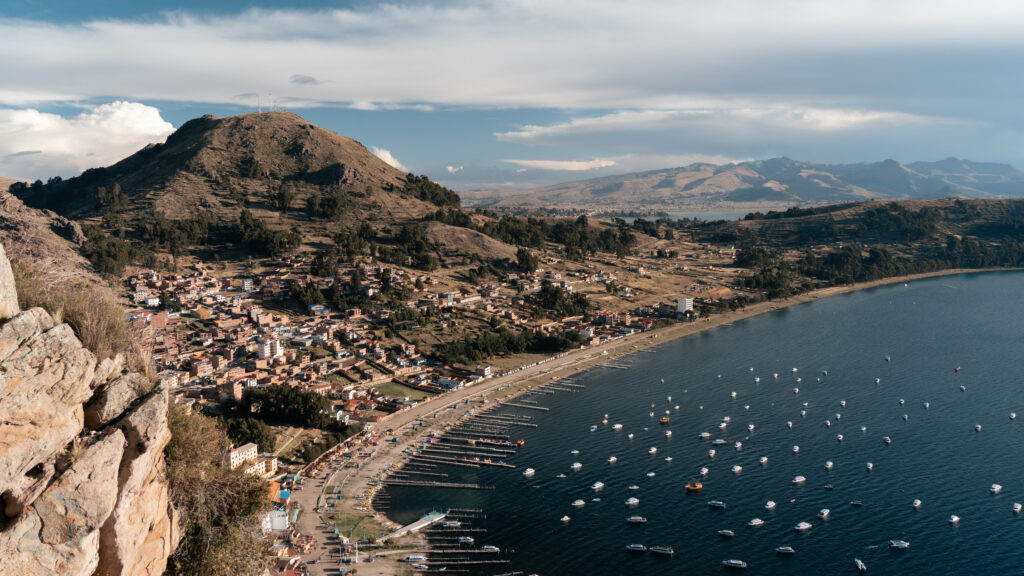
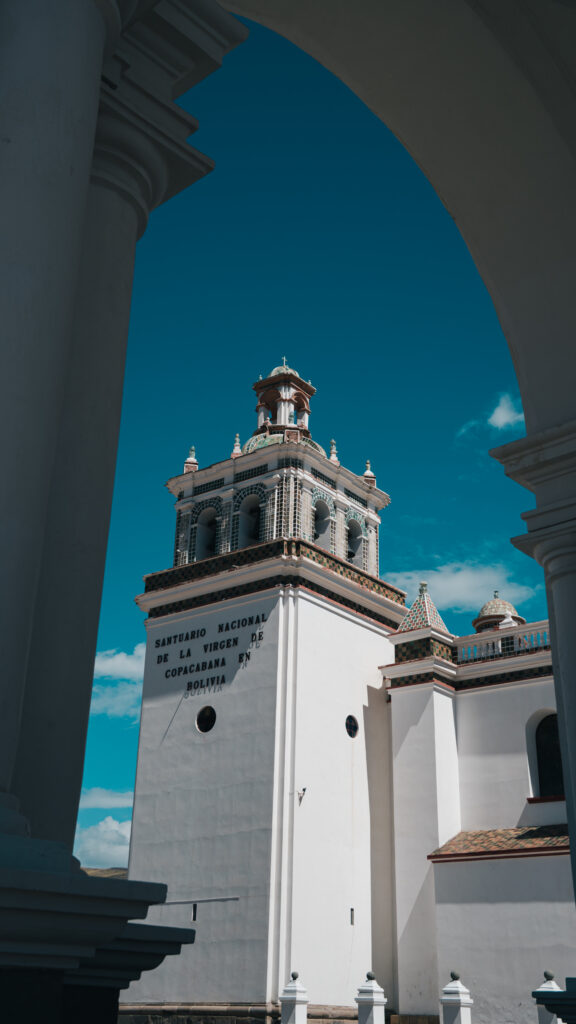
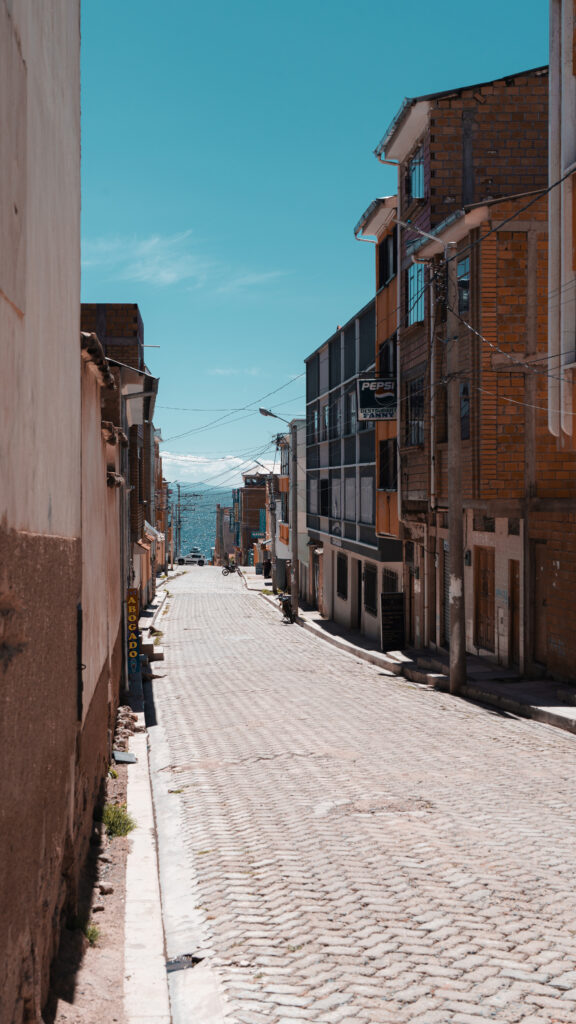
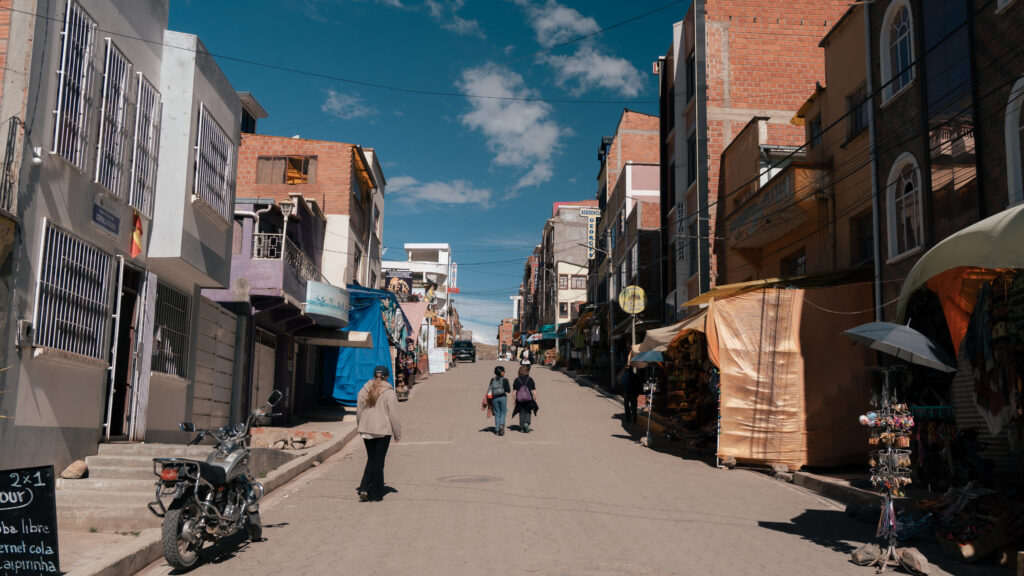
Copacabana was our first stop. The border crossing from Peru was refreshingly easy, especially considering we arrived half-dead after yet another night bus from Cusco. Almost immediately, the town gave us strong western-movie vibes — quiet streets, colonial-style buildings, wind blowing through empty plazas. It felt like a forgotten desert pueblo where you could imagine a cowboy sitting on a bench in the main square.
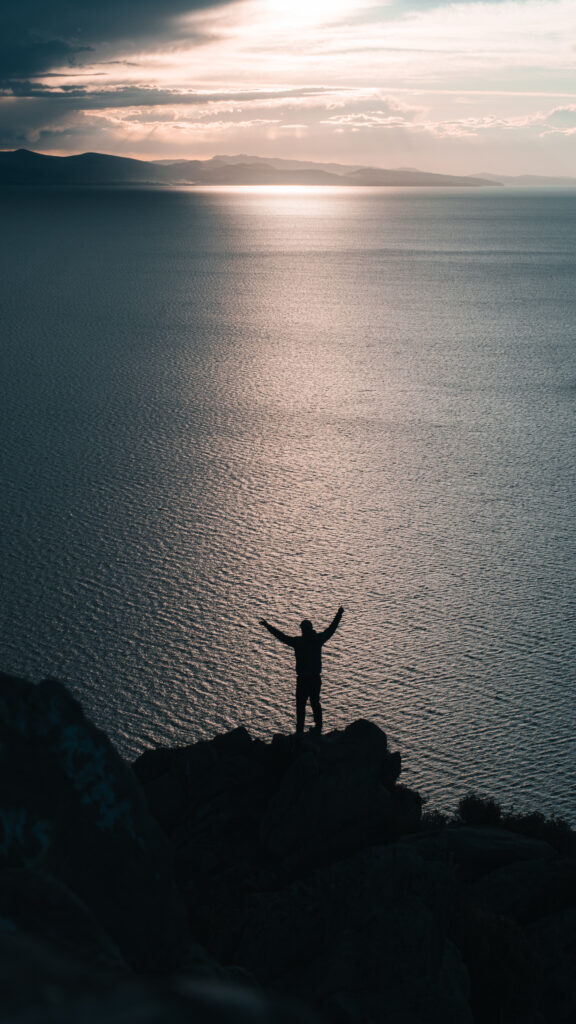
There isn’t much “to do” in Copacabana, and that’s exactly why we liked it. Calm, quiet, and beautifully slow. The views over Lake Titicaca were stunning, especially during sunset. Hiking up to Cerro Calvario became one of our favorite little moments in Bolivia — the light, the colors, the lake below almost felt Mediterranean.
One thing we regret? Skipping Isla del Sol, the sacred Inca island on Lake Titicaca. Getting there would’ve required a couple more days, and Joona was already stressing about making it to Antofagasta in time for our flight. Next time — because there will be a next time.
LA PAZ
From Copacabana, we took a minivan to Bolivia’s capital, La Paz — and wow.
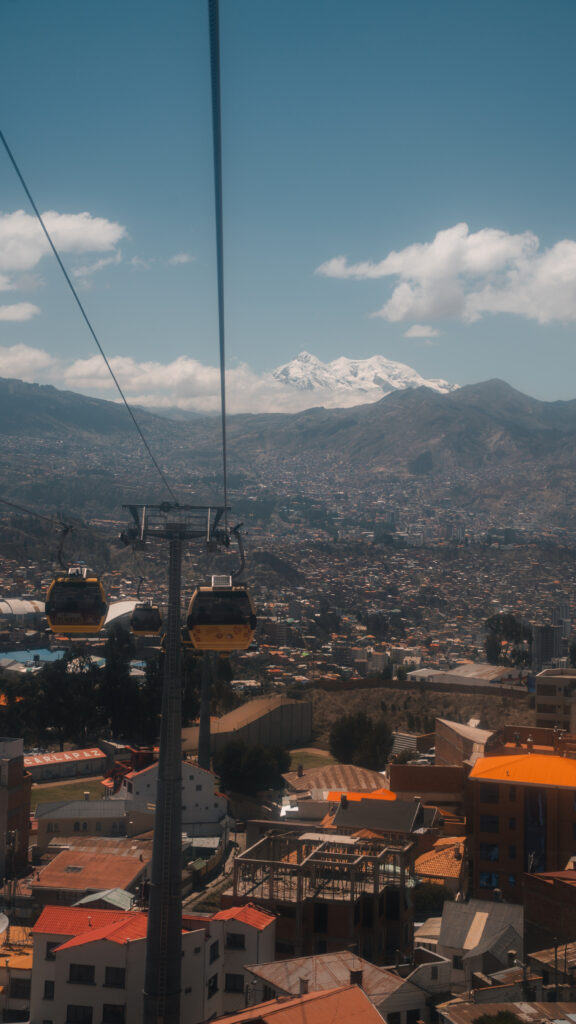
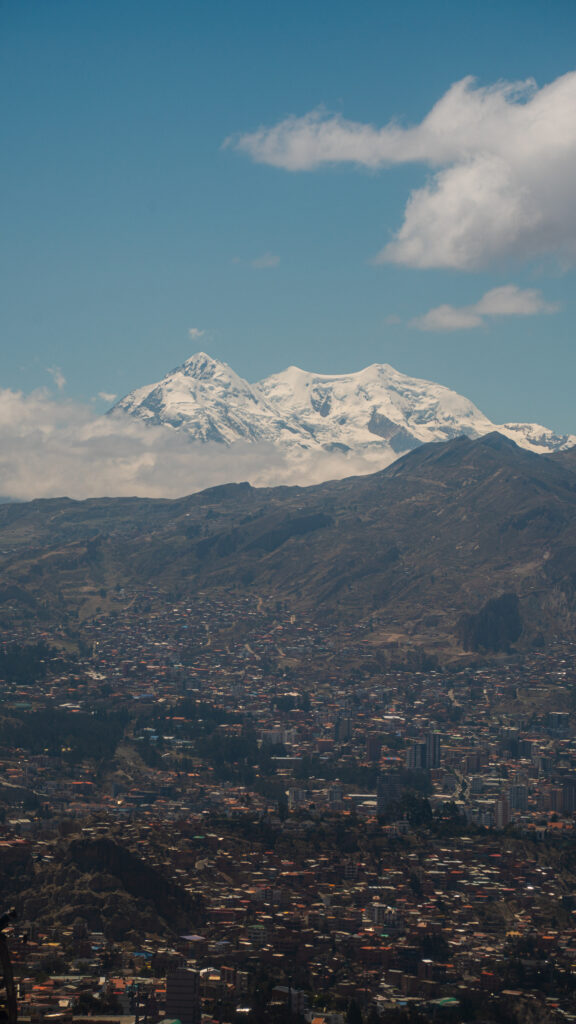
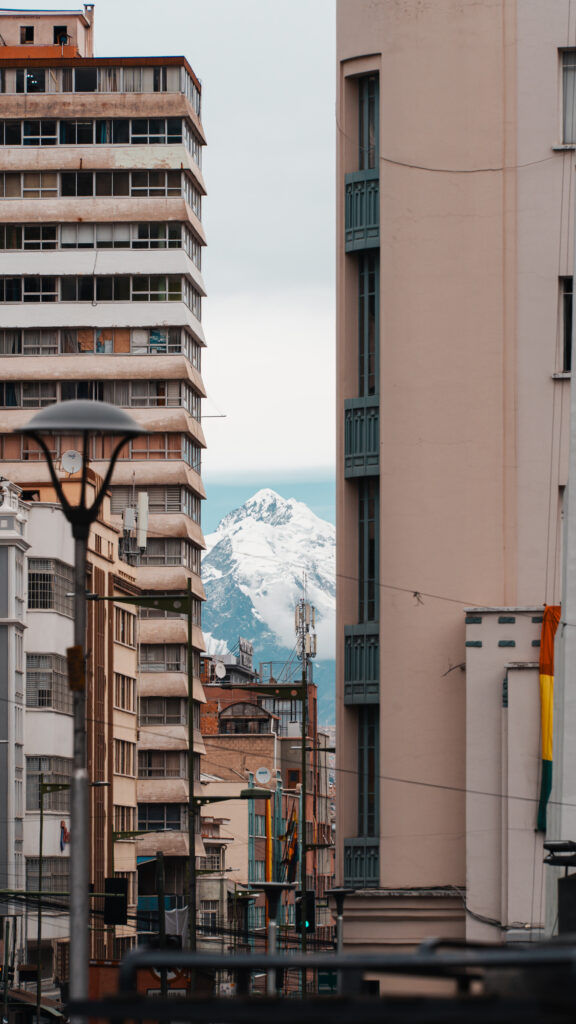
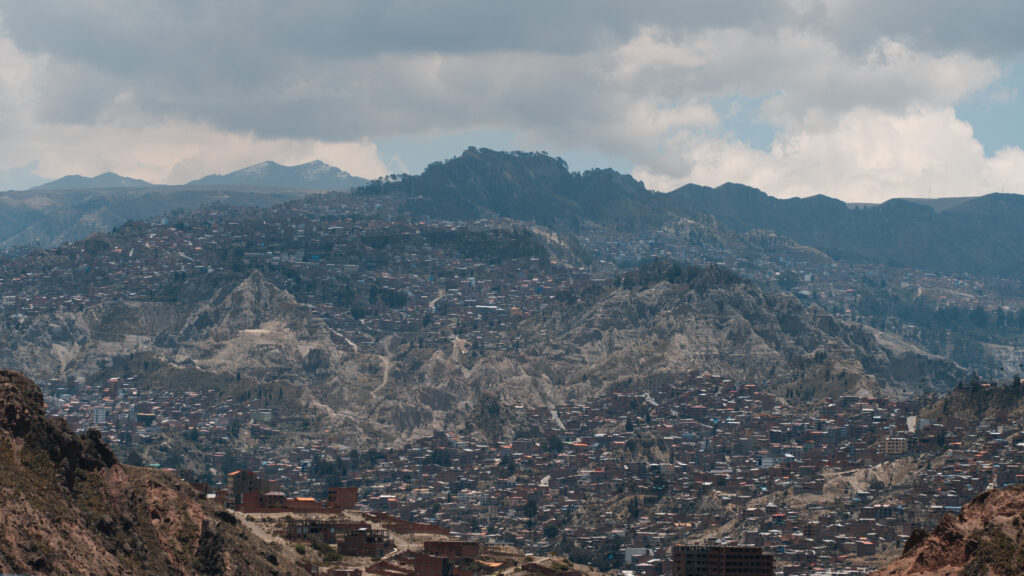
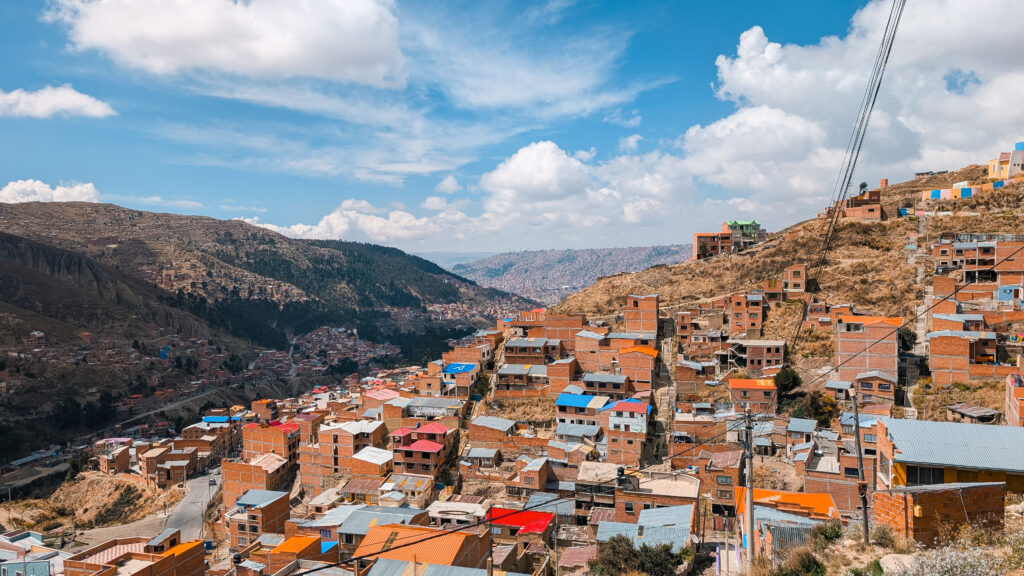
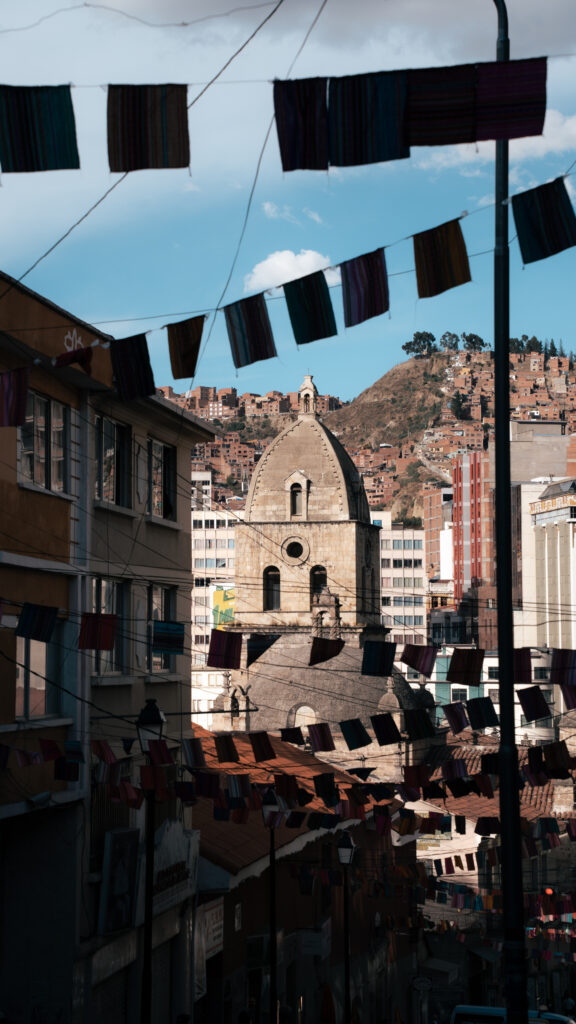
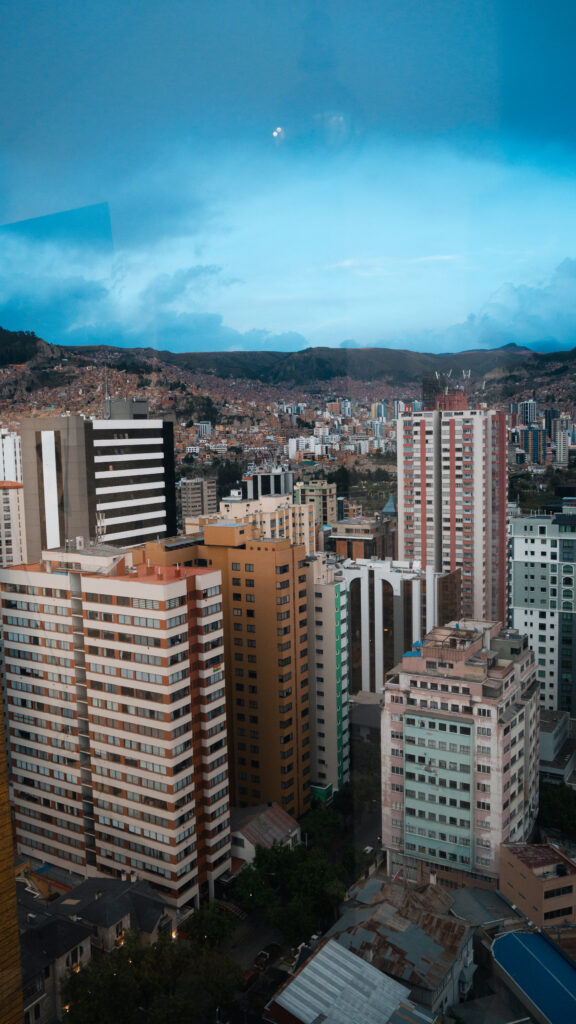
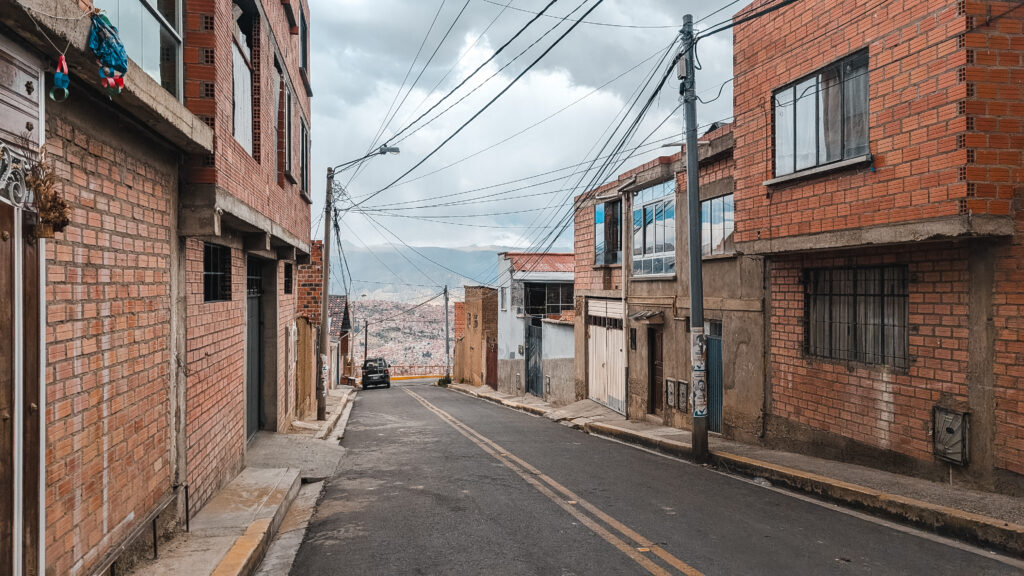
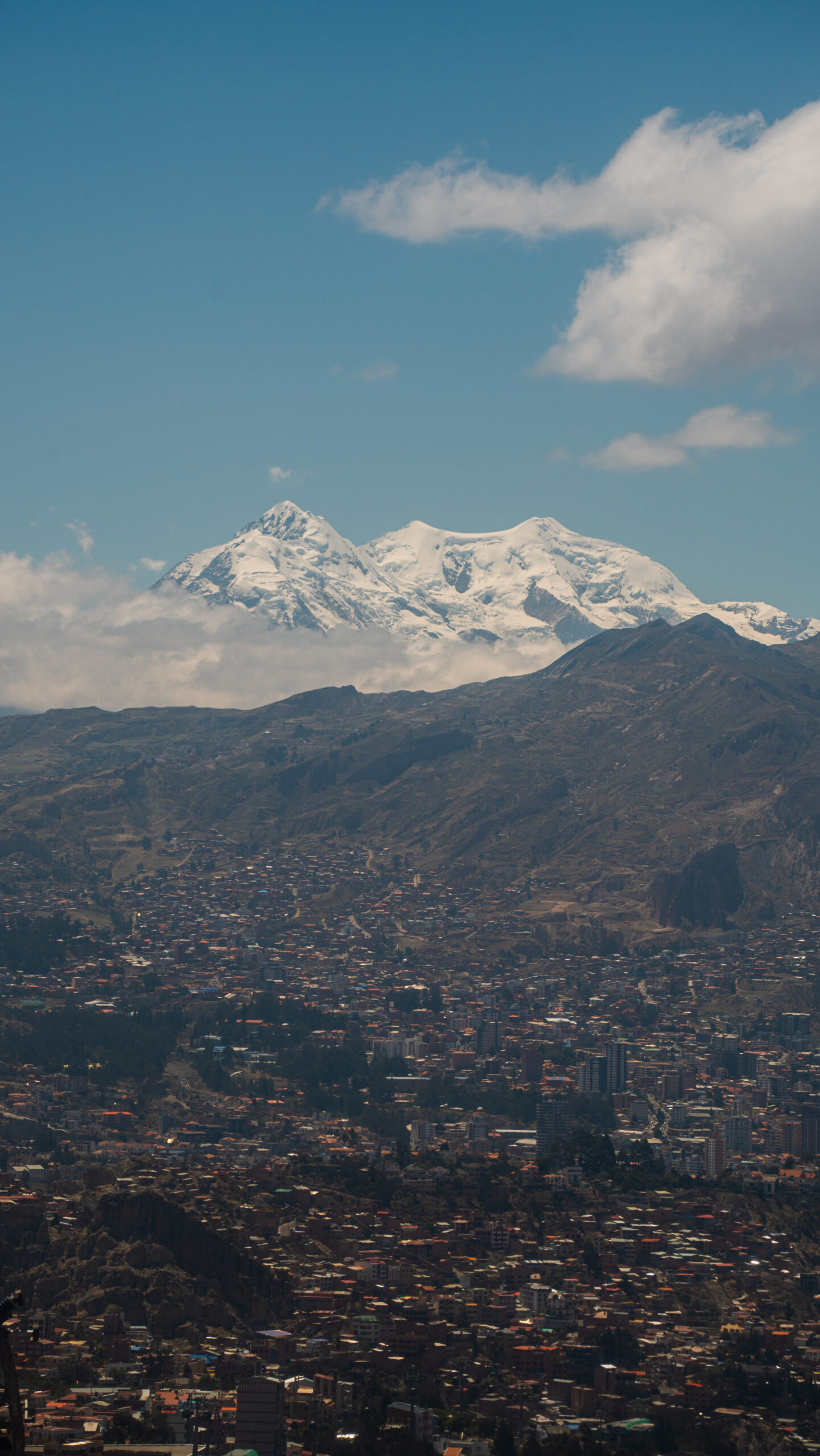
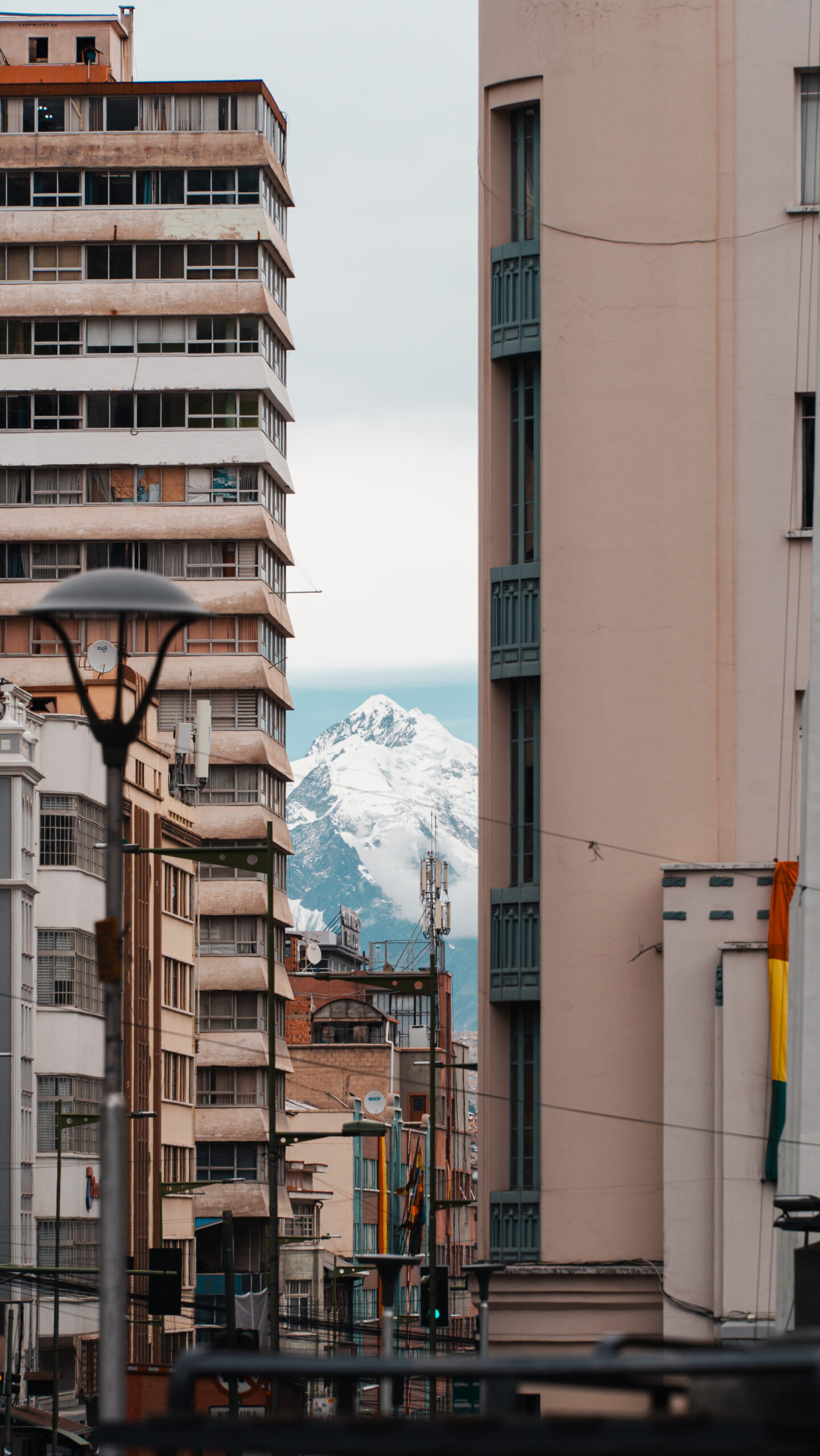
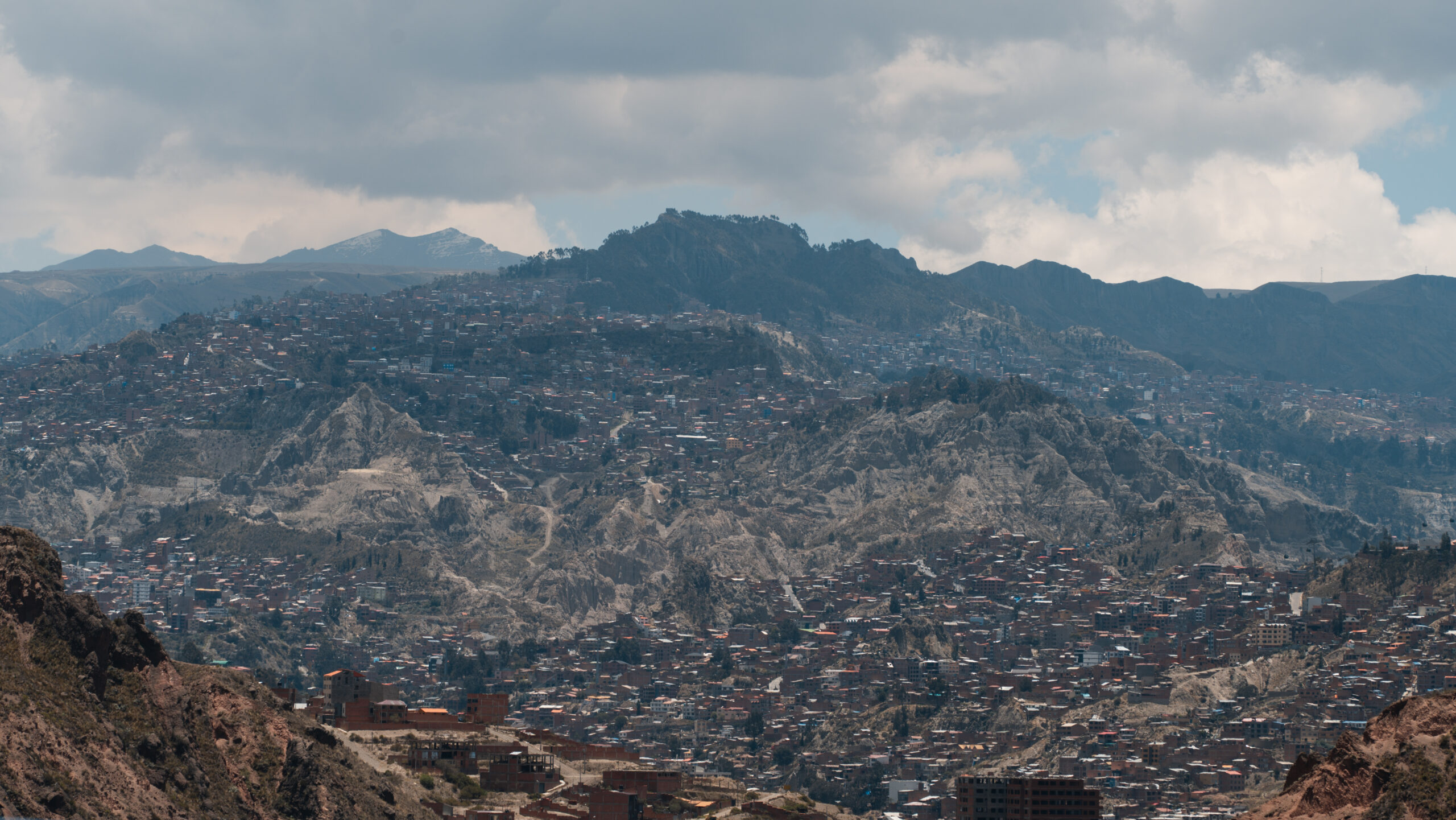
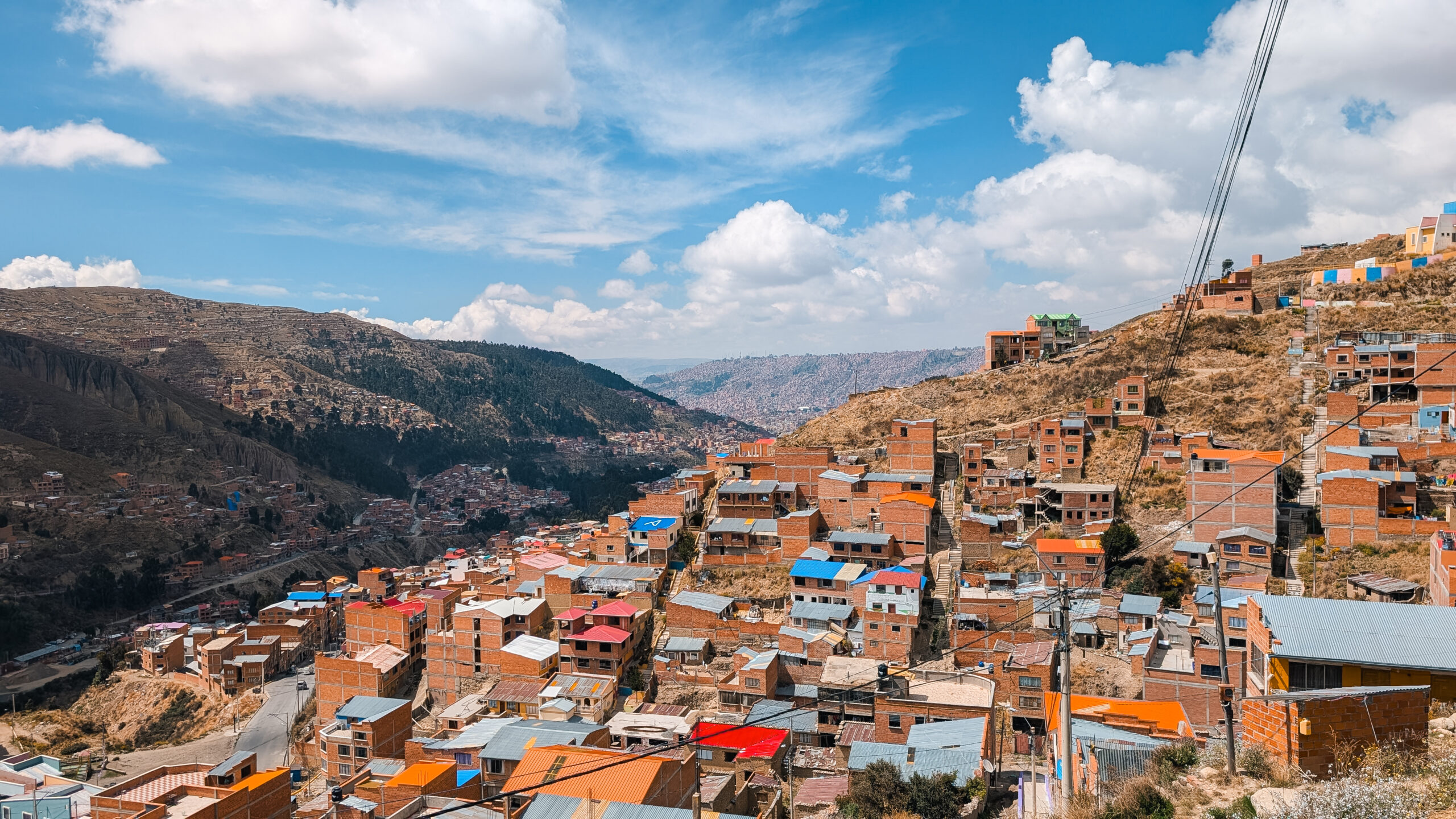
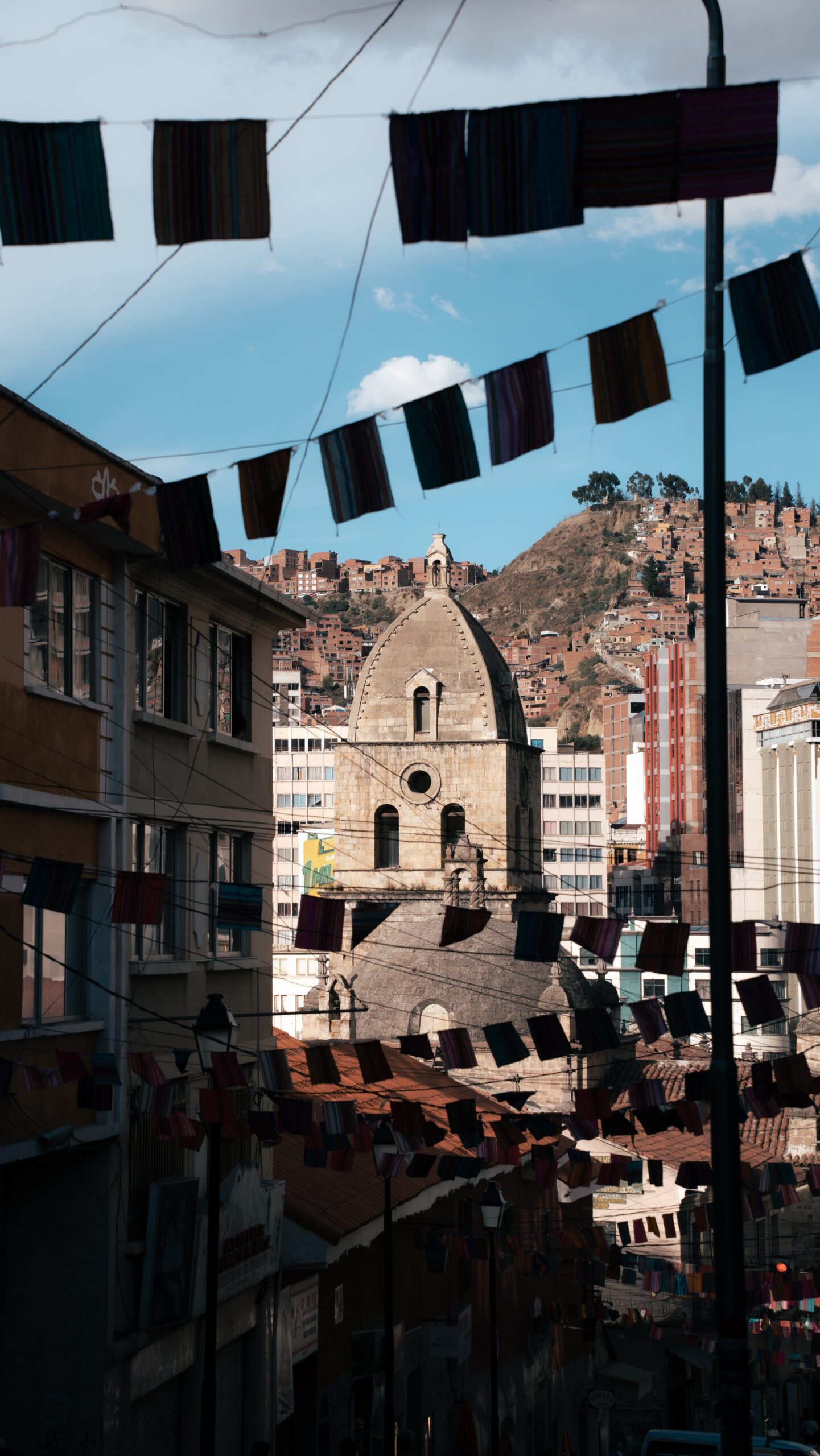
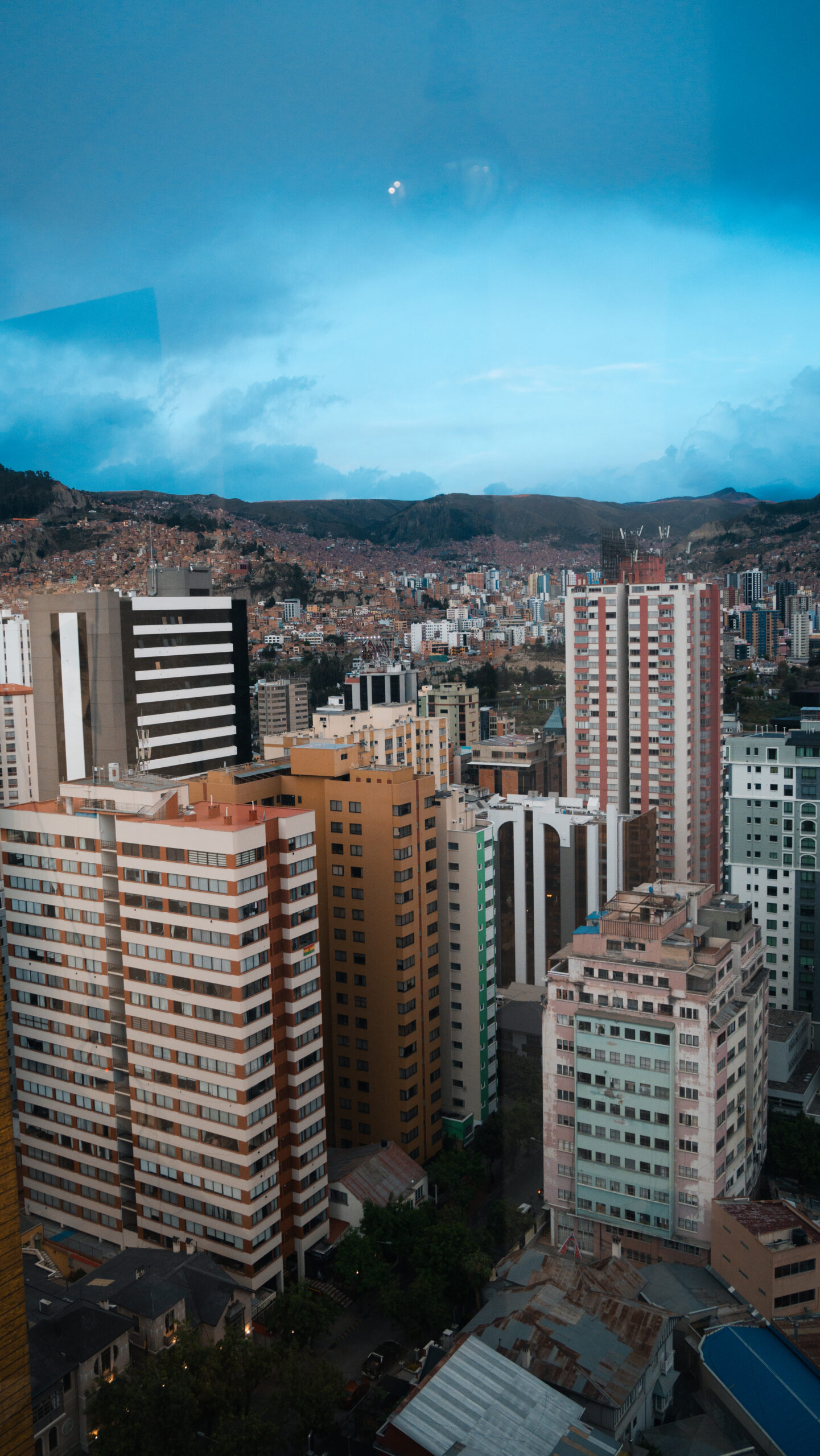
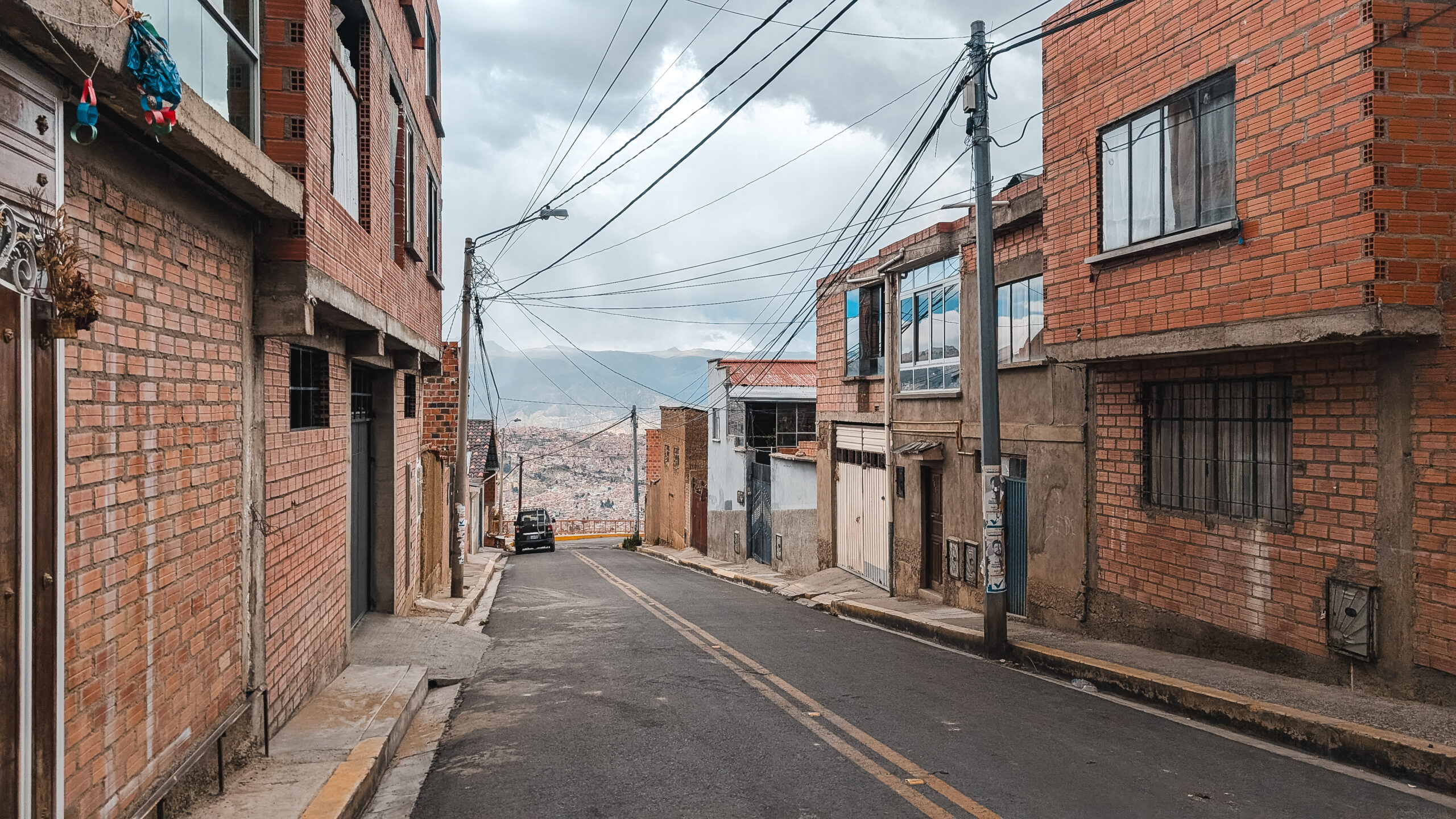
Built inside a steep mountain valley and surrounded by snow-capped peaks, La Paz instantly became one of the most visually insane cities we’ve ever seen. At 3,600–4,000 meters above sea level, the altitude hit Emilia pretty hard, so she couldn’t fully enjoy the views at first.
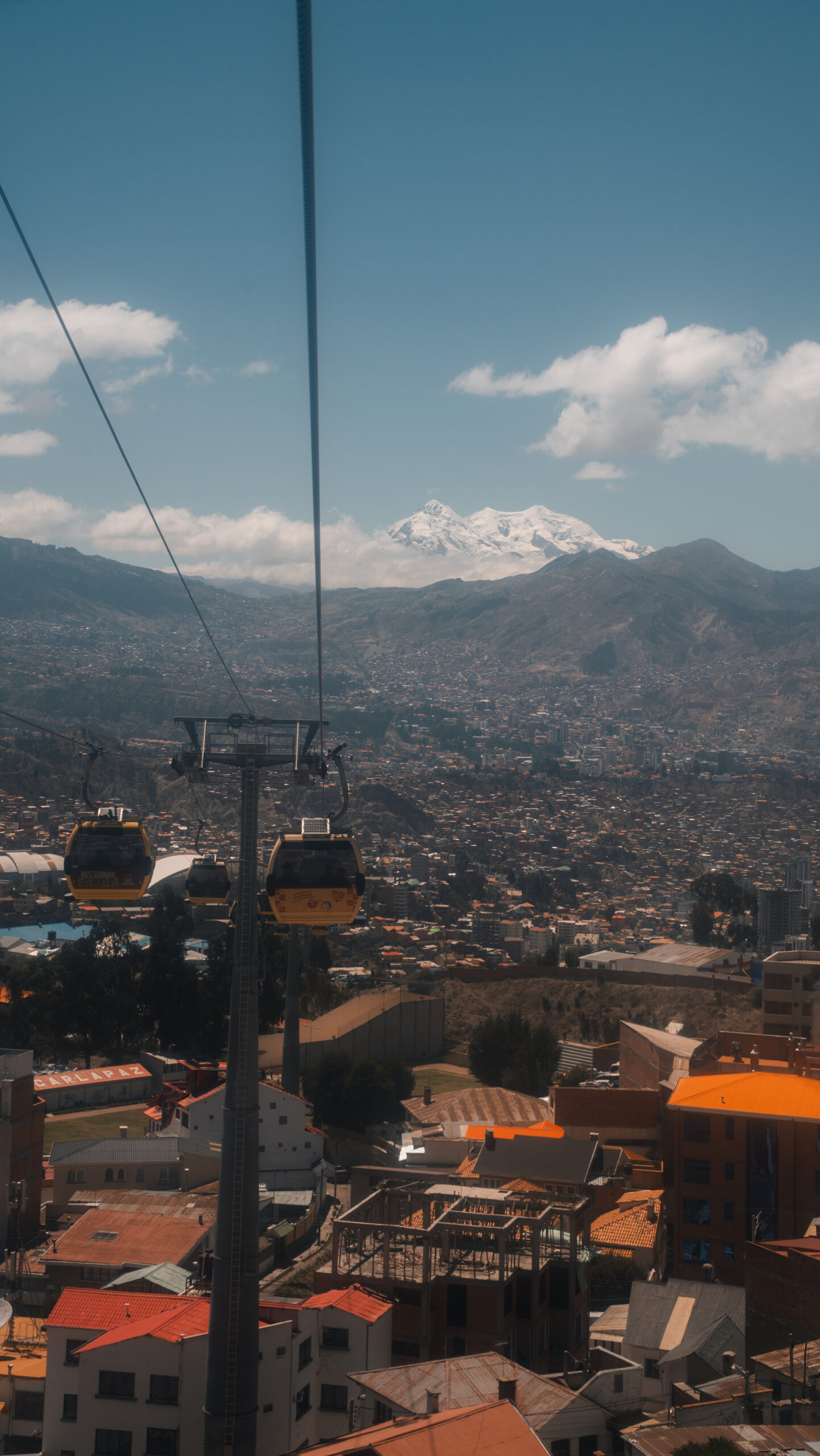
What stood out immediately was the city’s public transport system. You can’t really build subways in steep, seismically active terrain, and buses would be chaos. Bolivia’s solution? Cable cars.
La Paz’s cable car network is massive, efficient, cheap (around 40 cents per ride), and connects the city to El Alto above. We could’ve spent days just riding those lines and watching the city from above.
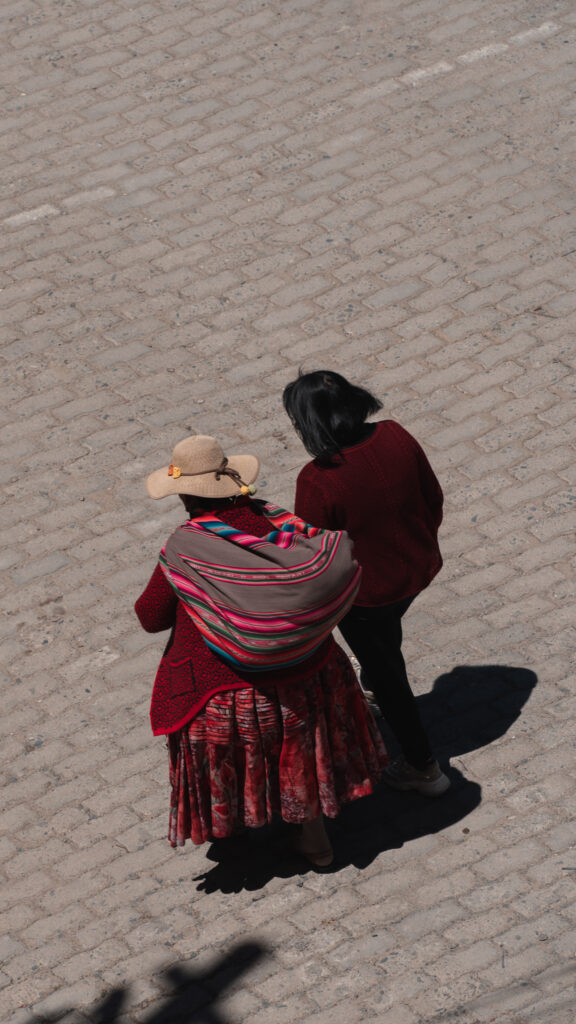
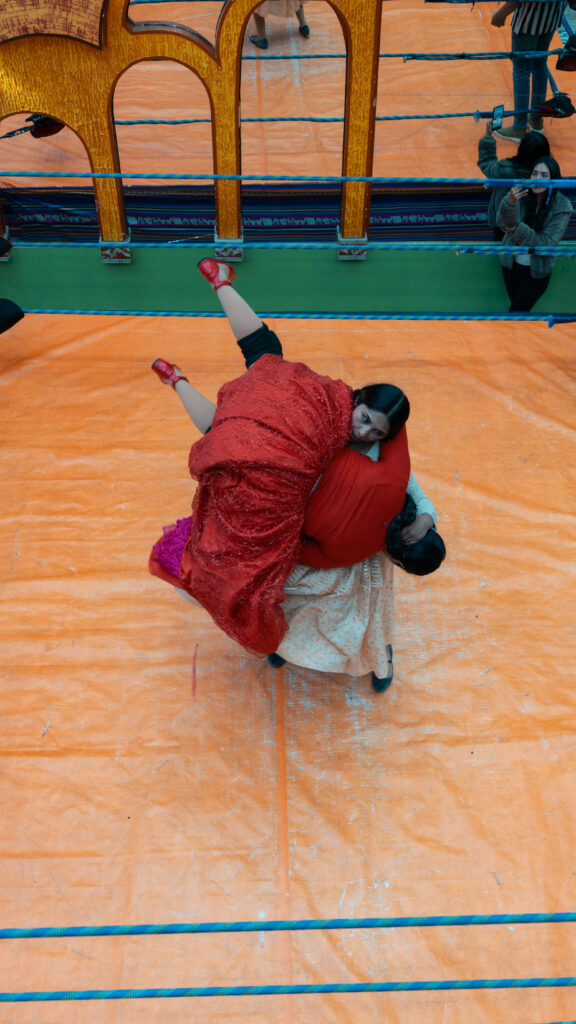
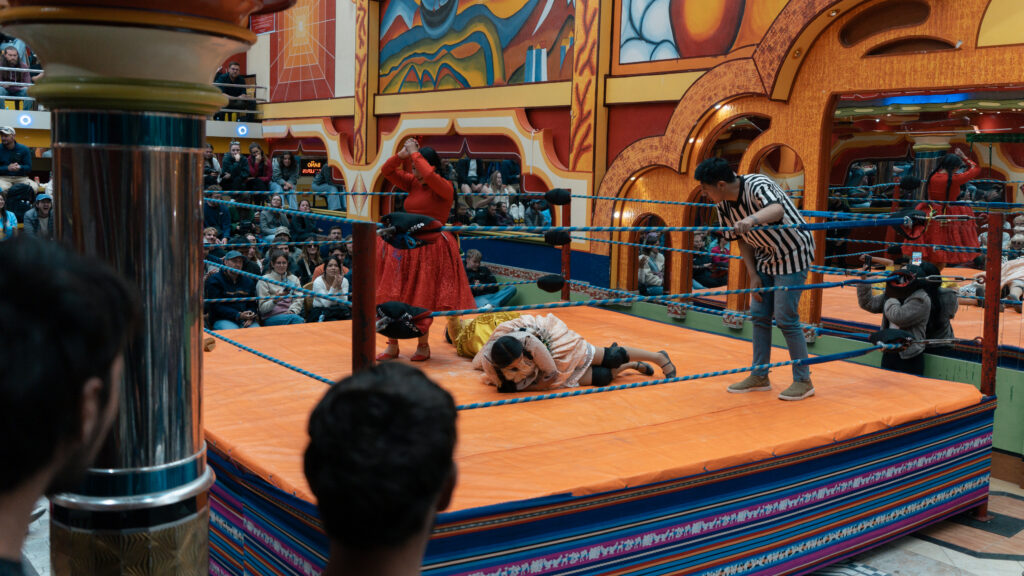
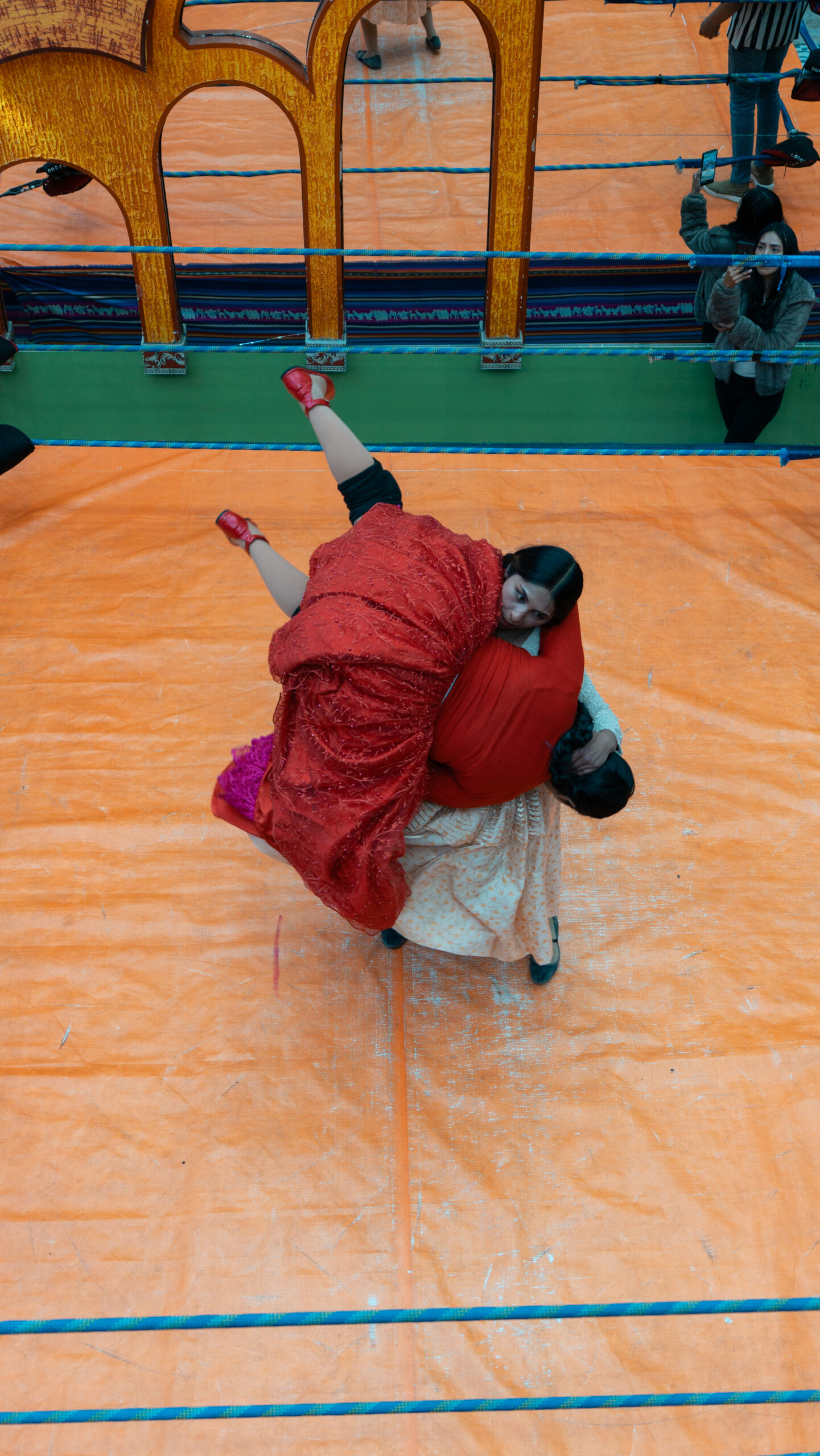
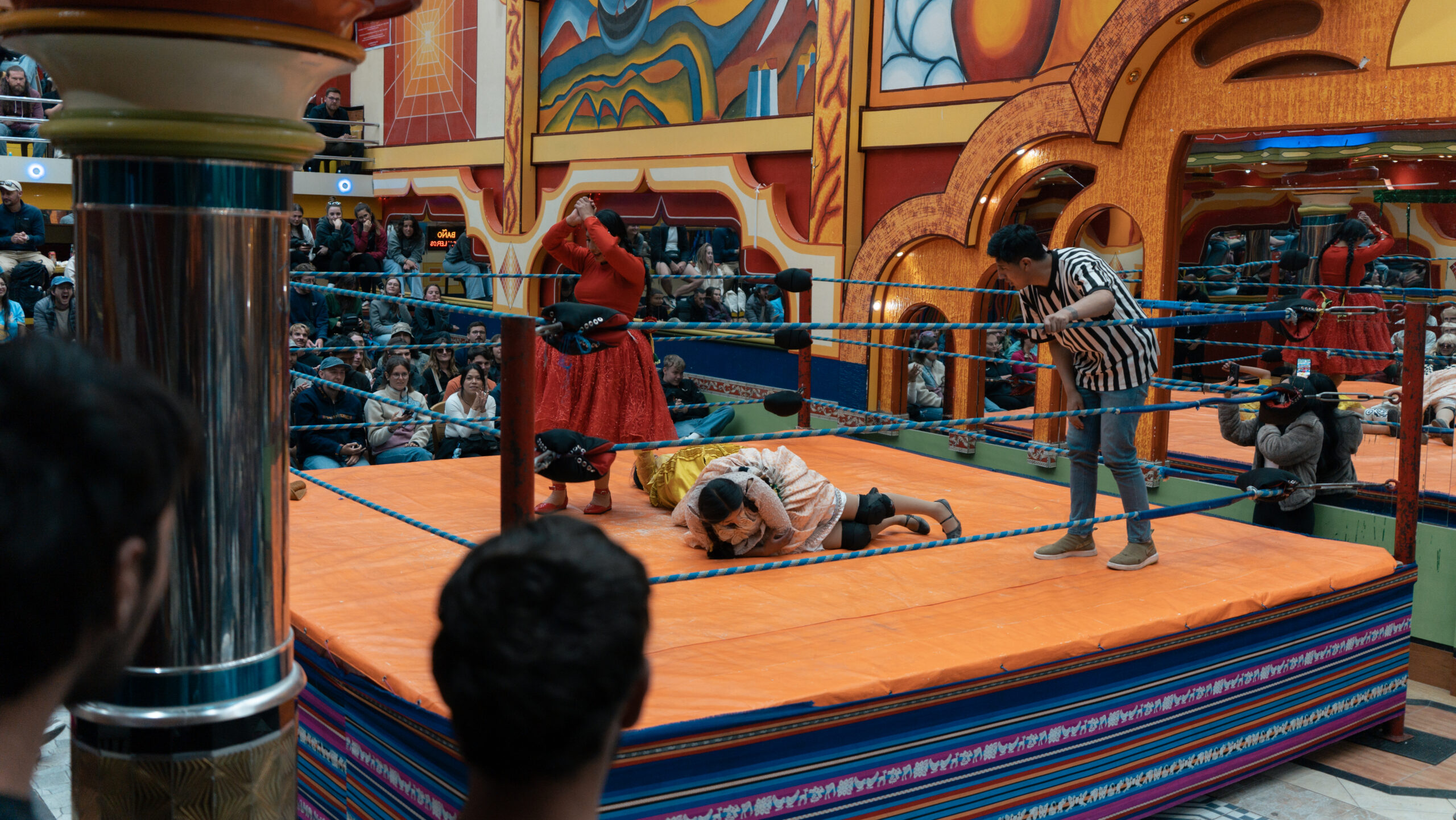
Another absolute must-do was Cholita wrestling — local women wrestling in traditional dresses. It’s theatrical, loud, chaotic, and ridiculously fun. We booked it via GetYourGuide since finding tickets independently was nearly impossible. Totally worth it.
Huayna Potosi, 6088m
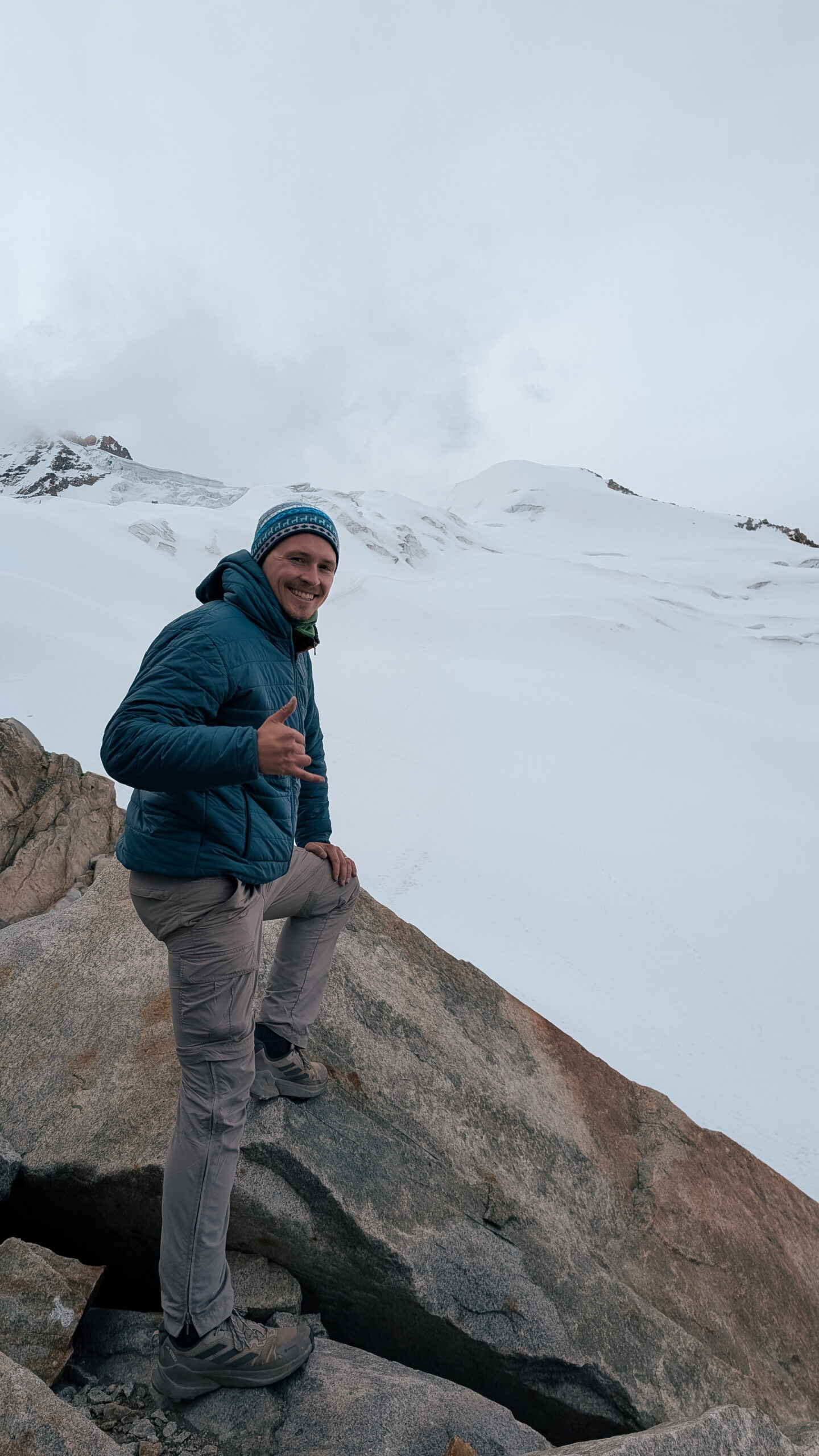
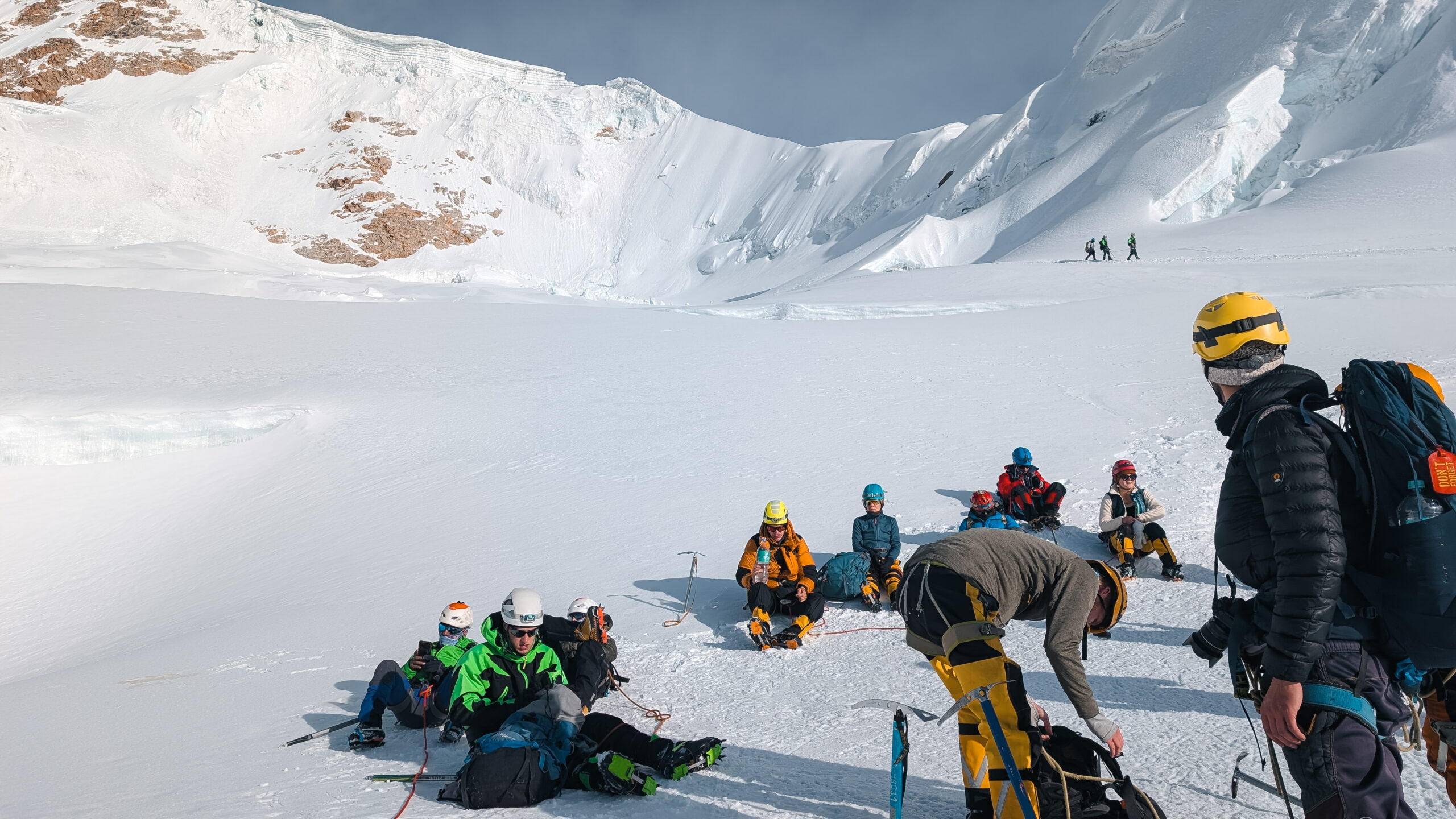
Already back in Colombia, Joona had discovered a “relatively accessible” 6,000-meter peak near La Paz: Huayna Potosí. Wandering around the Witches’ Market area, we found an insane deal — €80 for a two-day guided climb including transport, gear, food, and a summit attempt. Departure? The next day.
Because Emilia was still feeling the altitude, she stayed behind.
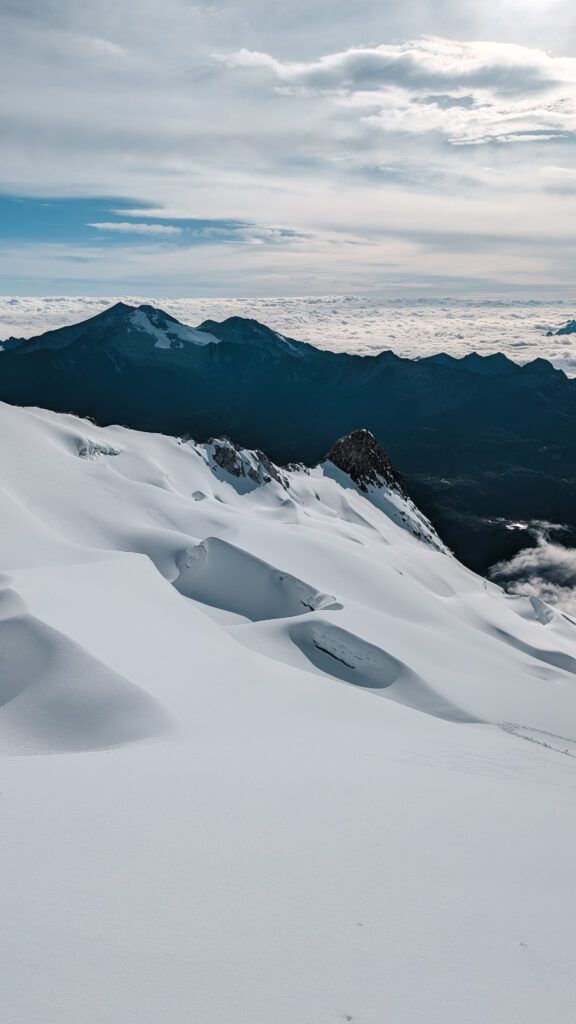
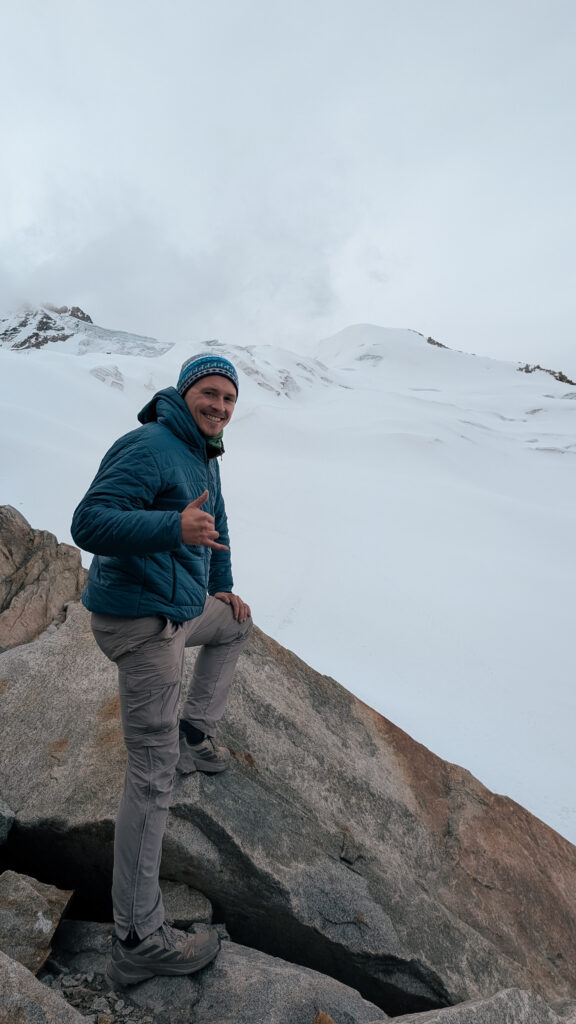
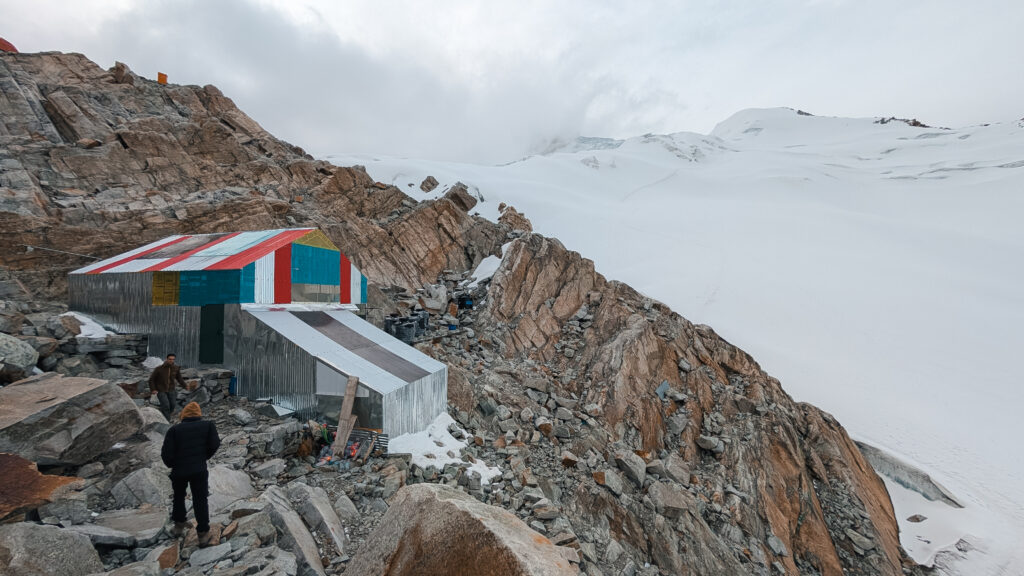
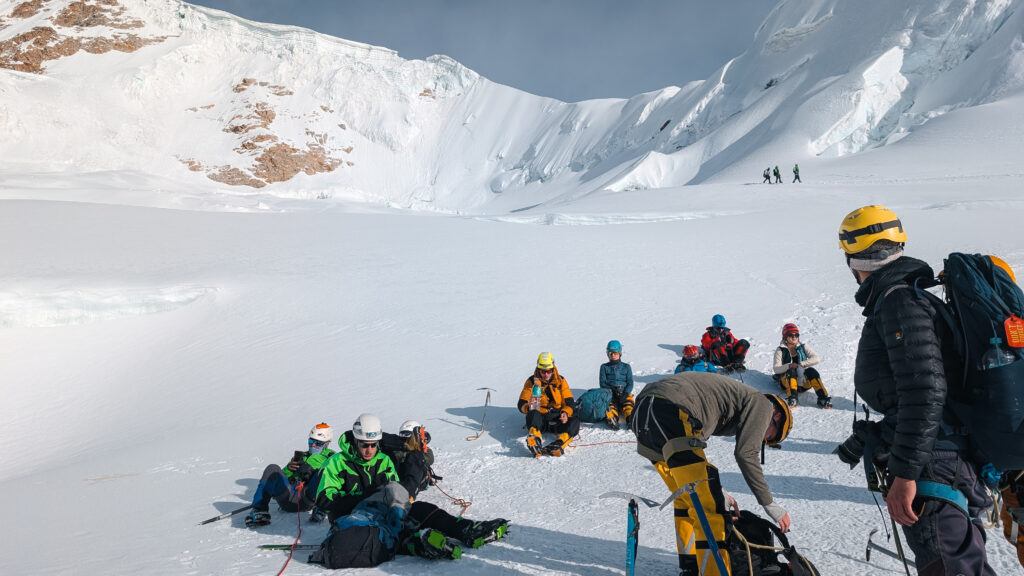
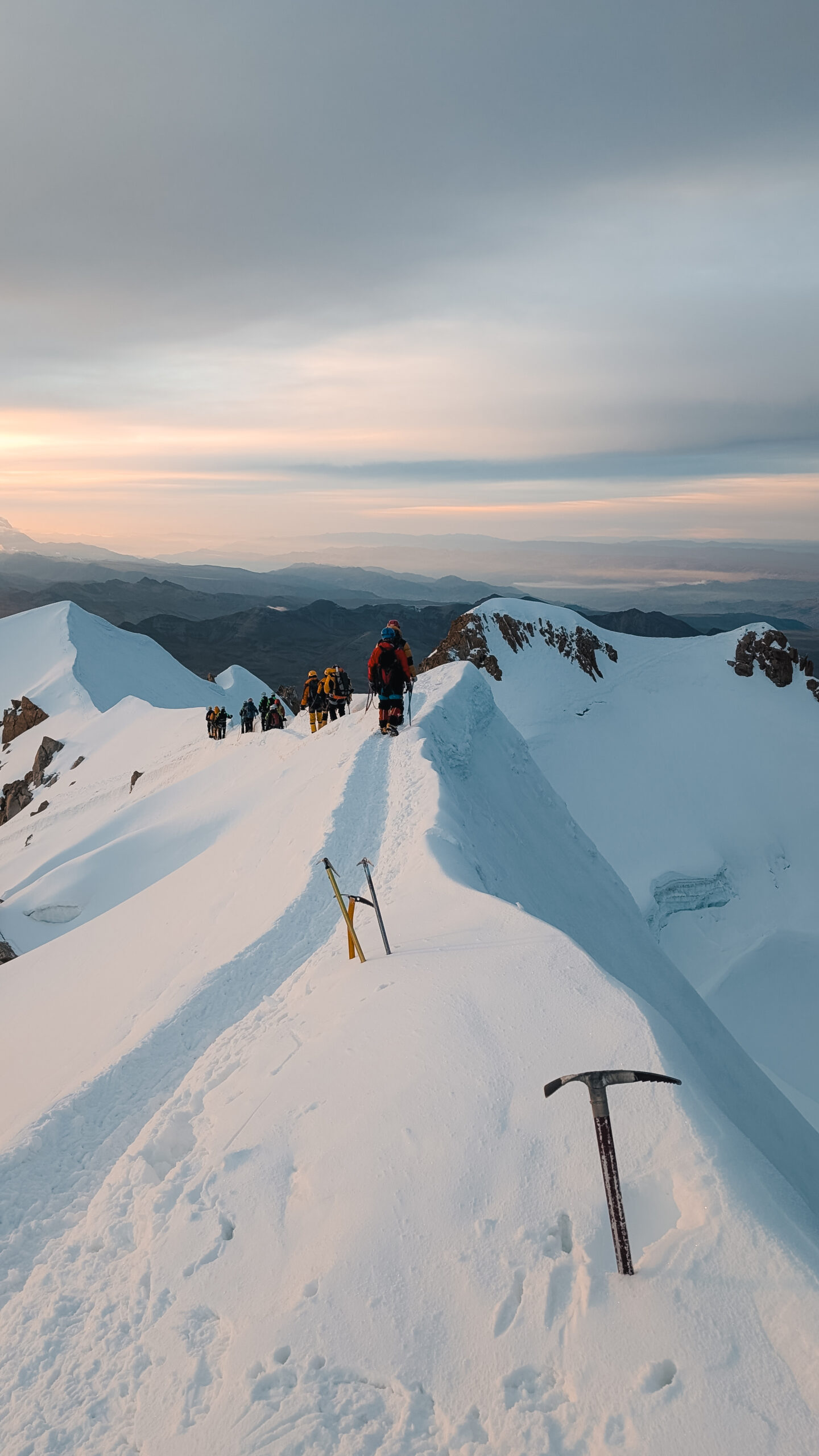
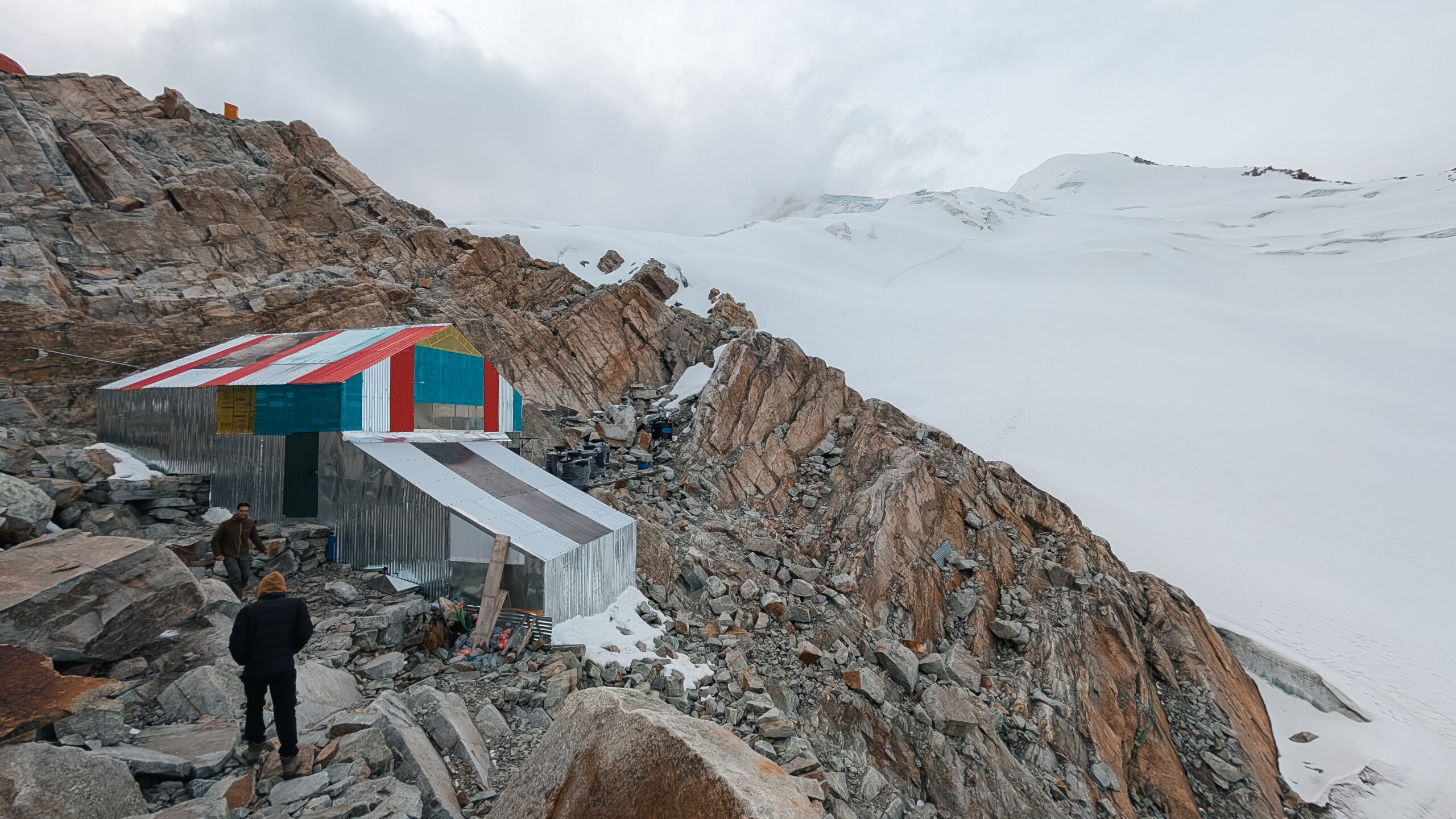
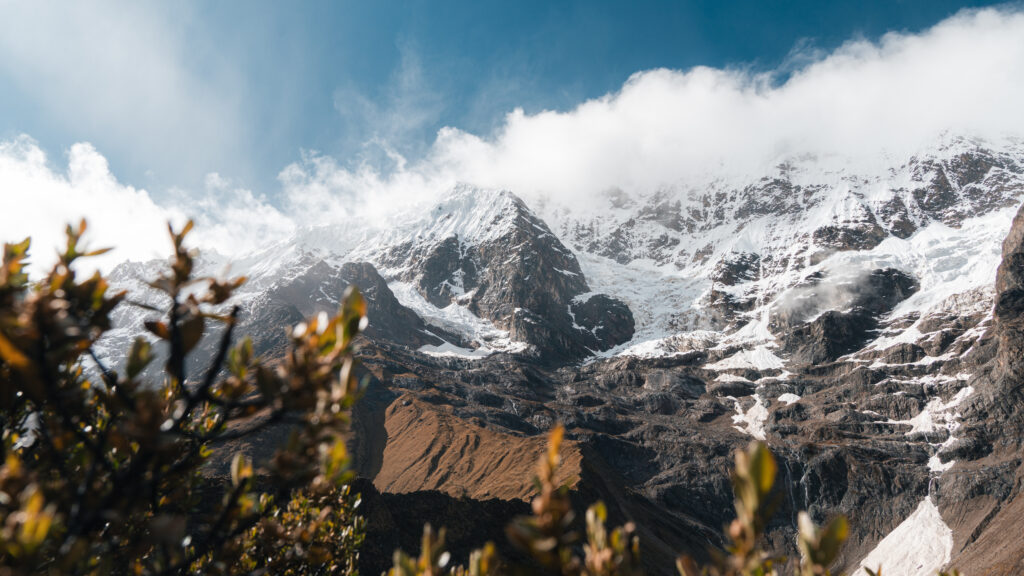
Normally Huayna Potosí is climbed in three days. I decided to push it in two — basically a speed climb. The first day took us to high camp at around 5,000 meters in brutal weather: wind, snow, zero visibility. Not exactly comforting.
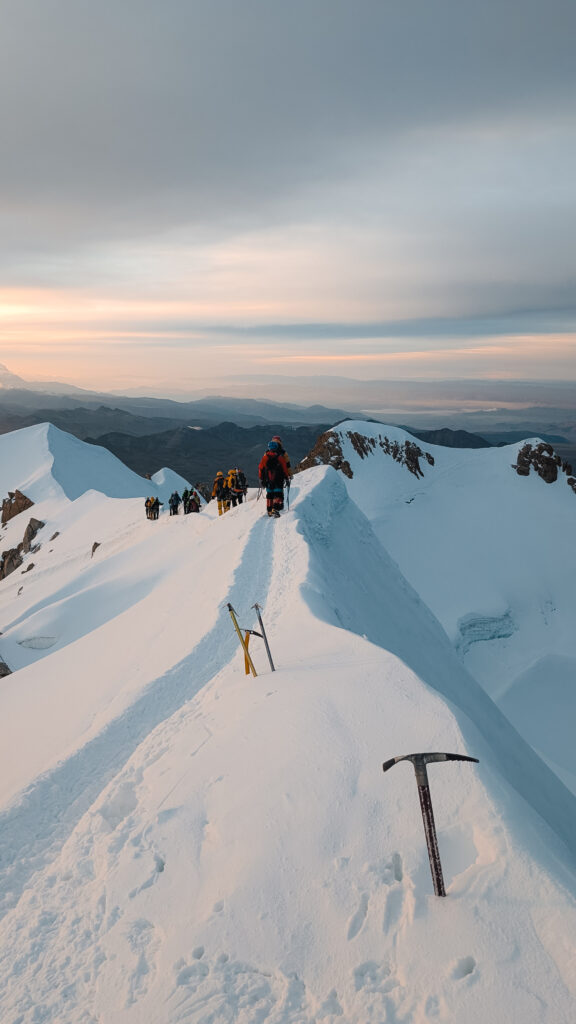
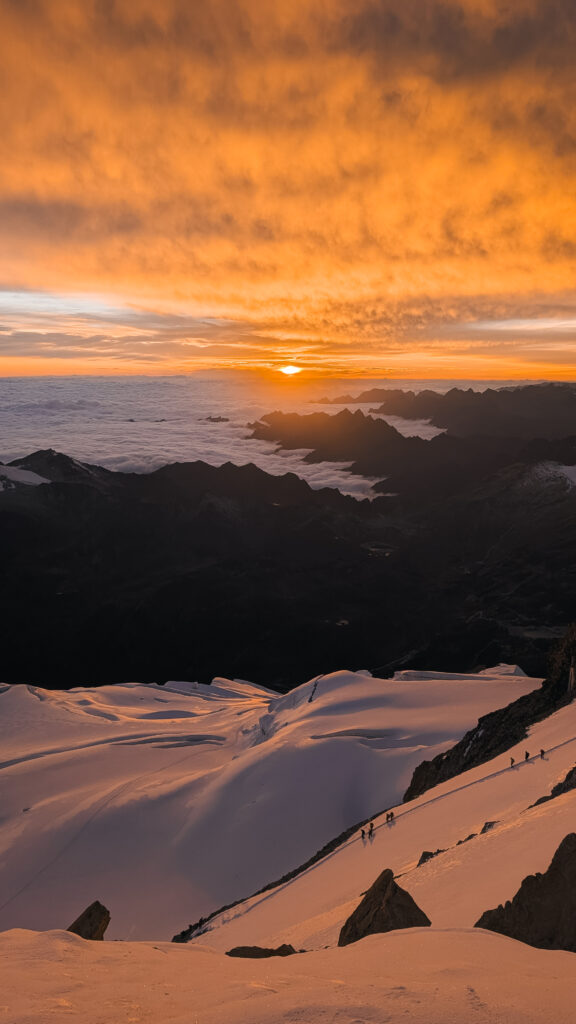
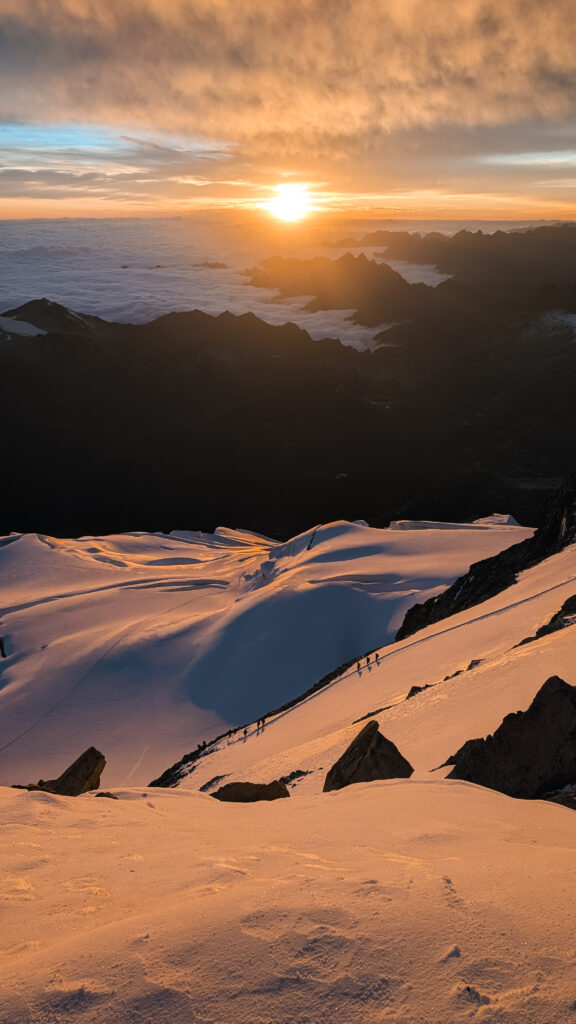
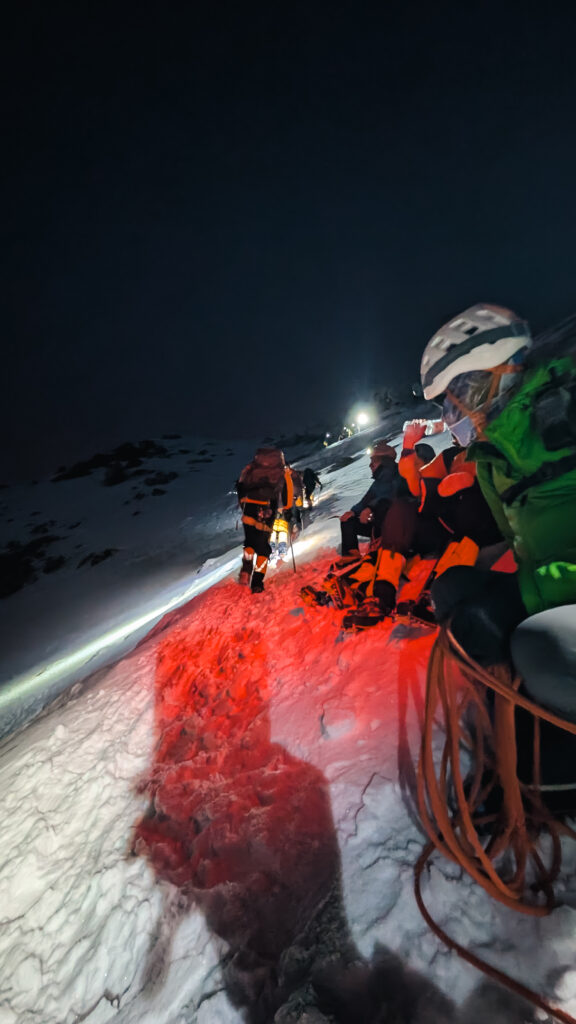
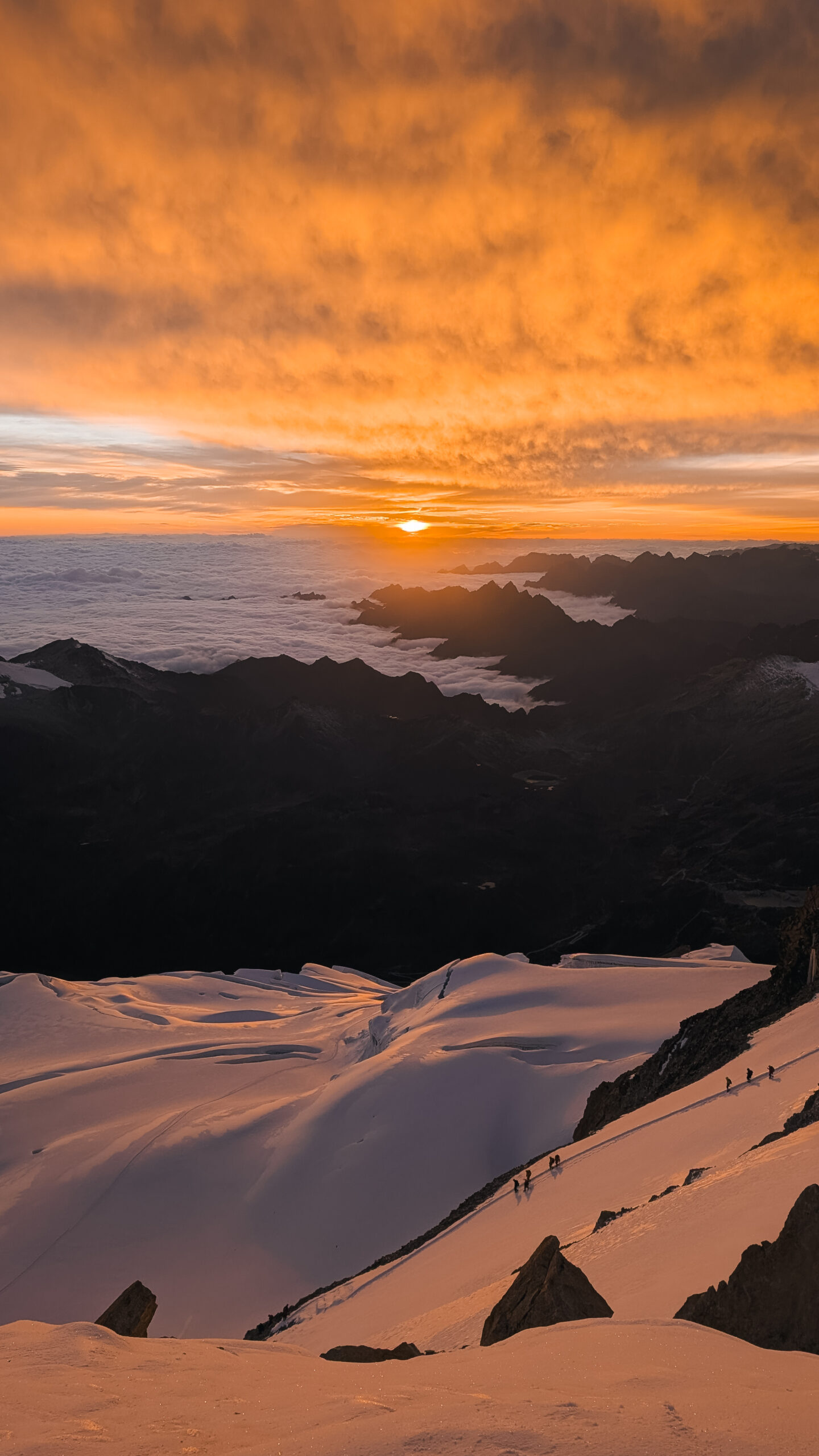
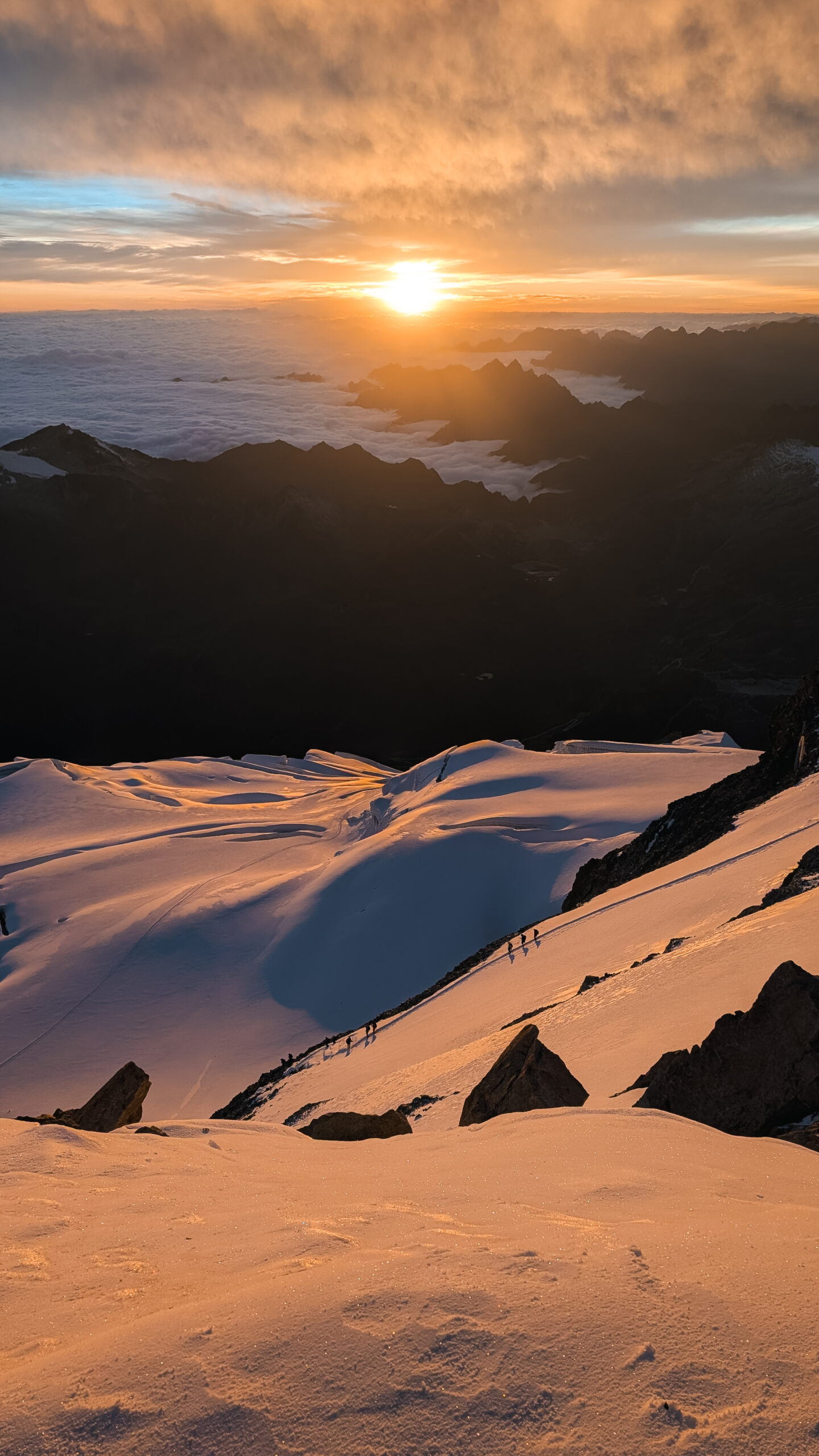
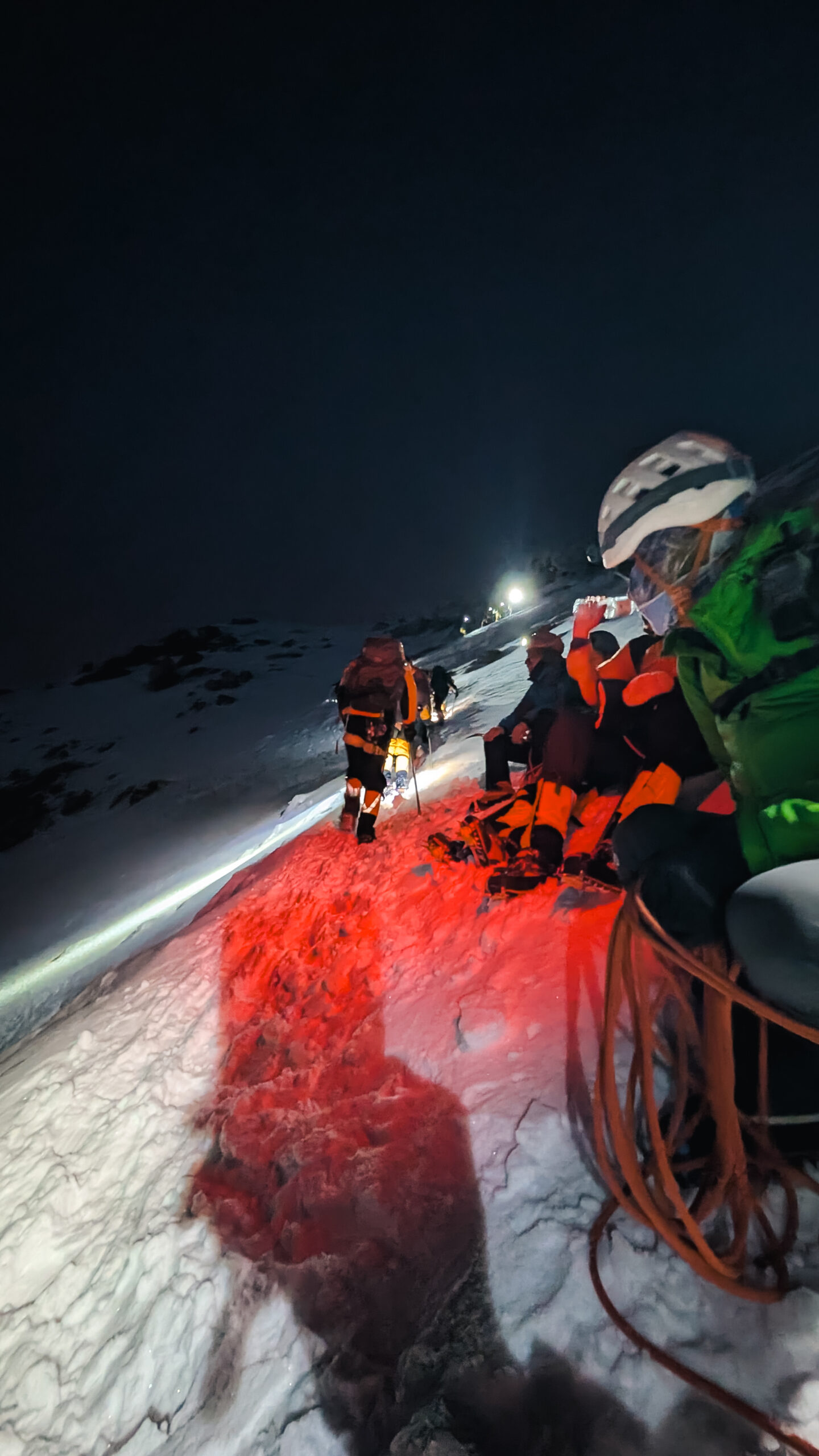
At midnight, we woke up, strapped on crampons, and started the summit push. Headlamps snaked up the mountain like a tiny Everest. I hadn’t done real mountaineering since Lenin Peak in Kyrgyzstan years ago, and the feeling was unreal. The altitude hit me around 5,500 meters, but we kept moving.
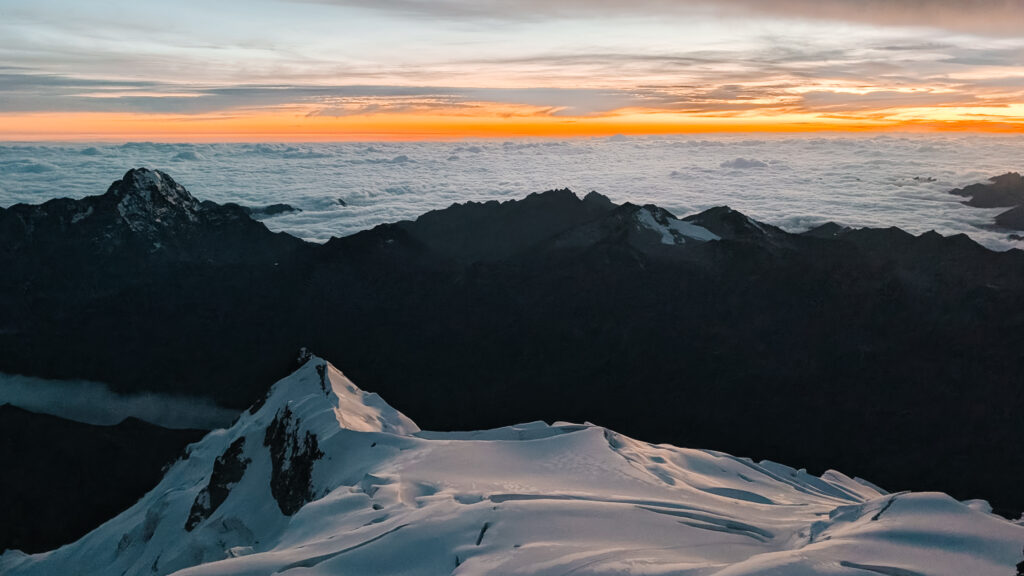
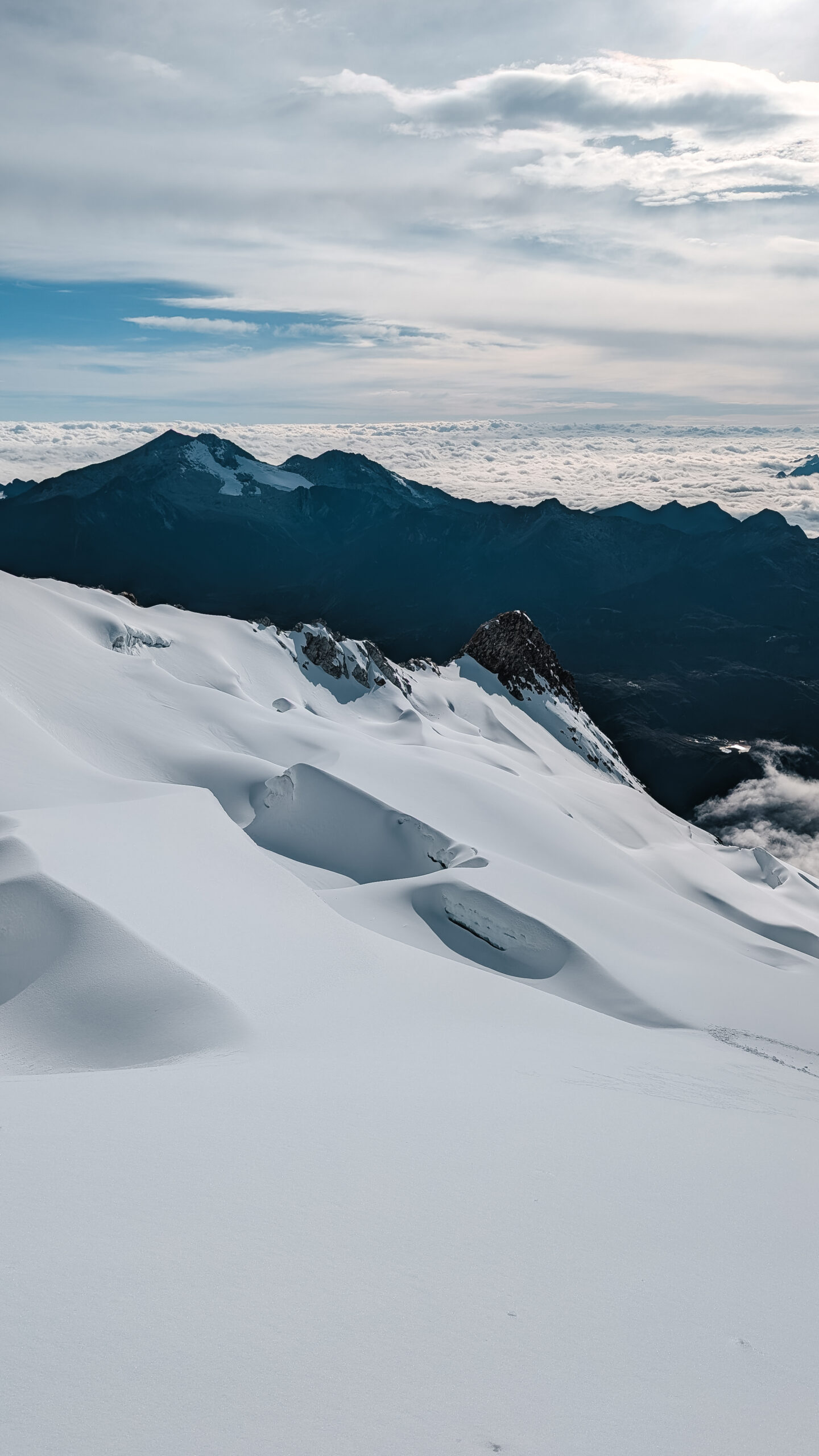
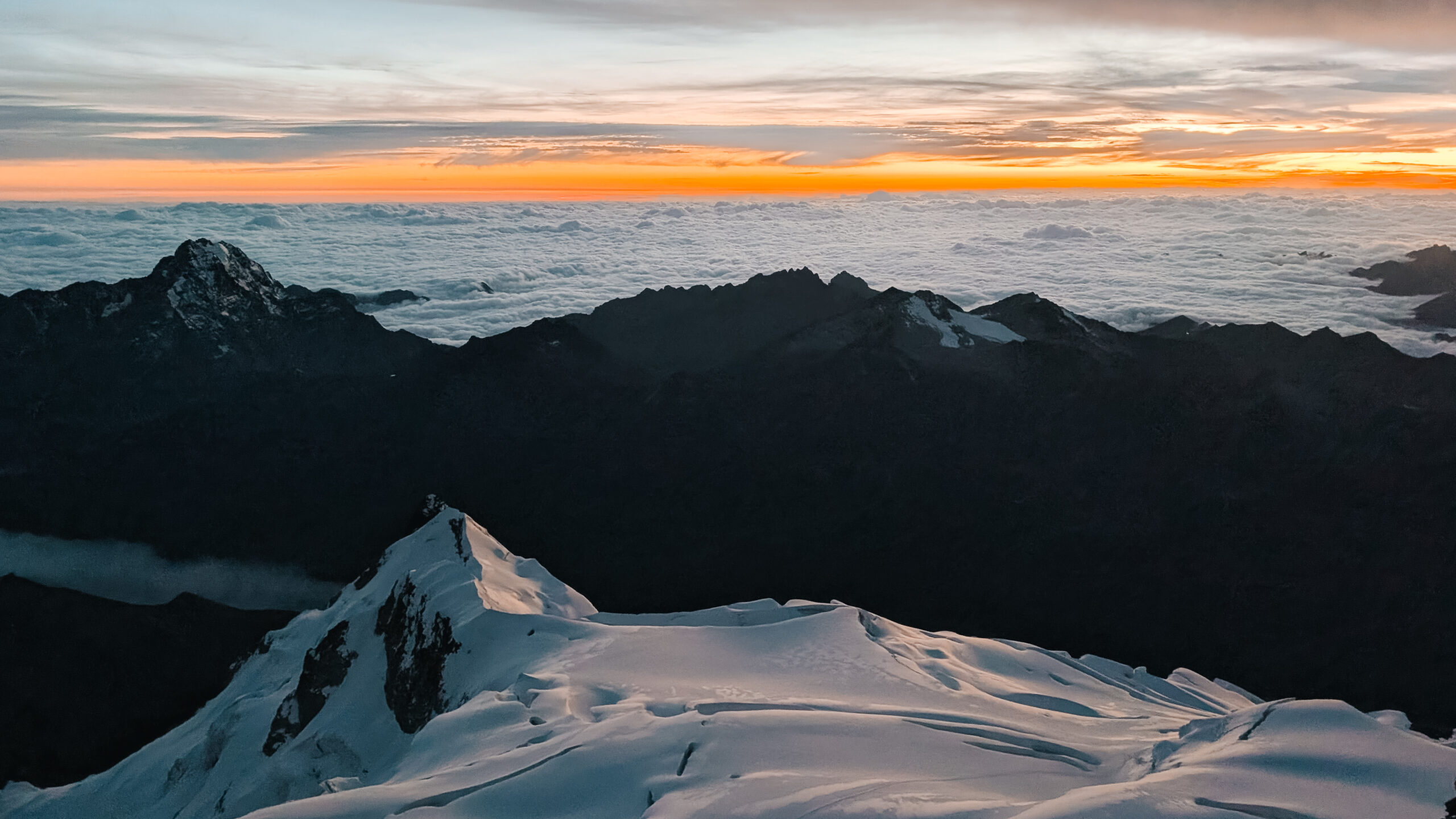
We reached the summit of Huayna Potosí (6,088 m) just before sunrise. Easily top three views of my life. I was genuinely upset I’d left my camera in La Paz to save weight. After summit photos, we descended back to camp, ate breakfast, and continued all the way down to basecamp.
I don’t think I’ve ever been that exhausted. Slept for two hours straight the moment I reunited with Emilia.
SALAR DE UYUNI & ATACAMA
After the climb, we debated our next move — Death Road, Sajama National Park, or Uyuni. Then we got offered a great deal on a three-day Salar de Uyuni + Atacama Desert tour through the same company. Night bus to Uyuni it was.
The Uyuni salt flats had been on our bucket list for years. Nothing prepared us.
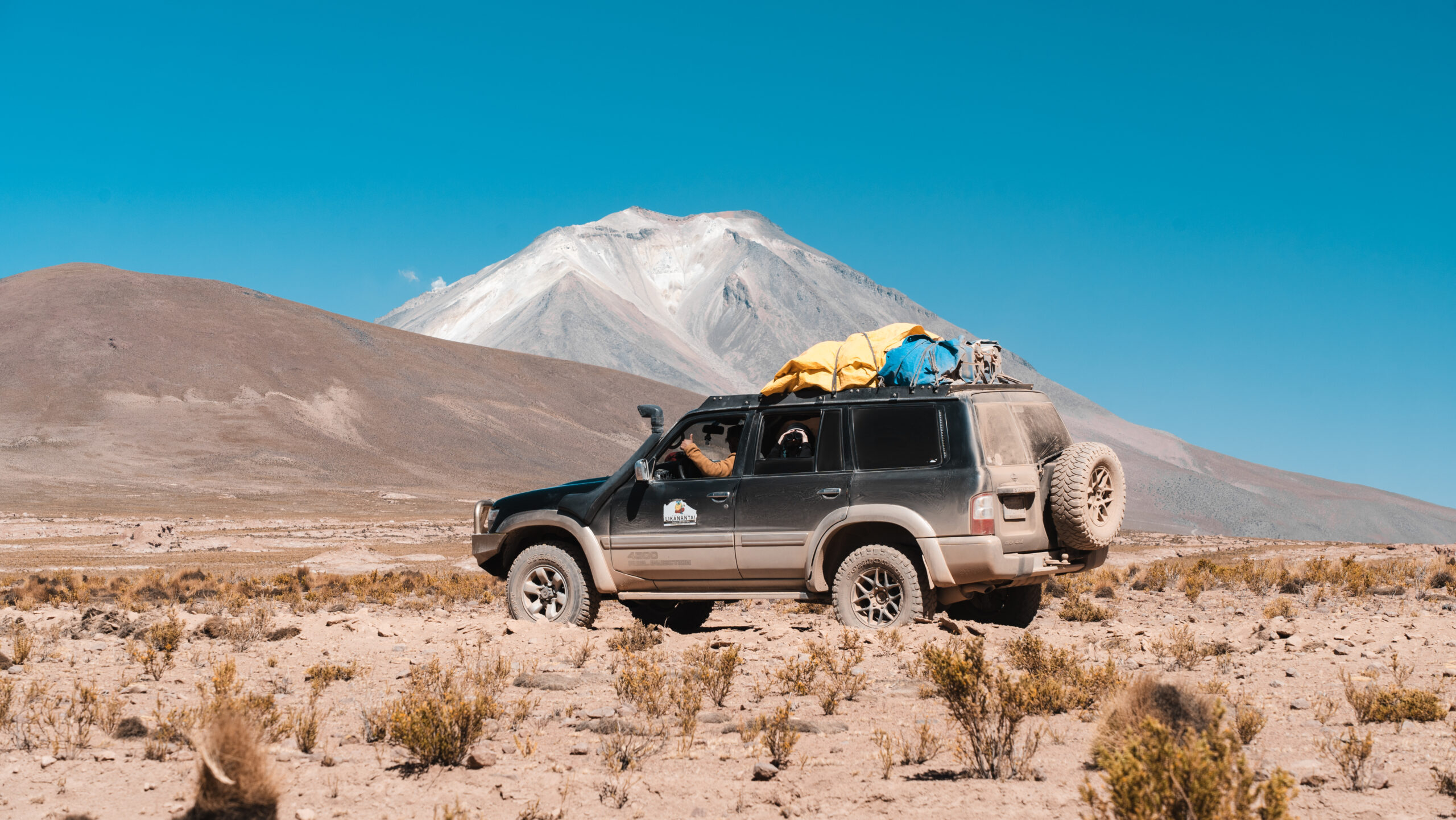
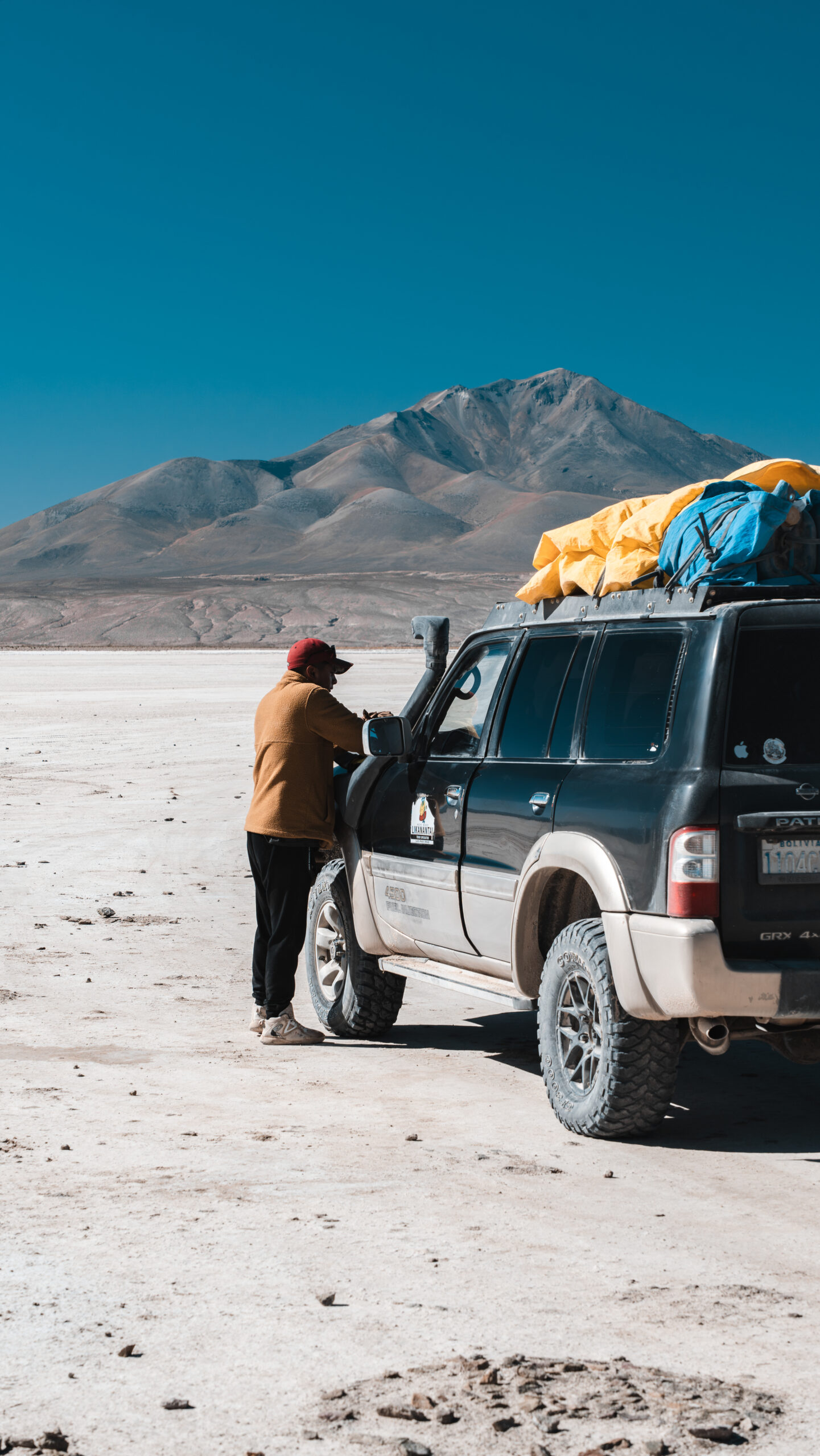
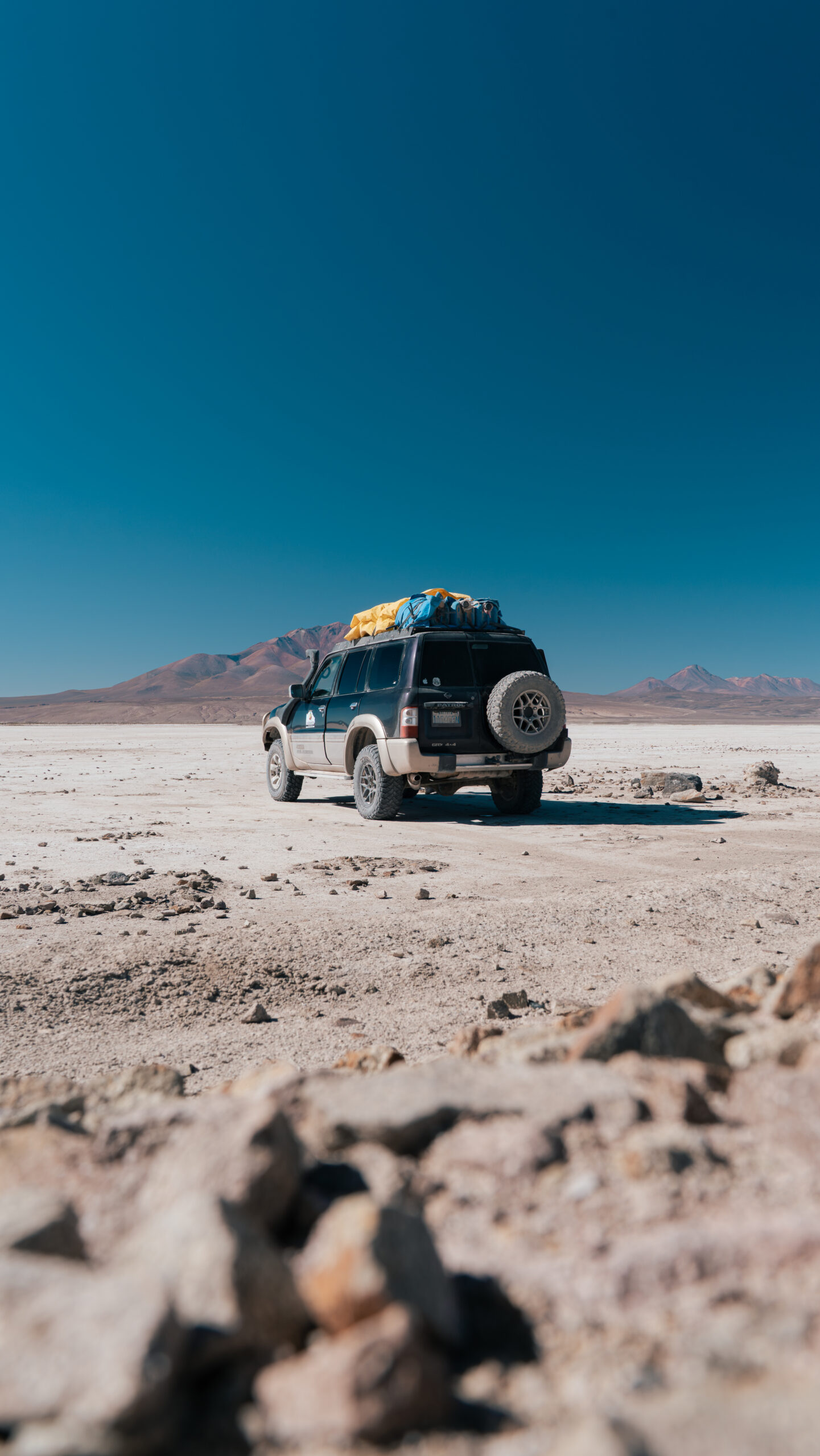
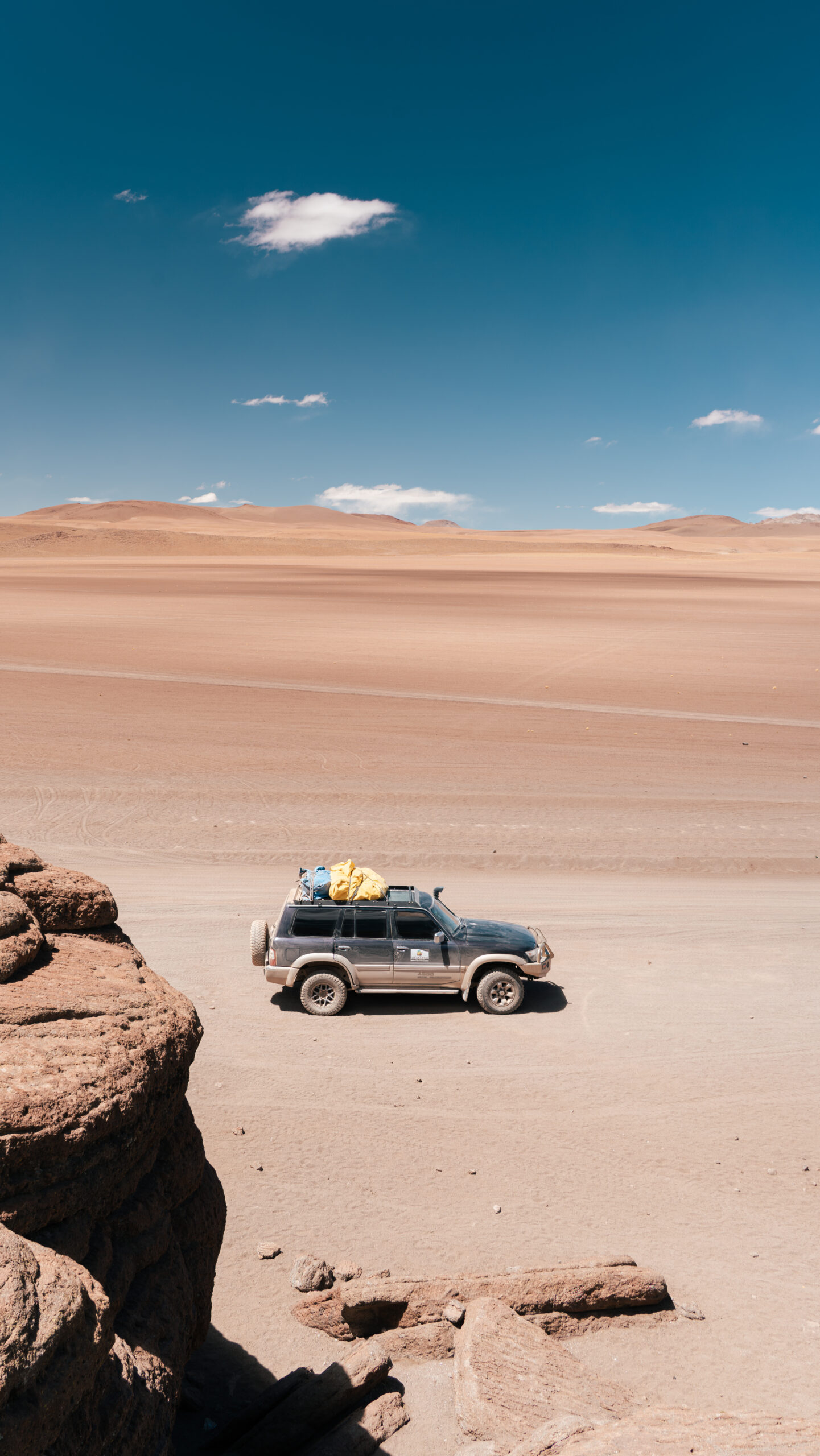
The three-day road trip took us through landscapes that honestly felt unreal. Our group included a lovely British couple, Hugo and his girlfriend, and together with our guides we crossed Bolivia’s high-altitude wilderness.
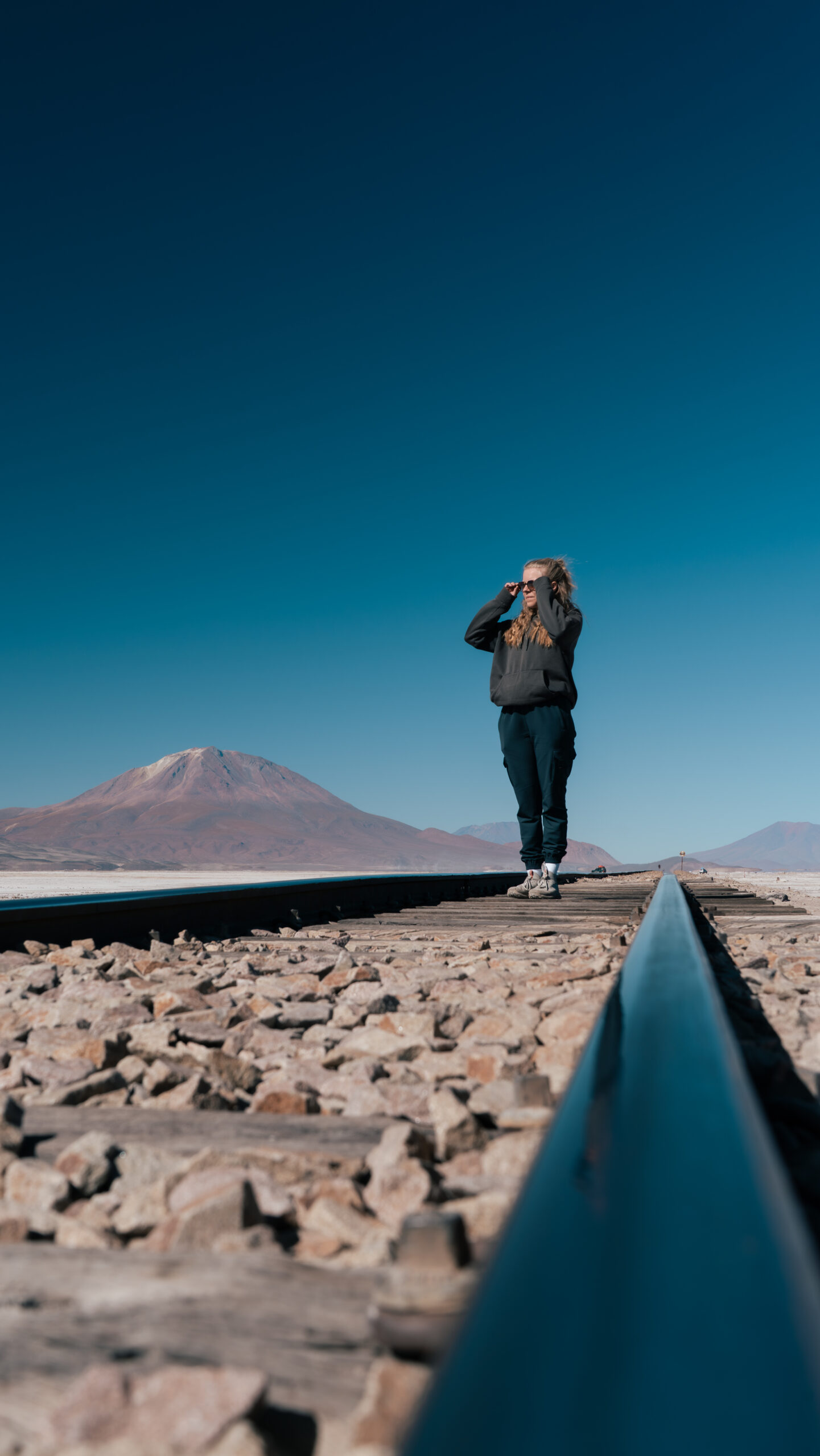
Day one: Salar de Uyuni — the largest salt flat on Earth. Endless white, no horizon, no sense of scale. Like standing on another planet or a frozen ocean. Yes, the salt is actually edible. One highlight was Isla Incahuasi, once an island when the flats were still underwater, now covered in giant cacti.
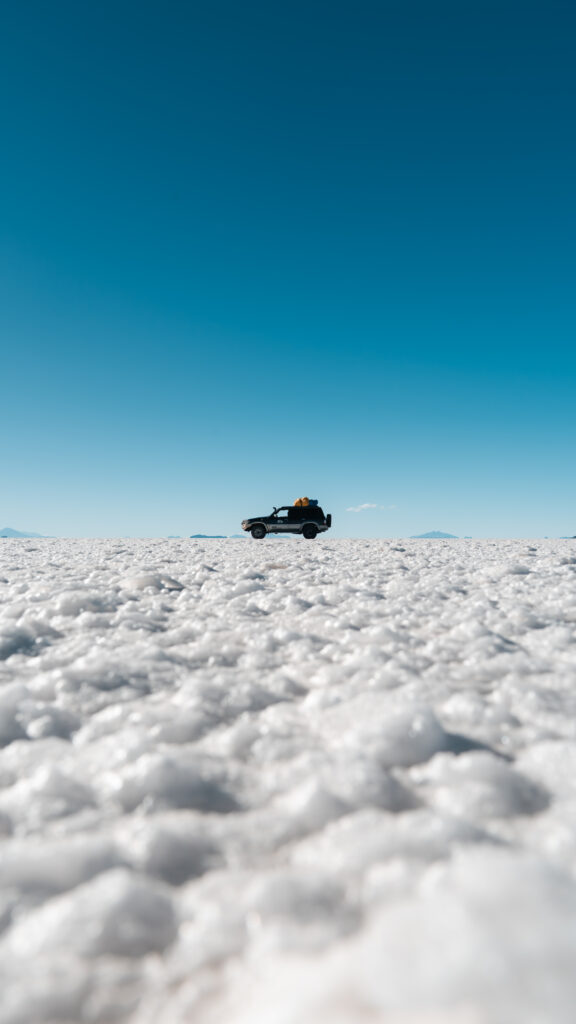
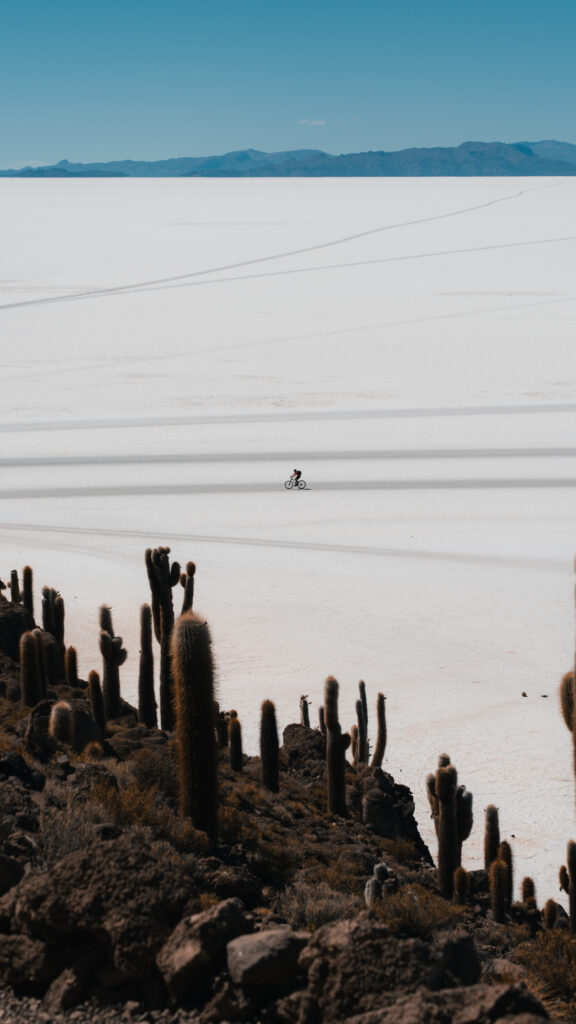
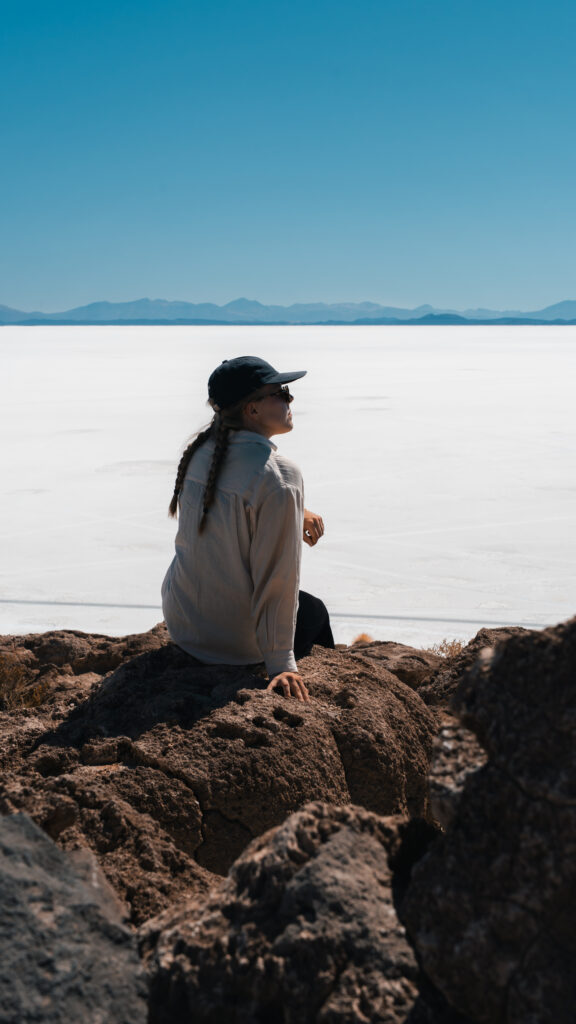
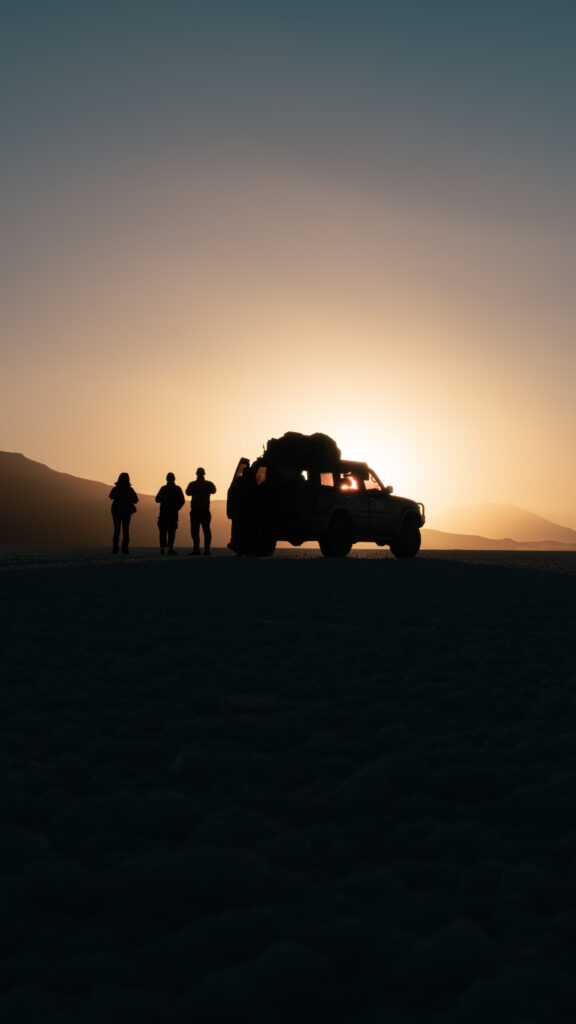
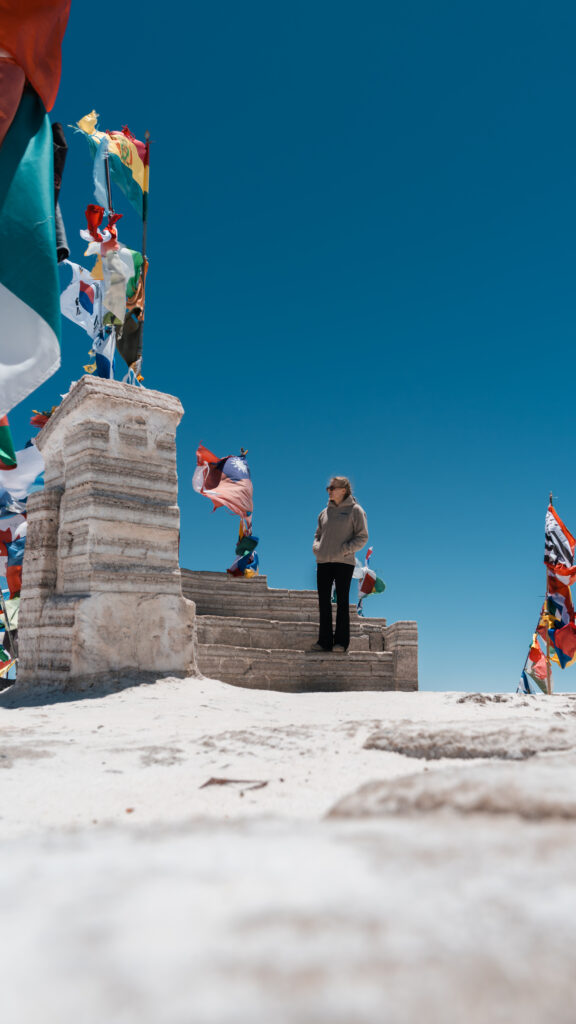
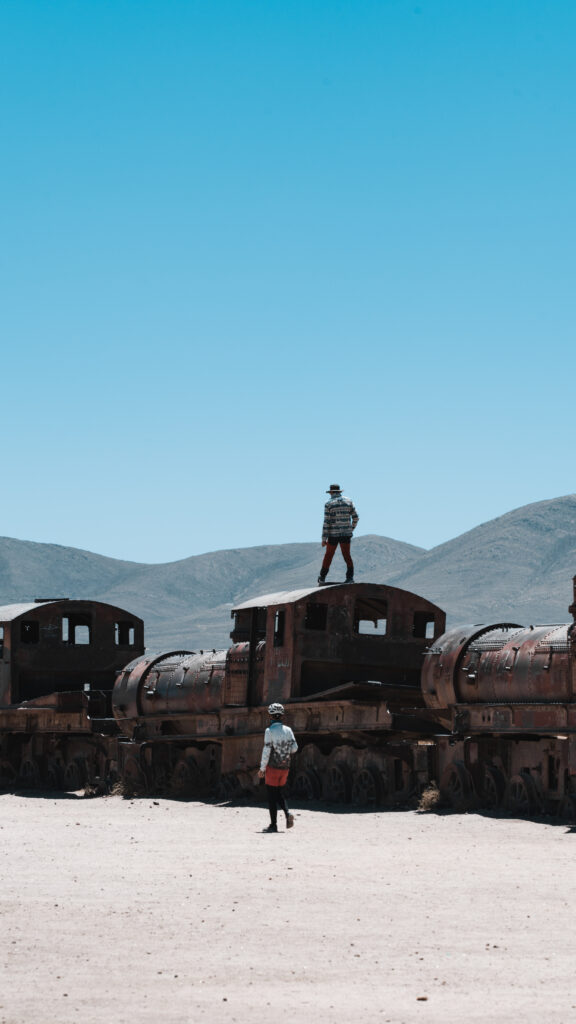
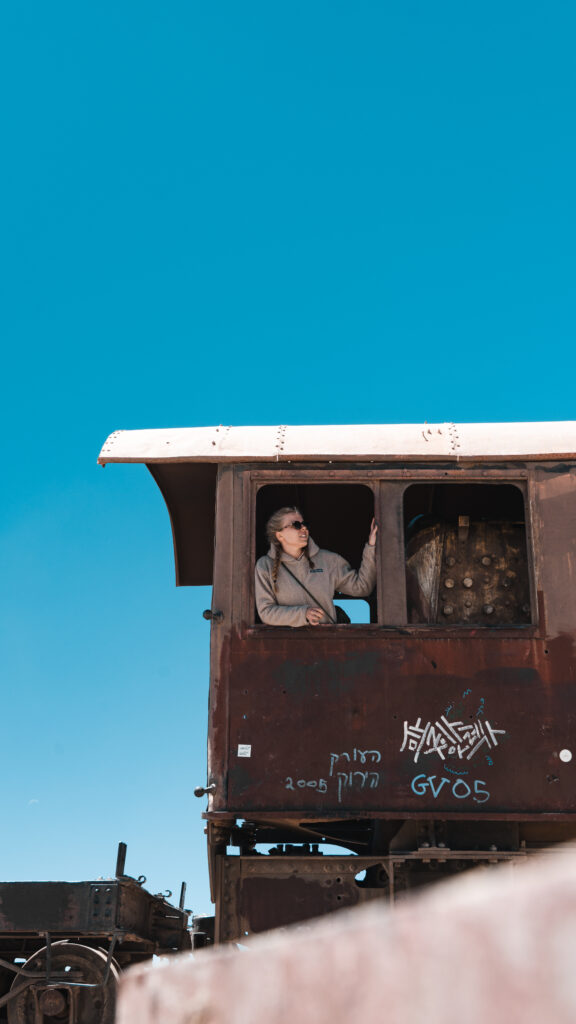
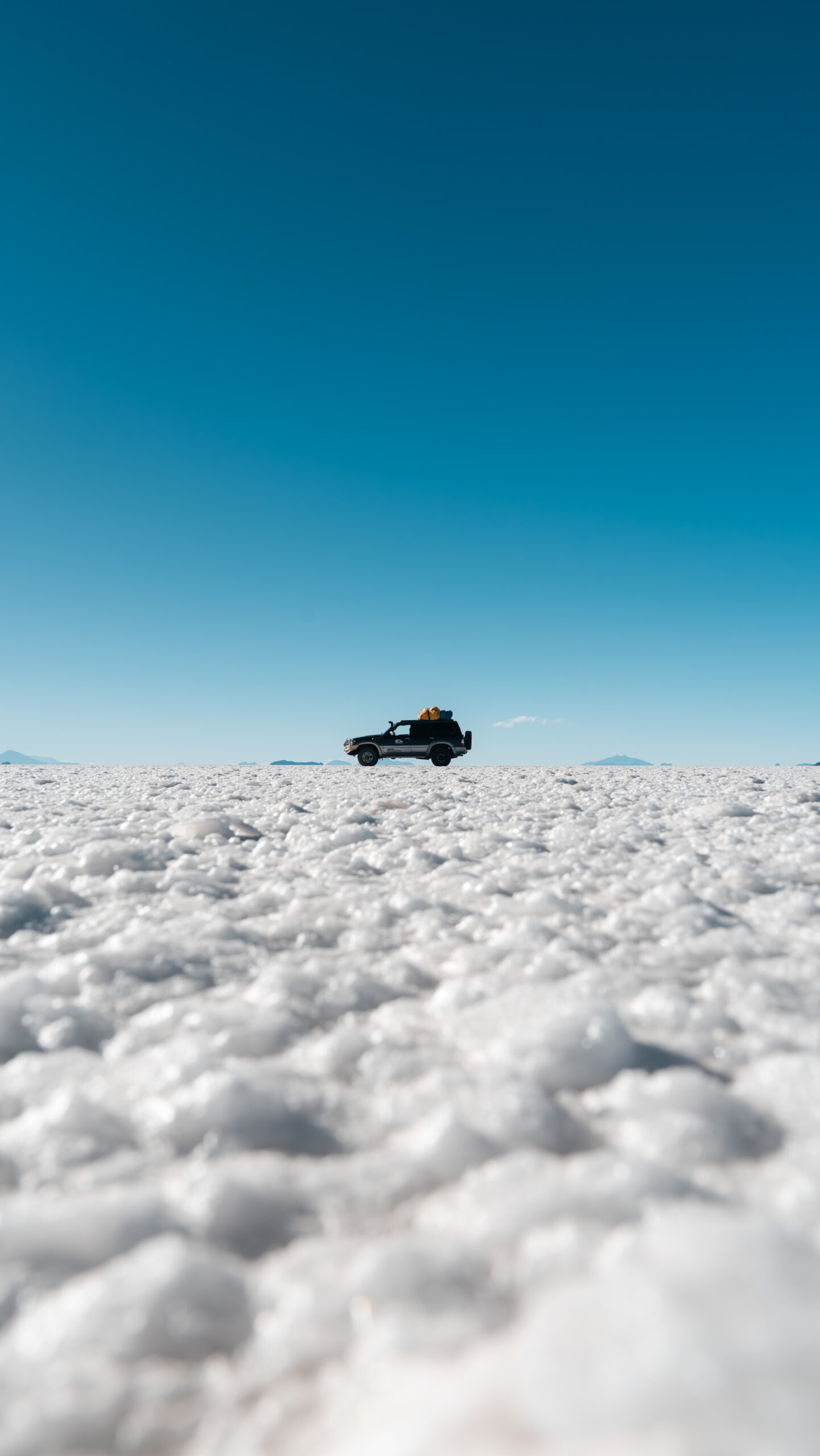
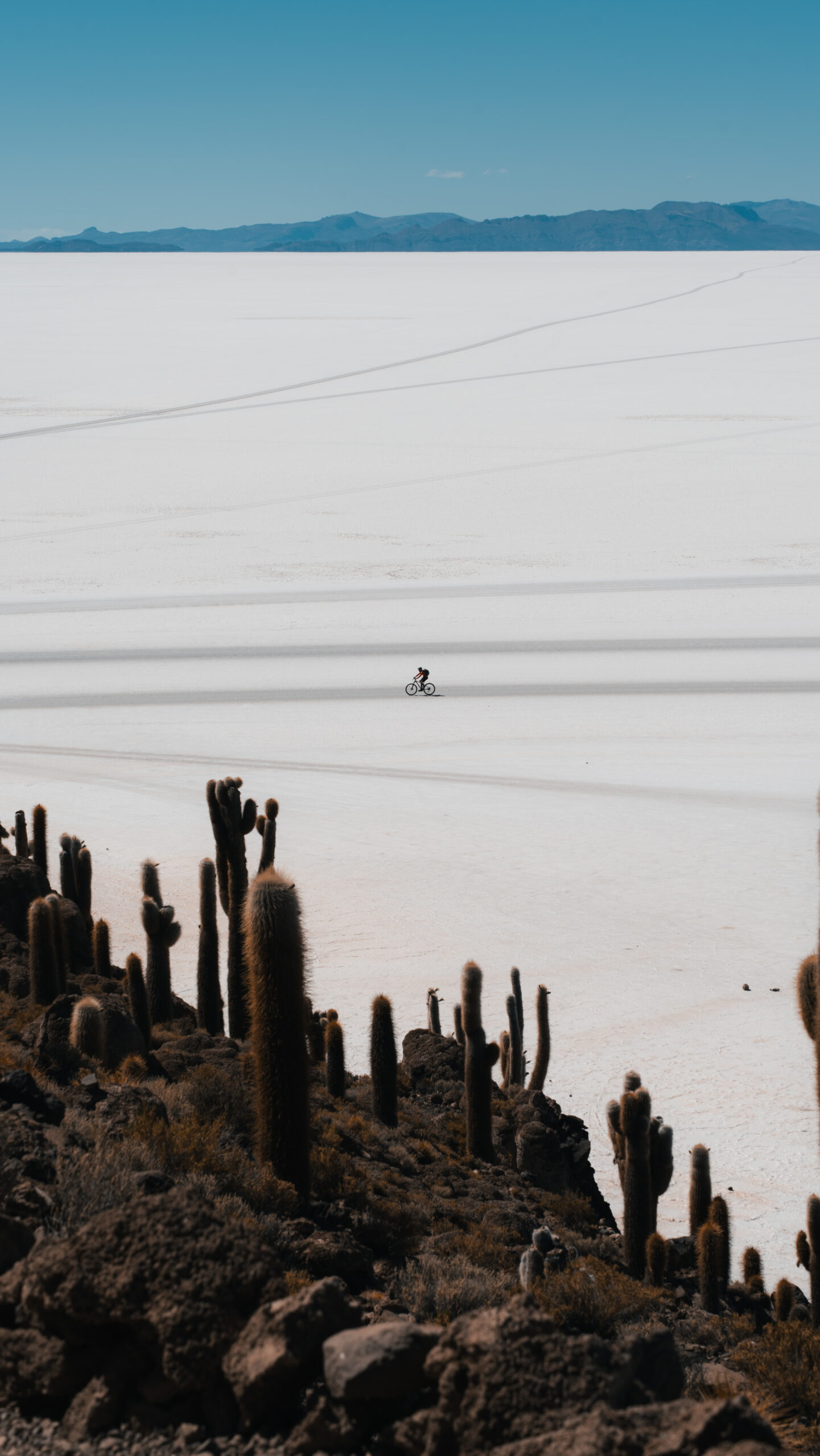
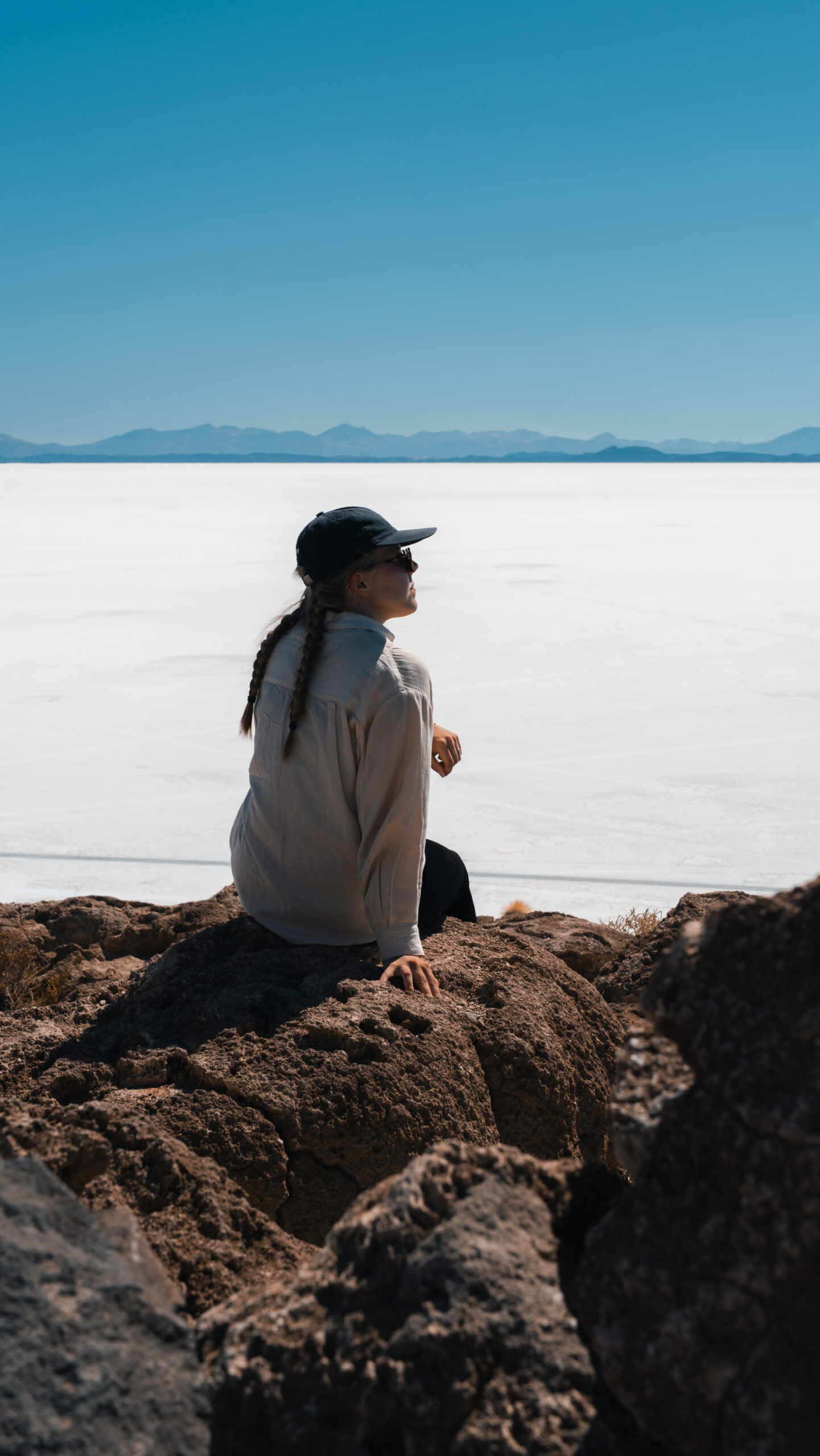
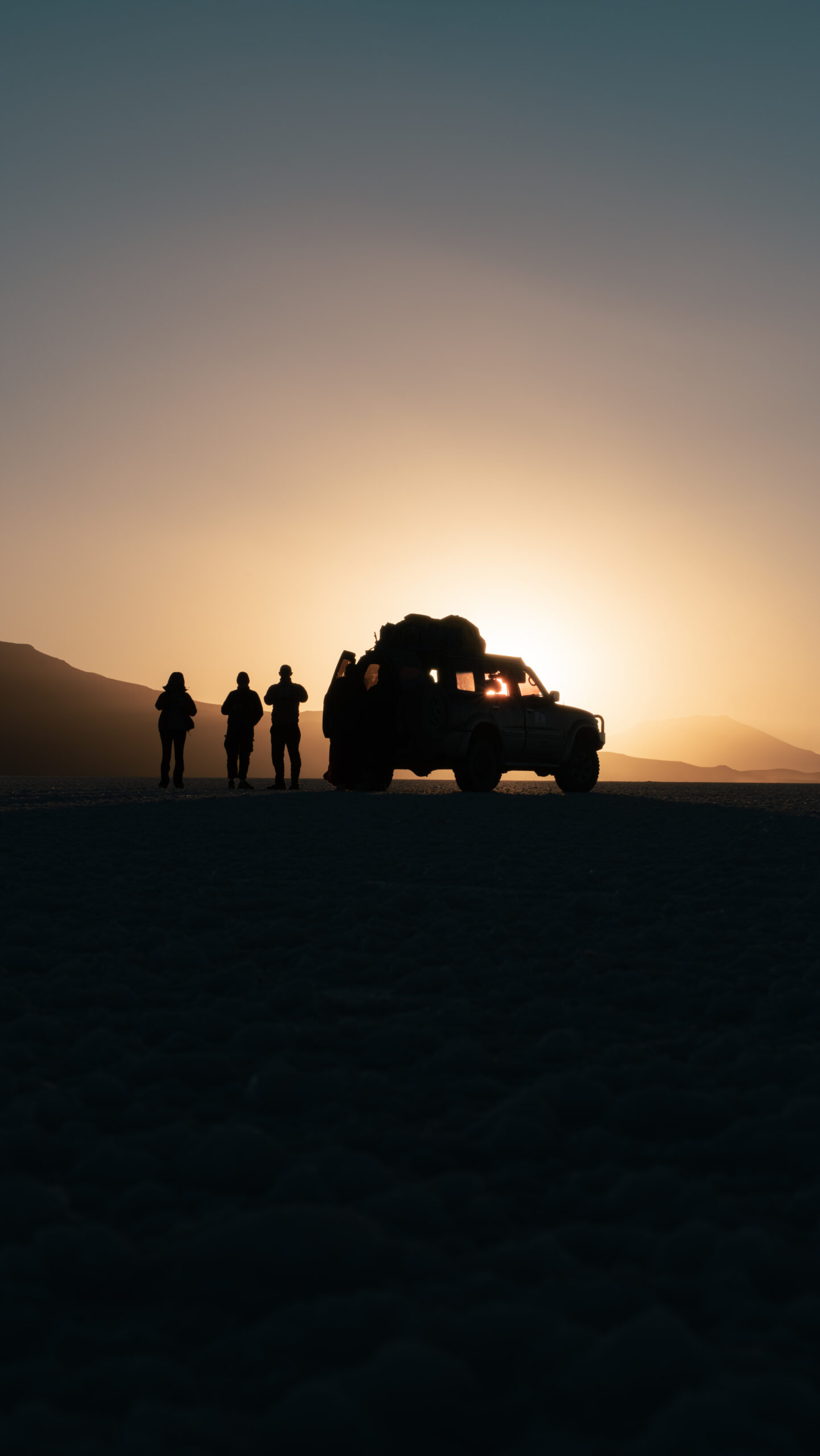
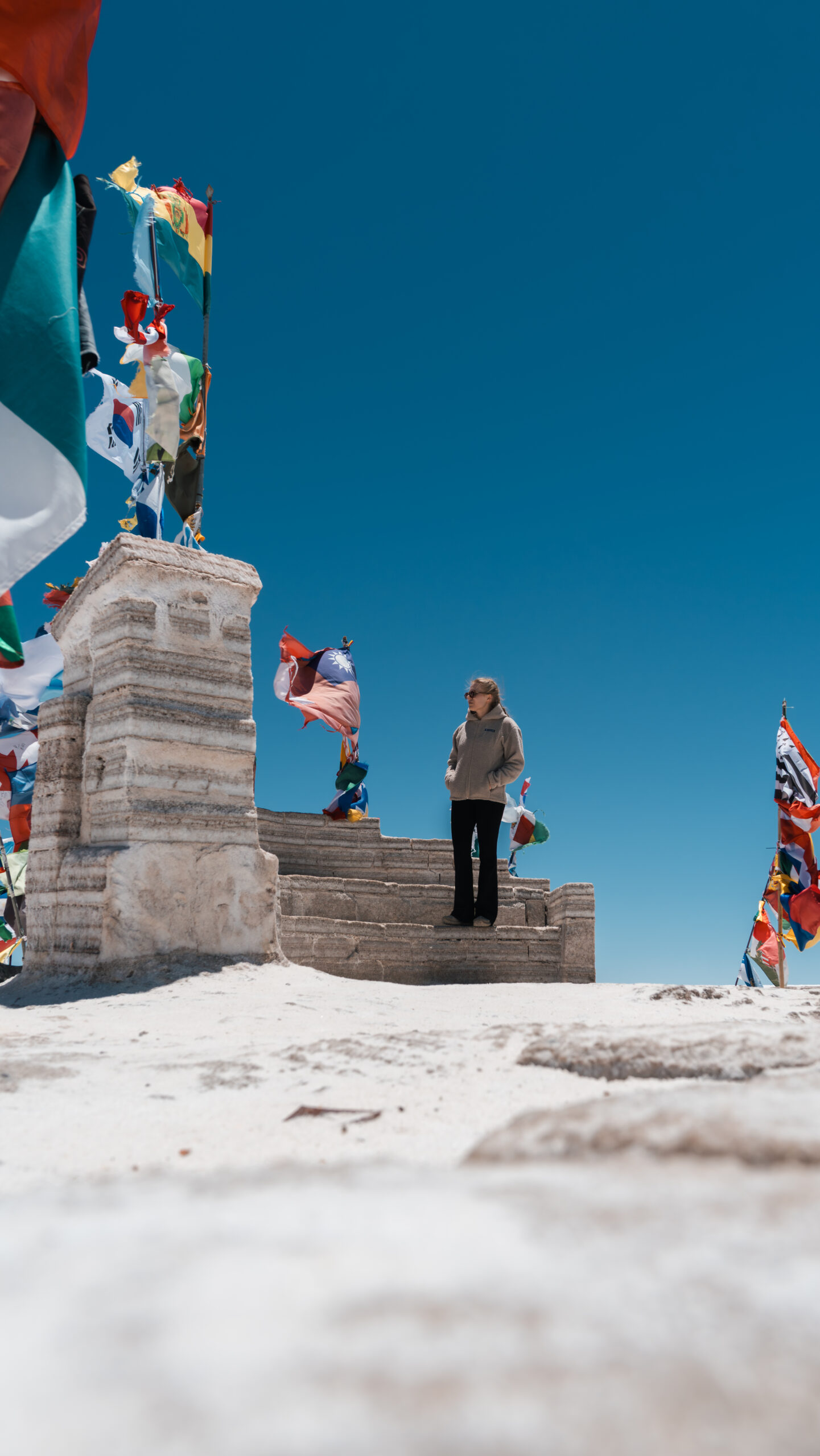
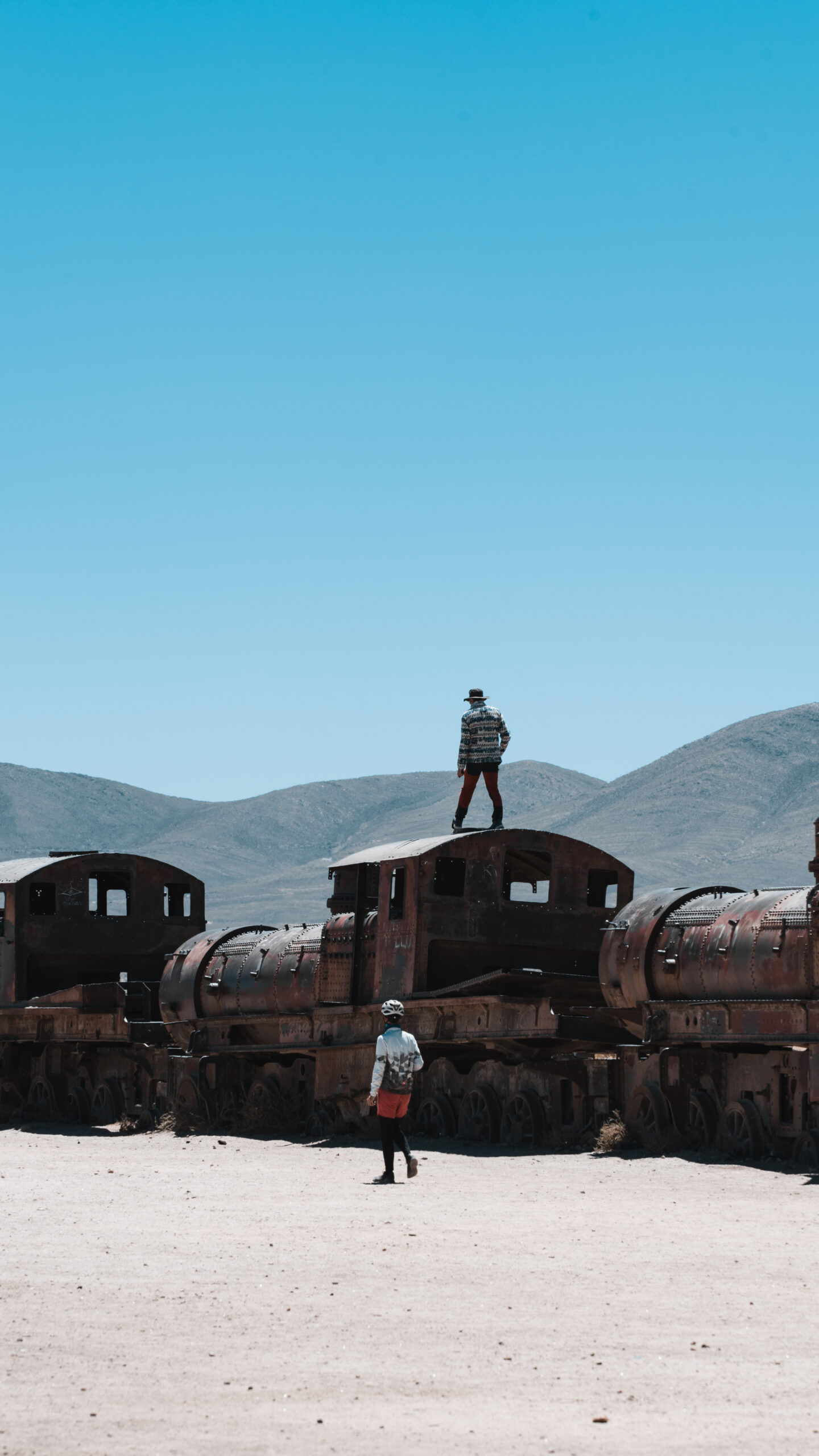
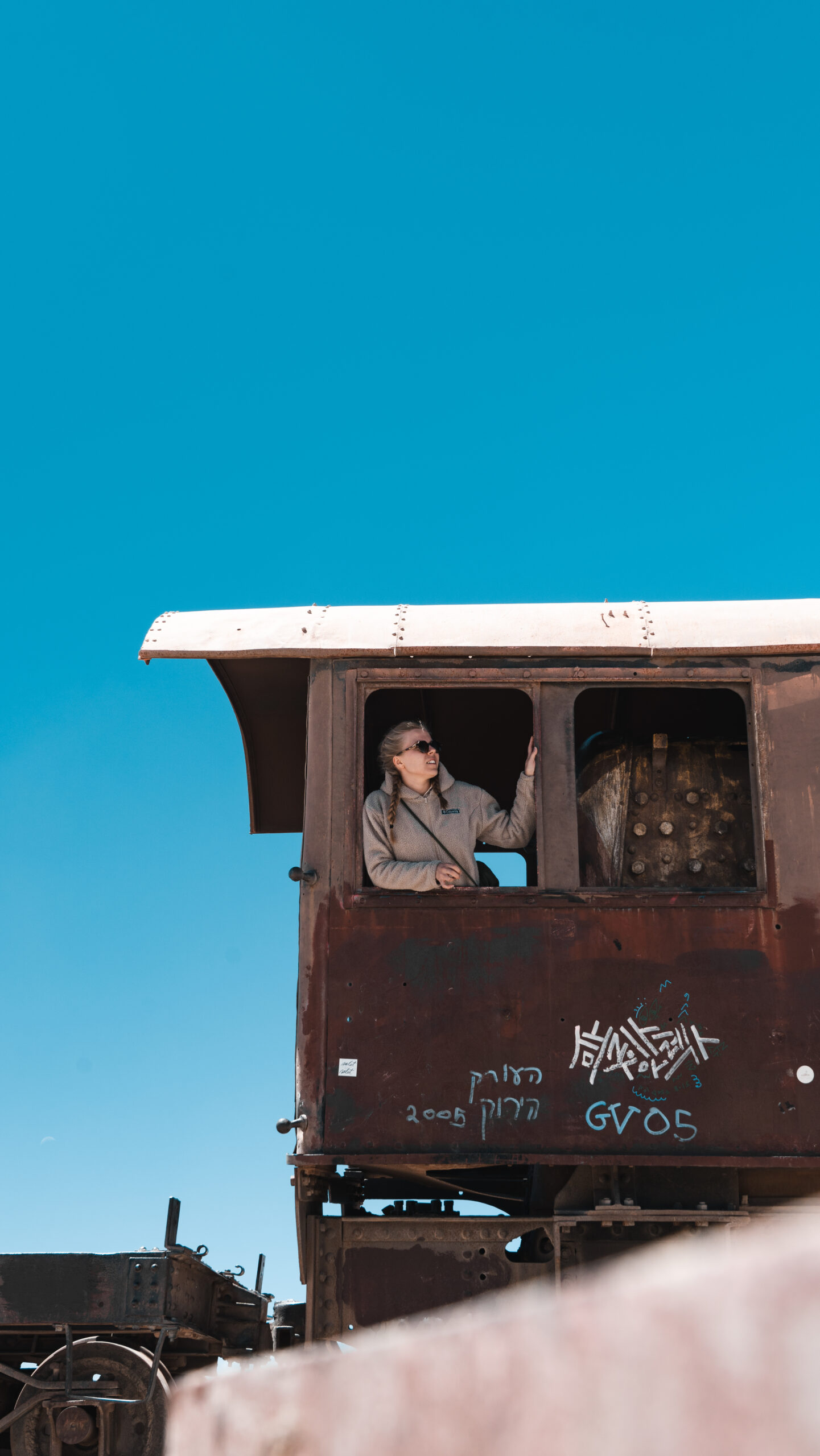
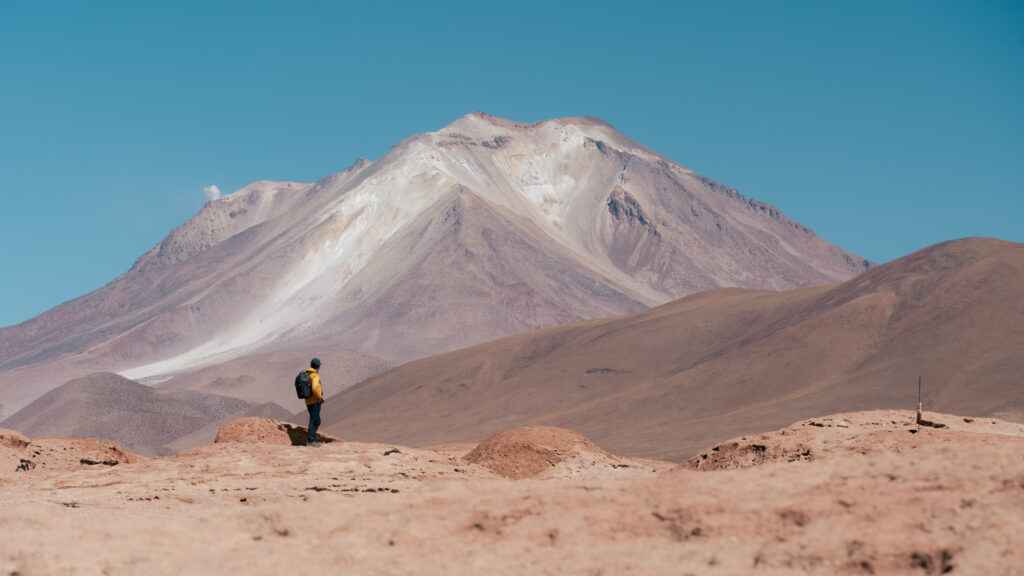
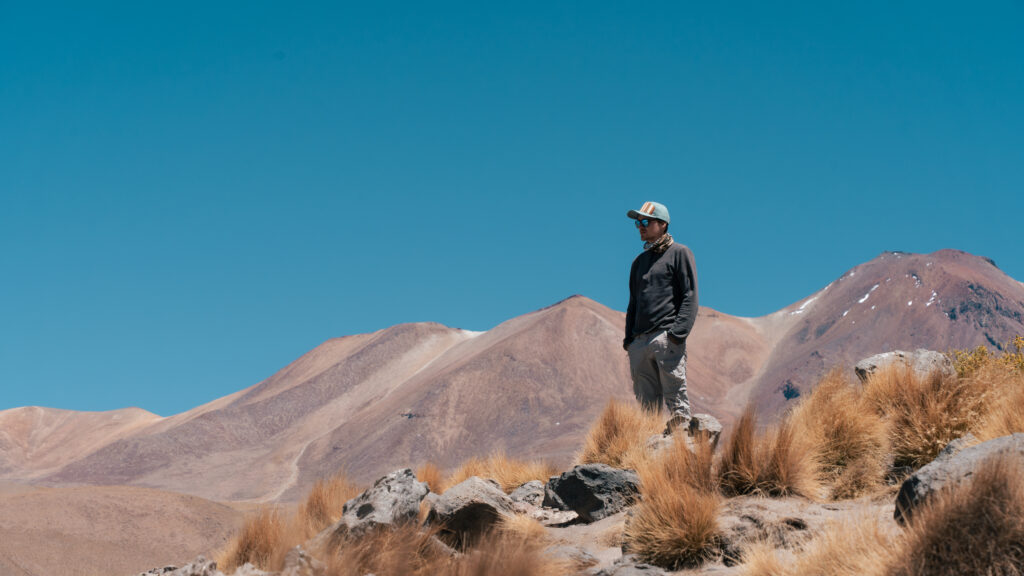
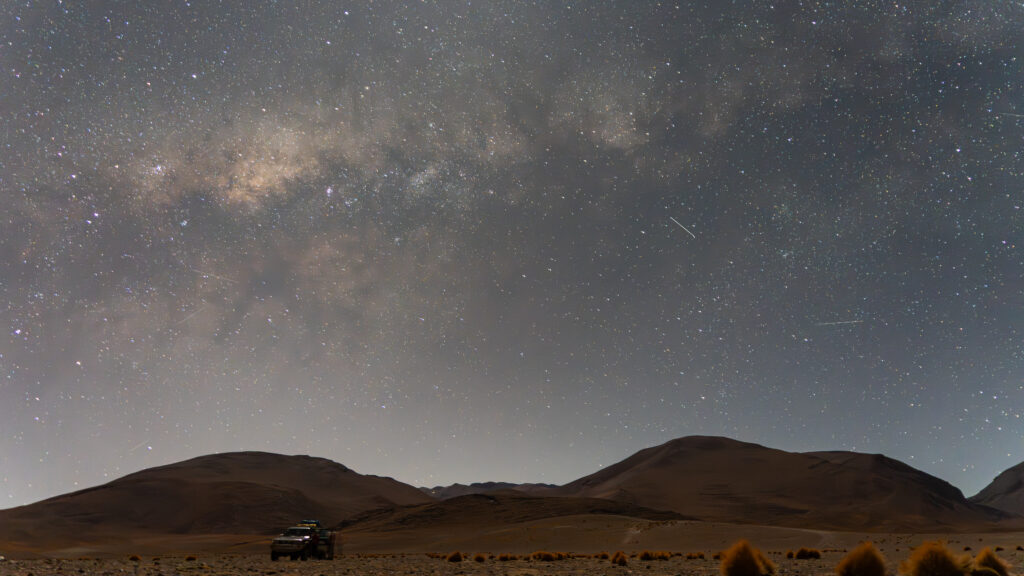
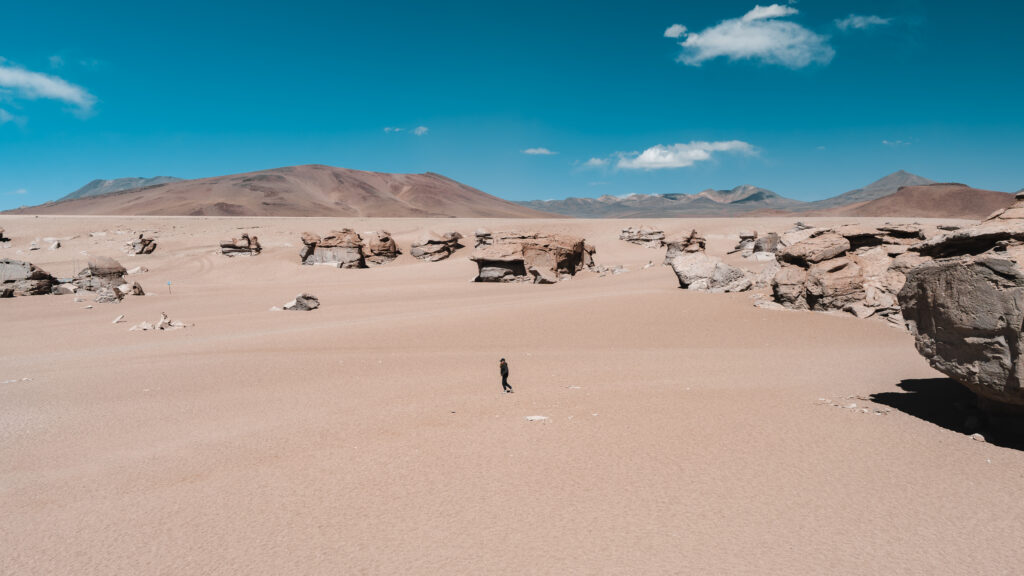
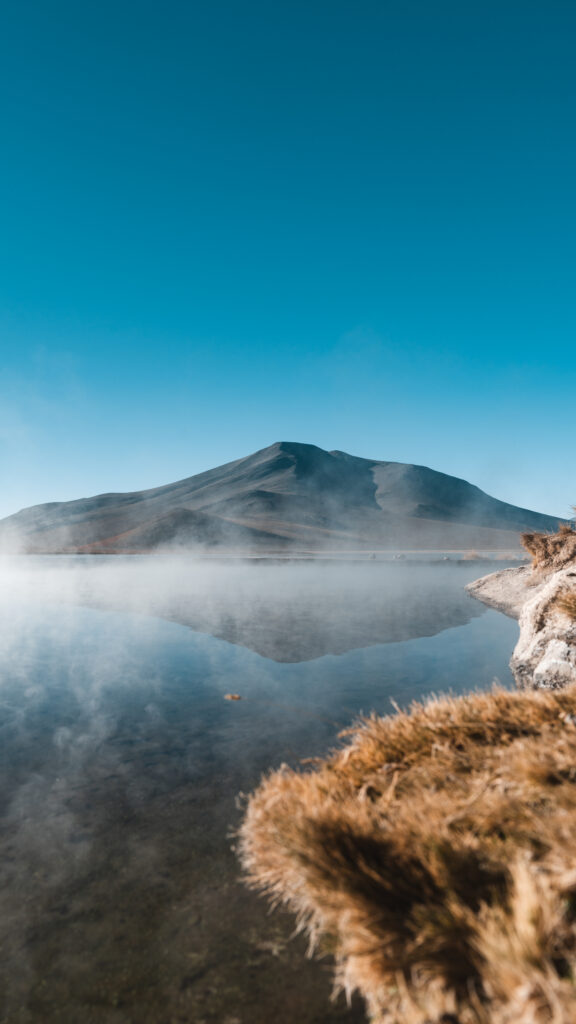
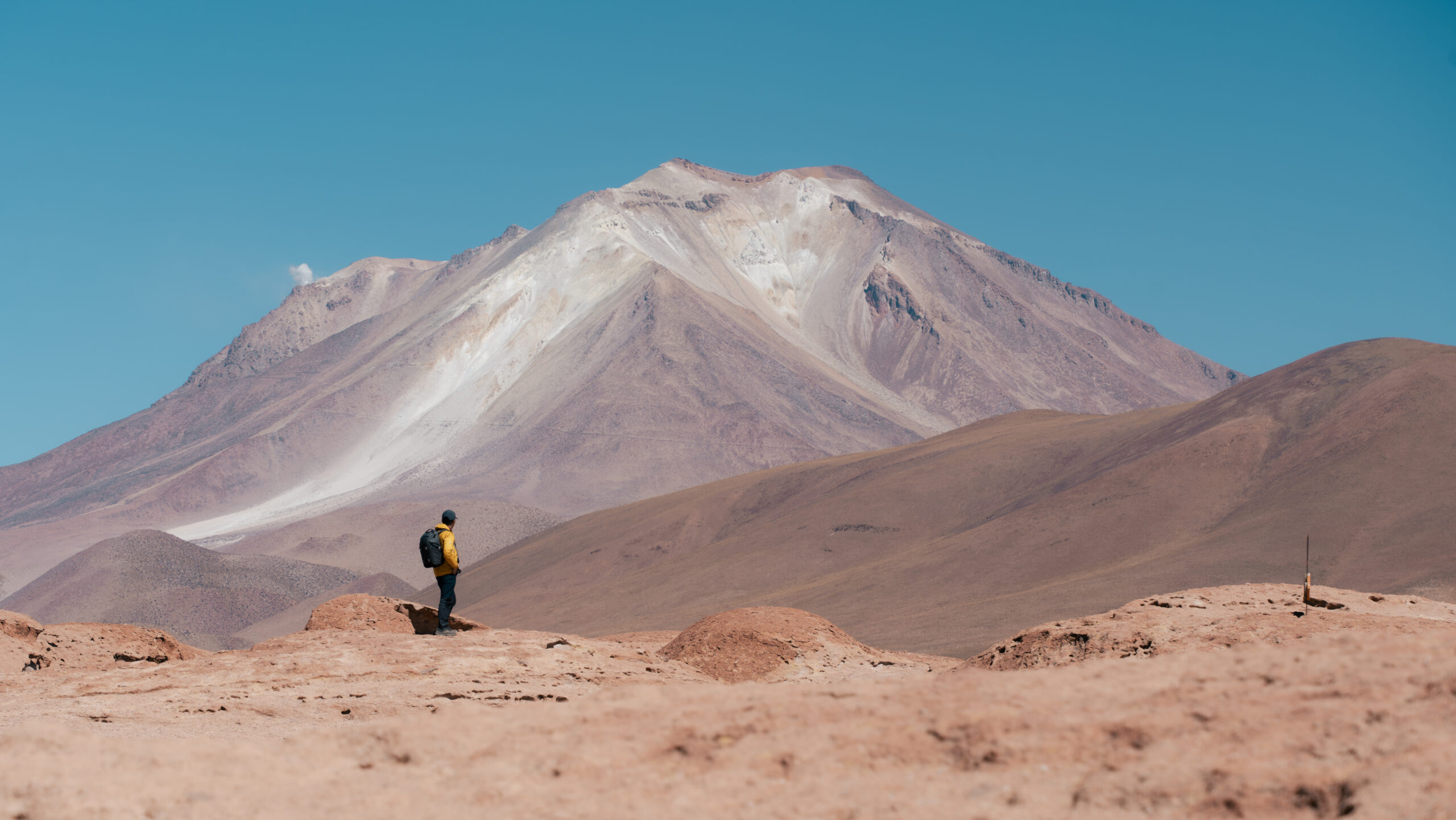
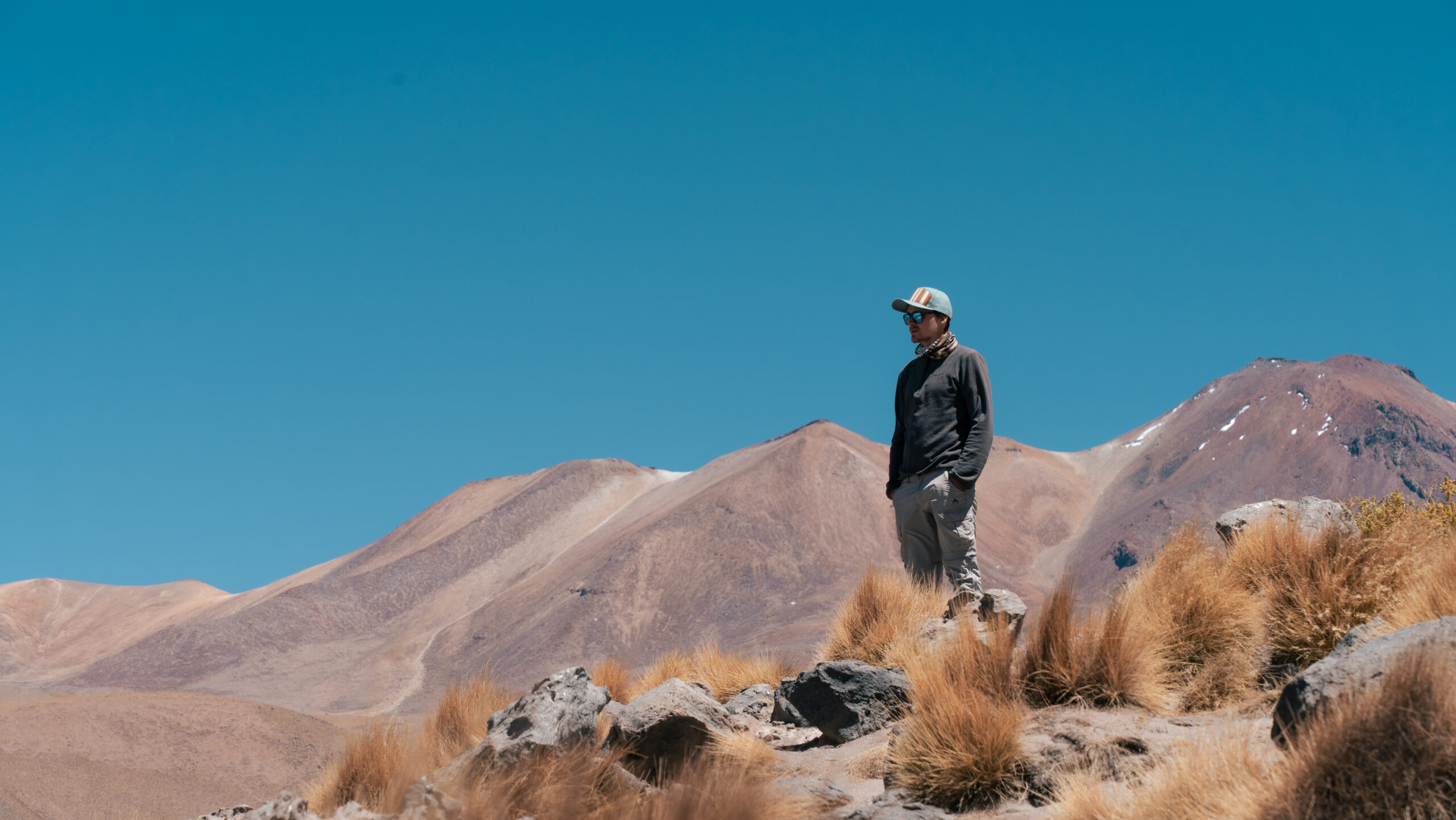
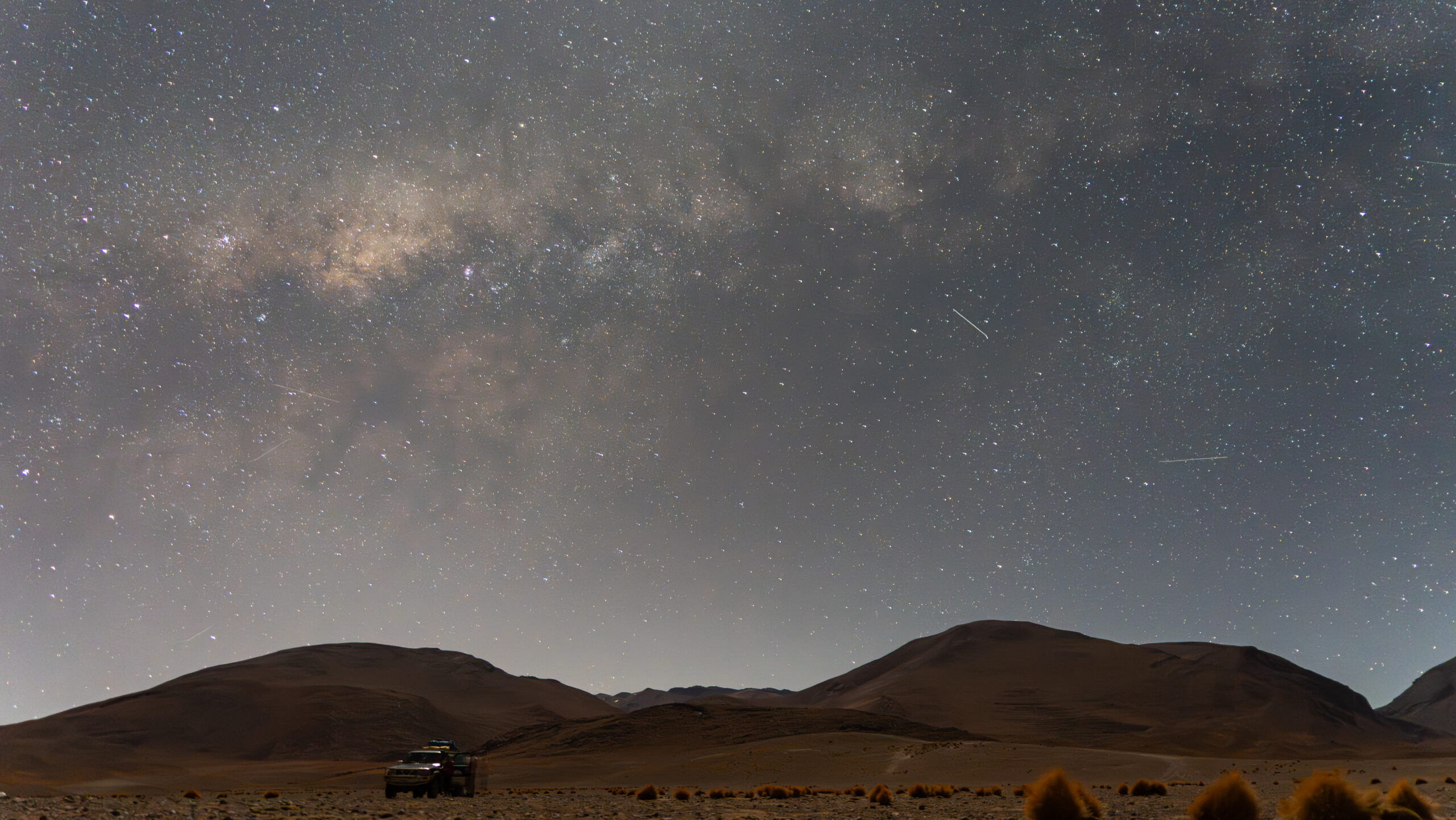
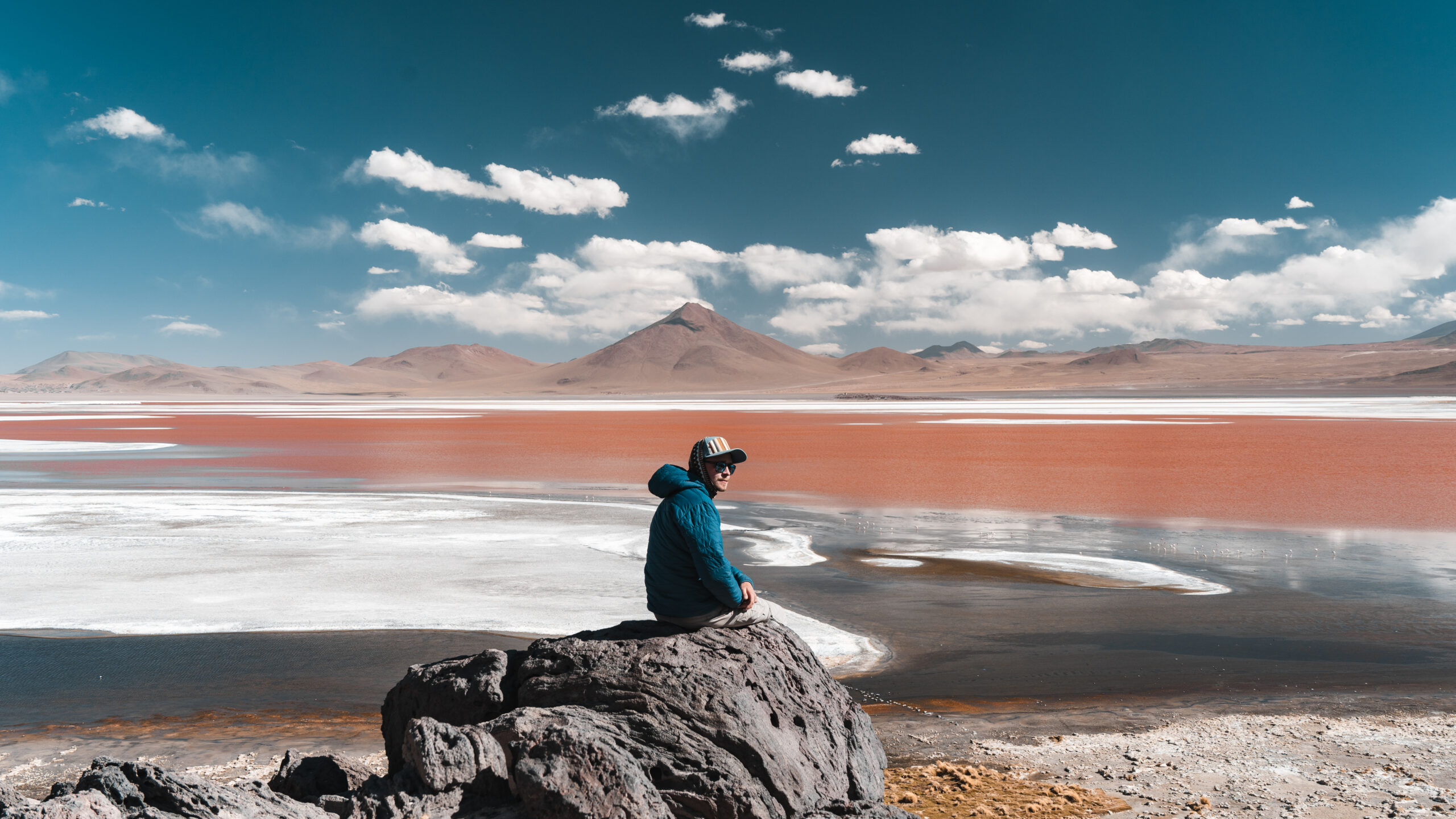
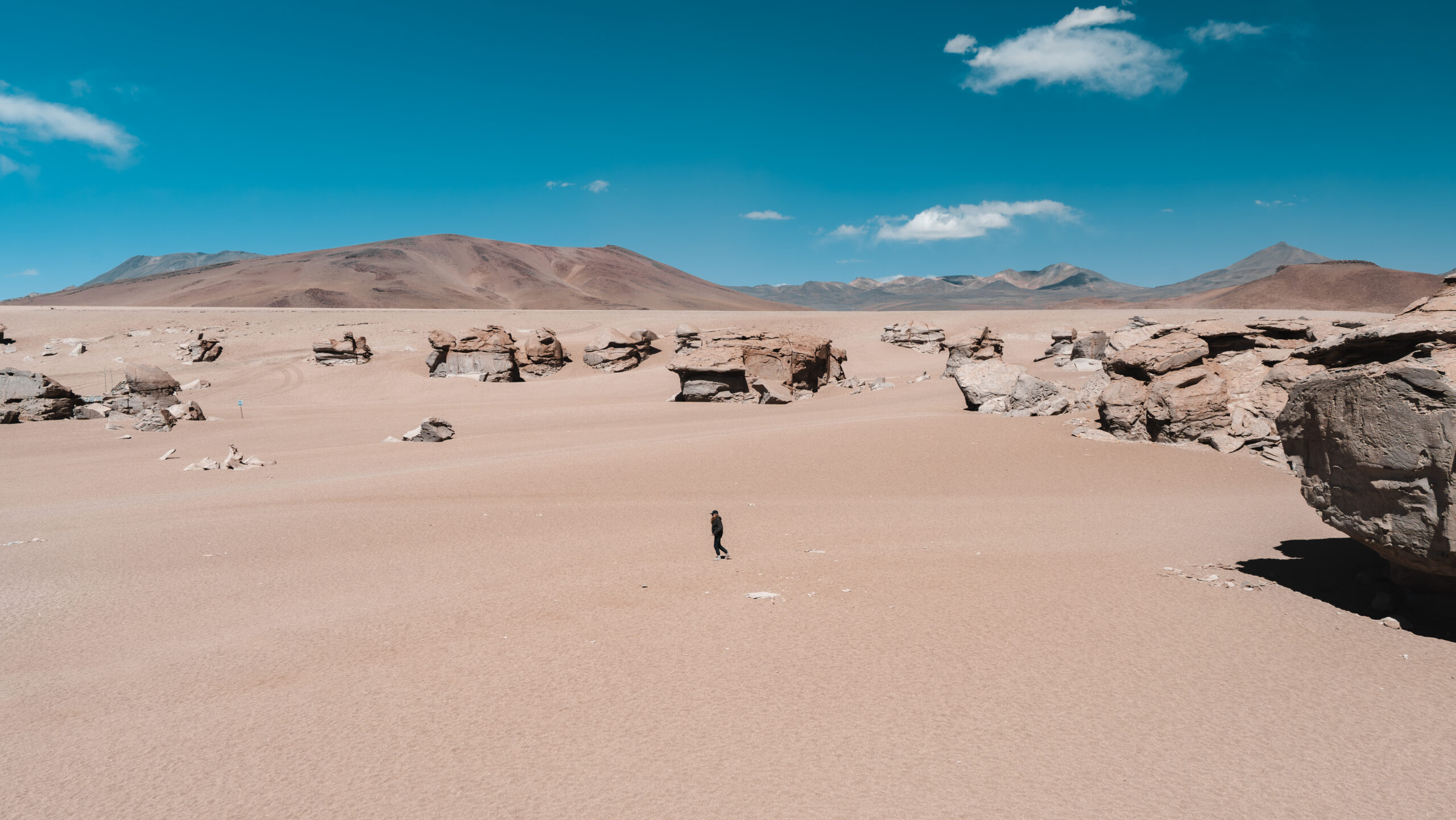
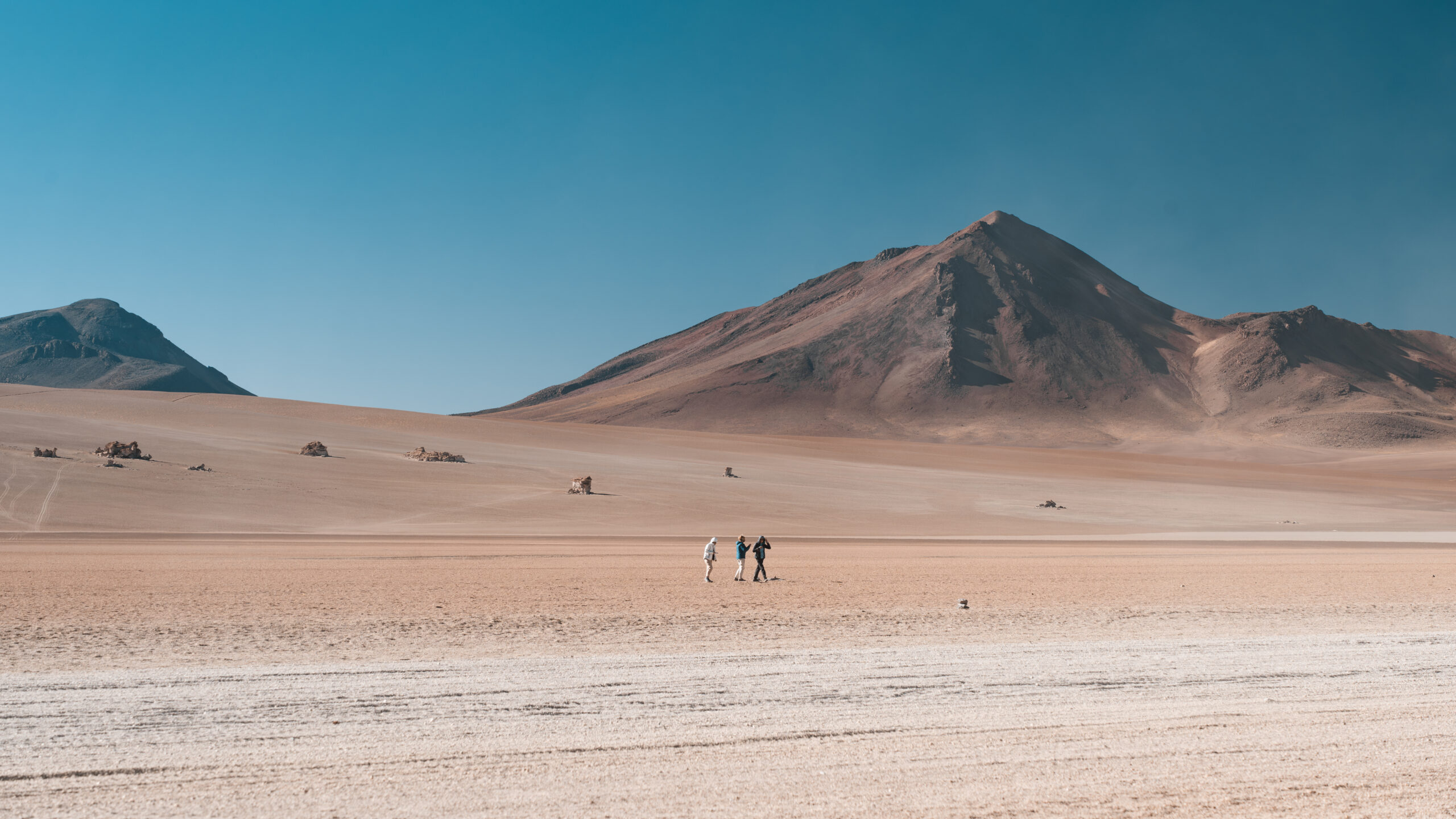
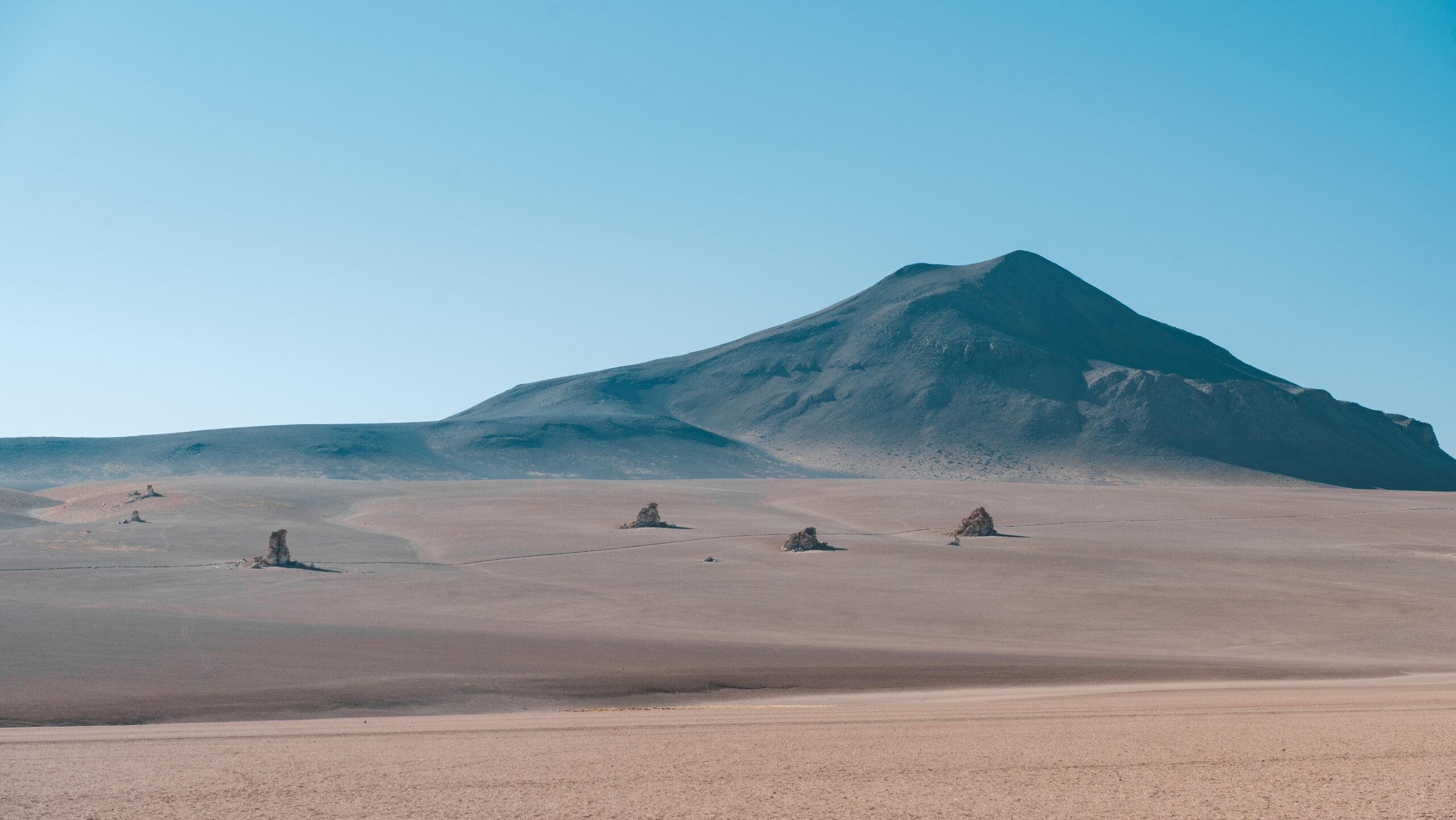
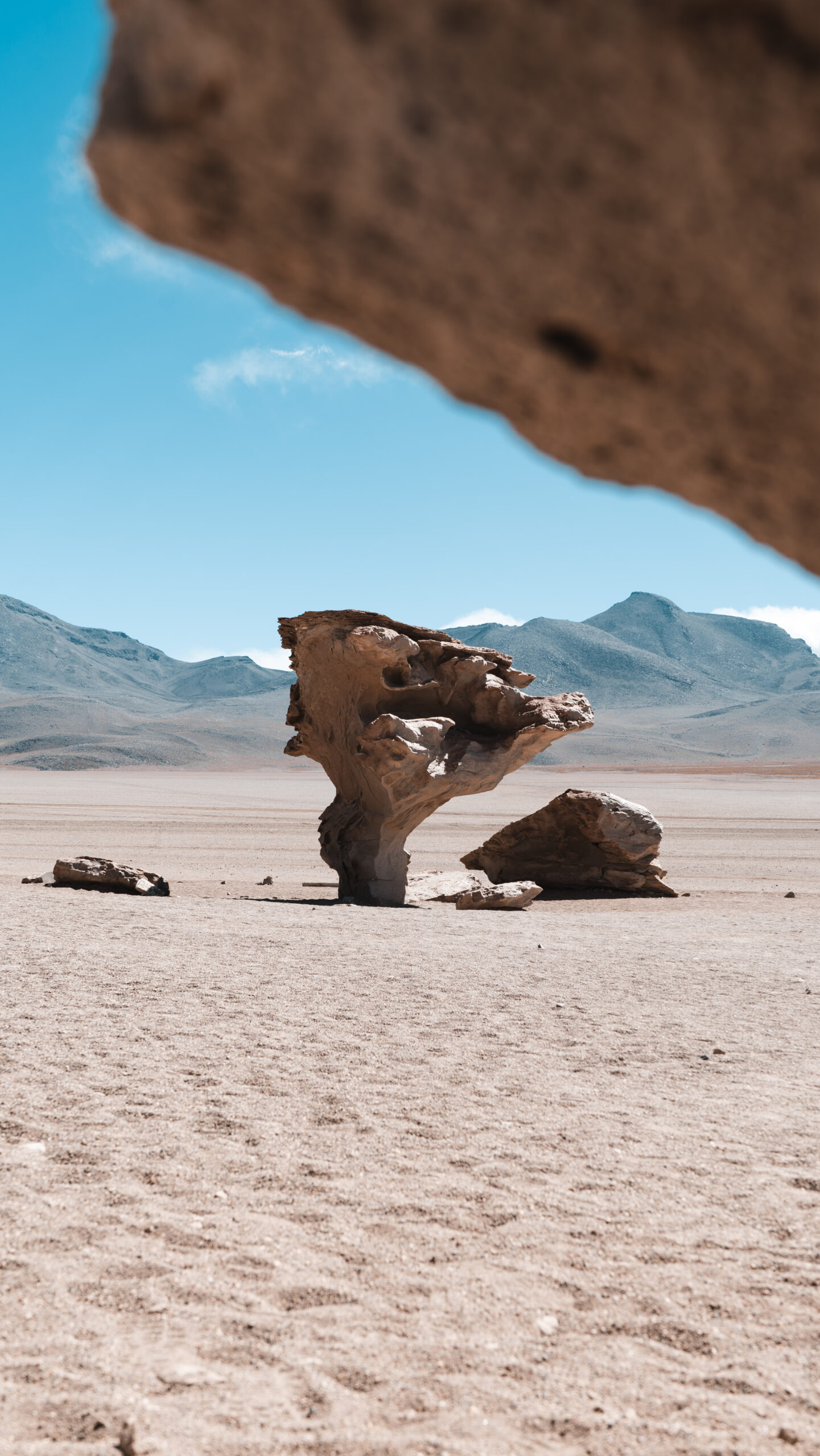
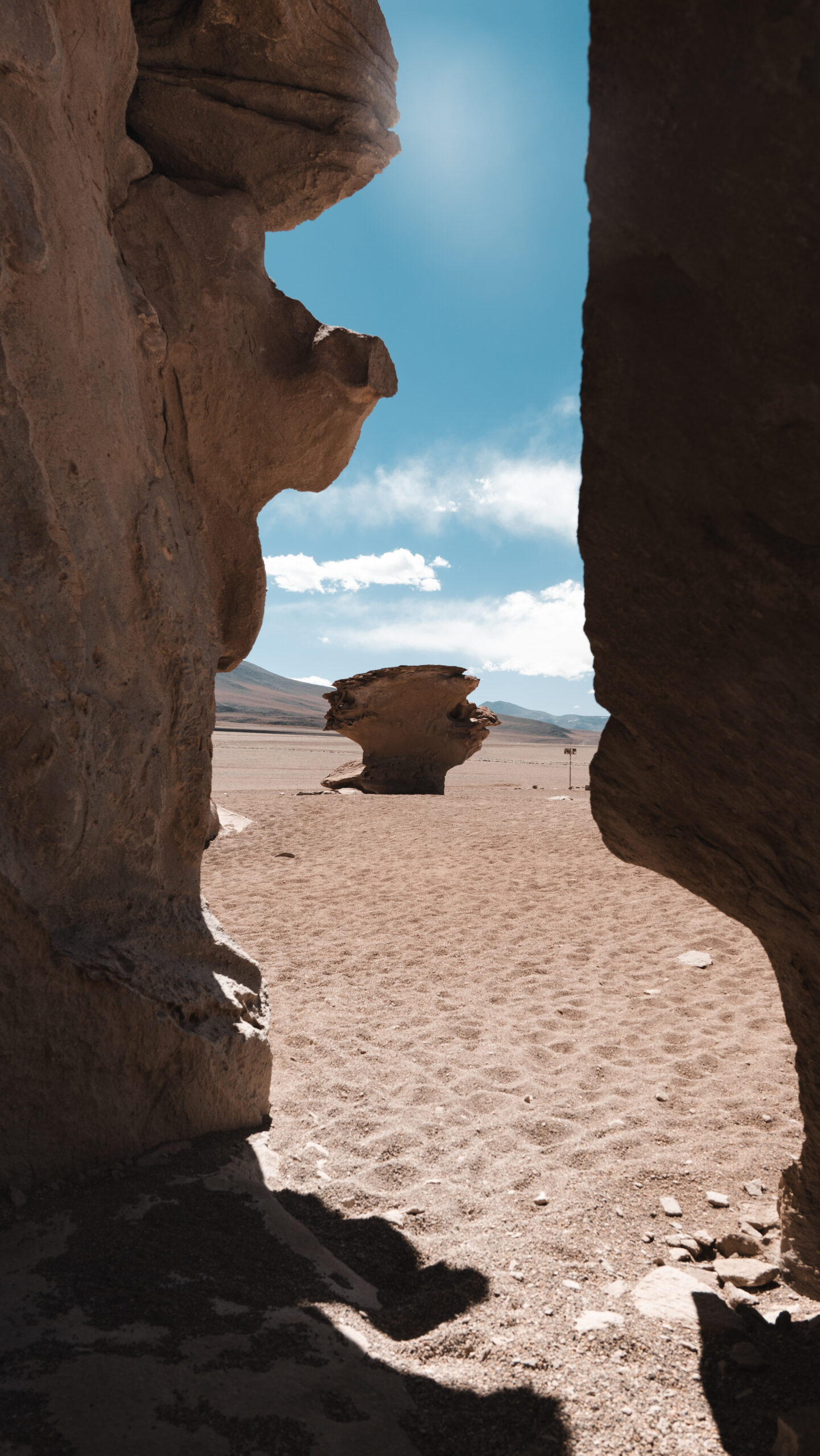
Day two: deeper south, volcanoes, surreal colors, tiny villages, and endless photo opportunities. Bolivia just kept delivering.
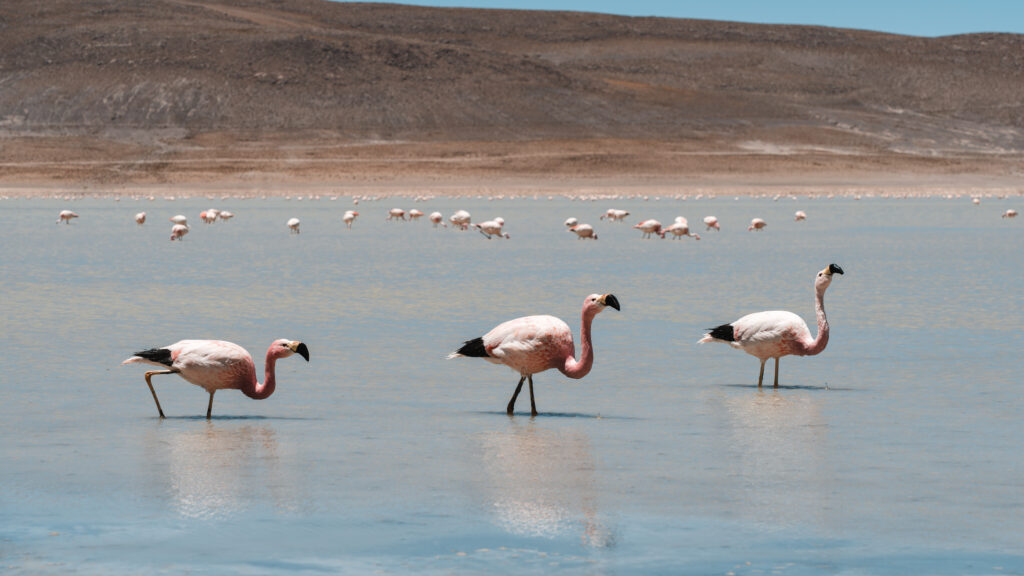
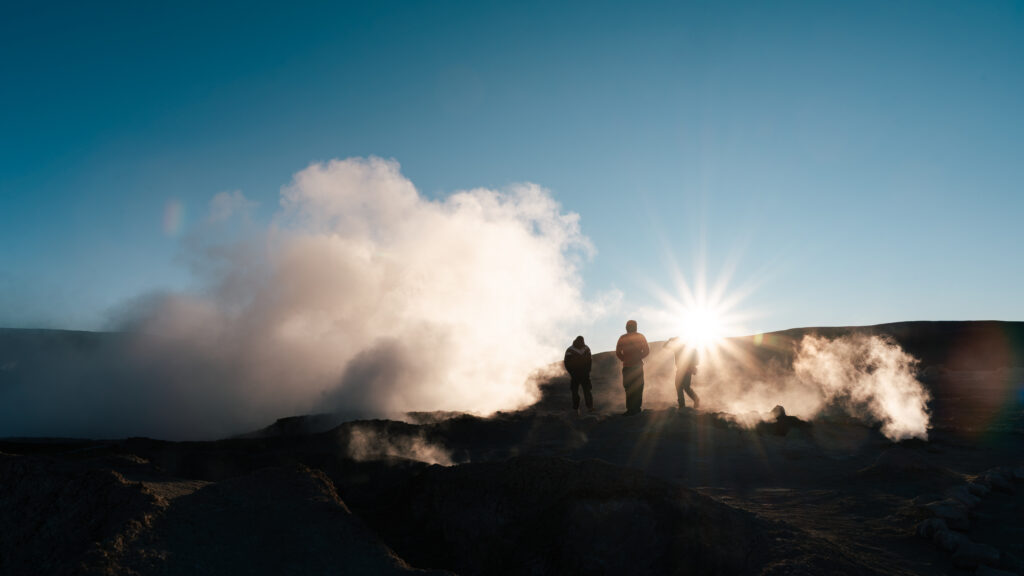
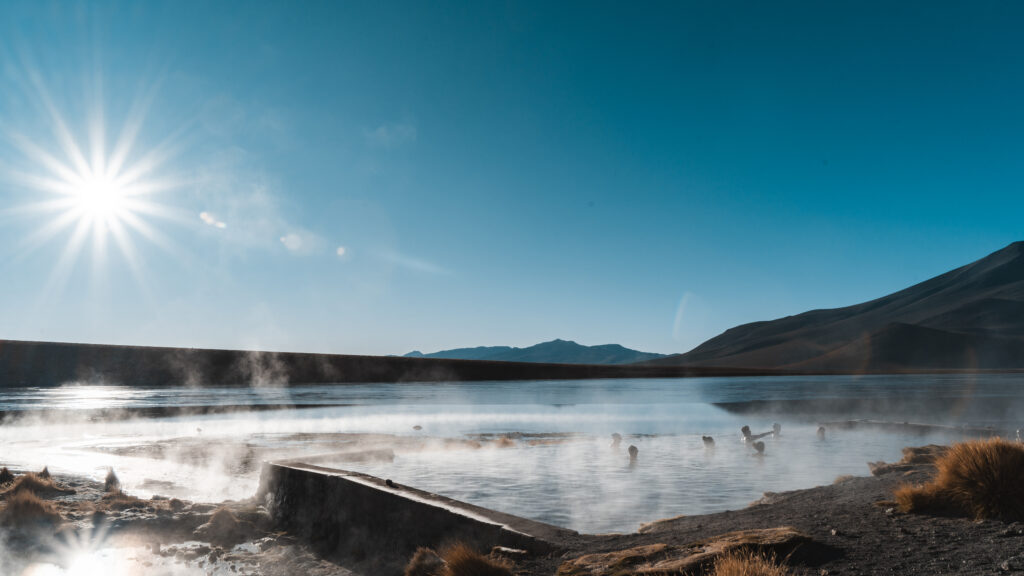
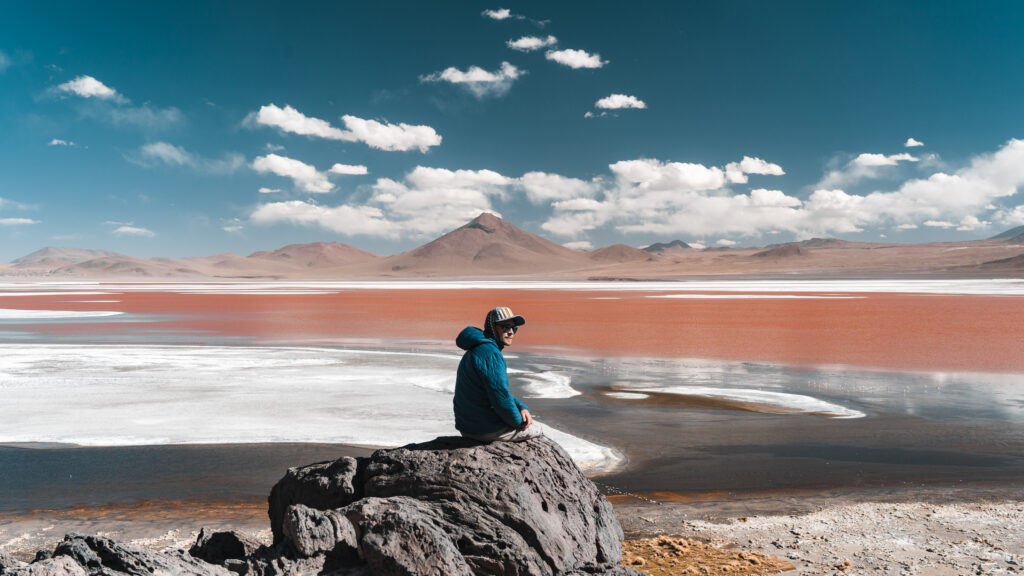
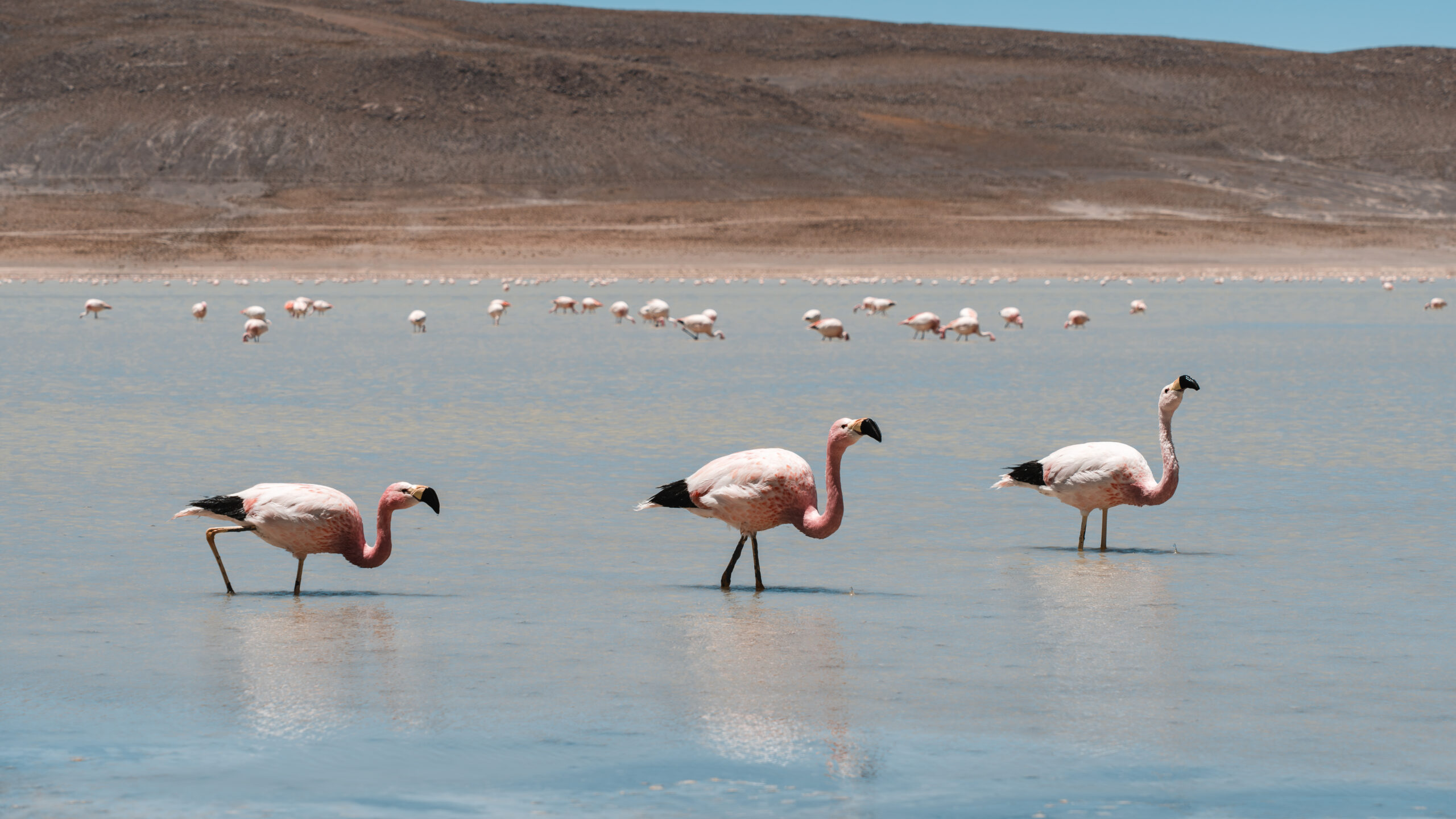
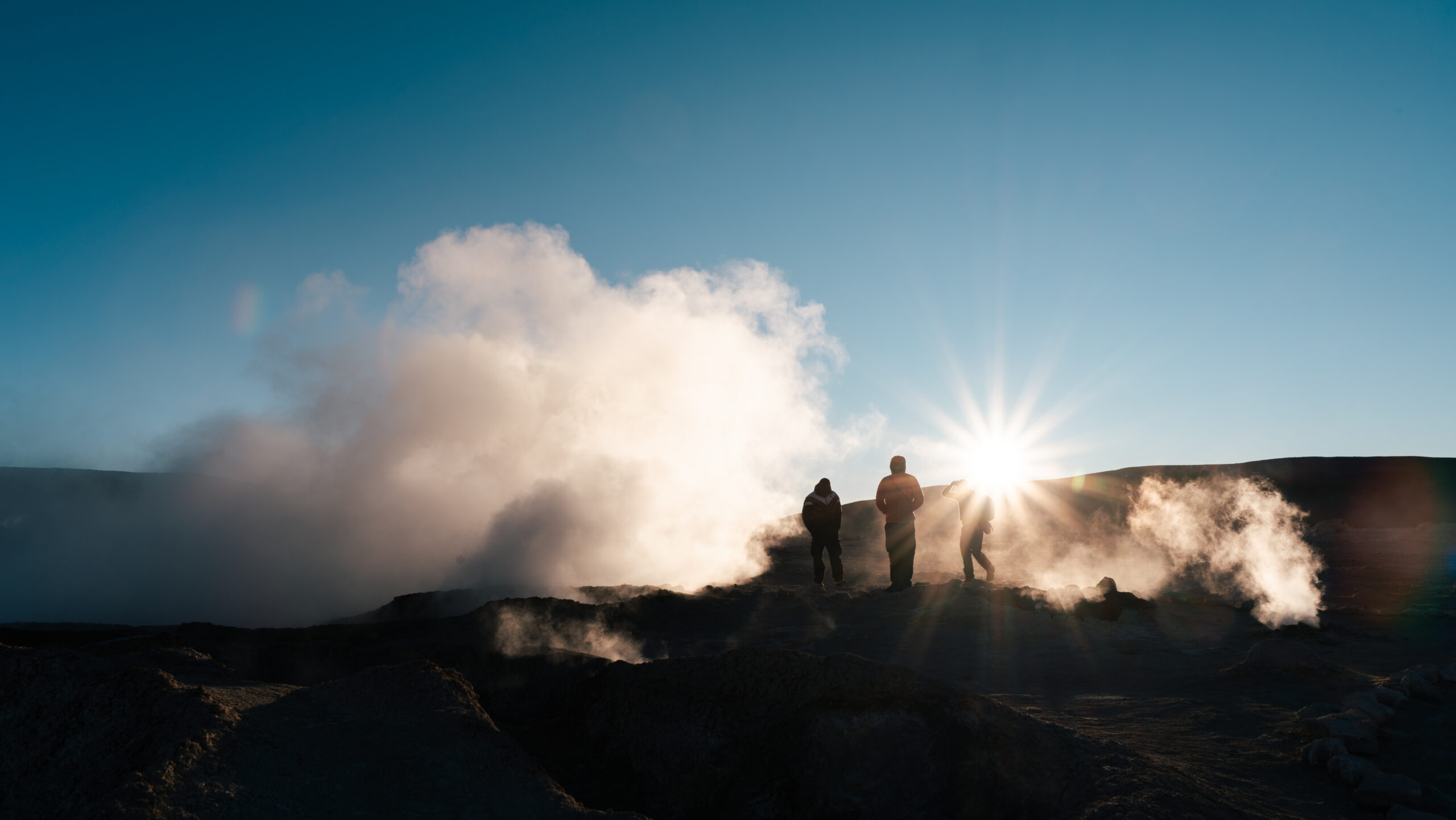
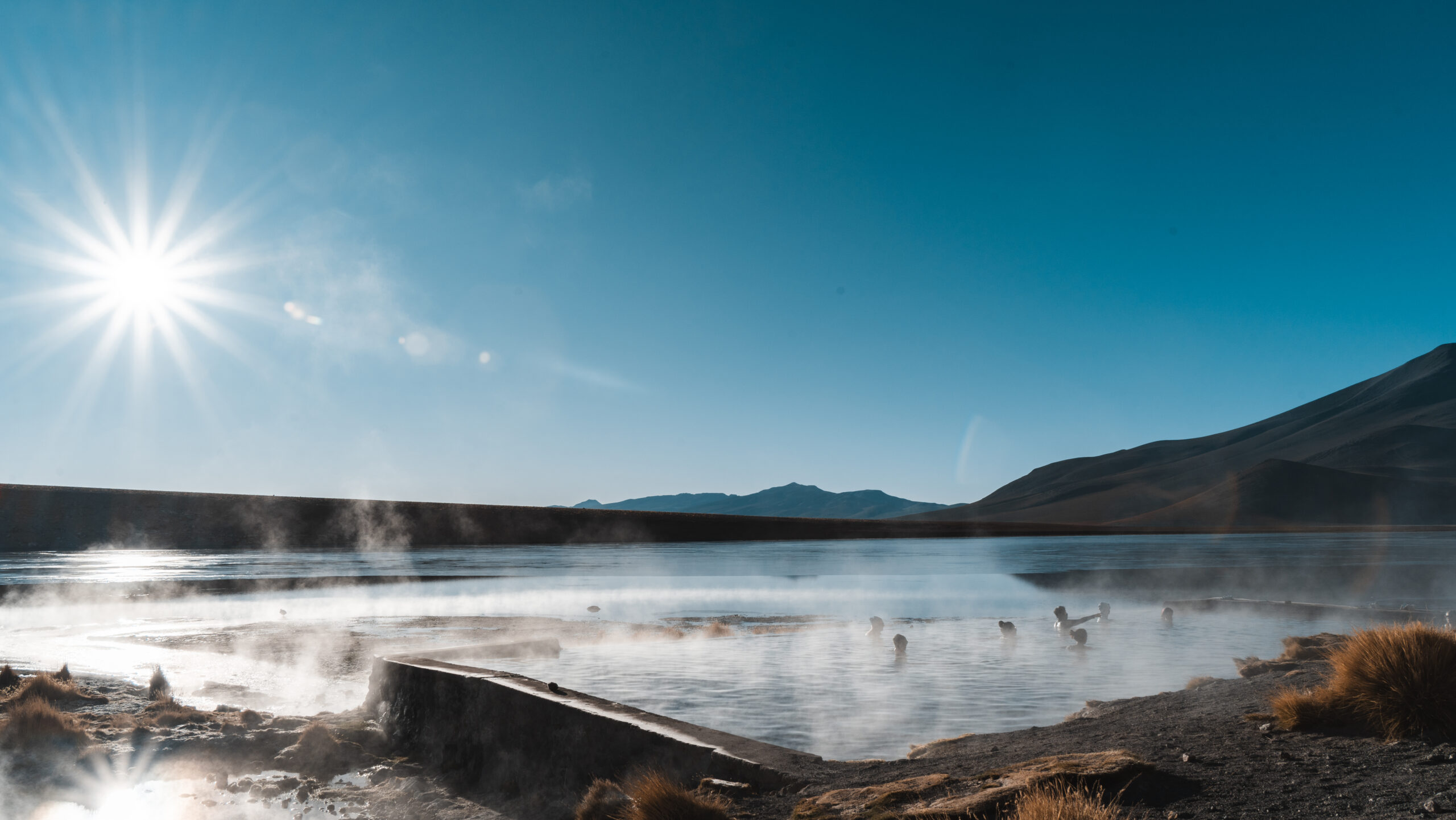
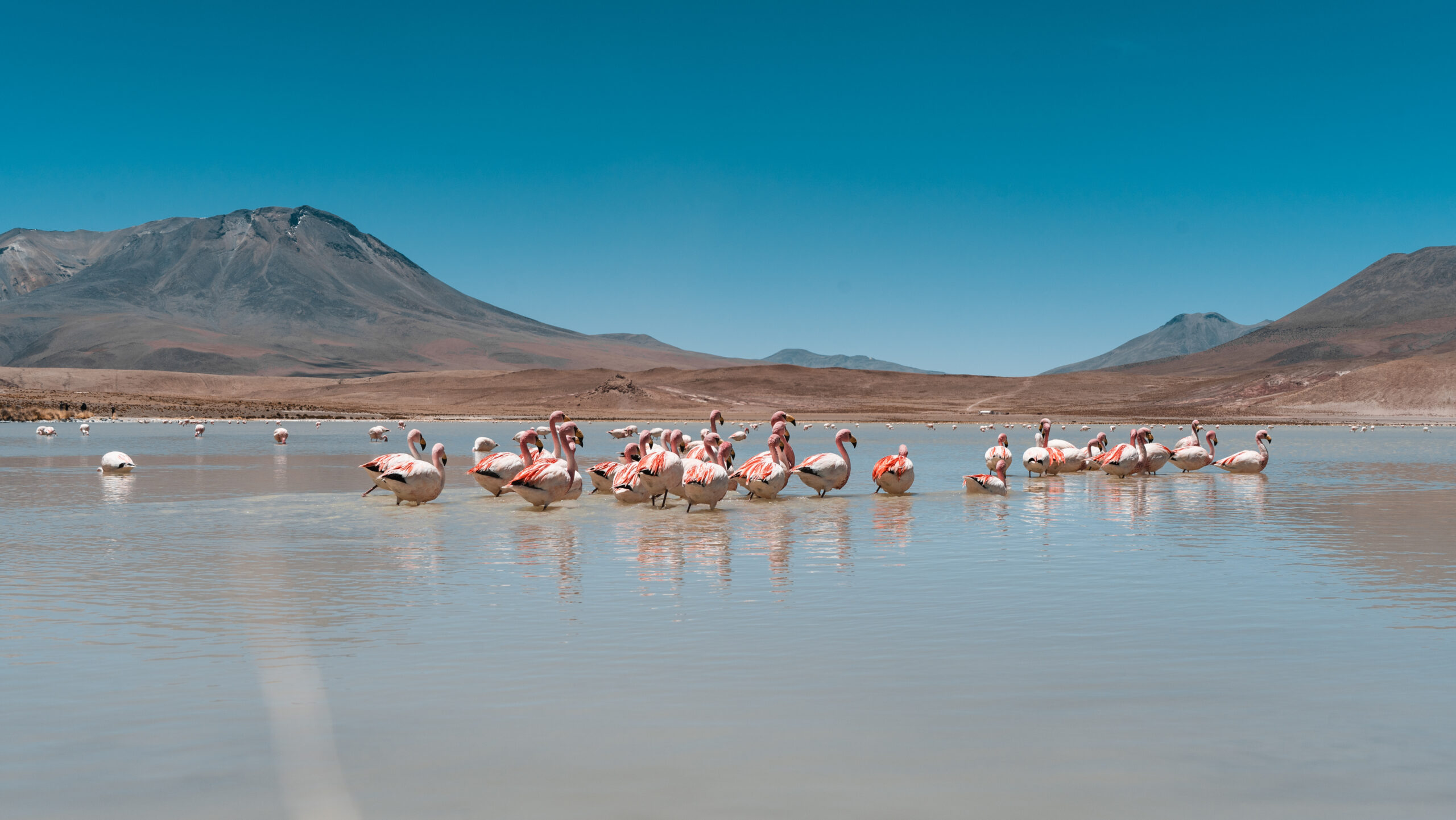
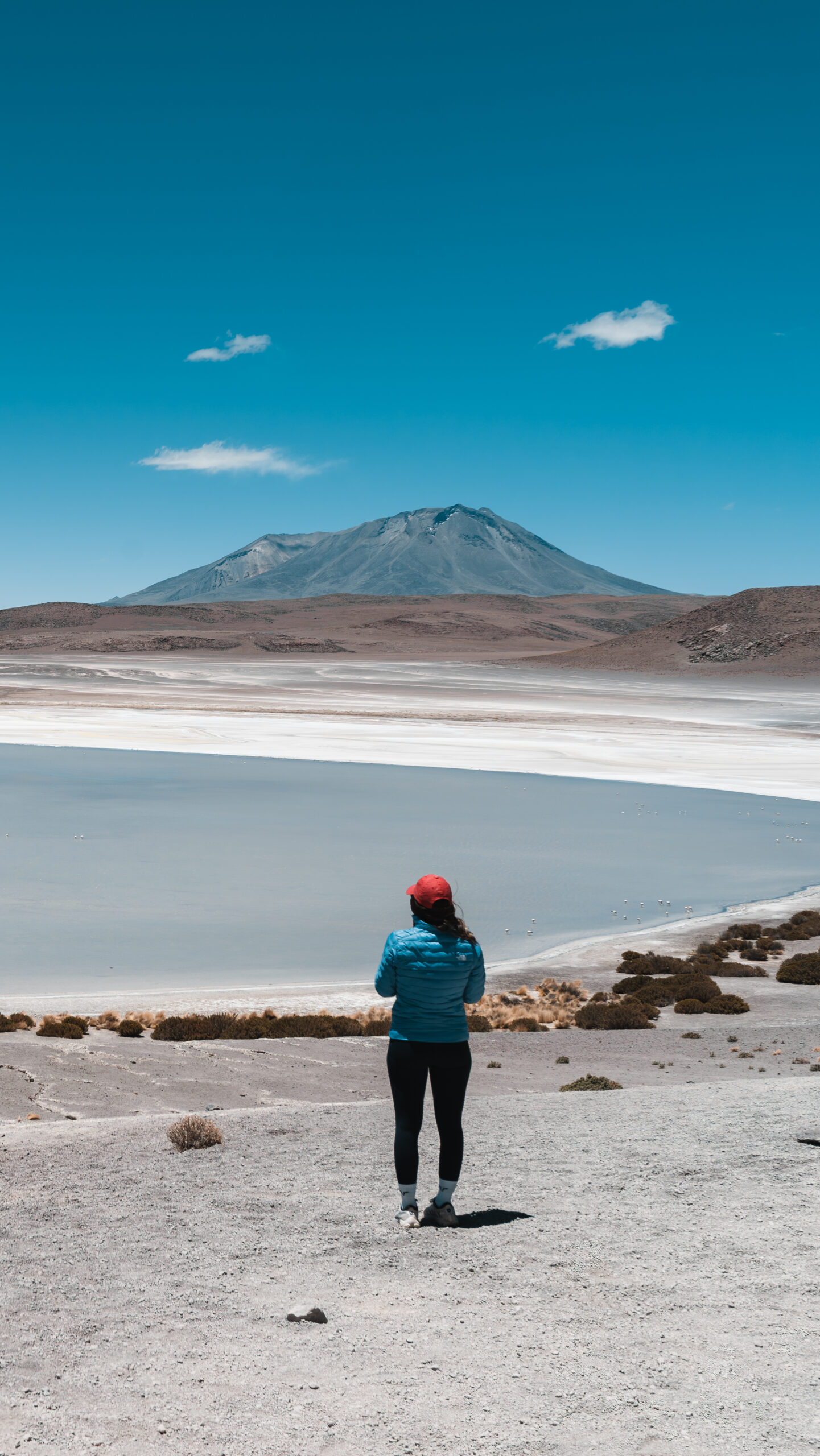
Day three: colorful lagoons, geysers, flamingos, more volcanoes — and finally the Hito Cajón border crossing into Chile, in the middle of absolute nowhere.
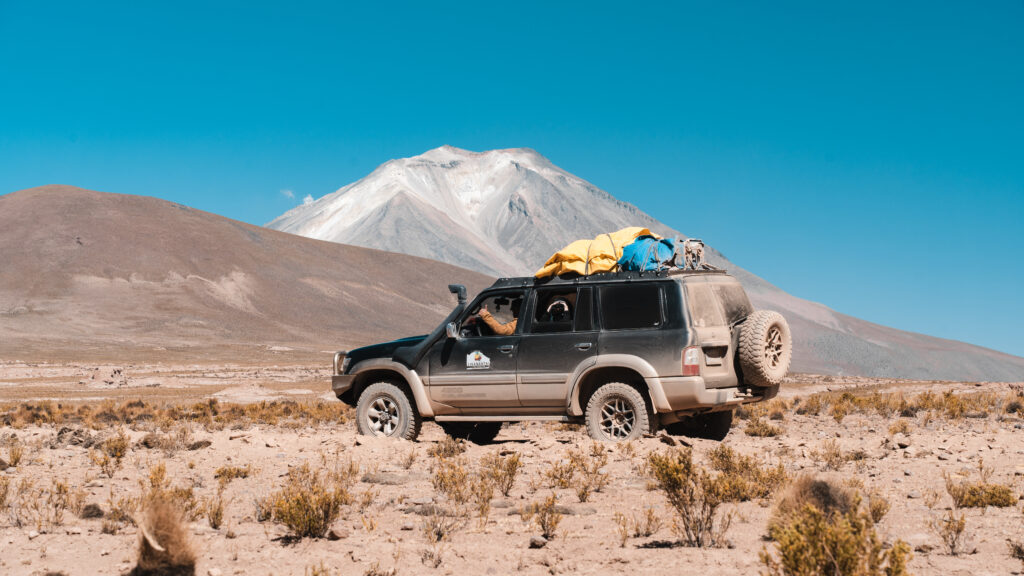
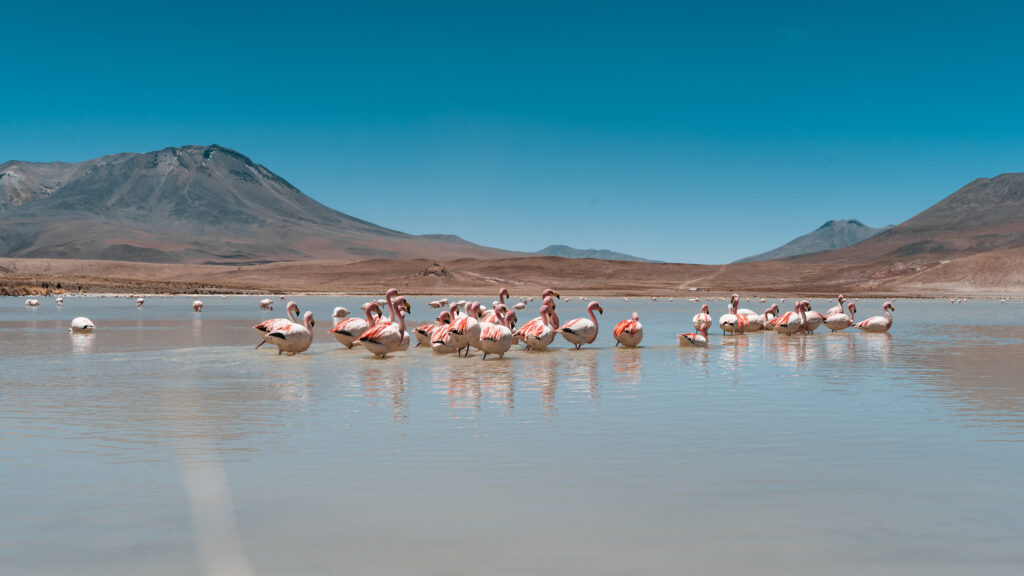
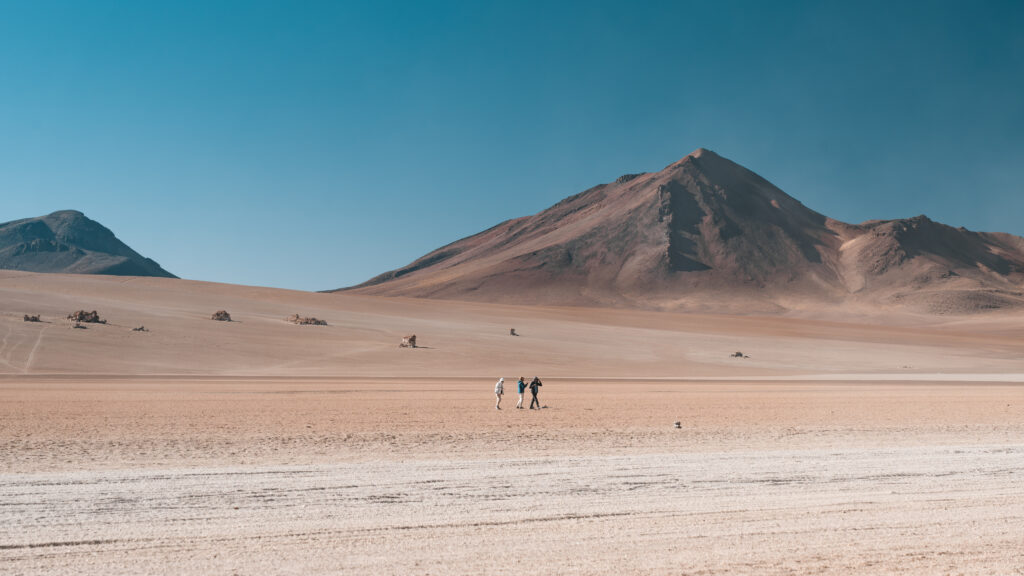
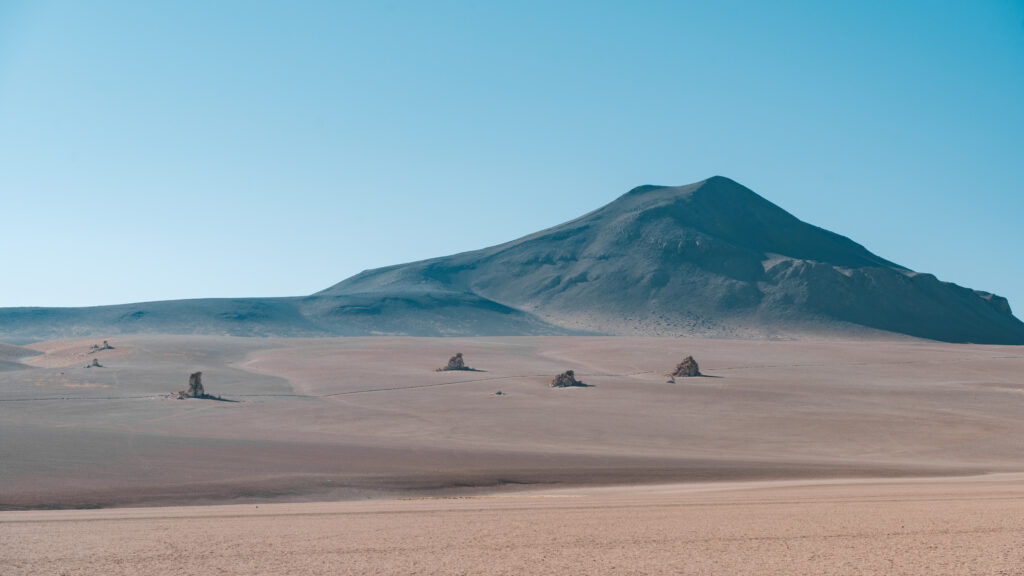
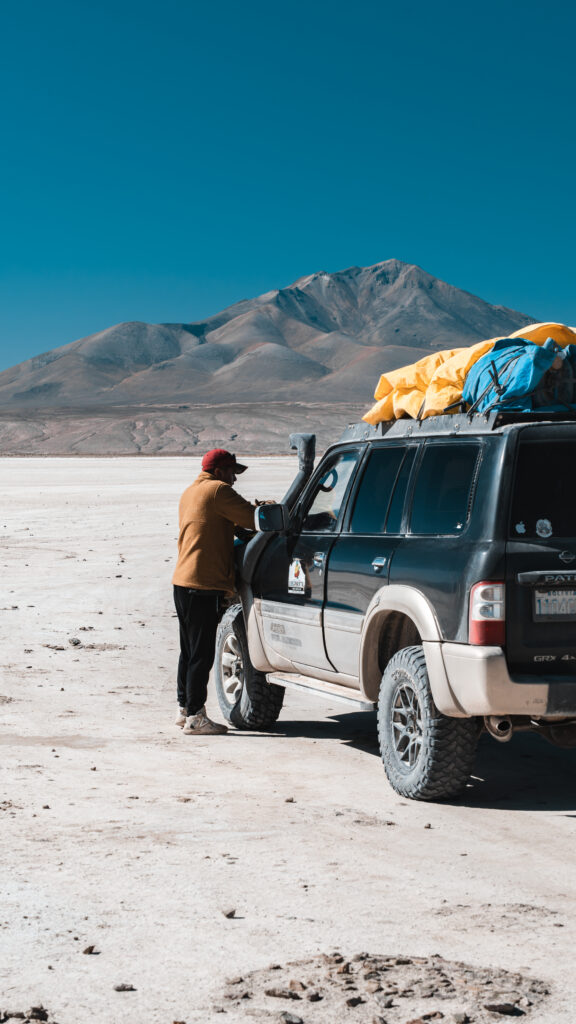
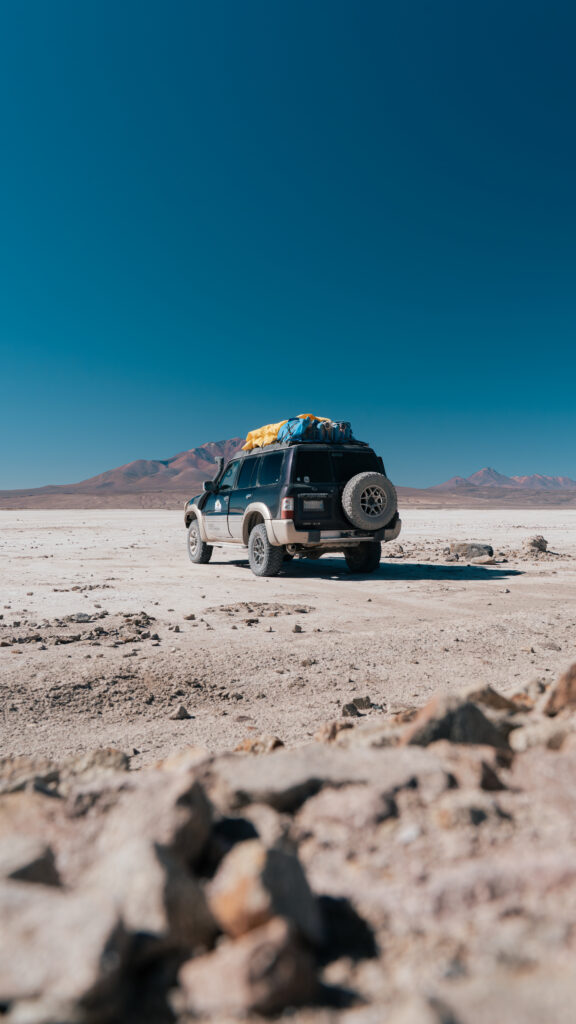
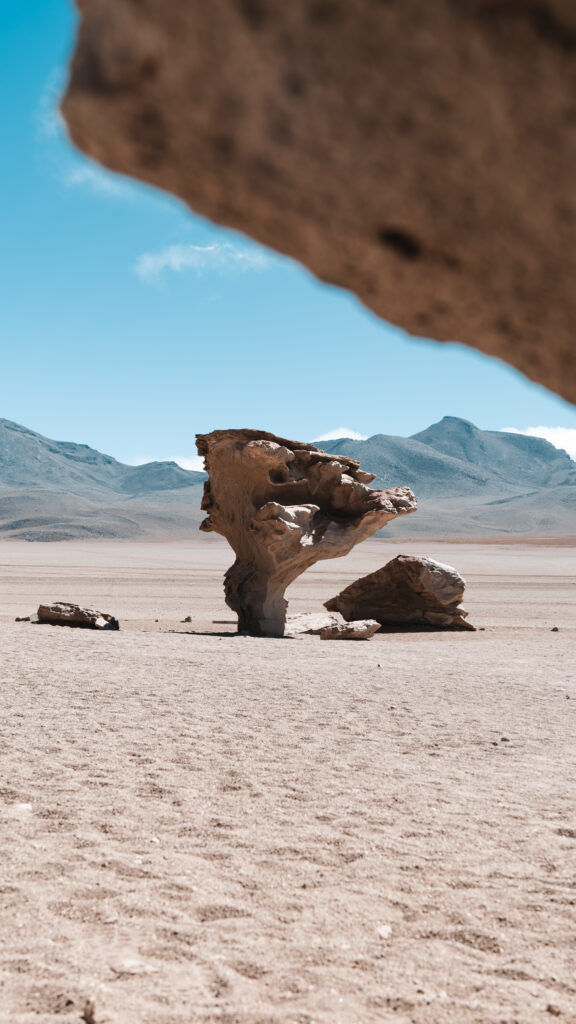
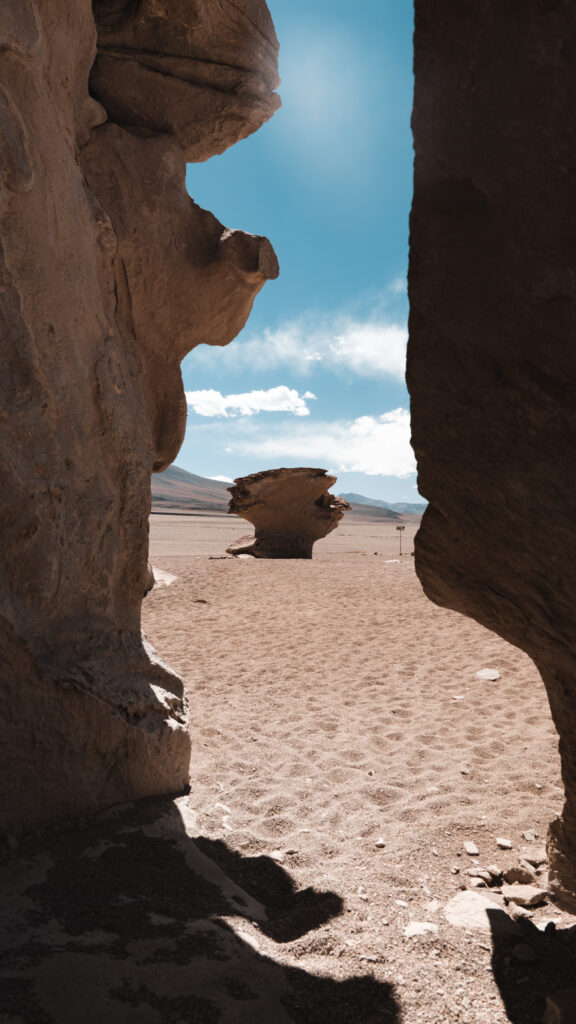
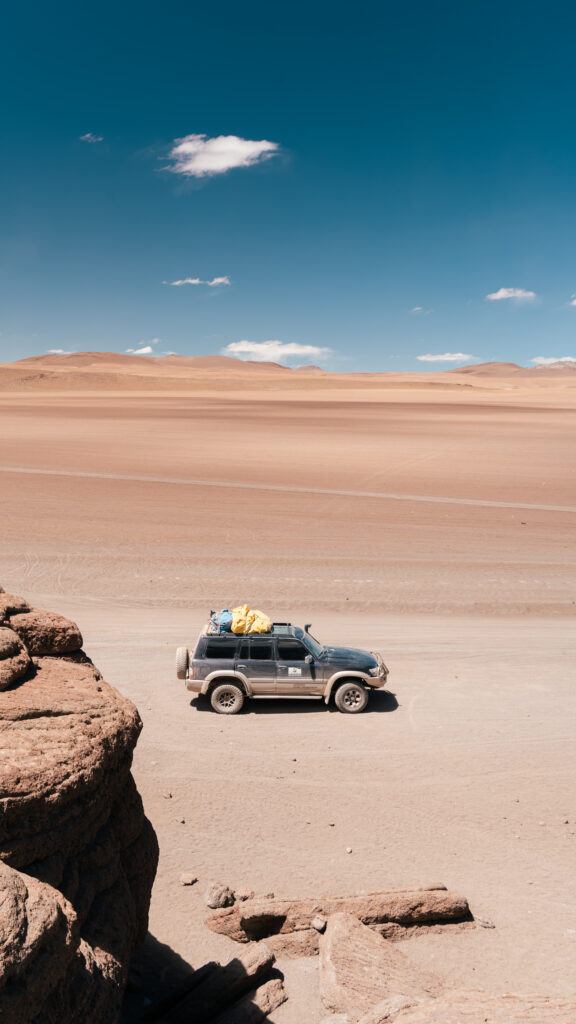
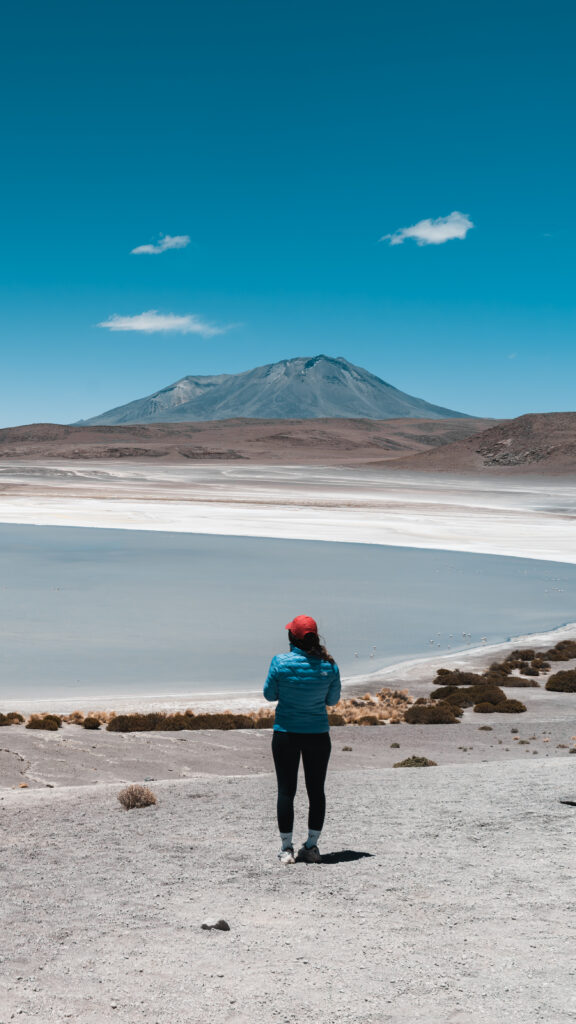
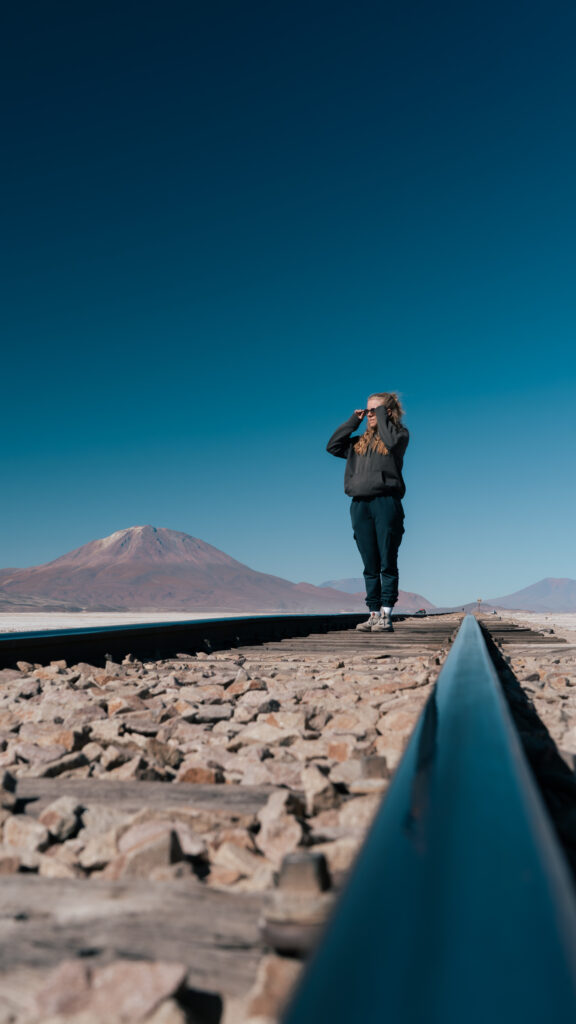
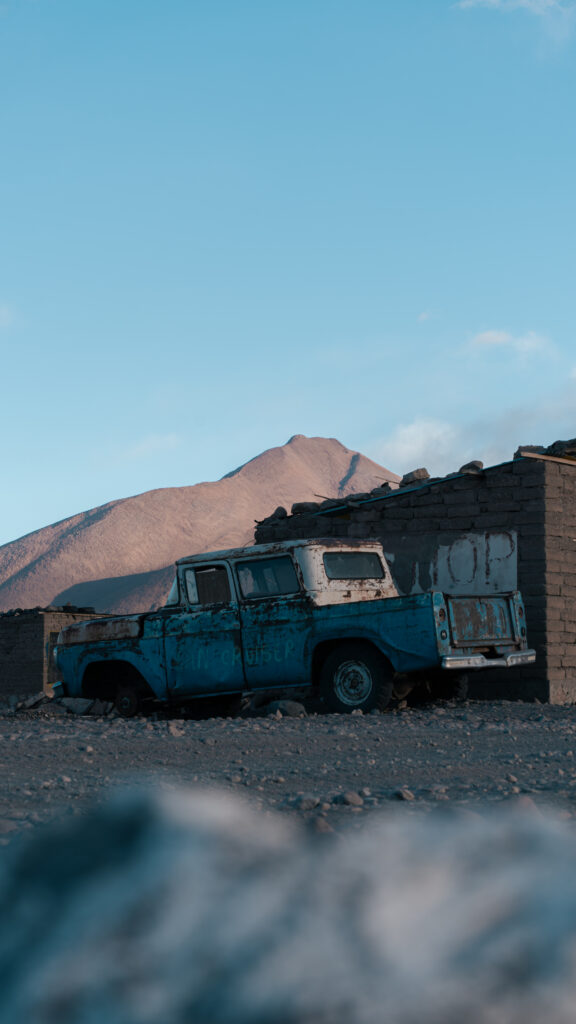
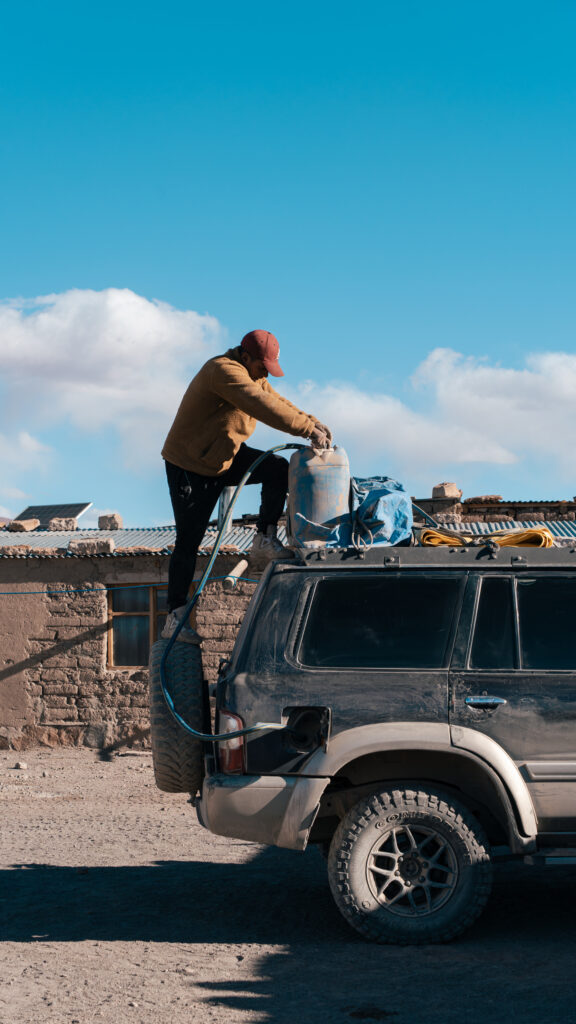
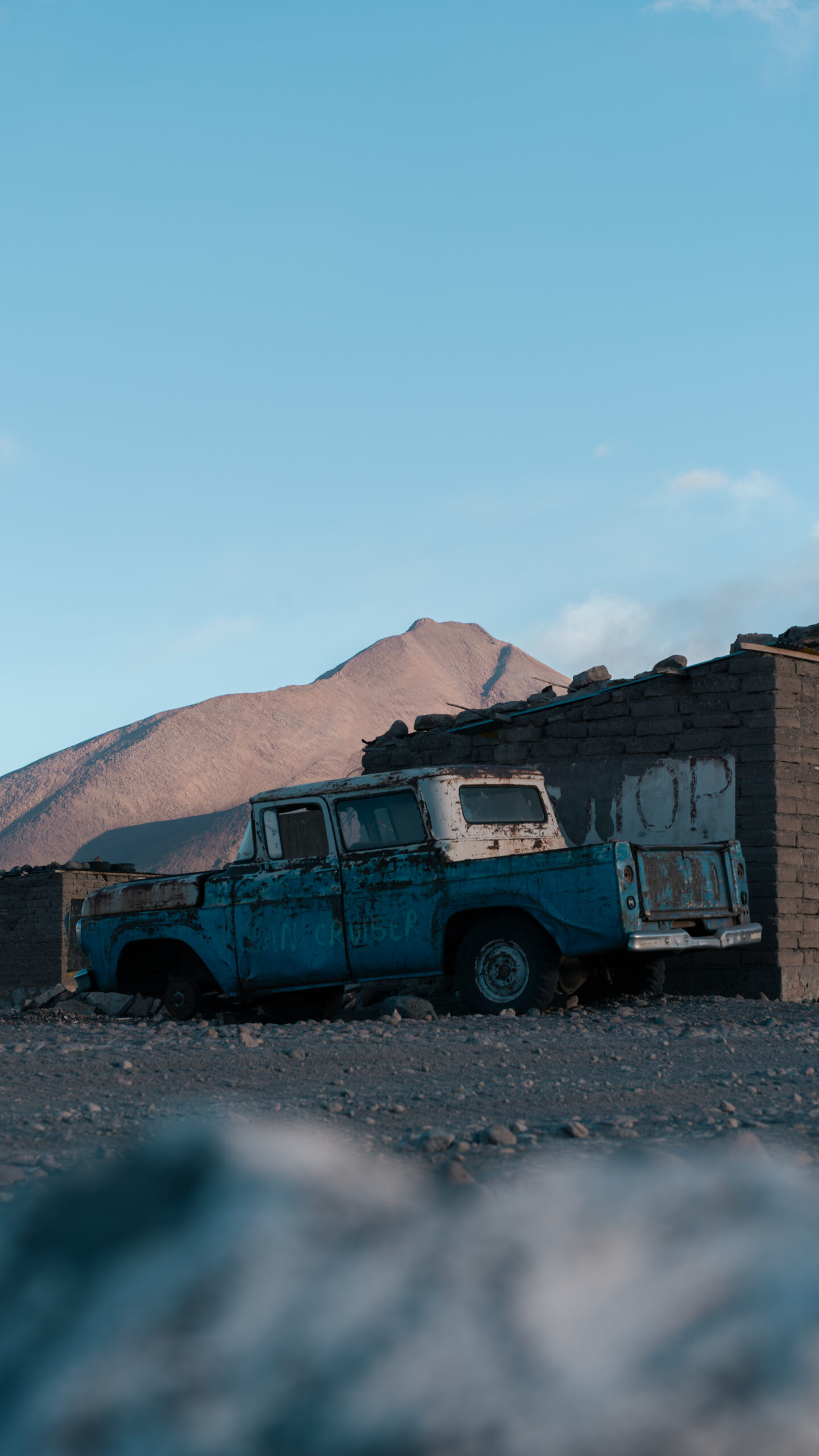
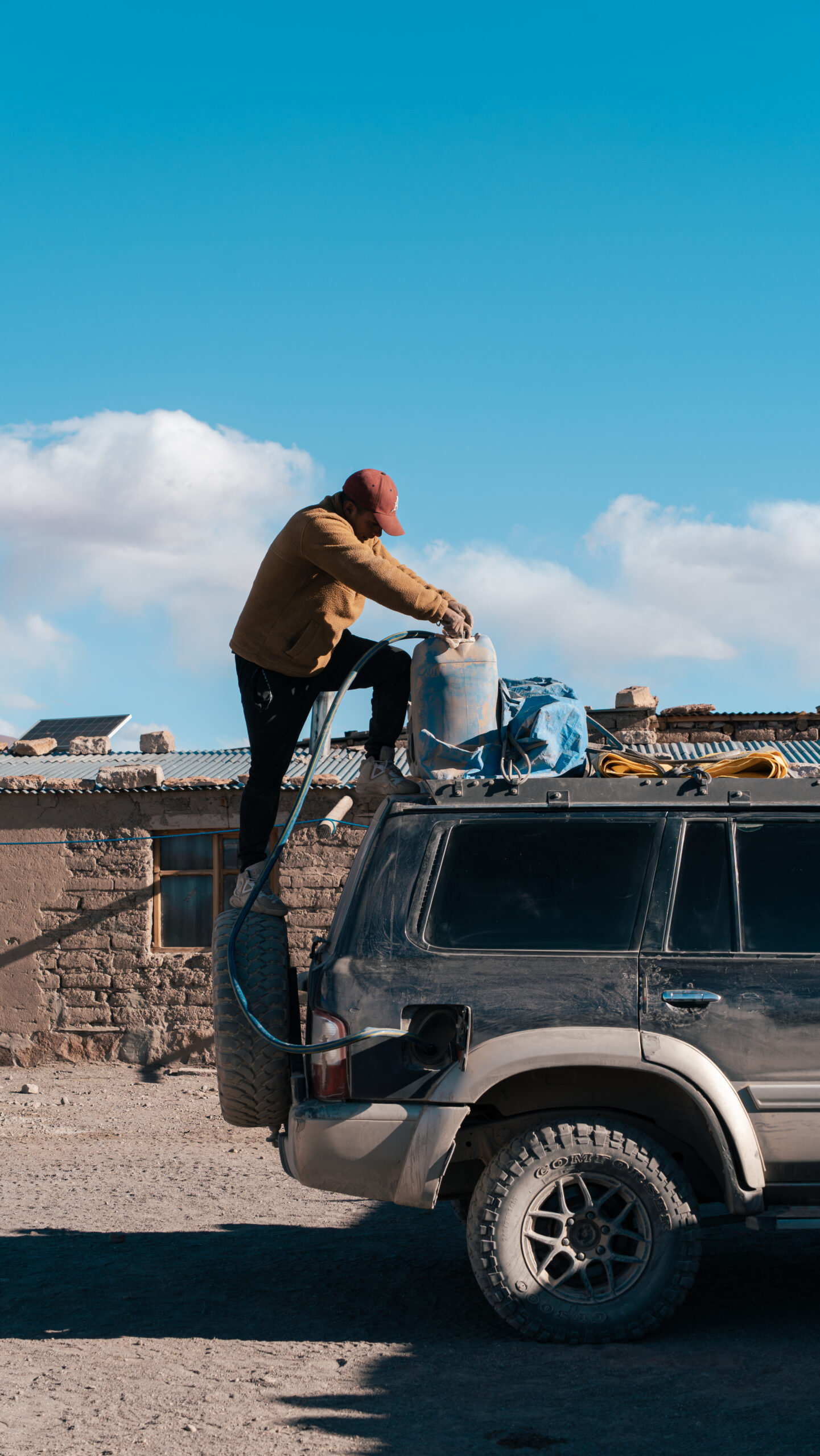
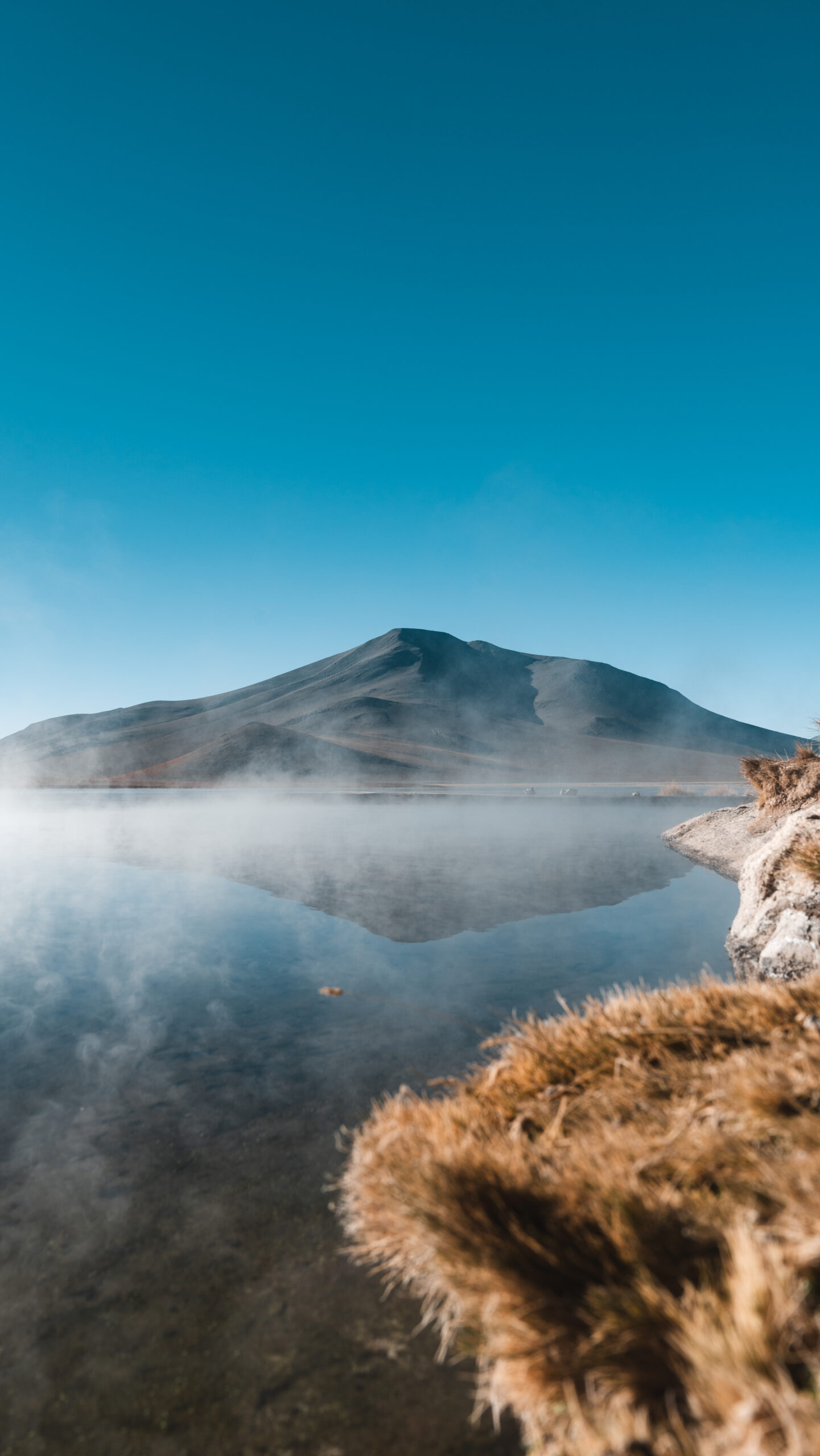
Leaving Bolivia felt surprisingly emotional. One thing was already clear:
we have to come back — and next time, with way more time.
How to Visit Machu Picchu on a Budget?
Machu Picchu is one of the most iconic destinations in the world, but visiting it…
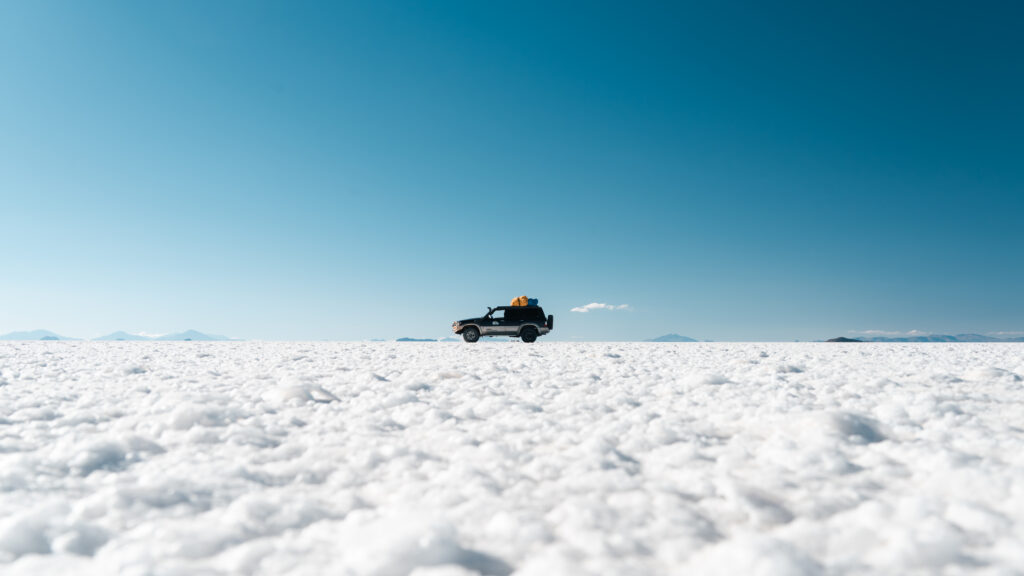
Bolivia Backpacking Guide: Salt Flats, 6000m Peaks & Our Biggest South American Surprise
After Peru, we crossed into Bolivia with surprisingly low expectations. We honestly didn’t know much…
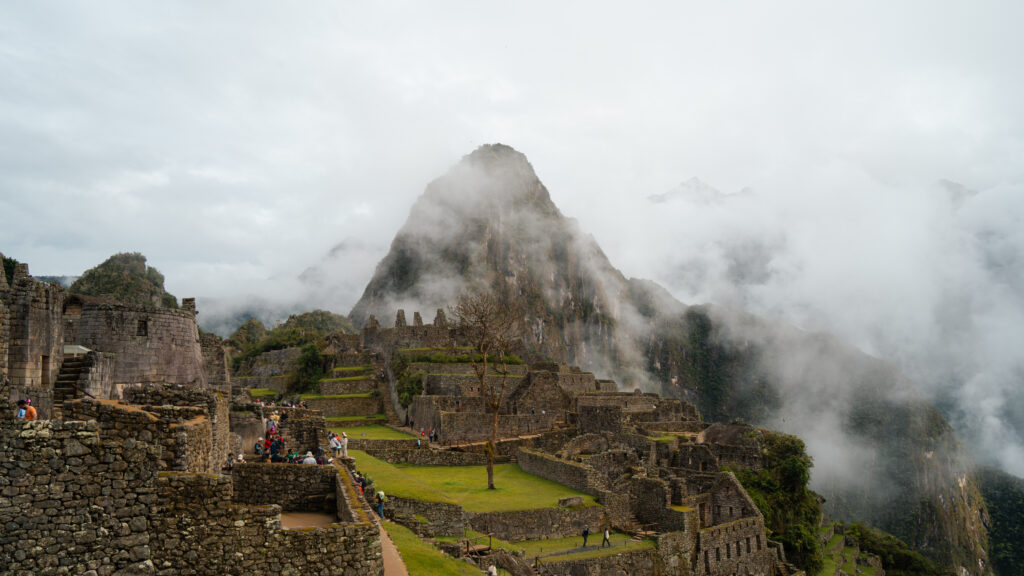
Peru Backpacking Itinerary: Chaos, Mountains & Machu Picchu
Machu Picchu & Huayna Pichu From Ecuador, we continued our backpacking journey to Peru, one…
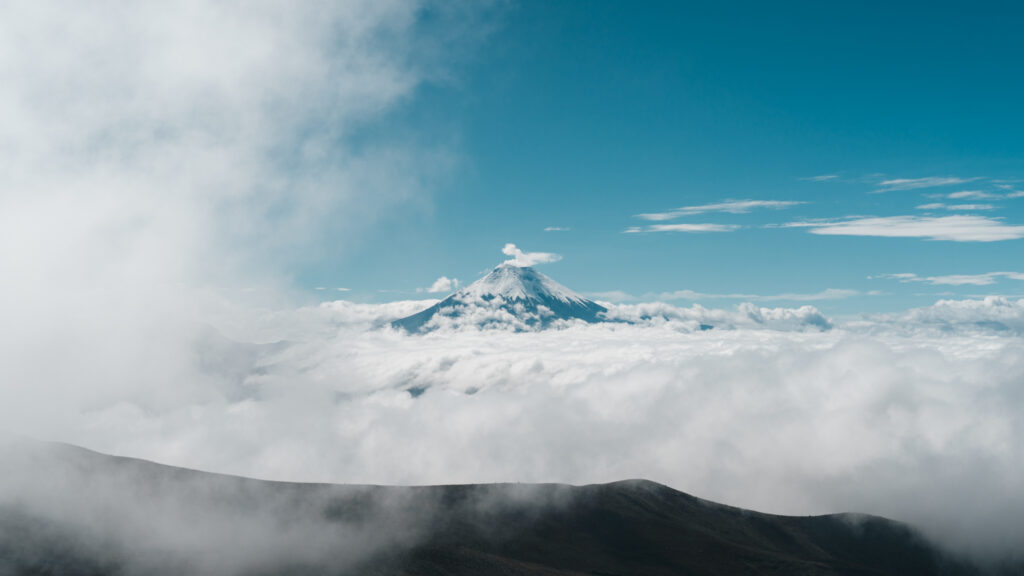
Chasing Volcanoes in Ecuador: Epic Backpacking Journey
We came with backpacks and no plan.Ecuador gave us volcanoes, altitude, and a new perspective…
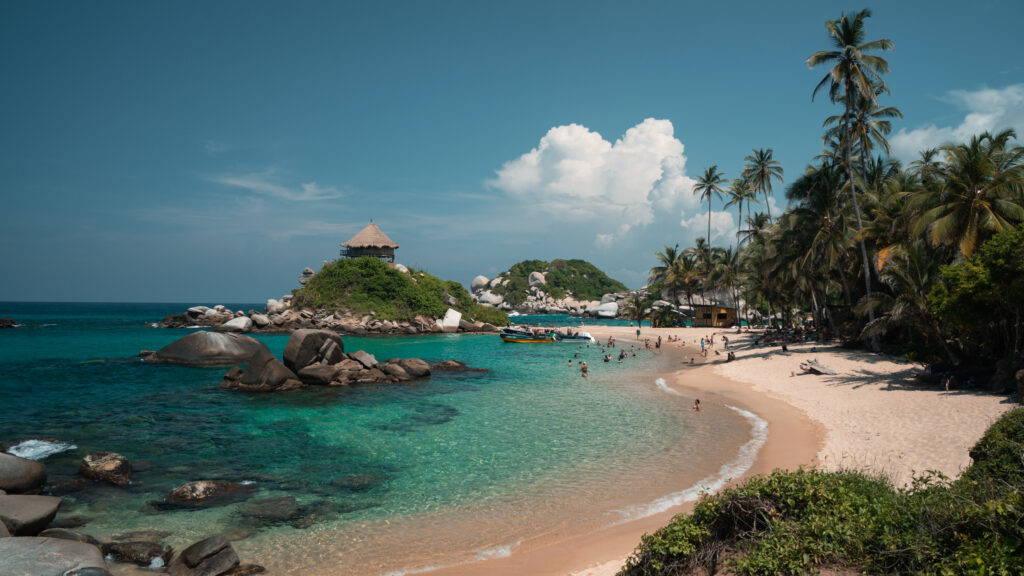
Traveling Colombia: Our First Taste of Latin America
In Colombia, Latin America stopped being an ideaand became real. Colombia is located in northwestern…
2.5 Months in Latin America With Carry-On Only
2.5 Months in Latin America With Carry-On Only Five countries. Two backpacks.Everything else, we figured…