
In Colombia, Latin America stopped being an idea
and became real.
Colombia is located in northwestern South America, bordered by both the Pacific Ocean and the Caribbean Sea. It’s one of the continent’s most diverse countries, known for its Andean mountains, coffee regions, tropical rainforests, and vibrant cities. In recent years, Colombia has become one of the most popular destinations for backpackers and long-term travelers in Latin America.
ARRIVAL
After two days of traveling, we finally arrived in Bogotá, our very first stop of our Colombia travel itinerary. Local time was around 3 a.m., but thanks to the time difference we weren’t really tired. Mostly, we were just excited — stepping into a whole new continent with nothing but our carry-on backpacks. A new world for us had officially opened up.
Border control was smooth and quick, and soon we had our stamps and were officially in Colombia. We had arranged a taxi pickup since we were arriving at night. Finding the driver turned out to be a bit of a hassle, but with the help of Google Translate we eventually managed and headed toward the city. It was Friday night, and on the way in we immediately noticed crowds of people partying in the streets.
Our hotel was in Chapinero Occidental, a neighborhood that’s supposed to be a bit calmer and safer. After checking in, we tried to get some sleep before our very first day in Latin America.
Before arriving, we were a bit concerned about safety in South America — especially since we didn’t speak any Spanish. Because of that, our route through Colombia followed what you might call the classic gringo trail. We didn’t have many expectations beyond heat, humidity, jungle, good food, and friendly people.
Some of those expectations would be challenged along the way.
BOGOTÁ
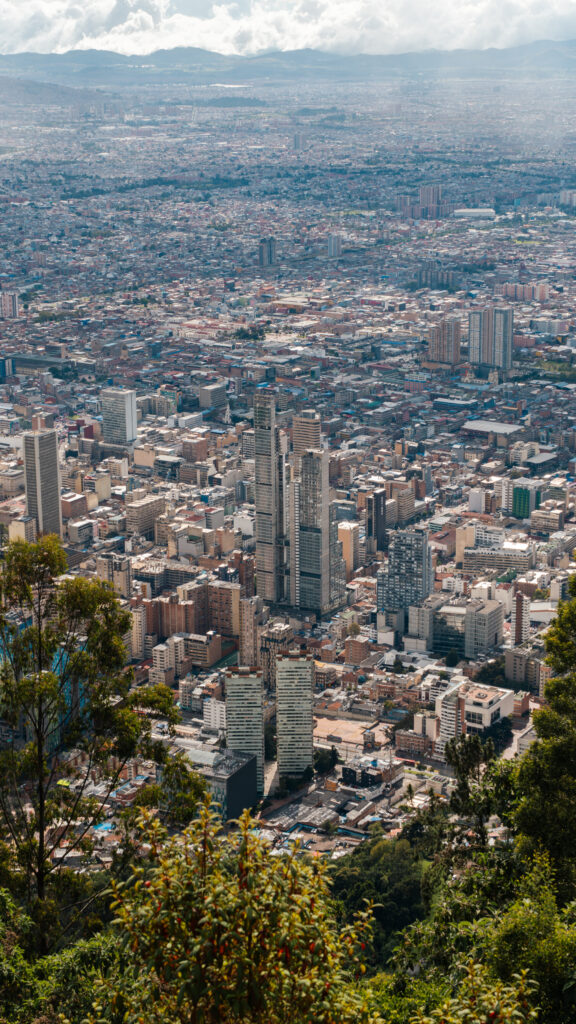
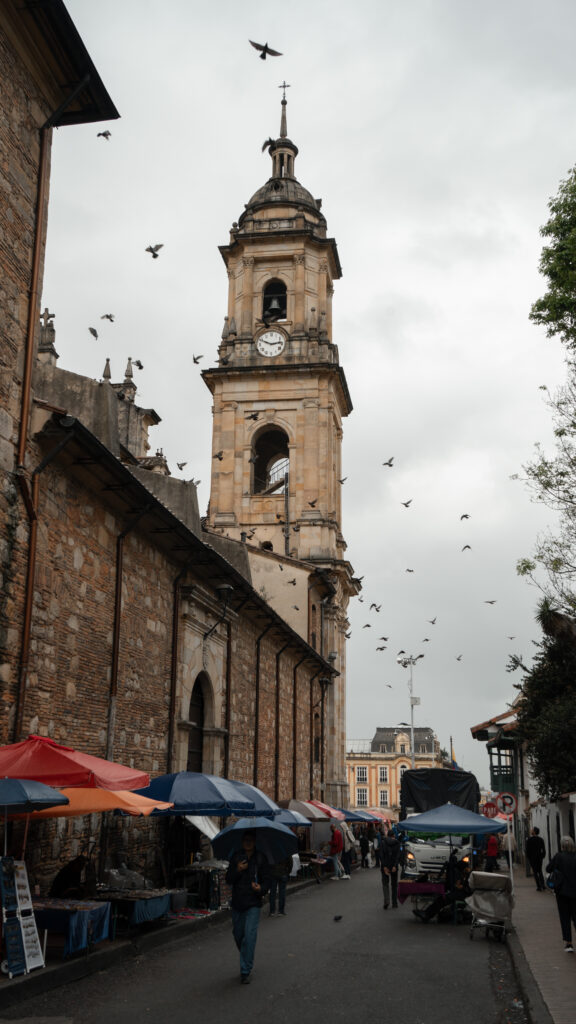
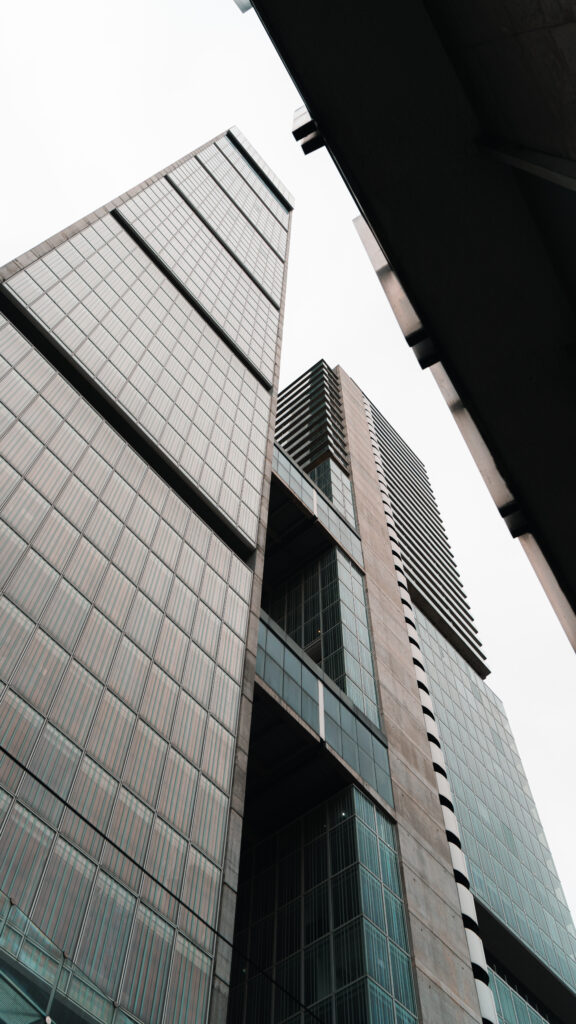
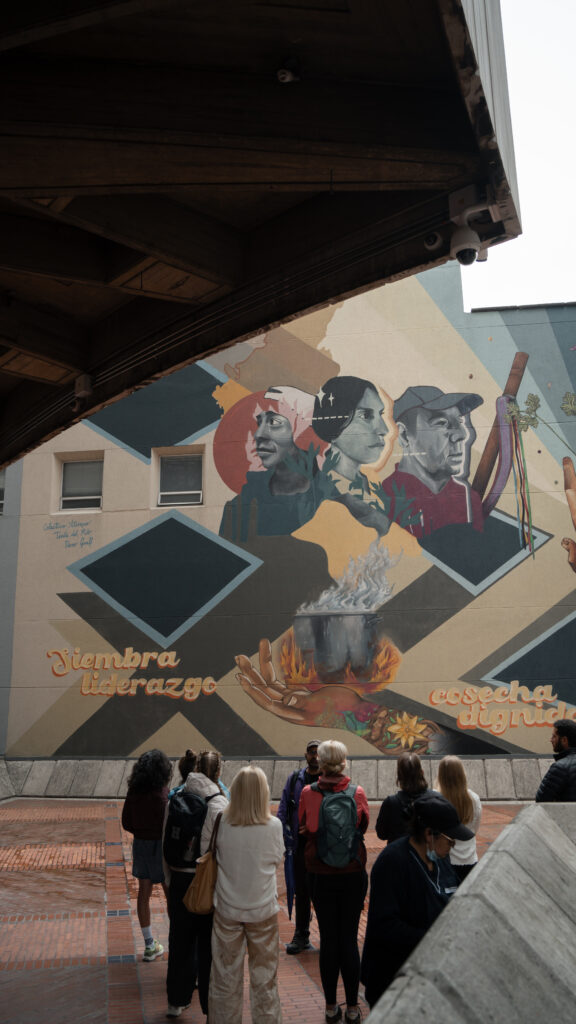
We spent a couple of days exploring Bogotá and, honestly, the city didn’t impress us much. It’s not the most beautiful city we’ve visited. To get a better understanding of the place, we joined a walking tour — one of the best decisions we made. It gave us valuable insight into the city’s history and culture.
Those first days also introduced us to Colombia’s incredible fresh fruits and juices, which quickly became a highlight. The food overall was decent, though nothing unforgettable.
After Bogotá, we boarded a bus toward Salento, a small village in Colombia’s coffee region. The bus ride itself was an experience: slow, winding mountain roads and stunning landscapes. Luckily, we had motion sickness pills — Emilia started feeling the curves almost immediately after leaving the city.
This was the first of many long bus rides in Colombia. Little did we know.
SALENTO & FILANDIA
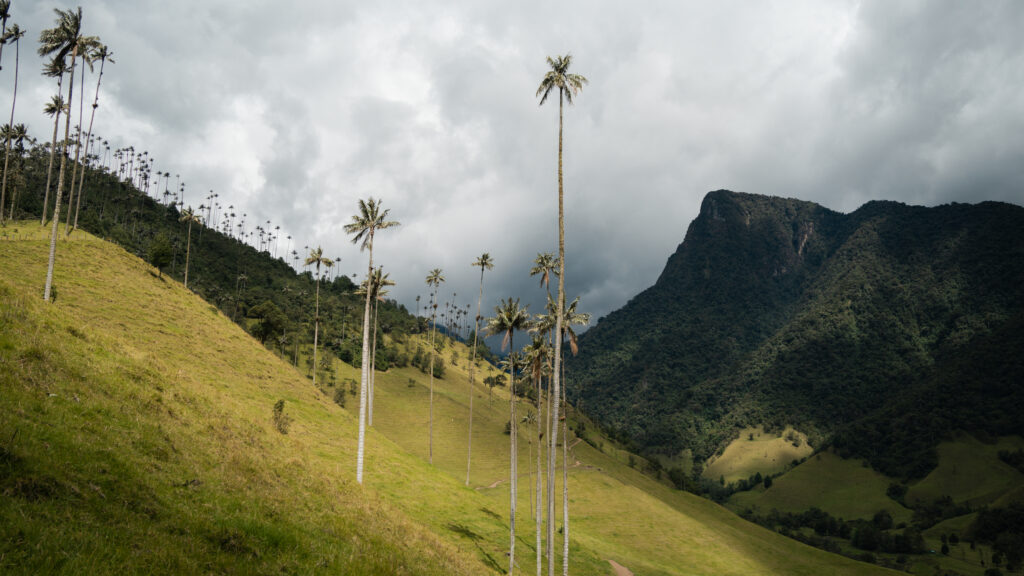
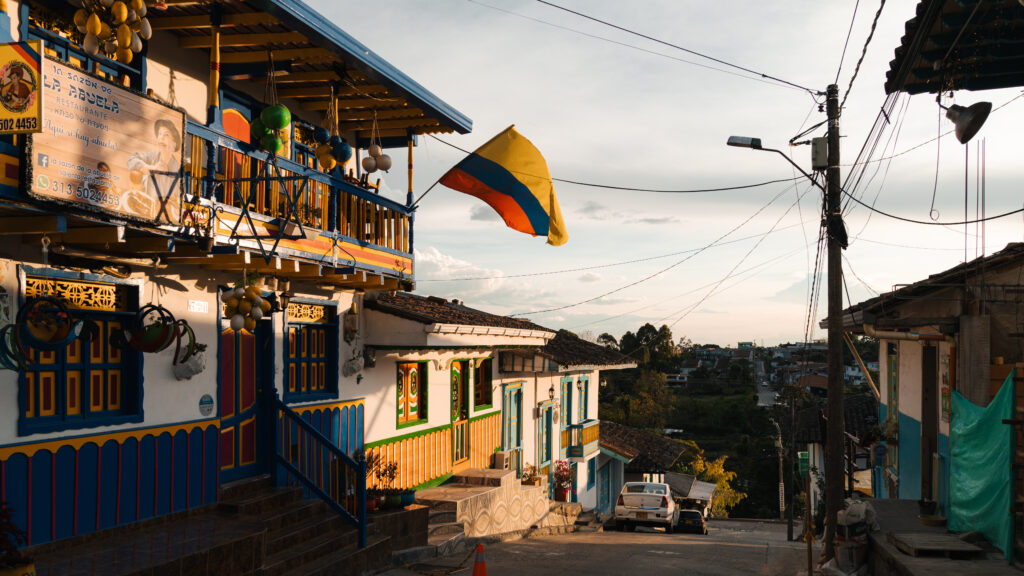
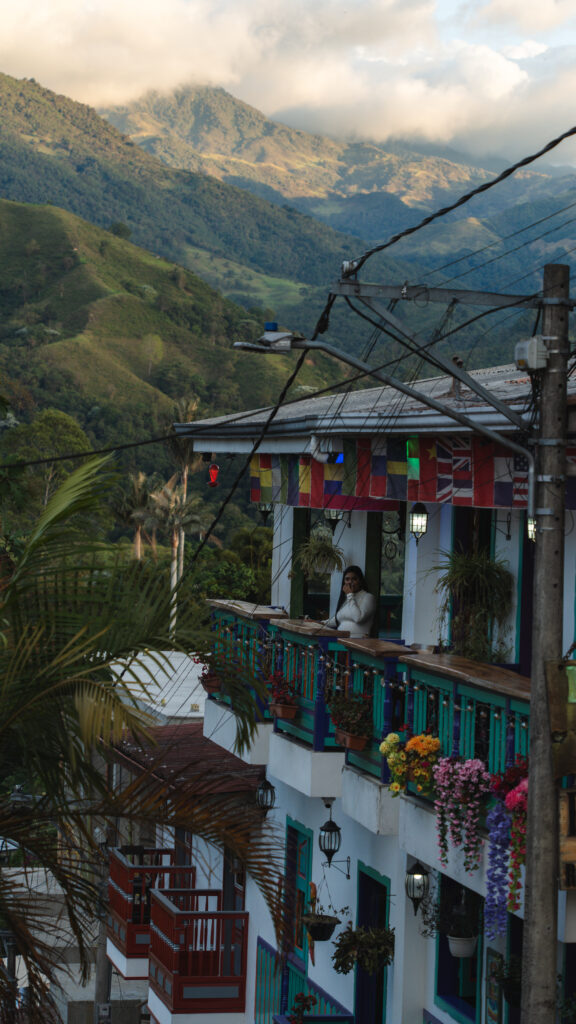
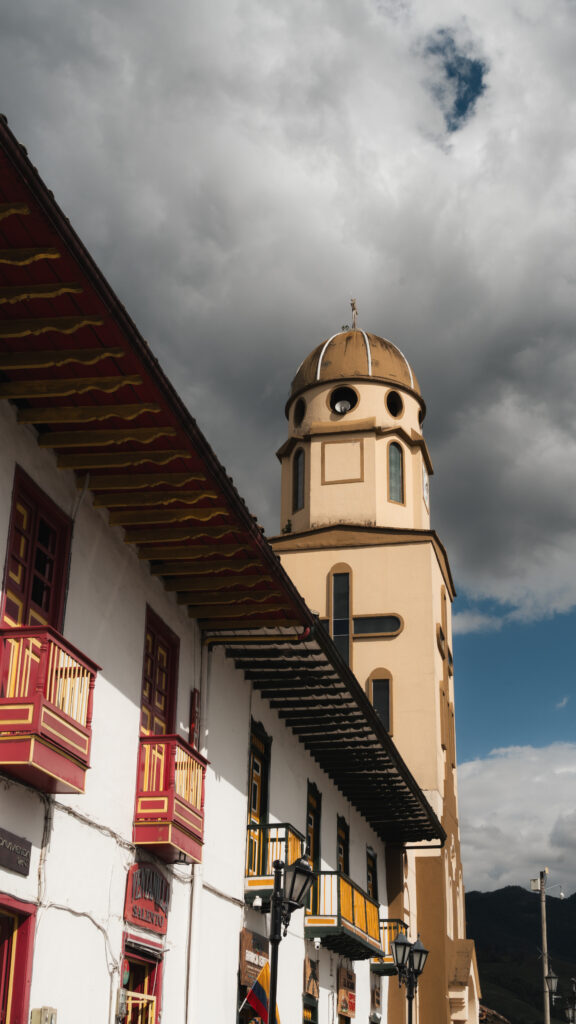
Salento is a charming little village filled with colorful houses, balconies, and doors. Our main goal there was hiking the famous Cocora Valley, which was absolutely beautiful — towering wax palm trees, lush jungle, and even a majestic Los Nevados volcano in the background. This was our first real taste of Colombian nature.
That said, Salento is one of the most popular destinations in Colombia, and it definitely shows. It’s touristy, and prices reflect that. Still, we found a great local spot called Rincón de Lucy, serving an affordable and tasty menú del día.
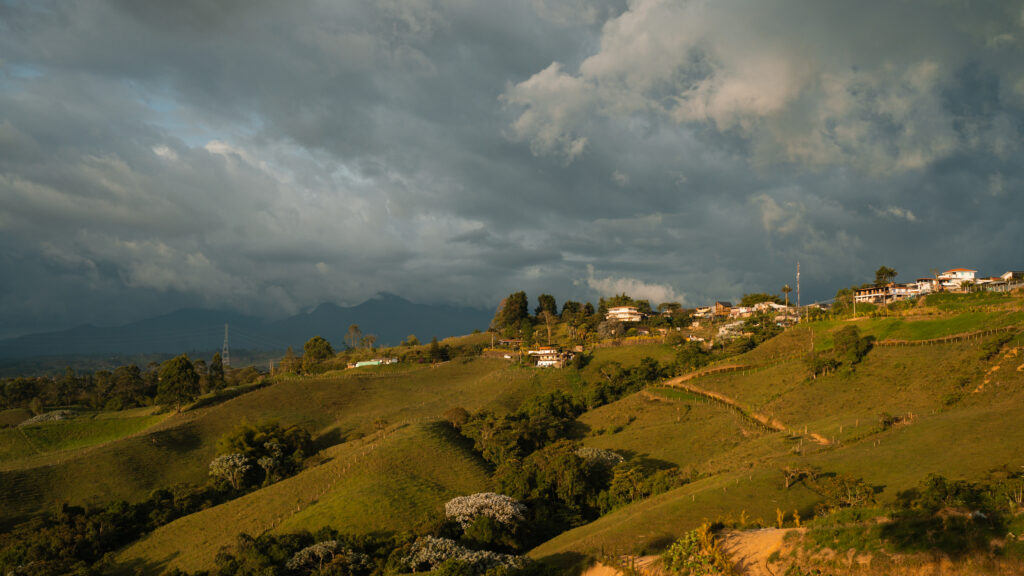
While in Salento, Joona heard about a nearby village called Filandia. Mostly because of its name, we made a spontaneous decision to hop on a bus — and it turned out to be one of the best choices of the trip. Filandia felt just as charming as Salento but far more authentic, with noticeably fewer tourists.
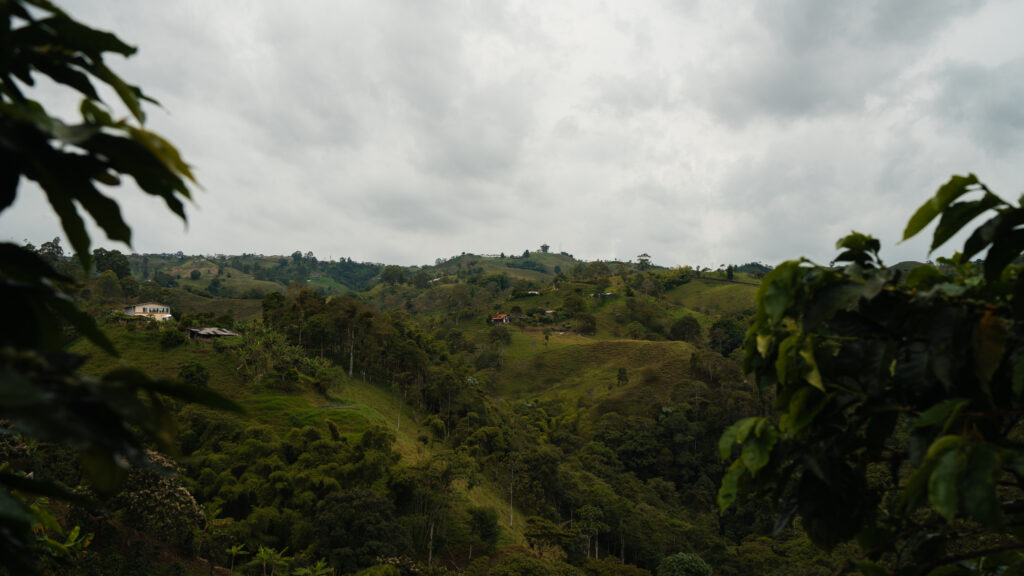
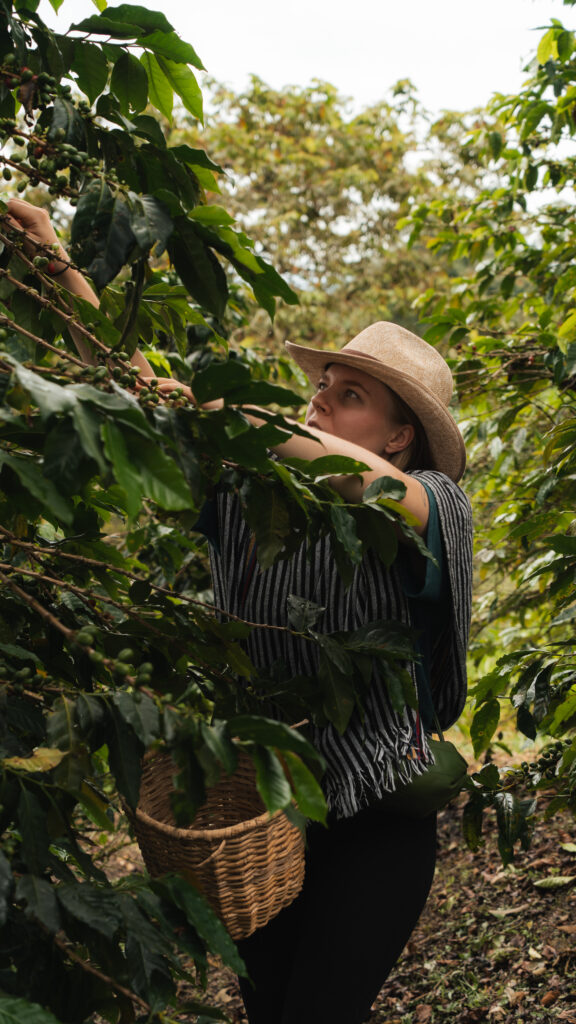
There, we stumbled upon Helena Adentro, a restaurant offering a tasting menu that’s apparently famous across Colombia. What a find. We also visited a local Finka – coffee farm where we happened to be the only visitors. We learned about the coffee-making process and even prepared our own cups. Joona still isn’t a coffee fan, but at least he got some great photos of Emilia picking coffee beans.
MEDELLÍN & GUATAPÉ
Next up was another long bus ride — this time to Medellín, often still associated with Pablo Escobar. We arrived late in the afternoon and stayed for only two nights before flying to the Pacific coast. Our hostel was in the Centro area, which we explored on foot. Later, locals told us this wasn’t exactly the safest neighborhood, and some were genuinely surprised we chose to stay there.
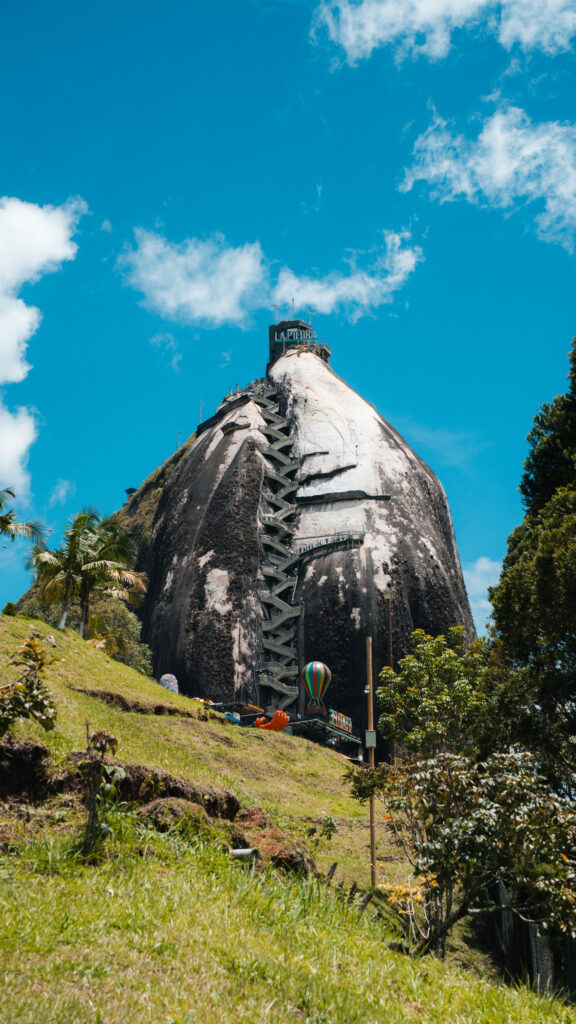
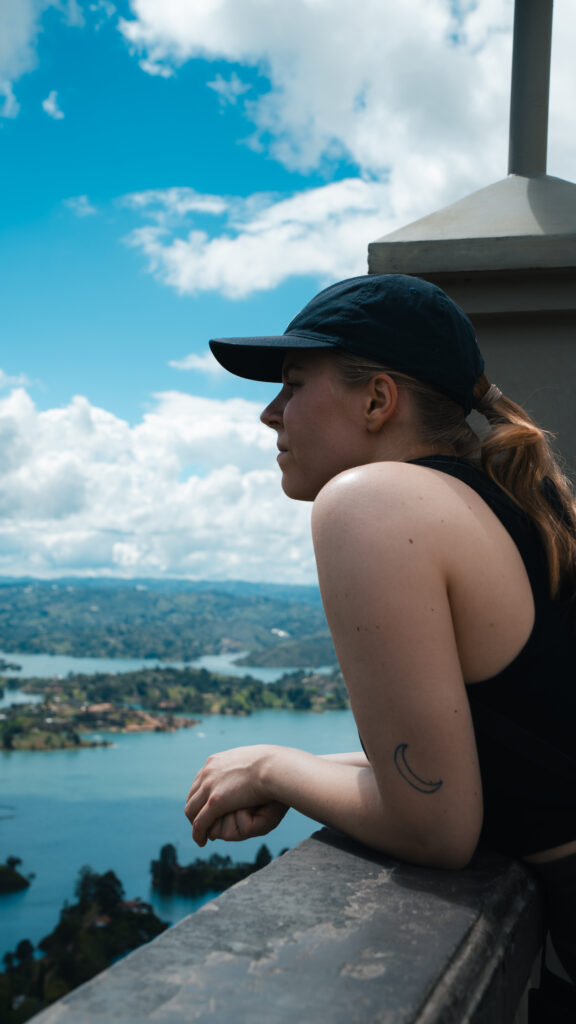
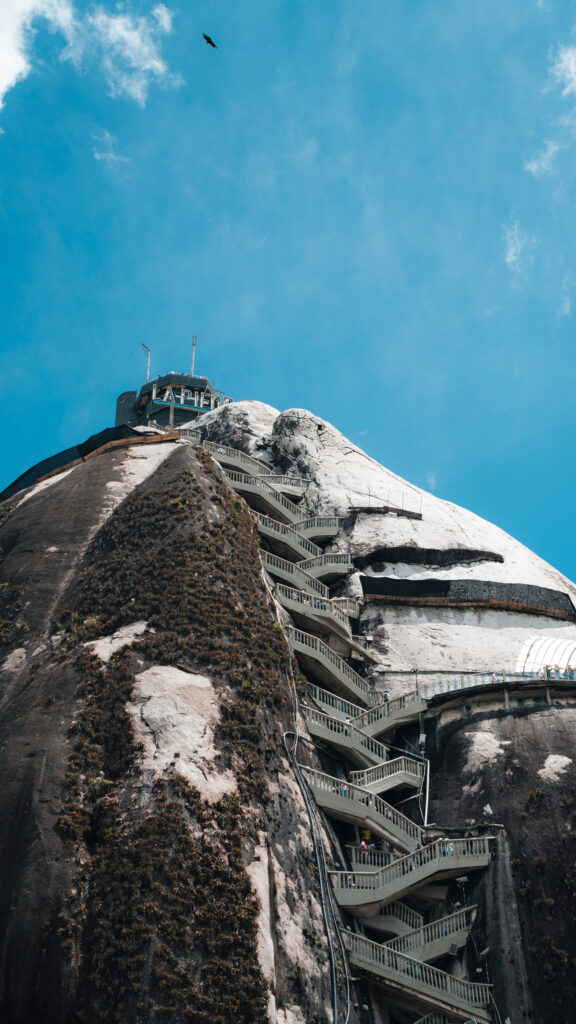
On our second day, we took a bus to Guatapé to see the famous El Peñol rock. The area was undeniably beautiful, and the views from the top were impressive after the short but steep climb. Still, the village itself felt like just another tourist hotspot, packed with souvenir shops and crowds.
El Peñol monolith (La Piedra del Peñol) is a massive granite rock rising about 220 meters above the surrounding landscape near Guatapé. Visitors can climb to the top via a steep staircase built into a crack in the rock, offering panoramic views over the colorful town and the surrounding lake dotted with small islands. The climb is short but intense — and the views from the top make it well worth the effort.
After a good night’s sleep, we headed to Medellín’s Olaya Herrera Airport — right in the heart of the city. As an aviation enthusiast, Joona was beyond excited to fly out on a small ATR plane with Clic Airways.
BAHÍA SOLANO
Visiting Colombia’s Pacific coast was one of Joona’s main goals. The reason? It’s remote, difficult to access, and still largely unknown to most travelers. The only way to get there is by plane — or, according to some sources, by cargo ship from Buenaventura.
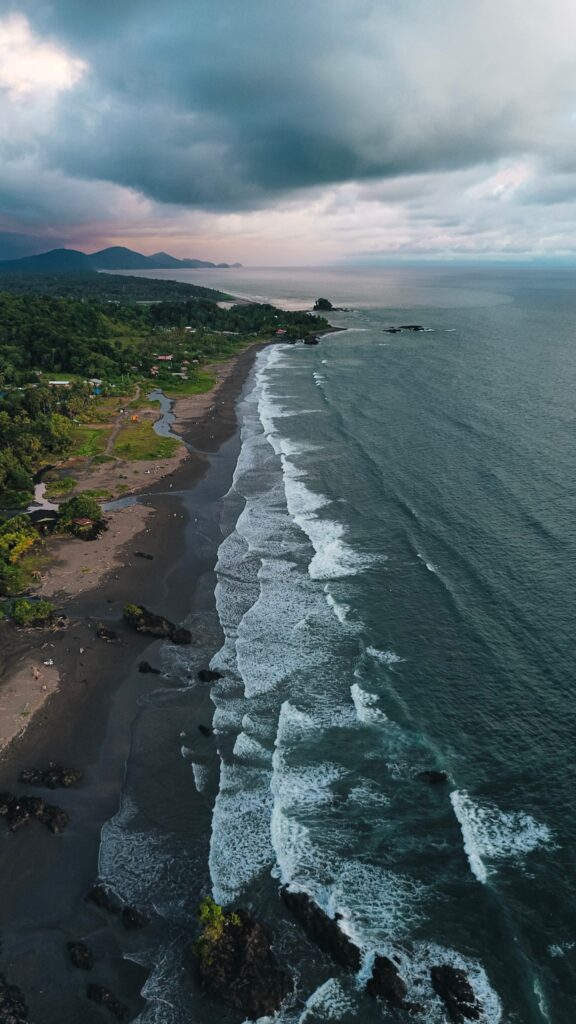
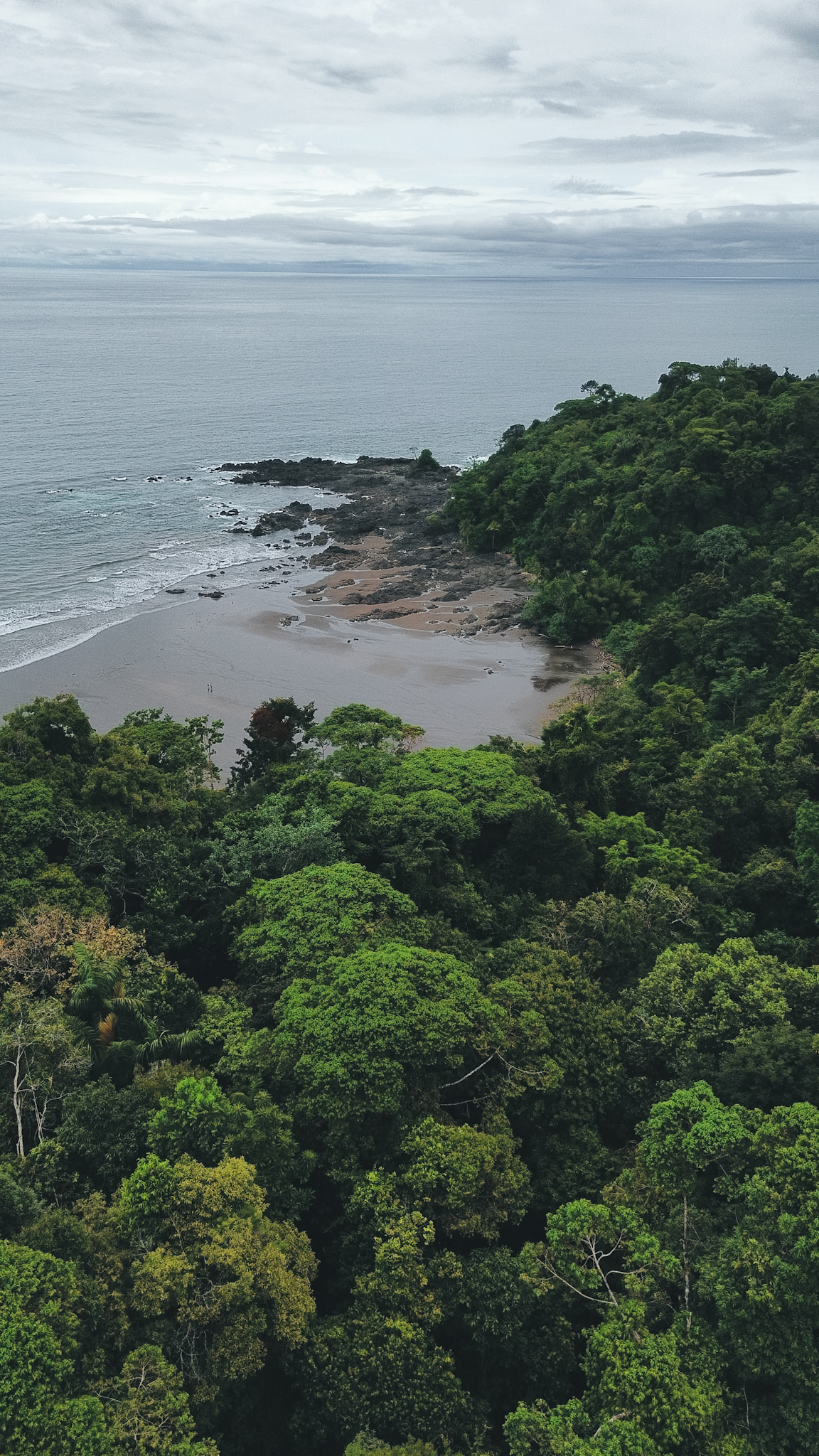
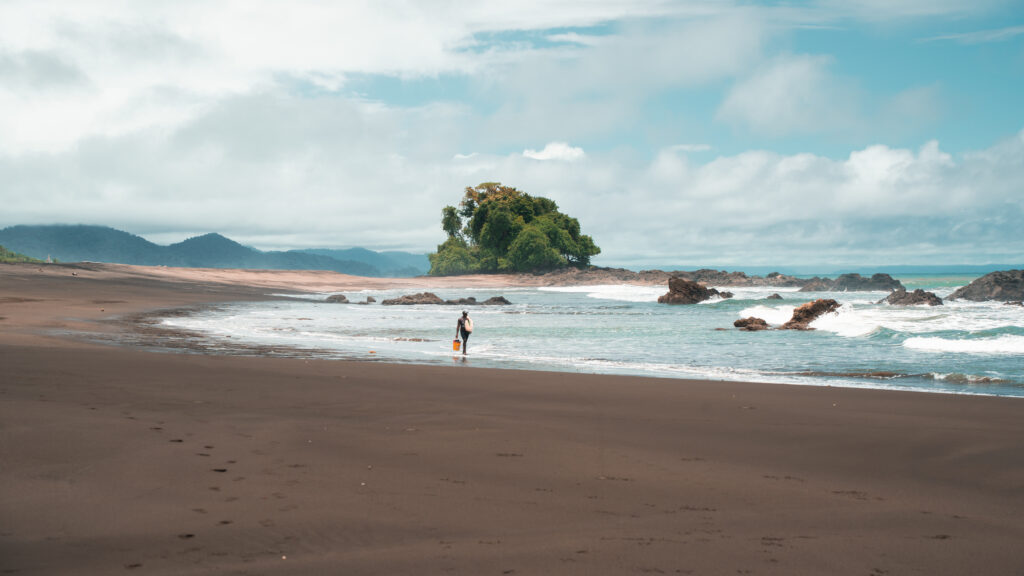
Landing in Bahía Solano was an experience in itself. The approach circled above the raw coastline, offering our first glimpse of the vast Pacific Ocean through the clouds. This region is one of the rainiest places on Earth, receiving around 7,000 mm of rainfall annually. Somehow, it did rain only a little bit during our two-day stay.
The airport was nothing more than a jungle runway with an old shack serving as a terminal, though a new one was under construction due to increasing tourism. Upon arrival, we paid a modest entrance fee of around 30,000 COP (about €7). From there, we took a tuk-tuk across the peninsula to El Valle, where our hostel was located.
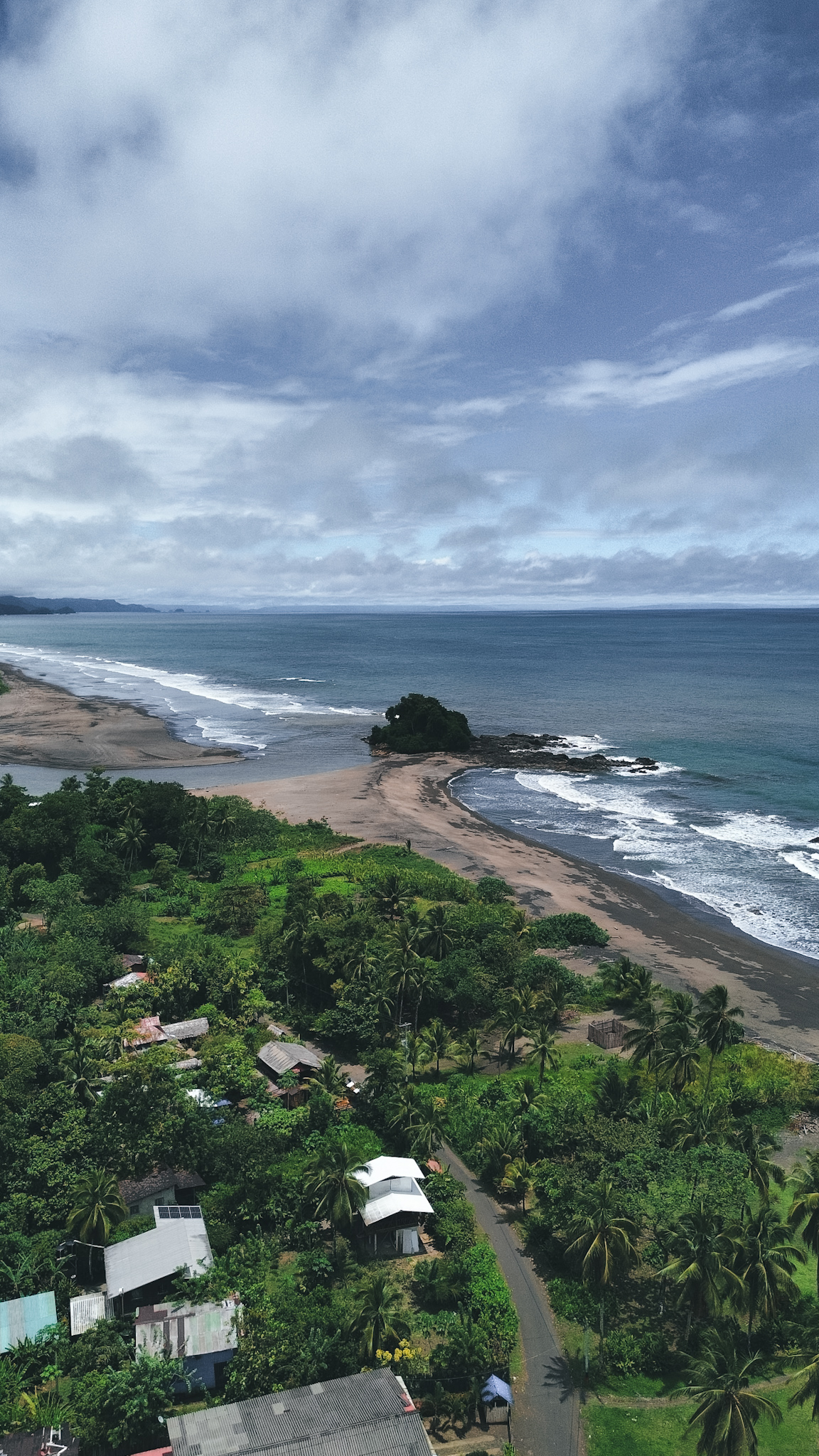
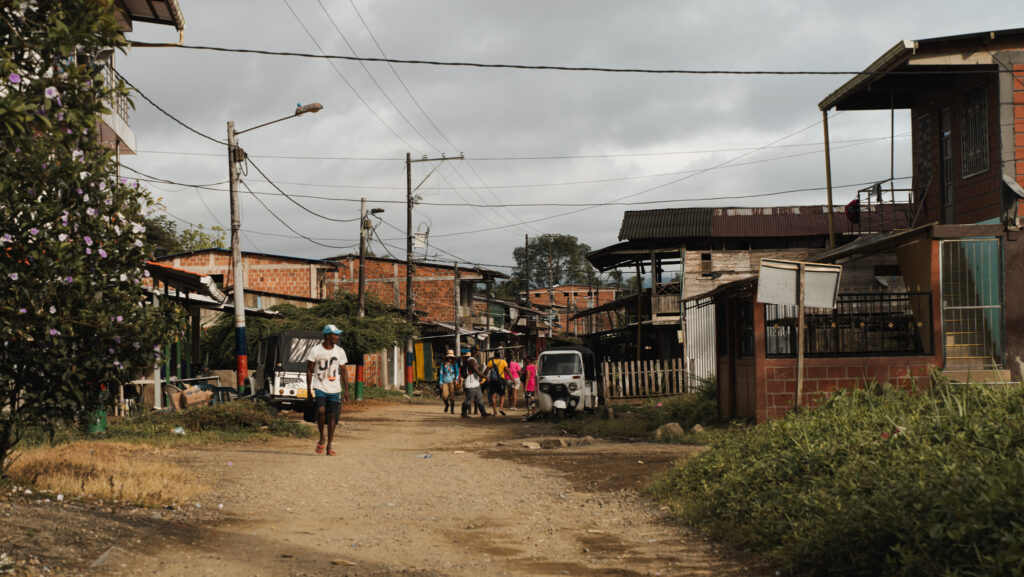
Arriving in El Valle felt surreal — like traveling to Uganda or Tanzania. The area is home exclusively to Afro-Colombian communities, and the village looked and felt remarkably African. It was unexpected, strange, and fascinating.
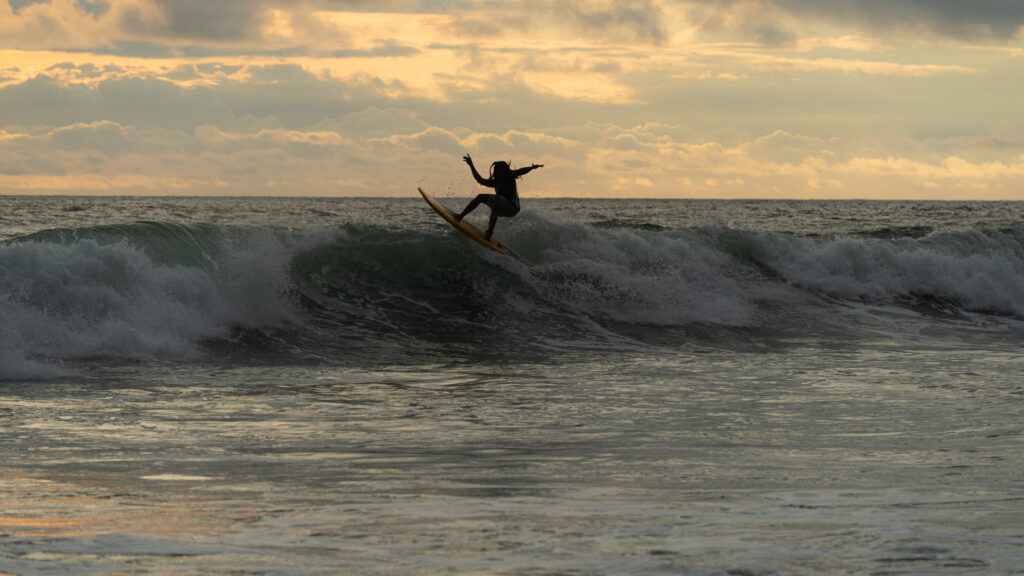
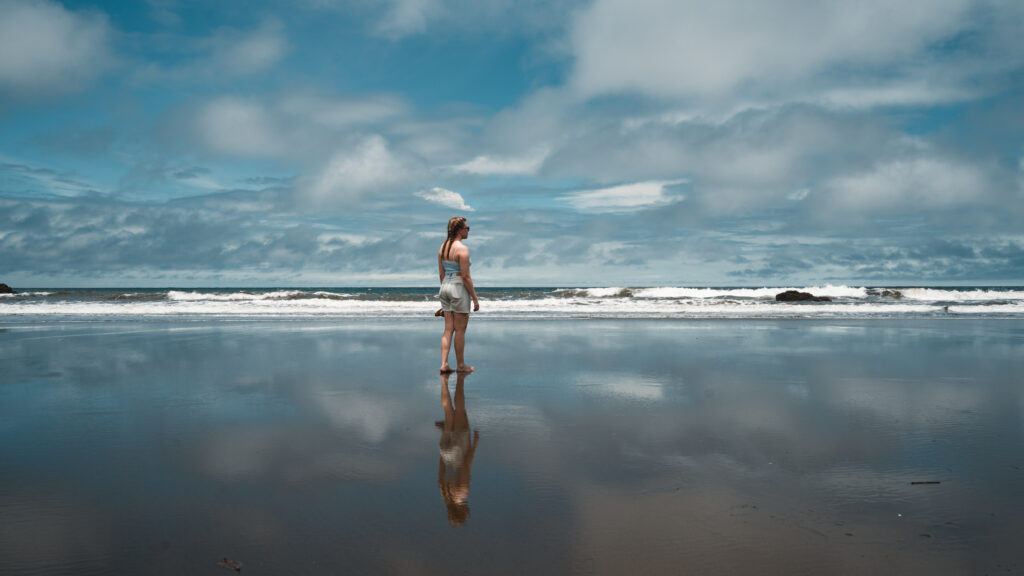
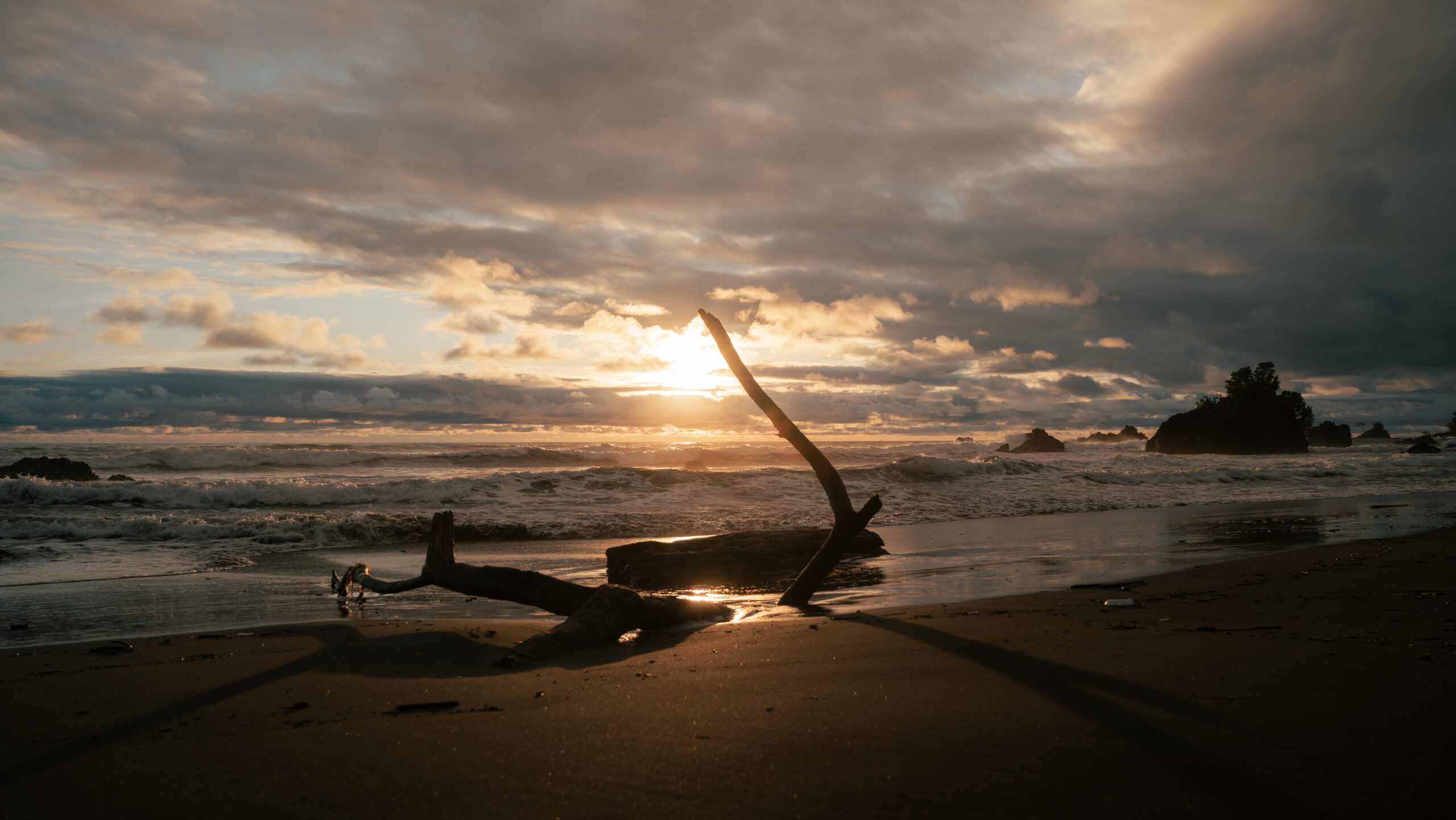
Our hostel was right on the beach, alongside a few surf camps and guesthouses. We were the only guests, meaning we had the entire dorm to ourselves. We spent our time walking endless beaches, photographing sunsets, and soaking in the raw atmosphere. Activities in the area are limited: surfing, jungle walks, whale watching, and beach strolls.
We booked a last-minute whale safari, but after hearing thunder at sea the next morning, we decided to cancel. The tour operator wasn’t happy and tried hard to convince us otherwise, but we stood our ground and spent the day photographing the coastline instead.
One thing to note: eating and drinking in El Valle is expensive for tourists, and everything is cash-only. There are no ATMs, so bringing enough cash is essential.
Bahía Solano was interesting, but also slightly disappointing. Maybe it was the lack of friendly encounters, average food, or our hostel not quite meeting expectations. Or maybe our expectations were simply too high. After two days, we flew back to Medellín for one more night.
MEDELLÍN & COMUNA 13
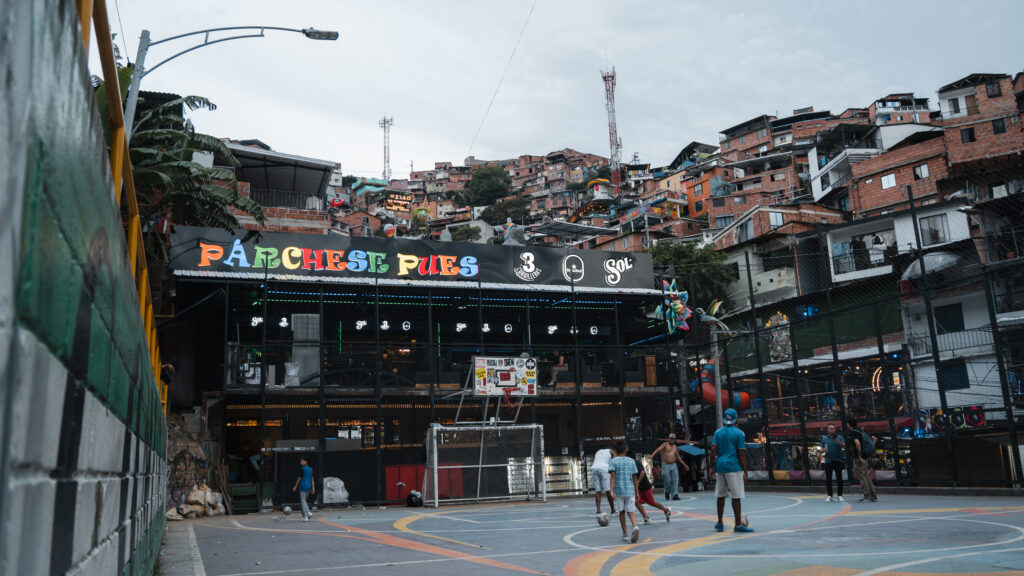
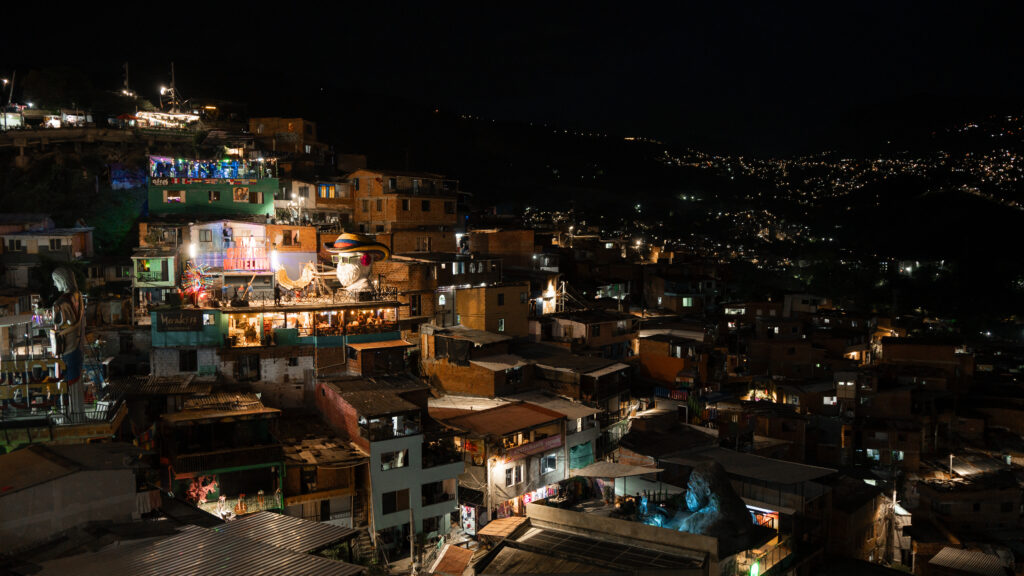
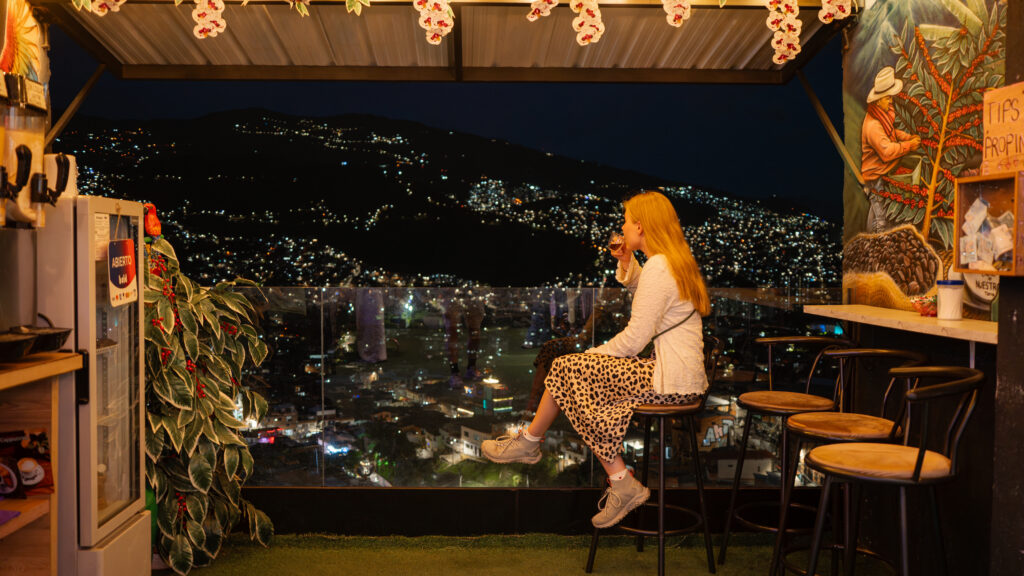
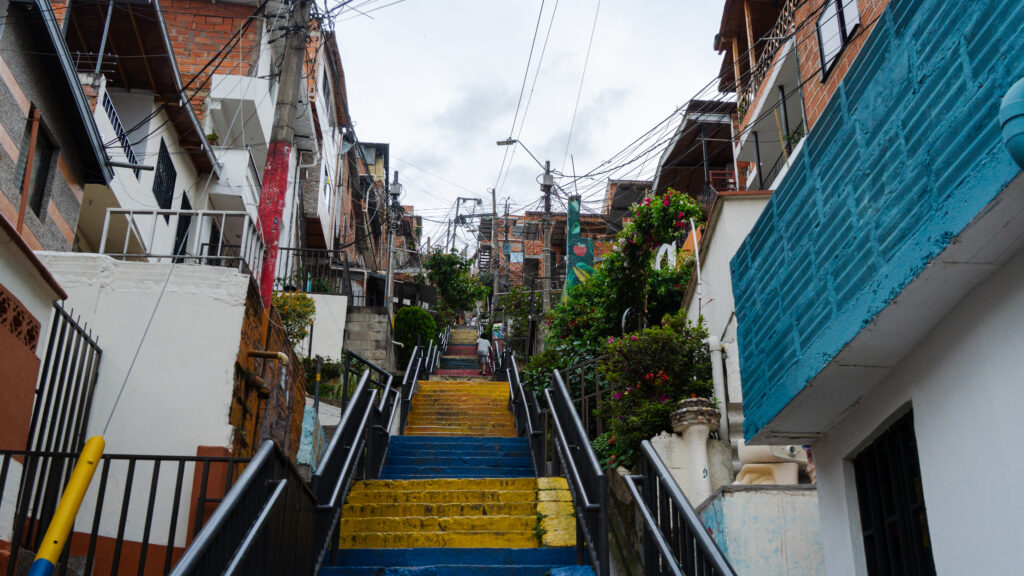
With one full day left in Medellín, we knew exactly what to do: visit Comuna 13. Once infamous for violence and armed gangs, it’s now a powerful symbol of resilience and community-driven change.
Comuna 13 is one of Medellín’s most famous neighborhoods, known for its dramatic transformation from one of the city’s most dangerous areas into a symbol of change and resilience. Today, it’s a vibrant district filled with street art, music, outdoor escalators, and guided walking tours that tell the story of its past. While heavily visited by tourists, Comuna 13 remains an important place to understand Medellín’s history and the social changes the city has gone through in recent decades.
Our guide was a local from Comuna 13 who had lived through the neighborhood’s darkest times. Hearing his story and learning about Medellín’s history through his eyes made this tour one of the most meaningful experiences of our time in Colombia.
SANTA MARTA & TAYRONA
To save time and nerves, we flew from Medellín to Santa Marta instead of taking a 15-hour bus. We arrived late afternoon and stayed one night before heading toward Tayrona National Park.
Santa Marta felt very touristy, filled with Americans and Germans, and surprisingly noisy for a city of its size. The colonial city center was pretty, but overall, it didn’t leave much of an impression.
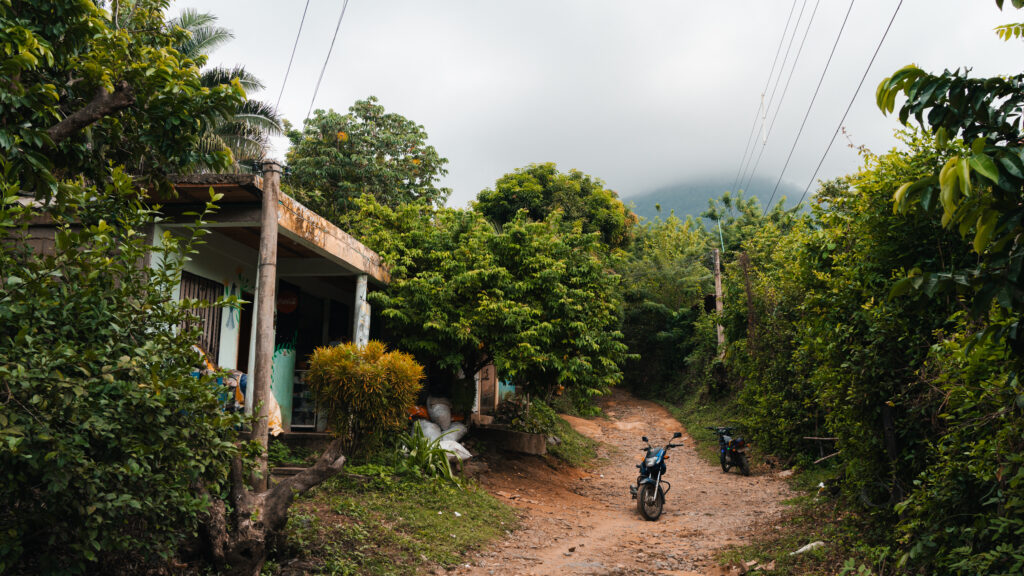
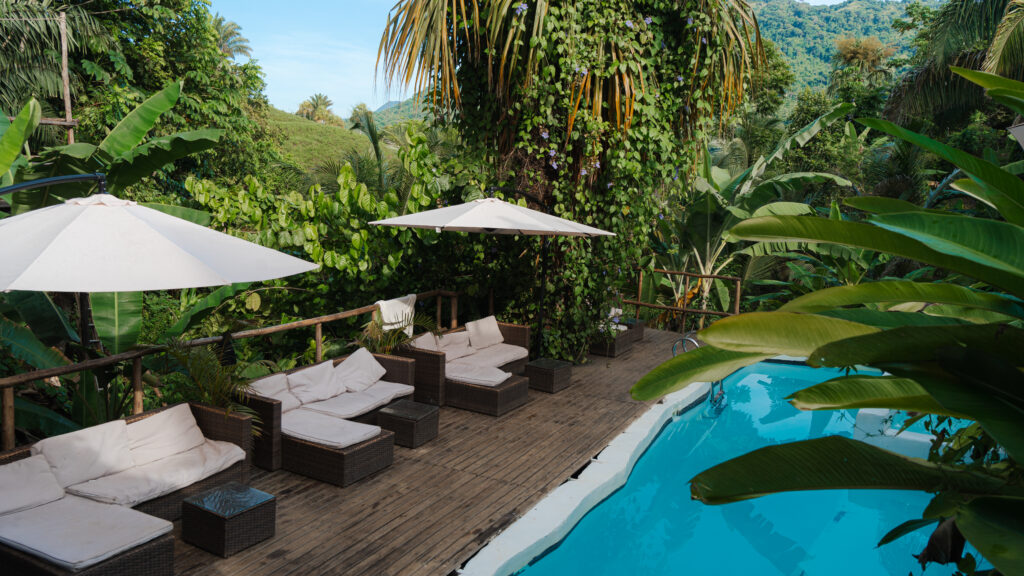
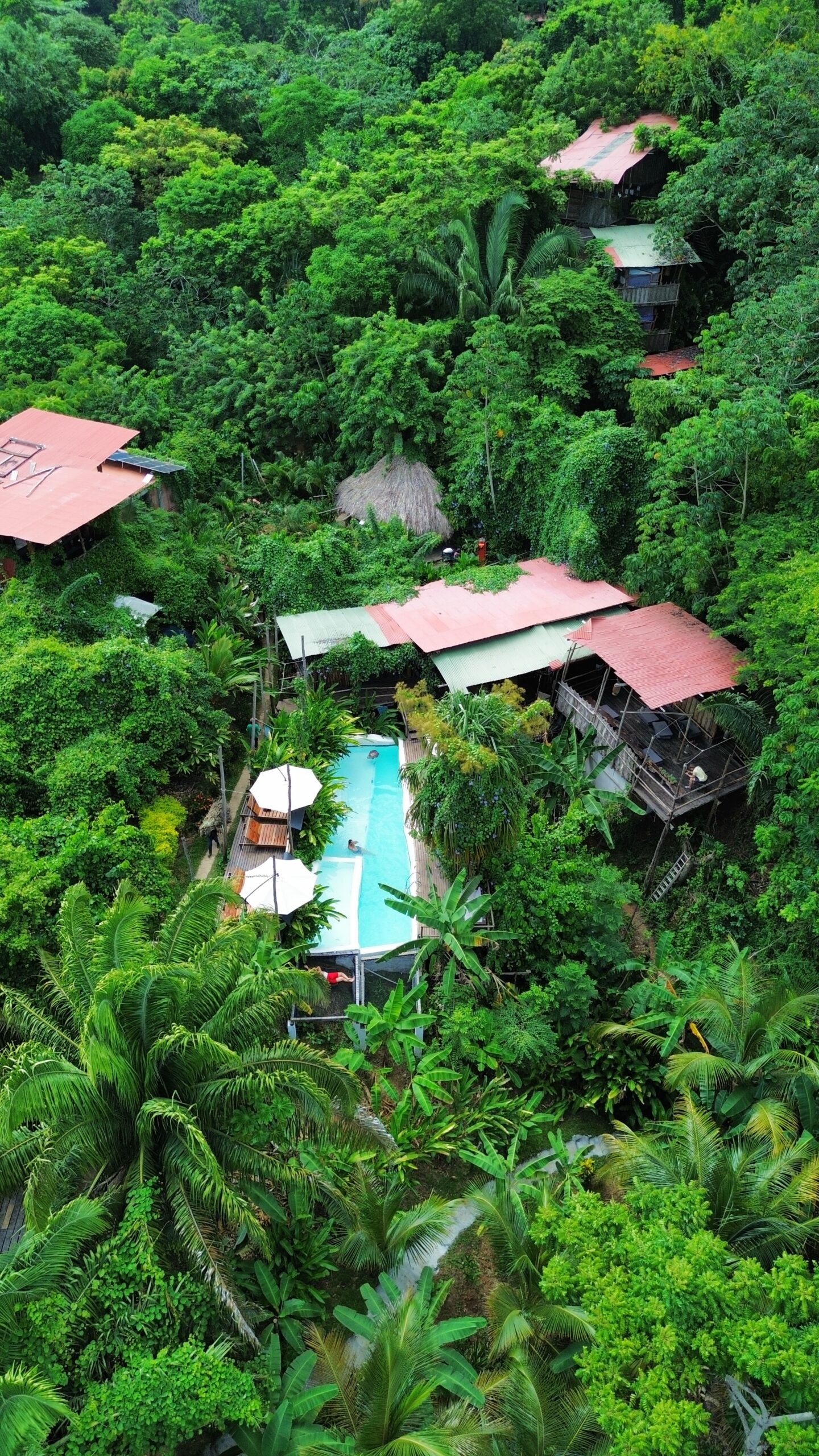
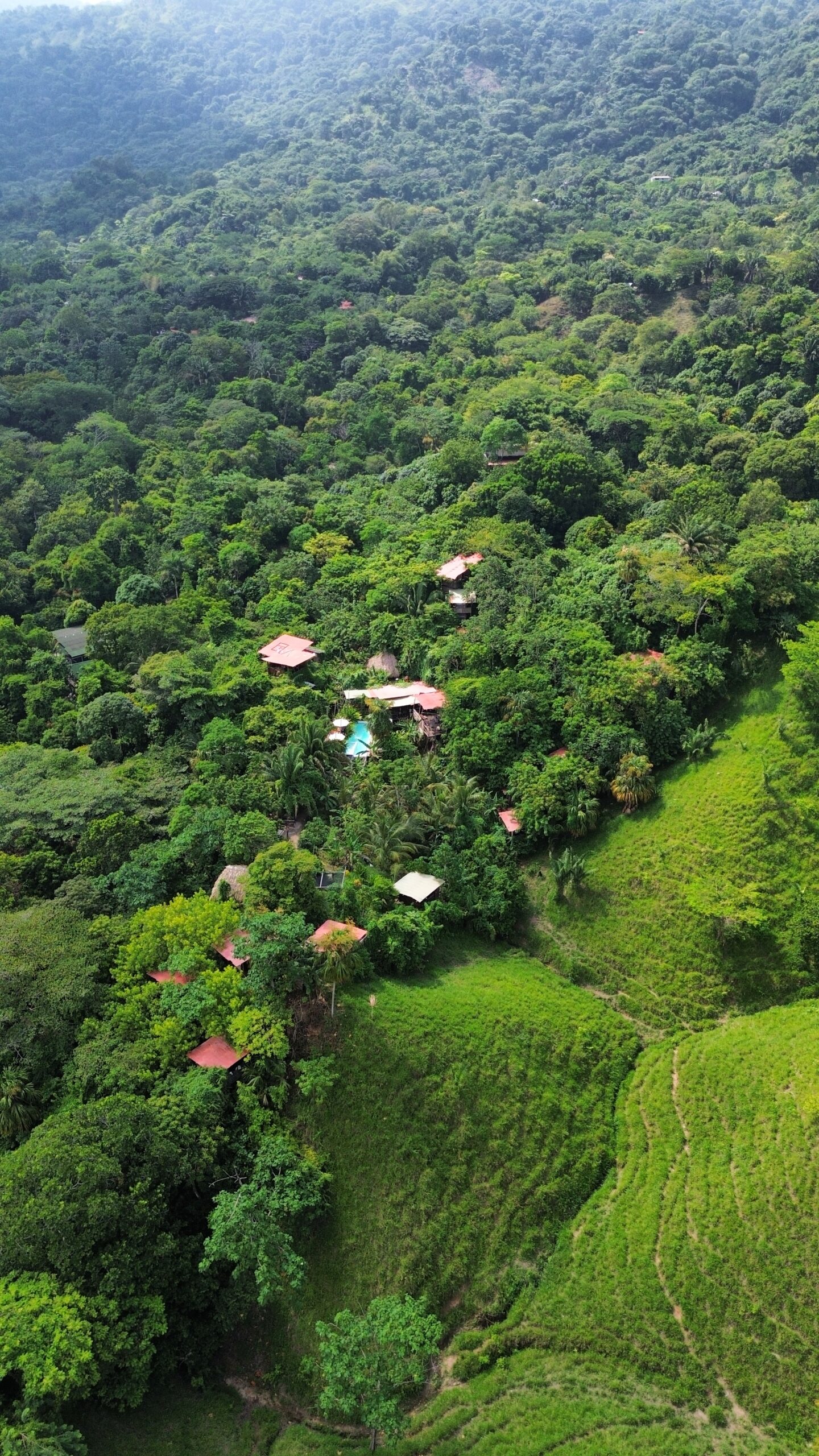
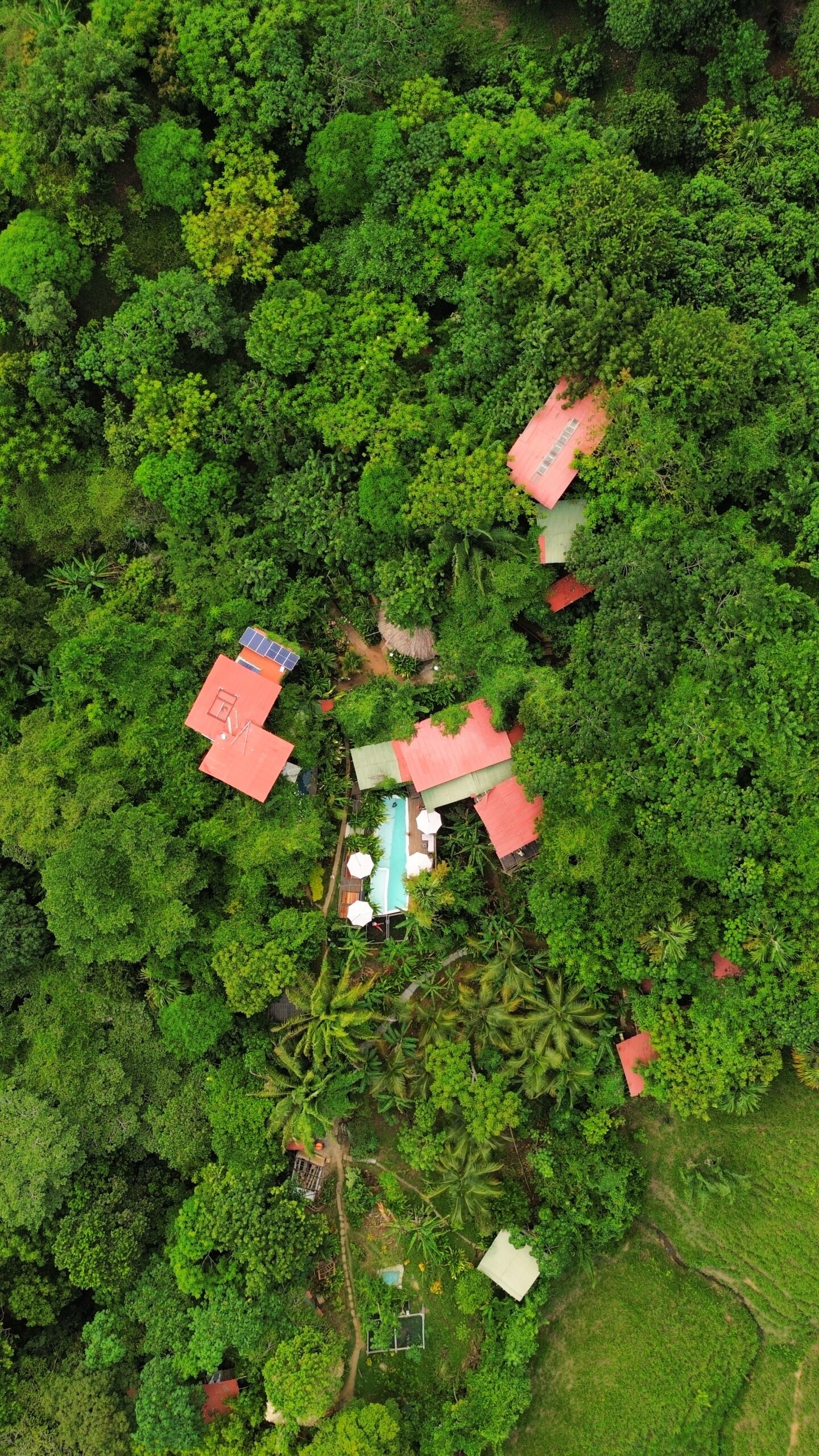
From Santa Marta, we took a one-hour bus to Tayrona and checked into The Valley Hostel, a jungle lodge just outside the park. Our private cabin had only a roof and a mosquito net around the bed — no proper walls — meaning we could hear every sound of the jungle at night. It was an incredible experience. Add a hilltop pool, giant hammocks, great breakfasts, and occasional BBQ nights, and it became one of the highlights of our Colombia trip.
Then came Tayrona National Park itself — and this is where things changed.
Entrance fees were absurdly high: 96,000 COP per person (around €22), plus mandatory health insurance and an additional bus fee just to reach the trailhead. With prices like that, we expected well-maintained infrastructure. Instead, trails were muddy, stairs were broken, and safety felt neglected. Horses used for transport looked exhausted and poorly treated.
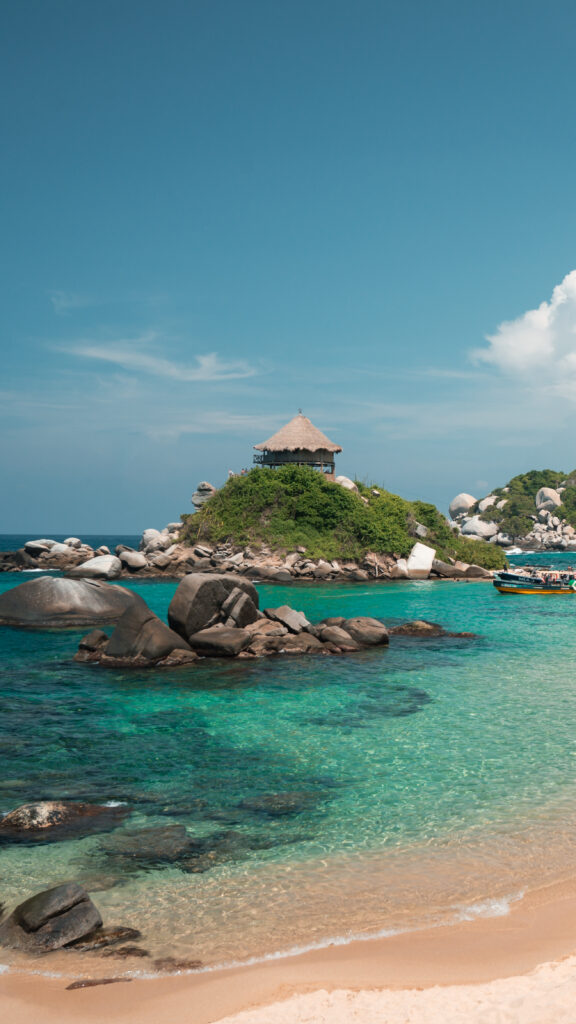
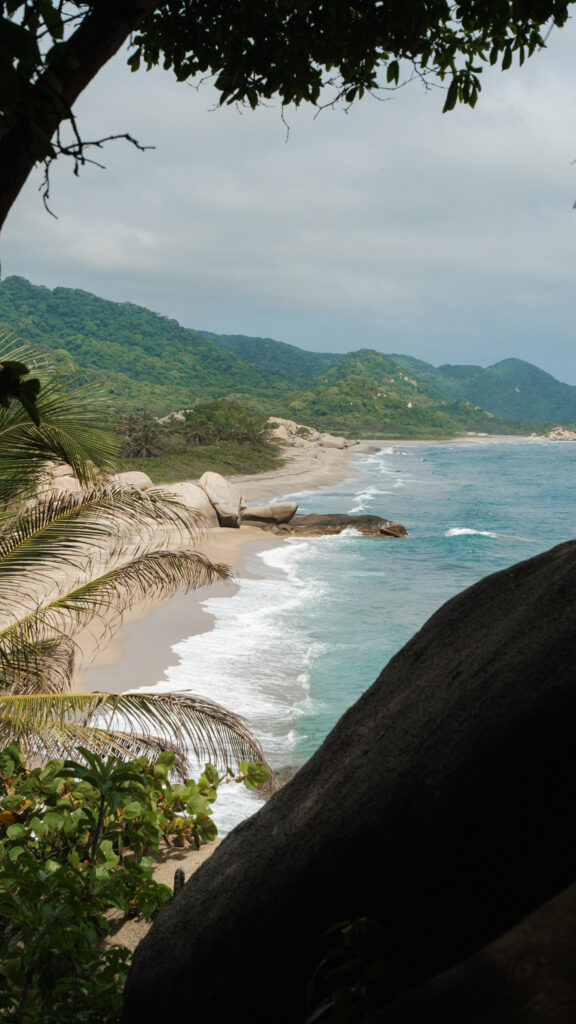
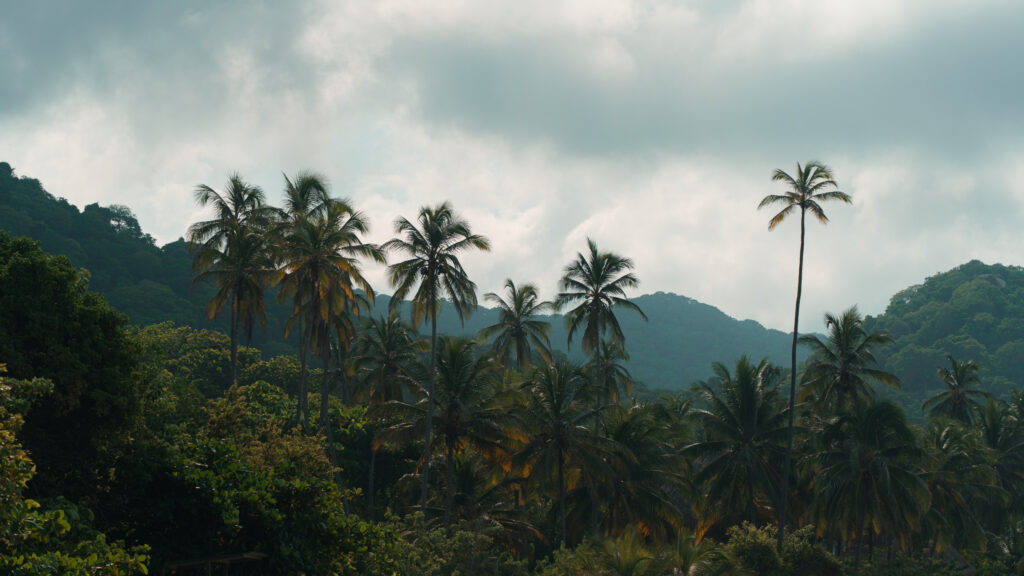
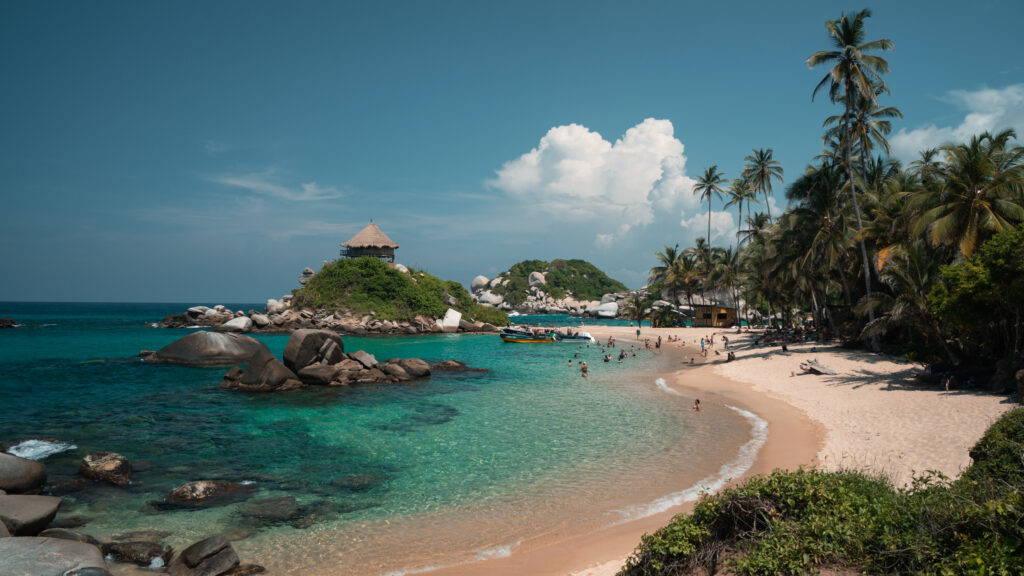
Yes, the scenery was beautiful — lush jungle, white beaches, turquoise water. But the park felt overcrowded, commercialized, and far from the national park experience we had hoped for. In our opinion, Tayrona is massively overhyped.
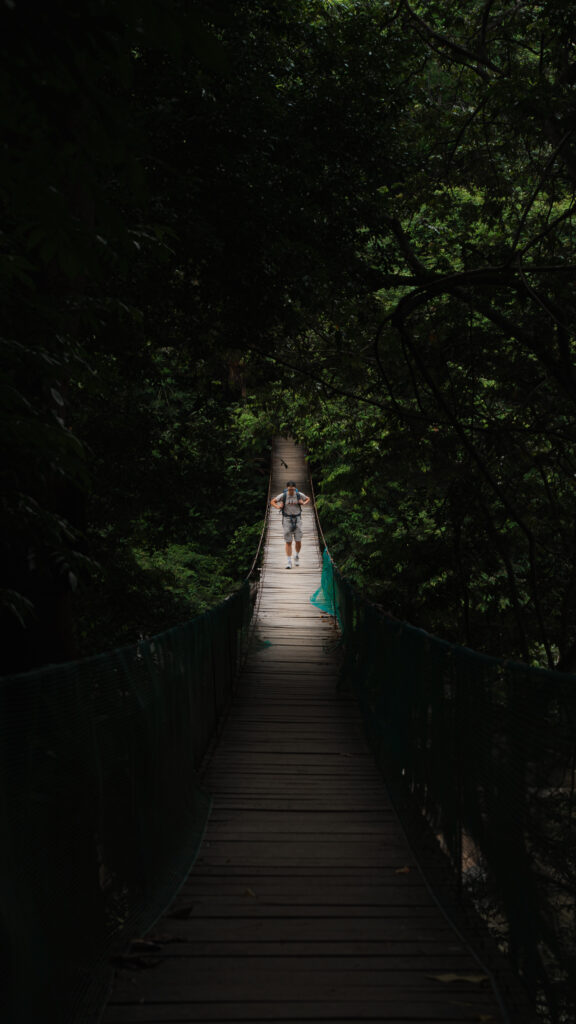
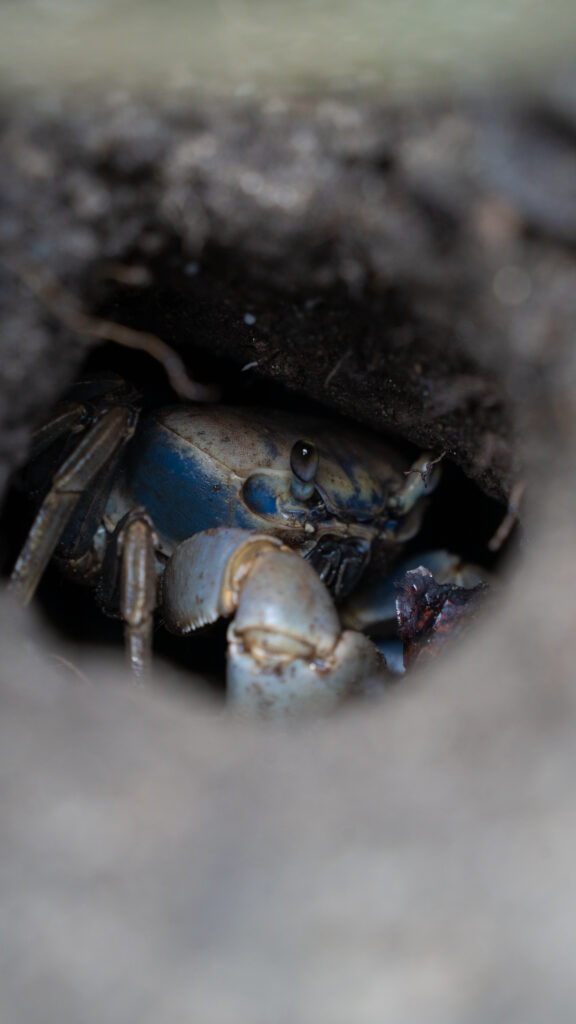
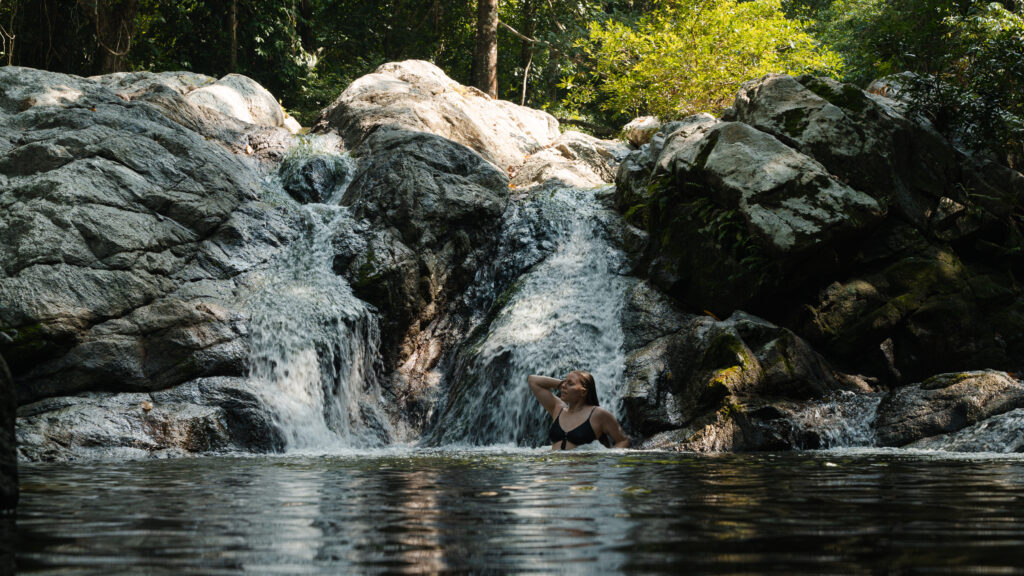
The next day, we explored jungle trails and waterfalls outside the park — completely free, untouched, and without another soul in sight.
GETTING TO CARTAGENA
On the way back to Santa Marta, Emilia insisted on taking a mototaxi to the main bus terminal. We showed the driver the map, agreed on a price, and set off. Mid-ride, he suddenly claimed buses to Cartagena didn’t leave from the main terminal and took us to the outskirts of the city instead.
When I questioned him, he conveniently stopped understanding English — until it was time to renegotiate the price. We were clearly being scammed. Angry but with no choice, we paid. Luckily, there was a bus to Cartagena nearby, and even more luckily, we had just enough cash left for the tickets even though the mototaxis had just ripped us off.
CARTAGENA
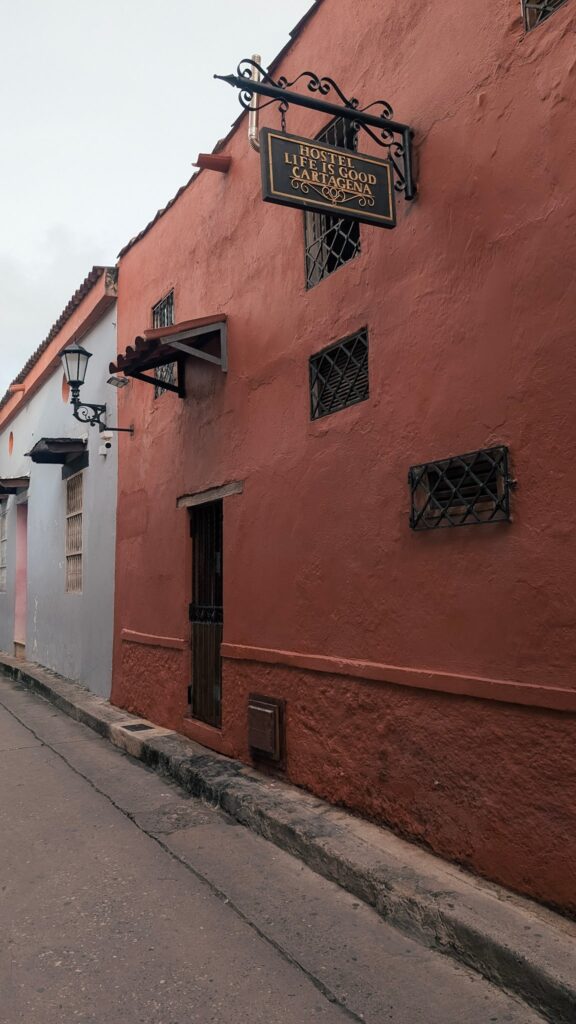
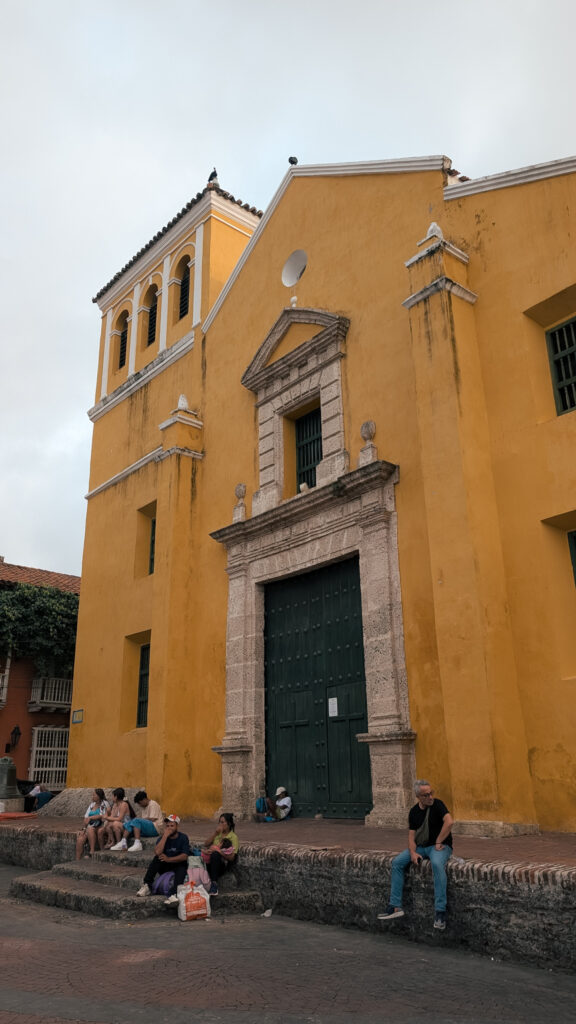
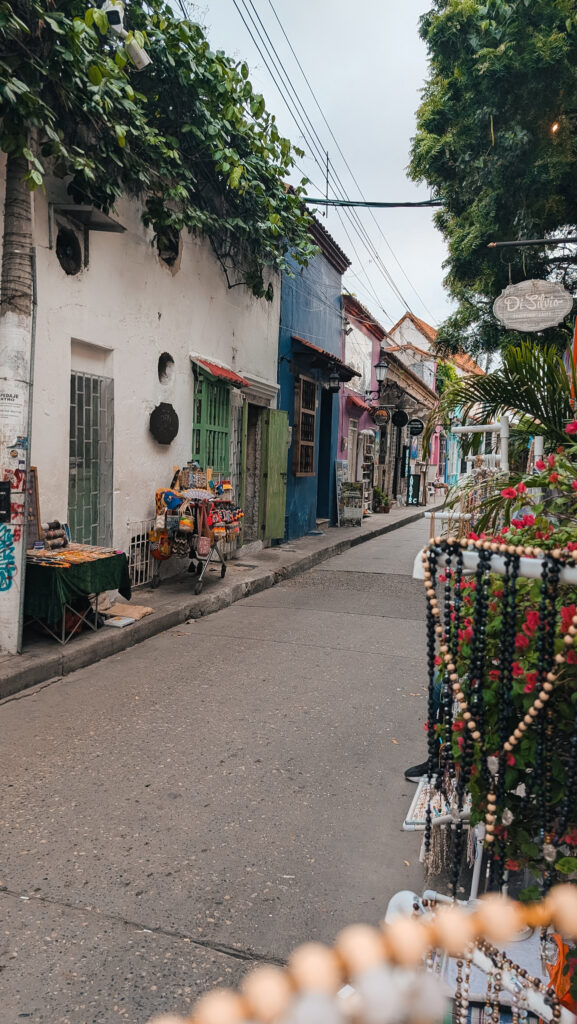
Cartagena was just a one-night stop before our flight to Ecuador, and we didn’t have high expectations. We joined a walking tour in the Getsemaní area, then searched for dinner — only to find city center prices ridiculously high.
Wandering outside the tourist zone, we found a small food stall packed with locals. It served only one thing: shrimp ceviche. And it was hands down the best food we ate in Colombia.
A perfect way to end the trip.
FINAL THOUGHTS
Colombia was our first taste of Latin America. It’s an undeniably beautiful country, but it just didn’t fully click with us. While flying to Quito, we talked through our experiences and realized there were many small reasons — the biggest being a lack of authenticity and not meeting the right people. We of course need to give Colombia another chance and visit places which are a bit more off-grid.
We did meet friendly Colombians, but those encounters were overshadowed by less positive ones. Overall, we didn’t feel particularly welcome, despite trying our best with broken Spanish we learned during our two weeks trip.
Traveling Colombia with carry-on backpacks is absolutely doable thanks to the tropical climate. Things got much trickier in Ecuador — but that’s a story for the next post.
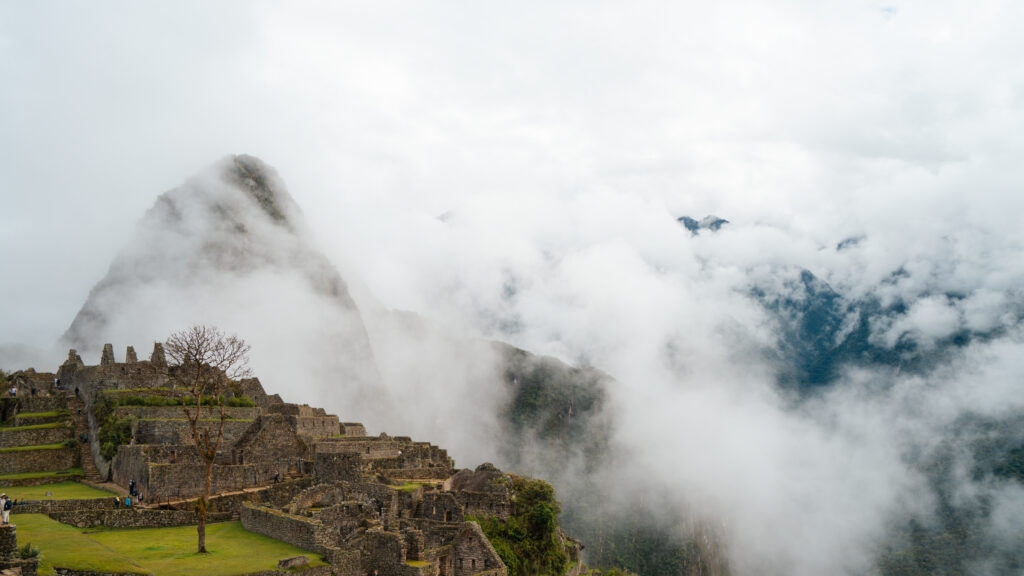
How to Visit Machu Picchu on a Budget?
Machu Picchu is one of the most iconic destinations in the world, but visiting it…
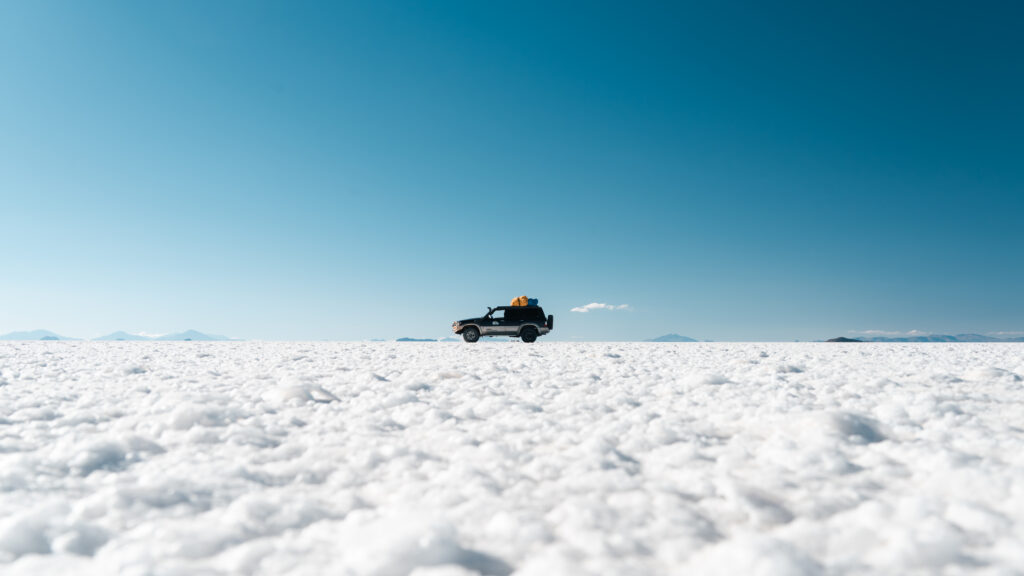
Bolivia Backpacking Guide: Salt Flats, 6000m Peaks & Our Biggest South American Surprise
After Peru, we crossed into Bolivia with surprisingly low expectations. We honestly didn’t know much…
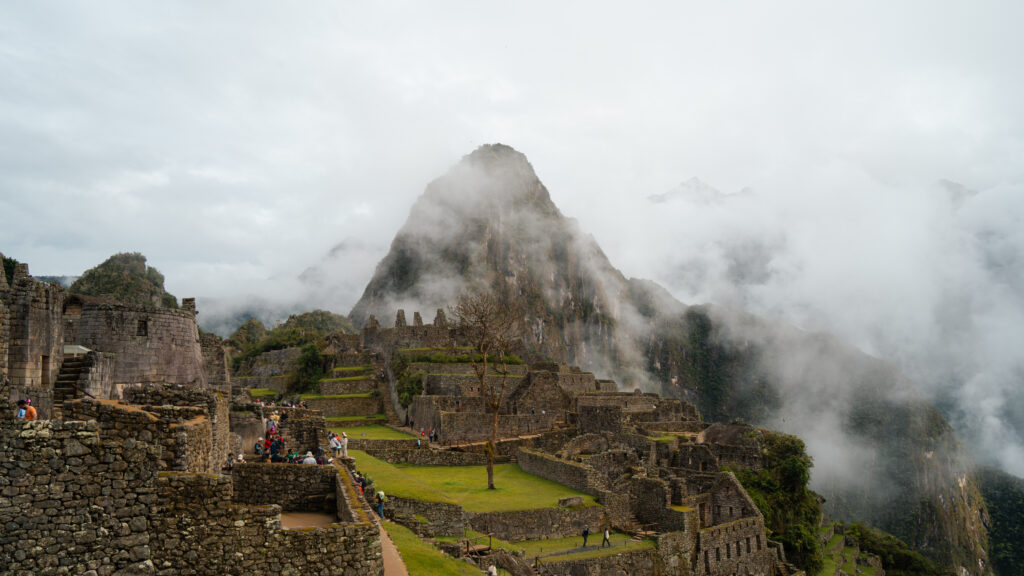
Peru Backpacking Itinerary: Chaos, Mountains & Machu Picchu
Machu Picchu & Huayna Pichu From Ecuador, we continued our backpacking journey to Peru, one…
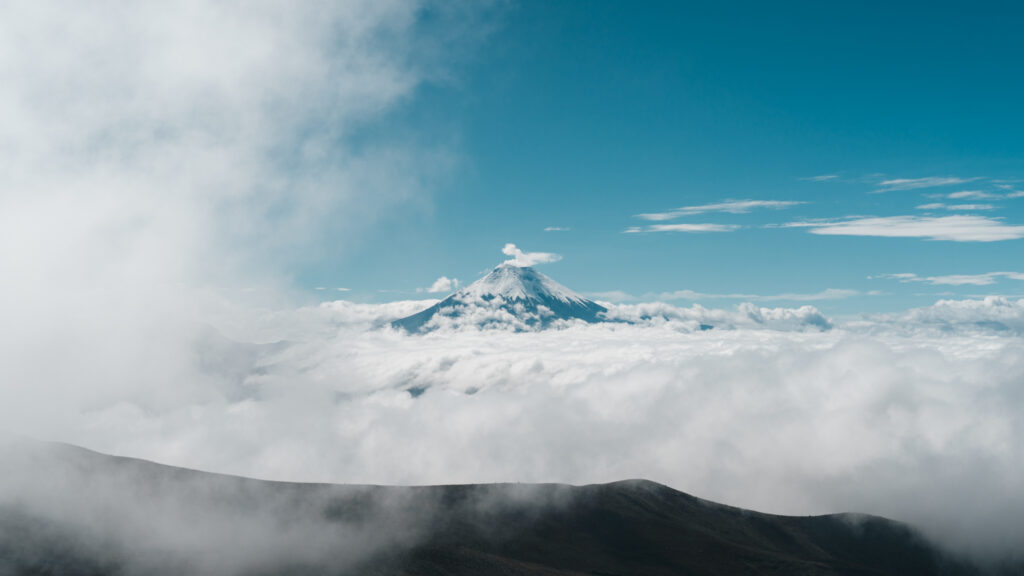
Chasing Volcanoes in Ecuador: Epic Backpacking Journey
We came with backpacks and no plan.Ecuador gave us volcanoes, altitude, and a new perspective…
Traveling Colombia: Our First Taste of Latin America
In Colombia, Latin America stopped being an ideaand became real. Colombia is located in northwestern…
2.5 Months in Latin America With Carry-On Only
2.5 Months in Latin America With Carry-On Only Five countries. Two backpacks.Everything else, we figured…